Research Articles
Comparative Genomics of Bacterial Transcriptional Regulatory Networks: Evolution, Methods, and Biomedical Applications
This article provides a comprehensive analysis of methodologies and insights from comparing transcriptional regulatory networks (TRNs) across bacterial species.
Waking Up Silent Code: Modern Methods for Activating Cryptic Prokaryotic Gene Clusters in Drug Discovery
This article provides a comprehensive overview of contemporary strategies for activating cryptic biosynthetic gene clusters (BGCs) in prokaryotes, with a focus on applications in natural product discovery and drug development.
Genome-Based vs. 16S rRNA Phylogenetic Classification: A Modern Guide for Microbial Researchers
This article provides a comprehensive analysis of genome-based and 16S rRNA gene sequencing methods for microbial phylogenetic classification and identification.
Optimizing DNA-Binding Site Prediction: From Evolutionary Challenges to Clinical Applications
Accurately predicting protein-DNA binding sites is crucial for understanding gene regulation and developing new therapeutics, yet existing computational methods often fail when applied to evolutionarily distant or orphan proteins.
Navigating the Maze: Strategies for Overcoming Regulatory Complexity in Prokaryotic Gene Cluster Engineering
The engineering of prokaryotic gene clusters holds immense potential for drug discovery and biotechnology, yet its path is fraught with technical and regulatory challenges.
Beyond the Promoter: Mapping RNA Polymerase Distribution to Overcome Limitations in Genome Regulation and Therapy
This article synthesizes current research on the spatial and temporal distribution of RNA polymerases (Pol I, II, and III) across the genome, a critical yet underexplored layer of transcriptional control.
Optimizing MAG Quality: A Researcher's Guide to Troubleshooting Genome Completeness and Contamination
This article provides a comprehensive framework for researchers and bioinformatics professionals tackling the critical challenges of metagenome-assembled genome (MAG) quality.
Striking the Balance: Optimizing Sensitivity and Specificity in Modern Regulon Prediction Algorithms
This article provides a comprehensive guide for researchers and bioinformaticians on the critical challenge of balancing sensitivity and specificity in regulon prediction.
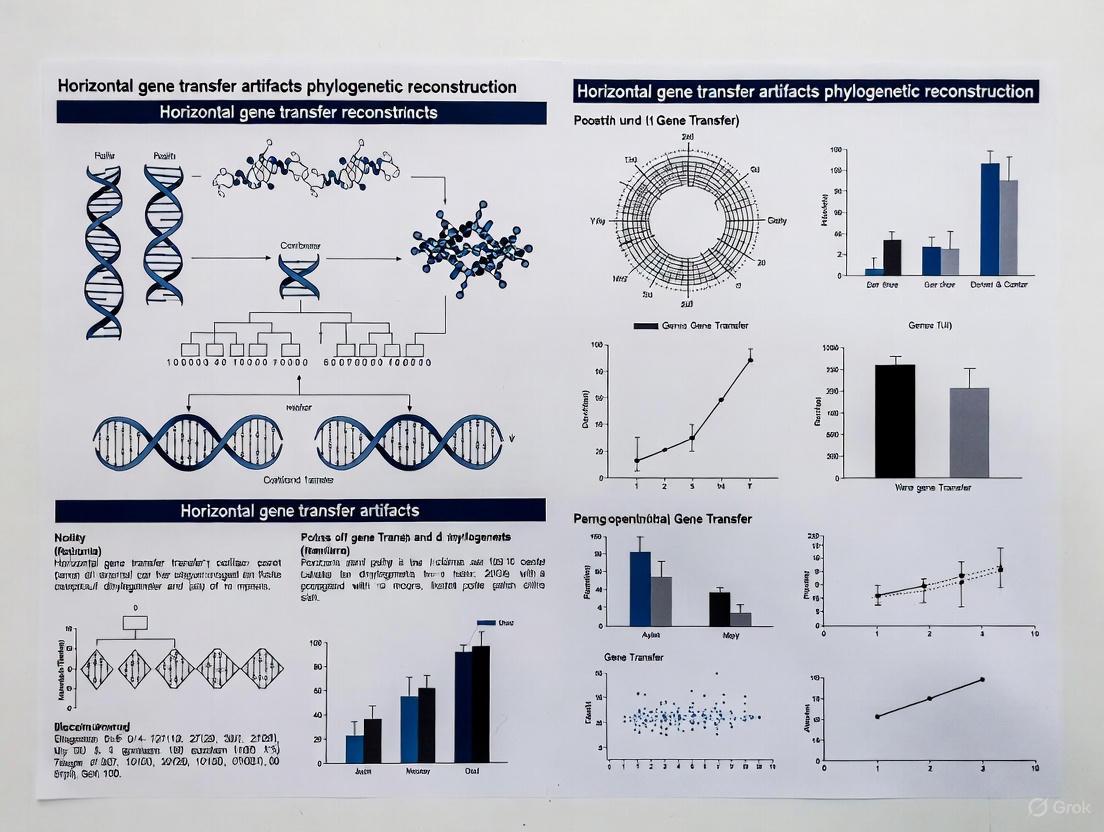
Resolving Horizontal Gene Transfer Artifacts in Phylogenetic Reconstruction: Methods, Challenges, and Clinical Implications
Horizontal gene transfer (HGT) presents a significant challenge to accurate phylogenetic reconstruction by introducing evolutionary relationships that violate standard vertical descent models.
Beyond the Consensus: Advanced Strategies for Degenerate Transcription Factor Binding Site Discovery
This article addresses the critical challenge of identifying degenerate transcription factor binding sites (TFBSs), short DNA sequences essential for gene regulation that exhibit high sequence variability.