Strategies to Eliminate Non-Specific PCR Products: A Comprehensive Guide for Reliable Data
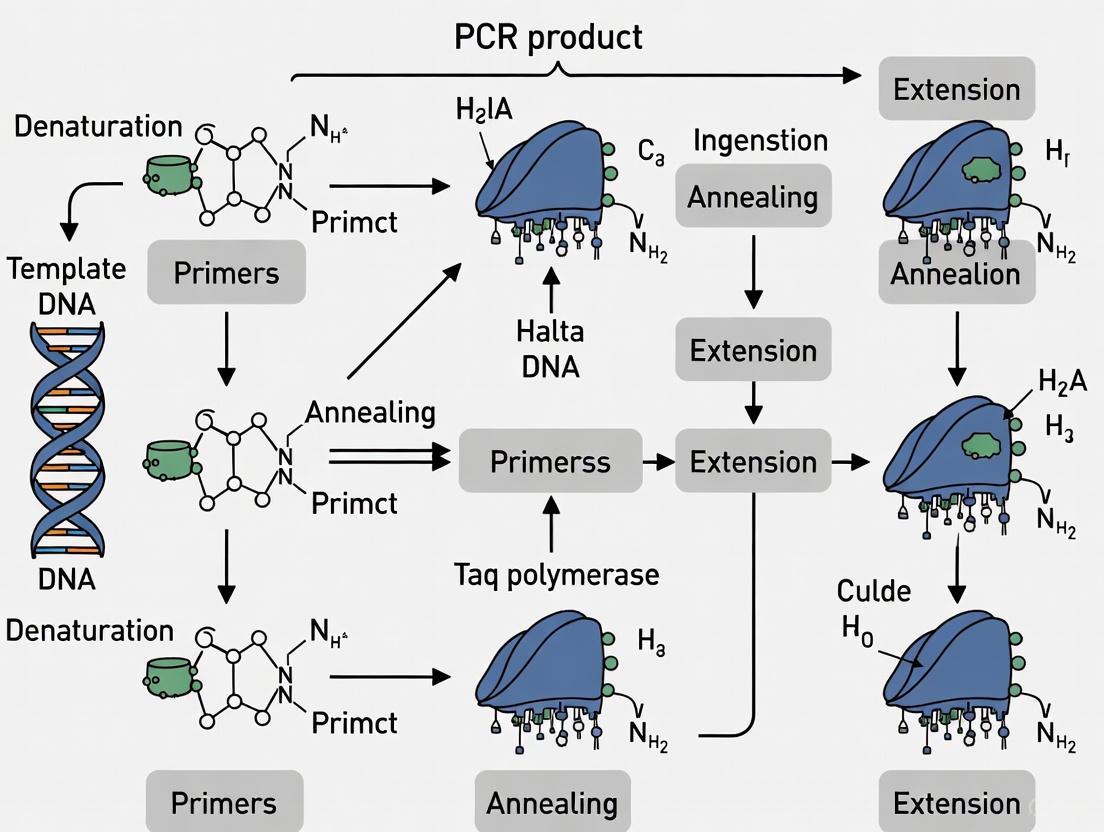
Non-specific amplification remains a pervasive challenge in PCR, compromising data accuracy in research and drug development.
Strategies to Eliminate Non-Specific PCR Products: A Comprehensive Guide for Reliable Data
Abstract
Non-specific amplification remains a pervasive challenge in PCR, compromising data accuracy in research and drug development. This article provides a systematic framework for scientists and researchers to understand, troubleshoot, and prevent non-specific products. Covering foundational causes, advanced methodological strategies, step-by-step optimization, and rigorous validation practices, this guide synthesizes current knowledge to enhance the specificity, reproducibility, and reliability of PCR assays, particularly in sensitive applications like cell and gene therapy analysis.
Understanding Non-Specific PCR Amplification: Causes and Consequences for Data Integrity
In polymerase chain reaction (PCR) and related amplification techniques, the formation of non-specific products is a significant challenge that can compromise experimental results, lead to false positives, and reduce assay efficiency. These unintended amplification products compete for essential reaction components, potentially inhibiting the amplification of the target DNA sequence. For researchers and drug development professionals, recognizing, troubleshooting, and preventing these artifacts is crucial for data integrity and the development of robust diagnostic and therapeutic assays. This guide provides a comprehensive overview of non-specific products, from their definition to practical mitigation strategies.
FAQ: Understanding Non-Specific Amplification
1. What are non-specific amplification products? Non-specific amplification products are unintended DNA fragments generated during PCR, as opposed to the specific target DNA region. This definition typically excludes amplification of external contaminants and focuses on artifacts arising from the reaction itself, such as primer-dimers and misprimed amplification [1].
2. What is a primer-dimer and how does it form? A primer-dimer (PD) is a small, unintended DNA fragment that forms when two primers anneal to each other via complementary bases, rather than to the intended template DNA. The DNA polymerase can then extend these hybridized primers, creating an amplifiable product. PDs are typically 30-50 base pairs (bp) in length and can be visible on an electrophoresis gel as a bright band at the bottom [2] [3]. Formation often occurs at low temperatures during reaction setup, where primers are more likely to interact with each other [3].
3. How do off-target amplicons differ from primer-dimers? While primer-dimers are a specific type of non-specific product formed by primer-primer interactions, off-target amplicons are larger DNA fragments resulting from primers binding to and amplifying non-target regions of the template DNA that have partial sequence homology. These can appear as unexpected bands or smears on a gel at sizes different from the target amplicon [1] [4].
4. Why is non-specific amplification a problem?
- Reduced Efficiency: Non-specific products compete with the target amplicon for primers, nucleotides, and polymerase, reducing the yield of the desired product [1] [3].
- Obscured Results: Smears or unexpected bands can make it difficult to interpret gel electrophoresis results [1].
- Compromised Downstream Applications: Non-specific products can interfere with sequencing, cloning, and quantitative analysis, leading to inaccurate data [1].
- False Positives: In diagnostic assays and quantitative PCR (qPCR), non-specific amplification can lead to false positive signals [3].
5. What does non-specific amplification look like on a gel? When visualizing PCR results via gel electrophoresis, non-specific amplification can manifest in several ways [1]:
- Primer-dimers: A sharp band or smear around 30-50 bp.
- Smears: A continuous, hazy background of DNA of various sizes.
- Unexpected Bands: Discrete bands at sizes not matching the expected target amplicon.
- Primer Multimers: A ladder-like pattern of bands, often at 100 bp, 200 bp, etc.
- DNA Trapped in Wells: This can appear as a bright, fuzzy band stuck in the well, sometimes associated with large, complex amplicons or other issues.
Troubleshooting Guide: Identifying and Resolving Non-Specific Amplification
Problem: Primer-Dimer Formation
Identification:
- A bright band or smear below 100 bp on an agarose gel [2].
- The band is often fuzzy and runs below the last band of the DNA ladder [2].
- It will also appear in a no-template control (NTC) reaction, confirming its formation is independent of the target DNA [2].
Solutions:
- Optimize Primer Design: Use software to design primers with minimal self-complementarity and low complementarity to each other, especially at the 3' ends [2] [5] [3].
- Use Hot-Start PCR: Employ a hot-start DNA polymerase. These enzymes are inactive at room temperature, preventing extension during reaction setup and dramatically reducing primer-dimer formation [2] [6] [7].
- Lower Primer Concentration: Reduce the primer concentration to decrease the chance of primer-primer interactions [2] [5].
- Increase Annealing Temperature: Raise the annealing temperature to discourage the weak binding that leads to primer-dimer formation [2] [5].
- Set Up Reactions on Ice: If a hot-start enzyme is not available, prepare reactions on ice to minimize enzyme activity before thermal cycling [1].
Problem: Smears or Multiple Bands (Off-Target Amplicons)
Identification:
- A diffuse, hazy background (smear) across a range of fragment sizes on the gel [1].
- Multiple discrete bands that do not correspond to the expected target size [1].
Solutions:
- Optimize Thermal Cycling Conditions:
- Increase Annealing Temperature: This is the most common fix. A higher temperature promotes stricter primer binding to its exact target sequence. Use a gradient thermal cycler to find the optimal temperature [5].
- Use Touchdown PCR: Start with an annealing temperature higher than the calculated Tm, and decrease it incrementally over subsequent cycles. This ensures that only the most specific products are amplified in the initial cycles [7].
- Reduce Cycle Number: Excessive cycles can amplify minor, non-specific products. Use the minimum number of cycles that still provides a good target yield [5].
- Optimize Reaction Chemistry:
- Adjust Mg²⁺ Concentration: Excess Mg²⁺ can reduce fidelity and promote non-specific binding. Titrate the Mg²⁺ concentration to the optimal level for your primer set [5].
- Use PCR Additives: For difficult templates (e.g., GC-rich), additives like DMSO, formamide, or betaine can help denature secondary structures and improve specificity [5] [7].
- Check Template DNA:
- Reduce Template Amount: Too much template DNA can increase the chance of mispriming. Dilute the template and re-run the PCR [1] [5].
- Ensure Template Purity: Carryover of salts, proteins, or other contaminants from the DNA extraction can inhibit PCR and cause smearing. Re-purify or precipitate the DNA if necessary [1] [5].
- Re-design Primers: If optimization fails, the primers may have inherent low specificity. Verify primer specificity using BLAST and re-design if they bind to multiple genomic locations [5].
Problem: Amplicons of Unexpected Sizes
Identification:
- Discrete bands that are either larger or smaller than the expected target amplicon [1].
Solutions:
- Employ Nested PCR: Perform a second round of PCR using "nested" primers that bind within the first PCR product. This greatly increases specificity because it is unlikely that a non-specific product from the first round would be amplified by the second, internal primer set [7].
- Verify Primer Specificity: Use in silico tools to ensure your primers are unique to the target sequence.
- Increase Stringency: Combine several of the above approaches, such as using a hot-start polymerase with a higher annealing temperature and optimized Mg²⁺ concentration.
Experimental Protocols for Mitigation
Protocol 1: Hot-Start PCR Setup
Principle: Inhibiting polymerase activity at room temperature to prevent pre-amplification artifacts [6] [7].
- Reagent Thawing: Thaw all PCR reagents (except the enzyme) on ice. Briefly vortex and centrifuge.
- Master Mix Assembly: On ice, combine the following in order:
- Nuclease-free water
- PCR Buffer (with final Mg²⁺ concentration optimized)
- dNTPs
- Forward and Reverse Primers (at optimized concentrations, typically 0.1-1 µM)
- Template DNA
- Add Polymerase: Add the hot-start DNA polymerase last. Mix by pipetting gently. Do not vortex.
- Immediate Cycling: Transfer the tubes directly to a pre-heated thermal cycler (lid >95°C) and start the cycling program, which should include an initial activation/denaturation step (e.g., 95°C for 2-5 minutes) to activate the enzyme.
Protocol 2: Touchdown PCR
Principle: Starting with high-stringency annealing and gradually lowering it to enrich for specific products [7].
- Program Setup: Design a thermal cycling program as follows:
- Initial Denaturation: 95°C for 2-5 min.
- Cycling Stage 1 (10-15 cycles):
- Denature: 95°C for 30 sec.
- Anneal: Start at 5-10°C above the calculated Tm for 30 sec. Decrease the annealing temperature by 0.5-1°C per cycle.
- Extend: 72°C for 1 min/kb.
- Cycling Stage 2 (20-25 cycles):
- Denature: 95°C for 30 sec.
- Anneal: Use the final, optimized annealing temperature (e.g., Tm - 5°C) for 30 sec.
- Extend: 72°C for 1 min/kb.
- Final Extension: 72°C for 5-10 min.
Quantitative Data and Optimization Parameters
Table 1: Key Reaction Parameters for Troubleshooting Non-Specific Amplification
| Parameter | Typical Range | Effect of Increasing Parameter | Troubleshooting Adjustment for Non-Specific Bands |
|---|---|---|---|
| Annealing Temperature | 3-5°C below primer Tm | Increases specificity | Increase in 1-2°C increments [5] |
| Primer Concentration | 0.1 - 1.0 µM | Can increase primer-dimer formation | Decrease [2] [5] |
| Mg²⁺ Concentration | 1.5 - 2.5 mM (enzyme dependent) | Can decrease fidelity and increase non-specific binding | Decrease [5] |
| Cycle Number | 25 - 40 | Accumulates non-specific products | Decrease to the minimum required [5] |
| Template Quantity | 0.1 - 100 ng (varies by source) | Excess can cause smearing | Decrease (dilute template) [1] [5] |
| Extension Time | 1 min/kb | Usually not a direct cause of non-specificity | Ensure it is sufficient for the target amplicon |
Table 2: Research Reagent Solutions for Preventing Non-Specific Products
| Reagent / Method | Function / Principle | Key Characteristics |
|---|---|---|
| Hot-Start DNA Polymerase | Enzyme is inactive at room temperature; activated by high heat. Prevents mispriming and primer-dimer formation during setup [2] [7]. | Available as antibody-mediated, aptamer-mediated, or chemically modified [6] [3]. |
| PCR Additives (e.g., DMSO, Betaine) | Destabilizes DNA secondary structures, improves denaturation of GC-rich templates, and can increase primer specificity [5] [7]. | Concentration must be optimized (e.g., DMSO at 2-10%); may require lowering annealing temperature. |
| dUTP/UNG Carryover Prevention | Incorporates dUTP in place of dTTP in amplicons. Uracil-N-Glycosylase (UNG) degrades any contaminating uracil-containing amplicons from previous reactions before PCR begins [8]. | Effective for preventing false positives from amplicon contamination; requires dUTP in the master mix. |
| Optimized Buffer Systems | Specially formulated buffers for specific challenges (e.g., GC-rich targets, multiplex PCR) often contain proprietary enhancers and optimal salt concentrations [5] [7]. | Can improve yield and specificity without extensive optimization by the user. |
Workflow and Strategy Diagrams
Diagram 1: Decision Pathway for Troubleshooting Non-Specific PCR
Diagram 2: Mechanism of Hot-Start PCR
FAQs: Troubleshooting Non-Specific PCR Product Formation
1. My agarose gel shows multiple unexpected bands. What is the most likely cause? Multiple unexpected bands are a classic sign of non-specific amplification, often caused by primers binding to incorrect sites on the DNA template. The most common reasons are an annealing temperature that is too low or flaws in primer design [1] [5]. When the annealing temperature is too low, primers can tolerate mismatches and bind to non-target sequences. Similarly, primers that are not specific enough or have problematic structures like hairpins will produce the same effect [9].
2. I see a smear on my gel instead of a crisp band. What does this mean? A smear indicates that the PCR produced a mixture of DNA fragments of many different sizes. This is often the result of excessive template DNA or degraded template DNA, which can lead to random, non-specific priming [1]. It can also be caused by degraded primers or an annealing temperature that is too low [1]. If the DNA is both highly fragmented and low in concentration, re-extracting the DNA from the original sample may be necessary [1].
3. A bright band appears very low on my gel, around 20-60 bp, even in my negative control. What is this? This is very likely a primer dimer [1]. Primer dimers form when two primers hybridize to each other and are amplified, producing a short, amplifiable product. Seeing this in a negative control is a strong indicator of contamination in one of your reagents (e.g., water, polymerase, buffer) or from aerosolized PCR products in your lab environment [10]. You should systematically replace reagents with new, unopened aliquots to identify the source.
4. My negative control shows amplification. What should I do next? A positive signal in your no-template control (NTC) confirms contamination [11]. Your immediate actions should be:
- Decontaminate your workspace and equipment with a 10% bleach solution or a commercial DNA decontaminant [8] [10].
- Discard all opened reagents and prepare new aliquots from stock solutions.
- Review your lab practices: Ensure strict physical separation of pre- and post-PCR areas, use dedicated lab coats and equipment for PCR setup, and always use filtered pipette tips [8] [11].
5. How can I prevent carryover contamination from previous PCRs in my future experiments? Implement the uracil-N-glycosylase (UNG) system [8] [11]. This involves using dUTP instead of dTTP in your PCR master mixes. Any contaminating amplicons from previous reactions will then contain uracil. Before the next PCR, the UNG enzyme degrades these uracil-containing contaminants. The enzyme is then inactivated during the first high-temperature step of the new PCR, allowing the new amplification to proceed with your natural dTTP-containing template.
Quantitative Optimization Data for PCR Components
The following table summarizes key parameters to optimize for preventing non-specific amplification.
Table 1: PCR Component Optimization Guide
| Component | Common Pitfall | Optimal Range / Solution | Effect of Deviation |
|---|---|---|---|
| Annealing Temperature | Too low | - 3–5°C below primer Tm [5] [12]- Use a gradient thermal cycler for optimization [5]- Consider Touchdown PCR for specificity [12] | Increased mispriming, non-specific bands, and smears [5] |
| Primer Design | Non-specific binding, self-complementarity | - Length: 15-30 nucleotides [9]- Tm: 55-70°C, within 1-5°C for each primer [13] [9]- GC content: 40-60% [9]- Avoid repeats and 3'-end complementarity [9] | Primer-dimers, hairpins, and amplification of non-target sequences [1] [9] |
| Mg2+ Concentration | Too high | - 1.5 - 2.0 mM is a common starting point [9]- Optimize for each primer-template system (0.5 - 5.0 mM range) [5] | Excess Mg2+ reduces fidelity and increases non-specific amplification [5] [12] |
| Cycle Number | Too high | - 25-35 cycles is typically sufficient [5]- Use minimum number for adequate yield | Accumulation of non-specific products and polymerase errors [1] [5] |
| Template Quantity | Too much | - 10 pg - 1 µg, depends on template complexity [12]- Human genomic DNA: 30-100 ng [12] | High background and smearing [1] [5] |
Specialized PCR Protocol for Difficult Templates
Objective: To amplify GC-rich or complex templates prone to secondary structures that cause polymerase stalling and non-specific amplification.
Materials:
- Template DNA
- High-fidelity, thermostable DNA polymerase (e.g., PrimeSTAR GXL, Platinum SuperFi II)
- Corresponding reaction buffer
- Primers (designed with higher Tm >68°C) [12]
- dNTP mix
- PCR enhancers (e.g., DMSO, Betaine) [12] [9]
Methodology:
- Reaction Setup: Assemble a 50 µL reaction on ice.
- Sterile H2O: Q.S. to 50 µL
- 10X PCR Buffer: 5 µL
- dNTP Mix (10 mM): 1 µL
- Primer 1 (20 µM): 1 µL
- Primer 2 (20 µM): 1 µL
- DMSO (100%): 1.25 µL (2.5% final) [12]
- Template DNA: 0.5-1 µL (10-100 ng)
- DNA Polymerase: 0.5-1 µL (follow mfr. instructions)
- Thermal Cycling:
Note: The higher denaturation temperature and use of DMSO help melt GC-rich secondary structures, allowing the polymerase to proceed efficiently [12].
Signaling Pathways and Workflows
Troubleshooting Non-Specific Amplification
Contamination Control Workflow
The Scientist's Toolkit: Research Reagent Solutions
Table 2: Essential Reagents for Troubleshooting Non-Specific PCR
| Reagent / Kit | Primary Function | Application in Troubleshooting |
|---|---|---|
| Hot-Start DNA Polymerase | Polymerase is inactive at room temperature, requiring heat activation. | Prevents non-specific amplification during reaction setup by inhibiting enzyme activity until the first denaturation step [5]. |
| PCR Optimizer Kits / Additives | Contains co-solvents like DMSO, Betaine, or formamide. | Destabilizes DNA secondary structures, especially in GC-rich templates, allowing efficient primer binding and polymerase extension [5] [12]. |
| dUTP / UNG System | Incorporates uracil into amplicons; UNG enzyme degrades uracil-containing DNA. | Prevents carryover contamination from previous PCRs by selectively destroying old amplicons before a new reaction begins [8] [11]. |
| Universal Annealing Buffer | Specially formulated buffers with isostabilizing components. | Simplifies protocol by allowing a single annealing temperature (e.g., 60°C) for different primer sets, improving specificity without individual optimization [14]. |
| Gradient Thermal Cycler | Allows different wells to run at a gradient of temperatures simultaneously. | Rapid optimization of the annealing temperature for any primer set by testing a range of temperatures in a single run [5]. |
Frequently Asked Questions (FAQs)
1. Why do I see multiple bands or a smear on my gel instead of a single, sharp PCR product? This is a classic sign of non-specific amplification. The causes are often linked to the very components covered in this article: an excessive Mg2+ concentration can reduce enzyme fidelity and promote mispriming; high primer concentrations increase the chance of primers binding to off-target sites; and poor template quality (e.g., contaminants or degraded DNA) can provide alternative binding sites or inhibit the polymerase, leading to spurious products [5] [15] [1].
2. I get no PCR product at all. Could this be related to Mg2+ or primers? Yes. While non-specific products are one failure mode, a complete lack of product can also stem from these components. Insufficient Mg2+ is a common cause, as it is an essential cofactor for polymerase activity [16] [15]. Too low a primer concentration will also result in no amplification [15]. Always check the integrity and concentration of your template DNA as a first step [5].
3. How can I quickly optimize a PCR reaction that is producing non-specific bands? A systematic approach is best. Start by increasing the annealing temperature in 1-2°C increments to enhance specificity [5] [15]. If that doesn't work, titrate your Mg2+ concentration downwards in 0.5 mM increments [16] [17]. Also, consider using a hot-start DNA polymerase, which is specifically designed to reduce non-specific amplification during reaction setup [5] [15].
4. What are "primer dimers" and how do I prevent them? Primer dimers are short, amplifiable artifacts formed by the hybridization of two primers to each other. They are visible as a bright band low on the gel (typically 20-60 bp) [1]. To prevent them, optimize your primer concentration (usually 0.1–1 µM), avoid 3'-end complementarity between primers during the design phase, and use a hot-start polymerase to prevent activity at low temperatures [5] [9].
Troubleshooting Guide and Quantitative Data
The following tables summarize the core principles and quantitative data for troubleshooting the key reaction components discussed in this thesis.
Table 1: Optimizing Critical PCR Components to Mitigate Non-Specific Product Formation
| Component | Role in PCR | Effect of Low/High Concentration | Optimal Range for Standard PCR | Troubleshooting Recommendation |
|---|---|---|---|---|
| Mg2+ Concentration | Essential cofactor for polymerase activity; stabilizes primer-template binding [16] [18]. | Too Low: Reduced or no polymerase activity; no product [16] [15].Too High: Reduced fidelity, non-specific binding, multiple bands [5] [15]. | 1.5 - 2.0 mM [17] | Optimize using a gradient of 0.5 mM increments from 1.0 - 4.0 mM [16] [15]. |
| Primer Quantity | Binds to template DNA to define the start and end of the amplicon. | Too Low: Low or no amplification yield [5] [15].Too High: Mispriming, non-specific products, and primer-dimer formation [5] [18]. | 0.1 - 1.0 µM; typically 0.1-0.5 µM per primer [17] | Use the lowest concentration that gives a robust, specific yield. For problematic reactions, test 0.1 µM increments [5]. |
| Template Quality | The source of the target sequence to be amplified. | Degraded/Poor Quality: Smearing on gels, high background, or no product [5] [1].Too High: Non-specific amplification, particularly with high cycle numbers [5] [17]. | Plasmid: 1 pg–10 ngGenomic DNA: 1 ng–1 µg [15] [17] | Re-purify template to remove inhibitors (proteins, salts). Evaluate integrity by gel electrophoresis and quantity via spectrophotometry [5]. |
Table 2: Additional Reaction Components and Their Impact on Specificity
| Component | Optimal Range | Impact on Non-Specific Amplification |
|---|---|---|
| dNTPs | 50-200 µM of each dNTP [18] [17] | High concentrations can reduce fidelity and promote misincorporation. Unbalanced dNTP concentrations increase error rates [5] [15]. |
| DNA Polymerase | 0.5–2.5 units/50 µL reaction [18] [17] | Excess enzyme can increase non-specific products. Hot-start versions are highly recommended to prevent mispriming during setup [5] [15]. |
| Cycle Number | 25–35 cycles [5] | Excessive cycles (>35) can lead to accumulation of non-specific amplicons and errors, as any artifacts formed early on will be exponentially amplified [5] [1]. |
Experimental Protocols for Troubleshooting
Protocol 1: Mg2+ Titration for Enhanced Specificity
Objective: To determine the Mg2+ concentration that maximizes yield of the desired product while minimizing non-specific bands.
- Prepare Master Mix: Create a master mix containing 1X PCR buffer (without Mg2+), 200 µM of each dNTP, 0.2 µM of each primer, 0.5-1 unit of DNA polymerase, and template DNA for all reactions.
- Aliquot: Dispense equal volumes of the master mix into 7 separate PCR tubes.
- Spike Mg2+: Add MgCl2 to the tubes to create a final concentration gradient (e.g., 1.0, 1.5, 2.0, 2.5, 3.0, 3.5, and 4.0 mM).
- Run PCR: Perform amplification using a standardized thermal cycling protocol with an annealing temperature 5°C below the calculated primer Tm.
- Analyze: Resolve the PCR products on an agarose gel. Identify the tube with the strongest target band and the fewest non-specific products [16] [15] [17].
Protocol 2: Annealing Temperature Gradient for Primer Stringency
Objective: To find the highest possible annealing temperature that still allows efficient primer binding to the specific target.
- Prepare Reactions: Set up identical PCR mixtures with optimized Mg2+ and primer concentrations.
- Program Thermocycler: Use a thermal cycler with a gradient function. Set the annealing temperature to vary across the block (e.g., from 50°C to 70°C).
- Run and Analyze: After the run, analyze the products by gel electrophoresis. The optimal temperature is often the highest one that still produces a strong, specific band. This high temperature destabilizes imperfect (non-specific) primer-template binding [5] [15].
Workflow for Systematic PCR Troubleshooting
The diagram below outlines a logical, step-by-step workflow for diagnosing and resolving non-specific amplification, based on the principles outlined in this article.
The Scientist's Toolkit: Research Reagent Solutions
Table 3: Essential Reagents for Optimizing PCR Specificity
| Reagent | Function in Troubleshooting | Key Consideration |
|---|---|---|
| Hot-Start DNA Polymerase | Remains inactive until a high-temperature activation step, preventing non-specific priming and primer-dimer formation during reaction setup [5] [15]. | Choose polymerases specifically engineered for high fidelity and specificity for challenging templates [16]. |
| PCR Enhancers/Additives | Compounds like DMSO, Betaine, or GC Enhancer help denature GC-rich templates and disrupt secondary structures, allowing the polymerase to read through difficult regions [16] [5]. | Their effect is template-specific. Use vendor-supplied enhancer mixes for a balanced formulation [16]. |
| Mg2+ Solution (Separate) | A separate, concentrated MgCl2 or MgSO4 solution is essential for performing the Mg2+ titration experiments required for robust optimization [15] [17]. | Check the polymerase manufacturer's recommendation for the type of magnesium salt (e.g., MgCl2 vs. MgSO4) [5]. |
| Nuclease-Free Water | Ensures the reaction is not contaminated by nucleases that could degrade primers and template, nor by external DNA that could cause spurious amplification [15]. | A critical, often overlooked component for consistent, contamination-free results. |
How Non-Specific Amplification Compromises Quantitative and Diagnostic Assays
Non-specific amplification is a prevalent challenge in molecular assays that compromises data integrity, leading to false positives, reduced sensitivity, and inaccurate quantification. This issue is particularly critical in quantitative PCR (qPCR) and diagnostic tests, where the amplification of unintended products can directly impact experimental conclusions and clinical decisions [19]. The formation of these artifacts is not a random failure but a predictable consequence of specific reaction conditions, including the delicate balance between primer, template, and non-template concentrations, as well as procedural factors like pipetting time [19]. This technical support center is built upon the core thesis that understanding and controlling these parameters through systematic optimization is fundamental to solving non-specific amplification and ensuring the reliability of PCR-based research and diagnostics.
Troubleshooting Guide: Identifying and Resolving Non-Specific Amplification
The following table summarizes the common symptoms, their causes, and evidence-based solutions for troubleshooting non-specific amplification.
| Observation | Possible Causes | Recommended Solutions |
|---|---|---|
| Multiple bands or smears on gel electrophoresis [1] | • Annealing temperature too low [20]• Excess primer or template concentration [19] [5]• Primer-dimer formation [1] | • Optimize annealing temperature; use a gradient cycler [5].• Use hot-start DNA polymerase to prevent pre-amplification activity [7] [5].• Set up reactions on ice and minimize bench time [19]. |
| Primer dimers (band ~20-60 bp) [1] | • Primer homology allowing two primers to hybridize [1]• High primer concentration [5]• Enzyme activity at low temperature during setup [7] | • Redesign primers to avoid 3'-end complementarity [5].• Lower primer concentration (e.g., 0.1-0.5 µM) [5].• Use a hot-start polymerase [7]. |
| High background or smears in qPCR melt curve [19] [21] | • Amplification of non-specific products and primer-dimers [19] | • Adjust qPCR protocol: include a brief heating step after elongation to measure fluorescence above primer-dimer Tm [19].• Verify primer specificity with in silico analysis [21]. |
| Incorrect quantification in qPCR (deviating Cq values) [19] | • High non-template DNA concentration reducing free primer availability [19] | • Optimize cDNA input in RT-qPCR [19].• Avoid dilution series where template and non-template decrease simultaneously [19]. |
| Amplicons of unexpected sizes [1] [20] | • Mispriming due to low annealing temperature or poor primer design [20] | • Increase annealing temperature; consider touchdown PCR [7].• Redesign primers using validated software; ensure they are specific and lack secondary structures [19] [5]. |
Frequently Asked Questions (FAQs)
What are the most common types of non-specific amplification?
The two most common types are:
- Primer Dimers: Short amplification products formed when two primers hybridize to each other. They typically appear as a bright band around 20-60 bp on a gel and compete with the target amplicon for reaction resources [1].
- Off-Target Products: Longer amplification products that arise when primers bind to sequences with partial homology to the intended target. These can be shorter or longer than the correct amplicon and are a major source of false-positive results [19] [1].
Why do I get non-specific amplification even with validated primers?
Validated primers are not immune to non-specific amplification under suboptimal conditions. Key factors include:
- Reaction Component Concentrations: The ratio of primer, template, and non-template DNA is critical. High cDNA input or primer concentration can promote artifact formation [19].
- Pipetting Time: Surprisingly, long "on-bench" times during reaction setup can lead to significantly more artifacts, even with hot-start polymerases, due to low-level enzymatic activity before thermal cycling begins [19].
- Minor Changes in Template Quality: Carryover of impurities from sample preparation can inhibit the reaction or promote mispriming [5].
How can I quickly optimize my annealing temperature to improve specificity?
The most effective method is to use a gradient thermal cycler. Program the cycler to test a range of annealing temperatures (e.g., from 55°C to 65°C) in a single run. The optimal temperature is typically 3–5°C below the calculated Tm of your primer pair. Analyze the results by gel electrophoresis or melt curve analysis to identify the temperature that yields the strongest specific product with the least background [5]. For persistent issues, touchdown PCR is a highly effective strategy, which starts with a high, stringent annealing temperature and gradually lowers it in subsequent cycles to favor the amplification of the specific target early on [7].
My qPCR melt curve shows multiple peaks. What does this mean and how can I fix it?
Multiple peaks in a melt curve analysis indicate the presence of more than one distinct DNA species in your product—your specific amplicon and one or more non-specific products or primer-dimers [19]. To resolve this:
- First, confirm the identity of the products with gel electrophoresis.
- Optimize your qPCR protocol by adding a brief heating step (e.g., 5-10 seconds) after the elongation phase and before fluorescence acquisition. Set the temperature of this step above the melting temperature (Tm) of the primer-dimers but below the Tm of your specific product. This prevents the artifact-associated fluorescence from being measured [19].
- Re-optimize primer concentrations and annealing temperature as a long-term solution [21].
Experimental Protocols for Troubleshooting and Optimization
Protocol 1: Checkerboard Titration for Optimizing Primer and Template Concentration
This protocol is designed to systematically find the optimal balance between primer and template, a key factor in suppressing artifacts [19].
- Prepare Reaction Master Mix: Create a master mix containing your buffer, dNTPs, hot-start DNA polymerase, and nuclease-free water.
- Design the Titration Plate: Set up a 96-well plate with varying concentrations of your forward and reverse primers (e.g., 50 nM, 100 nM, 250 nM, 500 nM) combined with varying concentrations of your template DNA (e.g., 1 pg/µL, 10 pg/µL, 100 pg/µL, 1 ng/µL).
- Run qPCR: Perform the qPCR run with a protocol that includes a melting curve analysis.
- Analyze Results: Identify the well(s) with the lowest Cq value for your target, the highest amplification efficiency, and a single, sharp peak in the melt curve. This combination indicates the optimal primer and template concentrations for specificity and sensitivity.
Protocol 2: Optimization of RT-qPCR to Avoid Unspecific Amplification
Based on a case study in SARS-CoV-2 diagnosis, this protocol reduces dimerization and late, unspecific amplification [21].
- Problem Identification: Observe late amplification (high Cq) in negative controls and no-template controls (NTCs), but not in positive samples.
- In Silico Analysis: Use software to analyze the primer and probe set for potential dimer formation.
- Gel Electrophoresis Verification: Run the qPCR products on a gel to confirm the presence of a band corresponding to the predicted dimer size.
- Parameter Optimization: Adjust the standard qPCR protocol. This may include:
- Modifying thermal cycling conditions: Slightly increasing annealing temperature or shortening annealing time.
- Adjusting reaction composition: Lowering primer concentration.
- Validation: Re-run the optimized protocol. A successful optimization will show a dramatic reduction (e.g., from 56.4% to 11.5%) in unspecific amplification in negative samples and NTCs [21].
Visualizing the Optimization Workflow
The following diagram illustrates the logical workflow for diagnosing and solving non-specific amplification problems.
The Scientist's Toolkit: Key Research Reagent Solutions
The right reagents are fundamental to preventing non-specific amplification. The table below lists essential materials and their functions.
| Reagent / Material | Function in Preventing Non-Specific Amplification |
|---|---|
| Hot-Start DNA Polymerase | Essential for enhancing specificity. It remains inactive at room temperature, preventing primer-dimer formation and mispriming during reaction setup. Activated only at high temperatures during the initial denaturation step [7] [5]. |
| MgCl₂ or MgSO₄ Solution | Mg²⁺ concentration is critical for primer annealing and enzyme fidelity. Excess Mg²⁺ can promote non-specific binding, while insufficient Mg²⁺ reduces yield. Optimization in 0.2-1 mM increments is recommended [20] [5]. |
| PCR Additives (e.g., DMSO, GC Enhancer) | Additives like DMSO help denature complex templates (e.g., GC-rich sequences), preventing secondary structures that cause polymerase "stuttering" and nonspecific amplification [5]. |
| Gradient Thermal Cycler | An indispensable instrument for optimization. It allows empirical determination of the optimal annealing temperature by testing a range of temperatures across a single block in one run, saving time and reagents [5]. |
| Nuclease-Free Water & purified Oligos | Ensures the reaction is not contaminated by nucleases that could degrade primers and templates, leading to smearing and failed reactions. Using high-quality, purified primers prevents truncation artifacts [5]. |
Successfully mitigating non-specific amplification requires a holistic approach that integrates careful experimental design with systematic troubleshooting. The core principles include using hot-start enzymes, optimizing primer and template concentrations, empirically determining annealing temperatures, and controlling for often-overlooked factors like pipetting time. By adopting the guidelines, protocols, and tools outlined in this technical support center, researchers and drug development professionals can significantly enhance the reliability, reproducibility, and accuracy of their quantitative and diagnostic assays, solidifying the foundation of their molecular research.
Advanced PCR Techniques to Suppress Non-Specific Amplification
Non-specific amplification remains a significant challenge in polymerase chain reaction (PCR) protocols, often compromising experimental results through low target yield, reduced sensitivity, and unreliable data interpretation [22]. This technical support guide addresses these challenges through the lens of hot-start PCR technology, which effectively suppresses enzymatic activity at room temperature to prevent non-specific amplification during reaction setup [23] [24]. By inhibiting DNA polymerase activity until the first high-temperature denaturation step, hot-start methods substantially improve amplification specificity, sensitivity, and yield [22] [6]. This resource provides comprehensive troubleshooting guidance and methodological frameworks for researchers implementing antibody, aptamer, and chemical modification approaches to hot-start PCR within drug development and scientific research contexts.
How Hot-Start PCR Prevents Non-Specific Amplification
The following diagram illustrates the fundamental mechanism by which hot-start PCR prevents the formation of non-specific products during experimental setup.
At room temperature, traditional DNA polymerases retain some enzymatic activity, which can lead to primer-dimer formation and extension of misprimed sequences during reaction setup [22] [24]. Hot-start PCR addresses this fundamental problem through various inhibition mechanisms that maintain polymerase inactivity until the reaction reaches high temperatures during the initial denaturation step [23]. This prevention of premature enzymatic activity ensures that primers only anneal to their specific target sequences when the appropriate temperature is reached, thereby dramatically reducing non-specific amplification [6].
Hot-Start Methodologies: Comparative Analysis
Research Reagent Solutions
The successful implementation of hot-start PCR requires an understanding of the available reagent systems and their appropriate applications. The following table summarizes the key solutions discussed in this guide.
| Reagent Type | Key Examples | Primary Function | Mechanism of Action |
|---|---|---|---|
| Antibody-based Hot-Start Polymerase | Platinum II Taq, DreamTaq Hot Start | Inhibits polymerase at room temperature | Antibody binds active site, denatures at high heat [22] |
| Aptamer-based Hot-Start Polymerase | Phire Hot Start II | Inhibits polymerase at low temperatures | Oligonucleotide aptamer dissociates from enzyme at elevated temperatures [22] [6] |
| Chemically Modified Hot-Start Polymerase | AmpliTaq Gold | Blocks enzyme activity during setup | Chemical groups covalently linked to polymerase require heat activation [22] |
| Hot-Start dNTPs | Thermolabile dNTPs | Prevents premature extension | Protecting groups on nucleotides prevent incorporation until heated [24] |
| Magnesium Precipitate | Magnesium wax beads | Controls cofactor availability | Magnesium precipitate dissolves during thermal cycling [24] |
Comparative Method Analysis
The three primary hot-start methodologies offer distinct advantages and considerations for researchers. The following table provides a structured comparison to guide selection.
| Parameter | Antibody-Based | Aptamer-Based | Chemical Modification |
|---|---|---|---|
| Activation Time | Short (initial denaturation) [22] | Short (lower dissociation temperature) [22] [6] | Longer (requires extended heating) [22] |
| Activation Temperature | High (~95°C) [22] | Lower than antibody method [6] | High (prolonged heating needed) [22] |
| Stringency | High [22] | Moderate [22] | Generally more stringent [22] |
| Animal-Derived Components | Possible (antibody source) [22] | No (synthetic oligonucleotides) [22] | No (chemical synthesis) [22] |
| Impact on Enzyme Properties | Minimal (non-covalent binding) [22] | Minimal (non-covalent binding) [22] | Potential alteration (covalent modification) [22] |
| Best Applications | High-specificity applications, standard PCR [22] | Fast cycling protocols, animal-free requirements [6] | High-stringency needs, long amplicons (<3kb) [22] |
| Key Limitations | Potential animal origin components, higher exogenous proteins [22] | Potential lower stringency, benchtop stability concerns [22] | Longer activation time, can affect long target amplification [22] |
Experimental Protocols
Antibody-Based Hot-Start PCR Protocol
Reaction Setup
- Prepare master mix on ice containing: 1X PCR buffer, 200μM each dNTP, 1.5-2.0mM MgCl₂, 0.1-1μM each primer, template DNA (1pg-1μg depending on complexity), and antibody-bound hot-start DNA polymerase (0.5-2.5U/50μL reaction) [22] [25]
- Include negative controls without template to confirm specificity
Thermal Cycling Conditions
- Initial denaturation: 95°C for 2-5 minutes (antibody denaturation and polymerase activation) [22]
- Amplification (25-35 cycles):
- Denaturation: 95°C for 15-30 seconds
- Annealing: 50-65°C for 15-30 seconds (primer-specific Tm)
- Extension: 68-72°C for 1 minute per kb [25]
- Final extension: 68-72°C for 5-10 minutes
- Hold: 4°C indefinitely
Post-Amplification Analysis
- Analyze 5-10μL of product by agarose gel electrophoresis
- Verify expected amplicon size and absence of non-specific bands [1]
Aptamer-Based Hot-Start PCR Protocol
Reaction Setup
Thermal Cycling Conditions
- Initial denaturation: 95°C for 30 seconds-2 minutes (shorter activation than chemical methods) [22]
- Amplification (25-35 cycles):
- Denaturation: 95°C for 10-30 seconds
- Annealing: 55-65°C for 15-30 seconds
- Extension: 68-72°C for 1 minute per kb
- Final extension: 68-72°C for 5 minutes
- Hold: 4°C
Protocol Notes
Chemical Modification-Based Hot-Start PCR Protocol
Reaction Setup
- Prepare master mix on ice containing: 1X PCR buffer, 200μM each dNTP, 1.5-2.0mM MgCl₂, 0.1-1μM each primer, template DNA, and chemically modified hot-start polymerase [22]
Thermal Cycling Conditions
- Initial denaturation/activation: 95°C for 10-12 minutes (longer activation required for chemical group removal) [22]
- Amplification (25-35 cycles):
- Denaturation: 95°C for 30 seconds
- Annealing: 55-65°C for 30 seconds
- Extension: 68-72°C for 1 minute per kb
- Final extension: 68-72°C for 7-10 minutes
- Hold: 4°C
Protocol Considerations
Troubleshooting Guides
Frequently Asked Questions
Q1: My hot-start PCR still shows nonspecific bands. What could be wrong?
- Check annealing temperature: The annealing temperature may be too low. Increase temperature by 2-5°C or perform a temperature gradient test [26] [25].
- Verify magnesium concentration: Optimize Mg²⁺ concentration in 0.2-1mM increments, as excessive magnesium can reduce specificity [26].
- Assess primer design: Check for primer self-complementarity or secondary structures. Recalculate Tm values and ensure primers are specific to target [26].
- Evaluate template quality: Contaminated or degraded template DNA can cause nonspecific amplification. Check DNA integrity by gel electrophoresis [26].
Q2: I'm getting low yield with hot-start PCR. How can I improve amplification?
- Extend initial activation: For chemically modified hot-start enzymes, ensure sufficient activation time (up to 12 minutes at 95°C) [22].
- Optimize template amount: Use 1pg-10ng for plasmid DNA, 1ng-1μg for genomic DNA per 50μL reaction [26].
- Increase cycle number: For low-copy targets, increase to 34-40 cycles [25].
- Check primer concentration: Ensure final primer concentration is 0.1-1μM; too little primer reduces yield [25].
Q3: Primer-dimer formation persists despite using hot-start polymerase. Why?
- Reduce primer concentration: High primer concentration (>1μM) promotes dimer formation; titrate to optimal level [27] [25].
- Improve primer design: Avoid 3'-end complementarity between forward and reverse primers [26].
- Use touchdown PCR: Start with annealing temperature 5-10°C above calculated Tm, decreasing 1°C every cycle for first 10 cycles [26].
- Set up reactions on ice: Despite hot-start protection, maintain cold setup conditions for maximum prevention [22].
Q4: Which hot-start method is most suitable for high-throughput applications?
- Antibody-based methods: Preferred for automated liquid handling due to room temperature stability and rapid activation [22].
- Consider aptamer-based: For fast cycling protocols where shorter activation time is beneficial [6].
- Avoid chemical modification: Longer activation requirements may limit throughput in automated systems [22].
Q5: How does hot-start PCR help with sensitive diagnostic applications?
- Reduces false positives: By preventing mispriming and primer-dimer formation, hot-start methods increase assay specificity [22] [24].
- Improves detection sensitivity: Minimizing non-specific amplification competition increases target amplicon yield [6].
- Enhances reproducibility: Consistent enzyme activation across replicates improves data reliability [22].
Advanced Troubleshooting Scenarios
Problem: Smeared bands in gel electrophoresis after hot-start PCR
- Potential Cause: DNA template degradation or excessive template amount [1]
- Solution: Dilute template DNA 10-100X prior to PCR; check DNA integrity on agarose gel [1]
- Alternative Cause: Too many cycles leading to random priming [1]
- Solution: Reduce cycle number to 25-30 cycles; optimize extension time [27]
Problem: PCR products stuck in gel wells
- Potential Cause: Carryover of contaminants from DNA extraction [1]
- Solution: Improve DNA purification; use drop dialysis or commercial cleanup kits [26]
- Alternative Cause: Overloading of PCR product or malformed wells [1]
- Solution: Reduce loading volume; recast agarose gel with properly formed wells [1]
Problem: Inconsistent results between replicates
- Potential Cause: Incomplete mixing of reaction components [25]
- Solution: Prepare master mix for all replicates; vortex gently and centrifuge before aliquoting [25]
- Alternative Cause: Improper thermal cycler calibration [26]
- Solution: Verify block temperature uniformity; use cycler calibration service [26]
Hot-start PCR technologies provide powerful solutions to the persistent challenge of non-specific amplification in molecular diagnostics and research applications. Through antibody, aptamer, and chemical modification approaches, researchers can achieve significantly improved amplification specificity, sensitivity, and yield. The selection of appropriate hot-start methodology should be guided by specific experimental requirements, including throughput needs, amplicon length, and stringency considerations. By implementing the troubleshooting guidelines and optimized protocols presented in this technical resource, researchers can effectively harness hot-start PCR to enhance data quality and reliability in their experimental workflows.
Implementing Touchdown PCR to Enhance Early Cycle Specificity
Within the broader research on solving non-specific PCR product formation, Touchdown PCR (TD-PCR) stands out as a critical methodological refinement. This technique is strategically designed to enforce high specificity during the initial cycles of amplification, thereby suppressing the formation of spurious by-products that can compromise experimental results and downstream applications. By systematically lowering the annealing temperature during the cycling process, TD-PCR enriches the reaction with the desired target early on, which then outcompetes non-specific products in later cycles. This guide provides detailed troubleshooting and protocols to assist researchers in robustly implementing this technique.
How does Touchdown PCR fundamentally work to improve specificity?
Touchdown PCR enhances specificity by starting with an annealing temperature higher than the optimal melting temperature (Tm) of the primers [28] [29]. This initial high stringency ensures that only the perfectly matched primer-template pairs (the intended target) can anneal, while sequences with lower complementarity are blocked [7]. Over the subsequent cycles, the annealing temperature is gradually reduced—typically by 1°C per cycle—until it reaches, or "touches down," at the calculated optimal Tm [28] [29].
The power of this method lies in this stepwise transition. The early, high-stringency cycles selectively amplify the correct product, creating a pool of desired amplicons [28]. Once the temperature drops to a more permissive range, these specific products have a significant quantitative advantage and are amplified preferentially over any non-specific targets that might begin to appear, resulting in a high yield of the specific product [29].
What is a standard Touchdown PCR protocol?
A robust TD-PCR protocol consists of two main phases [28]. The following table summarizes a standard protocol based on a primer Tm of 57°C.
Table 1: Standard Touchdown PCR Cycling Protocol
| Step | Temperature (°C) | Time | Stage and Number of Cycles |
|---|---|---|---|
| Initial Denaturation | 95 | 3 minutes | |
| Denaturation | 95 | 30 seconds | Stage 1: Touchdown (10 cycles) |
| Annealing | 67 (Tm +10°C) | 45 seconds | The annealing temperature decreases by 1°C per cycle |
| Extension | 72 | 45 seconds | |
| Denaturation | 95 | 30 seconds | Stage 2: Amplification (15-20 cycles) |
| Annealing | 57 (Final Tm) | 45 seconds | |
| Extension | 72 | 45 seconds | |
| Final Extension | 72 | 5-15 minutes |
Phase 1: Touchdown: The first stage uses an annealing temperature approximately 10°C above the calculated Tm [28]. This temperature is reduced by 1°C every cycle for a total of 10-15 cycles until the desired Tm is reached. Phase 2: Amplification: The second stage involves standard PCR amplification for 20-25 cycles using the final, optimal annealing temperature reached at the end of the touchdown phase [28].
The workflow for this process is illustrated below.
What are common issues and how are they troubleshooted?
Despite its advantages, TD-PCR can encounter problems. The table below outlines common issues and their solutions.
Table 2: Touchdown PCR Troubleshooting Guide
| Problem | Possible Causes | Recommended Solutions |
|---|---|---|
| No Product | Overly stringent initial cycles [28]. | • Increase number of touchdown cycles [28].• Ensure final annealing temperature is 1-2°C below calculated Tm [28].• Increase number of amplification cycles (up to 40) [30]. |
| Persistent Non-specific Bands/Smearing | Insufficient initial stringency; too many total cycles [28] [30]. | • Increase starting annealing temperature [28].• Use a hot-start DNA polymerase to prevent activity during setup [28] [5] [7].• Keep total cycles (touchdown + amplification) below 35 [28].• Reduce template amount [30]. |
| Low Yield | Poor primer design; suboptimal reaction components [5]. | • Redesign primers following best practices [9] [30].• Optimize Mg²⁺ concentration [5] [31].• Include PCR additives (e.g., DMSO, BSA, Betaine) for difficult templates [28] [9]. |
| Primer-Dimer Formation | Primer self-complementarity; low annealing temperature in late stages [5]. | • Check and redesign primers to avoid 3' end complementarity [5] [9].• Optimize primer concentrations (typically 0.1-1 µM) [5].• Use a hot-start setup [28] [7]. |
What are the essential reagents for a successful Touchdown PCR?
A successful TD-PCR relies on a set of key reagents, each with a specific function.
Table 3: Key Research Reagent Solutions for Touchdown PCR
| Reagent | Function & Role in Specificity | Optimization Notes |
|---|---|---|
| Hot-Start DNA Polymerase | Critical. Remains inactive until high-temperature activation, preventing non-specific priming and primer-dimer formation during reaction setup [28] [5] [7]. | Choose polymerases with high processivity for difficult templates (GC-rich, long amplicons) [5] [7]. |
| Primers | Bind specifically to the target sequence. Well-designed primers are the foundation of specificity. | Length: 15-30 nt; GC: 40-60%; Tm within 5°C of each other; avoid secondary structures [9] [32]. |
| Magnesium (Mg²⁺) | Essential cofactor for polymerase activity. Concentration directly affects primer annealing and enzyme fidelity [31]. | Excess Mg²⁺ reduces fidelity and increases non-specific binding [5] [30]. Optimize concentration (e.g., 0.5-5.0 mM) [9]. |
| PCR Additives | Assist in denaturing complex templates and stabilizing the reaction. | DMSO, formamide, or Betaine help amplify GC-rich sequences [28] [7]. BSA can counteract inhibitors [9]. Use the lowest effective concentration [5]. |
How is Stepdown PCR different from Touchdown PCR?
Stepdown PCR is a simplification of TD-PCR useful for thermal cyclers that lack automated touchdown functionality [29]. Instead of a gradual 1°C decrease per cycle, Stepdown PCR decreases the annealing temperature in sharper, discrete "steps," with several cycles performed at each step [29].
Example Stepdown Program:
- 3 cycles with annealing at 62°C
- 3 cycles with annealing at 58°C
- 3 cycles with annealing at 54°C
- 25-29 cycles with annealing at 50°C [29]
While less gradual, Stepdown PCR maintains the core principle of starting with high stringency and provides a significant improvement in specificity over standard PCR [29].
Utilizing Nested PCR for High Specificity in Complex Samples
Non-specific amplification and false-positive results are pervasive challenges in conventional polymerase chain reaction (PCR), particularly when working with complex samples such as clinical specimens, environmental isolates, or host-associated DNA. These issues often stem from non-specific primer binding, the presence of PCR inhibitors, or exceedingly low target concentration. Nested PCR addresses these limitations through a two-stage amplification process that dramatically enhances specificity and sensitivity. This technique utilizes two sets of primers: an outer pair for the initial amplification and a second inner pair that binds within the first amplicon to produce a shorter, target-specific product. This dual verification mechanism effectively eliminates non-specific amplification, making it an indispensable tool for diagnostic applications and research requiring high confidence in results [33] [34]. This guide provides detailed troubleshooting and methodological support for researchers implementing this powerful technique.
Performance Comparison: Nested PCR vs. Other Molecular Methods
The following table summarizes quantitative data from various studies that directly compare nested PCR to other common amplification techniques, highlighting its superior sensitivity in many applications.
Table 1: Comparative Performance of Nested PCR Against Other Molecular Detection Methods
| Pathogen/Target | Sample Type | Nested PCR Sensitivity | Comparison Method & Sensitivity | Key Finding | Source |
|---|---|---|---|---|---|
| Detection of Specific Targets | |||||
| Strongyloides stercoralis | Human fecal samples | 100% sensitivity | Real-time PCR: 84.7% sensitivity | Nested PCR showed higher sensitivity than real-time PCR. | [35] |
| Metschnikowia bicuspidata (Yeast) | Crab hemolymph | 6.10 × 10¹ copies/μL | Conventional ITS PCR: 6.74 × 10⁵ copies/μL | Nested PCR was ~10,000 times more sensitive than conventional PCR. | [36] |
| Feline Calicivirus (FCV) | Oropharyngeal swabs | 31.48% positivity rate | Conventional PCR: 1.85% positivity rate | Nested PCR detected significantly more positive clinical cases. | [37] |
| Limit of Detection (LOD) | |||||
| Bovine Herpesvirus 6 (BoHV6) | Bovine blood | 20 copies/reaction | qPCR: 2 copies/reaction | qPCR was more sensitive than nested PCR in this specific assay. | [38] |
| Bacterial Microbiota (rpoB gene) | Insect oral secretions | Increased amplification efficiency | Single-step PCR: Low efficiency | Nested PCR optimized amplification from low-concentration, host-associated DNA. | [39] |
Detailed Experimental Protocol for Nested PCR
The following protocol is adapted from established methods for detecting Metschnikowia bicuspidata [36] and can be modified for other targets through appropriate primer design.
Primer Design
- Target Selection: Choose a target gene with high specificity for your organism. Highly conserved genes like rRNA may cause cross-reactivity; consider protein-coding genes for better specificity [36].
- Outer Primers (First Round): Design a pair of primers (e.g., P1/P2) to amplify a region of several hundred base pairs.
- Inner Primers (Nested, Second Round): Design a second pair (e.g., PN1/PN2) that bind internally to the first amplicon, producing a shorter, distinct product. This is crucial for specificity [33] [34].
- Primer Specifications: Follow standard PCR primer design rules [9]:
- Length: 15-30 nucleotides.
- GC Content: 40-60%.
- 3' End: Terminate with a G or C to increase priming efficiency.
- Melting Temperature (Tm): Ensure both primers in a set have similar Tms (within 5°C).
- Specificity Checks: Use BLAST to verify primer specificity to the intended target and avoid self-complementarity or primer-dimer formation [9].
Sample Preparation and DNA Extraction
- Extract DNA from your sample (e.g., tissue, blood, environmental swab) using a standard kit or in-house method.
- For complex samples, additional purification steps may be necessary to remove PCR inhibitors. Precipitating and washing DNA with 70% ethanol can help remove residual salts and contaminants [35] [5].
- Quantify DNA and use ~1-1000 ng as template in the first PCR reaction [9].
First Round PCR Amplification
- Prepare the reaction mixture as follows. A master mix is recommended for multiple samples to ensure consistency.
Table 2: First-Round PCR Reaction Setup
| Component | Final Concentration/Amount | Volume for 50 μL Reaction |
|---|---|---|
| 10X PCR Buffer | 1X | 5 μL |
| dNTPs (e.g., 10 mM total) | 200 μM (each) | 1 μL |
| MgCl₂ (if not in buffer) | 1.5 - 4.0 mM (optimize) | Variable (e.g., 0-8 μL of 25 mM) |
| Forward Primer (P1, 20 μM) | 20 pmol | 1 μL |
| Reverse Primer (P2, 20 μM) | 20 pmol | 1 μL |
| DNA Template | 1 - 1000 ng | Variable (e.g., 0.5 - 5 μL) |
| DNA Polymerase (e.g., Taq) | 0.5 - 2.5 Units | 0.5 - 1 μL |
| Sterile Distilled Water | To final volume | Q.S. to 50 μL |
- Thermal cycling conditions [35] [36]:
- Initial Denaturation: 95°C for 5-10 minutes.
- Amplification (35 cycles):
- Denature: 95°C for 30-60 seconds.
- Anneal: 45-60°C for 30-60 seconds (optimize based on primer Tm).
- Extend: 72°C for 1 minute (adjust based on amplicon length).
- Final Extension: 72°C for 5-10 minutes.
Second Round (Nested) PCR Amplification
- Dilute the first-round PCR product (e.g., 1:100 to 1:1000) with sterile distilled water. Using a dilution minimizes carryover of primers and non-specific products [36].
- Prepare a new reaction mixture, identical to the first round, but use the diluted first-round product as the template and the inner primers (PN1/PN2).
- Use the same or a slightly higher annealing temperature than the first round to maximize specificity.
- Run for 25-35 cycles.
Analysis of Products
- Analyze 5 μL of the second-round PCR product by agarose gel electrophoresis.
- A single, sharp band of the expected size confirms a specific amplification. Sequence the product for definitive verification [35].
The workflow for this two-step process is illustrated below.
Troubleshooting FAQs and Guide
1. I see multiple bands or a smear after the nested PCR. What is the cause and how can I fix it?
Non-specific amplification, even in the second round, indicates suboptimal conditions.
- Cause: The annealing temperature may be too low, allowing primers to bind to non-target sequences. Excessive template DNA or primer concentration can also be a factor [5] [1].
- Solutions:
- Optimize Annealing Temperature: Use a thermal gradient cycler to determine the ideal annealing temperature. Increase it in 1-2°C increments [5] [9].
- Check Primer Design: Re-evaluate your inner primers for specificity and potential secondary structures using software tools. Ensure they are not complementary to each other at their 3' ends [9].
- Use a Hot-Start DNA Polymerase: This enzyme is inactive until the high-temperature denaturation step, preventing mispriming during reaction setup [5] [33].
- Reduce Cycle Number: Running too many cycles can lead to accumulation of non-specific products. Try reducing the second round to 25 cycles [5].
- Use Additives: Include 1-5% DMSO or other enhancers to help denature complex templates and improve specificity [5] [9].
2. My PCR yield is very low or absent. What should I do?
Poor yield can occur at any stage.
- Check DNA Template Quality: Ensure the starting DNA is intact and free of inhibitors. Re-purify the template if necessary [5].
- Verify Primer Quality: Use freshly aliquoted or newly synthesized primers to avoid degradation [5].
- Optimize Mg²⁺ Concentration: Mg²⁺ is a essential cofactor for Taq polymerase. Test a range of concentrations (e.g., 1.5 - 5.0 mM) to find the optimum [9].
- Ensure Efficient Transfer: When moving from the first to the second round, ensure a small volume of the first product is accurately pipetted into the new reaction. Diluting the first product 1:100 to 1:1000 is standard practice to avoid carryover inhibition [36].
3. I get a strong band in my negative control (no-template control). What does this mean?
Amplification in the negative control indicates contamination.
- Cause: The most common source is carryover contamination from previous PCR products (amplicons) in the lab environment [34].
- Solutions:
- Physical Separation: Perform reagent preparation, sample addition, and post-PCR analysis in separate, dedicated areas.
- Use Aerosol-Barrier Tips: Use these for all pipetting steps to prevent cross-contamination.
- Enzymatic Control: Incorporate dUTP instead of dTTP in your PCR master mix. Then, treat subsequent reactions with Uracil-N-Glycosylase (UNG), which will degrade any contaminating uracil-containing PCR products before amplification begins, while leaving the native thymine-containing template DNA untouched [34].
The Scientist's Toolkit: Essential Research Reagents
Table 3: Key Reagents for Successful Nested PCR
| Reagent / Tool | Function & Importance | Considerations |
|---|---|---|
| Hot-Start DNA Polymerase | Enzyme activated only at high temperatures, drastically reducing non-specific amplification and primer-dimer formation during reaction setup. | Critical for improving specificity in both PCR rounds. Choose one with high processivity for complex targets [5]. |
| Primer Sets (Outer & Inner) | Oligonucleotides that define the target sequence. The nested primer design is the foundation of the method's specificity. | Must be highly specific, with inner primers binding within the first amplicon. Purification by desalting or HPLC is recommended [33] [36]. |
| dNTP Mix | The building blocks (dATP, dCTP, dGTP, dTTP) for DNA synthesis. | Use balanced, equimolar concentrations to prevent misincorporation. Unbalanced dNTPs can increase error rate [5]. |
| MgCl₂ Solution | An essential cofactor for DNA polymerase activity. Its concentration directly affects enzyme fidelity, specificity, and yield. | Optimize concentration for each primer-template system. Excess Mg²⁺ can lead to non-specific binding [5] [9]. |
| PCR Additives (DMSO, BSA) | Compounds that help amplify difficult templates (e.g., GC-rich, complex samples) by destabilizing secondary structures or binding inhibitors. | DMSO (1-5%) is common. BSA (10-100 μg/mL) can neutralize inhibitors in clinical samples [9]. |
| Uracil-N-Glycosylase (UNG) | An enzymatic system to prevent carryover contamination from previous PCR reactions. | Used with dUTP-incorporated master mixes. A pre-incubation step with UNG destroys contaminating amplicons [34]. |
FAQs: Overcoming Common Challenges in Difficult PCRs
Question: What are the primary causes of non-specific amplification when working with challenging templates like GC-rich sequences? Non-specific amplification with difficult templates often results from incomplete denaturation of the DNA due to strong hydrogen bonding in GC-rich regions, leading to polymerase stuttering and mispriming. Secondary structures formed by these sequences can also cause the DNA polymerase to pause or dissociate from the template. Additionally, suboptimal reaction components—particularly magnesium concentration—and inappropriate thermal cycling conditions exacerbate these issues [40] [41] [5].
Question: Why is amplifying long DNA targets (>5 kb) particularly challenging, and what are the key strategies for success? Long-range PCR is challenging because the probability of polymerase dissociation or enzymatic errors increases with amplicon length. Standard DNA polymerases like Taq have low processivity, meaning they incorporate fewer nucleotides per binding event. Key strategies include using specialized enzyme blends that combine a highly processive polymerase for fast elongation with a high-fidelity enzyme for accuracy, prolonging extension times, and reducing annealing/extension temperatures to maintain enzyme stability throughout the longer synthesis period [40] [5] [25].
Question: How can I prevent the formation of secondary structures in AT-rich or GC-rich templates? For GC-rich templates that form stable secondary structures, use PCR additives or co-solvents such as DMSO (1-10%), formamide (1.25-10%), or glycerol. These compounds help denature the DNA and weaken base pairing. For AT-rich templates, which present different challenges, a lower extension temperature (e.g., 65°C instead of 72°C) and increased extension time (e.g., 1.5 min/kb) can improve results. In both cases, highly processive DNA polymerases show superior performance due to their stronger binding to the template [40] [25] [42].
Question: What specific thermal cycling modifications help with GC-rich amplification? Increasing the denaturation temperature to 98°C and/or extending the denaturation time can help efficiently separate stubborn double-stranded GC-rich templates. A two-step PCR protocol (combining annealing and extension into one step) is also beneficial. Furthermore, employing a "touchdown" PCR approach, where the annealing temperature starts high and gradually decreases, can promote specificity by ensuring that only the correct primer-template hybrids form in the initial cycles [40] [5].
Question: My PCR results show smears or primer-dimers with complex templates. What steps should I take? Smears and primer-dimers indicate non-specific amplification and primer self-annealing. First, use a hot-start DNA polymerase to prevent activity at room temperature during reaction setup. Optimize your primer concentrations (typically 0.1-1 μM) to reduce the chance of primer-dimer formation. Ensure your primer design follows best practices, avoiding self-complementarity, especially at the 3' ends. If problems persist, titrate the Mg2+ concentration and increase the annealing temperature in 1-2°C increments to improve stringency [1] [41] [5].
Optimization Parameters for Challenging PCRs
Table 1: Key Reaction Component Adjustments for Challenging Templates
| Parameter | GC-Rich PCR | Long Amplicon PCR | AT-Rich PCR |
|---|---|---|---|
| DNA Polymerase | High-processivity enzyme; hyperthermostable (e.g., Pfu) [40] [25] | Blend for high processivity & fidelity (e.g., Taq + Pfu) [40] [25] | Standard high-fidelity enzyme [42] |
| Mg²⁺ Concentration | Standard optimization required (e.g., 1.5-3.0 mM) [5] [42] | Standard optimization required (e.g., 1.5-3.0 mM) [5] | Critical optimization required; often higher (e.g., 2.5-3.0 mM) [42] |
| Additives/Co-solvents | DMSO (1-10%), formamide (1.25-10%), BSA [40] [25] | May require additives if GC-rich regions are present | Betaine, DMSO [43] [42] |
| Template Quantity | 30-100 ng genomic DNA [25] | As recommended for standard PCR | Higher concentration may be needed (e.g., 25-30 ng/μL) [42] |
| Primer Design | Longer primers, higher Tm; avoid G/C runs at 3' end [25] [43] | Standard design principles apply | Standard design principles apply [42] |
Table 2: Thermal Cycling Condition Adjustments for Challenging Templates
| Cycling Step | GC-Rich PCR | Long Amplicon PCR | AT-Rich PCR |
|---|---|---|---|
| Initial Denaturation | 98°C for 1-5 min [40] [25] | 94-98°C for 1 min [25] | 98°C for 1.5 min [42] |
| Denaturation | 98°C for 10-60 sec [40] [25] | 94-98°C for 10-60 sec [25] | 98°C for 30 sec [42] |
| Annealing | Often combined with extension (2-step PCR) [40] | 55-68°C for 30 sec [5] | Not applicable (2-step PCR) [42] |
| Extension | 68-72°C; 1 min/kb [25] | 68-72°C; 1-3 min/kb [5] [25] | 65°C; 1.5 min/kb [42] |
| Cycle Number | 25-35 [5] | 25-35 [5] | 35 [42] |
| Final Extension | 72°C for 5-10 min [25] | 72°C for 5-15 min [5] | 65°C for 7 min [42] |
Experimental Protocols
Protocol 1: Amplification of GC-Rich Templates
This protocol is adapted from general strategies for GC-rich PCR and can be used as a starting point for targets with >65% GC content [40] [25].
- Reaction Setup:
- Prepare a 50 μL reaction mix on ice with the following components:
- 1X PCR Buffer (provided with the polymerase)
- 200 μM dNTPs [25]
- 1.5 - 3.0 mM MgCl₂ (requires optimization; start at 1.5 mM if buffer contains Mg²⁺) [5]
- 0.1 - 1 μM each forward and reverse primer [5]
- 1 - 3% DMSO [25]
- 50 - 100 ng genomic DNA template [25]
- 1 - 2.5 U of a high-processivity, hot-start DNA polymerase (e.g., Platinum II Taq) [40] [5]
- Nuclease-free water to 50 μL.
- Prepare a 50 μL reaction mix on ice with the following components:
- Thermal Cycling:
- Analysis:
- Analyze 5-10 μL of the PCR product by agarose gel electrophoresis.
Protocol 2: Amplification of Long Amplicons (>5 kb)
This protocol is designed for long-range PCR and utilizes a polymerase blend for high processivity and fidelity [40] [25].
- Reaction Setup:
- Prepare a 50 μL reaction mix on ice with the following components:
- 1X PCR Buffer (specific to the long-range polymerase blend)
- 200 μM dNTPs [25]
- 1.5 - 2.5 mM MgCl₂ (optimize as excess Mg²⁺ can reduce fidelity) [5]
- 0.5 - 1 μM each forward and reverse primer [5]
- 50 - 100 ng genomic DNA template [25]
- 2.5 U of a specialized long-range DNA polymerase blend (e.g., a blend of Taq and a proofreading enzyme) [40] [25]
- Nuclease-free water to 50 μL.
- Prepare a 50 μL reaction mix on ice with the following components:
- Thermal Cycling:
- Analysis:
- Analyze 5-10 μL of the PCR product by agarose gel electrophoresis. A longer run time may be needed to resolve large fragments.
Workflow and Strategy Diagrams
The Scientist's Toolkit: Essential Reagents for Challenging PCRs
Table 3: Key Research Reagent Solutions for Challenging PCRs
| Reagent | Function | Application Examples |
|---|---|---|
| High-Processivity DNA Polymerase | Binds tightly to the template, enabling amplification of long targets and through difficult secondary structures. | Long amplicon PCR; GC-rich templates; direct PCR from crude samples [40] [5]. |
| Proofreading DNA Polymerase (e.g., Pfu) | Possesses 3'→5' exonuclease activity to correct misincorporated nucleotides, providing high fidelity. | PCR for cloning, sequencing, or mutagenesis where accuracy is critical [41] [25]. |
| Hot-Start DNA Polymerase | Inactive at room temperature, preventing non-specific priming and primer-dimer formation during reaction setup. | All PCR applications, especially multiplex PCR and those with challenging templates prone to mispriming [40] [5] [25]. |
| DMSO (Dimethyl Sulfoxide) | Disrupts secondary structures and lowers the melting temperature (Tm) of DNA, aiding in denaturation. | Amplification of GC-rich templates (>60% GC) [40] [25]. |
| Betaine | Equalizes the contribution of GC and AT base pairs, reducing the stability of secondary structures. | GC-rich PCR; can also be helpful for AT-rich templates and templates with tandem repeats [43] [42]. |
| MgCl₂ / MgSO₄ | Essential cofactor for DNA polymerase activity; concentration critically affects specificity, yield, and fidelity. | Required in all PCRs; optimization is mandatory for every new primer-template system [41] [5] [43]. |
| dNTPs | The building blocks (dATP, dCTP, dGTP, dTTP) for new DNA strand synthesis. | All PCR applications; must be used at equimolar concentrations to maintain polymerase fidelity [41] [5]. |
Designing Structured Unique Molecular Identifiers (UMIs) to Reduce Artifacts in Digital Sequencing
Why do non-specific PCR products form in UMI-based assays, and how do structured UMIs help?
In digital sequencing, non-specific PCR products are amplified DNA fragments that do not correspond to the intended target. They form primarily because the random nucleotide sequences in traditional UMIs can accidentally base-pair with other primers, genomic DNA, or themselves, creating spurious amplifiable templates [44]. This is a significant source of background noise and reduced assay sensitivity.
Structured UMIs are designed with predefined nucleotides at specific positions to minimize these unwanted interactions. Unlike random UMIs, they reduce the capacity for stable base-pairing both within the UMI sequence and with other molecules in the reaction, thereby lowering the formation of non-specific products and improving library purity [44].
What quantitative improvements can be expected from using structured UMIs?
Structured UMI designs have been systematically evaluated against an unstructured reference UMI, showing significant enhancements in key performance metrics [44]. The following table summarizes the top-performing designs based on a combined ranking of specificity and library purity.
| Structured UMI Design | Relative Specificity (vs. Reference UMI) | Library Purity (vs. Reference UMI's 43%) | Key Design Characteristics |
|---|---|---|---|
| Design III | 36x higher [44] | 75% [44] | Balanced GC/AT content; reduced risk of internal structures [44] |
| Design X | Not Specified | 75% (32 percentage point increase) [44] | Segmented design using adenine nucleotides [44] |
| Design XV | Not Specified | 75% [44] | Segmented design with a combination of A, C, and T nucleotides [44] |
| Design XVII | Not Specified | 75% [44] | Segmented design with a combination of A, C, and T nucleotides [44] |
| Design VII | Not Specified | Not Specified | Different combinations of degenerated nucleotides [44] |
How do I implement structured UMIs in my experimental protocol?
The protocol below is adapted from the SiMSen-Seq (Simple Multiplexed PCR-based barcoding of DNA for ultrasensitive mutation detection) method, which is well-suited for integrating structured UMIs [44].
Workflow Overview:
Detailed Protocol:
Barcoding PCR
- Primers: Use locus-specific primers that incorporate your chosen structured UMI and a segment of the sequencing adapter.
- Reaction Setup: Prepare reactions using 20 ng of input genomic DNA. It is critical to use limited primer concentrations in this step to minimize non-specific priming [44].
- Thermal Cycling: Perform PCR with a limited number of cycles.
- Reaction Termination: After cycling, add an inactivation buffer containing protease to terminate the reaction [44].
Adapter PCR
- Purpose: Amplify the barcoded products from the first PCR and add full sequencing adapters.
- Primers: Use universal primers targeting the adapter sequences added during the barcoding step.
- qPCR Integration: This step can be run as a quantitative PCR (qPCR) to assess assay specificity by comparing cycle of quantification (Cq) values between DNA-positive and negative control samples [44].
Library Purification and Quality Control
- Purification: Perform a single purification step to remove enzymes, salts, and primer dimers.
- Quality Control: Assess the final library using parallel capillary electrophoresis to determine library purity—the percentage of specific library product relative to the total DNA [44].
Which computational tools are essential for analyzing structured UMI data?
After sequencing, specialized bioinformatics tools are required to cluster reads based on their UMI sequences and generate accurate consensus sequences.
The following table lists key tools and their applications in the analysis workflow.
| Tool Name | Primary Function | Key Application with Structured UMIs |
|---|---|---|
| AFUMIC (Alignment-Free UMI Clustering) | Graph-based, alignment-free UMI clustering and consensus generation [45]. | Collision-resilient grouping of UMIs; ideal for detecting low-frequency variants without reference bias [45]. |
| UMI-tools | Alignment-based UMI clustering and error correction using graph networks and Hamming distances [45] [46]. | A widely used method for deduplication and error correction in bulk and single-cell sequencing data [46]. |
| UMIche | An integrated platform combining multiple algorithms (e.g., majority voting, graph clustering) for UMI error correction [46]. | Effective for complex error profiles, integrating well with various UMI designs [46]. |
Are there alternative UMI designs to correct for PCR errors?
Yes, homotrimeric UMI designs offer a powerful alternative for correcting PCR amplification errors. In this design, each nucleotide in a standard UMI is replaced by a block of three identical nucleotides (e.g., 'A' becomes 'AAA') [47] [46].
- Mechanism: This structure introduces redundancy, allowing for a "majority vote" correction within each trimer block. If one base in the triplet is erroneous, the correct base can still be inferred [47].
- Performance: This method has been shown to correct over 99% of errors in a Common Molecular Identifier (CMI) across Illumina, PacBio, and Oxford Nanopore sequencing platforms, significantly outperforming traditional monomer-based correction tools [47]. It is particularly effective in suppressing false-positive variant calls caused by PCR errors.
| Category | Item | Function in the Protocol |
|---|---|---|
| Wet-Lab Reagents | Structured UMI Primers | Labels original DNA templates; designed to minimize off-target interactions [44]. |
| High-Fidelity, Hot-Start DNA Polymerase | Reduces nonspecific amplification during reaction setup and improves yield [5]. | |
| Library Preparation Kit (e.g., NEBNext Ultra II) | Provides optimized buffers and enzymes for efficient library construction. | |
| Software & Databases | AFUMIC | For alignment-free UMI clustering and consensus sequence generation [45]. |
| UMI-tools | For reference-based UMI clustering and deduplication [45] [46]. | |
| NetworkX (Python package) | Enables implementation of custom graph-based UMI clustering algorithms [45]. | |
| MAFFT | Used for multiple sequence alignment within read families to generate consensus [45]. |
A Step-by-Step Troubleshooting Protocol for Non-Specific Band Elimination
Systematic Optimization of Annealing Temperature Using Gradient PCR
In the context of polymerase chain reaction (PCR) optimization for drug development and research, the formation of non-specific products remains a significant hurdle, often leading to misinterpretation of results and failed experiments. The annealing temperature (Ta) is a paramount cycling parameter governing the specificity and efficiency of primer-template binding. An suboptimal Ta can drastically reduce yield and specificity, causing PCR failure or the generation of erroneous bands that compromise data integrity [48] [14]. This technical guide details a systematic approach to annealing temperature optimization using gradient PCR, a powerful method to efficiently pinpoint the optimal Ta, thereby solving the pervasive issue of non-specific product formation and ensuring robust, reproducible results for critical downstream applications.
Understanding Gradient PCR and Its Workflow
Gradient PCR is a specialized technique that allows you to test a range of annealing temperatures simultaneously in a single experiment [48] [49] [50]. Unlike conventional thermal cyclers that maintain one uniform temperature across all wells, a gradient thermal cycler can apply a precise linear temperature gradient across the sample block during the annealing step [50]. This enables researchers to screen multiple annealing conditions in parallel, dramatically accelerating the optimization process and conserving valuable reagents and samples [49] [50].
The workflow for using this technique involves a logical sequence of steps, from preparation to analysis, as illustrated below.
Systematic Experimental Protocol
Follow this detailed methodology to systematically determine the optimal annealing temperature for your primer set and template.
A. Define Your Temperature Gradient
- Calculate Melting Temperature (Tm): Begin by calculating the Tm for both your forward and reverse primers using a reliable method, such as the Nearest Neighbor algorithm, which is often the basis for online Tm calculators provided by enzyme manufacturers [51].
- Set the Gradient Range: The initial gradient should be centered on the calculated Tm or the lower Tm if the two primers differ significantly. A typical initial range spans about 5°C below to 5°C above this estimated Tm [48] [50]. For example, if your primer Tm is 60°C, set a gradient from 55°C to 65°C.
B. Prepare and Run the PCR Reaction
- Master Mix Preparation: Prepare a single, large-volume master mix containing all PCR components—buffer, dNTPs, DNA polymerase, template, and primers. Aliquot this master mix into the PCR tubes or wells that will be subjected to the different temperatures in the gradient block [49]. This ensures that the only major variable across the reactions is the annealing temperature.
- Execute PCR Program: Load the samples into the gradient thermal cycler and run your standard PCR protocol, activating the gradient function only during the annealing step. The denaturation and extension steps should remain uniform across all wells [50].
C. Analyze Results and Refine Conditions
- Gel Electrophoresis: After the run is complete, analyze the PCR products using gel electrophoresis. Load the samples in the same order as they were in the thermal cycler to correlate band quality with temperature [48] [49].
- Identify Optimal Temperature: Examine the gel for the well that produces the brightest, single band of the expected amplicon size, with minimal or no non-specific bands or primer-dimers [48] [50]. This temperature is your optimal Ta.
- Iterative Refinement: If the best result is at the extreme end of your initial gradient, perform a second, narrower gradient run centered on that temperature for finer precision [50].
Troubleshooting Guide: FAQs for Common Experimental Issues
This section directly addresses specific challenges you might encounter during gradient PCR optimization.
Q1: I get no PCR product across the entire temperature gradient. What should I check?
- Primer and Template Integrity: First, verify your primer sequences and dilutions. Then, check the quality and quantity of your template DNA. Poor DNA integrity or the presence of PCR inhibitors can prevent amplification entirely [52] [53].
- Reaction Components: Ensure no critical component (e.g., polymerase, Mg2+) is missing from the master mix. Using a positive control with a previously working primer and template set can help isolate the problem [53].
Q2: I see a smear or multiple non-specific bands at lower temperatures, but no product at higher temperatures. What does this mean?
- Classic Specificity Issue: This is a classic indication of suboptimal annealing stringency. At low temperatures, primers bind non-specifically, leading to smears or multiple bands. At excessively high temperatures, primer binding is too inefficient to yield any product. The optimal Ta is likely located within the gradient where a clean, specific band appears [50]. You should use the temperature that gave the clearest band for all future experiments.
Q3: My results show inconsistent amplification between wells that are supposed to be at the same temperature. What could be wrong?
- Thermal Cycler Performance: Inconsistent results may indicate non-uniform temperature distribution across the block. It is crucial to ensure your gradient PCR machine has a high degree of temperature uniformity and precision [48]. Consult your instrument manual to verify its performance specifications or consider having it serviced.
Q4: After optimization, my PCR works but the yield is low. How can I improve it?
- Multi-Parameter Optimization: While Ta is critical, other factors also affect yield. Consider fine-tuning the MgCl2 concentration (a crucial cofactor for polymerase), adjusting the number of PCR cycles, or using PCR additives like DMSO or betaine for difficult templates (e.g., GC-rich sequences) [48] [49] [5].
Alternative and Advanced Optimization Strategies
Universal Annealing Buffer
Some modern DNA polymerase systems feature a specially formulated universal annealing buffer. These buffers contain isostabilizing components that allow primer-template annealing at a single temperature (e.g., 60°C), even for primers with differing Tms [14]. This innovation can circumvent the need for extensive Ta optimization, saving significant time and simplifying protocols, especially when working with multiple primer sets [14].
Two-Dimensional (2D) Gradient PCR
For challenging assays, advanced thermal cyclers offer a 2D-gradient function. This technique simultaneously tests a range of annealing temperatures along one axis of the block and a range of denaturation temperatures along the other. This allows for the rapid optimization of 96 different temperature combinations in a single run, which is particularly beneficial for maximizing yield and specificity in complex applications like amplifying GC-rich templates [54].
The Scientist's Toolkit: Essential Research Reagent Solutions
The table below summarizes key reagents and their roles in successful PCR optimization.
| Item | Function in Optimization | Key Considerations |
|---|---|---|
| Gradient Thermal Cycler | Enables parallel testing of annealing temperatures in a single run. | Ensure model provides precise and uniform temperature control across the block [48]. |
| High-Quality DNA Polymerase | Catalyzes DNA synthesis; hot-start versions increase specificity. | Hot-start enzymes prevent non-specific amplification at low temperatures [5] [53]. |
| MgCl₂ / MgSO₄ Solution | Serves as a essential cofactor for DNA polymerase activity. | Concentration must be optimized; it significantly impacts specificity and yield [49] [5]. |
| PCR Additives (e.g., DMSO, Betaine) | Aids in denaturing complex DNA secondary structures. | Crucial for amplifying GC-rich templates; concentration requires optimization [5] [51]. |
| Universal Annealing Buffer | Allows for a fixed annealing temperature for primers with different Tms. | Simplifies workflow for labs screening many different primer sets [14]. |
In the context of solving non-specific PCR product formation, rigorous primer design is the first and most crucial line of defense. Poorly designed primers, particularly those with self-complementary regions, are a primary cause of spurious amplification, leading to wasted reagents, inconclusive data, and compromised experimental integrity. This guide provides researchers and drug development professionals with a systematic approach to primer design, focusing on the use of modern software tools and a deep understanding of critical parameters to eliminate self-complementarity and ensure highly specific amplification.
Core Principles of PCR Primer Design
Fundamental Parameters for Optimal Primer Binding
Effective primers must satisfy several key physicochemical criteria to ensure specific and efficient annealing to the target DNA sequence. The following parameters are considered the gold standard in assay design [55] [56]:
- Primer Length: Optimal length is typically between 18 and 30 bases [55] [57]. Shorter primers risk reduced specificity, while longer primers can decrease annealing efficiency.
- Melting Temperature (Tm): The optimal Tm for primers is between 60–64°C, with an ideal target of 62°C [55]. For any primer pair, the Tms should not differ by more than 2–5°C to ensure both primers bind simultaneously and efficiently [9] [56].
- GC Content: Aim for a GC content between 40–60%, with an ideal of 50% [55]. This provides sufficient sequence complexity and binding stability without promoting secondary structures.
- 3' End Clamp: The 3' end of the primer should terminate in a G or C residue due to the stronger binding from three hydrogen bonds, which helps prevent "breathing" (fraying of the primer end) and increases priming efficiency [9].
Defining and Avoiding Self-Complementarity
Self-complementarity refers to regions within a primer or between primer pairs that are complementary and can anneal to each other instead of the target DNA template. This leads to several problematic secondary structures [56]:
- Hairpins (Intra-primer homology): Caused when a region of three or more bases within a single primer is complementary to another region within itself, causing the primer to fold back and form a loop structure.
- Self-Dimers (Homodimers): Formed when two identical primers anneal to each other through inter-primer homology.
- Cross-Dimers (Heterodimers): Formed when the forward and reverse primers anneal to each other due to complementary sequences.
To prevent these issues, screen all designs to ensure the ΔG value (free energy) of any predicted self-dimers, hairpins, or heterodimers is weaker (more positive) than –9.0 kcal/mol [55]. Positive values indicate the structure is unlikely to form.
Table 1: Summary of Critical Primer Design Parameters
| Parameter | Optimal Range | Rationale | Consequence of Deviation |
|---|---|---|---|
| Length | 18 - 30 nucleotides [55] [57] | Balances specificity with annealing efficiency. | Short: Non-specific binding; Long: Inefficient annealing. |
| Melting Temp (Tm) | 60 - 64°C [55] | Matches enzyme optimum and allows specific binding. | Low: Non-specific amplification; High: No product. |
| Tm Difference (Pair) | ≤ 2 - 5°C [9] [56] | Ensures both primers bind at the same temperature. | One primer binds inefficiently, reducing yield. |
| GC Content | 40 - 60% [55] | Provides stable binding without excessive structure. | Low: Unstable binding; High: Secondary structures. |
| 3' End Clamp | G or C residue [9] | Stabilizes the primer-template complex. | Reduced amplification efficiency and specificity. |
Essential Software Tools for Primer Design and Validation
Leveraging bioinformatics tools is non-negotiable for modern, high-quality primer design. These tools automate the application of design rules and check for specificity across entire genomes.
Automated Primer Design Tools
- NCBI Primer-BLAST: This is a gold-standard tool that combines primer design with specificity validation. It designs primers using Primer3 and then checks their specificity by performing a BLAST search against a selected database (e.g., RefSeq mRNA) to ensure they only amplify the intended target [58] [9]. It is particularly useful for ensuring primers span exon-exon junctions to avoid genomic DNA amplification [58].
- OligoPerfect Designer (Thermo Fisher): A user-friendly, cloud-based tool built on the Primer3 algorithm. It allows for easy customization of reaction conditions and facilitates direct ordering of designed oligos [57].
- Eurofins Genomics PCR Primer Design Tool: Uses the "Prime+" algorithm from the GCG Wisconsin Package to analyze a DNA sequence and select optimal primer pairs based on customizable constraints for primers and the amplicon [59].
- IDT PrimerQuest Tool: A sophisticated tool for generating highly customized designs for both PCR and qPCR assays. It uses nearest-neighbor analysis for accurate Tm calculations and offers a range of output options [55].
In-Silico Analysis and Validation Tools
- IDT OligoAnalyzer Tool: This is a crucial tool for secondary structure analysis. After designing a primer, you can input its sequence to check for hairpins, self-dimers, and heterodimers with the other primer in the pair, providing ΔG values to assess stability [55].
- BLAST (Basic Local Alignment Search Tool): Always perform a BLAST search to verify that your selected primers are unique to your desired target sequence and lack significant homology to other regions in the template or related genes [55] [9].
- Geneious Prime: This comprehensive bioinformatics platform offers integrated workflows for designing, testing, and optimizing primers. It allows you to visualize primer binding on your target sequence and test primers against multiple sequences to check for cross-reactivity, which is vital for degenerate primer design [60].
Table 2: Overview of Key Primer Design and Analysis Software
| Tool Name | Primary Function | Key Feature | Best For |
|---|---|---|---|
| NCBI Primer-BLAST [58] | Primer Design & Validation | Integrates design with BLAST-based specificity checking. | Ensuring gene-specific amplification; avoiding pseudogenes. |
| IDT OligoAnalyzer [55] | Primer Analysis | Analyzes Tm, hairpins, dimers, and mismatches. | Quick validation and troubleshooting of secondary structures. |
| Geneious Prime [60] | Bioinformatics Platform | Visualizes primer binding and tests against sequence databases. | Complex projects involving cloning, sequencing, and alignment. |
| OligoPerfect Designer [57] | Primer Design | User-friendly interface integrated with ordering. | Rapid design for standard PCR and cloning applications. |
Experimental Protocols for Validation and Troubleshooting
Workflow: From In-Silico Design to Wet-Lab Validation
The following diagram outlines the critical steps for designing and validating a primer pair, integrating both computational and experimental phases.
Detailed Protocol: Annealing Temperature Optimization
A primer pair that passes all in-silico checks must still be validated empirically. The most critical wet-lab validation is determining the optimal annealing temperature (Ta) [56].
Methodology:
- Calculate Theoretical Ta: The theoretical Ta can be calculated using the formula:
Ta = 0.3 x Tm(primer) + 0.7 x Tm(product) – 14.9, where Tm(primer) is the lower Tm of the primer pair. A common practical starting point is 5–10°C below the calculated Tm of the primers [55] [56]. - Set Up a Gradient PCR:
- Prepare a standard PCR master mix containing your template DNA, designed primer pair, DNA polymerase, dNTPs, and buffer.
- Aliquot the master mix into several PCR tubes.
- Place the tubes in a thermal cycler with a gradient function across the block. Set the annealing step to a temperature range that spans at least 5°C below to 5°C above the theoretical Ta.
- Analyze Results:
- After cycling, run the PCR products on an agarose gel.
- Visualize the DNA bands. The sample producing the brightest, single band of the expected size indicates the optimal annealing temperature for that primer pair [56].
Research Reagent Solutions for Primer Design and Troubleshooting
Table 3: Essential Reagents and Kits for PCR Optimization
| Reagent / Kit | Function | Application in Troubleshooting |
|---|---|---|
| Hot-Start DNA Polymerase [5] [61] | Enzyme inactive until high temperature activation. | Reduces non-specific amplification and primer-dimer formation at low temperatures during reaction setup. |
| GC Enhancer / Co-solvents (e.g., DMSO, Betaine) [5] [9] | Additives that destabilize DNA secondary structures. | Essential for amplifying GC-rich templates or sequences with complex secondary structures. |
| Mg2+ Solution (MgCl₂ or MgSO₄) [5] | Cofactor for DNA polymerase; concentration affects specificity. | Optimizing Mg2+ concentration (in 0.2-1 mM increments) is a primary method to resolve no product or non-specific bands [61]. |
| dNTP Mix | Building blocks for DNA synthesis. | Use fresh, equimolar concentrations of dATP, dCTP, dGTP, and dTTP to prevent incorporation errors and maintain high fidelity [61]. |
| PCR Purification Kit [61] | Removes salts, enzymes, and other impurities from PCR product. | Cleaning up the PCR template before use can eliminate common PCR inhibitors that may be carried over. |
Frequently Asked Questions (FAQs)
Q1: My primers have a strong hairpin according to OligoAnalyzer. Should I always reject them? Yes, it is highly recommended. A stable hairpin (ΔG < -9.0 kcal/mol) can form during the annealing step, preventing the primer from binding to its template and drastically reducing PCR yield. Redesign the primer to eliminate the self-complementary region [55].
Q2: How can I prevent primer-dimer formation in my assays? First, use in-silico tools to check for 3' complementarity between your forward and reverse primers. Experimentally, use a hot-start polymerase, optimize primer concentration (typically 0.1–1 µM), and increase the annealing temperature. Ensuring primers are not contaminated with nucleases is also critical [5] [27].
Q3: I get a single band, but sequencing reveals it's the wrong product. What happened? This indicates mispriming. Your primers are specific enough to generate a clean product but are binding to an off-target sequence with high homology. Use NCBI Primer-BLAST to check for unintended targets and redesign your primers to avoid regions with high similarity to other genes or pseudogenes [58] [9].
Q4: My template is GC-rich (>80%). What special primer design considerations are needed? While primer parameters themselves remain the same, opt for a polymerase and buffer system specifically formulated for GC-rich templates. The use of co-solvents like DMSO or Betaine is often necessary to help denature the template and prevent secondary structures [5] [61]. You may also need to slightly increase your primer length to achieve a suitable Tm without exceeding the ideal GC content.
Q5: What is the maximum degeneracy I should allow in a primer? Try to keep the total degeneracy of the primer below 100. Higher degeneracy means the effective concentration of any single specific primer sequence is lower, which can reduce amplification efficiency. Avoid degenerate bases at the 3' end, as this region is most critical for specific initiation [60].
In polymerase chain reaction (PCR) research, the formation of non-specific products—such as smears, primer-dimers, or multiple bands—is a predominant cause of assay failure, leading to inconclusive results and costly repetitions. This problem is frequently rooted not in primer design or template quality, but in the fine balance of basic reaction chemistry. The concentrations of magnesium ions (Mg²⁺), deoxynucleoside triphosphates (dNTPs), and primers are interdependent factors that critically influence both the efficiency and the fidelity of the amplification process. This guide provides a systematic, evidence-based approach to optimizing these three key components, framing the solution within the broader thesis that precise reaction chemistry is the foundation for solving non-specific amplification. By methodically adjusting these parameters, researchers and drug development professionals can achieve robust, specific, and reproducible PCR results.
Troubleshooting Guide: Identifying and Solving Common Problems
The first step in troubleshooting is to recognize the visual symptoms of imbalance on an agarose gel and apply targeted corrections. The table below outlines common issues, their potential causes, and recommended solutions.
| Observed Problem | Potential Causes | Recommended Solutions & Optimizations |
|---|---|---|
| Smearing or high background [1] | • Excessive Mg²⁺ concentration stabilizes non-specific primer-template interactions [5] [62].• High primer concentration promotes mispriming [18].• Too much DNA polymerase or template [18] [5]. | • Titrate Mg²⁺ concentration downward in 0.5 mM increments [5].• Reduce primer concentration to within 0.1-1 µM, starting from the lower end [18] [5].• Decrease the amount of template DNA or DNA polymerase [18]. |
| Multiple non-specific bands [1] [5] | • Mg²⁺ concentration is too high [5] [62].• Annealing temperature is too low [5].• Primer concentration is too high [18]. | • Optimize Mg²⁺ concentration (see Table 3) [63].• Increase the annealing temperature in 1-2°C increments [5].• Use a hot-start DNA polymerase to prevent activity during setup [5]. |
| Primer-dimer formation [1] | • High primer concentration increases the chance of primers annealing to each other [1] [18].• 3'-end complementarity between primers [18].• Low annealing temperature [5]. | • Lower primer concentration [1].• Set up reactions on ice and use a hot-start enzyme [1] [5].• Redesign primers to avoid 3'-end complementarity [18]. |
| Weak or no amplification [5] | • Mg²⁺ concentration is too low, reducing polymerase activity [62].• dNTP concentration is too low or degraded.• Primer concentration is too low [18].• Insufficient template quality or quantity [5]. | • Increase Mg²⁺ concentration [62].• Ensure final dNTP concentration is at least 0.2 mM for each nucleotide [18].• Increase primer concentration within the 0.1-1 µM range [18] [5]. |
The following workflow provides a logical pathway for diagnosing and resolving non-specific amplification issues based on the symptoms you observe.
Component-Specific Optimization Protocols
Magnesium Ion (Mg²⁺) Optimization
Function: Mg²⁺ is an essential cofactor for DNA polymerase activity. It catalyzes the phosphodiester bond formation between nucleotides and stabilizes the interaction between primers and the template DNA by neutralizing negative charges on the phosphate backbone [18]. The optimal concentration is a critical balance, as both insufficient and excessive Mg²⁺ are common causes of PCR failure.
Quantitative Guidelines:
- General Optimal Range: 1.5 mM to 3.0 mM is effective for most reactions [63] [62].
- Effect on Melting Temperature: A strong logarithmic relationship exists between Mg²⁺ concentration and DNA melting temperature. Within the optimal range, every 0.5 mM increase in MgCl₂ is associated with a 1.2 °C increase in melting temperature [63].
- Template-Specific Needs: Genomic DNA templates often require higher Mg²⁺ concentrations than simpler plasmid DNA templates [63].
Detailed Optimization Protocol:
- Prepare a Master Mix: Create a master mix containing all PCR components except Mg²⁺ and the DNA template.
- Set Up Titration Reactions: Aliquot the master mix into multiple PCR tubes. Add MgCl₂ to each tube to create a final concentration gradient. A standard titration range is 1.0 mM, 1.5 mM, 2.0 mM, 2.5 mM, 3.0 mM, and 3.5 mM.
- Run PCR and Analyze: Perform amplification under your standard cycling conditions. Analyze the products on an agarose gel to identify the Mg²⁺ concentration that yields the strongest specific band with the least background smearing or non-specific bands [62].
Primer Concentration Optimization
Function: Primers define the start and end of the target DNA region to be amplified. Their concentration directly impacts the specificity of the reaction; high concentrations facilitate mispriming to off-target sites, while low concentrations can result in low yield or no product [18].
Quantitative Guidelines:
- Standard Range: A final concentration of 0.1-1 µM for each primer is typical [18] [5].
- Polymerase-Specific Recommendations:
Detailed Optimization Protocol:
- Prepare Master Mix: Create a master mix containing all components except primers and template.
- Vary Primer Amounts: Aliquot the master mix and add forward and reverse primers to achieve a final concentration gradient. A good test range is 0.1 µM, 0.3 µM, 0.5 µM, and 1.0 µM for each primer.
- Run and Analyze: Execute the PCR and analyze the results via gel electrophoresis. The optimal concentration produces a high yield of the desired product with minimal primer-dimer or non-specific bands [18].
dNTP Concentration Optimization
Function: dNTPs (dATP, dCTP, dGTP, dTTP) are the building blocks for new DNA strands. They must be provided in balanced, equimolar concentrations for faithful and efficient amplification [18].
Quantitative Guidelines:
- Standard Concentration: A final concentration of 0.2 mM for each dNTP is generally recommended [18].
- Interaction with Mg²⁺: This is a critical relationship. Mg²�ions bind to dNTPs in the reaction, so the concentration of free Mg²⁺ available for the polymerase is the total Mg²⁺ minus that bound to dNTPs. An atypically high concentration of dNTPs can chelate Mg²⁺, effectively reducing its availability and inhibiting the polymerase [18] [5].
- Fidelity Considerations: When using non-proofreading polymerases, lower dNTP concentrations (0.01–0.05 mM) can improve fidelity, but this must be accompanied by a proportional reduction in Mg²⁺ concentration [18].
Detailed Optimization Protocol:
- Prepare Master Mix: Create a master mix with all components except dNTPs, Mg²⁺, and template.
- Titrate dNTPs with Mg²⁺: Set up reactions that test different dNTP concentrations (e.g., 0.05 mM, 0.1 mM, 0.2 mM, 0.4 mM of each dNTP) in combination with your optimized or a standard Mg²⁺ concentration.
- Run and Analyze: Perform PCR and analyze the gel. The goal is to find the dNTP concentration that gives the best yield without inducing errors or smearing, while ensuring the Mg²⁺ concentration remains adequate.
Comprehensive Optimization Tables
| Component | Primary Function | Effect of Low Concentration | Effect of High Concentration |
|---|---|---|---|
| Mg²⁺ | • Essential DNA polymerase cofactor [18].• Stabilizes primer-template binding [18]. | • Reduced polymerase activity [62].• Weak or no amplification [62].• Smearing due to incomplete synthesis [62]. | • Stabilizes non-specific binding [5] [62].• Increased misincorporation (lower fidelity) [5].• Multiple non-specific bands [5] [62]. |
| Primers | • Define the start and end of the target amplicon. | • Low or no yield of the desired product [18]. | • Mispriming to off-target sequences [18].• Primer-dimer formation [1] [18].• Non-specific amplification [18] [5]. |
| dNTPs | • Building blocks (dATP, dCTP, dGTP, dTTP) for new DNA strands. | • Low yield or no amplification [18]. | • Increased misincorporation rate if unbalanced [5].• Can chelate Mg²⁺, making it unavailable for the polymerase [18] [5]. |
Table 2: Recommended Concentration Ranges for Reaction Components
| Component | Recommended Final Concentration | Special Considerations |
|---|---|---|
| Mg²⁺ | 1.5 - 3.0 mM [63] | • Titration is often essential.• Genomic DNA may require higher concentrations [63].• Must be optimized in conjunction with dNTP concentration [18]. |
| Primers | 0.1 - 1.0 µM (each) [18] [5] | • Start with 200 nM for Taq, 500 nM for high-fidelity enzymes [64].• Degenerate primers may require higher concentrations (~0.5 µM) [18]. |
| dNTPs (each) | 0.2 mM [18] | • Always use equimolar amounts of all four dNTPs.• For high-fidelity PCR with non-proofreading enzymes, lower concentrations (0.01-0.05 mM) can be used with proportional Mg²⁺ reduction [18]. |
The Scientist's Toolkit: Essential Research Reagent Solutions
The following reagents are fundamental for setting up optimized and controlled PCR experiments.
| Reagent / Material | Function / Explanation | Key Considerations |
|---|---|---|
| Hot-Start DNA Polymerase | An enzyme engineered to be inactive at room temperature, preventing non-specific priming and primer-dimer formation during reaction setup. It is activated only at high temperatures (e.g., >90°C) [5]. | Crucial for improving specificity and yield. Available in various fidelity levels (standard vs. high-fidelity). |
| Mg²⁺-Free Reaction Buffer | A 10X concentration buffer supplied with the polymerase, but without MgCl₂. | Allows for precise, manual optimization of Mg²⁺ concentration by the researcher [62]. |
| PCR-Grade Nucleotides (dNTPs) | A ready-to-use, quality-controlled mixture of all four dNTPs (dATP, dCTP, dGTP, dTTP) at a neutral pH. | Ensures equimolarity and lack of contaminants that could inhibit amplification. |
| PCR-Grade Water | Nuclease-free, sterile water. | Prevents degradation of primers, template, and enzymes by nucleases. |
| Optimized Primers | Oligonucleotides designed with appropriate length (18-30 bp), Tm (55-70°C), and GC content (40-60%), and lacking self-complementarity [18] [55]. | Well-designed primers are the most critical factor for initial specificity. Use online tools (e.g., NCBI Primer-BLAST) for design and validation. |
Frequently Asked Questions (FAQs)
Q1: My gel shows a bright primer-dimer band and a faint specific band. What should I adjust first? A1: Your primer concentration is likely too high. The most effective first step is to lower the concentration of both primers, starting from the lower end of the recommended range (e.g., 0.1-0.3 µM) [1] [18]. Simultaneously, ensure you are using a hot-start DNA polymerase and setting up reactions on ice to prevent enzymatic activity at low temperatures [1] [5].
Q2: I am amplifying from a low-copy-number genomic DNA template and get a smear. My primers are specific. What is the most likely cause? A2: For low-copy-number templates, limiting Mg²⁺ concentration is a common cause of smearing [62]. Low Mg²⁺ reduces polymerase processivity, leading to incomplete amplification and a range of truncated products that appear as a smear. Begin troubleshooting by performing a Mg²⁺ titration, increasing the concentration in 0.5 mM increments from your baseline, while also ensuring your cycle number is sufficient (e.g., 35-40 cycles) [62].
Q3: How does the choice of DNA polymerase (e.g., Taq vs. Q5) affect my primer and Mg²⁺ optimization strategy? A3: The polymerase choice significantly impacts optimal conditions.
- Primer Concentration: Proofreading polymerases like Q5 and Phusion possess 3'→5' exonuclease activity, which can digest primers. Therefore, they typically require a higher primer concentration (500 nM) compared to Taq-based polymerases (200 nM) to compensate and ensure specific product formation [64].
- Mg²⁺ Salt: While most protocols use MgCl₂, some polymerases, particularly those from the Pfu family, may perform better with MgSO₄ [5]. Always consult the manufacturer's recommendations for the specific enzyme you are using.
Q4: What is the fundamental relationship between dNTP and Mg²⁺ concentrations? A4: Mg²⁺ ions form a complex with dNTPs to make them usable substrates for the DNA polymerase. Therefore, the concentration of dNTPs directly influences the amount of free Mg²⁺ available to the enzyme. If you increase the dNTP concentration significantly, you may inadvertently chelate the Mg²⁺, creating a functional deficiency even if the total amount added seems sufficient. This can lead to reduced yield or smearing. The two components must be balanced, with 0.2 mM of each dNTP being a standard starting point for a Mg²⁺ concentration of 1.5-2.0 mM [18] [5].
FAQ: How do I determine the correct number of PCR cycles to use?
The optimal number of PCR cycles is typically between 25 and 35 for standard applications [51] [65]. This range is designed to produce a sufficient yield of the desired product before the reaction enters the plateau phase, where accumulation of by-products and depletion of reagents drastically lower efficiency [51]. Using fewer than 25 cycles may result in low yield, especially when the template copy number is low. Using more than 35-40 cycles often leads to the increased appearance of non-specific bands and background smears [51] [5].
The table below provides general guidance for cycle numbers based on template quantity.
Table 1: Recommended PCR Cycle Numbers Based on Template Amount
| Template Copy Number | Recommended Number of Cycles |
|---|---|
| High (e.g., >106 copies) | 25–30 [51] |
| Moderate | 30–35 [51] |
| Low (e.g., <10 copies) | Up to 40 [51] [5] |
For highly sensitive applications like Next-Generation Sequencing (NGS) library preparation, the cycle number must be more precisely determined to preserve library complexity and minimize PCR duplicates. The most accurate method is a qPCR assay performed on a small aliquot of your library to determine the cycle number corresponding to 50% of the maximum fluorescence; this value is then used to calculate the optimal cycle number for the end-point PCR amplification [66].
FAQ: What happens if I use too many PCR cycles?
Over-cycling is a common cause of non-specific amplification and other artifacts that can compromise your results and lead to incorrect conclusions in your research. The primary consequences are:
- Non-Specific Amplification: As the reaction progresses beyond the exponential phase, specific primers and reagents become depleted. This allows for the amplification of non-target sequences, leading to nonspecific bands or smears on a gel [51] [5]. These products compete with your target amplicon, potentially reducing its yield.
- Formation of Chimeric Products: When primers are exhausted, PCR products can begin to prime off themselves or other products, creating longer artifacts with chimeric sequences that are not representative of the original template [66].
- "Bubble Products": In cases where dNTPs also become limiting, "bubble products" or heteroduplexes can form. These appear as a distinct, slower-migrating peak in bioanalyzer traces [66].
- Reduced Quantification Accuracy: Over-cycled libraries are difficult to quantify accurately using standard methods, which can lead to issues in downstream applications like sequencing [66].
- Skewed Gene Expression Data: In RNA-Seq, over-cycled libraries can show differential bias between samples, making them unsuitable for accurate gene expression quantification [66].
Table 2: Troubleshooting Non-Specific Amplification from Over-Cycling
| Symptom | Cause | Solution |
|---|---|---|
| Multiple bands or smears on gel [1] | Non-specific amplification due to over-cycling | Reduce cycle number; optimize annealing temperature [5] |
| Primer dimers or multimers [1] | Excess primers leading to primer-dimer formation | Reduce primer concentration; use hot-start polymerase [5] [67] |
| High molecular weight smear or second peak in bioanalyzer [66] | Product-priming or "bubble" formation from severe over-cycling | Re-determine optimal cycle number via qPCR; for "bubbles," a reconditioning PCR with 1-2 cycles may help [66] |
Experimental Protocol: Determining Optimal Cycle Number via qPCR for NGS Libraries
This protocol is critical for NGS library preparation to avoid over-cycling and ensure accurate gene expression data [66].
- Preparation: Prepare your RNA-Seq library according to your kit's instructions up to the PCR amplification step.
- qPCR Assay:
- Set up a qPCR reaction using a small, representative aliquot of your library (e.g., 1.7 µl) and the same PCR master mix you will use for the bulk amplification [66].
- Run the qPCR and analyze the amplification curve.
- Determine the cycle threshold (Ct) value, which is the cycle number at which the fluorescence crosses a defined threshold (often set in the exponential phase of amplification).
- Calculation: The optimal number of cycles for the end-point PCR is typically Ct - 3 cycles. This accounts for the difference in template concentration between the qPCR aliquot and the main library reaction [66].
- End-Point PCR: Amplify the remainder of your library using the calculated cycle number.
Optimization Workflow Diagram
The following diagram illustrates the logical workflow for troubleshooting and optimizing PCR cycle number to prevent non-specific product formation.
Research Reagent Solutions
The following table details key reagents and their roles in optimizing PCR specificity and managing cycle efficiency.
Table 3: Essential Reagents for PCR Optimization and Their Functions
| Reagent | Function | Optimization Tip |
|---|---|---|
| Hot-Start DNA Polymerase [5] [68] | Reduces non-specific amplification and primer-dimer formation by inhibiting enzyme activity until the high-temperature initial denaturation step. | Essential for improving specificity, especially when using high cycle numbers. |
| PCR Additives (e.g., DMSO, Betaine) [51] [5] [68] | Helps denature GC-rich templates and resolve secondary structures that hinder efficient amplification. | DMSO at 2.5-5% can improve amplification of difficult templates [68]. |
| dNTP Mix | Provides the building blocks for DNA synthesis. | Use balanced, equimolar concentrations. Excess dNTPs can decrease specificity, while too little reduces yield [69] [41]. |
| Magnesium Ions (Mg²⁺) [5] [68] [41] | An essential cofactor for DNA polymerase activity. Concentration critically affects specificity and fidelity. | Start at 1.5-2.0 mM. Excess Mg²⁺ increases non-specific binding; insufficient amounts lead to low yield [69]. |
| Optimized Primer Pairs | Defines the target sequence for amplification. | Use primers with a Tm >68°C and avoid complementary sequences at the 3' end. Optimal concentration is typically 0.1-1 µM [5] [68]. |
Leveraging In Silico PCR and Control Experiments for Pre-Emptive Troubleshooting
Frequently Asked Questions (FAQs)
What is in silico PCR and why is it a critical first step in assay design? In silico PCR is a computational biology tool that simulates the polymerase chain reaction on a DNA template to predict the location, size, and sequence of potential amplification products before any wet-lab experiment is conducted [70]. It is critical for pre-emptively checking the specificity of your primers, ensuring they bind only to the intended target sequence and not to other similar regions in the genome, which is a primary cause of non-specific product formation [70] [71].
My qPCR results show multiple peaks in the melt curve analysis. What does this indicate? Multiple peaks in a melt curve analysis typically indicate the presence of non-specific PCR products or primer-dimers, each with a distinct melting temperature (Tm) [19]. This compromises the reliability of your quantification. To address this, you should verify your primer specificity using in silico PCR tools and optimize your experimental conditions, such as adjusting the annealing temperature or using a hot-start DNA polymerase [5] [19].
What are the most common reaction component-related causes of non-specific amplification? The most common causes related to reaction components are [5] [19] [9]:
- Excessive Mg2+ concentration: High Mg2+ can stabilize non-specific primer-template binding.
- High primer concentration: This promotes off-target binding and primer-dimer formation.
- Inappropriate annealing temperature: A temperature that is too low reduces stringency, allowing primers to bind to non-target sequences.
- Low template quality or quantity: Degraded DNA or insufficient template can lead to the amplification of background artifacts.
How can I use a negative control experiment to troubleshoot my PCR? A negative control, which contains all reaction components except the DNA template, is essential for diagnosing contamination and primer-dimer formation [9]. If amplification occurs in the negative control, it signals that your reagents may be contaminated with template DNA, or that your primers are forming dimers or amplifying non-specific targets. This result necessitates a re-design of your primers or a review of your reagent preparation workflow.
The following table summarizes key bioinformatics tools for performing in silico PCR analysis. These tools help predict potential amplification products from a given genome or sequence database using your primer sequences.
| Tool Name | Type | Key Features | Template Considered |
|---|---|---|---|
| Primer-BLAST [70] [72] | Web Server | Combines primer design with BLAST search to check specificity; user-friendly interface. | Predefined genomic sequences. |
| UCSC In-Silico PCR [70] [72] | Web Server | Uses a fast algorithm to search predefined genomes; useful for quick checks in common model organisms. | Predefined genomes. |
| FastPCR [70] [72] | Stand-alone Software | A comprehensive tool for in silico PCR, multiplex & degenerate PCR; allows batch processing and local database use. | Linear & circular DNA, bisulfite-treated DNA. |
| SPCR [71] | Stand-alone Software | Employs an information theory-based algorithm to predict annealing sites and products, including with degenerate primers. | Whole genomic sequences. |
Troubleshooting Guide: Non-Specific Product Formation
Problem: Agarose gel electrophoresis or melt curve analysis reveals multiple bands or peaks, indicating the amplification of non-target DNA sequences or primer-dimers alongside or instead of your desired product.
Step 1: Pre-Emptive In Silico Analysis
Before running your experiment, use in silico tools to validate your primer design.
- Procedure:
- Interpretation & Action: If the tool predicts amplicons in addition to your intended target, this indicates a high risk of non-specific amplification in the lab. You should re-design your primers to avoid these off-target binding sites. Ensure new primers meet optimal design criteria: length of 15-30 bases, 40-60% GC content, and a melting temperature (Tm) between 52-65°C with less than 5°C difference between the primer pair [9].
Step 2: Wet-Lab Optimization and Control Experiments
If non-specific products persist despite a clean in silico prediction, the issue likely lies with your reaction conditions.
Protocol: Optimization of Annealing Temperature [5] [9]
- Set up your standard PCR master mix with primers, template, and hot-start DNA polymerase.
- Use a thermal cycler with a gradient function to run identical reactions across a range of annealing temperatures (e.g., from 55°C to 65°C).
- Analyze the products on an agarose gel.
- Solution: Select the highest annealing temperature that yields a strong, single band of the correct size. This increases reaction stringency.
Protocol: Titration of Reaction Components [5] [19]
- Prepare a series of reactions where you systematically vary the concentration of one component at a time (e.g., MgCl₂: 1.0 mM, 1.5 mM, 2.0 mM, 3.0 mM; primers: 0.1 µM, 0.3 µM, 0.5 µM).
- Keep all other parameters constant.
- Run the PCR and analyze the products.
- Solution: Identify the concentration that maximizes the yield of the specific product and minimizes non-specific bands. Using a hot-start DNA polymerase is highly recommended to prevent non-specific amplification during reaction setup [5].
Control Experiment: Using Additives for Difficult Templates [5] [9]
- Problem: Templates with high GC-content or complex secondary structures can cause problems.
- Solution: Include PCR enhancers such as DMSO (1-10%), formamide (1.25-10%), or Betaine (0.5 M to 2.5 M) in your reaction mix. These additives help denature stubborn secondary structures and facilitate primer binding.
- Note: When using additives, you may need to re-optimize the annealing temperature and DNA polymerase amount, as these co-solvents can affect enzyme activity and primer binding efficiency [5].
The Scientist's Toolkit: Essential Reagents for PCR Troubleshooting
The following table details key reagents and their specific roles in optimizing PCR assays and preventing non-specific amplification.
| Reagent / Material | Function / Explanation in Troubleshooting |
|---|---|
| Hot-Start DNA Polymerase | An enzyme engineered to be inactive at room temperature, preventing non-specific primer extension and primer-dimer formation during reaction setup. It is activated only at high temperatures, greatly improving specificity [5]. |
| Magnesium Salt (MgCl₂/MgSO₄) | A critical cofactor for DNA polymerase. Its concentration must be optimized, as excess Mg²⁺ stabilizes non-specific primer-template binding, leading to spurious products [5] [9]. |
| PCR Additives (e.g., DMSO, Betaine) | These are co-solvents that help denature GC-rich templates and resolve secondary structures, making the target DNA more accessible to primers and polymerase, thereby improving specificity and yield [5] [9]. |
| dNTPs (deoxynucleotide mix) | The building blocks for DNA synthesis. Unbalanced dNTP concentrations can increase the error rate of the polymerase and reduce amplification efficiency. Use an equimolar mix for optimal performance [5]. |
| Nuclease-Free Water | The solvent for the reaction. Using certified nuclease-free water is essential to prevent degradation of primers, templates, and enzymes by environmental contaminants. |
Experimental Workflow for Pre-Emptive Troubleshooting
The diagram below outlines a systematic workflow integrating in silico and wet-lab strategies to pre-emptively solve non-specific PCR product formation.
Relationship Between Reaction Conditions and Artifact Formation
The following diagram illustrates the logical relationship between key reaction parameters and their potential to cause non-specific amplification, based on empirical data [19].
Validation and Comparative Analysis of PCR Assays for Regulated Environments
Frequently Asked Questions
What are the MIQE guidelines and why are they important? The Minimum Information for Publication of Quantitative Real-Time PCR Experiments (MIQE) guidelines provide a standardized framework for the design, execution, and reporting of qPCR and dPCR experiments [73]. Their primary goal is to ensure the reproducibility, transparency, and credibility of experimental results, which is crucial for research publications and drug development [73] [74] [75]. Adherence helps reviewers and other scientists critically evaluate the technical rigor of the work.
How can I prevent false-positive results in my qPCR/dPCR assays? False positives often stem from carryover contamination or non-specific amplification [76] [8]. Key prevention strategies include:
- Using uracil-DNA-glycosylase (UNG): This enzyme enzymatically degrades PCR products from previous reactions, preventing re-amplification [76] [8].
- Physical segregation of workspaces: Maintain separate, dedicated areas for pre- and post-amplification steps [8].
- Employing hot-start DNA polymerases: These reduce non-specific amplification and primer-dimer formation during reaction setup [41] [1].
- Optimizing primer design and reaction components: This is critical for maximizing specificity [41] [76].
My qPCR assay has low efficiency. What should I check first? Low PCR efficiency directly impacts the accuracy of your quantification. First, verify the quality and concentration of your template DNA [41]. Then, focus on re-optimizing your primers (design and concentration) and MgCl₂ concentration, as these are common culprits [41]. Finally, ensure your thermal cycler conditions, particularly the annealing temperature, are optimal for your specific primer-template pair [41].
What is the critical difference between the original MIQE and the new MIQE 2.0 guidelines? The MIQE 2.0 guidelines, published in 2025, reflect advances in qPCR technology and applications [77]. They offer clarified and streamlined reporting requirements, with a stronger emphasis on converting raw Cq values into efficiency-corrected target quantities and providing detection limits for each target [77]. The aim is to maintain relevance with emerging technologies without overburdening researchers [77].
Troubleshooting Guide: Non-Specific Amplification and False Positives
This guide addresses one of the most common challenges in PCR, framed within the MIQE requirement for demonstrating assay specificity [74].
Problem: Non-Specific Bands or Smears on Gel
You expect a single, sharp band but see multiple bands, a ladder-like pattern, or a smear [1].
- Potential Causes and Solutions:
- Cause: Suboptimal Annealing Temperature
- Cause: Excessive Primer Concentration
- Solution: Titrate primer concentrations, typically between 0.2 - 1 µM. Lower concentrations can reduce non-specific product formation [41].
- Cause: Poor Primer Design
- Cause: Too Many PCR Cycles
- Solution: Reduce the number of amplification cycles. Non-specific products are more likely to appear in later cycles after the target amplicon has plateaued [1].
- Cause: Low-Fidelity Polymerase
- Solution: For standard PCR, use a hot-start polymerase to minimize activity during setup. For applications requiring high accuracy, use a high-fidelity enzyme like Vent or Pfu [41].
Problem: Primer-Dimer Formation
A bright band appears at the very bottom of the gel (typically 20-60 bp) [1].
- Potential Causes and Solutions:
- Cause: Primer Self-Complementarity
- Solution: Use software to design primers with minimal complementarity, especially at the 3' ends.
- Cause: High Primer Concentration
- Cause: Slow or Room Temperature Setup
- Solution: Set up reactions on ice and use a hot-start polymerase to prevent low-temperature activity that promotes dimerization [1].
- Cause: Primer Self-Complementarity
Problem: False Positives due to Contamination
Amplification occurs in no-template controls (NTCs).
- Potential Causes and Solutions:
- Cause: Carryover Contamination from Amplicons
- Cause: Contaminated Reagents or Equipment
- Solution: Use dedicated equipment and lab coats for pre-PCR work. Decontaminate surfaces and pipettes with a 10% bleach solution followed by ethanol to remove residual bleach [8].
- Cause: Aerosols from Previous Amplifications
- Solution: Maintain strict unidirectional workflow from a clean pre-amplification area to a separate amplification and post-analysis area [8].
The following workflow diagram synthesizes the key troubleshooting steps for non-specific amplification into a logical, decision-making tree.
MIQE-Compliant Assay Validation: Key Performance Metrics
For an assay to be MIQE-compliant, specific performance characteristics must be determined and reported [74]. The following table summarizes these essential metrics, which form the core of a robust validation framework.
| Validation Metric | Description | MIQE-Recommended Ideal Value/Range [74] |
|---|---|---|
| PCR Efficiency | Measures the rate of product doubling per cycle. Calculated from a standard curve. | 90% - 110% (Slope of -3.6 to -3.1) |
| Linear Dynamic Range | The range of template concentrations over which quantification is accurate and precise. | Linear over 5-6 orders of magnitude |
| Coefficient of Determination (R²) | Indicates the linearity of the standard curve. | ≥ 0.990 |
| Limit of Detection (LOD) | The lowest concentration at which a target can be reliably detected. | Defined with 95% confidence |
| Specificity | Assurance that the assay amplifies only the intended target. | Confirmed by melt curve analysis, sequencing, or probe detection [74] |
| Precision/Reproducibility | The consistency of replicate Cq values. | Replicate Cq values should not vary by more than 0.5 cycles (for high copy number) [74] |
Experimental Protocol: Validating a qPCR Assay According to MIQE
This protocol outlines the key steps for validating a SYBR Green I-based qPCR assay.
1. Sample and Standard Curve Preparation
- Prepare a 5-log dilution series (e.g., 1:10 dilutions) of your target template, spanning the concentrations you expect in your experimental samples [74].
- Include a no-template control (NTC) containing nuclease-free water instead of template to check for contamination.
2. qPCR Run and Data Collection
- Run the dilution series and NTCs in triplicate on your qPCR instrument using your optimized SYBR Green I protocol.
- Export the raw Cq values and amplification curves for analysis.
3. Data Analysis and Validation
- Generate a Standard Curve: Plot the mean Cq value (y-axis) against the log10 of the template concentration (x-axis) for each dilution.
- Calculate PCR Efficiency: From the standard curve slope, calculate efficiency using the formula: Efficiency = (10^(-1/slope) - 1) * 100% [74].
- Assess Linearity: Determine the R² value from the standard curve.
- Verify Specificity: Analyze the melt curve for a single, sharp peak, indicating a single amplification product.
4. Documentation for Publication
- Report the calculated efficiency, R², dynamic range, and LOD.
- State how specificity was confirmed (e.g., "a single peak was observed in the melt curve analysis").
- Declare the sequence of primers used or provide the amplicon context sequence and Assay ID if using a predesigned assay [73].
The Scientist's Toolkit: Essential Reagents & Materials
This table lists key reagents and their functions, with a focus on solutions that enhance specificity and prevent contamination.
| Reagent / Material | Primary Function | Role in Preventing Non-Specificity/Contamination |
|---|---|---|
| Hot-Start DNA Polymerase | Catalyzes DNA synthesis. Activated only at high temperatures. | Prevents primer-dimer and non-specific product formation during reaction setup on the bench [41] [1]. |
| UNG / UDG Enzyme | DNA repair enzyme that cleaves uracil-containing DNA. | Degrades carryover contamination from previous PCRs when dUTP is incorporated, preventing false positives [76] [8]. |
| dUTP | Deoxynucleoside triphosphate substituting for dTTP. | When incorporated into amplicons, makes them susceptible to UNG/UDG digestion, enabling contamination control [8]. |
| DMSO & Betaine | Organic additives that destabilize DNA secondary structures. | Improve specificity and efficiency by reducing non-specific amplification, especially for GC-rich templates [41] [76]. |
| Optimized MgCl₂ | Cofactor essential for DNA polymerase activity. | Concentration must be optimized; incorrect levels are a major cause of non-specific binding and failed PCRs [41]. |
| Validated Primers | Oligonucleotides defining the start and end of the target sequence. | Well-designed primers with minimal self-complementarity are the first line of defense against non-specific amplification and primer-dimers [41] [1]. |
Advanced Contamination Control Workflow
For laboratories establishing a new qPCR workflow, implementing a rigorous physical and biochemical contamination control strategy is essential. The following diagram outlines a comprehensive approach.
In DNA metabarcoding, the accuracy of polymerase chain reaction (PCR) amplification is paramount for obtaining reliable high-throughput sequencing results. The DNA polymerase selected for amplification is a critical source of bias, directly influencing error rates, chimera formation, and overall data fidelity [78]. This technical guide addresses the central role of DNA polymerase selection in minimizing PCR-generated artifacts, providing researchers with targeted troubleshooting strategies to solve non-specific product formation and enhance data quality within metabarcoding workflows. A systematic analysis of 14 different PCR kits revealed statistically significant differences (p < 0.05) in key parameters including chimera formation, base substitution rates, deletions, insertions, and amplification bias, all attributable to the distinct DNA polymerases contained within each kit [78]. This article establishes a technical support framework to help scientists navigate these challenges, optimize experimental protocols, and produce more accurate and reproducible metabarcoding data.
Technical FAQs & Troubleshooting Guide
FAQ 1: Which DNA polymerases demonstrate superior performance in minimizing specific types of PCR errors in metabarcoding?
Comparative analysis of 14 commercial PCR kits identified that kits containing specific DNA polymerases, such as KOD plus Neo and HotStart Taq DNA polymerase, yielded superior results when used at a higher annealing temperature (65 °C) [78]. These polymerases significantly improved parameters associated with chimeras, top-hit similarity in BLAST analyses, and deletion errors [78]. The following table summarizes the quantitative error profiles associated with different polymerase types:
Table 1: Error Profiles of DNA Polymerases in Metabarcoding
| Polymerase Type | Chimera Formation | Base Substitution Rate | Deletion Rate | Insertion Rate | Amplification Bias |
|---|---|---|---|---|---|
| KOD plus Neo | Lowest | Moderate | Lowest | Low | Low |
| HotStart Taq (65°C) | Low | Low | Low | Moderate | Moderate |
| Standard Fidelity Taq | High | High | High | High | High |
| High-Fidelity (e.g., Phusion) | Moderate | Lowest | Low | Low | Variable |
FAQ 2: How does polymerase fidelity impact the sensitivity of detecting rare variants or rare species in a complex sample?
The use of high-fidelity polymerases is crucial for applications requiring the detection of low-frequency variants. In barcoded next-generation sequencing (NGS) libraries, high-fidelity polymerases in the initial barcoding step lead to a significant suppression of background error rates [79]. While the molecular barcoding process itself has the largest impact on error reduction, employing a high-fidelity enzyme provides an additional layer of accuracy, enabling the confident detection of variant alleles at frequencies below 0.1% [79]. However, the improvement is modest, and other polymerase characteristics (e.g., multiplexing capacity, efficiency) can also be critical for specific applications [79].
FAQ 3: What are the primary causes of PCR failure or poor yield in DNA barcoding experiments, and how can they be resolved?
Common failure points and their solutions are organized in the table below [80].
Table 2: Troubleshooting Common PCR and Sequencing Issues
| Symptom | Likely Causes | Recommended Solutions |
|---|---|---|
| No band/faint band on gel | Inhibitor carryover, low template DNA, primer mismatch. | Dilute template (1:5-1:10), add BSA, optimize annealing temperature, use touchdown PCR [80]. |
| Smears/non-specific bands | Excess template, high Mg²⁺, low annealing stringency. | Reduce template input, optimize Mg²⁺ concentration, increase annealing temperature [80]. |
| Double peaks in Sanger traces | Mixed template, incomplete cleanup, NUMTs (for COI). | Perform EXO-SAP or bead cleanup, re-sequence, sequence both strands, validate with a second locus [80]. |
| Low reads in NGS | Over-pooling, adapter dimers, low library diversity. | Re-quantify library with qPCR, perform bead cleanup, spike in PhiX control (5-20%) [80]. |
| Contamination in blanks/NTCs | Aerosolized amplicons, cross-contamination. | Physically separate pre- and post-PCR workspaces, use UV irradiation and bleach, employ UNG/dUTP carryover prevention [80]. |
FAQ 4: What strategies can be used to suppress the amplification of non-target DNA (e.g., predator DNA in diet studies) to improve target detection?
The use of blocking primers is a highly effective strategy. These primers are designed to bind specifically to non-target DNA (e.g., predator sequences) and physically prevent its amplification by overlapping with the universal primer binding site (annealing inhibition) or by halting polymerase elongation [81]. A recent study developed blocking primers for sea lamprey DNA that suppressed its amplification by >99.9% in mock communities, thereby dramatically improving the recovery and detection of host species DNA from dietary samples when using universal vertebrate primers [81].
Experimental Protocols & Workflows
Protocol: Comparative Error Profiling of DNA Polymerases
This protocol is adapted from a study that performed a comparative analysis of error profiles using a mock eukaryotic community DNA sample [78].
- Mock Community Preparation: Create a defined control by mixing equal amounts of plasmid DNA from 40 distinct microalgal species. This provides a known ground truth for evaluating artifacts [78].
- PCR Amplification: Amplify a target barcode region (e.g., 18S rRNA) from the mock community using the DNA polymerases or kits under evaluation.
- Reaction Setup: Set up identical reactions differing only in the polymerase used.
- Cycling Conditions: Include a high annealing temperature (e.g., 65 °C) to test polymerase performance under stringent conditions [78].
- Library Preparation and Sequencing: Purify the PCR products and prepare libraries for high-throughput amplicon sequencing on a platform such as Illumina.
- Bioinformatic Analysis: Process the sequencing data to quantify the following key parameters [78]:
- Chimera Formation: Identify chimeric sequences using tools like VSEARCH or UCHIME.
- Sequence Accuracy: Calculate the BLAST top hit accuracy against a reference database.
- Error Profiles: Quantify rates of base substitutions, insertions, and deletions.
- Amplification Bias: Measure the evenness of recovery for each species in the mock community relative to the expected equal proportions.
- Statistical Analysis: Perform statistical tests (e.g., ANOVA) to determine if the differences observed for all parameters across the polymerases are significant (p < 0.05) [78].
Workflow: Molecular Barcoding for Ultra-Sensitive Variant Detection
The following diagram illustrates the SPIDER-seq method, which uses a peer-to-peer network to correct PCR errors, enabling rare allele detection.
Title: SPIDER-seq Workflow for Error Correction
This advanced method (SPIDER-seq) involves:
- Library Construction: Performing several cycles of PCR with primers containing unique identifiers (UIDs). Unlike ligation-based methods, UIDs are overwritten in each cycle [82].
- Sequencing: Preparing the amplicon library and conducting paired-end sequencing.
- Cluster Building: Constructing a peer-to-peer network by linking parental and daughter DNA strands through their shared UIDs, forming a cluster identifier (CID) for all descendants of an original molecule [82].
- Consensus Calling: Generating a highly accurate consensus sequence for each CID, which effectively eliminates sporadic sequencing errors and allows for the detection of mutant alleles at frequencies as low as 0.125% [82].
The Scientist's Toolkit: Essential Research Reagents
Table 3: Key Reagents for Optimizing Metabarcoding Fidelity
| Reagent / Tool | Function / Purpose | Specific Examples / Notes |
|---|---|---|
| High-Fidelity Polymerases | Reduces polymerase-induced errors during amplification, crucial for rare species/variant detection. | KOD plus Neo, HotStart Taq (at 65°C), Phusion, Platinum SuperFi [78] [79]. |
| Mock Community Standards | Provides a controlled DNA mixture of known composition to quantitatively assess error rates, bias, and chimera formation. | Equal mix of plasmid DNA from 40 microalgal species [78]. |
| Unique Molecular Identifiers (UMIs) | Short random nucleotide sequences used to tag individual DNA molecules pre-amplification, enabling bioinformatic error correction. | Used in protocols like SimSenSeq and SPIDER-seq to create consensus reads [79] [82]. |
| Blocking Primers | Suppresses amplification of non-target DNA (e.g., predator in diet studies) to improve sensitivity for target sequences. | 3'-end modified (C3 spacer) primers designed to bind and block sea lamprey 12S rRNA gene [81]. |
| Inhibitor Removal Additives | Mitigates the effects of PCR inhibitors co-extracted from complex samples (soil, gut content, food). | Bovine Serum Albumin (BSA); dilution of template DNA (1:5-1:10) [80]. |
| PhiX Control | Spiked into Illumina runs for low-diversity amplicon libraries to improve base calling during sequencing. | Recommended starting spike-in: 5-20% for MiSeq [80]. |
FAQ: Confirming PCR Specificity
1. Why is confirming amplification specificity critical in PCR-based research? Non-specific amplification occurs when primers bind to unintended regions of the template DNA, leading to the amplification of incorrect products. These artifacts can compete with the target amplicon, reduce PCR efficiency, and cause false-positive or false-negative results, compromising the integrity of your data [1] [27]. Confirming specificity is, therefore, essential for experiments in diagnostics, drug development, and fundamental research.
2. How does Melting Curve Analysis determine if my PCR product is specific? Melting Curve Analysis (MCA) is a post-amplification method that assesses product specificity based on its melting temperature (Tm). As the temperature of the PCR product increases, double-stranded DNA denatures into single strands, which is monitored by a decrease in fluorescence from a DNA-binding dye. A specific, pure product will produce a single, sharp peak on the negative derivative plot (-dF/dT). The presence of multiple peaks or a peak at an unexpected temperature indicates non-specific products or primer-dimer formation [83].
3. What are the advantages of Capillary Electrophoresis over gel electrophoresis? While standard agarose gel electrophoresis can separate DNA by fragment size, Capillary Electrophoresis offers superior resolution down to a single-base difference [84]. It is automated, provides precise fragment sizing, and allows for multiplexing—detecting multiple targets in a single reaction by using fluorescently labeled primers that generate amplicons of distinct sizes [84]. This makes it highly suitable for complex diagnostic panels.
4. When is DNA sequencing the recommended method for specificity confirmation? DNA sequencing is the gold standard for absolute confirmation of your amplicon's identity [19]. It is recommended when you need to definitively verify the exact nucleotide sequence of your PCR product, such as when detecting specific genetic mutations, validating cloning experiments, or when other methods suggest the possibility of an off-target product [19].
Quantitative Data for Specificity Confirmation Methods
The table below summarizes the key characteristics of the three primary specificity confirmation techniques.
Table 1: Comparison of Specificity Confirmation Methods
| Method | Key Principle | Key Outcome Measure | Best for Applications Involving | Throughput |
|---|---|---|---|---|
| Melting Curve Analysis | Measures temperature-dependent denaturation of dsDNA [83] | Melting Temperature (Tm) and curve profile [83] | Real-time PCR assays, genotyping, mutation screening [83] | High (performed in the same tube as qPCR) |
| Capillary Electrophoresis | Separates fluorescently-labeled DNA fragments by size with high resolution [84] | Fragment size (in base pairs) and peak morphology [84] | Multiplex PCR (e.g., pathogen panels), high-resolution fragment analysis [84] | Medium to High |
| DNA Sequencing | Determines the precise nucleotide order of the amplicon [19] | Exact DNA sequence | Validating clone integrity, discovering new variants, definitive product identification [19] | Low to Medium |
Experimental Protocols
Protocol 1: Specificity Confirmation via Melting Curve Analysis
This protocol is performed immediately after a SYBR Green-based qPCR run.
- Amplification Program: Complete the standard qPCR cycling protocol.
- Melting Curve Program: Immediately initiate the melting curve protocol on your real-time PCR instrument. A standard program is:
- Denaturation: 95°C for 15 seconds.
- Annealing: 60°C for 20 seconds.
- Melting (Data Acquisition): Slowly ramp the temperature from 60°C to 95°C with a continuous fluorescence measurement (e.g., 0.1–0.3°C per second) [83].
- Data Analysis: Plot the data as the negative derivative of fluorescence over temperature (-dF/dT). A single, sharp peak indicates a specific product. Multiple peaks or broad peaks suggest non-specific amplification or primer-dimer [83].
Protocol 2: Specificity Confirmation via Capillary Electrophoresis for a Multiplex Assay
This protocol is adapted from a multiplex respiratory pathogen detection assay [84].
- PCR Amplification:
- Primer Design: Use primers designed to generate amplicons of distinct sizes for each target. One primer per pair is typically 5'-end labeled with a fluorescent dye (e.g., 6-carboxyfluorescein) [84].
- Reaction Setup: Set up a 20 μL PCR reaction containing:
- 3 μL of cDNA template.
- 4 μL of 5X primer mixture (e.g., 3 pmol for each primer).
- 10 μL of 2X PCR Master Mix (e.g., containing 5% DMSO).
- Cycling Conditions:
- 94°C for 15 minutes (initial denaturation and hot-start activation).
- 40 cycles of: 94°C for 30 sec, 60°C for 90 sec, 72°C for 90 sec.
- Final extension: 72°C for 10 minutes [84].
- Sample Preparation for Capillary Electrophoresis:
- Transfer 1 μL of the PCR product to a plate well.
- Add 11.35 μL of Hi-Di formamide and 0.15 μL of an internal size standard.
- Denature at 95°C for 5 minutes and immediately cool on ice [84].
- Analysis: Run the samples on a genetic analyzer (e.g., ABI PRISM 3100). Use fragment analysis software (e.g., GeneScan) to determine the size of the fluorescent amplicons by comparison to the internal standard. A positive result is confirmed by a peak of the expected size and fluorescence intensity [84].
Protocol 3: Specificity Confirmation via Sanger Sequencing
- PCR Product Purification: Purify the PCR product to remove excess primers, dNTPs, and enzymes using a commercial purification kit or enzymatic clean-up.
- Sequencing Reaction: Set up a sequencing reaction using the purified PCR product as template and a single primer (forward or reverse). This can be done with a commercial sequencing kit.
- Capillary Electrophoresis: The sequencing reaction is run on a capillary electrophoresis instrument dedicated to sequencing.
- Data Analysis: Analyze the resulting chromatogram using sequence alignment software (e.g., BLAST) to compare the obtained sequence against the expected target sequence.
Experimental Workflow and Decision Pathway
The following diagram illustrates the logical workflow for selecting and applying the appropriate specificity confirmation method.
Research Reagent Solutions
The table below lists key reagents essential for performing the specificity confirmation methods described.
Table 2: Essential Reagents for Specificity Confirmation
| Reagent | Function | Example in Protocol |
|---|---|---|
| DNA Polymerase | Catalyzes DNA synthesis. Hot-start versions are recommended to reduce non-specific amplification during reaction setup [5] [85]. | Master Mix containing hot-start polymerase [84]. |
| Fluorescent DNA Stain | Binds double-stranded DNA and emits fluorescence, enabling real-time product detection and melting curve analysis [83]. | SYBR Green I [83]. |
| Fluorescently-Labeled Primer | Allows for detection and size determination of PCR products in capillary electrophoresis systems [84]. | 5' end-labeled with 6-carboxyfluorescein (FAM) [84]. |
| Internal Size Standard | A mixture of DNA fragments of known sizes, essential for accurately determining the size of unknown amplicons during capillary electrophoresis [84]. | Applied Biosystems GS Size Standard or equivalent [84]. |
| PCR Additives | Enhances amplification efficiency and specificity for difficult templates (e.g., GC-rich sequences) [5]. | DMSO included in the 2X Master Mix [84]. |
Multiplex real-time reverse transcription polymerase chain reaction (rRT-PCR) has become an indispensable tool in modern diagnostic and research laboratories, enabling simultaneous detection of multiple pathogens in a single reaction. This capability is particularly valuable for respiratory tract infections, where overlapping symptoms and co-infections complicate differential diagnosis [86]. However, the increased complexity of multiplex assays introduces significant challenges, including non-specific amplification, competitive interference between primers, and variable sensitivity across targets [86] [87]. These challenges are especially problematic for researchers focused on solving non-specific PCR product formation, as the presence of multiple primer pairs exponentially increases the risk of spurious amplification products and primer-dimer formation [87] [7].
The fundamental principle of multiplex PCR involves amplifying more than one target sequence concurrently by including multiple primer pairs in a single reaction [87]. While this approach offers substantial benefits in throughput, cost-efficiency, and sample conservation, it also creates a competitive environment where reaction components are shared among amplification reactions. This competition can lead to preferential amplification of certain targets and reduced sensitivity for others, particularly when they are present at low concentrations [86] [87]. Understanding and addressing these limitations through careful kit evaluation, optimization, and troubleshooting is essential for obtaining reliable, reproducible results in both research and clinical applications.
Key Performance Parameters for Multiplex PCR Evaluation
Analytical Sensitivity and Detection Limits
Analytical sensitivity, typically expressed as the limit of detection (LOD), represents the lowest concentration of a target that can be reliably detected by an assay. In multiplex PCR, sensitivity can vary significantly across different targets within the same kit due to differences in primer binding efficiency, amplification kinetics, and potential competitive interference [86]. Recent evaluations of commercial multiplex rRT-PCR kits have revealed considerable variability in detection capabilities. For instance, a 2024 study demonstrated that while most multiplex kits showed comparable or enhanced analytical sensitivity for clinically significant viruses like human adenovirus (HAdV)-3, HAdV-7, Omicron BA.5, H1N1pdm09, and H3N2, they exhibited relatively less sensitivity for human rhinovirus-B72, human metapneumovirus-A2, parainfluenza virus (PIV)-1, and PIV-3 [86].
The following table summarizes the calculated limits of detection for various viral targets across different commercial multiplex PCR kits based on recent analytical studies:
Table 1: Analytical Sensitivity of Commercial Multiplex PCR Kits for Respiratory Virus Detection
| Viral Target | Sansure 6-plex LOD (copies/mL) | Sansure 3-plex LOD (copies/mL) | ABT 6-plex LOD (copies/mL) | Novel FMCA-based Assay (copies/μL) |
|---|---|---|---|---|
| H1N1pdm09 | 5,226.31 | 4,128.51 | 4,319.41 | - |
| H3N2 | 5,253.32 | 4,598.84 | 1,475.42 | - |
| B/Victoria | 1,152.08 | 1,128.08 | - | - |
| Omicron BA.5 | - | 266.79 | - | - |
| RSV A | 23,004.04 | - | - | - |
| RSV B | 23,506.45 | - | - | - |
| SARS-CoV-2 | - | - | - | 4.94-14.03 |
| IAV | - | - | - | 4.94-14.03 |
| IBV | - | - | - | 4.94-14.03 |
| hADV | - | - | - | 4.94-14.03 |
The LOD values demonstrate that sensitivity varies not only between kits but also between different targets within the same kit. This variability highlights the importance of verifying sensitivity for each target when implementing a multiplex assay, particularly for pathogens that may be present at low concentrations in clinical samples [86].
Specificity and Cross-Reactivity
Specificity refers to an assay's ability to exclusively detect the intended targets without cross-reacting with non-target organisms. In multiplex PCR, the risk of cross-reactivity increases with the number of primer pairs due to potential homologies between primer sequences and non-target regions [87]. Comprehensive specificity testing should include evaluation against a panel of genetically similar pathogens and commonly encountered microorganisms in the sample type.
Recent studies have employed various strategies to enhance specificity in multiplex assays. One novel fluorescence melting curve analysis (FMCA)-based multiplex PCR assay demonstrated no cross-reactivity when tested against a panel of non-target respiratory pathogens, including 10 respiratory viruses and 4 bacteria [88]. This high specificity was achieved through careful primer and probe design targeting conserved genomic regions and incorporating specific modifications like tetrahydrofuran (THF) residues to minimize the impact of base mismatches among different subtypes [88].
Competitive Interference and Co-infection Detection
Competitive interference occurs when the amplification of one target inhibits the detection of another in the same reaction. This phenomenon is particularly problematic in co-infection scenarios, where one pathogen may be present at high concentration while another is at low concentration [86]. The complex interactions between multiple primer pairs, template sequences, and reaction components can create amplification biases that reduce the overall reliability of multiplex assays.
A 2024 evaluation of six commonly used multiplex rRT-PCR kits in China revealed that most kits successfully identified co-infections when one analyte was present at a low concentration and another analyte was present at a high concentration [86]. However, the study also highlighted that competitive interference remains a significant concern in multiplex assay design and should be carefully evaluated during kit validation. Theoretical and experimental studies have identified two major classes of processes that induce amplification bias: PCR drift (caused by stochastic fluctuations in reagent interactions, especially at low template concentrations) and PCR selection (inherent properties that favor amplification of certain templates due to GC content, secondary structures, or primer binding efficiency) [87].
Essential Research Reagent Solutions
Successful implementation of multiplex PCR requires careful selection of reagents and components optimized for complex amplification environments. The following table outlines essential research reagent solutions and their functions in multiplex PCR assays:
Table 2: Essential Research Reagent Solutions for Multiplex PCR
| Reagent Category | Specific Examples | Function in Multiplex PCR |
|---|---|---|
| Hot-Start DNA Polymerases | Antibody-modified, affibody, aptamer, or chemically modified enzymes | Inhibits polymerase activity at room temperature to prevent nonspecific amplification and primer-dimer formation [7] |
| PCR Additives/Cosolvents | DMSO, glycerol, bovine serum albumin, betaine, GC enhancers | Destabilizes secondary structures, reduces melting temperature of GC-rich sequences, enhances resistance of polymerase to denaturation [87] [7] |
| dNTP Formulations | dUTP/dTTP mixtures with UNG systems | Enables enzymatic degradation of carryover contamination from previous amplifications [8] |
| Optimized Buffer Systems | Magnesium salts, specialized salt combinations | Provides optimal ionic environment for multiple primer-template interactions; Mg2+ concentration is critical for balancing efficiency across targets [5] [87] |
| Multiplex Master Mixes | Commercial formulations specifically designed for multiplexing | Pre-optimized combinations of polymerase, buffer, and additives tailored for multiple primer pairs [7] |
The selection and optimization of these reagent solutions should be guided by the specific requirements of the multiplex assay, including the number of targets, amplicon sizes, and template characteristics. For instance, highly processive DNA polymerases are particularly beneficial for challenging templates such as GC-rich sequences or samples with potential inhibitors [7].
Troubleshooting Guides for Multiplex PCR Assays
FAQ: Addressing Common Multiplex PCR Challenges
Q: What are the primary causes of non-specific amplification in multiplex PCR, and how can they be addressed? A: Non-specific amplification in multiplex PCR typically results from mispriming (primers binding to non-target sequences) or primer-dimer formation due to the presence of multiple primer pairs. Effective solutions include:
- Implementing hot-start PCR methodology to prevent polymerase activity during reaction setup [7]
- Optimizing annealing temperature using gradient PCR, typically 3-5°C below the lowest primer Tm [5]
- Carefully designing primers with similar Tm values (within 5°C) and minimal complementarity [87]
- Using touchdown PCR, which starts with higher annealing temperatures and gradually decreases to the optimal temperature [7]
Q: How can I improve sensitivity for low-abundance targets in a multiplex assay? A: Enhancing sensitivity for low-abundance targets requires addressing competitive inhibition from more abundant targets:
- Increase the number of PCR cycles (up to 45 cycles) to improve detection of rare targets [5]
- Use DNA polymerases with high sensitivity and processivity for robust amplification [7]
- Adjust primer concentrations to favor amplification of the low-abundance target [87]
- Ensure high template quality by using purification methods that remove inhibitors [5]
Q: What strategies can prevent carryover contamination in high-throughput PCR workflows? A: Carryover contamination can be minimized through both mechanical and biochemical approaches:
- Implement uracil-N-glycosylase (UNG) systems with dUTP incorporation to degrade amplification products from previous reactions [8]
- Maintain physical separation of pre-amplification, amplification, and post-amplification areas [8] [89]
- Use dedicated equipment and reagents for each workflow area [8]
- Regularly decontaminate work surfaces and equipment with 10% sodium hypochlorite (bleach) [8]
Q: Why do I observe variable performance across different targets in the same multiplex reaction? A: Variable performance across targets typically results from:
- Differences in primer amplification efficiencies due to sequence-specific characteristics [87]
- Competitive consumption of reaction components by more efficiently amplified targets [86]
- Varying template complexities (e.g., GC-rich regions forming secondary structures) [7]
- Suboptimal Mg2+ concentrations that may favor amplification of certain targets over others [87]
Advanced Troubleshooting Guide for Non-Specific Product Formation
Table 3: Troubleshooting Non-Specific Amplification in Multiplex PCR
| Observation | Possible Causes | Recommended Solutions |
|---|---|---|
| Multiple non-specific bands or peaks | Primer annealing temperature too low | Increase annealing temperature in 1-2°C increments; use gradient PCR to determine optimal temperature [5] [90] |
| Excessive Mg2+ concentration | Optimize Mg2+ concentration in 0.2-1 mM increments; excessive Mg2+ promotes non-specific priming [5] [90] | |
| Poor primer design | Verify primers have no complementary regions; avoid GC-rich 3' ends; use primer design software [5] [90] | |
| Primer-dimer formation | Excess primer concentration | Optimize primer concentrations (typically 0.1-1 μM); reduce concentration if primer-dimer is observed [5] [87] |
| Polymerase activity at low temperature | Use hot-start DNA polymerases; set up reactions on ice; add polymerase last [5] [7] | |
| Long annealing times | Shorten annealing time to minimize primer-dimer formation [5] | |
| Preferential amplification of certain targets | PCR selection bias | Redesign primers with similar Tm values; consider nested PCR for problematic targets [87] [7] |
| Varying template complexities | Use PCR additives like DMSO or betaine for difficult templates; increase denaturation temperature for GC-rich targets [7] | |
| Suboptimal primer ratios | Adjust primer concentrations to balance amplification efficiency across targets [87] | |
| Reduced sensitivity for low-abundance targets | Competitive inhibition | Increase input template amount; use more PCR cycles; employ highly processive DNA polymerases [86] [7] |
| PCR drift at low template concentrations | Prepare master mixes carefully to ensure homogeneity; use digital PCR for absolute quantification of rare targets [87] | |
| Reaction component limitation | Increase DNA polymerase concentration; ensure adequate dNTP concentrations [87] |
Experimental Protocols for Performance Evaluation
Protocol for Determining Limit of Detection (LOD) in Multiplex Assays
Objective: To establish the analytical sensitivity of a multiplex PCR assay for each target pathogen.
Materials:
- Serial dilutions of quantified reference standards for each target (e.g., in vitro transcribed RNA, quantified viral culture)
- Multiplex PCR kit or laboratory-developed test components
- Real-time PCR instrument with appropriate detection channels
- Statistical analysis software
Procedure:
- Prepare tenfold serial dilutions of each target covering the expected detection range (e.g., 10^1 to 10^6 copies/μL).
- For each dilution, perform at least 20 replicate amplifications following the manufacturer's protocol.
- Record the quantification cycle (Cq) values for each detection channel.
- Calculate the detection rate (percentage of positive replicates) for each dilution.
- Use probit analysis to determine the LOD, defined as the concentration detectable with ≥95% probability [88].
- Validate with clinical samples of known low concentration to confirm analytical sensitivity.
Data Interpretation: The LOD should be established for each target individually and in combination to assess potential competitive effects. Results should include both the calculated LOD with 95% confidence intervals and the actual dilution at which 95% detection was observed [86] [88].
Protocol for Evaluating Competitive Interference in Co-infection Detection
Objective: To assess the ability of a multiplex PCR assay to detect multiple pathogens simultaneously, particularly when present at different concentrations.
Materials:
- Reference standards for at least two target pathogens at quantified concentrations
- Multiplex PCR reagents
- Real-time PCR instrument
Procedure:
- Prepare samples containing Pathogen A at high concentration (e.g., 10^5 copies/μL) and Pathogen B at low concentration (e.g., 10^2 copies/μL).
- Prepare reverse combinations: Pathogen B high, Pathogen A low.
- Include single-infection controls for each pathogen at high and low concentrations.
- Perform multiplex PCR amplification in at least 10 replicates for each combination.
- Record Cq values and compare detection rates between single and co-infection scenarios.
- Calculate the percentage of replicates where both targets were detected.
Data Interpretation: Successful co-infection detection is demonstrated when both targets are detected in ≥95% of replicates, with Cq values for each target not significantly different from single-infection controls (e.g., within 1.5 Cq) [86].
Workflow and Strategic Decision Diagrams
Diagram 1: Comprehensive Workflow for Multiplex PCR Evaluation - This diagram outlines the systematic approach to evaluating multiplex PCR kits and reagents, highlighting key performance parameters that must be assessed during the validation process.
Diagram 2: Strategic Troubleshooting for Non-Specific Amplification - This decision pathway provides a systematic approach to identifying and resolving non-specific product formation in multiplex PCR assays, linking common problems to evidence-based solutions.
Multiplex PCR represents a powerful diagnostic and research tool, but its implementation requires careful consideration of performance parameters and potential pitfalls. The evaluation of commercial kits and laboratory-developed tests must include rigorous assessment of analytical sensitivity, specificity, competitive interference, and reproducibility across all targets. The troubleshooting guides and optimization strategies presented here provide a framework for addressing the most common challenges in multiplex PCR, with particular emphasis on solving non-specific product formation.
As PCR technologies continue to evolve, emerging methodologies like fluorescence melting curve analysis [88] and asymmetric PCR [88] offer promising approaches for enhancing multiplex assay performance. Regardless of the specific technology employed, the fundamental principles of careful validation, systematic optimization, and comprehensive troubleshooting remain essential for obtaining reliable, reproducible results in multiplex PCR applications.
Implementing Digital PCR for Absolute Quantification and Improved Specificity in Clinical Assays
Digital PCR (dPCR) represents a third generation of PCR technology that provides absolute quantification of nucleic acids without the need for a standard curve, directly addressing the critical research problem of non-specific PCR product formation [91]. This method partitions a PCR mixture into thousands of individual reactions, allowing for the detection of single molecules with exceptional specificity and sensitivity [91] [92]. For clinical researchers and drug development professionals struggling with assay specificity, dPCR offers a powerful solution by enabling precise detection of rare mutations, pathogens, and biomarkers even within complex biological samples where traditional PCR methods fail due to non-specific amplification [91] [92].
The partitioning mechanism of dPCR inherently reduces competition between targets in multiplex analyses and minimizes the impact of PCR inhibitors that often contribute to non-specific amplification in conventional qPCR [92]. This technical advantage makes dPCR particularly valuable for clinical applications requiring high precision, including liquid biopsy analysis, vector copy number determination in gene therapies, and detection of low-abundance pathogens [91] [93] [92].
dPCR Frequently Asked Questions (FAQs)
Q1: How does digital PCR fundamentally improve specificity compared to quantitative PCR?
dPCR enhances specificity through sample partitioning and end-point detection. By dividing each sample into thousands of nanoreactions, dPCR statistically separates target molecules from background noise, enabling precise binary detection (positive/negative) in each partition [91] [92]. This partitioning physically isolates potential non-specific amplification products, preventing them from dominating the reaction as often occurs in qPCR. The endpoint detection after amplification, combined with Poisson statistical analysis, allows for absolute quantification without reference standards, eliminating another potential source of variability and non-specificity inherent to qPCR standard curves [91].
Q2: What are the primary causes of non-specific amplification in dPCR and how can they be addressed?
Non-specific amplification in dPCR typically stems from the same fundamental issues as conventional PCR but with different mitigation strategies due to the partitioned nature of the reaction [94]:
- Sample-related issues: Impurities like alcohols, salts, humic acids, nucleases, urea, phenol, and acidic polysaccharides can interfere with fluorescence detection and reduce amplification efficiency [94]. High-molecular-weight DNA or complex templates may partition unevenly, leading to quantification errors [94].
- Primer-related factors: Poorly designed primers with self-complementarity, inappropriate melting temperatures, or cross-reactivity can promote non-specific binding [94] [5]. Excessive primer concentrations (typically optimal at 0.5-0.9 μM for dPCR versus lower for qPCR) can also increase non-specific events [94].
- Reaction condition issues: Suboptimal magnesium concentrations, inappropriate annealing temperatures, and excessive cycle numbers can all contribute to non-specific amplification [5].
Q3: When should restriction digestion be used prior to dPCR?
Restriction digestion is recommended in these specific scenarios to improve quantification accuracy and reduce non-specific signals [94]:
- Highly viscous solutions that could decrease measurement accuracy
- Linked or tandem gene copies where multiple copies in one partition would be counted as one
- Supercoiled plasmids to linearize DNA and improve primer/probe accessibility
- Large DNA molecules (>30 kb) that partition unevenly, leading to over-quantification
When selecting restriction enzymes, ensure they do not cut within the amplicon sequence itself to preserve the target for amplification [94].
Q4: What is the optimal target concentration range for partitions in dPCR?
For accurate absolute quantification, the average number of target copies per partition should ideally be between 0.5 to 3, and should not exceed 5 [94]. This range maximizes statistical power while minimizing the probability of multiple targets occupying a single partition, which would lead to underestimation of concentration. The appropriate DNA input amount depends on your specific dPCR technology; for example, 26k nanoplates can accommodate up to 217,000 copies per reaction [94].
dPCR Troubleshooting Guide
Poor Amplification Efficiency
| Symptom | Possible Cause | Solution |
|---|---|---|
| Low positive partition count | Inhibitors in sample (phenol, salts, EDTA) | Repurify DNA; use precipitation and wash with 70% ethanol [94] [5] |
| Poor template integrity (degraded DNA/RNA) | Evaluate integrity by gel electrophoresis; use shorter amplicons for degraded samples [94] [5] | |
| Suboptimal primer design or concentration | Verify primer specificity; optimize concentration (0.5-0.9 μM for dPCR) [94] | |
| Insufficient template input | Increase template amount; ensure 0.5-3 copies/partition ideal range [94] [5] |
Non-Specific Amplification and Background Noise
| Symptom | Possible Cause | Solution |
|---|---|---|
| Multiple unexpected clusters in analysis | Primer-dimer formation or mispriming | Increase annealing temperature (3-5°C below primer Tm); use hot-start polymerase [5] [95] |
| High primer concentration | Reduce primer concentration in 0.1 μM steps [5] [96] | |
| Low annealing temperature | Optimize annealing temperature upward in 2°C increments [5] [95] | |
| Diffuse smearing in results | Excessive template DNA | Perform serial dilutions of template; reduce input concentration [5] [96] |
| Too many PCR cycles | Reduce cycle number; dPCR typically requires fewer cycles than qPCR [5] |
Partitioning and Imaging Issues
| Symptom | Possible Cause | Solution |
|---|---|---|
| Poor cluster separation | Fluorescence channel crosstalk | Avoid quencher/fluorophore combinations with overlapping emissions [94] |
| Suboptimal exposure/gain settings | Adjust channel-specific thresholds, exposure times, and gain [92] | |
| Saturation of positive partitions | Excessive target concentration | Dilute sample and re-run; aim for 0.5-3 copies/partition [94] [92] |
| Inaccurate quantification | Improper partition volume calibration | Apply volume precision factors according to manufacturer instructions [92] |
Essential Research Reagent Solutions
| Reagent Category | Specific Recommendations | Function in dPCR |
|---|---|---|
| Nucleic Acid Purification | QIAamp DNA Mini Kit [92] | Removes PCR inhibitors; provides high-purity template |
| Restriction Enzymes | Anza series (e.g., PvuII) [92] | Digests large templates for even partitioning; linearizes plasmids |
| Detection Chemistry | Hydrolysis probes (TaqMan) [94] [92] | Provides sequence-specific detection; reduces background |
| DNA-binding dyes (EvaGreen) [94] | Cost-effective for single-plex; requires high specificity | |
| Polymerase Formulations | Hot-start DNA polymerases [5] | Prevents non-specific amplification during setup |
| Specialized Buffers | TE buffer (pH 8.0) for primer storage [94] | Maintains primer/probe stability; prevents degradation |
Experimental Protocol: Multiplex dPCR for Pathogen Detection
This protocol, adapted from a recent clinical study, demonstrates a robust approach for simultaneous detection of multiple pathogens while minimizing non-specific amplification [92].
Sample Preparation and DNA Extraction
- Collect clinical samples (e.g., subgingival plaque, biofluids) using appropriate collection methods for your target analyte.
- Extract DNA using the QIAamp DNA Mini Kit or equivalent, following manufacturer protocols precisely to minimize inhibitor carryover [92].
- Assess DNA purity and integrity using spectrophotometry and/or gel electrophoresis. For strongly degraded samples (e.g., FFPE DNA, cfDNA), keep amplicons as short as possible [94].
Reaction Setup and Partitioning
- Prepare 40 μL reaction mixture containing:
- 10 μL sample DNA
- 10 μL 4× Probe PCR Master Mix
- 0.4 μM of each specific primer
- 0.2 μM of each specific probe
- 0.025 U/μL restriction enzyme (if required for template type)
- Nuclease-free water to volume [92]
- Transfer mixture to appropriate partitioning device:
- For nanoplate systems: Load into nanoplates (e.g., QIAcuity Nanoplate 26k) and seal properly [92]
- For droplet systems: Generate droplets according to manufacturer specifications
- Perform thermocycling with the following conditions:
- Initial activation: 2 min at 95°C
- 45 amplification cycles: 15 sec at 95°C, 1 min at 58°C [92]
Data Acquisition and Analysis
- Acquire fluorescence data using appropriate channel settings for each probe:
- Example settings: Green channel (threshold: 30 RFU), Yellow channel (threshold: 40 RFU), Crimson channel (threshold: 40 RFU) [92]
- Apply volume precision factors according to manufacturer instructions to improve quantification accuracy [92]
- Analyze data using Poisson statistics:
- Calculate concentration based on fraction of positive partitions
- Consider a reaction positive if ≥3 partitions are positive to minimize false positives [92]
Performance Comparison: dPCR vs. qPCR
Recent comparative studies provide quantitative evidence of dPCR's advantages for clinical applications where specificity is critical [92].
| Performance Metric | Digital PCR | Quantitative PCR |
|---|---|---|
| Detection Sensitivity | Superior for low-abundance targets (<3 log₁₀ copies/mL) [92] | Higher false-negative rate at low concentrations [92] |
| Precision (CV%) | Median 4.5% intra-assay variability [92] | Significantly higher variability [92] |
| Quantification Approach | Absolute quantification without standard curves [91] | Relative quantification requiring calibration curves [91] |
| Inhibitor Tolerance | Higher tolerance to PCR inhibitors [92] | More susceptible to inhibition effects [92] |
| Multiplexing Capability | Enhanced due to reduced target competition [93] [92] | Limited by competition between targets [92] |
A 2025 clinical study directly comparing dPCR and qPCR for periodontal pathogen detection demonstrated dPCR's significantly superior sensitivity, particularly for low bacterial loads where qPCR produced false negatives [92]. The Bland-Altman analysis revealed good agreement between the methods at medium/high concentrations but substantial discrepancies at low concentrations (<3 log₁₀ Geq/mL), with dPCR detecting pathogens that qPCR missed [92].
Platform Selection Guide for Clinical Applications
When implementing dPCR to resolve non-specific amplification issues, platform selection should align with your specific clinical application requirements.
| Parameter | Chip-Based dPCR (QIAcuity, Absolute Q) | Droplet Digital PCR (Bio-Rad QX series) |
|---|---|---|
| Partitioning Mechanism | Fixed nanoplate/microchambers [93] | Water-oil emulsion droplets [93] |
| Throughput Time | <90 minutes for full workflow [93] | 6-8 hours for multiple steps [93] |
| Multiplexing Capacity | 4-12 targets in single reaction [93] | Limited but improving (up to 12 in newer models) [93] |
| Ease of Use | Integrated automated system [93] | Multiple instruments and manual steps [93] |
| Ideal Application Setting | QC release assays, clinical diagnostics [93] | Research and development, characterization [93] |
For clinical applications requiring high specificity and reproducibility, integrated dPCR platforms offer streamlined workflows that reduce manual handling and contamination risk - critical factors when implementing solutions for non-specific product formation [93]. Their fixed-partition systems provide higher reproducibility compared to droplet emulsion systems that can vary between runs [93].
Conclusion
Eliminating non-specific PCR amplification requires a holistic approach, integrating meticulous primer design, optimized reaction conditions, and the strategic application of specialized PCR methods. Foundational understanding of root causes directly informs effective troubleshooting and the selection of advanced techniques like hot-start or touchdown PCR. Rigorous validation, guided by industry standards, is paramount for generating reliable data, especially in regulated drug development for cell and gene therapies. Future directions will likely see increased integration of bioinformatic tools for in silico prediction and the broader adoption of structured UMIs in digital sequencing, pushing the boundaries of detection specificity and accuracy in biomedical research and clinical diagnostics.
References
- 1. Troubleshooting Non-Specific Amplification [https://bento.bio/resources/bento-lab-advice/troubleshooting-non-specific-amplification-with-bento-lab/]
- 2. Troubleshooting primer dimer in PCR [https://www.minipcr.com/primer-dimer-pcr/]
- 3. Primer dimer [https://en.wikipedia.org/wiki/Primer_dimer]
- 4. Latest Developed Strategies to Minimize the Off-Target ... [https://pmc.ncbi.nlm.nih.gov/articles/PMC7407193/]
- 5. PCR Troubleshooting Guide | Thermo Fisher Scientific - US [https://www.thermofisher.com/us/en/home/life-science/cloning/cloning-learning-center/invitrogen-school-of-molecular-biology/pcr-education/pcr-reagents-enzymes/pcr-troubleshooting.html]
- 6. Optimizing Your PCR To Avoid Non-specific Amplification [https://aptamergroup.com/optimizing-your-pcr-to-avoid-non-specific-amplification/]
- 7. PCR Methods - Top Ten Strategies [https://www.thermofisher.com/us/en/home/life-science/cloning/cloning-learning-center/invitrogen-school-of-molecular-biology/pcr-education/pcr-reagents-enzymes/pcr-methods.html]
- 8. Preventing PCR Amplification Carryover Contamination in ... [https://www.annclinlabsci.org/content/34/4/389.long]
- 9. Polymerase Chain Reaction: Basic Protocol Plus ... [https://pmc.ncbi.nlm.nih.gov/articles/PMC4846334/]
- 10. Clean Up Your Act! How To Clean Up PCR Contamination [https://bitesizebio.com/20773/clean-up-your-act-how-to-clean-up-pcr-contamination/]
- 11. Avoiding Contamination | Thermo Fisher Scientific - ES [https://www.thermofisher.com/us/en/home/life-science/pcr/real-time-pcr/real-time-pcr-learning-center/real-time-pcr-basics/good-laboratory-practice-avoid-contamination-qpcr-experiments.html]
- 12. Optimizing your PCR [https://www.takarabio.com/learning-centers/pcr/faq/optimization?srsltid=AfmBOoqlYbfn02aa2ZSyv6gAEtvcGNrybjQuUVs7Lrki0iBMaBLhyUiv]
- 13. Top Ten Pitfalls in Quantitative Real-time PCR Primer ... [https://www.thermofisher.com/us/en/home/references/ambion-tech-support/rtpcr-analysis/general-articles/top-ten-pitfalls-in-quantitative-real-time-pcr-primer.html]
- 14. How to Simplify PCR Optimization Steps for Primer Annealing [https://www.thermofisher.com/us/en/home/brands/thermo-scientific/molecular-biology/molecular-biology-learning-center/molecular-biology-resource-library/spotlight-articles/pcr-annealing-optimization-universal-annealing.html]
- 15. PCR Troubleshooting Guide [https://www.neb.com/en-us/tools-and-resources/troubleshooting-guides/pcr-troubleshooting-guide?srsltid=AfmBOoqWCOCp4dVSlO3IKVyvV6kpKmz3iSQiVpy5vT24e8LU41UKRBlT]
- 16. Four tips for PCR amplification of GC-rich sequences [https://www.neb.com/en-us/nebinspired-blog/four-tips-for-pcr-amplification-of-gc-rich-sequences?srsltid=AfmBOoqmtDlzHi5QP4x-mOz_BmZ0NFnhO9r81wv27AjxXVuTfSVbqazW]
- 17. Guidelines for PCR Optimization with Taq DNA Polymerase [https://www.neb.com/en-us/tools-and-resources/usage-guidelines/guidelines-for-pcr-optimization-with-taq-dna-polymerase?srsltid=AfmBOopb9k2nQ_fKe3rCqlCoS4OhvR2b_FyUIGx2Xih5GprSxTbkXm0r]
- 18. PCR Setup—Six Critical Components to Consider [https://www.thermofisher.com/us/en/home/life-science/cloning/cloning-learning-center/invitrogen-school-of-molecular-biology/pcr-education/pcr-reagents-enzymes/pcr-component-considerations.html]
- 19. Amplification of nonspecific products in quantitative polymerase chain reactions (qPCR) - PMC [https://pmc.ncbi.nlm.nih.gov/articles/PMC5727009/]
- 20. PCR Troubleshooting Guide [https://www.neb.com/en-us/tools-and-resources/troubleshooting-guides/pcr-troubleshooting-guide?srsltid=AfmBOoqKqIyAHF6UoqwLZJnTdlx78INu5DiwkP_3raIhuY9mSL0Yw6ln]
- 21. Adjusting RT-qPCR conditions to avoid unspecific ... [https://www.sciencedirect.com/science/article/pii/S1201971220322839]
- 22. How is Hot-Start Technology Beneficial For Your PCR [https://www.thermofisher.com/us/en/home/brands/thermo-scientific/molecular-biology/molecular-biology-learning-center/molecular-biology-resource-library/spotlight-articles/hot-start-technology-benefits-PCR.html]
- 23. What is Hot Start PCR? [https://www.sigmaaldrich.com/US/en/technical-documents/technical-article/genomics/pcr/what-is-hot-start-pcr?srsltid=AfmBOorEmOrl2eDMWvpfS1BVuA72qd2B8B-lzcQkjUY6UtQl69x39rF6]
- 24. Hot start PCR [https://en.wikipedia.org/wiki/Hot_start_PCR]
- 25. Optimizing PCR: Proven Tips and Troubleshooting Tricks [https://www.the-scientist.com/optimizing-pcr-proven-tips-and-troubleshooting-tricks-71660]
- 26. PCR Troubleshooting Guide [https://www.neb.com/en-us/tools-and-resources/troubleshooting-guides/pcr-troubleshooting-guide?srsltid=AfmBOooI6LwT1nGjeprmBkMy9vlLXR0s5QEGCoidMybyIyQxVoXMBcvl]
- 27. PCR Troubleshooting: Common Problems and Solutions [https://www.mybiosource.com/learn/pcr-troubleshooting-common-problems-and-solutions/]
- 28. Touchdown PCR: Easy Intro Plus 5 Expert Tips [https://bitesizebio.com/2203/touchdown-pcr-a-primer-and-some-tips/]
- 29. Touchdown and Stepdown PCR [https://bento.bio/resources/thoughts-notes-and-ideas/touchdown-and-stepdown-pcr/]
- 30. Troubleshooting your PCR [https://www.takarabio.com/learning-centers/pcr/faq/troubleshooting?srsltid=AfmBOoovJidrma9D1UnM8UcaUFeDNJpnDg7A6u-CLnlyrG3dUQL8LEpQ]
- 31. Optimizing your PCR [https://www.takarabio.com/learning-centers/pcr/faq/optimization?srsltid=AfmBOoqj-gTOsSuvMvJC6pelsEe1Bt1LmX4xq6afZjyVSUEva3kYbmEl]
- 32. 5 Steps to a Better PCR: A Troubleshooting and ... [https://blog.abclonal.com/blog/5-steps-to-a-better-pcr]
- 33. Time to Instigate Nested PCR [https://bitesizebio.com/24592/time-to-instigate-nested-pcr/]
- 34. Nested Polymerase Chain Reaction - an overview [https://www.sciencedirect.com/topics/neuroscience/nested-polymerase-chain-reaction]
- 35. Comparison of Nested Polymerase Chain Reaction and ... [https://pmc.ncbi.nlm.nih.gov/articles/PMC4674247/]
- 36. Development of a nested PCR assay for specific detection ... [https://www.frontiersin.org/journals/cellular-and-infection-microbiology/articles/10.3389/fcimb.2022.930585/full]
- 37. Comparison of PCR, Nested PCR, and RT-LAMP for Rapid ... [https://pmc.ncbi.nlm.nih.gov/articles/PMC11350671/]
- 38. Comparison of nested PCR and qPCR for the detection ... [https://www.sciencedirect.com/science/article/pii/S0166093413003388]
- 39. Nested PCR to optimize rpoB metabarcoding for low- ... [https://pubmed.ncbi.nlm.nih.gov/40792510/]
- 40. Methods - Top Ten PCR | Thermo Fisher Scientific - RU Strategies [https://www.thermofisher.com/ru/ru/home/life-science/cloning/cloning-learning-center/invitrogen-school-of-molecular-biology/pcr-education/pcr-reagents-enzymes/pcr-methods.html]
- 41. PCR Optimization: Factors Affecting Reaction Specificity ... [https://www.mybiosource.com/learn/pcr-optimization-factors-affecting-reaction-specificity-and-efficien/]
- 42. Optimization of PCR conditions for amplifying an AT- rich amino acid... [https://bmcresnotes.biomedcentral.com/articles/10.1186/s13104-017-2982-1]
- 43. : Basic Protocol Plus Troubleshooting... Polymerase Chain Reaction [https://www.jove.com/t/3998/polymerase-chain-reaction-basic-protocol-plus-troubleshooting]
- 44. Digital sequencing is improved by using structured unique ... [https://pmc.ncbi.nlm.nih.gov/articles/PMC11853513/]
- 45. Alignment-free unique molecular identifier clustering ... [https://pmc.ncbi.nlm.nih.gov/articles/PMC12452285/]
- 46. Rethinking UMI Errors in the Era of High-Resolution ... [https://sctrends.org/p/rethinking-umi-errors-in-the-era]
- 47. Correcting PCR amplification errors in unique molecular ... [https://www.nature.com/articles/s41592-024-02168-y]
- 48. 5 Essential Tips for Successful Gradient PCR [https://www.4esci.com/5-essential-tips-for-successful-gradient-pcr.html?srsltid=AfmBOooKsIRGr7VmdCjFOrMucUI1V58U5nGeVDfa3Mov2t0D32YdB41y]
- 49. What is Gradient PCR and How to Use it? [https://geneticeducation.co.in/what-is-gradient-pcr-and-how-to-use-it/]
- 50. Gradient Thermal Cyclers: When and How to Use Them [https://www.labx.com/resources/gradient-thermal-cyclers-when-and-how-to-use-them/5580]
- 51. PCR Cycling Parameters—Six Key Considerations for ... [https://www.thermofisher.com/us/en/home/life-science/cloning/cloning-learning-center/invitrogen-school-of-molecular-biology/pcr-education/pcr-reagents-enzymes/pcr-cycling-considerations.html]
- 52. No Bands - Genotyping [https://www.jax.org/jax-mice-and-services/customer-support/technical-support/genotyping/troubleshooting/no-bands]
- 53. PCR Troubleshooting Guide [https://www.neb.com/en-us/tools-and-resources/troubleshooting-guides/pcr-troubleshooting-guide?srsltid=AfmBOopvSBcSMIpx6lscEgYMT7boJ_pLu7j-B4ud-RkpMGgDRBhQc1pL]
- 54. Improve Yield and Specificity of Your PCR Using the 2D- ... [https://www.eppendorf.com/it-en/lab-academy/life-science/molecular-biology/improve-yield-and-specificity-of-your-pcr-using-the-2d-gradient-function/]
- 55. Rules and Tips for PCR & qPCR Primer Design | IDT [https://www.idtdna.com/page/support-and-education/decoded-plus/how-to-design-primers-and-probes-for-pcr-and-qpcr/]
- 56. How to design primers for PCR - INTEGRA Biosciences [https://www.integra-biosciences.com/united-states/en/blog/article/how-design-primers-pcr]
- 57. Primer Design Tips & Tools [https://www.thermofisher.com/jp/en/home/products-and-services/product-types/primers-oligos-nucleotides/invitrogen-custom-dna-oligos/primer-design-tools.html]
- 58. Primer designing tool - NCBI - NIH [https://www.ncbi.nlm.nih.gov/tools/primer-blast/]
- 59. PCR Primer Design Tool [https://eurofinsgenomics.eu/en/ecom/tools/pcr-primer-design/]
- 60. How to Design PCR Primers in Geneious Prime [https://www.geneious.com/tutorials/primer-design]
- 61. PCR Troubleshooting Guide [https://www.neb.com/en-us/tools-and-resources/troubleshooting-guides/pcr-troubleshooting-guide?srsltid=AfmBOorD-xbQJ8YoMuZgSuJ1U51WSeHgCF6DmVluYboMx851CQElxoRx]
- 62. Smearing in PCR Amplification | NTA NET LIFE SCIENCE [https://www.letstalkacademy.com/smearing-in-pcr-amplification-due-to-low-mg-ions-concentration/]
- 63. Comprehensive review and meta-analysis of magnesium ... [https://pubmed.ncbi.nlm.nih.gov/40436087/]
- 64. What should the final primer concentration be in my PCR? [https://www.neb.com/en-us/faqs/2023/08/02/what-should-the-final-primer-concentration-be-in-my-pcr?srsltid=AfmBOoqrE1ufzOxBhpQjA2UL88ewlDOXhcUPuZnCd-z5J5Gas_qIs2U1]
- 65. Free Guide: Top 5 PCR Optimization Tips - Yeasen [https://www.yeasenbio.com/blogs/molecular-biology/free-guide-top-5-pcr-optimization-tips]
- 66. PCR Cycle Number in RNA-Seq [https://www.lexogen.com/blog/amplification-of-rna-seq-libraries-the-correct-pcr-cycle-number/]
- 67. 4 PCR Tips When Encountering Nonspecific Binding [https://www.goldbio.com/blogs/articles/troubleshooting-pcr-part-1-4-pcr-tips-when-encountering-nonspecific-binding?srsltid=AfmBOooUOF1dJl8mNJcmpZhomN3dZF5i3Ly8hEfXcZBsRpi81qee9aMG]
- 68. Optimizing your PCR [https://www.takarabio.com/learning-centers/pcr/faq/optimization?srsltid=AfmBOoqZYR6joBI1PXFuH8qCrFT1-G9TWc1ofXDe71o3jWbtZxDVH3Fv]
- 69. Faster PCR Optimization [https://bitesizebio.com/31937/optimizing-your-pcr-faster/]
- 70. In silico PCR analysis: a comprehensive bioinformatics tool for ... [https://pmc.ncbi.nlm.nih.gov/articles/PMC11491563/]
- 71. Information theory-based algorithm for in silico prediction of ... [https://bmcbioinformatics.biomedcentral.com/articles/10.1186/1471-2105-6-190]
- 72. In silico PCR analysis: a comprehensive bioinformatics tool ... [https://www.frontiersin.org/journals/bioinformatics/articles/10.3389/fbinf.2024.1464197/full]
- 73. MIQE Guidelines | Thermo Fisher Scientific - US [https://www.thermofisher.com/us/en/home/life-science/pcr/real-time-pcr/real-time-pcr-assays/why-choose-taqman-assays/publish-real-time-pcr-results.html]
- 74. High-Throughput Data Analysis for qPCR [https://www.neb.com/en-us/tools-and-resources/feature-articles/development-of-a-high-throughput-data-analysis-method-for-quantitative-real-time-pcr?srsltid=AfmBOopVbDD2ydy3gIo5snUKn5s8uVnqKYmNe7Hdd9QIhoEYGZdRymxZ]
- 75. MIQE Guidelines for Digital PCR [https://bitesizebio.com/20356/miqe-guidelines-for-digital-pcr/]
- 76. Diverse methods of reducing and confirming false-positive ... [https://www.sciencedirect.com/science/article/abs/pii/S0003267023009145]
- 77. MIQE 2.0: Revision of the Minimum Information for ... [https://pubmed.ncbi.nlm.nih.gov/40272429/]
- 78. Comparing PCR-generated artifacts of different ... [https://www.sciencedirect.com/science/article/pii/S2534970822000163]
- 79. Impact of Polymerase Fidelity on Background Error Rates ... [https://www.nature.com/articles/s41598-019-39762-6]
- 80. DNA Barcoding Troubleshooting: Fix PCR, Low Reads & ... [https://www.cd-genomics.com/pop-genomics/resources/dna-barcoding-troubleshooting.html]
- 81. Development of PCR Blocking Primers Enabling DNA ... [https://pmc.ncbi.nlm.nih.gov/articles/PMC12367867/]
- 82. Correcting errors in PCR-derived libraries for rare allele ... [https://www.nature.com/articles/s42003-025-08537-3]
- 83. Melting Curve Analysis - an overview [https://www.sciencedirect.com/topics/biochemistry-genetics-and-molecular-biology/melting-curve-analysis]
- 84. A Novel Capillary Electrophoresis-Based Multiplex PCR ... [https://www.annclinlabsci.org/content/41/1/33.full]
- 85. If there are nonspecific amplification bands, what can be ... [https://help.takarabio.com/36168/kb/article/110037/if-there-are-nonspecific-amplification-bands-what-can-be-done-to-improve-specificity]
- 86. Key performance evaluation of commercialized multiplex ... [https://pmc.ncbi.nlm.nih.gov/articles/PMC11619282/]
- 87. Multiplex PCR: Optimization and Application in Diagnostic ... [https://pmc.ncbi.nlm.nih.gov/articles/PMC88949/]
- 88. Development and clinical validation of a novel multiplex ... [https://www.nature.com/articles/s41598-025-16434-2]
- 89. Polymerase Chain Reaction (PCR) - StatPearls - NCBI - NIH [https://www.ncbi.nlm.nih.gov/books/NBK589663/]
- 90. PCR Troubleshooting Guide [https://www.neb.com/en/tools-and-resources/troubleshooting-guides/pcr-troubleshooting-guide?srsltid=AfmBOopRWvt6xGTzd9DtD-MgYCIsuGz_Wnqg5yJZ--5ZzJwegwv4E7Xk]
- 91. Digital PCR: from early developments to its future application ... [https://pubs.rsc.org/en/content/articlehtml/2025/lc/d5lc00055f]
- 92. Digital PCR outperforms quantitative real-time PCR for the ... [https://pmc.ncbi.nlm.nih.gov/articles/PMC12288185/]
- 93. dPCR vs. ddPCR: Why Precision Matters in Cell and Gene ... [https://www.roslinct.com/insights/dpcr-vs-ddpcr/]
- 94. dPCR assay development | Digital PCR troubleshooting [https://www.qiagen.com/us/applications/digital-pcr/beginners/dpcr-guide/setup-and-troubleshooting]
- 95. 4 PCR Tips When Encountering Nonspecific Binding [https://www.goldbio.com/blogs/articles/troubleshooting-pcr-part-1-4-pcr-tips-when-encountering-nonspecific-binding?srsltid=AfmBOortqGqonhHLXVrdd05U-kXBUKsSJbv-uz6LXKmWUjXB_WA52yJ1]
- 96. Pcr troubleshooting presentation | PPTX [https://www.slideshare.net/slideshow/pcr-troubleshooting-presentation-112064287/112064287]