Optimized Long and Accurate (LA) PCR Protocol for Genomic DNA: A Comprehensive Guide for Reliable Amplification of Large Fragments
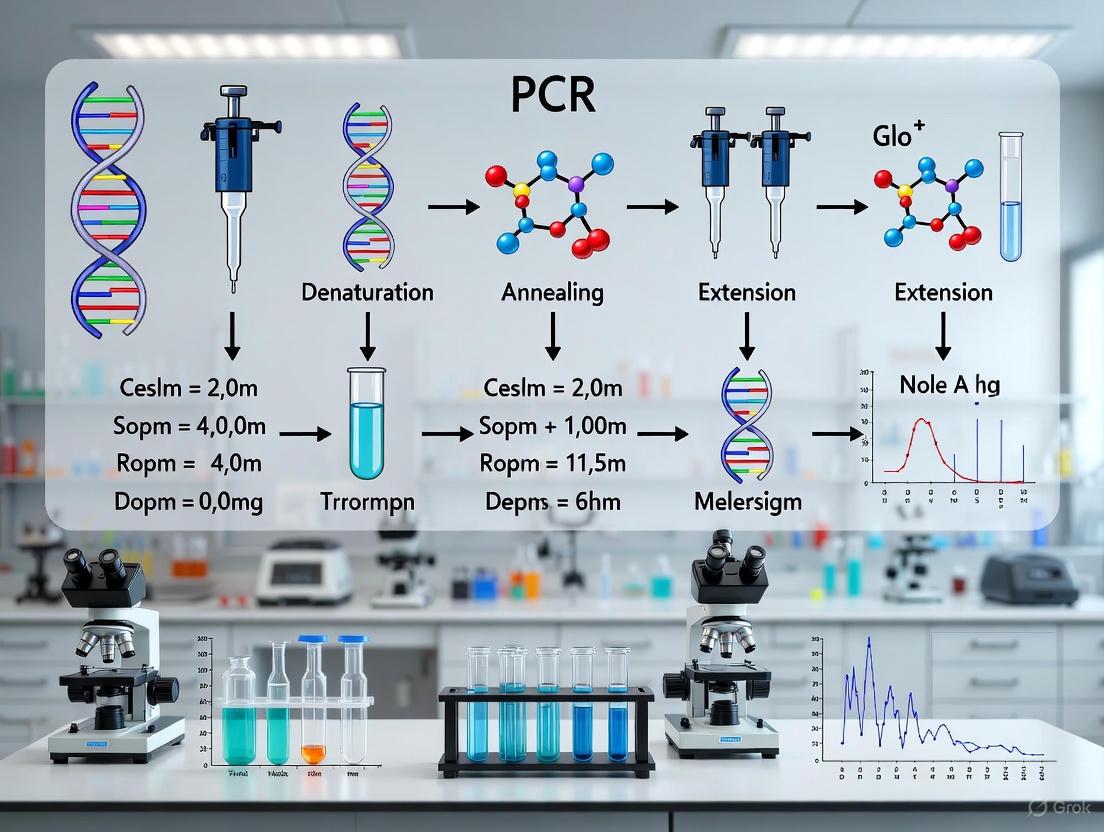
Long and Accurate PCR (LA-PCR) is an essential technique for amplifying large genomic DNA fragments (typically >5 kb), enabling critical applications in next-generation sequencing, genetic disorder screening, and cloning.
Optimized Long and Accurate (LA) PCR Protocol for Genomic DNA: A Comprehensive Guide for Reliable Amplification of Large Fragments
Abstract
Long and Accurate PCR (LA-PCR) is an essential technique for amplifying large genomic DNA fragments (typically >5 kb), enabling critical applications in next-generation sequencing, genetic disorder screening, and cloning. This guide provides a comprehensive framework for researchers and drug development professionals, covering the foundational principles of high-fidelity enzyme blends, step-by-step methodological protocols, advanced troubleshooting strategies, and rigorous validation standards. By integrating systematic optimization of parameters like annealing temperature, Mg2+ concentration, and buffer additives, this protocol ensures high yield, specificity, and fidelity for complex and GC-rich templates, supporting reproducible results in biomedical research.
Understanding Long and Accurate PCR: Principles and Core Components for Success
Long and Accurate PCR (LA-PCR) represents a significant advancement over standard polymerase chain reaction methods, enabling the robust amplification of much larger fragments of genomic DNA. Traditional PCR using Taq DNA polymerase is generally limited to amplifications up to 5 kilobases (kb), primarily due to the enzyme's tendency to incorporate incorrect nucleotides, leading to terminal events that arrest elongation [1]. LA-PCR overcomes this limitation through the strategic blending of a highly processive thermostable polymerase with a second thermostable polymerase exhibiting 3′→5′ exonuclease (proofreading) activity [1]. This synergistic combination allows the proofreading polymerase to repair terminal misincorporations, enabling the primary polymerase to continue elongating the growing DNA strand, thereby dramatically increasing the potential length of amplification products from 0.25 to 40 kb [1].
The fundamental technological innovation behind LA-PCR lies in its enzymatic composition. Commercial LA-PCR systems such as AccuTaq LA and KlenTaq LA DNA Polymerase Mixes combine a high-quality, highly processive polymerase with a small amount of a thermostable proofreading enzyme [1]. This blending increases fidelity up to 6.5 times greater than standard Taq DNA polymerase while expanding the range of amplifiable targets to include extensive genomic regions that were previously inaccessible to PCR-based amplification [1]. These capabilities have positioned LA-PCR as an indispensable tool in modern genomics, particularly for applications requiring comprehensive analysis of large genomic loci, candidate gene sequencing, and structural variant detection.
Key Performance Characteristics
LA-PCR technology has evolved significantly since its initial development, with multiple commercial systems now available that offer varying performance characteristics. The core capability of LA-PCR systems is their ability to amplify long genomic fragments that are intractable to conventional PCR methods. Different enzyme systems demonstrate distinct performance profiles in terms of amplification success, product yield, and tolerance to varying reaction conditions.
Table 1: Performance Comparison of Commercial LA-PCR Enzymes on Human Genomic Targets
| Enzyme System | Maximum Reliable Amplicon Size (Human DNA) | Key Characteristics | Optimal Buffer System |
|---|---|---|---|
| Takara PrimeSTAR GXL | 13.6 kb | Robust performance across diverse Tm values; minimal optimization required | Proprietary GXL buffer |
| Invitrogen SequalPrep | 12.9 kb | Effective for long targets; requires specific cycling conditions | Manufacturer's specific buffer |
| Takara LA Taq Hot Start | 12.9 kb | Hot start capability reduces non-specific amplification; requires optimization | Mg²⁺ plus buffer system |
| Invitrogen AccuPrime | 12.9 kb | Limited to specific amplicon types; sensitive to conditions | Proprietary buffer formulation |
| KAPA Long Range HotStart | 5.8 kb | Hot start capability; limited to smaller long-range fragments | Standard long-range buffer |
| QIAGEN LongRange PCR | 5.8 kb | Simplicity of use; limited to intermediate fragment sizes | QIAGEN LongRange PCR Buffer |
The performance characteristics of different LA-PCR enzyme systems were comprehensively evaluated in a study that compared six commercially available long-range DNA polymerases across three amplicons with sizes of 12.9 kb, 9.7 kb, and 5.8 kb with varying Tm values [2]. The findings demonstrated that TaKaRa PrimeSTAR GXL DNA polymerase exhibited the most consistent performance, successfully amplifying almost all amplicons with different sizes and Tm values under identical PCR conditions [2]. Other enzymes, including Invitrogen SequalPrep, Invitrogen AccuPrime, and TaKaRa LA Taq Hot Start, showed more variable performance, requiring alteration of PCR conditions to obtain optimal results for different targets [2]. This systematic comparison highlights that while multiple LA-PCR systems are available, their performance is highly variable, and selection should be based on the specific experimental requirements.
Comparison with Alternative Long-Read Technologies
LA-PCR occupies a distinct niche in the landscape of long-fragment genomic analysis technologies, positioned between conventional PCR and emerging long-read sequencing platforms. While third-generation sequencing technologies like Pacific Biosciences' (PacBio) single-molecule real-time (SMRT) sequencing and Oxford Nanopore Technologies' (ONT) nanopore sequencing can generate reads tens of thousands of bases in length without prior amplification [3], LA-PCR remains a vital tool for targeted applications where its flexibility, speed, and cost-effectiveness offer significant advantages.
Table 2: LA-PCR in Context: Comparison with Other Long-Range Genomic Analysis Technologies
| Technology | Read/Length Capability | Key Applications | Relative Cost |
|---|---|---|---|
| LA-PCR | Up to 40 kb | Targeted sequencing of large genomic regions, structural variant analysis, candidate gene sequencing | Low |
| PacBio SMRT Sequencing | Reads tens of thousands of bases | De novo genome assembly, full-length transcript sequencing, variant phasing | High |
| Oxford Nanopore Sequencing | Reads tens of thousands of bases | Real-time sequencing, direct detection of base modifications, portable sequencing | Moderate to High |
| Short-Read Sequencing (Illumina) | Reads 150-300 bp | High-throughput sequencing, variant discovery, transcriptome profiling | Low (per base) |
The unique advantage of LA-PCR lies in its ability to efficiently target specific large genomic regions for sequencing without requiring whole-genome approaches. This targeted capability is particularly valuable in clinical and diagnostic settings where specific genes or regions are of interest, such as the sequencing of extensive genomic loci like the BRCA1 (83.2 kb) and BRCA2 (84.2 kb) genes, which has been successfully demonstrated using LA-PCR coupled with Illumina MiSeq sequencing [2]. This approach provides a flexible, fast, efficient, and cost-effective choice for sequencing candidate genomic regions in a small number of samples [2], complementing the strengths of more comprehensive but also more resource-intensive long-read sequencing technologies.
LA-PCR Protocol and Methodology
Standardized LA-PCR Protocol
The successful implementation of LA-PCR requires careful attention to reaction assembly and cycling conditions. The following protocol is adapted from commercial LA-PCR systems and validated experimental approaches [1] [2] [4]:
Reaction Setup:
- Assemble reactions in thin-walled 0.2 mL or 0.5 mL PCR tubes
- For a 50 µL reaction volume, combine:
- Sterile PCR-grade water: 34.5 µL
- 10× LA PCR Buffer II (Mg²⁺ Plus): 5 µL
- dNTP mix (10 mM each): 8 µL (400 µM final concentration each)
- Forward primer (20 pmol/µL): 0.5 µL (0.2 µM final)
- Reverse primer (20 pmol/µL): 0.5 µL (0.2 µM final)
- Template DNA (500 ng/µL): 1 µL (500 ng per reaction)
- LA DNA polymerase: 0.5 µL (2.5 U per reaction)
Cycling Conditions:
- Initial denaturation: 94°C for 1-5 minutes (varies by enzyme system)
- Amplification cycles (25-35 cycles):
- Denaturation: 94°C for 30 seconds
- Annealing: 55-65°C for 45 seconds (primer-specific Tm)
- Extension: 68°C for 1-20 minutes (amplicon size-dependent)
- Final extension: 72°C for 5-10 minutes
- Final hold: 4°C
For amplification of fragments greater than 20 kb, extension times should be increased to greater than 20 minutes [1]. The optimal conditions for PCR will depend on the specific system being utilized, and some optimization may be required for different genomic regions or template qualities.
Critical Experimental Considerations
Several factors require particular attention when designing and executing LA-PCR experiments:
Template Quality and Integrity: An intact, high-quality DNA template is absolutely essential for reliable amplification of large fragments. Extreme care must be taken in the preparation and handling of the DNA target for long PCR, as nicked or damaged DNA can serve as potential priming sites resulting in high background [1]. Avoid repeated freezing and thawing of DNA templates, as this can cause strand breakage that disproportionately affects long-range amplification success.
Primer Design: Primers for LA-PCR are typically longer than those for conventional PCR, usually 21-34 bases long, and are designed to have a GC content of 45-60% [1]. Optimally, the melting temperatures of the forward and reverse primers should be within 3°C of each other and the Tm of the primers should be between 65-72°C [1]. Primers should not have any internal base-pairing sequences or complementary regions of any significant length between the two PCR primers.
Reaction Optimization: Magnesium concentration optimization may be necessary, with concentrations generally between 1 and 5 mM [1]. The use of adjuvants such as dimethyl sulfoxide (DMSO) can be beneficial for problematic amplicons, as demonstrated in the amplification of challenging BRCA1 regions where adding 0.4 μL DMSO to a 20 μL reaction mixture helped overcome secondary structures that impeded amplification [2]. Effective denaturation is accomplished by using higher temperatures for shorter periods of time, and the extension temperature should be limited to 68°C for optimal performance with most LA-PCR systems [1].
Research Reagent Solutions
The successful implementation of LA-PCR depends on appropriate selection of reagents and equipment. The following essential components represent the core requirements for establishing LA-PCR capabilities in a research setting:
Table 3: Essential Reagents and Equipment for LA-PCR
| Component | Specification | Function/Purpose |
|---|---|---|
| LA DNA Polymerase Mix | Blend of processive and proofreading enzymes (e.g., TaKaRa LA Taq, PrimeSTAR GXL) | Core enzymatic activity for accurate long-fragment amplification |
| Buffer System | Optimized for long-range PCR, typically high pH (>9.0) | Provides optimal chemical environment; reduces depurination |
| dNTP Mix | 10 mM each of dATP, dCTP, dGTP, and dTTP | Building blocks for DNA synthesis |
| Primers | 21-34 bases, Tm 65-72°C, minimal self-complementarity | Target-specific amplification |
| Template DNA | High-quality, intact genomic DNA (>500 ng/reaction) | Source material for amplification |
| Thermal Cycler | Precise temperature control, capable of long extension times | Automated temperature cycling |
| Agarose Gel Electrophoresis | 0.4-1.0% agarose gels, appropriate DNA stains | Product size verification and quality assessment |
Specialized LA-PCR systems such as TaKaRa LA Taq DNA Polymerase are explicitly optimized for long-range PCR through a blend of TaKaRa Taq and a proofreading polymerase, supported by a buffer system specifically designed for long amplicons [4]. This system has demonstrated robust amplification of both bacterial targets up to 38 kb and human genomic targets up to 27 kb in length [4]. Similarly, AccuTaq LA and KlenTaq LA DNA Polymerase Mixes combine a high-quality, highly processive polymerase with a small amount of a thermostable proofreading enzyme to achieve amplification of DNA targets from 0.25 to 40 kb [1]. The selection of appropriate reagent systems should be guided by the specific amplification requirements, with consideration for factors such as desired amplicon size, template complexity, and downstream applications.
Applications in Modern Genomics and Drug Development
Genomic Sequencing and Structural Variant Analysis
LA-PCR has found particularly valuable applications in the sequencing of large genomic regions and identification of structural variants that are challenging for conventional PCR or short-read sequencing approaches. The technology enables a flexible, fast, efficient, and cost-effective choice for sequencing candidate genomic regions in a small number of samples, especially when combined with next-generation sequencing (NGS) platforms [2]. This approach has been successfully demonstrated in the comprehensive sequencing of the entire BRCA1 (83.2 kb) and BRCA2 (84.2 kb) genes using LA-PCR amplification followed by Illumina MiSeq sequencing, enabling the identification of multiple intronic and exonic single-nucleotide variations, including clinically relevant mutations [2].
The application of LA-PCR extends to the genetic diagnosis of conditions that involve complex genomic loci, repetitive elements, or variant phasing that are challenging for short-read sequencing technologies [3]. Recent research has shown that long-read sequencing technology, for which LA-PCR can serve as a targeted enrichment method, may play an important role in discovering novel pathogenic mutations in human diseases with a previously unknown underlying genetic cause [3]. This includes the analysis of short tandem repeat (STR) expansion disorders, such as Huntington's disease and Fragile X syndrome, where conventional methods struggle with accurate sizing and sequence determination of pathogenic repeats [3].
Applications in Pharmaceutical Research and Development
LA-PCR supports multiple aspects of the drug development pipeline, particularly in target identification, validation, and clinical trial support:
Pharmacogenetic Testing: PCR-based methods, including LA-PCR, are fundamental tools for detecting genetic mutations linked to inherited disorders, cancer, and predicting response to therapeutics [5]. This includes applications in pharmacogenetic testing to predict therapeutic response, adverse events to drugs, and dose prediction [5]. The ability to comprehensively sequence pharmacogenetically relevant genes, including intronic and regulatory regions, using LA-PCR enables more complete characterization of genetic variants that influence drug metabolism and response.
Biomarker Discovery and Validation: LA-PCR facilitates the identification and validation of genetic biomarkers for various diseases by enabling comprehensive analysis of candidate genomic regions [5]. The technology's ability to amplify large genomic segments allows researchers to capture not only exonic sequences but also intronic, promoter, and regulatory regions that may contain clinically relevant variations. This comprehensive approach supports the development of more accurate biomarkers for disease susceptibility, progression, and treatment response.
Therapeutic Monitoring: PCR technologies, including long-range approaches, are employed in tracking disease progression and treatment efficacy, particularly in oncology and infectious diseases [5]. The high sensitivity and specificity of PCR-based methods enable detection of minimal residual disease, pathogen load monitoring, and assessment of treatment response at the molecular level.
LA-PCR has established itself as a critical methodology in the modern genomics toolkit, bridging the gap between conventional PCR and whole-genome sequencing approaches. Through the strategic combination of processive and proofreading polymerase activities, LA-PCR enables reliable amplification of genomic segments up to 40 kb, facilitating targeted analysis of large genes, structural variants, and complex genomic loci that are intractable to conventional PCR methods. The technology's flexibility, relatively low cost, and compatibility with downstream sequencing platforms make it particularly valuable for applications in both basic research and clinical diagnostics.
As genomic medicine continues to advance, the ability to comprehensively analyze large genomic regions becomes increasingly important for understanding disease mechanisms, developing targeted therapies, and implementing personalized treatment approaches. LA-PCR represents a robust solution for many of these applications, particularly in settings where more extensive sequencing approaches may be impractical or cost-prohibitive. Ongoing refinements in enzyme blends, buffer systems, and cycling conditions continue to expand the capabilities and applications of this powerful technology, ensuring its continued relevance in the evolving landscape of genomic analysis.
In genomic DNA research, the amplification of long target sequences is a critical but challenging task. Standard PCR using enzymes like Taq DNA polymerase is generally limited to amplifications up to 5 kb, primarily because these enzymes lack a proofreading mechanism to repair periodic misincorporations, leading to terminal events that arrest elongation [6]. Long and Accurate (LA) PCR overcomes these limitations by employing a sophisticated enzyme blend strategy that combines the strengths of different polymerase properties.
This application note details how the strategic combination of a highly processive thermostable polymerase with a proofreading enzyme dramatically increases amplification length and fidelity. This synergistic blend allows the proofreading polymerase to repair terminal misincorporations, enabling the polymerase to resume elongating the growing DNA strand and successfully produce amplicons ranging from 0.25 kb to 40 kb [6]. For researchers and drug development professionals, mastering LA PCR is essential for applications including genome analysis, cloning, sequencing, mutation analysis, and protein expression.
The Science of Proofreading and Fidelity
Mechanisms of PCR Fidelity
DNA polymerase fidelity refers to the accuracy with which an enzyme synthesizes complementary DNA strands without introducing errors. This accuracy is maintained through several built-in checkpoints:
- Nucleotide selectivity: The inherent ability of the polymerase to choose correct nucleotides during DNA synthesis [7].
- Proofreading activity (3′→5′ exonuclease): The capacity to recognize and remove misincorporated nucleotides before continuing elongation [8] [9].
- Post-replication repair: Cellular mechanisms like mismatch repair that correct errors after synthesis [7].
Proofreading polymerases contain a 3′→5′ exonuclease domain that serves as a corrective mechanism. When a misincorporated nucleotide is detected, the polymerase reverses direction, excises the incorrect base, and then resumes synthesis in the forward direction. This proofreading activity is particularly crucial for amplifying long DNA fragments where errors accumulate over greater distances [6].
Quantitative Fidelity Comparisons
The fidelity of DNA polymerases is quantitatively expressed either in absolute terms (errors per base per duplication) or relative to Taq DNA polymerase. The following table summarizes the fidelity metrics of commercially available high-fidelity polymerases:
Table 1: Fidelity Comparison of High-Fidelity DNA Polymerases
| Polymerase | Relative Fidelity (vs. Taq) | Proofreading Activity | Maximum Amplicon Length | Primary Applications |
|---|---|---|---|---|
| Platinum SuperFi II DNA Polymerase | >300X [8] | Yes [8] | 14 kb from human gDNA [8] | Cloning, sequencing, mutagenesis |
| Q5 High-Fidelity DNA Polymerase | ~280X [10] | Yes [9] | 20 kb (simple templates), 10 kb (complex templates) [10] | High-fidelity PCR, long range PCR, cloning |
| Phusion High-Fidelity DNA Polymerase | 39-50X [10] [9] | Yes [9] | 20 kb (simple), 10 kb (complex) [10] | High-fidelity PCR, cloning |
| AccuPrime Pfx | 26X [10] | Yes | 12 kb [10] | High-fidelity amplification |
| PfuUltra II Fusion HS | 20X [10] | Yes | 19 kb [10] | High-fidelity amplification |
Error rates can be further classified by error type, with polymerases capable of producing single base substitutions as well as insertion/deletion errors that lead to frameshift mutations [10]. Advanced methods like the Magnification via Nucleotide Imbalance Fidelity (MagNIFi) assay use next-generation sequencing to provide high-resolution mapping of DNA polymerase fidelity under various conditions [7].
Enzyme Blends: Synergistic Action for Superior Results
The Principle of Complementary Enzyme Blends
LA PCR achieves remarkable length and accuracy through the strategic combination of polymerase enzymes with complementary properties. The typical blend consists of:
- A highly processive main polymerase: This enzyme (often Taq-based) remains bound to the DNA template for extended periods, incorporating thousands of nucleotides per binding event, which enables rapid elongation [6].
- A proofreading polymerase: This component (typically from Pyrococcus or Thermococcus species) provides 3′→5′ exonuclease activity that removes misincorporated bases, thus preventing chain termination and allowing continued synthesis [6].
This partnership creates a synergistic system where the proofreading enzyme repairs terminal misincorporations that would otherwise cause the highly processive polymerase to stall and abort synthesis. The resulting collaboration dramatically increases both the length of amplification and the fidelity of the final product, with some blends capable of amplifying targets up to 40 kb with an increase in fidelity up to 6.5 times greater than standard Taq DNA polymerase [6].
Visualizing the Enzyme Blend Workflow
The following diagram illustrates the coordinated mechanism of action between the processive main polymerase and the proofreading component in an enzyme blend system:
Essential Reagents and Materials for LA PCR
Table 2: Research Reagent Solutions for LA PCR
| Reagent/Material | Function/Purpose | Specification Guidelines |
|---|---|---|
| Enzyme Blends | Core catalytic system for LA PCR | AccuTaq LA or KlenTaq LA DNA Polymerase Mixes; combination of processive and proofreading enzymes [6] |
| Buffer System | Maintains optimal pH and reaction conditions | High pH (>9.0 at 25°C) to minimize depurination; includes Mg²⁺ and K⁺ salts [6] [11] |
| dNTPs | Building blocks for DNA synthesis | 10 mM each of dATP, dCTP, dGTP, and dTTP; final concentration of 200 μM each in reaction [6] [11] |
| Template DNA | Source of target sequence for amplification | Intact, high-quality DNA; 1-1000 ng per reaction depending on complexity; avoid freezing/thawing [6] [11] |
| Primers | Sequence-specific amplification | 21-34 bases; GC content 45-60%; Tm 65-72°C; avoid internal base-pairing [6] [11] |
| PCR Additives | Enhance specificity and yield | DMSO (1-10%), formamide (1.25-10%), BSA (10-100 μg/ml), Betaine (0.5-2.5 M) [11] |
| Thermal Cycler | Precise temperature cycling | Perkin-Elmer DNA Cyclers 480/9700 or equivalent; thin-walled tubes for efficient heat transfer [6] |
LA PCR Protocol for Genomic DNA
Reaction Setup and Optimization
Table 3: LA PCR Master Mix Formulation for Genomic DNA
| Component | Final Concentration | Volume per 50 μL Reaction | Notes |
|---|---|---|---|
| 10X LA PCR Buffer | 1X | 5 μL | Ensure Mg(OH)₂ is redissolved by vortexing [6] |
| dNTP Mix (10 mM each) | 200 μM each | 1 μL | Quality critical for successful long amplification |
| Mg²⁺ Solution | 1.5-5.0 mM | Variable | Optimize concentration; may be included in buffer |
| Forward Primer (20 μM) | 0.4-1.0 μM | 1 μL | Designed for optimal Tm (65-72°C) |
| Reverse Primer (20 μM) | 0.4-1.0 μM | 1 μL | Tm should be within 3°C of forward primer |
| Template DNA | 1-1000 ng | Variable | Amount depends on complexity; human gDNA: 10-1000 ng |
| LA Enzyme Blend | 0.5-2.5 units | 0.5-2.5 μL | Follow manufacturer's recommendations |
| PCR-grade Water | - | To 50 μL | Nuclease-free, sterile |
Procedure:
- Preparation: Thaw all reagents completely and mix thoroughly. Keep reagents on ice throughout setup. Prepare a master mix to minimize tube-to-tube variation [11].
- Assembly: Add components to thin-walled PCR tubes in the order listed, with water first and enzyme last, to prevent premature activation [11].
- Mixing: Gently mix by pipetting up and down 20 times. Centrifuge briefly to collect all components at the bottom of the tube [11].
- Optional: Add mineral oil to prevent evaporation if using a thermal cycler without a heated lid.
Thermal Cycling Parameters
The following cycling parameters have been optimized for long amplicon amplification from genomic DNA templates:
- Initial Denaturation: 94°C for 2 minutes (or 98°C for 10 seconds for highly thermostable blends) [8]
Amplification Cycles (30-35 cycles):
- Denaturation: 94°C for 10-30 seconds
- Annealing: 60-68°C for 10-30 seconds (temperature depends on primer Tm)
- Extension: 68°C for 1-20 minutes (duration depends on target length)
Final Extension: 68°C for 5-10 minutes
- Hold: 4°C indefinitely
Critical Cycling Notes:
- For targets greater than 20 kb, extension times should be greater than 20 minutes [6].
- Effective denaturation is accomplished by using higher temperatures for shorter periods of time [6].
- The extension temperature should be limited to 68°C for optimal performance with most LA enzyme blends [6].
- Primer annealing and product extension can be combined into one step if primers are designed with a Tm equal to or greater than 70°C [6].
Advanced Applications and Troubleshooting
Application-Specific Considerations
GC-Rich Targets: For templates with high GC content (>65%), use PCR additives such as DMSO, formamide, or betaine to help denature strong secondary structures. Highly processive DNA polymerases are particularly beneficial for these challenging templates [12].
Multiplex LA PCR: When amplifying multiple long targets simultaneously, ensure all primer pairs have similar Tm values (within 5°C) and design amplicons to be of distinct sizes for easy resolution. Hot-start enzyme formulations are recommended to prevent primer-dimer formation [12].
High-Throughput Applications: Enzyme blends with room-temperature stability, such as Platinum SuperFi II DNA Polymerase, enable setup of multiple reactions at ambient temperature without compromising specificity, facilitating automated workflows [8].
Troubleshooting Common Issues
- No Amplification: Verify template quality and concentration, optimize Mg²⁺ concentration, and ensure complete denaturation of genomic DNA during initial step.
- Short Products Dominating: Increase extension time, reduce denaturation time, or add enhancers to prevent polymerase stalling.
- Low Yield: Optimize cycle number, template amount, or use a touchdown PCR approach to increase specificity and yield.
- Inconsistent Results: Prepare fresh reagents, ensure complete mixing of master mix components, and verify thermal cycler calibration.
The strategic use of proofreading polymerase blends represents a cornerstone technique in modern genomic research, enabling the accurate amplification of long DNA fragments that were previously inaccessible. By understanding the synergistic relationship between processive and proofreading enzymes, researchers can optimize LA PCR protocols for diverse applications from basic gene analysis to therapeutic development. The protocols and formulations detailed in this application note provide a robust foundation for implementing LA PCR in drug discovery and development pipelines, ensuring high-fidelity results critical for downstream applications and regulatory compliance.
Long and Accurate (LA) PCR represents a significant advancement in molecular biology, enabling the high-fidelity amplification of genomic DNA fragments ranging from several kilobases to over 40 kb. This capability is crucial for genomic research, clone construction, and direct sequencing of large DNA regions. The success of LA PCR depends critically on the optimized interplay of reaction components that sustain polymerase processivity over extended templates while maintaining replication fidelity. Unlike standard PCR, which efficiently amplifies short targets, LA PCR places greater demands on the reaction system due to the increased probability of polymerase dissociation, misincorporation, and template damage during longer extension times. The specialized enzyme blends used in LA PCR typically include a proofreading polymerase to correct nucleotide incorporation errors, necessitating precise buffer formulations to support both polymerization and exonuclease activities. Within this context, the roles of deoxynucleoside triphosphates (dNTPs), essential cofactors like magnesium ions, and specialized buffer chemistry become paramount. This application note details the function and optimization of these critical components within the framework of genomic DNA research, providing structured protocols and quantitative data to support robust experimental outcomes.
Critical Component I: Deoxynucleoside Triphosphates (dNTPs)
Biochemical Role and Function
Deoxynucleoside triphosphates (dNTPs) serve as the fundamental building blocks for DNA synthesis in PCR. During the extension step, DNA polymerase enzymatically adds free dNTPs from the reaction mixture to the growing DNA strand in the 5'-to-3' direction. This process involves a condensation reaction where the 5'-phosphate group of the incoming dNTP forms a phosphodiester bond with the 3'-hydroxyl group at the terminus of the elongating DNA chain [13]. The four dNTPs—dATP, dCTP, dGTP, and dTTP—must be present in equimolar concentrations to ensure balanced incorporation into the nascent DNA strand, preventing base misincorporation that can lead to mutations and truncated products, concerns particularly critical during long-range amplifications.
Optimization for LA PCR
In LA PCR, dNTP concentration requires careful optimization to balance fidelity, yield, and processivity. While standard PCR often uses dNTP concentrations of 200 μM each, LA PCR may benefit from slightly elevated levels (250-350 μM each) to accommodate the greater nucleotide consumption during longer extension times and to maintain sufficient substrate availability throughout the extended cycling process. However, excessive dNTP concentrations can be detrimental; they can inhibit PCR by increasing the error rate of non-proofreading polymerases and chelating magnesium ions, thereby reducing the free Mg²⁺ available for polymerase function [14]. Table 1 summarizes the recommended dNTP concentrations for different PCR applications.
Table 1: Recommended dNTP Concentrations for PCR Applications
| PCR Type | Recommended Concentration (each dNTP) | Key Considerations |
|---|---|---|
| Standard PCR | 0.2 mM (200 μM) | Standard concentration for standard length amplifications (≤ 5 kb) [14]. |
| High-Fidelity PCR | 0.01-0.05 mM (10-50 μM) | Lower concentrations can improve fidelity of non-proofreading enzymes by reducing misincorporation [14]. |
| Long and Accurate (LA) PCR | 0.25-0.35 mM (250-350 μM) | Higher concentrations help accommodate greater nucleotide consumption over long extensions; requires proportional Mg²⁺ adjustment [14]. |
Specialized applications may also incorporate modified nucleotides. For instance, dUTP can substitute for dTTP in conjunction with Uracil-DNA Glycosylase (UDG) pre-treatment to prevent carryover contamination from previous PCR products. However, this substitution may lower PCR efficiency and is not tolerated by some proofreading enzymes unless specially engineered, a critical consideration for LA PCR enzyme blends [14].
Critical Component II: Cofactors
Magnesium Ions: The Essential Metallocoenzyme
Role in Catalysis and Stability
Magnesium ions (Mg²⁺) function as an indispensable cofactor for virtually all DNA polymerases used in PCR. Mg²⁺ is directly involved in the catalytic mechanism of DNA synthesis, enabling the incorporation of dNTPs during polymerization. Ions at the enzyme's active site facilitate the nucleophilic attack by the 3'-OH group of the primer on the alpha-phosphate of the incoming dNTP, leading to phosphodiester bond formation [14]. Beyond catalysis, Mg²⁺ plays a crucial structural role by stabilizing the interaction between the enzyme and the DNA template. It helps neutralize the negative charges on the phosphate backbones of both the DNA template and the primers, thereby facilitating the formation of a stable and productive primer-template complex [14]. Without sufficient Mg²⁺, DNA polymerase exhibits minimal activity.
Concentration Optimization and Interdependence
The optimization of Mg²⁺ concentration is one of the most critical steps in PCR setup, especially for LA PCR. The Mg²⁺ in the reaction is not only bound by the polymerase but also chelated by dNTPs, primers, and any EDTA present in the template solution. Consequently, the free concentration of Mg²⁺ is what ultimately determines polymerase activity. As a starting point, most PCRs require Mg²⁺ concentrations in the range of 1.0 to 4.0 mM. However, the optimal concentration must be determined empirically for each primer-template system [14]. Table 2 outlines the effects of Mg²⁺ concentration on PCR and recommended optimization strategies.
Table 2: Effects of Mg²⁺ Concentration on PCR and Optimization Strategies
| Mg²⁺ Status | Impact on PCR Reaction | Recommended Action |
|---|---|---|
| Too Low | - Poor polymerase activity and low product yield.- Reduced specificity due to inefficient primer annealing. | Increase MgCl₂ concentration in 0.5 mM increments. |
| Too High | - Increased nonspecific amplification and primer-dimer formation.- Accumulation of undesired side products.- Potential reduction in enzyme fidelity. | Decrease MgCl₂ concentration in 0.5 mM increments. |
| Optimized for LA PCR | - Balances high processivity with high fidelity.- Supports enzyme blends (e.g., Taq and proofreading enzymes). | Titrate between 1.5 and 4.0 mM; often optimal around 2.0-2.5 mM. |
For LA PCR, which often employs enzyme mixtures, Mg²⁺ must be optimized to support both the polymerization and proofreading activities. A fine balance is necessary, as high Mg²⁺ can stabilize non-specific products while too little can dramatically reduce the processivity required for long amplifications.
Other Cofactors in Enzymatic Systems
While Mg²⁺ is the primary cofactor for DNA polymerases, other enzymatic processes in molecular biology rely on diverse cofactors. Cofactors are generally classified as inorganic ions or complex organic molecules known as coenzymes [15]. For instance, the E. coli ribonuclease P (RNase P), a tRNA processing enzyme, has an RNA subunit (M1 RNA) that requires a protein cofactor (C5) for efficient activity at low magnesium concentrations [16]. Similarly, the human homolog Rpp29 can act as a protein cofactor for M1 RNA, facilitating substrate binding and catalysis [16]. This illustrates a broader principle in biochemistry: many enzymes and catalytic RNAs require helper molecules—whether metal ions or proteins—to achieve full catalytic potential. In the context of PCR, the DNA polymerase itself is the central enzyme, and Mg²⁺ is its essential inorganic cofactor.
Critical Component III: Buffer Chemistry
Core Components and Functions
The PCR buffer provides the optimal chemical environment for the DNA polymerase to function efficiently and specifically. A standard buffer is more than just a source of Mg²⁺; it is a complex mixture designed to maintain pH, modulate denaturation, and promote specific priming. Key components include:
- Tris-HCl: Provides a buffering capacity to maintain a stable pH, typically around 8.0-9.0 at room temperature (note the pH decreases with temperature, approximately 0.03 pH units per °C).
- Potassium Chloride (KCl): Salt that promotes specific primer-template binding by neutralizing negative charge repulsion, though its concentration is often optimized or reduced in modern buffers.
- Ammonium Sulfate ((NH₄)₂SO₄): Found in some specialized buffers, it can enhance specificity by destabilizing non-specific, A-T rich primer-template interactions.
- Detergents & Additives: Non-ionic detergents (e.g., Tween 20) or stabilizers like glycerol can be included to enhance enzyme stability, especially during long cycling protocols, and to prevent surface adhesion of components.
Specialized Buffer Systems for LA PCR
LA PCR requires buffers that are specifically formulated to support the heightened demands of amplifying long genomic DNA fragments. These specialized buffers, such as the AccuTaq LA 10X Buffer, are engineered for enhanced performance with complex templates [17]. They often achieve this through several mechanisms:
- Enhanced Processivity: Formulations may include additives that help the polymerase remain bound to the template for longer, enabling it to traverse many kilobases without dissociating.
- Stabilized Nucleotide Pools: Components that help maintain dNTP stability and availability over extended cycle times.
- Optimized Salt Ratios: Precise balances of monovalent and divalent cations (K⁺, NH₄⁺, Mg²⁺) are struck to maximize fidelity and yield while minimizing mispriming and the formation of secondary structures in complex genomic DNA.
The use of a master mix formulated for long-range amplification, which includes a optimized buffer and a high-performance enzyme blend, is strongly recommended for LA PCR to ensure reproducibility and success.
Integrated Experimental Protocol for LA PCR Optimization
Workflow for Reaction Setup and Optimization
The following diagram illustrates the logical workflow for setting up and optimizing an LA PCR reaction, emphasizing the critical decision points for the three core components discussed.
Step-by-Step Master Mix Preparation for Genomic DNA
This protocol is designed for amplifying long fragments (5-20 kb) from human genomic DNA.
Materials & Reagents:
- Template DNA: High-quality, intact human genomic DNA (5-50 ng per reaction) [14].
- LA Polymerase Blend: e.g., AccuTaq LA DNA Polymerase or similar.
- 10X LA PCR Buffer: Typically supplied with the enzyme.
- dNTP Mix: 10 mM aqueous solution of each dNTP (pH 7.0).
- Primers: Sequence-specific, HPLC-purified, 20-30 nucleotides long, with balanced Tm (55-70°C).
- Nuclease-Free Water.
Procedure:
- Thaw and Vortex: Thaw all reagents except the enzyme on ice. Mix thoroughly by vortexing and centrifuge briefly to collect contents at the bottom of the tube.
- Prepare Master Mix: In a sterile, nuclease-free tube, assemble the following components on ice. Prepare a master mix for n+1 reactions to account for pipetting error.
Component Volume for 50 μL Reaction Final Concentration 10X LA PCR Buffer 5.0 μL 1X dNTP Mix (10 mM each) 1.0 μL 200 μM each Forward Primer (10 μM) 1.0 μL 0.2 μM Reverse Primer (10 μM) 1.0 μL 0.2 μM LA DNA Polymerase (5 U/μL) 0.5 μL 2.5 U Template DNA (e.g., 10 ng/μL) 2.0 μL ~20 ng Nuclease-Free Water to 50.0 μL
- Mix Gently: Pipette the entire mixture up and down gently. Do not vortex after adding the enzyme.
- Thermocycling: Place the tubes in a preheated thermal cycler and run the following program:
- Initial Denaturation: 94°C for 2 min (or 95°C for 1 min for hot-start enzymes).
- Amplification Cycles (30-35 cycles):
- Denature: 94°C for 30 sec.
- Anneal: 55-65°C (optimize based on primer Tm) for 30 sec.
- Extend: 68°C for 1 min per kb (e.g., 10 min for a 10 kb target).
- Final Extension: 68°C for 10-15 min.
- Hold: 4°C ∞.
- Product Analysis: Analyze 5-10 μL of the PCR product by agarose gel electrophoresis alongside an appropriate DNA molecular weight marker.
The Scientist's Toolkit: Essential Reagents for LA PCR
Table 3: Key Research Reagent Solutions for LA PCR
| Reagent | Function/Description | Example Product/Criteria |
|---|---|---|
| LA DNA Polymerase Blend | Enzyme mixture (e.g., Taq + proofreading enzyme) for high-processivity, high-fidelity synthesis of long amplicons. | AccuTaq LA DNA Polymerase [17]. |
| Specialized LA Buffer (10X) | Optimized buffer providing pH stability, salts, and often including Mg²⁺ or allowing for its titration. | AccuTaq LA 10X Buffer [17]. |
| Ultrapure dNTP Set | Equimolar mixture of the four nucleotides (dATP, dCTP, dGTP, dTTP), the building blocks for DNA synthesis. | Aqueous solution, pH 7.0, free of contaminants. |
| High-Quality Genomic DNA | Intact, purified template DNA with minimal degradation and absence of PCR inhibitors (e.g., phenol, EDTA). | Purified from target cells/tissue using a validated kit. |
| Target-Specific Primers | Oligonucleotides designed for unique, flanking sequences with high purity and balanced Tm. | HPLC- or PAGE-purified, 20-30 nt, 40-60% GC content. |
Advanced Applications and Future Directions
The principles of component optimization extend beyond standard LA PCR into cutting-edge applications. For instance, the development of Color Cycle Multiplex Amplification (CCMA) demonstrates how manipulating reaction kinetics and components can drastically increase multiplexing capability in qPCR. CCMA uses rationally designed oligonucleotide blockers to program delays in the cycle threshold (Ct) for different targets, allowing multiple targets to be detected in a single tube by their unique fluorescence patterns [18]. While currently applied to shorter targets, this principle of using modifiers to fine-tune amplification efficiency could inspire future LA PCR methods for parallel analysis of large genomic regions. As the field moves toward more complex and quantitative analyses of genomic DNA, the precise understanding and control of dNTPs, cofactors, and buffer systems will remain the foundation for robust and reliable molecular diagnostics and research.
Within the context of genomic DNA research, the success of Long and Accurate (LA) PCR is critically dependent on the quality of the starting template. While reaction composition and cycling conditions are often the focus of optimization, the integrity, purity, and quantity of the template DNA itself are foundational prerequisites for the reliable amplification of fragments exceeding several kilobases in length. The amplification of long DNA sequences places exceptional demands on the template, as any damage—such as nicks, abasic sites, or chemical modifications—can halt polymerase progression and lead to amplification failure [19]. This application note details the essential requirements and assessment methodologies for template DNA to ensure robust and reproducible results in long-range genomic amplification.
The Critical Role of Template Integrity in LA-PCR
Long-range PCR requires an intact, high-quality double-stranded DNA template. Standard PCR using Taq DNA polymerase is generally limited to amplifications up to 5 kb, partly because the enzyme lacks a 3′→5′ exonuclease or "proofreading" activity to repair periodic misincorporations. After a misincorporation event, elongation can be arrested, terminating the reaction [19]. LA-PCR overcomes this by using a blend of a highly processive polymerase and a second thermostable polymerase that exhibits proofreading activity. The proofreading polymerase repairs terminal misincorporations, allowing the polymerase to resume elongating the growing DNA strand [19].
This sophisticated enzymatic system is entirely dependent on a pristine template. Template integrity is non-negotiable; nicked or depurinated DNA cannot serve as a stable template for the extensive polymerization required in LA-PCR. Furthermore, damaged DNA can create artificial priming sites, resulting in high background noise and non-specific amplification [19]. The essential connection between template quality and successful amplicon size is well-established, with research demonstrating that template integrity is absolutely essential for the PCR amplification of 20- to 30-kb sequences from genomic DNA [20].
Quantitative DNA Quality Assessment
Accurate quantification and quality assessment are crucial steps preceding LA-PCR. The table below compares common DNA quantification methods, highlighting their applicability for long-range PCR workflows.
Table 1: Comparison of DNA Quantification and Quality Assessment Methods
| Method | Principle | Information Provided | Suitability for LA-PCR |
|---|---|---|---|
| UV Spectrophotometry (e.g., Nanodrop) | UV light absorption by nucleic acids | Concentration (ng/µL) and purity (A260/A280, A260/A230 ratios) | Moderate. Provides rapid concentration and purity checks but cannot detect RNA, protein contamination, or DNA integrity. |
| Fluorometry (e.g., Qubit) | Fluorescence of DNA-binding dyes | Highly accurate DNA concentration | High. More specific for double-stranded DNA than UV spectrophotometry, providing a reliable concentration for setting up reactions. |
| Gel Electrophoresis | Migration of DNA through an agarose matrix | Visual assessment of integrity (sharp, high molecular weight band) and contamination (smearing, RNA bands) | Essential. The only routine method that directly visualizes DNA integrity and confirms the absence of degradation. |
| qPCR | Amplification of a target sequence with fluorescence detection | Quantitative concentration of amplifiable DNA | High. Provides the most functionally relevant data, as it quantifies only intact, amplifiable template, but is more complex [21]. |
| Digital PCR (dPCR/ddPCR) | Partitioning and end-point amplification of a target | Absolute quantification of amplifiable DNA molecules without a standard curve | Very High. Offers high sensitivity and precision for quantifying amplifiable templates and is comparable to qPCR and fluorometry [21]. |
Recommended Protocols for Template Assessment
Protocol: Agarose Gel Electrophoresis for Integrity Verification
This protocol confirms that genomic DNA is of high molecular weight and non-degraded.
- Reagents: High molecular weight DNA sample, agarose, TAE or TBE buffer, DNA gel loading dye, DNA molecular weight marker (e.g., lambda HindIII digest or other high-range ladder), ethidium bromide or alternative nucleic acid stain.
- Equipment: Gel electrophoresis tank, power supply, UV transilluminator or gel documentation system.
- Procedure:
- Prepare a 0.6% to 0.8% agarose gel in TAE buffer, incorporating the nucleic acid stain.
- Mix 100-200 ng of genomic DNA with an appropriate volume of loading dye.
- Load the DNA mixture and the molecular weight marker onto the gel.
- Run the gel at 5-6 V/cm until the dye front has migrated sufficiently.
- Visualize the gel under UV light. Expected Result: A single, tight, high molecular weight band with minimal smearing toward lower molecular weights. The absence of a defined band or significant smearing indicates degradation.
Protocol: Fluorometric Quantification for Accurate Concentration Measurement
This protocol provides a highly accurate and specific measurement of double-stranded DNA concentration.
- Reagents: DNA sample, fluorometric DNA quantification assay kit (e.g., Qubit dsDNA HS or BR Assay), appropriate assay tubes.
- Equipment: Fluorometer.
- Procedure:
- Prepare the working solution as specified in the assay kit by diluting the fluorescent dye in the provided buffer.
- Add a predetermined volume of the working solution to the assay tubes (e.g., 190 µL).
- Add 1-20 µL of the DNA standard to the designated tubes for generating the standard curve.
- Add 1-20 µL of the sample DNA to other assay tubes.
- Mix the tubes thoroughly and incubate at room temperature for 2-5 minutes, protected from light.
- Read the samples in the fluorometer and record the concentration, ensuring the values fall within the linear range of the standard curve.
Essential Considerations for Long-Range Amplification Workflow
Successful long-range PCR requires attention to detail throughout the entire process, from template preparation to data analysis. The following workflow and toolkit outline the critical steps and components.
Diagram 1: LA-PCR Workflow
Table 2: The Scientist's Toolkit: Essential Reagents for LA-PCR
| Reagent / Equipment | Function / Rationale | Specific Examples / Considerations |
|---|---|---|
| Specialized DNA Polymerase Mix | A blend of a processive polymerase and a proofreading enzyme (e.g., with 3'→5' exonuclease activity) to enable high-fidelity synthesis over long distances. | AccuTaq LA DNA Polymerase Mix, KlenTaq LA DNA Polymerase Mix, or similar commercial blends [19]. |
| High-pH Reaction Buffer | Protects the DNA template from depurination damage during high-temperature cycling, a common cause of chain termination. | Buffers with a pH greater than 9.0 at 25°C are recommended [19]. |
| Optimized dNTP Mix | Provides the balanced nucleotides (dATP, dCTP, dGTP, dTTP) necessary for faithful and efficient DNA synthesis. | Use a ready-made 10 mM dNTP mix to ensure consistency and purity [19]. |
| Template DNA | The foundational component; its integrity directly dictates the upper limit of amplifiable fragment size. | Intact genomic DNA, verified by gel electrophoresis. Avoid repeated freeze-thaw cycles [19] [20]. |
| Thin-walled PCR Tubes | Facilitate efficient heat transfer to the reaction mixture within the thermal cycler. | Select tubes compatible with the thermal cycler model (e.g., 0.2 mL or 0.5 mL individual tubes/strips) [19]. |
| Thermal Cycler | An instrument that reliably and accurately switches between the precise temperatures required for denaturation, annealing, and extension. | The Perkin-Elmer DNA Cyclers 480 and 9700 have been used successfully; others may require optimization [19]. |
The reliable amplification of long DNA fragments is a cornerstone of advanced genomic research. Achieving this requires a holistic approach that prioritizes template DNA quality with the same rigor applied to enzymatic and cycling parameters. By adhering to the detailed assessment protocols and considerations outlined in this document—specifically, the verification of template integrity, accurate quantification of amplifiable DNA, and the use of optimized reagent systems—researchers can significantly enhance the success and reproducibility of their long-range PCR experiments. A robust template preparation and verification workflow is, therefore, an indispensable component of any long and accurate PCR protocol for genomic DNA research.
Executing the Protocol: A Step-by-Step Guide to LA-PCR Setup and Cycling
Within genomic DNA research, Long and Accurate (LA) Polymerase Chain Reaction (PCR) is a critical technique for amplifying large DNA fragments (≥3 kb) that are intractable to conventional PCR methods [22]. The reliability of LA PCR hinges on a precisely formulated reaction mix. This application note details the optimized concentrations and volumes for key reagents, enabling researchers to consistently achieve high-yield, high-fidelity amplification of long genomic targets. The protocol is framed within a broader thesis on LA PCR, emphasizing the synergy between a proofreading polymerase and a highly processive enzyme to ensure both length and accuracy [23] [22].
Core Principles of LA PCR
Long and Accurate PCR relies on two fundamental principles that inform the reaction mix formulation: the use of a polymerase blend and the maintenance of template integrity.
- Polymerase Blend Strategy: LA PCR typically employs a mixture of a major DNA polymerase, such as Taq or Klentaq1 (lacking 3′→5′ exonuclease activity), with a minor proportion of an archaeobacterial DNA polymerase, such as Pfu, Vent, or Deep Vent, which possesses proofreading (3′→5′ exonuclease) activity [23] [22]. This combination leverages the high processivity of the primary enzyme and the error-correcting capability of the proofreading enzyme, resulting in amplicons with approximately a tenfold reduction in mutations compared to conventional PCR [22].
- Template Integrity and Fidelity: The high-fidelity DNA polymerase in the blend repairs terminal misincorporations during amplification. This repair prevents the polymerase from stalling, allowing for the uninterrupted synthesis of long DNA strands [23]. Furthermore, the use of intact, high-quality template DNA is paramount, as nicked or damaged DNA can serve as spurious priming sites and lead to high background or amplification failure [23].
Optimized Reaction Mix Formulation
A typical 50 µL LA PCR reaction should be assembled with the following components and concentrations. For best results, a master mix of common reagents should be prepared to minimize pipetting errors and ensure consistency across samples [24].
Table 1: Optimized Reagent Concentrations and Volumes for a 50 µL LA PCR Reaction
| Reagent | Final Concentration | Volume for 50 µL Reaction | Function and Notes |
|---|---|---|---|
| 10X LA PCR Buffer | 1X | 5 µL | Provides optimal pH (often >9.0) and salt conditions; stabilize reaction [23]. |
| Mg2+ (MgCl₂ or MgSO₄) | 1–5 mM (typically 1.5–2.5 mM) | Variable (from 25 mM stock) | Essential cofactor for DNA polymerase; concentration must be optimized [25] [24]. |
| dNTP Mix (each dNTP) | 200–250 µM | 1 µL (from 10 mM stock) | Building blocks for DNA synthesis; equimolar concentrations are critical [23] [24]. |
| Forward Primer | 0.1–1 µM | Variable (from 10 µM stock) | Targets the specific sequence; primers must be designed for long-range amplification [26] [24]. |
| Reverse Primer | 0.1–1 µM | Variable (from 10 µM stock) | Targets the specific sequence; should be within 1–2°C Tm of forward primer [25] [26]. |
| Template DNA (genomic) | 10–100 ng | Variable | Must be intact and high-quality; amount depends on complexity and target copy number [23] [24]. |
| DNA Polymerase Blend | 1–2.5 U | Variable | A mix of a high-processivity and a proofreading enzyme (e.g., AccuTaq LA, PrimeSTAR GXL) [23] [27]. |
| PCR-Grade Water | - | To 50 µL | Nuclease-free to prevent degradation of reagents and template. |
| Additives (e.g., Betaine) | 1–2 M | Variable (from 5M stock) | Optional; betaine homogenizes DNA melting stability, crucial for long and GC-rich targets [25] [22]. |
Key Formulation Considerations
- Magnesium Ion Concentration: Mg2+ is a critical variable. Suboptimal concentrations can lead to failed reactions or nonspecific amplification. A titration between 1 and 5 mM is recommended to determine the optimal concentration for a specific primer-template system [25] [23].
- Primer Design and Concentration: Primers for LA PCR should be longer than standard primers (21–34 bases) with a higher melting temperature (Tm of 65–72°C) [23]. The GC content should be 45–60%, and the 3' ends should be stable to ensure efficient initiation of extension [25]. Primer concentrations should be kept below 1 µM to minimize non-specific binding and primer-dimer formation [26] [24].
- Polymerase Selection: Commercial LA polymerase mixes (e.g., AccuTaq LA, PrimeSTAR GXL, Platinum SuperFi II) are optimized for performance [23] [27]. The choice depends on factors like required amplicon size, reaction speed, and fidelity needs.
Detailed LA PCR Protocol
Pre-PCR Procedures
- Primer Design: Design primers using software like Primer3Plus. Set the product size range to the expected long amplicon (e.g., 1000–15000 bp). Use the following advanced settings as a guideline [27]:
- Primer Size: Min 18, Opt 20, Max 27
- Primer Tm: Min 57, Opt 60, Max 63 (max difference of 2°C between primers)
- GC%: 45–60%
- Max Poly-X: 3
- CG Clamp: 1–2
- Template Preparation: Use high-quality, intact genomic DNA. Avoid repeated freeze-thaw cycles to minimize depurination and strand breaks. Verify DNA purity and concentration using a spectrophotometer [23].
- Reagent Preparation: Thaw all reagents on ice and vortex gently before use. Briefly centrifuge to collect contents at the bottom of the tube. If the LA PCR buffer contains precipitated magnesium salts, vortex thoroughly or warm at 37°C for 3–5 minutes to re-dissolve [23].
Reaction Setup
- Assemble the reaction mix on ice in a thin-walled 0.2 mL or 0.5 mL PCR tube according to Table 1.
- Gently mix the reaction by pipetting up and down. Briefly centrifuge the tube to collect all liquid at the bottom.
- If using a thermal cycler without a heated lid, add 50 µL of mineral oil on top of the reaction to prevent evaporation [23].
Thermal Cycling Conditions
Optimal thermal cycling parameters are crucial for successful LA PCR. The following conditions serve as a robust starting point for amplifying fragments up to 40 kb and should be optimized for specific instruments and templates [23] [28].
Table 2: Standardized Thermal Cycling Parameters for LA PCR
| Step | Temperature | Time | Cycles | Purpose and Notes |
|---|---|---|---|---|
| Initial Denaturation | 94–98°C | 1–3 min | 1 | Complete denaturation of complex genomic DNA; also activates hot-start polymerases [28]. |
| Denaturation | 94–98°C | 10–30 s | 25–35 | Separates DNA strands for each cycle. |
| Annealing | 60–68°C* | 20–30 s | 25–35 | Primer binding. *Tm-dependent; can be combined with extension in two-step PCR [28]. |
| Extension | 68°C | 1–2 min/kb | 25–35 | DNA synthesis. The rate depends on the polymerase blend; longer times are needed for larger fragments [23] [28]. |
| Final Extension | 68°C | 5–15 min | 1 | Ensures all amplicons are fully elongated and can add 3'A-overhangs if using Taq-based mixes [28]. |
| Hold | 4–16°C | ∞ | 1 | Short-term storage of samples. |
Annealing Temperature Optimization: The annealing temperature (Ta) is a critical parameter. It can be calculated as 3–5°C below the primer melting temperature (Tm) [26]. For complex templates or to enhance specificity, Touchdown PCR is highly effective. Start the first few cycles 1–2°C above the estimated Tm and decrease the Ta by 1°C every second cycle until the final Ta is reached [26].
Post-PCR Analysis
- Gel Electrophoresis: Analyze 8–10 µL of the PCR product by loading it on a 0.8–1% agarose gel stained with an intercalating dye like ethidium bromide or GelGreen [23]. Include an appropriate DNA ladder (e.g., 1 kb ladder) to confirm the amplicon size.
- Product Purification: Purify the remaining PCR product using magnetic beads (e.g., Agencourt AMPure XP) or spin columns to remove enzymes, primers, and salts before downstream applications like sequencing or cloning [27].
Workflow and Mechanism Visualization
The Scientist's Toolkit: Essential Research Reagent Solutions
Table 3: Key Reagents and Kits for LA PCR
| Reagent / Kit | Supplier Examples | Function in LA PCR |
|---|---|---|
| LA Polymerase Mixes (AccuTaq LA, PrimeSTAR GXL, Platinum SuperFi II) | New England Biolabs, Takara, Thermo Fisher | Pre-optimized enzyme blends providing the ideal ratio of processive and proofreading activities for long, accurate amplification [23] [27]. |
| dNTP Mix | Sigma-Aldrich, Thermo Fisher | Provides the nucleotide building blocks (dATP, dCTP, dGTP, dTTP) for DNA synthesis at high purity and balanced concentrations [23]. |
| Betaine | Sigma-Aldrich, Thermo Fisher | Additive that homogenizes the melting stability of DNA, essential for amplifying long fragments and GC-rich regions [25] [22]. |
| Agencourt AMPure XP Beads | Beckman Coulter | Magnetic beads for post-PCR clean-up, effectively removing primers, salts, and enzymes to purify the long amplicon for sequencing or cloning [27]. |
| Hot-Start dNTPs | Sigma-Aldrich | Chemically modified dNTPs that are inactive at low temperatures, preventing non-specific amplification and primer-dimer formation during reaction setup [23]. |
Core Principles of Long Amplicon Primer Design
Designing primers for the amplification of long DNA fragments (typically >3-4 kb) requires careful consideration of parameters that ensure specificity, efficiency, and fidelity. The primary goal is to facilitate the successful amplification of intact, full-length products, which is critical for downstream applications in genomic research, cloning, and sequencing. The following core principles form the foundation of robust primer design for long amplicons.
The amplification of long PCR products is often compromised by nonspecific primer annealing, suboptimal cycling conditions, and secondary structures in the DNA template [29]. Furthermore, the fidelity of the DNA polymerase becomes increasingly important as amplicon length increases, as the cumulative effect of misincorporated nucleotides can lead to truncated products [30]. Ideal primer design works in concert with optimized reaction conditions to mitigate these challenges.
Critical Primer Design Parameters
The table below summarizes the key parameters for designing primers for long amplicons, synthesizing recommendations from multiple sources.
Table 1: Key Design Parameters for Long Amplicon Primers
| Parameter | Recommended Guideline | Rationale & Notes |
|---|---|---|
| Length | 25–35 nucleotides [31] | Longer primers enhance specificity for complex genomic targets. For very long fragments (≥10 kb), 25- to 35-mer primers are advised [31]. |
| GC Content | 40–60% [32] [31] | Balances primer stability and specificity. Avoids excessively high or low melting temperatures. |
| Melting Temperature ((T_m)) | 65–75°C [33]; ideally 68–70°C [31]. Primer pairs should be within 3-5°C of each other [32] [30]. | Ensures both primers anneal to the template efficiently at the same temperature. A higher (T_m) is often used for long amplicons. |
| 3' End Sequence | Avoid runs of G/C bases; a GC clamp (ending in G or C) can be beneficial but may increase non-specific events [33] [31]. | The 3' end is critical for initiation of synthesis. Avoiding G/C runs prevents stable non-specific binding. |
| Specificity Checks | Avoid self-complementarity, inter-primer complementarity (>4 contiguous bases), hairpins, and di-nucleotide repeats [33] [31]. | Prevents the formation of primer-dimers and secondary structures that compete with target binding and reduce yield. |
Experimental Protocol for Long-Range PCR Amplification
This protocol outlines a optimized workflow for generating long amplicons, incorporating specific recommendations for cycling conditions and reagent selection.
The following diagram illustrates the critical steps in the long-range PCR process, from initial primer design to final amplification.
Step-by-Step Methodology
Primer Design and In Silico Validation
- Design primers according to the parameters in Table 1. The optimal length for long amplicons is 25–35 bases [31].
- Perform a sequence specificity check (e.g., BLAST search) to ensure primers bind uniquely to the target [31].
- Use software (e.g., Primer3) to calculate the (Tm) of primers longer than 20 bases [31]. Verify that the forward and reverse primer (Tm) values are within 5°C of each other [32].
Template DNA Preparation
Reaction Setup
- Use a specialized Long and Accurate (LA) PCR enzyme system. These are typically mixes of a highly processive polymerase and a proofreading enzyme (e.g., PrimeSTAR GXL, AccuTaq LA) to enable long extensions and high fidelity [34] [30].
- Final primer concentration is typically 0.2–0.5 µM. For very long targets, concentrations up to 1 µM can be used with LA Taq polymerases [31].
- Use a buffer system with a pH >9.0 at 25°C to minimize depurination of the long DNA template during thermal cycling [30].
Thermal Cycling Conditions The following table provides optimized cycling conditions for long amplicons, which differ significantly from standard PCR.
Table 2: Optimized Cycling Conditions for Long-Range PCR [29] [34] [30]
Step Temperature Time Cycles Purpose & Notes Initial Denaturation 95–98°C 2 min 1 Complete denaturation of complex genomic DNA. Denaturation 94–98°C 10–30 s 25–40 Short denaturation is critical to limit depurination of long templates [29]. Annealing 50–68°C 1 min 25–40 Temperature is primer-specific. Use a gradient to optimize. Extension 68°C 1 min/kb of product 25–40 68°C is optimal for extension; higher temperatures can reduce yield [29] [30]. For targets >20 kb, extensions >20 min/cycle may be needed. Final Extension 68°C 5–10 min 1 Ensures all products are fully extended. Hold 4°C ∞ - Short-term storage.
Optimization Strategies for Challenging Targets
- Overcoming Secondary Structures: For GC-rich templates that form stable secondary structures, additives such as betaine or DMSO can be included in the reaction to modify DNA melting behavior and facilitate polymerase progression [29].
- Enhancing Fidelity: The use of proofreading DNA polymerases (with 3'→5' exonuclease activity) is essential for long PCR. Adding a small amount of a proofreading enzyme to the PCR mixture significantly improves the amplification efficiency of longer PCR products by removing misincorporated bases [29].
- Annealing Temperature Optimization: If a universal annealing temperature is not feasible, perform a temperature gradient PCR (e.g., from 50°C to 68°C) to determine the optimal (T_a) that provides the highest yield and specificity for your primer set [35].
The Scientist's Toolkit: Research Reagent Solutions
Table 3: Essential Reagents for Long-Range PCR
| Reagent / Solution | Function & Importance |
|---|---|
| High-Fidelity LA Polymerase Mix (e.g., PrimeSTAR GXL, AccuTaq LA) | A blend of a processive polymerase and a proofreading enzyme. Essential for synthesizing long DNA fragments accurately and with high yield [34] [30]. |
| High-pH Buffer with Mg²⁺ | Provides optimal ionic and pH conditions for polymerase activity. A pH >9.0 minimizes template depurination during cycling, which is critical for long amplicon integrity [30]. |
| Template DNA of High Quality | Intact, high-molecular-weight DNA is non-negotiable. Nicked DNA provides unwanted priming sites, leading to high background and smearing [30]. |
| Stable dNTP Mix | The building blocks for DNA synthesis. A balanced, high-quality dNTP solution is necessary for efficient and faithful amplification. |
| PCR Additives (e.g., Betaine, DMSO) | Helix-destabilizing agents that help resolve secondary structures in GC-rich regions, allowing the polymerase to read through challenging templates [29]. |
Within the framework of developing a Long and Accurate (LA) Polymerase Chain Reaction (PCR) protocol for genomic DNA research, the precise optimization of thermal cycling parameters is a critical determinant of success. The amplification of long DNA fragments—those exceeding several kilobases—places unique demands on the reaction conditions, requiring researchers to move beyond standard PCR protocols. This application note provides a detailed guide to the core thermal cycling steps, focusing on the specific adjustments necessary for the efficient and faithful amplification of long genomic DNA targets. Carefully calibrated denaturation, annealing, and extension conditions are essential to overcome challenges such as DNA template complexity, depurination, and the high processivity required of DNA polymerases.
The Core Thermal Cycling Steps
A standard PCR cycle consists of three fundamental steps: denaturation, annealing, and extension. Each step has a specific function and must be carefully optimized, particularly for long-amplicon PCR [28] [36].
Denaturation is the step where double-stranded DNA is separated into single strands. For LA-PCR, this step must be efficient but minimized to prevent damage to the template. Prolonged exposure to high temperatures can cause depurination (the loss of adenine and guanine bases), which can terminate polymerase extension and lead to truncated products. Therefore, denaturation in LA-PCR is typically performed at 94–98°C for 15–30 seconds, a shorter duration than often used in conventional PCR [37].
Annealing is the process where primers bind to their complementary sequences on the single-stranded DNA template. The annealing temperature is one of the most critical parameters to optimize for reaction specificity. It is typically set 3–5°C below the calculated melting temperature (Tm) of the primers [28]. For LA-PCR, primers are often longer (21-34 bases) and designed to have a higher Tm (60–72°C), which allows for a higher annealing temperature and enhances specificity for complex genomic templates [37]. The incubation time for annealing is generally 0.5–2 minutes [28].
Extension is the synthesis of the new DNA strand by a thermostable DNA polymerase. For long targets, this step requires a balance between sufficient time for the polymerase to complete synthesis and minimizing the overall cycle time to preserve enzyme activity. The extension time is directly proportional to the length of the amplicon and the synthesis rate of the DNA polymerase. While standard Taq polymerase extends at approximately 1 minute per kilobase, polymerases or enzyme mixes optimized for long-range PCR may be faster [28]. The extension temperature is usually 68–72°C [37]. For very long targets (>20 kb), extension times can be 20 minutes or more per cycle [37].
Table 1: Summary of Key Thermal Cycling Parameters for Standard and Long-Range PCR
| Parameter | Standard PCR | Long & Accurate (LA) PCR | Rationale for LA-PCR |
|---|---|---|---|
| Denaturation | 94-98°C for 15-60 sec [28] [36] | 96°C for 15-30 sec [37] | Shorter time reduces depurination of long DNA templates. |
| Annealing | 5°C below Tm for 0.5-2 min [28] | 60-72°C for 0.5-2 min [37] | Higher temperature increases specificity for complex genomes. |
| Extension | 72°C; 1-2 min/kb [28] [36] | 68°C; 1-20+ min/cycle [37] | Lower temperature (68°C) favors processivity of enzyme mixes; longer times are essential for full-length synthesis. |
| Cycle Number | 25-40 cycles [28] | 25-35 cycles | Prevents accumulation of by-products and enzyme depletion. |
| Final Extension | 72°C for 5-15 min [28] | 68-72°C for 5-15 min | Ensures all amplicons are fully extended, crucial for cloning. |
Experimental Protocols for LA-PCR
Protocol: Amplification of Long Genomic DNA Fragments
This protocol is designed for the amplification of DNA fragments >10 kb from human genomic DNA and can be adapted for other complex genomes [37].
I. Materials and Reagents
- Template DNA: High-quality, intact genomic DNA (10-100 ng). Avoid repeated freeze-thaw cycles.
- Primers: Oligonucleotides, 21-34 bases in length, with a Tm of 60-72°C and similar melting temperatures for the forward and reverse primers.
- DNA Polymerase: An enzyme mix with proofreading activity, such as AccuTaq LA DNA Polymerase.
- 10X Reaction Buffer: Supplied with the polymerase, typically at a high pH (>9.0 at 25°C) to minimize depurination.
- dNTP Mix: 10 mM of each dNTP.
- Magnesium Chloride (MgCl₂): 25 mM stock. Concentration requires optimization (usually 1-5 mM final).
- Sterile Water: Nuclease-free.
- Thermal Cycler: With a heated lid to prevent condensation.
II. Methodology
- Prepare Reaction Mix: Thaw all reagents on ice and prepare a master mix for multiple reactions to minimize pipetting error. For a single 50 µL reaction, combine the following in a thin-walled PCR tube:
- Sterile Water: Q.S. to 50 µL
- 10X LA PCR Buffer: 5 µL
- MgCl₂ (25 mM): Variable (e.g., 2.4 µL for 1.2 mM final)
- dNTP Mix (10 mM each): 1 µL
- Forward Primer (10 µM): 2.5 µL
- Reverse Primer (10 µM): 2.5 µL
- Template DNA: 10-100 ng
- DNA Polymerase: 0.5-1.0 unit
Thermal Cycling: Gently mix and briefly centrifuge the tube. Place it in the thermal cycler and run the following program, optimized for a Perkin-Elmer DNA Cycler 480 [37]:
- Initial Denaturation: 96°C for 30 seconds
- Cycling (30 cycles):
- Denaturation: 96°C for 15 seconds
- Annealing: 60-68°C (based on primer Tm) for 30 seconds
- Extension: 68°C for 1-20 minutes (time based on target length and polymerase speed)
- Final Extension: 68°C for 10 minutes
- Hold: 4°C ∞
Product Analysis: Analyze the amplified DNA by agarose gel electrophoresis. For long fragments, a low-percentage agarose gel (e.g., 0.8%) is recommended for better resolution.
Workflow Diagram: LA-PCR Experimental Process
The following diagram outlines the logical workflow for a successful LA-PCR experiment, from initial preparation to final analysis.
The Scientist's Toolkit: Research Reagent Solutions
Successful LA-PCR relies on a set of specialized reagents, each fulfilling a critical function to ensure efficient and accurate amplification of long DNA fragments.
Table 2: Essential Reagents for Long and Accurate PCR
| Reagent | Function | Key Considerations for LA-PCR |
|---|---|---|
| DNA Polymerase Mix | Catalyzes DNA synthesis. | A blend of a processive polymerase (e.g., Taq) and a proofreading enzyme (e.g., Pfu) is essential for both yield and accuracy over long stretches of DNA [37]. |
| High-pH Reaction Buffer | Provides optimal chemical environment. | A pH >9.0 (at 25°C) is critical to reduce depurination, a major cause of failure in LA-PCR [37]. |
| Mg²⁺ Ions | Essential cofactor for DNA polymerase. | Concentration (typically 1-5 mM) must be optimized, as it directly affects enzyme activity, fidelity, and primer annealing [11] [37]. |
| dNTPs | Building blocks for new DNA strands. | Must be used in high quality and equal molar ratios to prevent misincorporation and premature termination of synthesis. |
| PCR Additives | Enhances amplification efficiency. | Additives like DMSO (1-4%) or Betaine (0.8-1.3 M) can help denature GC-rich regions and reduce secondary structure, which is beneficial for amplifying complex genomic DNA [28] [37]. |
Advanced Optimization Strategies
Beyond the core parameters, several advanced strategies are crucial for pushing the boundaries of LA-PCR.
Primer Design: Primers for LA-PCR should be longer than standard primers (21-34 nucleotides) and have a high Tm (60-72°C) to promote specific binding to a single site in a complex genome. The 3' ends should be stabilized with G or C residues (GC clamp) to prevent "breathing" and mispriming [11] [37]. It is critical to avoid complementarity between primers to prevent dimer formation.
Template Integrity and Quality: The most critical factor for LA-PCR is the quality of the input DNA. The template must be high molecular weight and largely free of nicks or breaks, as these can serve as spurious priming sites and generate a high background of short, non-specific products. DNA should be handled gently, and freeze-thaw cycles should be minimized [37].
Additives and Co-solvents: The use of enhancers is often mandatory for difficult templates. DMSO (1-4%) assists in DNA denaturation, while Betaine (0.8-1.3 M) equalizes the melting temperatures of AT- and GC-rich regions, which is particularly useful for amplifying GC-rich segments [37]. Optimization of the type and concentration of additives is highly recommended.
Cycle Number and Ramp Rates: The number of cycles should be kept as low as possible (e.g., 25-35) to minimize the accumulation of errors and depletion of reagents, which leads to the plateau effect [28] [37]. Furthermore, using the maximum ramp rate of the thermal cycler can reduce overall cycling time and the cumulative exposure of the DNA to high temperatures, thus preserving template integrity.
Next-generation sequencing (NGS) has revolutionized molecular diagnostics, particularly in oncology, where comprehensive genomic profiling enables precision medicine approaches [38]. Targeted sequencing of clinically relevant genes like BRCA1 and BRCA2 is crucial for identifying hereditary cancer risk and guiding treatment decisions, especially with the emergence of PARP inhibitor therapies [39] [40]. However, analyzing these genes presents technical challenges due to their large size, distributed pathogenic variants across multiple exons, and the need to work with suboptimal samples like formalin-fixed paraffin-embedded (FFPE) tissue [39].
This application note explores the integration of Long and Accurate PCR (LA-PCR) with NGS to address these challenges. LA-PCR enables high-fidelity amplification of large genomic regions, facilitating the analysis of fragmented DNA from clinical specimens. When combined with NGS, this approach provides a robust solution for comprehensive BRCA1/2 mutation detection in both research and clinical settings [39] [41].
Technical Advantages of the Combined Approach
The LA-PCR-NGS workflow offers distinct advantages for targeted sequencing:
- Enhanced Sensitivity for Fragmented DNA: LA-PCR generates sufficient high-quality template from FFPE-derived DNA, which is often fragmented and difficult to amplify. One study demonstrated >95% coverage of BRCA1/2 coding regions with mean read depth >1000× using this approach, even with suboptimal samples [39].
- Superior Performance vs. Conventional Methods: NGS shows higher sensitivity compared to conventional Sanger sequencing, detecting additional pathogenic variants that traditional methods miss [42] [41]. One validation study on epithelial ovarian cancer tissues showed NGS had 100% sensitivity for detecting BRCA germline mutations while also identifying additional somatic mutations [41].
- Accurate Detection of Low-Level Variants: The method reliably detects variants present in >10% of the sample, crucial for identifying somatic mutations in tumor samples with normal tissue contamination [39].
Table 1: Performance Comparison of BRCA1/2 Sequencing Methods
| Parameter | Sanger Sequencing | dHPLC + Sanger | LA-PCR + NGS |
|---|---|---|---|
| Sensitivity | Lower | Moderate | Higher [42] [41] |
| Throughput | Low (single sequence) | Moderate | High (massively parallel) [38] |
| Cost-effectiveness | Lower for small projects | Moderate | Higher for large-scale [38] |
| Variant Types Detected | SNVs, small indels | SNVs, small indels | SNVs, indels, CNVs [43] |
| Ability to Detect Low-Frequency Variants | Limited (>15-20%) | Limited (>15-20%) | Sensitive (5-10%) [39] |
Experimental Protocol
Sample Preparation and DNA Extraction
- Source Material: Obtain peripheral blood, fresh frozen tissue, or FFPE tissue sections (40μm thickness recommended) [39].
- DNA Extraction: Use commercially available kits (e.g., QIAsymphony DSP DNA Mini Kit) following manufacturer's protocols [39].
- Quality Assessment:
LA-PCR Amplification
- Primer Design: Design primers to cover all coding exons and 10-20 bp of flanking intronic sequences of BRCA1/2 [44] [45].
- Reaction Setup:
- Use high-fidelity DNA polymerase with proofreading activity
- Set up 50μL reactions containing:
- 20-50 ng genomic DNA
- 1× LA PCR buffer
- 2.5 mM MgCl₂
- 0.3 μM each primer
- 400 μM dNTPs
- 1.25 units DNA polymerase
- Thermal Cycling Conditions:
- Initial denaturation: 95°C for 2 min
- 35 cycles of: 95°C for 30s, 60°C for 30s, 72°C for 1-2 min/kb
- Final extension: 72°C for 10 min
- Product Purification: Clean amplified products using magnetic beads or column-based purification methods [39].
Library Preparation and NGS
- Library Construction:
- Library Amplification & Quality Control:
- Sequencing:
The Scientist's Toolkit: Essential Research Reagents
Table 2: Key Research Reagent Solutions for LA-PCR-NGS Workflow
| Reagent/Material | Function | Example Products |
|---|---|---|
| High-Fidelity DNA Polymerase | Accurate amplification of large BRCA fragments | LA Taq Polymerase, Q5 High-Fidelity |
| NGS Library Prep Kit | Fragment end-repair, adapter ligation, library amplification | TruSeq DNA PCR-Free HT, Ion AmpliSeq BRCA Panel |
| Target Enrichment Panels | Selective capture of BRCA1/2 coding regions | GeneRead DNAseq Panel, Ion AmpliSeq BRCA |
| Quantitation Kits | Accurate DNA and library concentration measurement | hgDNA Quantification Kit, Kapa Biosystems qPCR |
| Bioinformatics Tools | Variant calling, annotation, and classification | Sophia DDM, Ion Reporter, VarCall Bayesian Model |
Data Analysis & Bioinformatics Pipeline
Primary Analysis and Variant Calling
- Sequence Alignment:
- Variant Identification:
- Visual Validation: Manually inspect putative variants using Integrative Genomics Viewer [45].
Variant Annotation and Interpretation
- Functional Annotation:
- Classification:
- Copy Number Variation (CNV) Analysis:
Applications in Cancer Research and Diagnostics
The LA-PCR-NGS approach has demonstrated significant utility across multiple research and clinical domains:
Hereditary Cancer Risk Assessment: Comprehensive BRCA1/2 screening in high-risk populations reveals pathogenic variant frequencies of 13-14% in familial breast cancer cohorts [45]. One study of Northeastern Mexican women with familial breast cancer found BRCA1/2 pathogenic variants in 13.8% of high-risk patients [45].
Treatment Selection: Identifying somatic BRCA mutations in ovarian tumors helps guide PARP inhibitor therapy. A nationwide study in the Netherlands found BRCA1/2 tumor pathogenic variants in 14.7% of advanced-stage epithelial ovarian cancer patients tested [40].
Population-Specific Variant Characterization: Studies in diverse populations, including Colombian and Mexican cohorts, have identified unique spectra of BRCA1/2 variants, highlighting the importance of population-specific genetic analysis [46] [45].
Functional Characterization: Integration with functional assays and artificial intelligence models (e.g., BoostDM, AlphaMissense) improves variant classification accuracy, resolving variants of uncertain significance [46] [47]. Recent research has enabled functional classification of 91% of BRCA2 variants as either pathogenic or benign using saturation genome editing [47].
The combination of LA-PCR with NGS provides a robust, sensitive, and comprehensive approach for BRCA1/2 targeted sequencing. This methodology effectively addresses challenges associated with analyzing large genes from limited clinical samples, particularly FFPE tissues. The workflow enables detection of diverse variant types—including single nucleotide variants, indels, and copy number variations—with superior sensitivity compared to conventional methods.
As precision medicine continues to evolve, this integrated approach supports both clinical diagnostics and research applications, from hereditary cancer risk assessment to treatment selection and population genomics. The standardized protocol, combined with appropriate bioinformatics analysis and quality control measures, ensures reliable results that can guide patient management and therapeutic decisions.
Solving Common LA-PCR Challenges: A Strategic Troubleshooting and Optimization Guide
In genomic DNA research, Long and Accurate (LA) Polymerase Chain Reaction is a powerful technique for amplifying large DNA fragments, often exceeding 20 kilobases. This capability is crucial for applications such as genome walking, structural variant analysis, and cloning large genes. However, the successful amplification of long targets is notoriously susceptible to failure due to the complex interplay between template DNA quality, pervasive PCR inhibitors, and precise reaction component balance. The exquisite sensitivity of PCR techniques, while a great strength, also makes them vulnerable to contamination from previously amplified products, which can lead to false-positive results [48]. This application note systematically addresses the primary causes of amplification failure in LA-PCR and provides detailed, actionable protocols to ensure reliable and reproducible results for researchers and drug development professionals.
Core Hurdles in LA-PCR Amplification
Template DNA Integrity and Quality
The integrity and purity of the genomic DNA (gDNA) template are the most critical determinants of success in LA-PCR. The amplification of long fragments requires an intact template; sheared or degraded gDNA cannot serve as a viable substrate for the polymerase to generate full-length products. Furthermore, co-purified contaminants from the sample source or extraction process can profoundly inhibit polymerase activity.
Common Sources of PCR Inhibitors:
- Biological Samples: Collagen from tissues, hemoglobin from blood, immunoglobulins (which have high affinity for single-stranded DNA), bile salts from feces, and proteases or nucleases from various sources [49].
- Sample Preparation: High concentrations of ionic detergents (SDS), KCl, NaCl, or alcohols (ethanol, isopropanol) carried over from purification [49].
- Purification Reagents: Phenol, EDTA (chelates essential Mg²⁺ ions), or sodium acetate if not completely removed [49].
- Laboratory Environment: Powder from disposable gloves or nuclease contamination on consumables [49].
Reaction Components and Cycling Conditions
The optimal concentrations of reaction components for LA-PCR differ significantly from standard PCR protocols. Each component must be carefully balanced to support the high-processivity, high-fidelity amplification of long targets.
Table 1: Optimal Reaction Components for LA-PCR vs. Standard PCR
| Component | Standard PCR | Long & Accurate (LA) PCR | Function and Impact |
|---|---|---|---|
| DNA Polymerase | Standard Taq (~5 kb range) | Enzyme blend (e.g., LA Taq) | Processivity for long templates; proofreading for fidelity [50] |
| Template Amount (gDNA) | 5–50 ng [14] | 100–500 ng [50] | Sufficient intact target molecules for long amplification |
| dNTP Concentration | 200 µM each [51] | 400 µM each [50] | Increased substrate pool for longer product synthesis |
| Mg²⁺ Concentration | 1.5–2.0 mM [51] | As per optimized buffer system | Essential cofactor; stabilizes primer binding and polymerase activity [14] |
| Extension Time | 1 min/kb [51] | 1–2 min/kb, with longer final extension | Adequate time for polymerase to complete synthesis of long strands |
Systematic Protocol for Robust LA-PCR
Pre-Assembly: Template and Reagent Quality Control
A. Assessment of Genomic DNA Integrity and Purity
- Electrophoretic Analysis: Verify gDNA integrity by running 100-200 ng on a 0.8% agarose gel. High-quality gDNA should appear as a tight, high-molecular-weight band with minimal smearing downward.
- Spectrophotometric Analysis: Determine A260/A280 and A260/A230 ratios. Ideal ratios are ~1.8 and ~2.0-2.2 for DNA, respectively. A low A260/A230 ratio indicates contamination by carbohydrates, guanidine, or phenol [49].
- Solution: If contaminants are suspected, repurify the DNA using silica columns, magnetic beads, or phenol-chloroform extraction. For persistent inhibitors, dilute the template (though this reduces sensitivity) or use additives like BSA (0.1-0.5 µg/µL) to bind proteins, or DMSO (2-5%) to disrupt secondary structures [49] [52].
B. Master Mix Preparation and Contamination Prevention
- Laboratory Workflow: Establish unidirectional workflow from a pre-PCR reagent preparation area (clean) to a separate post-PCR analysis area. Use dedicated equipment, lab coats, and supplies for each area [48].
- Surface Decontamination: Routinely clean workstations and equipment with 10% sodium hypochlorite (bleach), followed by ethanol to remove the bleach [48].
- Enzymatic Contamination Control (UNG Treatment): To prevent false positives from amplicon carryover, incorporate Uracil-N-Glycosylase (UNG) into the reaction.
- Mechanism: Use dUTP instead of dTTP in the PCR master mix. Any contaminating amplicons from previous reactions will contain uracil. UNG enzymatically cleaves these uracil-containing residues before PCR cycling begins, destroying the contaminants. The initial denaturation step (95°C) then inactivates the UNG, allowing the new amplification with dUTP to proceed [48].
- Procedure: Add 0.2-0.5 units of UNG to the master mix. Incubate the reaction at 25-37°C for 10 minutes before starting the thermal cycling program.
LA-PCR Setup and Thermal Cycling
This protocol is adapted for a 50 µL reaction using a commercial LA enzyme system like Takara LA Taq [50].
Table 2: LA-PCR Reaction Setup Components
| Component | Final Concentration/Amount | Notes and Function |
|---|---|---|
| 10x LA PCR Buffer II (Mg²⁺ Plus) | 1X | Provides optimal pH, salts, and contains MgCl₂ |
| dNTP Mixture | 400 µM each | Increased concentration for long product synthesis |
| Forward & Reverse Primers | 0.2 µM each | Higher concentrations can increase mispriming |
| Template gDNA | 100–500 ng | Must be of high quality and integrity |
| LA Taq DNA Polymerase | 2.5 units | High-processivity enzyme blend |
| Sterile Distilled Water | To 50 µL | Nuclease-free |
Thermal Cycling Profile for a ~20 kb Amplicon:
- Initial Denaturation: 95°C for 2 minutes. (Activates hot-start enzymes and fully denatures the template).
- Cycling (30-35 cycles):
- Denaturation: 95°C for 15-30 seconds.
- Annealing: 55–65°C for 15-30 seconds. Optimize based on primer Tm.
- Extension: 68°C for 1-2 minutes per kb. For a 20 kb product, use a 20-40 minute extension.
- Final Extension: 68°C for 5-10 minutes. (Ensures all nascent strands are fully synthesized).
- Hold: 4–10°C.
Diagram 1: LA-PCR Optimization and Troubleshooting Workflow (Max Width: 760px)
The Scientist's Toolkit: Essential Reagents for LA-PCR
Table 3: Key Research Reagent Solutions for LA-PCR
| Reagent / Material | Function / Rationale | Example Product |
|---|---|---|
| High-Quality gDNA Purification Kit | Removes contaminants (proteins, salts, organics) that inhibit polymerase processivity. | Silica column-based kits, Magnetic bead-based kits |
| LA Taq DNA Polymerase Blend | Combination of a high-processivity polymerase and a proofreading enzyme for accurate long-range amplification. | Takara LA Taq Polymerase [50] |
| PCR-Grade dNTPs (High Concentration) | Provides balanced, high-purity nucleotides at elevated concentrations required for long product synthesis. | 25-100 mM dNTP Solution Set |
| Optimized LA PCR Buffer | Provides optimal pH, ionic strength, and Mg²⁺ concentration; may include stabilizers. | 10x LA PCR Buffer II (Mg²⁺ Plus) [50] |
| UNG Enzyme (Uracil-N-Glycosylase) | Critical for contamination control; degrades carryover amplicons from previous reactions. | Heat-labile UNG |
| PCR Additives (BSA, DMSO) | Enhances specificity and yield by neutralizing inhibitors or resolving secondary structures. | Molecular Biology Grade BSA, DMSO |
Success in Long and Accurate PCR hinges on a holistic approach that addresses template quality, inhibitor removal, and precise reaction optimization. By adhering to the systematic protocols and quality control measures outlined in this application note—from rigorous DNA assessment and UNG-based decontamination to the use of specialized enzyme blends and optimized cycling conditions—researchers can significantly overcome amplification failures. This ensures the reliable generation of robust, specific long-amplicon data, thereby advancing genomic research and drug discovery pipelines.
In the context of Long and Accurate (LA) Polymerase Chain Reaction (PCR) for genomic DNA research, the presence of non-specific amplification products and primer-dimers presents a significant challenge, compromising assay sensitivity, specificity, and downstream application success. These artifacts efficiently consume reaction components, leading to reduced target yield and confounding analysis, particularly when template is precious or low in copy number [53] [54]. For researchers and drug development professionals, optimizing protocols to suppress these spurious products is not merely beneficial but essential for generating robust, reproducible data. This application note details the critical roles of two fundamental optimization strategies—annealing temperature control and hot-start enzyme technology—within an LA-PCR framework, providing structured data, validated protocols, and visual guides to ensure successful genomic DNA amplification.
Core Mechanisms and Challenges
Understanding Non-Specific Amplification and Primer-Dimers
Non-specific amplification occurs when PCR primers bind to unintended, partially complementary sequences on the genomic DNA template, leading to the synthesis of incorrect products. Primer-dimers are short, artifactual double-stranded DNA fragments formed when two primers anneal to each other via complementary bases, particularly at their 3' ends, and are extended by the DNA polymerase [53]. The formation of these by-products is favored at lower temperatures during reaction setup and the initial PCR cycles. In LA-PCR, where the goal is to amplify long genomic fragments, these artifacts are particularly detrimental as they sequester essential reagents—primers, dNTPs, and polymerase—thereby outcompeting the long target amplicon and drastically reducing amplification efficiency and yield [54].
Impact on Genomic Research and Drug Development
For applications such as cloning regulatory regions, sequencing genomic loci, or constructing vectors for therapeutic gene expression, the integrity and purity of the amplified product are paramount. The presence of non-specific bands or primer-dimers can lead to:
- False Positives in diagnostic assays.
- Reduced Cloning Efficiency due to background from ligated artifacts.
- Inaccurate Quantification in downstream quantitative analyses.
- Wasted Resources and time spent on purifying the desired product or troubleshooting failed reactions [53].
Optimization Strategy I: Annealing Temperature
The Principle of Annealing Temperature Optimization
The annealing temperature (T_a) is a primary determinant of PCR specificity. An optimal T_a is sufficiently high to permit only the perfectly matched primer-template hybrids to form, while discouraging binding to mismatched sequences. A temperature that is too low facilitates promiscuous primer binding, increasing non-specific products and primer-dimers. Conversely, a temperature that is too high may prevent primer binding altogether, resulting in low or no yield of the desired product [55].
Determining and Optimizing Annealing Temperature
The annealing temperature is intrinsically linked to the primer's melting temperature (T_m), the temperature at which 50% of the primer-template duplexes dissociate.
T_mCalculation: A standard formula for estimatingT_mis:T_m = 2°C × (A + T) + 4°C × (G + C), where A, T, G, and C represent the number of each nucleotide in the primer [26].- Initial
T_aSelection: A common starting point is to set theT_a3–5°C below the calculatedT_mof the lower-melting primer [26]. - Primer Design Considerations: For LA-PCR, primers with higher
T_m(e.g., >68°C) are recommended to facilitate specific binding and allow for the use of a two-step PCR protocol, which combines annealing and extension [55].
Table 1: Guidelines for Annealing Temperature Optimization
| Parameter | Recommended Range/Guideline | Impact of Deviation |
|---|---|---|
Primer T_m |
55–70°C; within 5°C for a pair [14] | Large T_m differences cause inefficient binding of one primer [35] |
Initial T_a |
3–5°C below the lowest primer T_m [26] |
Too low: mispriming; Too high: no amplification [55] |
| Gradient PCR | Test a range (e.g., ± 5°C from calculated T_a) |
Empirical determination of the optimal temperature for specificity [35] |
| Two-Step PCR | Combine annealing/extension at 68°C [55] | Recommended when primer T_m is close to or above 68°C; simplifies cycling |
Advanced Protocol: Touchdown PCR
Touchdown PCR is a highly effective technique for increasing amplification specificity, particularly for complex templates like genomic DNA.
Principle: The protocol begins with an annealing temperature several degrees above the estimated T_m, then progressively decreases the T_a in subsequent cycles. This ensures that the first, most specific amplifications initiate the product pool, which then outcompetes non-specific targets in later, less stringent cycles [26].
Sample Touchdown Protocol for Genomic DNA:
- Initial Denaturation: 95°C for 2 minutes.
- Touchdown Cycles (10 cycles):
- Standard Cycles (20–25 cycles):
- Denaturation: 95°C for 15–30 seconds.
- Annealing: 63°C for 30 seconds.
- Extension: 68°C for 1 min/kb.
- Final Extension: 68°C for 5–10 minutes.
Optimization Strategy II: Hot-Start Enzymes
The Principle of Hot-Start Technology
Hot-start DNA polymerases are engineered to remain inactive at room temperature and during reaction setup, preventing enzymatic activity during these non-specific priming-prone stages. Full activity is restored only after a high-temperature activation step (e.g., 95°C for 2–5 minutes) at the beginning of PCR cycling [56]. This simple yet powerful modification dramatically reduces the formation of primer-dimers and mis-primed products.
Types of Hot-Start Technologies
Several mechanisms are employed to achieve the hot-start effect, each with distinct advantages.
Table 2: Comparison of Common Hot-Start Technologies
| Technology Type | Mechanism of Action | Key Features | Example Enzymes/Reagents |
|---|---|---|---|
| Antibody/Aptamer-Based | An antibody or aptamer binds the polymerase's active site, inhibiting activity until the initial denaturation step dissociates it. | High specificity; easy to use; common in master mixes. | Platinum SuperFi II, OneTaq Hot Start [35] [56] |
| Chemical Modification | The polymerase is covalently modified with a thermolabile group that blocks activity. The group is cleaved off during the initial heat activation. | Robust inhibition; long shelf life; less prone to premature activation. | CleanAmp Turbo/Primers (primer-based) [54] |
| Primer-Based (CleanAmp) | Thermolabile protecting groups are added to the 3'-end of the primers during synthesis, preventing extension until the groups are removed by heat. | Maximum flexibility; can be used with any standard polymerase. | CleanAmp Primers (used with standard Taq) [54] |
The following diagram illustrates the mechanism of action for antibody and primer-based hot-start methods.
Performance Data and Selection Guide
Hot-start technologies significantly improve assay sensitivity and specificity. For instance, in endpoint PCR, CleanAmp Turbo Primers with standard Taq polymerase demonstrated superior reduction of primer-dimer formation and higher target yield compared to unmodified primers or other hot-start polymerases [54]. In sensitive real-time PCR applications, CleanAmp Precision Primers lowered the detection limit to as few as 5 template copies, a 100-fold improvement over unmodified primers [54].
For LA-PCR, enzymes like PrimeSTAR GXL DNA Polymerase are specifically recommended due to their proprietary elongation factors and high fidelity, which are critical for amplifying long, complex genomic targets [55].
Integrated LA-PCR Protocol for Genomic DNA
This protocol integrates optimized annealing control and hot-start technology for the amplification of long (>5 kb) fragments from human genomic DNA.
Research Reagent Solutions
Table 3: Essential Reagents for LA-PCR Optimization
| Reagent | Function/Recommendation | Optimization Notes |
|---|---|---|
| DNA Polymerase | PrimeSTAR GXL or LA Taq for long, accurate amplification [55]. | High-processivity enzyme with proofreading is ideal for long targets. |
| Hot-Start System | Chemically modified enzyme or antibody-based inhibition [56]. | Ensures specificity from the first cycle; critical for complex genomes. |
| dNTPs | 200 µM of each dNTP for standard yield; 50-100 µM can enhance fidelity [57]. | Excess dNTPs can chelate Mg²⁺ and reduce specificity [26]. |
| MgCl₂ | 1.5–2.0 mM is typical; optimize in 0.5 mM increments [57]. | Critical cofactor; concentration affects enzyme activity and fidelity [55]. |
| Template DNA | 30–100 ng of high-quality human genomic DNA [55] [57]. | Integrity is critical; avoid degraded or contaminated samples. |
| Primers | 0.1–0.5 µM each; designed with T_m >68°C for long-range PCR [55] [14]. | High T_m and specific design are non-negotiable for success. |
Step-by-Step Workflow
The following diagram outlines the complete integrated workflow for an optimized LA-PCR.
Detailed Protocol:
- Reaction Assembly: On ice, combine the following in a 0.2 mL PCR tube:
- 30–100 ng High-quality human genomic DNA
- 1X Specific reaction buffer (supplied with polymerase)
- 0.2 mM each dNTP
- 1.5–2.0 mM MgCl₂ (confirm buffer composition)
- 0.3 µM each forward and reverse primer (T_m >68°C)
- 1.25 units PrimeSTAR GXL or other LA-specialized hot-start polymerase
- Nuclease-free water to 50 µL.
Thermal Cycling:
- Hot-Start Activation: 95°C for 2 minutes.
- Touchdown Cycles (10 cycles):
- Denaturation: 98°C for 10 seconds.
- Annealing: Start at 72°C, decrease by 1°C per cycle. Use 15 seconds.
- Extension: 68°C. Use 1 minute per kilobase of target length.
- Standard Cycles (20–25 cycles):
- Denaturation: 98°C for 10 seconds.
- Annealing: 63°C for 15 seconds.
- Extension: 68°C for 1 minute per kilobase.
- Final Extension: 68°C for 5–10 minutes.
- Hold: 4°C.
Product Analysis: Analyze 5–10 µL of the reaction by agarose gel electrophoresis to verify a single, specific band of the expected size.
Achieving specific and efficient amplification in LA-PCR for genomic DNA requires a disciplined, multi-faceted approach. The synergistic application of precise annealing temperature control—empirically determined via gradient or touchdown PCR—and the use of advanced hot-start enzyme technologies forms the cornerstone of a robust protocol. By systematically implementing the strategies and detailed methodologies outlined in this application note, researchers can effectively eliminate non-specific products and primer-dimers, thereby enhancing the reliability and success of their genomic research and therapeutic development pipelines.
Within the context of genomic DNA research, the amplification of complex templates presents a significant challenge for molecular biologists. Long and Accurate (LA) PCR protocols, essential for generating high-fidelity amplicons exceeding several kilobases, are particularly susceptible to failure when encountering guanine-cytosine (GC)-rich regions and stable secondary structures [58] [29]. These difficult templates, defined as sequences with a GC content of 60% or greater, are disproportionately found in critical genomic regions such as gene promoters, including those of housekeeping and tumor suppressor genes [59]. The primary hurdles include the increased thermostability of GC base pairs, which possess three hydrogen bonds compared to the two in AT pairs, and the propensity of these regions to form complex secondary structures like hairpins that can cause polymerase stalling [59] [60]. This application note provides detailed methodologies and optimized reagents to overcome these obstacles, ensuring reliable amplification of complex targets for downstream applications in cloning, sequencing, and functional genomic studies.
The Scientific Challenge: GC-Rich Regions and Secondary Structures
GC-rich DNA sequences resist standard amplification for two principal mechanistic reasons. First, the additional hydrogen bond in GC base pairs results in a higher melting temperature (Tm), requiring more energy for denaturation. This often leads to incomplete strand separation during the short denaturation steps of a PCR cycle, preventing primer access [59]. Second, these regions are highly "bendable" and readily form intramolecular secondary structures, such as hairpin loops and stem-loops, which can physically block the progression of the DNA polymerase, resulting in truncated, non-specific, or complete absence of amplification products [59] [61].
The challenge is compounded in LA-PCR, where the increased length of the template raises the probability of encountering such difficult sequences. Furthermore, longer templates are more susceptible to depurination, a form of DNA damage that is exacerbated by prolonged or high-temperature denaturation steps, leading to aborted synthesis and smeared results on agarose gels [29].
Optimization Strategies: A Multi-Pronged Approach
Successful amplification requires a holistic optimization of reaction components and cycling conditions. The strategies below are designed to be tested systematically.
Critical Reaction Components
Table 1: Optimization of PCR Reaction Components for GC-Rich Templates
| Component | Standard Recommendation | Optimization for GC-Rich/Long Templates | Rationale |
|---|---|---|---|
| DNA Polymerase | Standard Taq | Polymerase mixes with proofreading activity (e.g., Q5, PrimeSTAR GXL, LA Taq) [22] [58] [29] | Proofreading (3'→5' exonuclease) activity corrects misincorporations, allowing synthesis of longer products. Some are engineered for robust performance on complex templates. |
| Mg²⁺ Concentration | 1.5–2.0 mM | Gradient testing in 0.5 mM increments from 1.0–4.0 mM [59] [11] | Mg²⁺ is a essential cofactor. Optimal concentration is template-specific and is critical for polymerase activity, fidelity, and primer annealing [59]. |
| Additives | None | DMSO (1-10%), Betaine (0.5 M-2.5 M), Glycerol, Formamide [59] [11] [61] | DMSO and Betaine disrupt secondary structures by reducing DNA melting temperature, facilitating denaturation and primer annealing [22] [62]. |
| dNTPs | 0.2 mM each | 0.2 mM each; ensure high quality and balance [14] | Unbalanced or degraded dNTPs can reduce fidelity and amplification efficiency. Excess dNTPs can chelate Mg²⁺ [14]. |
| Primers | Tm 55–70°C | Tm >68°C, GC content 40-60%, avoid 3' GC-runs [14] [61] [58] | Higher Tm permits use of higher annealing/extension temperatures, reducing non-specific priming and helping to melt secondary structures. |
| Template Quality | Standard purity | Intact, high-quality genomic DNA is critical [61] [58] | Nicked or damaged DNA serves as unintended priming sites, causing high background and smearing, especially problematic for long PCR. |
Thermal Cycling Conditions
Thermal cycling parameters must be adjusted to preserve enzyme activity and template integrity while ensuring complete denaturation and efficient primer binding.
- Initial Denaturation: 98°C for 2 min for complex templates like genomic DNA [61].
- Denaturation: Use shorter, higher-temperature denaturation (e.g., 98°C for 5–10 sec) to effectively melt GC-rich structures while minimizing depurination and polymerase inactivation [61] [29].
- Annealing & Extension:
- For Three-Step PCR: Anneal at a temperature optimized for the primer set (see below). Extend at 68°C for longer products (>4 kb) to reduce depurination rates, or at 72°C for shorter fragments [61] [29].
- For Two-Step PCR: If primers have a high Tm (>68°C), combine annealing and extension in a single step at 68–70°C. This simplifies the cycling and can improve yield for some difficult targets [61].
- Cycle Number: 40 cycles are often used for difficult templates [58].
Experimental Protocol: Optimized Workflow
This protocol is designed for amplifying a GC-rich, long genomic DNA target in a 50 µL reaction.
Materials & Reagents:
- DNA Template: 10–100 ng of high-quality human genomic DNA.
- Primers: Forward and reverse primers, resuspended to 20 µM.
- Polymerase: A proofreading polymerase mix (e.g., Q5 High-Fidelity or PrimeSTAR GXL).
- 10mM dNTP Mix
- PCR-grade Water
- Additives: 100% DMSO and/or 5M Betaine.
- Thermal Cycler
Table 2: Master Mix Setup for GC-Rich LA-PCR
| Component | Final Concentration | Volume for 1x Reaction (µL) |
|---|---|---|
| PCR-grade Water | - | To 50 µL total |
| 5X GC Buffer / 5X Reaction Buffer | 1X | 10 |
| 10 mM dNTPs | 0.2 mM each | 1 |
| 20 µM Forward Primer | 0.4 µM | 1 |
| 20 µM Reverse Primer | 0.4 µM | 1 |
| DMSO | 5% | 2.5 |
| 5M Betaine | 1 M | 10 |
| DNA Template | 10–100 ng | Variable (X) |
| DNA Polymerase | 1–2.5 U | 0.5–1 |
Procedure:
- Prepare Master Mix: In a sterile 1.5 mL tube, combine all components from Table 2 except the DNA template. Mix by gentle pipetting. Note: Additives like DMSO and Betaine are included at the start.
- Aliquot and Add Template: Distribute the master mix into individual 0.2 mL PCR tubes. Add the required volume of DNA template to each sample tube. Include a negative control (no template) by adding water.
- Thermal Cycling: Run the following program on your thermal cycler:
- Initial Denaturation: 98°C for 2 min
- Cycling (40 cycles):
- Denaturation: 98°C for 10 sec
- Annealing: Use a gradient (e.g., 63–72°C) or optimal calculated temperature for 30 sec
- Extension: 68°C for 1 min/kb of product
- Final Extension: 68°C for 5–10 min
- Hold: 4°C ∞
- Product Analysis: Analyze 5–10 µL of the PCR product by agarose gel electrophoresis alongside an appropriate DNA molecular weight marker.
The Scientist's Toolkit: Research Reagent Solutions
Table 3: Essential Reagents for GC-Rich and Long-Range PCR
| Reagent / Solution | Function / Rationale | Example Products |
|---|---|---|
| Proofreading Polymerase Mixes | Blends of a processive polymerase and a proofreading enzyme for high-fidelity, long-range amplification. | Q5 High-Fidelity DNA Polymerase (NEB), PrimeSTAR GXL (Takara), AccuTaq LA (Sigma) [59] [58] [29] |
| Specialized GC Buffers | Pre-optimized buffers often containing proprietary additives to enhance amplification of GC-rich targets. | OneTaq GC Buffer (NEB), LA Taq GC Buffer (Takara) [59] [61] |
| PCR Enhancers/Additives | Chemicals that destabilize secondary structures, homogenize DNA melting temperature, and increase reaction specificity. | DMSO, Betaine, Glycerol [59] [60] [62] |
| High-Purity dNTPs | Balanced deoxynucleotides to prevent misincorporation and ensure efficient elongation by the polymerase. | Various manufacturers (e.g., Thermo Fisher, NEB) [14] |
| Hot-Start Enzymes | Polymerases activated only at high temperatures, minimizing non-specific priming and primer-dimer formation during reaction setup. | Hot-Start versions of Q5, PrimeSTAR, Taq [58] |
Amplification of GC-rich genomic templates within the framework of LA-PCR demands a strategic and integrated approach. There is no single universal solution; success is achieved by systematically optimizing the interplay between polymerase choice, buffer composition, cycling parameters, and template quality [59]. The protocols and strategies detailed herein provide a robust foundation for researchers to overcome these challenges, enabling the reliable analysis of complex genomic regions that are critical for advancing our understanding in basic research and drug development.
In the context of genomic DNA research, achieving high fidelity in Long and Accurate (LA) PCR is paramount for successful downstream applications, from cloning to sequencing. The pursuit of maximum fidelity requires a meticulous balance between critical reaction parameters that influence the error rate of DNA polymerases. This application note details a systematic approach to optimizing Mg2+ concentration, dNTP ratios, and cycle numbers to enhance the accuracy and yield of long-range PCR amplification. By framing these optimizations within a rigorous experimental protocol, we provide researchers and drug development professionals with a definitive guide to minimizing misincorporation events and generating highly reliable amplicons from complex genomic templates.
Experimental Design and Rationale
The Interplay of Key Fidelity Parameters
The fidelity of DNA polymerase—its ability to incorporate nucleotides correctly—is not an isolated property but is profoundly influenced by the reaction environment. Mg2+ ions are an essential cofactor for polymerase activity, but their concentration directly affects enzyme fidelity; excess free Mg2+ can reduce specificity and increase error rates [63]. Similarly, the concentration and balance of dNTP pools are critical, as unbalanced dNTP concentrations can promote misincorporation by non-proofreading DNA polymerases [14]. Furthermore, the number of PCR cycles must be carefully controlled, as excessive cycling leads to the accumulation of by-products, depletion of reagents, and a characteristic plateau phase where errors can become fixed in the final product [28]. This protocol is designed to methodically interrogate the interactions between these parameters to establish conditions that favor maximum fidelity for LA-PCR of genomic DNA.
Workflow for Systematic Optimization
The following diagram illustrates the sequential optimization workflow designed to isolate and fine-tune each critical parameter while assessing its impact on amplification fidelity and yield.
Materials and Reagents
The Scientist's Toolkit: Research Reagent Solutions
| Item | Function & Rationale | Specification |
|---|---|---|
| LA DNA Polymerase | Engineered for processivity; replicates long templates (>10 kb) with high accuracy [64]. | e.g., Takara LA Taq, PrimeSTAR GXL |
| 10X PCR Buffer | Provides optimal pH and ionic strength (K+). May or may not contain Mg2+ [14]. | Supplied with enzyme; 15 mM MgCl2 if pre-mixed |
| MgCl2 Solution | Essential polymerase cofactor. Concentration is a critical variable for fidelity and yield [63]. | 25 mM stock for titration |
| dNTP Mix | Building blocks for new DNA strands. Equimolar, high-purity mixes reduce misincorporation [65]. | PCR-grade, 10 mM each dNTP |
| Genomic DNA Template | The target for amplification. Integrity and purity are non-negotiable for long amplicons [64]. | High-quality, 10-100 ng per 50 µL reaction [14] |
| Primers | Designed for high Tm and specificity to minimize mis-priming and primer-dimer artifacts [11]. | 15-30 nt, Tm >68°C, 20-50 pmol/reaction [64] |
| PCR Additives | Enhance amplification of difficult templates (e.g., GC-rich) by destabilizing secondary structures [64]. | DMSO (2.5-5%), Betaine, BSA |
Methodologies
Optimization of Mg2+ Concentration
Principle: Magnesium is a required cofactor for thermostable DNA polymerases. Without adequate free Mg2+, the enzyme is inactive; however, excess Mg2+ reduces enzyme fidelity and increases nonspecific amplification [63]. The optimal concentration must be determined empirically, as it is influenced by dNTP concentration (which chelates Mg2+) and the presence of chelators like EDTA in the sample [14] [63].
Protocol:
- Prepare a Master Mix on ice containing the following per reaction:
- 1X LA PCR Buffer (without Mg2+)
- 0.2 mM of each dNTP
- 20-50 pmol of each primer
- 50 ng of high-quality genomic DNA template
- 1.25 units of LA DNA Polymerase
- Nuclease-free water to 45 µL
- Aliquot 45 µL of the Master Mix into each of six thin-walled PCR tubes.
- Add MgCl2 (25 mM stock) to the tubes to achieve the following final concentrations in a 50 µL reaction: 1.0 mM, 1.5 mM, 2.0 mM, 2.5 mM, 3.0 mM, and 3.5 mM.
- Run the PCR using the following cycling conditions, optimized for long templates:
- Initial Denaturation: 98°C for 2 min
- 30 Cycles:
- Denaturation: 98°C for 10 sec
- Annealing: 68°C for 30 sec
- Extension: 68°C for 1 min/kb
- Final Extension: 72°C for 10 min
- Analyze the results by agarose gel electrophoresis. Identify the Mg2+ concentration that produces the highest yield of the specific target product with the lowest background of nonspecific amplification.
Optimization of dNTP Concentration and Ratios
Principle: The four dNTPs are typically used at equimolar concentrations (e.g., 200 µM each) for unbiased amplification. Higher concentrations can inhibit PCR, while concentrations below the Km of the polymerase (10-15 µM) lead to premature termination [14]. For certain templates with extreme AT or GC bias, adjusting dNTP ratios to reflect template composition can be beneficial [65].
Protocol:
- Using the optimal Mg2+ concentration determined in Section 4.1, prepare a new Master Mix without dNTPs.
- Aliquot the Master Mix into a series of tubes.
- Add dNTPs from a 10 mM stock to the tubes to create a matrix testing both concentration and ratio.
- For standard equimolar optimization, test final concentrations of 50 µM, 100 µM, 200 µM, and 400 µM of each dNTP.
- For templates with known base composition bias, prepare mixes where the dominant dNTPs are increased by 10-20% relative to the others (e.g., for a GC-rich target, test dGTP/dCTP at 240 µM with dATP/dTTP at 200 µM).
- Perform PCR using the cycling parameters from Section 4.1.
- Analyze by gel electrophoresis. The optimal condition is the one that gives the strongest specific band with the least smear or nonspecific products.
Titration of PCR Cycle Number
Principle: The number of PCR cycles must be sufficient to generate a detectable product without reaching the plateau phase, where reagent depletion, enzyme inactivation, and product degradation lead to the accumulation of errors and nonspecific artifacts [28]. For low-copy number targets in genomic DNA, more cycles may be necessary, but this increases the risk of errors.
Protocol:
- Using the optimized Mg2+ and dNTP conditions, set up a single Master Mix.
- Aliquot the mix into multiple PCR tubes.
- Run identical PCR reactions but vary the cycle number across the tubes: 25, 28, 30, 32, 35, and 40 cycles. Keep all other cycling parameters constant.
- Analyze the products by gel electrophoresis. Plot the yield (as measured by band intensity) against cycle number.
- Select the lowest cycle number that produces a robust, specific amplicon while avoiding the plateau region (where yield ceases to increase exponentially with cycle number).
Results and Data Presentation
Quantitative Optimization Data
The following tables summarize expected outcomes from the systematic optimization experiments.
Table 1: Optimization of Mg2+ Concentration for a 10 kb Genomic Amplicon
| Mg2+ Concentration (mM) | Specific Yield (Relative) | Non-specific Amplification | Recommended Use |
|---|---|---|---|
| 1.0 | Low | None | Baseline; may be insufficient |
| 1.5 | Medium-High | Low | High-Fidelity Applications |
| 2.0 | High | Minimal | Recommended Starting Point |
| 2.5 | High | Moderate | Standard PCR |
| 3.0 | Medium | High | Avoid for high fidelity |
| 3.5 | Low | Very High | Not recommended |
Table 2: Combined Effect of dNTP Concentration and Cycle Number on Fidelity
| dNTP (µM each) | Cycle Number | Yield | Fidelity (Relative) | Comment |
|---|---|---|---|---|
| 50 | 30 | Low | High | Prone to incomplete products |
| 100 | 30 | Medium | High | Good balance for high copy targets |
| 200 | 30 | High | High | Optimal for most LA-PCR |
| 400 | 30 | High | Medium-Low | dNTP excess can reduce fidelity |
| 200 | 25 | Medium | Very High | Ideal for abundant template |
| 200 | 35 | High | Medium | Near plateau; errors may accumulate |
| 200 | 40 | High (Plateau) | Low | Avoid; high nonspecific background |
Discussion
Interpretation of Optimized Parameters
The data generated from this protocol reveals the profound interdependence of reaction components. The optimal Mg2+ concentration of 1.5-2.0 mM (Table 1) typically provides the necessary cofactor activity for the polymerase without the fidelity cost associated with excess ions [63]. The recommended dNTP concentration of 200 µM (Table 2) ensures a sufficient pool of nucleotides for long extensions while staying close to the enzyme's Km for efficient incorporation, a balance that is crucial for maintaining low error rates [14]. Finally, limiting cycles to 25-30 whenever possible prevents the reaction from entering the plateau phase, where the depletion of dNTPs and the accumulation of pyrophosphate can drastically increase the misincorporation rate [28]. For long-range PCR specifically, the use of a polymerase blend with proofreading activity is almost mandatory, as it enables a "nick translation" mechanism that corrects errors and allows for the successful amplification of targets up to tens of kilobases in length.
Troubleshooting and Final Recommendations
- No Product: Verify template quality and integrity, which is critical for long amplicons [64]. Ensure primers are designed with high Tm (>68°C) and check the Mg2+ concentration is not too low.
- Non-specific Bands/Smearing: The most common cause is excess Mg2+ [63]. Re-optimize the Mg2+ titration, increase the annealing temperature, or reduce the number of cycles. Ensure primer concentrations are not too high [14].
- Low Yield: Increase the amount of template or enzyme slightly, extend the extension time, or test the addition of enhancers like DMSO (2.5-5%) for GC-rich templates [64]. The finalized protocol, integrating the optimized parameters, provides a robust foundation for generating high-fidelity, long-range amplicons from genomic DNA, thereby ensuring the reliability of data for downstream research and drug development applications.
Ensuring Reliability: Analytical Validation and Comparative Performance of LA-PCR Methods
In genomic DNA research, the accuracy of Long and Accurate (LA) PCR is paramount, especially when targeting fragments up to 40 kb for applications such as genome analysis, cloning, and mutation detection [66]. Establishing robust analytical performance parameters, specifically the Limit of Detection (LOD) and amplification efficiency, is critical for validating these assays. The LOD defines the lowest concentration of a target that can be reliably detected, while amplification efficiency confirms that the assay performs optimally across a dynamic range, ensuring that results are both sensitive and quantitative [67] [68]. This document details the protocols and methodologies for establishing these key parameters within the context of an LA-PCR workflow for genomic DNA.
Theoretical Foundations of LOD and LoQ
For quantitative molecular techniques, understanding the concepts of Limit of Blank (LoB), Limit of Detection (LOD), and Limit of Quantification (LoQ) is fundamental.
- Limit of Blank (LoB) is the highest apparent analyte concentration expected to be found in replicates of a blank sample (containing no analyte). It is defined as:
LoB = mean_blank + 1.645 * SD_blank[67]. - Limit of Detection (LOD) is the lowest analyte concentration likely to be reliably distinguished from the LoB. According to CLSI guidelines, it is defined as:
LOD = LoB + 1.645 * SD_low concentration sample[67]. - Limit of Quantification (LoQ) is the lowest concentration at which the analyte can not only be detected but also measured with stated acceptable precision and accuracy under stated experimental conditions [67].
A key consideration for LA-PCR and standard qPCR is that the output (Cq values) is proportional to the logarithm of the starting concentration. This logarithmic relationship, combined with the fact that negative samples do not yield a Cq value, prevents the direct application of the standard LoB/LOD formulas. Consequently, for PCR-based techniques, the LOD is best determined empirically using a binary model (detected/not detected) and statistical analysis such as probit or logistic regression on replicate measurements at various dilutions [67] [68].
LA-PCR Protocol for Genomic DNA Amplification
The following protocol is optimized for the amplification of long genomic DNA fragments.
Research Reagent Solutions
Table 1: Essential Reagents for LA-PCR
| Reagent | Function and Specification |
|---|---|
| LA DNA Polymerase Mix | A blend of a highly processive polymerase and a proofreading enzyme (with 3'→5' exonuclease activity). This combination enables long, high-fidelity amplification by repairing terminal misincorporations [66]. |
| High-pH Buffer System | Typically supplied at pH >9.0 to minimize depurination of the DNA template during thermal cycling, which is crucial for long target amplification [66]. |
| Magnesium Chloride (MgCl₂) | A co-factor for DNA polymerase. Optimization between 1-5 mM is often required for maximal LA-PCR yield [66]. |
| dNTP Mix | Deoxynucleotide triphosphates (dATP, dCTP, dGTP, dTTP) provide the building blocks for DNA synthesis [66]. |
| High-Quality Genomic DNA Template | Intact, high-quality DNA is essential. Avoid repeated freezing/thawing to minimize strand breaks. For complex genomes, 10-1000 ng per reaction is typical [66] [11]. |
| Primers | Designed for high melting temperature (Tm 65-72°C), 21-34 bases long, with balanced GC content (45-60%) and no internal secondary structures [66] [11]. |
Step-by-Step Protocol
Reaction Setup
- Prepare a master mix on ice. For a 50 µL reaction, combine the components as specified in Table 2.
- Set up a separate negative control reaction without template DNA.
Table 2: LA-PCR Reaction Setup
Component Final Concentration/Amount Volume (µL) Sterile PCR-grade Water Q.S. to 50 µL Variable 10X LA PCR Buffer 1X 5 MgCl₂ (25 mM) 1.0 - 2.5 mM 0.8 - 2.0 dNTP Mix (10 mM total) 200 µM of each 1.0 Forward Primer (20 µM) 0.4 µM 1.0 Reverse Primer (20 µM) 0.4 µM 1.0 Genomic DNA Template 10 - 1000 ng Variable LA DNA Polymerase Mix 1.0 - 2.5 units 0.5 - 1.0 Total Volume 50 Thermal Cycling
- Use a thermal cycler with a heated lid to prevent evaporation. The following program is a starting point and may require optimization:
- Initial Denaturation: 95 °C for 1 min.
- Amplification (30-35 cycles):
- Denaturation: 95 °C for 10-30 s.
- Annealing/Extension: 68 °C for 1 min per kb of target DNA (e.g., 10 min for a 10 kb fragment). For targets >20 kb, extension times should be >20 min [66].
- Final Extension: 68 °C for 10-20 min.
- Hold: 4 °C.
- Use a thermal cycler with a heated lid to prevent evaporation. The following program is a starting point and may require optimization:
Product Analysis
- Analyze 8-10 µL of the PCR product by electrophoresis on a 0.8-1.0% agarose gel, followed by ethidium bromide or other DNA staining [66].
Determining Limit of Detection (LOD) for LA-PCR Assays
The LOD is determined empirically by testing a dilution series of the target DNA with a high number of replicates.
Experimental Workflow for LOD Determination
The following diagram outlines the key steps for establishing the LOD.
Protocol for LOD Determination
- Sample Preparation: Prepare a 2-fold serial dilution of the target genomic DNA, covering a range from a high concentration (e.g., 10,000 copies/reaction) down to a theoretically undetectable level [67].
- High-Replicate Testing: For each concentration in the series, perform a minimum of 20-24 replicate PCR reactions [67] [68]. A larger number of replicates at the lowest concentrations increases the confidence in the LOD estimate.
- Data Collection: For each reaction, record a binary outcome: 1 for a positive result (a band of the expected size on a gel) or 0 for a negative result (no band) [67].
- Data Analysis:
- For each concentration, calculate the proportion of positive replicates.
- Fit the data (concentration vs. proportion detected) using a statistical method like probit analysis or logistic regression [67] [68]. These models account for the binary nature of the data.
- The LOD is defined as the concentration at which 95% of the test results are positive [68].
Assessing PCR Efficiency
PCR efficiency (E) measures how perfectly the reaction duplicates the target each cycle. An ideal reaction has an efficiency of 100% (E=2.0), meaning the product doubles every cycle.
Experimental Workflow for Efficiency Testing
The process for determining amplification efficiency involves creating a standard curve.
Protocol and Calculation
- Standard Curve Creation: Prepare a 5-point, 10-fold serial dilution of a known quantity of target DNA.
- Amplification: Run the LA-PCR protocol on all standard dilutions. While Cq values are standard for qPCR, for end-point LA-PCR, efficiency can be semi-quantitatively assessed by measuring band intensity via densitometry from gel electrophoresis, plotting log(intensity) against log(starting quantity).
- Calculation:
- Perform linear regression on the data (Cq or log(intensity) vs. log10(starting quantity)).
- The slope of the line is used to calculate efficiency:
Efficiency (E) = [10^(-1/slope)] - 1. - An ideal slope of -3.32 corresponds to 100% efficiency (E=1). A slope of -3.6 indicates ~90% efficiency, which is often acceptable for long PCR.
- The coefficient of determination (R²) should be >0.99, indicating a strong linear relationship.
Data Presentation and Analysis
The following table summarizes the quantitative data and statistical outcomes from a model LOD determination experiment for a hypothetical 15 kb genomic target.
Table 3: Model Data for LOD Determination (24 Replicates per Concentration)
| DNA Concentration (copies/reaction) | Number of Positive Replicates | Detection Rate (%) |
|---|---|---|
| 1000 | 24 | 100% |
| 100 | 24 | 100% |
| 50 | 23 | 95.8% |
| 25 | 18 | 75% |
| 10 | 8 | 33.3% |
| 5 | 2 | 8.3% |
Conclusion from Model Data: Based on probit analysis of this data, the LOD for this assay would be determined to be approximately 50 copies/reaction, as this is the concentration at or near the 95% detection probability.
Establishing the LOD and PCR efficiency is a non-negotiable step in validating any LA-PCR assay for genomic DNA research. The empirical, replicate-based approach for LOD determination and the standard curve method for efficiency testing provide a rigorous biometrological framework. This ensures that downstream results in drug development and genomic analysis are founded on a method that is both highly sensitive and quantitatively precise. As emphasized in molecular diagnostics, understanding the difference between the excellent analytical performance of a well-validated PCR test and its clinical performance—which can be affected by biological factors and sample collection—is crucial for correct data interpretation [69].
Within genomic DNA research, the amplification of long DNA fragments via Long and Accurate (LA) PCR is a critical yet demanding technique for applications such as genome mapping, cloning, and next-generation sequencing library preparation [70] [71]. The success of these applications hinges on two core performance metrics of the DNA polymerase used: yield—the quantity of the desired amplicon produced—and fidelity—the accuracy with which the DNA sequence is copied [72]. Standard Taq DNA polymerases are often inadequate for long-range amplification due to a lack of proofreading activity, leading to truncated products and misincorporations that compromise downstream results [70] [29]. This application note provides a structured, data-driven comparison of contemporary high-fidelity and proofreading enzyme systems, evaluating their performance in the context of LA-PCR to guide researchers in selecting the optimal enzyme for their genomic research needs.
The Critical Role of Fidelity and Proofreading
Polymerase fidelity refers to the accuracy of DNA replication, measured as the error rate per base incorporated [72]. Enzymes with high fidelity are paramount for experiments where the correct DNA sequence is essential, such as cloning, sequencing, and mutagenesis.
- Mechanisms of Fidelity: DNA polymerases maintain accuracy through a two-tiered system. First, the geometry of the polymerase active site selectively incorporates correct nucleotides based on Watson-Crick base pairing. Second, many high-fidelity enzymes possess a 3´→5´ exonuclease activity, or "proofreading" function. This domain detects and excises misincorporated nucleotides from the growing DNA strand before the polymerase continues elongation, reducing error rates by orders of magnitude [72].
- Quantifying Fidelity: Fidelity is often expressed relative to Taq DNA polymerase. For example, Platinum SuperFi II DNA Polymerase is reported to have a fidelity of >300x that of Taq, while Q5 High-Fidelity DNA Polymerase demonstrates a fidelity of ~280x Taq [8] [72]. Error rates are precisely measured using advanced sequencing methods, with key comparative data shown in Table 1.
Comparative Performance Data of Commercial Enzymes
The following tables summarize quantitative performance data for a selection of commercially available high-fidelity DNA polymerases, focusing on fidelity, processivity, and utility in long-range PCR.
Table 1: Comparative Fidelity of DNA Polymerases
| DNA Polymerase | Substitution Rate (per base per doubling) | Accuracy (1 base error per x bases) | Fidelity Relative to Taq | Proofreading Activity |
|---|---|---|---|---|
| Taq DNA Polymerase | 1.5 × 10⁻⁴ | 6,456 | 1x | No |
| Q5 High-Fidelity | 5.3 × 10⁻⁷ | 1,870,763 | 280x | Yes |
| Phusion | 3.9 × 10⁻⁶ | 255,118 | 39x | Yes |
| Platinum SuperFi II | Not specified* | Not specified* | >300x | Yes (Engineered) |
| Pfu | 5.1 × 10⁻⁶ | 195,275 | 30x | Yes |
| KAPA HiFi HotStart | 1.6 × 10⁻⁵ | 63,323 | 9.4x | Yes [8] |
*Data for Platinum SuperFi II is from a different, NGS-based assay [8].
Table 2: Performance in Challenging LA-PCR Applications
| DNA Polymerase / Kit | Robustness to Inhibitors | Performance with GC-Rich Templates | Maximum Amplicon Length Demonstrated | Key Feature |
|---|---|---|---|---|
| Platinum SuperFi II | High tolerance to humic acid, hemin, bile salt [8] | Robust amplification [8] | 14 kb from genomic DNA [8] | 60°C universal annealing |
| AccuTaq LA / KlenTaq LA Mixes | Not specified | Not specified | Up to 40 kb [70] | Blend of processive & proofreading enzymes |
| PCRBIO Ultra Polymerase | Engineered for inhibitor tolerance [71] | Specifically designed for GC-rich templates [71] | Not specified | Tackles hard-to-amplify templates |
| VeriFi Polymerase & Mixes | Not specified | Not specified | Not specified | Highest fidelity enzyme for cloning & sequencing [71] |
Experimental Protocol for Long and Accurate (LA) PCR
This protocol is designed for the amplification of long fragments (>5 kb) from complex genomic DNA templates and is adaptable to the high-fidelity enzymes compared in this note.
Reagent Setup
- DNA Polymerase: Select a high-fidelity, proofreading enzyme (e.g., those listed in Table 1).
- Template DNA: 10–100 ng of high-quality, intact genomic DNA. For human genomic DNA, 50 ng is a typical starting amount [8] [70].
- Primers: 0.2–1.0 µM each. Primers should be 21–34 bases with a TM of 65–72°C and minimal self-complementarity [70].
- dNTPs: 250 µM each dATP, dCTP, dGTP, dTTP.
- Mg²⁺: 1–5 mM; optimal concentration may require optimization.
- Buffer: Use the specific buffer provided with the enzyme.
Reaction Setup and Thermal Cycling
- Prepare Master Mix: Combine the following components in a thin-walled PCR tube on ice:
- PCR-grade water to a final volume of 50 µL
- 1X reaction buffer (ensure high pH >9.0 to minimize depurination) [70]
- MgCl₂ (to final optimized concentration)
- dNTPs (250 µM each)
- Forward and Reverse Primers (0.2–1.0 µM each)
- DNA Template (10–100 ng)
- DNA Polymerase (0.5–2.5 units, as per manufacturer's recommendation)
- Thermal Cycling: Use the following conditions as a starting point, optimized for long fragments [70] [29]:
| Step | Temperature | Time | Cycles |
|---|---|---|---|
| Initial Denaturation | 94–95°C | 2–5 min | 1 |
| Denaturation | 94°C | 10–30 s | |
| Annealing | 50–68°C* | 30 s–1 min | 30–40 |
| Extension | 68°C | 1 min per kb* | |
| Final Extension | 68°C | 5–10 min | 1 |
| Hold | 4°C | ∞ | 1 |
*For enzymes like Platinum SuperFi II, a universal 60°C annealing temperature can be used [8]. A lower extension temperature of 68°C (vs. 72°C) dramatically improves the yield of long products by reducing depurination [29]. *Extension time should be scaled according to the length of the longest amplicon. For targets >20 kb, extensions greater than 20 minutes may be needed [70].
Analysis of PCR Products
- Analyze 5–10 µL of the PCR product by agarose gel electrophoresis (0.8–1% gel) with ethidium bromide staining [70].
- For direct gel loading, master mixes containing tracking dyes (e.g., Platinum SuperFi II Green Master Mix) can be used [8].
Workflow Diagram: LA-PCR Enzyme Evaluation
The following diagram illustrates the key decision points and experimental workflow for evaluating enzyme performance in LA-PCR.
The Scientist's Toolkit: Essential Research Reagent Solutions
Successful LA-PCR relies on a suite of specialized reagents and kits. The following table details key solutions for genomic research.
Table 3: Essential Research Reagents for LA-PCR
| Reagent / Kit Name | Primary Function in LA-PCR | Key Characteristic |
|---|---|---|
| Platinum SuperFi II DNA Polymerase [8] | High-fidelity amplification of long, complex targets. | >300x Taq fidelity; universal 60°C annealing buffer. |
| AccuTaq LA / KlenTaq LA DNA Polymerase Mixes [70] | Amplification of targets up to 40 kb. | Blend of processive and proofreading enzymes. |
| VeriFi Hot Start Polymerase & Mixes [71] | High-fidelity PCR requiring high specificity. | Features AptaLock hot start technology for multiplexing. |
| PCRBIO Ultra Polymerase & Mixes [71] | Amplification of problematic templates (GC-rich, inhibitors). | Engineered for high processivity and tolerance. |
| SYBR Green dye [73] [74] | Real-time detection of amplicon formation in qPCR. | Fluorescent dye that intercalates into double-stranded DNA. |
| PEC-1 Enhancer [73] [74] | Improves PCR efficiency in the presence of inhibitors. | Additive used to enhance reaction robustness. |
The integration of Molecular Biology techniques into core research and clinical diagnostics necessitates rigorous standards to ensure the reliability, reproducibility, and accuracy of generated data. For genomic DNA research, particularly involving Long and Accurate (LA) PCR, establishing a robust assay verification framework is paramount. This framework is anchored by two complementary international guidelines: the MIQE guidelines and the ISO 15189 standard.
The Minimum Information for Publication of Quantitative Real-Time PCR Experiments (MIQE) guidelines provide a standardized framework for the design, execution, and reporting of qPCR experiments to ensure the integrity of the scientific literature, promote consistency between laboratories, and increase experimental transparency [75] [76]. A recent 2025 revision, MIQE 2.0, has updated these guidelines to reflect advances in qPCR technology, offering clear recommendations for sample handling, assay design, and validation, and streamlining reporting requirements [77].
Conversely, ISO 15189:2022 specifies requirements for quality and competence in medical laboratories. Its primary objective is to "promote the welfare of patients and satisfaction of laboratory users through confidence in the quality and competence of medical laboratories" [78] [79]. A key update in the 2022 version is an enhanced focus on risk management, requiring laboratories to carry out risk assessment for all activities that pose a risk to patients to ensure the best possible outcomes across the entire testing process [78].
This application note delineates the procedure for verifying an LA-PCR assay for genomic DNA research within a framework that synergizes the technical specificity of MIQE with the quality management system of ISO 15189.
Core Principles of MIQE and ISO 15189
The MIQE Guidelines: Ensuring Technical Rigor
The MIQE guidelines emphasize that transparent, clear, and comprehensive description of all experimental details is necessary to ensure the repeatability and reproducibility of qPCR results [77]. For LA-PCR, which aims to amplify longer fragments of DNA with high fidelity, these principles are equally critical. The key analytical performance characteristics that must be validated, as defined by MIQE and related consensus guidelines, are summarized below for a typical LA-PCR assay verification [80] [81].
Table 1: Key Analytical Performance Characteristics for LA-PCR Assay Verification
| Performance Characteristic | Definition | Target Acceptance Criterion for LA-PCR |
|---|---|---|
| Analytical Specificity | The ability of an assay to distinguish the target from non-target sequences [80]. | No amplification of non-target genomic regions or primer-dimer formation [81]. |
| Inclusivity | How well the assay detects all intended target variants/strains [75]. | 100% detection of all known homologous sequence variants of the target genomic locus. |
| Exclusivity (Cross-reactivity) | How well the assay excludes genetically similar non-targets [75]. | No amplification from genetically related species or non-target loci with high sequence similarity. |
| Linear Dynamic Range | The range of template concentrations over which the signal is directly proportional to the input [75]. | A linear range of 6-8 orders of magnitude with an R² value of ≥ 0.980 [75] [81]. |
| Limit of Detection (LoD) | The lowest concentration of the target that can be consistently detected [80]. | The lowest copy number of a target DNA plasmid detected in 95% of replicates (e.g., 10 copies/reaction). |
| Limit of Quantification (LoQ) | The lowest concentration of the target that can be precisely quantified [75]. | The lowest copy number quantified with a coefficient of variation (CV) of < 25%. |
| Precision | The closeness of agreement between independent measurement results (repeatability and reproducibility) [80]. | Intra- and inter-assay CV for mean Cq values of < 5% for a mid-range template concentration [82]. |
| Accuracy/Trueness | The closeness of a measured value to the true value [80]. | Quantification within ±0.5 log of the known concentration of a standardized reference material. |
| Amplification Efficiency | The efficiency of the PCR reaction during each cycle. | Between 90% and 110%, calculated from a standard curve with a slope of -3.1 to -3.6 [81]. |
ISO 15189:2022: Building a Quality Management System
ISO 15189:2022 provides the framework for a comprehensive quality management system in a medical laboratory. Its implementation is not merely about technical competence but also about a systematic approach to managing laboratory processes. A pivotal new requirement is the focus on risk management throughout the testing process, from sample receipt to reporting, to preemptively mitigate potential errors that could impact patient welfare [78].
Key requirements of ISO 15189:2022 relevant to LA-PCR assay verification include:
- Personnel Competence: Ensuring all personnel are qualified, trained, and competent to perform their assigned duties.
- Equipment Management: Procedures for calibration, maintenance, and verification of all equipment, including PCR cyclers and spectrophotometers.
- Pre-examination Processes: Defined procedures for sample collection, transport, and storage, including criteria for sample acceptance and rejection.
- Examination Processes: Use of validated or verified procedures (like the LA-PCR protocol), including established quality control procedures.
- Post-examination Processes: Procedures for result reporting, interpretation, authorization, and storage of records and materials.
- Evaluation and Quality Assurance: Ongoing monitoring of the quality management system through internal audits, management reviews, and corrective actions.
The following workflow diagram illustrates the integrated assay verification process, combining the technical validation steps from MIQE with the quality management processes required by ISO 15189.
Integrated Experimental Protocol for LA-PCR Assay Verification
This protocol provides a detailed methodology for verifying an LA-PCR assay for amplifying a specific 10 kb fragment from human genomic DNA, conforming to both MIQE and ISO 15189 principles.
Pre-Verification: Assay Design and Reagent Preparation
Principle: Careful in silico design and reagent qualification form the foundation of a robust assay, aligning with the proactive risk management required by ISO 15189 [78].
Materials:
- Template DNA: Human genomic DNA (e.g., from NA12878 cell line), quantified using a fluorometric method.
- Primers: Forward: 5'-...-3', Reverse: 5'-...-3' (designed to amplify a 10 kb target).
- PCR Enzymes: LA PCR enzyme mix (e.g., TaKaRa LA Taq).
- Equipment: Thermal cycler with a long extension function, agarose gel electrophoresis system, spectrophotometer (e.g., NanoDrop), fluorometer (e.g., Qubit).
Procedure:
- In Silico Validation:
- Design primers using specialized software for long amplicons.
- Verify primer specificity by performing an in silico PCR against the human reference genome (e.g., UCSC In-Silico PCR). Check for secondary structures and primer-dimer potential using tools like OligoArchitect [81].
- Document all sequence information, including amplicon context sequence, as required by MIQE 2.0 [77] [76].
- Reagent Qualification:
- Qualify all new lots of critical reagents (enzyme, dNTPs, primers) before use in the verification process. Test using a control DNA template to ensure they meet pre-defined performance criteria.
- Prepare and label all reagents strictly according to the laboratory's standardized procedures (as per ISO 15189 requirements for reagent management).
Phase 1: Assay Optimization
Principle: Determine the optimal primer annealing temperature (Ta) and primer concentration to maximize specificity and yield, a foundational step for assay validation [81].
Procedure:
- Annealing Temperature Gradient:
- Set up a series of 25 µL reactions containing 50 ng of control genomic DNA, 1X LA PCR buffer, 400 µM dNTPs, 0.4 µM of each primer, and 1.25 units of LA polymerase.
- Run a thermal cycling protocol with an annealing temperature gradient from 55°C to 68°C.
- Analyze the products on a 0.8% agarose gel. The optimal Ta is the highest temperature that produces a single, intense band of the correct size (10 kb) with minimal non-specific amplification.
- Primer Concentration Optimization:
- Using the optimal Ta, test a matrix of forward and reverse primer concentrations (e.g., 0.2 µM, 0.4 µM, 0.6 µM).
- Select the concentration combination that yields the brightest specific band with the lowest background.
Phase 2: Performance Characterization
This phase directly corresponds to the performance characteristics listed in Table 1.
A. Analytical Specificity, Inclusivity, and Exclusivity
- In Silico Analysis: Re-confirm specificity using BLAST against the updated nucleotide database.
- Experimental Analysis:
- Inclusivity: Test the optimized assay on genomic DNA from a panel of diverse individuals (n=10) known to carry the target sequence. The assay must successfully amplify the 10 kb fragment from all positive samples.
- Exclusivity: Test against genomic DNA from related non-target species (e.g., non-human primates) and human DNA samples known to lack the target sequence (e.g., due to a deletion). No amplification of the 10 kb product should occur.
B. Determination of Linear Dynamic Range, LoD, and LoQ
- Standard Curve Preparation: Prepare a 6-log serial dilution (e.g., from 50 ng/µL to 0.05 pg/µL) of control human genomic DNA. Use a fluorometer for accurate quantification at each dilution.
- PCR Amplification: Amplify each dilution in triplicate using the optimized assay conditions.
- Data Analysis:
- For quantitative applications, plot the log of the input DNA quantity against the Cq value to generate a standard curve. Calculate the R² value and amplification efficiency [75] [81].
- For qualitative applications, score the presence/absence of the correct band on a gel for each dilution.
- The LoD is the lowest concentration where 95% of the replicates are positive. The LoQ is the lowest concentration where the CV is <25%.
C. Precision (Repeatability and Reproducibility)
- Repeatability: A single operator runs the assay on three concentrations of DNA (high, medium, near LoD) across 20 replicates in a single run.
- Intermediate Precision: Two different operators perform the assay on the same samples on different days using different equipment and reagent lots.
- Calculate the CV for the results. Adhere to pre-defined acceptance criteria (e.g., CV < 5% for mid-range concentrations).
The Scientist's Toolkit: Research Reagent Solutions
The successful implementation of a verified LA-PCR assay relies on high-quality materials and reagents. The following table details essential components and their functions within the protocol.
Table 2: Essential Reagents and Materials for LA-PCR Assay Verification
| Item | Function/Description | Example Product/Criteria |
|---|---|---|
| High-Fidelity LA Polymerase | Enzyme blend with proofreading activity for accurate amplification of long DNA fragments. | TaKaRa LA Taq, KAPA HiFi HotStart ReadyMix. Must be qualified for lot-to-lot consistency. |
| Ultra-Pure dNTPs | Building blocks for DNA synthesis. | Quality-controlled dNTP mix to prevent misincorporation and ensure high yield. |
| Nuclease-Free Water | Solvent for all reaction components. | Certified free of nucleases and contaminants that could degrade samples or inhibit PCR. |
| Qualified Primers | Sequence-specific oligonucleotides for target amplification. | HPLC- or PAGE-purified; resuspended in nuclease-free water; concentration verified by spectrophotometry. |
| Reference Genomic DNA | Positive control and material for standard curve generation. | Commercially available human genomic DNA (e.g., from Coriell Institute) with well-characterized quality. |
| DNA Ladder (Long Range) | For accurate sizing of PCR amplicons on gels. | Ladders with clear bands in the 5-15 kb range (e.g., NEB's 1 kb DNA Ladder). |
| Agarose (High-Grade) | For gel electrophoresis to separate and visualize long amplicons. | Suitable for resolving large DNA fragments (e.g., 0.8-1.0% gel). |
| QC Documentation | Records for reagent qualification. | Certificates of Analysis (CoA), expiration dates, and records of performance testing as per ISO 15189. |
Data Analysis and Reporting in Compliance with MIQE and ISO 15189
The final phase involves the formal documentation that satisfies both guidelines.
MIQE-Compliant Reporting: The publication of results must include essential experimental details. For LA-PCR, this includes [77] [76]:
- Sample details: Source, quantification method, and storage conditions.
- Nucleic acid details: Details of the target (genomic locus, accession number).
- Assay details: Primer sequences (or assay ID and context sequence), amplicon size and location.
- Protocol details: Complete thermal cycling conditions and reaction composition.
- Data analysis: Methods for Cq determination, normalization, and statistical analysis. Raw data (e.g., amplification plots, gel images) should be made available.
ISO 15189-Compliant Documentation: The laboratory must maintain a comprehensive verification report within its quality management system. This report should include [78]:
- Statement of the Context of Use (COU) for the assay.
- Summary of the risk assessment performed.
- Detailed protocols used for verification.
- Raw and summarized data for all performance characteristics.
- Conclusion stating whether the assay meets all pre-defined acceptance criteria and is fit-for-purpose.
- Authorization by the laboratory director or designee.
The relationship between the technical output of the assay and the quality management system is a continuous cycle, as shown below.
Verifying an LA-PCR assay within a framework that integrates the technical depth of MIQE 2.0 and the systematic quality management of ISO 15189:2022 provides a powerful strategy for generating reliable and reproducible data in genomic research. This integrated approach not only satisfies the requirements for publication in high-quality journals but also establishes a foundation of technical rigor and operational excellence that is critical for translating research findings into clinically actionable knowledge. By adopting this dual-path framework, laboratories can significantly enhance confidence in their molecular analyses, from benchtop to biomarker.
Within genomic research utilizing Long and Accurate (LA) PCR, the successful amplification of a target fragment is merely the first step. The true value of these amplicons is realized in downstream applications such as sequencing and cloning, which demand the highest standards of amplicon purity, fidelity, and structural integrity. This application note details comprehensive validation methodologies to confirm that LA-PCR products are suitable for these sensitive downstream applications. The protocols herein are framed within a broader thesis on LA-PCR for genomic DNA, addressing the critical need for researchers to bridge the gap between amplification and successful application, thereby ensuring reliable and reproducible results in drug development and basic research.
Critical Pre-Validation: Optimizing the LA-PCR Reaction
Successful downstream application begins with optimized amplification. Long amplicons (>3-4 kb) present specific challenges that must be addressed during PCR setup to avoid artifacts that compromise subsequent steps.
PCR Component Optimization
Key reagents require careful optimization for long-range amplification [29] [24]:
Table 1: Key Reagents for Long-Range PCR Optimization
| Reagent | Function | Recommended Concentration/Type |
|---|---|---|
| DNA Polymerase | Enzymatic DNA synthesis | Blend of high-processivity and high-fidelity (proofreading) polymerases [29] [24] |
| Mg2+ | Essential polymerase cofactor | 0.5 - 5.0 mM; optimal concentration requires empirical testing [24] |
| dNTPs | Building blocks for DNA synthesis | 20 - 200 µM each; balanced concentrations are critical [24] |
| Template DNA | Amplification template | 10 - 100 ng of high-quality genomic DNA for abundant targets [24] |
| Additives | Modify template melting behavior | DMSO (1-10%), Formamide (1.25-10%), or BSA (10-100 µg/mL) to overcome secondary structures and high GC-content [24] |
Cycling Condition Optimization
Thermal cycling parameters must be adjusted to favor the synthesis of long fragments and minimize damage to the template [29].
Table 2: Optimized Cycling Conditions for Long-Range PCR
| Step | Temperature | Time | Rationale |
|---|---|---|---|
| Initial Denaturation | 95°C | 2 min | Complete dissociation of complex genomic DNA [29]. |
| Denaturation | 94°C | 10 s | Very short denaturation time minimizes depurination of long templates [29]. |
| Annealing | 50-68°C* | 1 min | Temperature is primer-specific. Universal buffers can allow 60°C for all primers [35]. |
| Extension | 68°C | 1 min/kb | Lower temperature (vs. 72°C) improves yield of long products [29]. |
| Cycle Number | 40 cycles | - | Sufficient cycles for detection of long, low-copy number amplicons [29]. |
| Final Extension | 68°C | 5-10 min | Ensures complete synthesis of all full-length products [24]. |
*Annealing temperature should be optimized based on primer Tm.
Amplicon Analysis and Purification
Post-amplification, amplicons must be analyzed and purified to remove enzymes, nucleotides, and primers that interfere with downstream enzymatic steps.
Protocol: Agarose Gel Electrophoresis Analysis
Purpose: To confirm amplicon size, specificity, and yield, providing a first-pass quality check before purification [11].
Materials:
- Agarose (standard or high-resolution)
- Appropriate DNA molecular weight ladder
- Electrophoresis buffer (e.g., 1X TAE)
- Nucleic acid stain (e.g., ethidium bromide, SYBR Safe)
- Gel documentation system
Method:
- Prepare a 0.8% - 1.2% agarose gel in electrophoresis buffer, depending on the expected amplicon size.
- Mix 5-10 µL of the LA-PCR product with DNA loading dye.
- Load the mixture alongside a suitable DNA ladder onto the gel.
- Run electrophoresis at 5-8 V/cm until adequate separation is achieved.
- Visualize the gel under UV light. A single, sharp band of the expected size indicates a specific amplification. A smear or multiple bands suggest nonspecific products or degradation.
Protocol: Solid-Phase Reversible Immobilization (SPRI) Bead Purification
Purpose: To efficiently purify amplicons from PCR mixtures for downstream applications. This method is scalable and automatable.
Materials:
- SPRI magnetic beads
- Freshly prepared 80% ethanol
- Elution buffer (e.g., 10 mM Tris-HCl, pH 8.0)
- Magnetic stand
- Nuclease-free water
Method:
- Bind: Combine the LA-PCR reaction with SPRI beads at a recommended ratio (e.g., 1:1.8x volume/volume). Mix thoroughly and incubate at room temperature for 5 minutes.
- Wash: Place the tube on a magnetic stand until the supernatant is clear. Carefully remove and discard the supernatant. With the tube on the magnet, add 200 µL of 80% ethanol and incubate for 30 seconds. Discard the ethanol and repeat the wash step. Air-dry the beads for several minutes.
- Elute: Remove the tube from the magnet. Resuspend the dried beads in nuclease-free water or elution buffer. Incubate at room temperature for 2 minutes. Place the tube back on the magnetic stand. Once clear, transfer the purified DNA supernatant to a new tube.
Validation for Next-Generation Sequencing (NGS)
The suitability of amplicons for NGS is contingent on high sequence fidelity and the absence of primer dimers or heterogenous products that complicate variant calling [83] [84].
Quantification for NGS Library Preparation
Protocol: Fluorometric Quantitation for NGS Purpose: To accurately determine the concentration of intact, double-stranded amplicon DNA for precise input into NGS library prep.
Materials:
- Fluorometric dsDNA assay kit (e.g., Qubit dsDNA HS Assay)
- Fluorometer
- Amplicon DNA
Method:
- Prepare the fluorometric working solution according to the kit's instructions.
- Add 1-20 µL of the purified amplicon to the working solution. The volume should be within the detection range of the standard curve.
- Measure the fluorescence and calculate the concentration. Use this value to normalize the input DNA for library preparation.
Analysis of Amplicon Sequence Variants (ASVs)
Purpose: To resolve single-nucleotide variations and detect low-frequency mutations by distinguishing true biological sequence variants from PCR or sequencing errors [83] [85].
Methodology:
- Sequencing and Data Preprocessing: Perform high-throughput amplicon sequencing (e.g., Illumina MiSeq). Remove low-quality sequences, adapter sequences, and primer sequences using tools like Cutadapt [85].
- Denoising: Process the quality-filtered reads using a denoising algorithm such as DADA2 (Divisive Amplicon Denoising Algorithm 2). DADA2 uses a parametric error model to correct sequencing errors, infer sample sequences, and output a table of Amplicon Sequence Variants (ASVs) without relying on arbitrary clustering [85].
- Interpretation: The resulting ASV table provides a high-resolution overview of sequence variations. In microbiome studies, this allows precise taxonomic identification. In genome editing or somatic mutation detection, it enables the identification of genuine low-frequency variants (e.g., CRISPR-induced indels or cancer mutations) above the background noise introduced by polymerase errors during PCR [83] [86].
Diagram: Workflow for ASV Analysis to Validate Amplicon Fidelity
Validation for Cloning
For cloning applications, the primary concerns are the structural integrity of the amplicon and the precision of its ends to enable efficient ligation.
Protocol: Restriction Endonuclease Digest Analysis
Purpose: To verify the structural integrity and sequence identity of the amplicon by confirming the presence and spacing of internal restriction sites.
Materials:
- Purified LA-PCR amplicon
- Appropriate restriction enzymes and buffer
- Incubator set to enzyme's optimal temperature
Method:
- Digest 200-500 ng of the purified amplicon with one or more restriction enzymes that cut at known sites within the target sequence.
- Incubate for 1-2 hours.
- Analyze the digest products alongside an undigested control and a DNA ladder on an agarose gel.
- Interpretation: The digested sample should show a fragment pattern that matches the predicted sizes based on the known sequence of the target. Anomalous patterns may indicate large indels, rearrangements, or nonspecific amplification.
Protocol: Ligation and Transformation Efficiency Test
Purpose: To functionally validate the suitability of amplicons for cloning by measuring the success rate of ligation into a vector and transformation into competent cells. This is a critical step for applications like the generation of genome-edited iPS cell clones [86].
Materials:
- Cloning vector (e.g., linearized plasmid)
- DNA ligase and buffer
- Chemically or electrocompetent E. coli cells
- LB agar plates with appropriate antibiotic
Method:
- Ligation: Set up a ligation reaction with the purified amplicon and a linearized vector in a molar ratio (e.g., 3:1 insert:vector). Include a vector-only control.
- Transformation: Transform 2-5 µL of the ligation reaction into 50 µL of competent cells. Plate the cells on selective agar plates and incubate overnight at 37°C.
- Analysis:
- High Efficiency: A high number of colonies on the insert+vector plate compared to very few on the vector-only control indicates successful ligation of the amplicon.
- Low Efficiency/High Background: This suggests damaged amplicon ends (preventing ligation) or the presence of primer dimers/non-specific products (leading to false positives). Colony PCR and sequencing of selected clones are required for final validation [86].
The Scientist's Toolkit: Research Reagent Solutions
Table 3: Essential Reagents for Downstream Amplicon Validation
| Item | Function | Example Use-Case |
|---|---|---|
| High-Fidelity DNA Polymerase Blend | Provides accurate amplification of long templates essential for valid sequence data. | Amplifying a 5kb genomic locus for sequencing; reduces downstream sequence artifact correction [29] [24]. |
| SPRI Magnetic Beads | Purifies amplicons from enzymatic reactions and primers for clean downstream reactions. | Post-PCR clean-up before NGS library prep or restriction digest [85]. |
| Digital PCR (dPCR) System | Provides absolute quantification of target molecules, bypassing biases of relative measurements [87]. | Precisely quantifying the copy number of a purified amplicon prior to cloning to standardize inputs [87]. |
| DADA2 Algorithm | Denoises amplicon sequencing data to resolve true biological variants from PCR errors. | Identifying low-frequency CRISPR-induced mutations in a pool of edited iPS cells [83] [86] [85]. |
| Fluorometric DNA Quantitation Kit | Accurately measures concentration of intact dsDNA. | Standardizing the amount of amplicon DNA used as input for NGS library construction [87]. |
Conclusion
Mastering Long and Accurate PCR requires a meticulous, systematic approach that integrates foundational knowledge with rigorous optimization and validation. By selecting appropriate high-fidelity enzyme blends, methodically troubleshooting reaction conditions, and adhering to established verification frameworks, researchers can reliably generate high-quality, long amplicons. This capability is fundamental for advancing biomedical and clinical research, particularly in the era of next-generation sequencing and personalized medicine, where accurate analysis of large genomic regions is paramount. Future developments will likely focus on further improving enzyme processivity and integrating LA-PCR more seamlessly with automated, high-throughput diagnostic platforms.
References
- 1. End Point PCR Protocol for Long and Accurate DNA ... [https://www.sigmaaldrich.com/US/en/technical-documents/protocol/genomics/pcr/long-and-accurate-dna-amplification?srsltid=AfmBOooII3KdixanTdvgKf2f4F5fxV8bXedk7faKn3LqFegwcpQbOQKC]
- 2. Long-range PCR in next-generation sequencing [https://www.nature.com/articles/srep05737]
- 3. The application of long-read sequencing in clinical settings [https://pmc.ncbi.nlm.nih.gov/articles/PMC10410870/]
- 4. Long-range PCR with Takara LA Taq DNA polymerase [https://www.takarabio.com/learning-centers/pcr/technical-notes/long-range-pcr-with-la-taq?srsltid=AfmBOopOTkBsQZv8aq_oSP_QJkLn6KfIzHZzYgbhjiqvYPacQR9x6nq6]
- 5. Applications of PCR in Drug Development [https://kcasbio.com/blogs/pcr-applications-drug-development/]
- 6. End Point PCR Protocol for Long and Accurate DNA ... [https://www.sigmaaldrich.com/US/en/technical-documents/protocol/genomics/pcr/long-and-accurate-dna-amplification?srsltid=AfmBOooKESk8ix1IbshJgo_BlTkjfhV3yjaNBjvoCWeDwlgS0t2SJ-Z8]
- 7. High-resolution mapping of DNA polymerase fidelity using ... [https://pmc.ncbi.nlm.nih.gov/articles/PMC6061839/]
- 8. Platinum SuperFi II DNA Polymerase-High Fidelity PCR ... [https://www.thermofisher.com/us/en/home/life-science/pcr/pcr-enzymes-master-mixes/platinum-high-fidelity-pcr-enzyme.html]
- 9. DNA Polymerase Selection Chart [https://www.neb.com/en-us/tools-and-resources/selection-charts/dna-polymerase-selection-chart?srsltid=AfmBOorkIPN58TI-W9evTzZnY-0JdRVBi_puEXUF8glv6BD5Jc96NZIe]
- 10. How is Fidelity Measured? [https://www.neb.com/en-us/applications/dna-amplification-pcr-and-qpcr/pcr/high-fidelity-pcr/how-is-fidelity-measured?srsltid=AfmBOorKFCJYHHukQAuxXgP4dKGM7ZA1P3bhW1vi5NUH0ngoNAbzvyyG]
- 11. Polymerase Chain Reaction: Basic Protocol Plus ... [https://pmc.ncbi.nlm.nih.gov/articles/PMC4846334/]
- 12. PCR Methods - Top Ten Strategies [https://www.thermofisher.com/us/en/home/life-science/cloning/cloning-learning-center/invitrogen-school-of-molecular-biology/pcr-education/pcr-reagents-enzymes/pcr-methods.html]
- 13. What functions do the dNTPs play in PCR? [https://www.aatbio.com/resources/faq-frequently-asked-questions/What-functions-do-the-dNTPs-play-in-PCR]
- 14. PCR Setup—Six Critical Components to Consider [https://www.thermofisher.com/us/en/home/life-science/cloning/cloning-learning-center/invitrogen-school-of-molecular-biology/pcr-education/pcr-reagents-enzymes/pcr-component-considerations.html]
- 15. Cofactor (biochemistry) [https://en.wikipedia.org/wiki/Cofactor_(biochemistry)]
- 16. RNase P: role of distinct protein cofactors in tRNA substrate ... [https://pmc.ncbi.nlm.nih.gov/articles/PMC1201335/]
- 17. AccuTaq™ LA 10× Buffer 10X Buffer for long and accurate ... [https://www.sigmaaldrich.com/US/en/product/sigma/b0174?srsltid=AfmBOoqU5moNiXZuJ7Iy5hpuMBqMfr4ydCCyW6gHXflsl96n5Fpv1hT7]
- 18. Advancing quantitative PCR with color cycle multiplex ... [https://pmc.ncbi.nlm.nih.gov/articles/PMC11417387/]
- 19. End Point PCR Protocol for Long and Accurate DNA ... [https://www.sigmaaldrich.com/US/en/technical-documents/protocol/genomics/pcr/long-and-accurate-dna-amplification?srsltid=AfmBOooGQKqsqESqT2mF_EdaYGr1DxnyBuouFNL-vlX3UhSBKWGVz5PH]
- 20. Template integrity is essential for PCR amplification of 20 [https://pubmed.ncbi.nlm.nih.gov/7580917/]
- 21. Comparison of DNA Quantification Methods for Next ... [https://www.nature.com/articles/srep24067]
- 22. Long and accurate polymerase chain reaction [https://www.nature.com/articles/nmeth1105-885]
- 23. End Point PCR Protocol for Long and Accurate DNA ... [https://www.sigmaaldrich.com/US/en/technical-documents/protocol/genomics/pcr/long-and-accurate-dna-amplification?srsltid=AfmBOorYBVo73JblQmojTRY-F4ZJ9xvO4Ilkp0n1__HJKno7t2qhGU0q]
- 24. Optimizing PCR: Proven Tips and Troubleshooting Tricks [https://www.the-scientist.com/optimizing-pcr-proven-tips-and-troubleshooting-tricks-71660]
- 25. Optimizing PCR Reaction Conditions for High Fidelity and ... [https://www.labx.com/resources/optimizing-pcr-reaction-conditions-for-high-fidelity-and-yield/5579]
- 26. Faster PCR Optimization [https://bitesizebio.com/31937/optimizing-your-pcr-faster/]
- 27. A guide to long-range PCR for Nanopore sequencing V.2 [https://www.protocols.io/view/a-guide-to-long-range-pcr-for-nanopore-sequencing-gz6cbx9ax.html]
- 28. PCR Cycling Parameters—Six Key Considerations for ... [https://www.thermofisher.com/us/en/home/life-science/cloning/cloning-learning-center/invitrogen-school-of-molecular-biology/pcr-education/pcr-reagents-enzymes/pcr-cycling-considerations.html]
- 29. PCR amplification: Long PCR products [https://www.qiagen.com/us/knowledge-and-support/knowledge-hub/bench-guide/pcr/introduction/amplification-of-long-pcr-products]
- 30. End Point PCR Protocol for Long and Accurate DNA ... [https://www.sigmaaldrich.com/US/en/technical-documents/protocol/genomics/pcr/long-and-accurate-dna-amplification?srsltid=AfmBOop6EdDPZG0-kMEO2h5CRfYG_myhg0aR6KxwQI5wdK6TkayqSuB_]
- 31. Designing primers [https://www.takarabio.com/learning-centers/pcr/faq/primer-design?srsltid=AfmBOoo6ck6QxmYyhmUOQIEoaawh2ipjFcpzOrBO5zwNJVs4rWepzSxH]
- 32. Proven tips for PCR primer design [https://www.neb.com/en-us/nebinspired-blog/proven-tips-for-pcr-primer-design?srsltid=AfmBOopqGujLfooPqyMhwFtmgUXOp5iuR1PY3OQ98YSTvvEP0hqDcGbC]
- 33. PCR Primer Design Tips - Behind the Bench [https://www.thermofisher.com/blog/behindthebench/pcr-primer-design-tips/]
- 34. Optimization of long-range PCR protocol to prepare ... [https://pmc.ncbi.nlm.nih.gov/articles/PMC10042914/]
- 35. How to Simplify PCR Optimization Steps for Primer Annealing [https://www.thermofisher.com/us/en/home/brands/thermo-scientific/molecular-biology/molecular-biology-learning-center/molecular-biology-resource-library/spotlight-articles/pcr-annealing-optimization-universal-annealing.html]
- 36. What is Polymerase Chain Reaction (PCR) [https://www.addgene.org/protocols/pcr/]
- 37. Long and Accurate PCR Amplification of DNA [https://www.merckmillipore.com/GA/en/technical-documents/protocol/genomics/pcr/long-and-accurate-pcr-amplification-of-dna]
- 38. Next-generation sequencing in cancer diagnosis and ... [https://pmc.ncbi.nlm.nih.gov/articles/PMC12009796/]
- 39. A reliable method for the detection of BRCA1 and BRCA2 ... [https://pmc.ncbi.nlm.nih.gov/articles/PMC4391122/]
- 40. BRCA1/2 Testing Landscape in Ovarian Cancer [https://www.mdpi.com/2072-6694/16/9/1682]
- 41. Validation of multi-gene panel next-generation sequencing ... [https://www.sciencedirect.com/science/article/pii/S1028455922003448]
- 42. The molecular analysis of BRCA1 and BRCA2 [https://www.sciencedirect.com/science/article/pii/S0009898115001989]
- 43. Benchmarking of Amplicon-Based Next-Generation ... [https://www.sciencedirect.com/science/article/pii/S1525157818300722]
- 44. Clinical testing of BRCA1 and BRCA2: a worldwide ... [https://www.nature.com/articles/s41525-018-0046-7]
- 45. Analysis of the pathogenic variants of BRCA1 and BRCA2 ... [https://bmccancer.biomedcentral.com/articles/10.1186/s12885-019-5950-4]
- 46. Integrating next-generation sequencing and artificial ... [https://pmc.ncbi.nlm.nih.gov/articles/PMC12127813/]
- 47. Functional evaluation and clinical classification of BRCA2 ... [https://www.nature.com/articles/s41586-024-08388-8]
- 48. Preventing PCR Amplification Carryover Contamination in ... [https://www.annclinlabsci.org/content/34/4/389.long]
- 49. The Inhibitors Haunting Your PCR [https://bitesizebio.com/35727/inhibitors-haunting-pcr/]
- 50. Long-range PCR with Takara LA Taq DNA polymerase [https://www.takarabio.com/learning-centers/pcr/technical-notes/long-range-pcr-with-la-taq?srsltid=AfmBOoqfj6xm-lyOANNmUl6X2OWvdgnjthO3xjB8TZSDUwGbr-CWekau]
- 51. Guidelines for PCR Optimization with Taq DNA Polymerase [https://www.neb.com/en-us/tools-and-resources/usage-guidelines/guidelines-for-pcr-optimization-with-taq-dna-polymerase?srsltid=AfmBOorXXpG_WwQ620Wgp6iyJHFeWkDgkRidwzoLkiTdbPhwr1GBPL_u]
- 52. PCR Optimization: Factors Affecting Reaction Specificity ... [https://www.mybiosource.com/learn/pcr-optimization-factors-affecting-reaction-specificity-and-efficien/]
- 53. PCR Optimization: Strategies To Minimize Primer Dimer [https://genemod.net/blog/pcr-optimization]
- 54. Hot Start PCR update: CleanAmp™ Primers [https://www.glenresearch.com/reports/gr21-11]
- 55. Optimizing your PCR [https://www.takarabio.com/learning-centers/pcr/faq/optimization?srsltid=AfmBOorb2Clw1wzYBkZeHKgKhBoFev37xfmIUF0v0KKvFbDDU3ACGsoB]
- 56. New Advances in Hot-Start DNA Polymerase Technology [https://synapse.patsnap.com/article/new-advances-in-hot-start-dna-polymerase-technology]
- 57. Guidelines for PCR Optimization with Taq DNA Polymerase [https://www.neb.com/en-us/tools-and-resources/usage-guidelines/guidelines-for-pcr-optimization-with-taq-dna-polymerase?srsltid=AfmBOopoTykLY8QbGZpMQ370LXOuLsMth0hLlDSxw1fouNKWK2u7vX63]
- 58. End Point PCR Protocol for Long and Accurate DNA ... [https://www.sigmaaldrich.com/US/en/technical-documents/protocol/genomics/pcr/long-and-accurate-dna-amplification?srsltid=AfmBOoo7D6mhzU1Ph_79inl9Pkc3uddRaxicKX5zlTpAX55ISiEXXQXi]
- 59. Four tips for PCR amplification of GC-rich sequences [https://www.neb.com/en-us/nebinspired-blog/four-tips-for-pcr-amplification-of-gc-rich-sequences?srsltid=AfmBOoqH3PxDCN6jhNoI4tceoDI3CtRoEmmQ4GlCwnnmxBY4aRHrSy_U]
- 60. Optimization of PCR Conditions for Amplification of GC‐ ... [https://pmc.ncbi.nlm.nih.gov/articles/PMC6807403/]
- 61. Optimizing your PCR [https://www.takarabio.com/learning-centers/pcr/faq/optimization?srsltid=AfmBOor1fwpXOmJrVq7lmtcXEXUi33VfmXRdKaB1wD4lVjWXMpAnNbyA]
- 62. Optimizing PCR amplification of GC-rich nicotinic ... [https://www.sciencedirect.com/science/article/pii/S2405580825001396]
- 63. What is the role of magnesium in PCR, and what ... [https://help.takarabio.com/36168/kb/article/110034/what-is-the-role-of-magnesium-in-pcr-and-what-is-the-optimal-concentration]
- 64. Optimizing your PCR [https://www.takarabio.com/learning-centers/pcr/faq/optimization?srsltid=AfmBOooBwGgo51gubYpGDF-Fw5dZcaQ6jDqTCGBJSi7z7UdDobAAV1UI]
- 65. Deoxynucleotide Triphosphates and Buffer Components [https://link.springer.com/chapter/10.1007/978-1-4020-6241-4_6]
- 66. End Point PCR Protocol for Long and Accurate DNA ... [https://www.sigmaaldrich.com/US/en/technical-documents/protocol/genomics/pcr/long-and-accurate-dna-amplification?srsltid=AfmBOoq3iV_4s4bd3_KltpP67ZPFGsEynVbJN3TZoKlu19XYqfe4EHp_]
- 67. Methods to determine limit of detection and ... [https://pmc.ncbi.nlm.nih.gov/articles/PMC5496743/]
- 68. Determination of limit of detection (LOD) for loop-mediated ... [https://www.sciencedirect.com/science/article/abs/pii/S0732889324003924]
- 69. How Good are COVID-19 (SARS-CoV-2) Diagnostic PCR ... [https://www.cap.org/member-resources/articles/how-good-are-covid-19-sars-cov-2-diagnostic-pcr-tests]
- 70. End Point PCR Protocol for Long and Accurate DNA ... [https://www.sigmaaldrich.com/US/en/technical-documents/protocol/genomics/pcr/long-and-accurate-dna-amplification?srsltid=AfmBOorvQK5z_VXRj6uK7bUuJbd2qcDRGMRmh8Lc7xtRBGKyiS3QklJM]
- 71. Long Range PCR [https://pcrbio.com/applications/pcr/long-range-pcr/]
- 72. What does DNA polymerase fidelity mean? [https://www.neb.com/en-us/tools-and-resources/feature-articles/polymerase-fidelity-what-is-it-and-what-does-it-mean-for-your-pcr?srsltid=AfmBOorsSBvPww2r7MkW0BsNSDIxVah9HRG966IosWksfl1rAqvna4hC]
- 73. Live culture-based qPCR screening of Taq DNA ... [https://www.frontiersin.org/journals/bioengineering-and-biotechnology/articles/10.3389/fbioe.2025.1624735/full]
- 74. Live culture-based qPCR screening of Taq DNA ... [https://pmc.ncbi.nlm.nih.gov/articles/PMC12425957/]
- 75. Quantitative PCR validation for research scientists: Part 1 of 2 [https://virologyresearchservices.com/2023/01/13/quantitative-pcr-validation-part-1-of-2/]
- 76. MIQE Guidelines | Thermo Fisher Scientific - US [https://www.thermofisher.com/us/en/home/life-science/pcr/real-time-pcr/real-time-pcr-assays/why-choose-taqman-assays/publish-real-time-pcr-results.html]
- 77. MIQE 2.0: Revision of the Minimum Information for ... [https://pubmed.ncbi.nlm.nih.gov/40272429/]
- 78. Insights on updated accreditation guidelines ISO 15189:2022 [https://diagnostics.roche.com/global/en/article-listing/lab-leaders/article/iso-15189-updated-accreditation-guidelines.html]
- 79. Medical laboratories - ISO 15189:2022 [https://www.iso.org/standard/76677.html]
- 80. Consensus guidelines for the validation of qRT-PCR ... [https://pmc.ncbi.nlm.nih.gov/articles/PMC8792405/]
- 81. PCR Assay Optimization and Validation [https://www.sigmaaldrich.com/US/en/technical-documents/technical-article/genomics/pcr/assay-optimization-and-validation?srsltid=AfmBOoo35jlRG_vbFuhnQlzz8-ZpVRwoh7XrOau97et02ofDUoIuyOdG]
- 82. Development and Validation of a Multiplex Real-Time PCR ... [https://pmc.ncbi.nlm.nih.gov/articles/PMC12024442/]
- 83. GENOMICON-Seq enables realistic simulation of amplicon ... [https://www.nature.com/articles/s41598-025-05267-8]
- 84. Targeted NGS Amplicon Sequencing [https://eu.idtdna.com/pages/technology/next-generation-sequencing/dna-sequencing/targeted-sequencing/amplicon-sequencing]
- 85. Introduction to Amplicon Sequence Variants [https://www.cd-genomics.com/resource-introduction-amplicon-sequence-variants.html]
- 86. High-throughput robotic isolation of human iPS cell clones ... [https://stemcellres.biomedcentral.com/articles/10.1186/s13287-025-04414-2]
- 87. A quantitative sequencing framework for absolute ... [https://www.nature.com/articles/s41467-020-16224-6]