Eliminating High Background in PCR: A Comprehensive Troubleshooting and Optimization Guide for Researchers
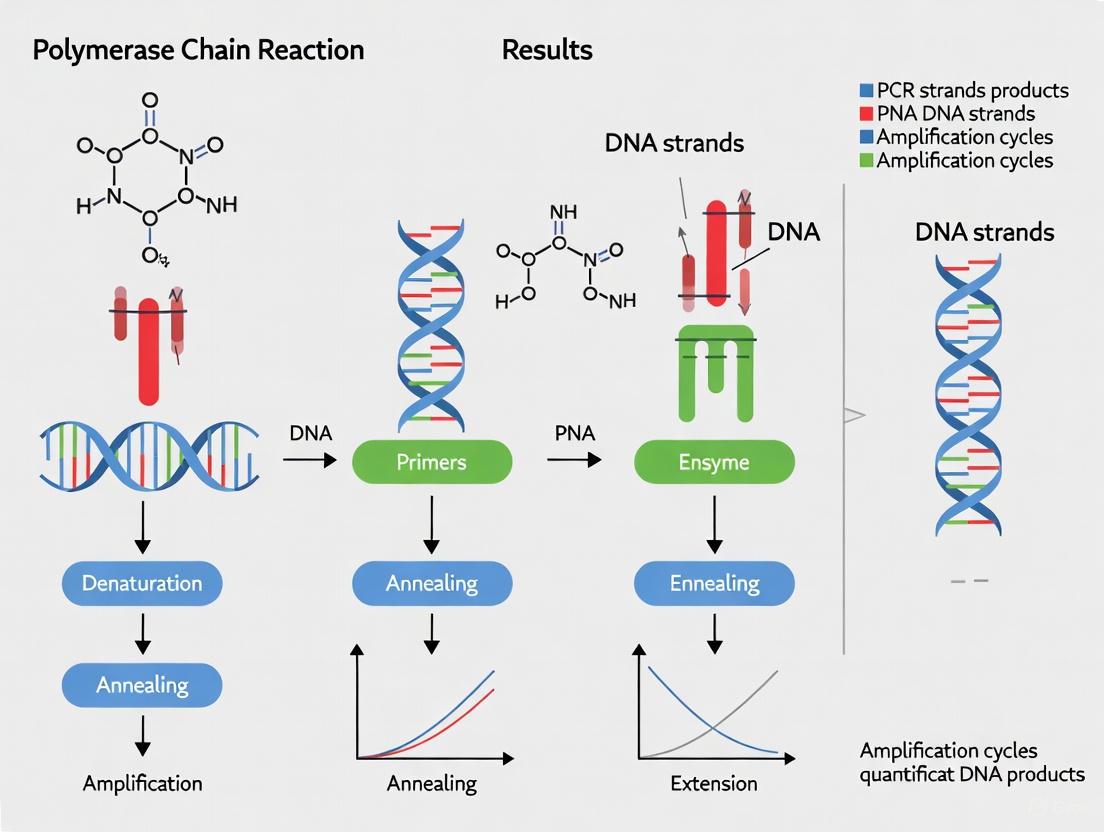
This article provides a systematic guide for researchers and drug development professionals facing the common yet challenging issue of high background in PCR results.
Eliminating High Background in PCR: A Comprehensive Troubleshooting and Optimization Guide for Researchers
Abstract
This article provides a systematic guide for researchers and drug development professionals facing the common yet challenging issue of high background in PCR results. It covers the foundational knowledge of underlying causes, from excess template and non-specific amplification to contamination. The content details methodological adjustments for reaction setup and cycling conditions, presents a step-by-step troubleshooting workflow for optimization, and explores advanced validation techniques and comparative performance of new technologies like digital PCR. The goal is to equip scientists with actionable strategies to achieve clean, specific, and reproducible amplification critical for downstream applications in biomedical and clinical research.
Understanding High Background in PCR: Root Causes and Diagnostic Signs
FAQs: Understanding and Resolving High Background
What is PCR background and where does it come from?
The term PCR background refers to nonspecific fluorescence detected in a qPCR reaction. In dye-based methods like SYBR Green, this can occur due to the presence of large amounts of double-stranded DNA template other than your specific target, or from inefficient quenching of fluorophores in probe-based assays. This background signal is mathematically removed by the qPCR instrument's software algorithm [1].
What does a high background signal indicate in my qPCR results?
A high background level of fluorescence is most likely due to an excess of template in the reaction. The instrument detects the fluorescent dye (e.g., SyGreen) bound to all double-stranded DNA present, including non-target sequences. This can also be exacerbated by issues like primer-dimer formation or nonspecific amplification products that accumulate and generate detectable fluorescence early in the cycling process [2] [1].
How can I troubleshoot high background fluorescence in my qPCR assay?
The most straightforward solution is to dilute your template samples. Recommendations suggest diluting samples 100x to 1000x to overcome this issue. This dilution should not only reduce the background signal but also allow accurate quantification by bringing the Ct values into the optimal range of your standards. Additionally, ensure your reaction is well-optimized with specific primers to minimize nonspecific amplification [2].
Are there analytical methods that can correct for high background without re-running experiments?
Yes, advanced analysis methods have been developed to address background issues. The "taking-difference linear regression method" avoids background subtraction entirely by calculating the difference in fluorescence between each two consecutive PCR cycles. This method transforms the data, removing the background component and providing more accurate calculations of PCR amplification efficiency and initial DNA amount [3].
Can my equipment cause high background or variable signals?
Yes, consumable selection can impact your signal. Using clear-well plates instead of white-well plates can cause signal loss through the well walls and increase well-to-well variation. Similarly, non-optimal seal clarity can distort fluorescence signals. For best results, select white-well plates and optically clear sealing films to enhance signal detection and consistency [4].
Troubleshooting Guides
Diagnosis by Symptom
| Symptom | Primary Cause | Recommended Solution |
|---|---|---|
| High background fluorescence | Excess template DNA [2] | Dilute template 100x-1000x [2] |
| Nonspecific amplification [1] | Optimize primer design; use hot-start polymerase [5] | |
| Gel smearing | Degraded or impure DNA template [5] | Repurify template; assess integrity by gel electrophoresis [5] |
| Excess DNA input [5] | Lower the quantity of input DNA [5] | |
| Variable qPCR data | Suboptimal plates/tubes [4] | Use white-well plates to prevent well-to-well crosstalk [4] |
| Improper sealing [4] | Use optically clear seals and ensure proper application [4] | |
| No or low amplification | PCR inhibitors present [5] | Repurify DNA to remove salts, phenol, or EDTA [5] |
| Suboptimal reagent concentrations [5] | Optimize Mg2+ and primer concentrations [5] |
Quantitative Impact of Background Correction Methods
The table below compares the accuracy and precision of different data analysis methods for calculating initial DNA amount, demonstrating how method choice directly impacts results.
| Analysis Method | Relative Error (RE) | Coefficient of Variation (CV) | Key Feature |
|---|---|---|---|
| Taking-Difference Linear Regression [3] | -0.002 (closest to 0) | 36% (lowest variation) | Avoids background subtraction entirely [3] |
| Linear Regression (mean cycles 3-7) [3] | 0.012 | 48% | Uses average of early cycles for baseline [3] |
| Linear Regression (mean cycles 1-3) [3] | 0.276 | 60% | Uses very early cycles for baseline [3] |
| Linear Regression (minimum) [3] | ~3.0 | 124% | Uses minimum fluorescence; least accurate [3] |
Experimental Protocols
Protocol 1: Template Dilution to Reduce High Background
This protocol addresses high background caused by excessive template DNA, a common issue in qPCR experiments [2].
Principle: Overloading the reaction with template DNA causes the fluorescent dye to bind to excessive amounts of double-stranded DNA (both target and non-target), elevating the baseline fluorescence detected by the instrument.
Procedure:
- Prepare a dilution series of your template DNA. It is recommended to test dilutions of 1:100, 1:200, 1:500, and 1:1000 using nuclease-free water or TE buffer [2].
- Use these diluted templates in your standard qPCR setup.
- Compare the amplification plots and baseline signals of the diluted samples to the original, undiluted sample.
- Select the dilution that brings the Ct value within the range of your standard curve (typically between 15-30 cycles) while minimizing the background fluorescence in the early cycles [2].
Expected Outcome: A successful dilution will lower the baseline fluorescence, resulting in a clear exponential phase and a later, more accurate Ct value that allows for reliable quantification.
Protocol 2: The Taking-Difference Linear Regression Method for Data Analysis
This computational protocol provides an alternative method for analyzing qPCR data that is robust to high background, as it does not require background subtraction [3].
Principle: Instead of subtracting an estimated background fluorescence, this method calculates the difference in fluorescence between each two consecutive PCR cycles. This transformation inherently removes the background component from the data [3].
Procedure:
- Data Transformation: For a dataset with fluorescence values (F₁, F₂, ..., Fₙ) over n cycles, create a new dataset of n-1 values representing the cycle-to-cycle differences: ΔF₂ = F₂ - F₁, ΔF₃ = F₃ - F₂, ..., ΔFₙ = Fₙ - Fₙ₋₁ [3].
- Log Transformation: Calculate the natural logarithm of each ΔF value [3].
- Linear Regression: Apply simple linear regression to the log-transformed ΔF data versus the cycle number.
- Calculate Parameters: Use the slope and intercept from the linear regression to calculate the PCR amplification efficiency (E) and the initial DNA amount (x₀) for each sample using the established equations in the method [3].
Expected Outcome: This method yields accurate estimates of initial DNA amount and PCR efficiency with minimal relative error and variation, making it particularly useful when background fluorescence is inconsistent or difficult to estimate [3].
Signaling Pathways and Workflows
Diagram: Experimental Decision Pathway for Correcting High Background
This workflow outlines a systematic approach to identify and resolve the root causes of high background in PCR experiments.
The Scientist's Toolkit: Research Reagent Solutions
| Item | Function | Application Note |
|---|---|---|
| Hot-Start DNA Polymerase | Reduces nonspecific amplification and primer-dimer formation by remaining inactive until a high-temperature activation step [5]. | Essential for improving assay specificity and reducing background from non-target products [5]. |
| SYBR Green I Dye | Binds to double-stranded DNA, generating a fluorescent signal upon excitation [6]. | Inexpensive and flexible, but will bind to any dsDNA, including nonspecific products; requires well-optimized reactions [6]. |
| TaqMan Probe | A fluorogenic probe that provides target-specific detection through the 5' nuclease activity of Taq polymerase [6] [7]. | Offers higher specificity than intercalating dyes, as signal generation requires probe hybridization and cleavage [6]. |
| PCR Additives (e.g., GC Enhancer) | Helps denature GC-rich templates and sequences with secondary structures [5]. | Reduces nonspecific binding and improves amplification efficiency of complex targets, minimizing background. |
| Nuclease-Free Water | A pure, uncontaminated solvent for resuspending primers and diluting samples [5]. | Critical for preventing RNase/DNase degradation and avoiding introduction of fluorescent contaminants. |
| White-Well qPCR Plates | Reduce signal refraction and enhance fluorescence reflection to the detector, improving well-to-well consistency [4]. | Prevents signal crosstalk and loss, leading to more reliable and consistent fluorescence data [4]. |
| Optically Clear Seals | Minimize distortion of fluorescence signals between the reaction vessel and the detector [4]. | Ensure accurate reading of fluorescence, preventing artificial signal reduction or variation. |
Technical Support Center: Troubleshooting Guide & FAQs
Within the broader research on correcting high background in qPCR results, identifying and mitigating the effects of excess template DNA is a fundamental step. A high background level of fluorescence, which obscures accurate data interpretation, is most frequently due to an overabundance of template in the reaction mixture [2]. This article provides a detailed guide to diagnosing this issue, presents comparative data on analytical methods, and offers proven protocols for resolution.
Frequently Asked Questions (FAQs)
1. What is the primary cause of a very high background signal in my qPCR assay? A high background fluorescence level is most likely due to an excess of template DNA in the reaction. This occurs because the SYBR Green dye binds to all double-stranded DNA present, including non-target sequences. The qPCR instrument detects this fluorescence, leading to an elevated baseline signal [2].
2. How can I resolve a high background signal? We recommend diluting your sample templates 100 to 1000-fold. This dilution not only reduces the background signal but also allows for accurate quantification by bringing the Ct values into the optimal range of your standard curve. A Ct value that appears earlier than your first standard is not considered accurate enough for publication [2].
3. My No Template Control (NTC) shows exponential amplification. What does this mean? Exponential amplification in your NTC indicates contamination. Potential sources include laboratory exposure to the target sequence or contamination carried over from reagent manufacture [8].
- Corrective Steps: Clean your work area with 10% bleach and nuclease-free water. Prepare your reaction mix in a clean lab area, physically separated from any template sources. Order new reagent stocks [8].
4. What does a jagged amplification plot signify? A jagged signal throughout the amplification plot is typically a result of poor probe signaling or mechanical error [8]. For probe-based assays, this could be caused by [9]:
- Probe concentration that is too low.
- A probe melting temperature (Tm) that is too low or too close to the primer Tm.
- Probe length that is too long, leading to inefficient quenching.
- Corrective Steps: Ensure a sufficient amount of probe is used, try a fresh probe batch, and mix all solutions thoroughly during reaction setup [8].
Quantitative Analysis of Method Performance
The following table summarizes a comparative analysis of different qPCR data analysis methods, highlighting their performance in estimating the initial DNA amount without background subtraction. The "taking-difference" linear regression method demonstrates superior accuracy and precision, offering a significant advantage by avoiding the errors associated with background fluorescence correction [3].
Table 1: Performance Comparison of qPCR Analysis Methods in Estimating Initial DNA Amount
| Analysis Method | Relative Error (RE) | Coefficient of Variation (CV) | Key Principle |
|---|---|---|---|
| Taking-Difference Linear Regression | -0.002 | 36% | Avoids background subtraction by using cycle-to-cycle fluorescence differences [3]. |
| Original Linear Regression (Mean cycles 3-7) | 0.012 | 48% | Subtracts baseline using the average fluorescence from cycles 3-7 [3]. |
| Original Linear Regression (Mean cycles 1-3) | 0.276 | 60% | Subtracts baseline using the average fluorescence from the first three cycles [3]. |
| Original Linear Regression (Minimum) | ~3.0 | 124% | Subtracts the minimum fluorescence value as background [3]. |
Experimental Protocols
Protocol 1: Standard Template Dilution to Reduce Background
This is the first-line experimental approach to correct for high background caused by excess template [2].
Key Materials:
- Nuclease-free water
- Template DNA
- Standard buffer (e.g., TE buffer)
Methodology:
- Prepare a stock dilution of your template DNA by diluting it 1:10 in nuclease-free water or an appropriate buffer.
- From this stock, perform a serial dilution to create a series of working solutions (e.g., 100x, 200x, 500x, and 1000x dilutions).
- Run your qPCR assay using these diluted templates alongside your original, undiluted sample.
- Compare the amplification plots and baseline fluorescence. The optimal dilution is one that significantly lowers the baseline while bringing the Ct value of your sample within the range of your standard curve.
Protocol 2: The "Taking-Difference" Linear Regression Method
This protocol outlines a method to analyze qPCR data without the need for background subtraction, thereby avoiding associated inaccuracies [3].
Workflow Overview:
Detailed Methodology:
- Data Collection: Export the raw fluorescence data for all cycles (n cycles) from your qPCR run.
- Data Transformation: For every two consecutive PCR cycles, subtract the fluorescence of the earlier cycle from that of the later cycle. This transforms your n cycles of raw data into a new dataset of n-1 cycles of difference values [3].
- Equation:
ΔFₙ = Fₙ - Fₙ₋₁
- Equation:
- Linear Regression Application: Apply a simple linear regression model to the natural logarithm of the transformed data (ln(ΔFₙ)) [3].
- Parameter Calculation: Calculate the PCR amplification efficiency (E) and the initial DNA amount (x₀) for each reaction using the parameters (slope and intercept) estimated from the linear regression [3].
Research Reagent Solutions
The table below lists key reagents and materials essential for implementing the troubleshooting protocols described in this article.
Table 2: Essential Reagents and Materials for Troubleshooting High Background
| Item | Function/Application | Recommendation for Use |
|---|---|---|
| SYBR Green I Dye | Binds to double-stranded DNA for fluorescence detection. | High-quality, specific dye is crucial; excess template leads to high background [2]. |
| Nuclease-Free Water | Diluent for template and reagents. | Essential for creating template dilutions and preparing master mixes without contamination [2]. |
| DNA Decontamination Solution | Destroys contaminating DNA on surfaces. | Critical for eliminating false positives; clean work area with 10% bleach or commercial DNA degradation solution [8]. |
| Carrier Molecules | Prevents adsorption of low-concentration target DNA to tube walls. | Use yeast tRNA, PolyA, or linearized acrylamide in vast excess (e.g., 100 ng/µL) during serial dilutions to prevent drop-out effects [9]. |
| Predesigned TaqMan Assays | Provides optimized primers and a sequence-specific probe. | Avoids non-specific amplification and eliminates the need for lengthy melt-curve analysis, reducing background issues [10]. |
Advanced Methodological Comparison
For researchers seeking the most robust analytical approach, the "taking-difference" method provides significant benefits. The following diagram illustrates its conceptual advantage over traditional methods that rely on potentially inaccurate background subtraction.
The Role of Non-Specific Amplification and Primer Dimer Formation
FAQ
What are non-specific amplification and primer dimers? Non-specific amplification is the amplification of non-target DNA during PCR, as opposed to the specific target DNA region. A primer dimer is a common type of non-specific amplification where two primers anneal to each other instead of the target DNA, forming a short, unintended DNA fragment that is then amplified. Primer dimers are typically 30-50 base pairs in length [11] [12].
How do non-specific products affect my PCR results? These by-products compete with your target amplification for reaction resources, including primers, DNA polymerase, and dNTPs. This can lead to reduced yield of the desired product, lower reaction efficiency, and inaccurate quantification in qPCR. In severe cases, they can cause false positives (e.g., signal from primer dimers in a no-template control) or false negatives (due to failed amplification of low-concentration targets) [13].
How can I distinguish primer dimers from my target amplicon? In gel electrophoresis, primer dimers appear as a sharp band or smear around 30-50 bp, often much lower than your target band [14]. In qPCR using intercalating dyes like SYBR Green, melt-curve analysis is essential. A single, sharp peak indicates specific amplification, whereas multiple peaks, broad peaks, or peaks at lower temperatures suggest primer dimers or other non-specific products [15].
What is the single most effective way to prevent primer dimers? Using a hot-start DNA polymerase is highly effective. These enzymes are inactive at room temperature, preventing polymerase activity during reaction setup when primer dimer formation is most likely. They are only activated at high denaturation temperatures (e.g., 95°C), drastically reducing low-temperature mis-priming [14] [12].
Troubleshooting Guide: Resolving Non-Specific Amplification
The following table outlines the primary causes of and solutions for non-specific amplification and primer dimer formation.
| Problem Area | Specific Issue | Recommended Solution |
|---|---|---|
| Primer Design & Quality | Primers with self-complementarity or 3'-end complementarity. | Redesign primers using software (e.g., NCBI Primer-BLAST) to avoid complementarity. Aim for a GC content of 40-60% [16] [17]. |
| High primer concentration. | Optimize primer concentration, typically between 0.1–1.0 µM. Lowering the concentration reduces dimerization opportunities [14] [5]. | |
| Degraded or old primers. | Reconstitute fresh primer aliquots or obtain new primers [5]. | |
| Reaction Components | Non-hot-start DNA polymerase. | Switch to a hot-start DNA polymerase to prevent pre-PCR mis-priming [14] [12]. |
| Excess Mg2+ concentration. | Optimize Mg2+ concentration; excessive Mg2+ promotes non-specific binding and reduces fidelity. Titrate between 0.5-5.0 mM [5] [17]. | |
| Low purity or excess template DNA. | Re-purify template DNA to remove inhibitors. Overloading template can cause smearing; use 1-1000 ng and dilute if necessary [11] [5]. | |
| Thermal Cycling Conditions | Annealing temperature too low. | Increase the annealing temperature stepwise (in 1–2°C increments). The optimal temperature is usually 3–5°C below the primer Tm [14] [5]. |
| Too many PCR cycles. | Reduce the number of cycles (generally 25-35) to prevent accumulation of non-specific products in later cycles [11] [5]. | |
| Insufficient denaturation. | Increase denaturation time and/or temperature for GC-rich templates to ensure complete strand separation [5]. |
Experimental Protocol for Diagnosis and Optimization
1. Running a No-Template Control (NTC) A No-Template Control is critical for diagnosing primer dimers.
- Methodology: Prepare your standard PCR reaction master mix, including all reagents (polymerase, buffer, dNTPs, primers, water) except the DNA template. Replace the template with an equivalent volume of sterile, nuclease-free water. Run this NTC alongside your test samples under the same cycling conditions [14].
- Interpretation: Any amplification product in the NTC is the result of primer-dimer formation or contamination, confirming that your primers are interacting non-specifically. In qPCR, a low Ct value in the NTC indicates a high tendency for dimer formation [13].
2. Performing Melt-Curve Analysis for qPCR For SYBR Green qPCR assays, melt-curve analysis is mandatory to confirm amplification specificity.
- Protocol: After the final PCR cycle, the thermal cycler slowly increases the temperature from about 60°C to 95°C while continuously monitoring fluorescence. As the double-stranded DNA denatures, the SYBR Green dye is released, causing a drop in fluorescence [15].
- Data Analysis: Plot the negative derivative of fluorescence over temperature (-dF/dT) against temperature. A single, sharp peak indicates a single, specific amplicon. Multiple peaks, broad peaks, or a peak at a low melting temperature suggest the presence of primer dimers or other non-specific products [15].
3. Optimizing Annealing Temperature Using a Gradient PCR Finding the optimal annealing temperature is one of the most effective optimization steps.
- Method: Use a thermal cycler with a gradient function. Set up identical PCR reactions and place them in blocks programmed with a range of annealing temperatures (e.g., 55°C to 65°C).
- Analysis: Run an agarose gel on the products. The correct annealing temperature will produce a single, bright band of the expected size. Higher temperatures within the range will typically eliminate smearing and primer dimers but may reduce yield if too high. Select the temperature that gives the strongest specific signal with the least background [5].
Research Reagent Solutions
The following table lists key reagents essential for preventing and troubleshooting non-specific amplification.
| Reagent / Material | Function in Preventing Non-Specific Amplification |
|---|---|
| Hot-Start DNA Polymerase | The most critical tool. Remains inactive during reaction setup at room temperature, preventing primer dimer extension. Activated only at high temperatures, ensuring specificity from the first cycle [14] [12]. |
| PCR Additives (e.g., DMSO, Betaine) | Help denature complex DNA templates with high GC content or secondary structures, improving primer binding specificity and yield. Typical concentrations are 1-10% for DMSO and 0.5 M to 2.5 M for Betaine [5] [17]. |
| Nuclease-Free Water | Ensures the reaction is free from contaminating nucleases that could degrade primers or templates, and from background DNA that could cause non-specific amplification. |
| Magnesium Salt (MgCl₂/MgSO₄) | Cofactor for DNA polymerase. Its concentration dramatically affects primer specificity and fidelity. Must be optimized for each primer-template system [5] [17]. |
| dNTP Mix | Provides the building blocks for DNA synthesis. Unbalanced dNTP concentrations can increase PCR error rates. Use a balanced, high-quality mix [5]. |
Troubleshooting Workflow for High Background PCR
The diagram below outlines a logical workflow for diagnosing and correcting high background in your PCR results.
Impact of Suboptimal Primer Design and Annealing Conditions
FAQs: Troubleshooting High Background in PCR
FAQ 1: What are the primary causes of high background or nonspecific bands in my PCR results?
High background is frequently caused by suboptimal primer design and annealing conditions. Key issues include:
- Primer-Related Issues: Primers with low melting temperatures ((T_m)), high self-complementarity (leading to hairpins or primer-dimers), or complementary 3' ends can cause mispriming and nonspecific amplification [18] [5] [17].
- Annealing Temperature Too Low: An annealing temperature ((T_a)) that is too low allows primers to bind to non-target sequences with partial complementarity, resulting in multiple unwanted products [18] [16] [19].
- Excessive Reaction Components: High concentrations of primers, magnesium ions ((Mg^{2+})), or DNA polymerase can promote off-target binding and reduce specificity [18] [5].
FAQ 2: How can I quickly optimize annealing conditions to reduce background?
The most effective method is to perform a gradient PCR [18] [5]. Set your thermal cycler to test a range of annealing temperatures (e.g., from 5°C below to 5°C above the calculated (Tm) of your primers). This identifies the highest temperature that still yields a strong, specific product. Additionally, ensure your (Ta) is set no more than 5°C below the primer (T_m) for optimal specificity [16] [19].
FAQ 3: My primers are not perfectly designed. Can I still salvage my experiment?
Yes. Several wet-lab techniques can compensate for suboptimal primers:
- Use a Hot-Start DNA Polymerase: These enzymes are inactive until a high-temperature activation step, preventing nonspecific amplification during reaction setup [18] [5].
- Employ PCR Additives: Reagents like DMSO, formamide, or betaine can help denature complex templates and improve primer specificity, especially for GC-rich targets [5] [19] [17].
- Apply Touchdown PCR: This method starts with a high annealing temperature and gradually lowers it in subsequent cycles, enriching the desired product early on [5].
Troubleshooting Guide
| Observation | Possible Cause | Recommended Solution |
|---|---|---|
| No Product | Poor primer design, incorrect (T_a), insufficient template [18] [5] | Redesign primers (18-30 bp, 40-60% GC). Test (T_a) gradient. Verify template quality/quantity [16] [17]. |
| Multiple or Smeared Bands | Low (T_a), mispriming, excess primers/Mg²⁺ [18] [5] | Increase (T_a) incrementally. Use hot-start polymerase. Optimize primer and (Mg^{2+}) concentrations [18] [19]. |
| Primer-Dimer Formation | Primer self-complementarity, especially at 3' ends [16] [17] | Redesign primers to avoid 3' end complementarity. Lower primer concentration [5] [19]. |
Quantitative Data for Primer Design and Optimization
Table 1: Optimal Ranges for PCR Primer Design [16] [19] [17]
| Parameter | Ideal Range | Purpose |
|---|---|---|
| Primer Length | 18 - 30 nucleotides | Balances specificity and binding efficiency. |
| GC Content | 40% - 60% | Provides sufficient sequence complexity and stable binding. |
| Melting Temp ((T_m)) | 52°C - 65°C | Ideal is 60-64°C; ensures efficient annealing. |
| (T_m) Difference | ≤ 2°C - 5°C | Allows both primers to bind simultaneously and efficiently. |
Table 2: Typical Concentrations for Key PCR Components [5] [19] [17]
| Component | Final Concentration in 50 µL Reaction | Notes |
|---|---|---|
| Primers | 0.1 - 1.0 µM each | High concentrations promote mispriming. |
| MgCl₂ | 1.5 - 2.5 mM | Optimize in 0.2-1.0 mM increments; excess reduces fidelity. |
| dNTPs | 200 µM each | Unbalanced concentrations increase error rate. |
| DNA Polymerase | 0.5 - 2.5 Units | Follow manufacturer's recommendations. |
| Template DNA | 1 pg - 1 µg | Varies by template complexity (plasmid vs. genomic DNA). |
Experimental Protocol: Systematic Optimization of Annealing Conditions
This protocol provides a methodology to empirically determine the optimal annealing temperature for a primer set.
1. Materials and Reagents
- DNA template
- Forward and reverse primers
- Hot-start DNA polymerase (e.g., Q5 Hot-Start, OneTaq Hot-Start) [18] [5]
- 10X PCR buffer (with or without (Mg^{2+}))
- 25 mM (MgCl_2) (if not in buffer)
- 10 mM dNTP mix
- Nuclease-free water
- Thermal cycler with gradient functionality
2. Reaction Mixture Setup Prepare a master mix on ice to minimize non-specific activity [5] [17]. Calculations are for a single 50 µL reaction.
| Reagent | Volume (µL) | Final Concentration |
|---|---|---|
| Nuclease-free water | To 50 µL | - |
| 10X PCR Buffer | 5 | 1X |
| 25 mM MgCl₂ | 3 | 1.5 mM (adjust if buffer contains Mg²⁺) |
| 10 mM dNTP mix | 1 | 200 µM each |
| 20 µM Forward Primer | 1.25 | 0.5 µM |
| 20 µM Reverse Primer | 1.25 | 0.5 µM |
| DNA Template | Variable | e.g., 50 ng genomic DNA |
| Hot-start DNA Polymerase | 0.5 | 1.25 U |
3. Thermal Cycling Conditions
- Initial Denaturation: 98°C for 30 seconds [19]
- Amplification (35 cycles):
- Denaturation: 98°C for 10 seconds
- Annealing: Gradient from 55°C to 70°C for 30 seconds (Key Step)
- Extension: 72°C for 30 seconds/kb
- Final Extension: 72°C for 5 minutes
- Hold: 4°C
4. Endpoint Analysis Analyze PCR products using agarose gel electrophoresis. The correct product should appear as a single, sharp band at the expected size. Identify the annealing temperature that yields the strongest specific product with the least background.
The Scientist's Toolkit: Research Reagent Solutions
Table 3: Essential Reagents for Mitigating PCR Background [18] [5] [19]
| Reagent | Function | Example Use-Case |
|---|---|---|
| Hot-Start DNA Polymerase | Inhibits polymerase activity at low temperatures, preventing nonspecific priming and primer-dimer formation. | Essential for high-specificity assays and multiplex PCR. |
| High-Fidelity Polymerase | Incorporates 3'→5' exonuclease proofreading activity to correct misincorporated nucleotides, improving sequence accuracy. | Critical for cloning, sequencing, and mutagenesis applications. |
| DMSO (Dimethyl Sulfoxide) | Additive that disrupts base pairing, aiding in the denaturation of templates with high GC content or secondary structures. | Use at 1-10% final concentration for GC-rich targets. |
| Betaine | Additive that equalizes the contribution of GC and AT base pairs, reducing the melting temperature of GC-rich regions. | Use at 0.5 M to 2.5 M for difficult templates. |
| MgCl₂ Solution | Cofactor for DNA polymerase; concentration directly affects primer annealing, specificity, and enzyme fidelity. | Requires careful optimization in 0.2-1.0 mM increments. |
Workflow and Relationship Diagrams
PCR Troubleshooting Pathway
Gradient PCR Optimization
Identifying Common PCR Inhibitors and Contaminants
In the context of research focused on correcting high background in PCR results, distinguishing true amplification from artifacts is paramount. High background can stem from various sources, including PCR inhibitors, which reduce amplification efficiency, and contaminants, which lead to false-positive signals and nonspecific amplification. This guide provides researchers and drug development professionals with a clear framework for identifying and mitigating these common issues to ensure the integrity of experimental data.
FAQ: Addressing Common PCR Problems
1. What are the signs that my PCR is inhibited?
Inhibition occurs when substances in the reaction prevent the DNA polymerase from efficiently amplifying the target. Key indicators include:
- Complete PCR failure: No amplification product is detected on a gel [20].
- Reduced sensitivity: In qPCR, this manifests as a higher Cycle Threshold (Ct) value compared to a clean sample. A dilution series (e.g., 1:10) can help identify inhibition; if the diluted sample has a lower Ct than the undiluted one, inhibitors are likely present [21].
- Inconsistent replication: Amplification may work in some samples but fail in others processed similarly, pointing to variable inhibitor carryover [20].
2. How can I tell if my reaction is contaminated?
Contamination typically leads to false-positive results or high background. Signs include:
- Amplification in negative controls: The most definitive sign is observing PCR products in your No-Template Control (NTC), which contains all reaction components except the DNA template [22] [23].
- Nonspecific amplification: Multiple bands or a smear on an agarose gel instead of a single, sharp band of the expected size [5] [24].
- Unexpected early Ct values in qPCR: For a no-template control, a real signal typically has a Ct value later than 37. Signals with highly variable Ct values among replicates or those that appear after Ct 37 are often background noise [25].
3. My PCR shows multiple bands or a smear. What should I do?
This is a classic sign of nonspecific amplification. To improve specificity:
- Increase stringency: Raise the annealing temperature in 2°C increments [5] [24].
- Use hot-start DNA polymerases: These enzymes remain inactive until the high-temperature denaturation step, preventing nonspecific priming at lower temperatures [5].
- Optimize reagent concentrations: Reduce the amount of template, primers, magnesium, or DNA polymerase, as excess can promote mis-priming [5] [24].
- Redesign primers: Check that primers are specific to the target and do not form secondary structures like hairpins or self-dimers [17].
4. What are the most common sources of PCR inhibitors?
Inhibitors can be introduced from the original sample or during DNA extraction [20]. The table below summarizes common inhibitors and their sources.
| Inhibitor Category | Specific Examples | Common Sources |
|---|---|---|
| Organic Compounds | Hemoglobin, lactoferrin, IgG [24], immunoglobulins [26] | Blood, serum, plasma [20] [21] |
| Humic acid, fulvic acid, tannins, polyphenols [21] | Soil, plants, feces [20] [21] | |
| Melanin, collagen [24] [21] | Tissues, hair, skin | |
| Ionic Agents | Heparin [26] [24] | Blood (anticoagulant) |
| EDTA, Sodium Citrate [26] [24] | Blood collection tubes, lysis buffers | |
| Laboratory Reagents | SDS (Sodium Dodecyl Sulfate), Sarkosyl, Guanidine [20] [26] | Lysis buffers, extraction kits |
| Ethanol, Isopropanol, Phenol [20] [24] | DNA purification protocols |
5. What are the most common sources of PCR contamination?
The primary sources are:
- Carryover contamination: Aerosolized PCR products from previous amplifications are the most common source. These tiny droplets can spread to lab equipment, reagents, and new reaction setups [22] [23].
- Sample-to-sample cross-contamination: This can occur during sample preparation, especially with samples requiring extensive processing [24].
- Contaminated reagents or equipment: Reagents (especially water), pipettes, and lab surfaces can be contaminated with exogenous DNA or amplicons [24].
Troubleshooting Guide: Key Protocols
Protocol 1: Diagnosing and Resolving PCR Inhibition
Objective: To confirm the presence of inhibitors and restore amplification efficiency.
Materials:
- DNA sample suspected of inhibition
- "Clean" control DNA (known to amplify well)
- PCR reagents (polymerase, buffer, dNTPs, primers)
- Equipment: thermocycler, gel electrophoresis system
Method:
- Perform a Dilution Test: Set up two parallel PCR reactions.
- Run PCR using your standard cycling conditions.
- Analyze Results:
- qPCR: Compare the Ct values. If Tube B has a lower Ct than Tube A, inhibition is confirmed [21].
- Standard PCR: Compare band intensity on a gel. A stronger band in the diluted sample indicates inhibition.
Solutions:
- Purify the DNA: Use a commercial clean-up kit (e.g., silica-column based) designed to remove specific inhibitors like salts, phenolics, or humic acids [20] [21].
- Use Inhibitor-Tolerant Enzymes: Specific DNA polymerases (e.g., some direct PCR polymerases) or specialized qPCR mixes are engineered to be more resistant to a broad spectrum of inhibitors [26].
- Modify the Reaction: Increasing the concentration of DNA polymerase or adding Bovine Serum Albumin (BSA) can bind to and neutralize certain inhibitors [20].
Protocol 2: Identifying and Eliminating Contamination
Objective: To confirm contamination and decontaminate the laboratory workspace.
Materials:
- Fresh aliquots of all PCR reagents (water, buffer, dNTPs, primers)
- 10% bleach solution (freshly diluted) or commercial DNA decontamination solutions [22] [23]
- Aerosol-barrier pipette tips
- Dedicated lab coat and gloves
Method:
- Run Rigorous Controls: Always include a No-Template Control (NTC) with every PCR run. Amplification in the NTC confirms contamination [22] [25].
- Identify the Source:
- Systematically replace reagents: Substitute one old reagent at a time with a fresh, unopened aliquot and re-run the NTC. The replacement that eliminates the NTC band identifies the contaminated reagent [23].
- Rule out the environment: If reagents are not the source, the contamination is likely in the lab environment.
Solutions:
- Physical Separation: Establish physically separated pre-PCR and post-PCR areas with dedicated equipment, lab coats, and consumables. Never bring items from the post-PCR area into the pre-PCR area [22] [24].
- Decontaminate Surfaces: Thoroughly clean work surfaces, pipettes, and equipment with 10% bleach, followed by 70% ethanol or DNA-decontamination solutions [22] [23].
- Use UNG Treatment: For qPCR, use a master mix containing Uracil-N-glycosylase (UNG) and replace dTTP with dUTP in your reactions. UNG will enzymatically degrade any carryover uracil-containing PCR products from previous runs before thermocycling begins [22].
- Aliquot Reagents: Divide bulk reagents into single-use aliquots to prevent widespread contamination [23].
Research Reagent Solutions
The following table lists key reagents and kits used to overcome PCR inhibition and contamination.
| Reagent / Kit Name | Function / Application |
|---|---|
| Inhibitor-Tolerant PCR Kits (e.g., Clara Inhibitor-Tolerant Mix) [26] | Specialized qPCR mixes formulated for high resistance to a wide range of inhibitors found in blood, saliva, soil, and plants. |
| PCR Inhibitor Removal Kits (e.g., OneStep PCR Inhibitor Removal Kit) [21] | Spin-column based kits designed to remove specific inhibitors like polyphenolics, humic acids, and tannins from purified nucleic acids. |
| Hot-Start DNA Polymerases [5] [24] | Polymerases that are inactive at room temperature, preventing nonspecific primer binding and primer-dimer formation during reaction setup, thereby increasing specificity. |
| UNG (Uracil-N-glycosylase) [22] | An enzyme included in some qPCR master mixes to prevent carryover contamination by degrading PCR products from previous reactions that contain dUTP. |
| Bovine Serum Albumin (BSA) [20] [17] | A protein additive that can bind to and neutralize certain classes of PCR inhibitors, particularly in blood-based samples. |
Workflow Diagrams
PCR Contamination Identification and Resolution
PCR Inhibition Diagnosis and Mitigation
FAQs on Template Quality and PCR Background
What is the link between template DNA purity and high background in PCR?
High background and nonspecific amplification in PCR are frequently caused by impurities in the template DNA. Common inhibitors carried over from sample preparation include phenol, EDTA, heparin, salts, proteins, and polysaccharides [5] [27]. These substances can interfere with the DNA polymerase, leading to mispriming and the generation of nonspecific products, which appear as a smear or multiple bands on a gel [5]. Using a hot-start DNA polymerase is highly recommended, as it remains inactive at room temperature, preventing nonspecific amplification during reaction setup and improving specificity [28] [5].
How can I quickly assess the integrity and concentration of my template DNA?
Accurately determining your DNA's concentration and checking for degradation is a critical first step. Photometric measurement is a standard method. For highly concentrated samples, using a microliter cuvette with a shortened light path (e.g., 1 mm) allows you to measure the sample without time-consuming dilutions [29]. The table below summarizes the measurement ranges for different biomolecules using a 1 mm path length cuvette [29].
Table 1: Measurement Ranges for Biomolecules (1 mm path length)
| Sample | Measurement Range (1mm path) | Optimum Range (1mm path) |
|---|---|---|
| dsDNA | 2.5 – 1500 μg/mL | 25 - 1000 μg/mL |
| RNA | 2 – 1200 μg/mL | 20 - 800 μg/mL |
| Protein (BSA) | 0.075 - 45 mg/mL | 0.75 - 30 mg/mL |
Always ensure the instrument's optical path length is set correctly and use a background correction function to account for any buffer contaminants [29]. Furthermore, analyze template integrity by running an aliquot on an agarose gel. Degraded DNA will appear as a smear, which can be a source of high background in PCR [5].
My target is GC-rich. How does this contribute to high background, and how can I amplify it?
GC-rich sequences (over 65%) are challenging because strong hydrogen bonds cause secondary structures and prevent the DNA polymerase from reading through the template [28] [27]. This can lead to polymerase stuttering, nonspecific priming, and high background. To overcome this:
- Use specialized DNA polymerases with high processivity, which have a stronger affinity for the template and can better navigate complex structures [28] [5].
- Employ PCR additives or co-solvents like DMSO, GC Enhancer, or formamide. These help denature the strong secondary structures [28] [5].
- Increase denaturation temperature and/or time. A higher denaturation temperature (e.g., 98°C) can help melt the template [28] [27].
Troubleshooting Guide: High Background in PCR
This guide addresses the specific issue of high background, which includes smearing, multiple bands, or primer-dimer formation in your PCR results.
Table 2: Troubleshooting High Background in PCR
| Possible Cause | Recommendations & Solutions |
|---|---|
| Template DNA Issues | |
| Low Purity / Inhibitors | Re-purify DNA via ethanol precipitation or use a purification kit to remove salts, phenol, or EDTA [5]. Use DNA polymerases with high tolerance to inhibitors [5]. |
| Degraded Integrity | Minimize shearing during isolation. Check integrity by gel electrophoresis [5]. |
| Excess Quantity | Reduce the amount of input template by 2–5 fold [27]. |
| Complex Sequences (GC-rich) | Use a high-processivity polymerase, a PCR additive (e.g., DMSO), and increase the denaturation temperature [28] [5]. |
| Primer Issues | |
| Problematic Design | Redesign primers to ensure specificity. Avoid complementary sequences at the 3' ends to prevent primer-dimers [5] [27]. Use online primer design tools. |
| High Quantity | Optimize primer concentration, typically between 0.1–1 μM. High concentrations promote mispriming [5]. |
| Reaction Components | |
| Inappropriate DNA Polymerase | Use a hot-start DNA polymerase to prevent nonspecific amplification at low temperatures [28] [5]. |
| Excess Mg2+ | Lower the Mg2+ concentration, as high levels reduce specificity [5] [27]. |
| Thermal Cycling Conditions | |
| Low Annealing Temperature | Increase the annealing temperature in 2°C increments. The optimal temperature is usually 3–5°C below the primer Tm [5] [27]. |
| Suboptimal Denaturation | Increase denaturation time and/or temperature for GC-rich templates [5]. |
| High Number of Cycles | Reduce the number of PCR cycles to prevent accumulation of nonspecific products [5] [27]. |
Experimental Protocol: A Systematic Approach to Diagnosing High Background
Follow this step-by-step protocol to identify and correct the source of high background in your PCR experiments.
Step 1: Assess Template Quality
- Quantification and Purity Check: Dilute your DNA template and measure absorbance at 260 nm, 280 nm, and 230 nm. Pure DNA has an A260/A280 ratio of ~1.8 and an A260/A230 ratio of 2.0-2.2. Low ratios indicate protein or chemical contamination [5] [29].
- Integrity Check: Run 100-200 ng of DNA on an agarose gel. Intact genomic DNA should appear as a single, high-molecular-weight band. A smear indicates degradation [5].
Step 2: Optimize the PCR Reaction
- Incorporate Hot-Start Technology: Set up your reaction using a hot-start DNA polymerase to prevent activity at room temperature [28] [5].
- Perform a Gradient PCR: If possible, use a thermal cycler with a gradient function to test a range of annealing temperatures (e.g., from 55°C to 65°C) to find the optimal stringency for your primer set [5] [27].
- Set Up Control Reactions:
- Positive Control: A reaction with a known, high-quality template and primer set that works reliably.
- Negative Control (No Template): A reaction with nuclease-free water instead of template. This detects reagent contamination.
- Test Reaction: Your experimental sample.
Step 3: Analyze and Iterate
- Run all samples on an agarose gel.
- If the negative control is clear but the test reaction shows high background, the issue is with your template, primers, or cycling conditions. Proceed with optimization based on the troubleshooting table.
- If the negative control shows bands or smearing, your reagents are contaminated. You must discard all reagents, clean your workspace and equipment with 10% bleach or UV light, and prepare fresh solutions [27].
Research Reagent Solutions
The following reagents and materials are essential for analyzing template quality and performing clean, specific PCR.
Table 3: Essential Reagents for Template Analysis and PCR
| Item | Function/Benefit |
|---|---|
| High-Processivity DNA Polymerase | Displays high affinity for templates, improving amplification of complex targets and tolerance to inhibitors [28] [5]. |
| Hot-Start DNA Polymerase | Prevents enzymatic activity during reaction setup at room temperature, drastically reducing nonspecific amplification and primer-dimer formation [28] [5]. |
| PCR Additives (e.g., DMSO, GC Enhancer) | Helps denature GC-rich sequences and resolve secondary structures, allowing the polymerase to read through difficult templates [28] [5]. |
| Microliter Cuvette (e.g., 1 mm path) | Allows for accurate photometric measurement of highly concentrated nucleic acid samples without the need for serial dilution [29]. |
| Nuclease-Free Water | Used for diluting and storing nucleic acids to prevent degradation by environmental nucleases. Essential for preparing PCR reagents [5] [27]. |
| dNTP Mix | The building blocks for DNA synthesis. Use a balanced, high-quality mix to prevent incorporation errors [5] [27]. |
| MgCl₂ or MgSO₄ Solution | A crucial co-factor for DNA polymerase activity. Its concentration must be optimized for each primer-template system [5]. |
Proactive PCR Setup: Methodologies to Minimize Background from the Start
A high background in PCR results is a common challenge that can obscure data and complicate analysis. Frequently, the root of this problem lies in suboptimal primer design. When primers are non-specific, form secondary structures, or anneal with low efficiency, they can generate nonspecific amplification products and primer-dimers, leading to a high fluorescent background in qPCR or smeared bands in gel electrophoresis. This guide details how mastering key primer parameters—length, melting temperature (Tm), GC content, and 3'-end stability—provides a direct pathway to correcting these issues, ensuring clean, specific, and reproducible amplification [30] [31] [5].
The Core Principles of Optimal Primer Design
How long should my primers be?
The specificity of a primer is heavily dependent on its length. Excessively long primers hybridize slower and can reduce amplicon yield, while very short primers may lack specificity.
- Optimal Range: For standard PCR, primers should be 18–30 nucleotides long, with 18–24 bases being the ideal target for efficient hybridization and high specificity [30] [31].
- Rationale: This length is sufficient for unique binding within a complex genome. Shorter primers within this range often anneal more efficiently to the target sequence [31].
What is the ideal melting temperature (Tm)?
The Tm is the temperature at which 50% of the primer-DNA duplex dissociates into single strands. It is the most critical factor for determining the correct annealing temperature (Ta) for your PCR.
- Optimal Tm Range: Aim for a primer Tm between 65°C and 75°C, and ensure that the forward and reverse primers have Tms within 5°C of each other for synchronized binding [30].
- Tm and Annealing Temperature Relationship: The optimal annealing temperature is typically 3–5°C below the lowest Tm of the primer pair [32]. For primers with very high Tm, the Ta may sometimes be set 2–5°C above the Tm for increased stringency [31]. Using a Tm calculation that accounts for salt concentration and thermodynamics is recommended for accuracy [33].
What is the best GC content?
GC content is the percentage of guanine (G) and cytosine (C) bases in your primer. These bases form three hydrogen bonds, creating a stronger hold than the two bonds of A-T base pairs.
- Optimal Range: Maintain a GC content between 40% and 60% [30] [31].
- The GC Clamp: A G or C base at the 3'-end of the primer (the last 1-2 nucleotides) is known as a "GC clamp." This promotes stronger binding and more efficient initiation of the polymerase reaction. However, avoid having more than 3 G or C bases in the last five 3' nucleotides, as this can promote non-specific binding [30] [31].
Why is the 3'-end stability so critical?
DNA polymerase initiates synthesis from the 3'-end of the primer. The stability of this region is paramount for successful amplification, as incomplete binding here is a major cause of PCR failure.
- The Rule: The 3'-end must be perfectly complementary to the template and have appropriate stability. Empirical data from over 2,000 successful PCR primers reveals preferred terminal triplets.
- Preferred 3'-End Triplets: The most frequently used and successful 3'-end triplets include AGG, TGG, CTG, TCC, ACC, CAG, AGC, TTC, GTG, CAC, and TGC [34].
- Triplets to Avoid: The least frequent and thus less desirable triplets are TTA, TAA, CGA, ATT, CGT, and GGG [34].
The following workflow visualizes the strategic process of designing and optimizing primers to prevent high background.
The following table summarizes the key quantitative parameters for designing optimal PCR primers.
| Parameter | Optimal Value / Range | Key Considerations | Impact on High Background |
|---|---|---|---|
| Primer Length | 18–30 nucleotides (18–24 ideal) [30] [31] | Shorter primers anneal more efficiently; longer primers are less efficient. | Too short → non-specific binding; Too long → slower hybridization and lower yield. |
| Melting Temp (Tm) | 65°C – 75°C [30] | Primers in a pair should be within 5°C of each other. | Tm mismatch → one primer binds inefficiently, favoring primer-dimer formation. |
| Annealing Temp (Ta) | 3°C – 5°C below primer Tm [32] | Can be optimized via gradient PCR. | Ta too low → non-specific binding and high background; Ta too high → no product. |
| GC Content | 40% – 60% [30] [31] | Aim for a balanced distribution of G/C and A/T-rich domains. | >60% risk of non-specific binding; <40% primer binding may be too weak. |
| GC Clamp | 1–2 G or C bases at the 3'-end [30] | Avoid >3 G/C in the last 5 bases at the 3'-end. | Lack of a stable 3'-end leads to inefficient initiation and mis-priming. |
Frequently Asked Questions (FAQs) and Troubleshooting
Q1: My PCR has a very high background and multiple bands. What is the first parameter I should adjust?
- A: The annealing temperature (Ta) is the most critical parameter to adjust first. Increase the Ta in 1–2°C increments (using a gradient thermal cycler if available) to enhance stringency. A higher Ta ensures primers bind only to their perfectly matched target sequence, eliminating non-specific products [5]. Also, verify that your primer Tms are accurately calculated and that your primers do not have strong self-complementarity.
Q2: I have followed all design rules, but my GC-rich target still will not amplify specifically. What can I do?
- A: GC-rich templates (over 65%) form stable secondary structures that block polymerase progression. Implement these specific protocols [35]:
- Use PCR Additives: Add co-solvents like DMSO (5%) to help denature stable GC bonds.
- Optimize MgCl₂: Test concentrations between 1.5 mM and 2.0 mM.
- Increase Ta: For GC-rich targets, the optimal Ta may be 7°C or more higher than the calculated Tm [35].
- Choose a Specialized Polymerase: Use a polymerase known for high processivity and efficiency with difficult templates.
Q3: In qPCR, I am getting a high background fluorescence signal. What could be the cause?
- A: A high background in qPCR is often due to an excess of template DNA. The fluorescent dye (e.g., SYBR Green) binds to all double-stranded DNA, including non-specific products and primer-dimers. We recommend diluting your template DNA 100 to 1000-fold. This reduces the background signal and can bring your Ct values into the accurate quantification range [2].
Q4: What is the "Touchdown PCR" method and how can it help with background?
- A: Touchdown PCR is a powerful technique to increase specificity. The protocol starts with an annealing temperature 1–2°C above the calculated Tm and decreases it by 1°C every one or two cycles until it reaches the final, lower Ta. The initial high-temperature cycles are very stringent and only permit the amplification of the specific target. By the time the lower, more permissive Ta is reached, the specific amplicon is the dominant product and out-competes non-specific sequences for primer binding [32].
Essential Research Reagent Solutions
The following table lists key reagents and their roles in optimizing PCR and troubleshooting high background.
| Reagent / Tool | Function / Purpose | Application Note |
|---|---|---|
| Hot-Start DNA Polymerase | Polymerase is inactive at room temperature, preventing non-specific amplification and primer-dimer formation during reaction setup [5]. | Critical for high-specificity assays. Reduces background without changing primer design. |
| DMSO (Dimethyl Sulfoxide) | A PCR additive that disrupts secondary structures, especially in GC-rich templates, improving amplification efficiency [35]. | Typically used at a final concentration of 3–5%. Higher concentrations can inhibit polymerase. |
| Gradient Thermal Cycler | Allows empirical testing of multiple annealing temperatures in a single run, drastically speeding up optimization [5] [32]. | Essential for efficiently determining the ideal Ta for any new primer set. |
| Tm Calculator (e.g., NEB, Thermo Fisher) | Calculates the melting temperature of primers using robust thermodynamic algorithms [33] [36]. | Provides a more accurate starting point for Ta than simple "4(G+C) + 2(A+T)" rules. |
| Primer Design Software | Automates the check for secondary structures, self-dimers, and specificity against genomic databases. | Programs like Primer3 can help enforce rules for 3'-end stability and overall primer quality [34]. |
Mastering primer design is a foundational skill for any researcher relying on PCR. By meticulously applying the guidelines for length, Tm, GC content, and, most critically, 3'-end stability, you can systematically eliminate the root causes of high background. When combined with strategic experimental optimization like gradient PCR and the use of specific reagents, these principles form a comprehensive strategy for achieving clean, specific, and reliable amplification results, thereby ensuring the integrity of your downstream analyses and the success of your research.
Strategic Template Dilution to Reduce Background Fluorescence
Frequently Asked Questions (FAQs)
1. What is the most recommended first step if I observe a very high background fluorescence in my qPCR assay? A high background level of fluorescence is most likely due to an excess of template in the reaction. This occurs because the fluorescent dye (e.g., SyGreen) binds to all double-stranded DNA present, including non-target DNA. The most straightforward troubleshooting step is to dilute your template samples. We recommend diluting the samples 100x to 1000x to overcome this issue. This should not only reduce the background signal but also allow accurate quantification by bringing the Ct values into the range of your standards [2].
2. Why does diluting my template reduce background fluorescence? In a qPCR reaction, the fluorescent dye binds non-specifically to all double-stranded DNA. If your reaction contains too much template, there will be a significant amount of non-target DNA for the dye to bind to, generating a high background fluorescent signal before amplification even begins. Diluting the template reduces the overall amount of non-target DNA, thereby lowering this initial background. This improves the signal-to-noise ratio, allowing the fluorescence from your specific amplicon to be detected more clearly [2].
3. Besides template dilution, what other factors can cause high background? High background can stem from several sources related to your reagents and experimental setup. Other common causes include [37] [38]:
- Probe Issues: Using a probe concentration that is too high can lead to self-quenching or non-specific binding.
- Unoptimized Reagents: Suboptimal concentrations of salts, such as MgCl₂, or enzyme co-factors like ATP can contribute to background-triggered amplification in some assay types [39].
- Dye Chemistry: Probes with insufficient quenching can have high background fluorescence. Using double-quenched probes is recommended to lower background [40].
- Sample Autofluorescence: The biological sample itself or components in the imaging medium can autofluoresce.
Comprehensive Troubleshooting Guide
The following table summarizes the primary causes of high background fluorescence and the corresponding strategic solutions.
| Cause of High Background | Strategic Solution | Key Experimental Parameters & Notes |
|---|---|---|
| Excess Template DNA [2] | Strategic Template Dilution | Perform a dilution series of the template (e.g., 10x, 100x, 1000x) to identify the optimal concentration. |
| Suboptimal Reaction Buffer Conditions [39] | Buffer Optimization | Adjust salt concentrations. For LIDA assays, 2.5 mM MgCl₂ sharply decreases background. Increasing ATP can also help. |
| High Probe Concentration or Inefficient Quenching [38] [40] | Probe Optimization | Titrate probe concentration. Use double-quenched probes (e.g., with ZEN or TAO internal quencher) to significantly reduce background. |
| Non-specific Probe Binding or Primer-Dimers | Improve Assay Specificity | Redesign primers/probes to avoid secondary structures and self-complementarity. Use BLAST analysis to ensure target specificity [16]. |
| Sample Autofluorescence [37] | Fluorophore Selection | Switch to a fluorescent dye with an emission spectrum in a different channel (e.g., from green to red) to avoid the autofluorescence range. |
Detailed Experimental Protocol: Optimizing Template Dilution
This protocol provides a step-by-step methodology to systematically determine the ideal template dilution for minimizing background in your qPCR assay.
Objective: To identify the template dilution that minimizes background fluorescence while maintaining a robust, specific amplification signal with an optimal Ct value.
Materials:
- qPCR master mix (including polymerase, dNTPs, buffer)
- Forward and reverse primers
- Fluorescent probe or DNA-intercalating dye
- Nuclease-free water
- Template DNA (the sample with high background)
- Positive control template (known concentration)
- qPCR instrument and compatible multi-well plates/tubes
Method:
- Prepare Dilution Series: Create a serial dilution of your template DNA in nuclease-free water. A recommended starting range is 1:10, 1:100, and 1:1000 [2]. For a broader optimization, you may include 1:50 and 1:500 dilutions.
- Prepare Reaction Mix: For each dilution, prepare a qPCR reaction mix according to your standard protocol. Ensure the total reaction volume and concentrations of all other components (primers, probe, master mix) are consistent across all reactions.
- Run qPCR: Load the reactions onto your qPCR instrument and run the thermocycling program standard for your assay.
- Data Analysis:
- Background Fluorescence: Observe the fluorescence levels in the early cycles (e.g., cycles 3-10) before significant amplification occurs. The dilution that yields the lowest fluorescence in this phase has the lowest background.
- Amplification Curves: Compare the amplification curves. The optimal dilution will produce a clean, sigmoidal curve with a low Ct value that falls within the range of your standards for accurate quantification [2].
- Signal-to-Noise Ratio: The best dilution maximizes the difference (ΔF) between the amplification signal and the background fluorescence (F).
Workflow Diagram: Template Dilution Logic
The following diagram illustrates the decision-making process for using strategic template dilution to resolve high background fluorescence.
Research Reagent Solutions
The table below lists key reagents essential for implementing the strategic dilution and background reduction strategies discussed.
| Item | Function in Background Reduction |
|---|---|
| SyGreen Dye Mix | An example of a fluorescent DNA-binding dye used in qPCR. Background occurs when it binds to excess non-target DNA [2]. |
| Double-Quenched Probes | qPCR probes (e.g., TaqMan) featuring a second internal quencher (e.g., ZEN, TAO) to minimize background fluorescence by improving energy transfer [40]. |
| MgCl₂ Solution | A critical buffer component. Optimizing its concentration (e.g., reducing to 2.5 mM) can inhibit enzyme-mediated background amplification in certain assays [39]. |
| ATP Solution | Co-factor for certain enzymes like ligases. Increasing its concentration can help suppress non-templated (background) ligation events [39]. |
| Nuclease-Free Water | The diluent used for creating precise template dilution series without degrading the nucleic acid template. |
Frequently Asked Questions
Q: What is the primary cause of high background or nonspecific bands in my PCR? A: The most common cause is non-specific primer binding, often due to enzyme activity at low temperatures during reaction setup. Hot-start polymerases are specifically designed to prevent this by remaining inactive until a high-temperature activation step is applied [5].
Q: How does a hot-start polymerase reduce background? A: Conventional polymerases can be active at room temperature, allowing for primer dimer formation and non-specific amplification during reaction setup. Hot-start versions are inactivated by antibodies, chemical modification, or affinity ligands that block activity until an initial high-temperature denaturation step (e.g., 95°C) is applied, thus ensuring amplification only from the intended target [5].
Q: When should I use a high-fidelity polymerase? A: Use a high-fidelity polymerase for any downstream application where sequence accuracy is critical, such as cloning, sequencing, or site-directed mutagenesis. These enzymes possess 3'→5' exonuclease (proofreading) activity, which checks and removes misincorporated nucleotides, resulting in significantly lower error rates compared to non-proofreading enzymes like standard Taq [5].
Q: Can I use both hot-start and high-fidelity properties in a single reaction? A: Yes, many commercially available master mixes combine a hot-start mechanism with a high-fidelity, proofreading polymerase, offering the dual benefits of high specificity and high accuracy in a single tube.
Q: My high-fidelity PCR has low yield. What could be wrong? A: Proofreading polymerases can be slower or more sensitive to reaction conditions. Ensure you are using the correct extension time (often 1-2 minutes per kb, check manufacturer's guidelines) and that the Mg2+ concentration is optimized, as some high-fidelity enzymes require MgSO4 instead of MgCl2 [5].
Troubleshooting Guide: Resolving High Background in PCR
High background, manifested as smears or multiple bands on an agarose gel, is a classic sign of non-specific amplification. The following flowchart outlines a systematic approach to troubleshooting this problem, with a focus on master mix and enzyme selection.
Potential Causes and Recommendations
| Possible Cause | Recommendations & Solutions |
|---|---|
| Non-Hot-Start Polymerase | Switch to a hot-start DNA polymerase to prevent pre-PCR activity and primer-dimer formation [5]. |
| Suboptimal Annealing Temperature (Ta) | Increase Ta stepwise in 1–2°C increments. The optimal Ta is typically 3–5°C below the primer Tm. Use a gradient thermal cycler for optimization [5] [41]. |
| Problematic Primer Design | Review primer design. Avoid self-complementarity and primer-dimer formation. Ensure primers are 18-30 bases long with a Tm of 60–64°C and differ by no more than 2°C [17] [16]. Use primer design tools. |
| Excess Mg2+ Concentration | Optimize Mg2+ concentration; high levels can reduce fidelity and promote non-specific priming. Titrate Mg2+ in 0.5 mM increments [5]. |
| High Number of Cycles | Reduce cycle number (e.g., 25-35 cycles). Excessive cycles can lead to plateau phases and accumulation of non-specific products [5] [41]. |
Experimental Protocols for Optimization
Protocol: Annealing Temperature Optimization using a Gradient Block
A gradient thermal cycler is the most efficient tool for empirically determining the ideal annealing temperature.
- Objective: To find the annealing temperature that yields the highest amount of specific product with the least background.
- Materials:
- Optimized master mix (e.g., hot-start high-fidelity polymerase)
- Template DNA and primers
- Gradient thermal cycler
- Method:
- Prepare a single master mix containing all reaction components.
- Aliquot the master mix into multiple PCR tubes.
- Place the tubes across the gradient block of the thermal cycler, set to a range that spans ~5°C above and below the calculated Tm of your primers (e.g., 55°C to 65°C).
- Run the PCR protocol with the gradient annealing step.
- Analyze the results by agarose gel electrophoresis. The well with the brightest specific band and the least smearing or extra bands indicates the optimal annealing temperature [5] [41].
Protocol: Mg2+ Concentration Titration
Magnesium is a essential cofactor for DNA polymerase, and its concentration can dramatically affect specificity and yield.
- Objective: To determine the Mg2+ concentration that provides the best balance of high yield and specificity for a given primer-template set.
- Materials:
- Master mix without Mg2+ (or with a known low baseline concentration)
- Template DNA and primers
- MgCl2 or MgSO4 stock solution (concentration depends on polymerase preference)
- Method:
- Prepare a master mix without Mg2+ and aliquot it into several tubes.
- Spike each tube with a different volume of Mg2+ stock solution to create a concentration series (e.g., 0.5 mM, 1.0 mM, 1.5 mM, 2.0 mM, 2.5 mM, 3.0 mM).
- Run the PCR using standard cycling conditions.
- Analyze the products by agarose gel electrophoresis. Identify the Mg2+ concentration that produces the strongest specific band with minimal non-specific amplification [5].
The Scientist's Toolkit: Research Reagent Solutions
The following table details key reagents and their roles in optimizing PCR specificity and fidelity.
| Reagent / Material | Function & Explanation |
|---|---|
| Hot-Start DNA Polymerase | Remains inactive until a high-temperature activation step, preventing non-specific amplification and primer-dimer formation during reaction setup [5]. |
| High-Fidelity DNA Polymerase | Contains 3'→5' exonuclease (proofreading) activity to remove misincorporated nucleotides, drastically reducing mutation rates in the final amplicon [5]. |
| dNTP Mix | The building blocks for DNA synthesis. Use balanced equimolar concentrations (e.g., 200 µM of each dATP, dCTP, dGTP, dTTP) to maintain polymerase fidelity [17] [5]. |
| PCR Additives (DMSO, Betaine) | Destabilize DNA secondary structures, which is crucial for amplifying GC-rich templates. They help ensure the polymerase can efficiently copy through difficult regions [17] [5]. |
| Magnesium Salt (MgCl2/MgSO4) | An essential cofactor for DNA polymerase activity. The optimal concentration is dependent on the specific polymerase and must be titrated for best results [17] [5]. |
Workflow: Selecting and Validating a Master Mix
The process of selecting the right master mix and validating its performance in your specific experimental context can be summarized in the following workflow.
Troubleshooting Guide: Resolving High Background in PCR
High background or nonspecific amplification is a common issue in PCR that can complicate the interpretation of results, especially in sensitive applications. The following table outlines the primary causes related to buffer chemistry and their solutions.
| Observation | Possible Cause | Recommended Solution |
|---|---|---|
| Multiple bands or smears on a gel | Suboptimal Mg2+ concentration [5] [42] | Optimize Mg2+ concentration in 0.2–1 mM increments. Excessive Mg2+ reduces enzyme fidelity and promotes nonspecific binding [43] [42]. |
| Low annealing temperature stringency [5] [44] | Increase the annealing temperature stepwise (1-2°C increments) or use a gradient cycler. The optimal temperature is typically 3–5°C below the primer Tm [5] [44]. | |
| Presence of PCR inhibitors [5] | Re-purify the DNA template via alcohol precipitation or drop dialysis to remove contaminants like phenol or heparin [5] [44]. | |
| Primer-dimer formation | Excess primers [5] | Optimize primer concentration, usually within the range of 0.1–1 μM. High concentrations promote primer-dimer formation [5] [19]. |
| Inefficient polymerase [5] | Use a hot-start DNA polymerase to prevent enzyme activity at room temperature and premature amplification [5] [42]. | |
| Nonspecific amplification in early cycles | Non-hot-start DNA polymerase activity [42] | Set up reactions on ice using chilled components and use a pre-heated thermal cycler [42]. |
Research Reagent Solutions
The following reagents are essential for optimizing PCR buffer chemistry to minimize background.
| Reagent | Function | Optimization Guidelines |
|---|---|---|
| MgCl2 / MgSO4 | Essential cofactor for DNA polymerase activity; stabilizes primer-template binding [43] [19]. | Typical optimal range: 1.5–2.5 mM [44] [19]. Titrate in 0.2–1 mM increments. Excess Mg2+ reduces fidelity and increases nonspecific products [43] [42]. |
| DMSO (Dimethyl Sulfoxide) | Disrupts secondary structures, especially in GC-rich templates (>65% GC), by lowering the DNA melting temperature [43] [19]. | Recommended concentration: 2.5%–10% [43] [19]. High concentrations can inhibit the polymerase, requiring adjustment of annealing temperature [5]. |
| Betaine | Homogenizes the thermodynamic stability of DNA by neutralizing base composition differences; useful for GC-rich and long-range PCR [44]. | Common working concentration: 0.5 M to 2.5 M [17] [19]. |
| BSA (Bovine Serum Albumin) | Binds to inhibitors that may be present in the sample (e.g., from blood or plant tissues), stabilizing the polymerase [19]. | Use at a concentration of 10–100 μg/mL (or ~400 ng/μL) [17] [19]. |
| dNTPs | Building blocks for new DNA strands [19]. | Use balanced equimolar concentrations of each dNTP (20–200 μM each). Unbalanced concentrations increase PCR error rates [5] [42]. |
Experimental Protocols for Systematic Optimization
Mg2+ Concentration Titration Protocol
This protocol provides a detailed method for determining the optimal Mg2+ concentration for a specific primer-template system [17].
- Prepare a Master Mix containing all PCR components except Mg2+ and the DNA template. This includes sterile water, 10X reaction buffer (without Mg2+), dNTPs, primers, and DNA polymerase.
- Aliquot the master mix into several PCR tubes.
- Add MgCl2 (or MgSO4, depending on polymerase preference) to each tube to create a series of final concentrations, for example: 0.5 mM, 1.0 mM, 1.5 mM, 2.0 mM, 2.5 mM, 3.0 mM, 3.5 mM, and 4.0 mM.
- Add the DNA template to each tube and run the PCR using the optimized cycling conditions.
- Analyze the results by agarose gel electrophoresis. The condition that yields the strongest specific product with the least background should be selected for future experiments.
Annealing Temperature Optimization Protocol
Using a gradient thermal cycler is the most efficient way to determine the optimal annealing temperature (Ta) [44].
- Calculate the melting temperature (Tm) of both forward and reverse primers. The goal is a Ta that is 3–5°C below the lowest Tm of the primer pair [5] [45].
- Set up a single reaction master mix containing all components, including the optimized Mg2+ concentration.
- Aliquot the master mix into the PCR tubes or plate wells that correspond to the gradient block.
- Program the thermal cycler with a gradient of annealing temperatures spanning a range (e.g., 50°C to 65°C).
- Run the PCR and analyze the products by gel electrophoresis. The highest temperature that produces a strong, specific band is the optimal Ta.
Visual Guide to PCR Optimization
The following diagrams illustrate the logical workflow for troubleshooting high background and the interactive relationship between key buffer components.
Troubleshooting High Background in PCR
Key Buffer Components and Their Roles
Frequently Asked Questions (FAQs)
Q1: What is the most common cause of nonspecific amplification, and how is it corrected? The most common cause is an annealing temperature that is too low, which reduces the stringency of primer binding and allows primers to anneal to off-target sites [44]. The solution is to optimize the annealing temperature, typically by setting it 3–5°C below the calculated Tm of the primers, using a gradient thermal cycler for precision [5] [44].
Q2: How does Mg2+ concentration specifically affect PCR fidelity? Without adequate free Mg2+, DNA polymerases are inactive. However, excess free Mg2+ reduces enzyme fidelity by stabilizing the mis-incorporation of nucleotides and can increase nonspecific amplification [43]. For high-fidelity enzymes, the Mg2+ concentration is often optimized to a lower range (e.g., 1 mM for PrimeSTAR GXL) to maximize accuracy [43].
Q3: When should I use a buffer additive like DMSO or betaine? DMSO should be considered when amplifying templates with high GC content (above 65%), as it helps denature stable secondary structures [43] [44]. Betaine is also useful for GC-rich templates and for long-range PCR, as it homogenizes the melting temperature of the DNA [44] [19]. The recommended final concentration for DMSO is 2.5–5% [43].
Q4: My PCR has no product. Could this be related to Mg2+ or buffer conditions? Yes. The absence of a product can be due to insufficient Mg2+ concentration, as the polymerase is inactive without this essential cofactor [44] [42]. It can also be caused by PCR inhibitors carried over from the DNA purification process, which can be addressed by re-purifying the template or using an additive like BSA [5] [19].
Implementing Touchdown PCR for Enhanced Specificity
Touchdown PCR (TD-PCR) is a powerful modification of conventional polymerase chain reaction designed to enhance the specificity of DNA amplification and reduce background artifacts like nonspecific bands and primer-dimers [46] [47]. This technique is particularly valuable for researchers in drug development and molecular diagnostics who require clean, specific amplification from complex templates.
The core principle involves starting with an annealing temperature higher than the calculated melting temperature (Tm) of the primers and systematically decreasing it in steps over subsequent cycles until the optimal annealing temperature is reached [46] [48]. This initial high-stringency environment favors the formation of only the most perfectly matched primer-template duplexes, selectively enriching the desired specific product early in the amplification process [49].
➤ Frequently Asked Questions (FAQs)
Q1: When should I use Touchdown PCR in my research? Implement Touchdown PCR when you encounter:
- High background or smeared gels with nonspecific amplification products [47].
- Multiple bands in agarose gel electrophoresis, indicating mispriming [47].
- Primer-dimer formation that competes with the target amplification [46] [50].
- Uncertainty about the optimal annealing temperature for a primer set, especially when working with a new pair or when the calculated Tm is unreliable [47].
Q2: How does Touchdown PCR improve specificity? The initial high annealing temperature prevents poorly matched primers from binding, drastically reducing nonspecific amplification and primer-dimer formation from the outset [46] [49]. As the temperature gradually decreases, the desired, enriched amplicon has a competitive advantage and is amplified efficiently over any spurious products, leading to a cleaner and more specific yield [47].
Q3: What is a typical Touchdown PCR cycling protocol? A standard protocol consists of two main phases [47]:
- Touchdown Phase: Begin with an annealing temperature approximately 5–10°C above the primer Tm. Decrease the temperature by 1–2°C every cycle for 5–15 cycles.
- Amplification Phase: Continue for another 15–25 cycles at the final, optimal annealing temperature (typically 3–5°C below the primer Tm) [46] [50].
Table: Example Touchdown PCR Protocol Based on a Primer Tm of 57°C [47]
| Step | Temperature (°C) | Time | Stage and Cycles |
|---|---|---|---|
| Initial Denaturation | 95 | 3:00 | 1 cycle |
| Denature | 95 | 0:30 | Stage 1: 10 cycles |
| Anneal | 67 (Tm +10) | 0:45 | (Temperature decreases 1°C/cycle) |
| Extension | 72 | 0:45 | |
| Denature | 95 | 0:30 | Stage 2: 15-20 cycles |
| Anneal | 57 (Final Tm) | 0:45 | |
| Extension | 72 | 0:45 | |
| Final Extension | 72 | 15:00 | 1 cycle |
➤ Troubleshooting Guide: Correcting High Background
Table: Common Issues and Solutions in Touchdown PCR
| Problem | Possible Cause | Recommended Solution |
|---|---|---|
| No PCR product or faint band | Initial annealing temperature too high | Verify primer Tm calculation; reduce the starting temperature by 2–3°C [50]. |
| Too few cycles in the amplification phase | Increase the number of cycles in the amplification phase (up to 25–35 total cycles) [50]. | |
| Insufficient template quality/quantity | Re-purify DNA template; check integrity by gel electrophoresis; optimize input amount [50]. | |
| Nonspecific bands persist | Temperature decrease is too rapid | Use smaller increments (e.g., 1°C per cycle) over more cycles in the touchdown phase [47]. |
| Final annealing temperature is too low | Set the final annealing temperature 1–2°C below the Tm instead of 3–5°C below [47]. | |
| Excessive primer concentration | Titrate primer concentration, typically between 0.1–1 μM [50]. | |
| Primer-dimer formation | Reactions not kept cool before cycling | Keep all reagents and reaction tubes on ice during setup [47]. |
| Low stringency in early cycles | Combine TD-PCR with a hot-start DNA polymerase to prevent activity at room temperature [46] [47]. |
➤ The Scientist's Toolkit: Research Reagent Solutions
Table: Essential Reagents for Successful Touchdown PCR
| Reagent | Function in Touchdown PCR | Notes and Optimal Use |
|---|---|---|
| Hot-Start DNA Polymerase | Inhibits polymerase activity until the initial high-temperature denaturation step, preventing nonspecific amplification and primer-dimer formation during reaction setup [46] [50]. | Critical for maximizing specificity. Use enzymes with antibody-based, affibody, or chemical hot-start modifications [46]. |
| PCR Additives (e.g., DMSO, Betaine) | Disrupt secondary structures in the DNA template, especially for GC-rich targets. Help lower the effective Tm for better primer binding under high-stringency conditions [46] [50] [51]. | Titrate concentration (e.g., DMSO at 1-10%, Betaine at 0.5 M to 2.5 M). High concentrations may require annealing temperature adjustment [50] [17]. |
| Magnesium Chloride (MgCl₂) | Cofactor for DNA polymerase. Concentration directly affects enzyme activity, fidelity, and primer annealing [50] [17]. | Optimize concentration (usually 1.5–4.0 mM). Excess Mg²⁺ can reduce specificity and increase error rate [50] [17]. |
| High-Quality dNTPs | Building blocks for DNA synthesis. Balanced equimolar concentrations are essential for high-fidelity amplification [50]. | Use balanced dNTP mixes. Unbalanced concentrations can increase the PCR error rate [50]. |
➤ Advanced Experimental Protocol and Workflow
The following workflow diagram illustrates the optimized experimental procedure for Touchdown PCR:
Detailed Step-by-Step Methodology
Step 1: Primer Design and Validation
- Design Specifications: Create primers 15–30 nucleotides long with a GC content of 40–60% [17]. The 3' end should ideally terminate with a G or C to increase priming efficiency and prevent "breathing" [17]. Avoid di-nucleotide repeats and long single-base runs [17].
- Tm Consistency: Ensure the melting temperatures (Tm) for both primers are within 5°C of each other [17]. The optimal range is typically 52–58°C [17].
- Specificity Check: Use tools like NCBI Primer-BLAST to verify target specificity and avoid amplification of homologous sequences or pseudogenes [17].
Step 2: Reaction Setup and Optimization
- Master Mix Assembly: Combine reagents on ice in the following order: sterile water, 10X PCR buffer, dNTPs, MgCl₂, primers, and template DNA [17]. For multiple reactions, prepare a master mix to minimize pipetting errors and ensure consistency [17].
- Hot-Start Implementation: Use a hot-start DNA polymerase. Its activity is blocked at room temperature and is only activated during the initial high-temperature denaturation step, preventing nonspecific amplification during setup [46].
- Additive Incorporation: For challenging templates (e.g., GC-rich sequences), include additives like DMSO (1–10%) or Betaine (0.5–2.5 M) [50] [17] [51]. Remember that these may lower the primer Tm, so adjust annealing temperatures accordingly [46] [50].
Step 3: Thermal Cycler Programming
- Initial Denaturation: 95°C for 2–3 minutes [47].
- Touchdown Phase: 10–15 cycles of:
- Denaturation: 95°C for 20–30 seconds.
- Annealing: Start at Tm + 7–10°C, then decrease by 1°C per cycle.
- Extension: 72°C for 1 minute per kb of amplicon.
- Amplification Phase: 20–25 cycles using the final, optimal annealing temperature (Tm - 3–5°C) [46] [50] [47].
- Final Extension: 72°C for 5–15 minutes to ensure all amplicons are fully extended [50].
Step 4: Product Analysis and Verification
- Analyze PCR products using agarose gel electrophoresis. A single, sharp band of the expected size indicates successful specific amplification.
- For absolute confirmation, products can be purified and sequenced, especially when the amplicon is intended for downstream applications like cloning [50].
Establishing Rigorous Pre- and Post-PCR Workflow Zones to Prevent Contamination
FAQs: Preventing PCR Contamination
1. What are the most common sources of PCR contamination? The most common sources are carryover contamination from PCR products from previous amplifications and cross-contamination from cloned DNA previously handled in the lab [52]. Sample-to-sample contamination during processing and exogenous DNA from the laboratory environment or reagents are also frequent sources [52].
2. How can I tell if my PCR reaction is contaminated? Always run a negative control (a reaction containing all PCR components except the template DNA) [53] [52]. If a PCR product is detected in this negative control (e.g., by fluorescence or gel electrophoresis), it indicates that contamination is present in your reagents or workflow [53].
3. What are the consequences of PCR contamination? Contamination can lead to false positive results, where you incorrectly identify the presence of a target sequence [53]. It can also reduce sensitivity by diluting the target DNA, potentially causing failure to detect low-abundance targets [53].
4. My negative control shows contamination. What should I do immediately? You should:
- Discard all contaminated reagents and consumables [53].
- Decontaminate your workspace and equipment with 10% bleach [53] [52].
- Use new, fresh aliquots of all reagents and consumables [53].
- Keep a record of the incident to identify any systematic errors in your practice [53].
5. How does physical workspace separation help prevent contamination? Maintaining distinct, dedicated work areas for each stage of the PCR process prevents the transfer of amplified DNA (post-PCR) back into the pre-PCR setup, which is the primary route for carryover contamination [53] [52]. A linear workflow is crucial.
Troubleshooting Guide: Resolving PCR Contamination and Related Issues
This guide addresses common symptoms, their possible causes linked to contamination or other factors, and evidence-based solutions.
| Observation | Possible Causes | Recommended Solutions |
|---|---|---|
| High background, smears, or non-specific bands [5] [54] | • Contamination with exogenous DNA [55].• Annealing temperature too low [5] [56].• Excess primer, template, or enzyme [5] [54].• Non-optimal Mg2+ concentration [5]. | • Check for contamination using a negative control [53].• Increase annealing temperature in 1-2°C increments [5] [54].• Reduce amount of template, primer, or enzyme [5] [54].• Optimize Mg2+ concentration [5] [56]. |
| False positive results (Amplification in negative control) [53] | • Carryover contamination from previous PCR products [53] [52].• Cross-contamination from samples or lab equipment [55].• Contaminated reagents [56]. | • Establish and enforce strict pre- and post-PCR workflow zones [53] [52].• Use aerosol-resistant filter pipette tips [53] [52].• Prepare fresh reagent aliquots and replace all contaminated stocks [53]. |
| No PCR product [56] [55] | • PCR inhibitors present in template [5] [52].• Missing reaction component or inactive enzyme [56] [55].• Incorrect thermocycler programming [56]. | • Purify template using ethanol precipitation or a clean-up kit [5] [56].• Include a positive control to verify all components are functional [52].• Check thermocycler program for correct times and temperatures [56]. |
| Low PCR product yield [55] | • Contamination with PCR inhibitors [55].• Insufficient number of cycles [5] [52].• Suboptimal annealing temperature [55]. | • Dilute or re-purify the template DNA [5] [52].• Increase number of cycles by 3-5, up to 40 cycles [5] [52].• Lower annealing temperature in stepwise increments [55] [52]. |
Experimental Protocols for Decontamination
Protocol 1: Surface and Equipment Decontamination
This protocol is for routine cleaning and in the event of a known contamination incident [53] [52].
- Prepare a fresh decontamination solution of 5-10% bleach [53] [52].
- Spray or wipe down all work surfaces in both pre- and post-PCR areas before and after use [53].
- Wipe pipettes and equipment thoroughly with the bleach solution [52].
- For pipettes used in a contamination incident, leave them under UV light in a cell culture hood overnight. UV irradiation cross-links any residual DNA [52].
- Launder lab coats that may be contaminated [53].
Protocol 2: Reagent and Consumable Management
Preventing contamination in reagent stocks is critical for successful PCR [53].
- Aliquot all reagents (e.g., water, buffer, dNTPs, master mixes) into single-use amounts upon receipt or preparation [53].
- Store aliquots in their designated pre-PCR or post-PCR areas [52].
- Use aerosol-resistant filter tips for all pipetting steps to prevent aerosol contamination of pipette shafts and subsequent reactions [53] [52].
- Use sterile, disposable tubes and autoclave empty reaction tubes prior to use if necessary [56].
Workflow Diagram: Physical Separation of PCR Zones
The following diagram illustrates the recommended one-way workflow to prevent carryover contamination.
Research Reagent Solutions for Contamination Control
| Item | Function | Usage Note |
|---|---|---|
| Aerosol-resistant Filter Pipette Tips | Act as a barrier to prevent aerosols from contaminating the pipette shaft, a common source of carryover [53] [52]. | Dedicate specific boxes to pre-PCR and post-PCR areas. Never use post-PCR tips in pre-PCR areas [52]. |
| Bleach (Sodium Hypochlorite) | An effective chemical decontaminant that destroys contaminating DNA [53] [52]. | Use a freshly prepared 5-10% solution for wiping down surfaces and equipment [53] [52]. |
| Molecular Biology Grade Water | A nuclease-free, sterile water for preparing reagent aliquots and PCR reactions. | Aliquot into mono-use amounts to prevent contamination of the entire stock [53]. |
| UV Lamp (254–312 nm) | Damages residual DNA via thymidine cross-linking, decontaminating equipment and surfaces [52]. | Useful for decontaminating pipettes left in a laminar flow hood overnight [52]. |
| Hot-Start DNA Polymerase | Reduces non-specific amplification and primer-dimer formation by remaining inactive until a high-temperature activation step [5] [56]. | Improves specificity and can help mitigate issues from minor contamination by reducing off-target products [5]. |
Systematic PCR Troubleshooting: A Step-by-Step Protocol for Background Correction
Frequently Asked Questions
What are the most common issues related to PCR template? Common template-related issues include no amplification, nonspecific products (high background), and smearing on gels. These problems often stem from insufficient quantity, poor purity (containing inhibitors), or degraded template DNA [5] [57].
My PCR shows a very high background signal. Could this be due to the template? Yes, a high background is frequently caused by an excess of template DNA in the reaction [2]. This is because fluorescent dyes bind to all double-stranded DNA, not just your specific target. Diluting your template 100 to 1000-fold is a recommended first step to resolve this [2]. Alternatively, using less template (a 2–5 fold reduction) can also improve specificity [57].
How can I tell if my template DNA is of good quality? You should assess both the quantity and integrity of your DNA. Evaluate template DNA integrity by gel electrophoresis. DNA should appear as a tight, high-molecular-weight band; a smear suggests degradation. Minimize shearing during isolation and store DNA in molecular-grade water or TE buffer (pH 8.0) to prevent degradation by nucleases [5].
What should I do if I suspect PCR inhibitors in my sample? If inhibitors are present, a 100-fold dilution of the template may dilute the inhibitor enough to allow amplification [57]. Otherwise, the template needs purification. You can re-purify the DNA, or precipitate and wash it with 70% ethanol to remove residual salts or ions [5]. Using DNA polymerases with high tolerance to inhibitors is another effective strategy [5] [57].
Troubleshooting Guide: Template-Related Issues
The table below summarizes common problems, their causes, and solutions related to PCR template.
| Problem | Possible Cause | Recommended Solution |
|---|---|---|
| No Amplification [5] [57] | Insufficient template quantity | Examine input amount and increase if necessary. Use polymerases with high sensitivity. |
| Template degraded (Poor integrity) | Minimize shearing during isolation. Check integrity via gel electrophoresis. | |
| PCR inhibitors present (Low purity) | Re-purify template; use inhibitor-tolerant polymerases; dilute template 100-fold [57]. | |
| Nonspecific Bands / High Background [2] [5] [57] | Excess template DNA | Reduce template amount by 2–5 fold [57] or dilute 100-1000x [2]. |
| Complex template (e.g., high GC) | Use a PCR additive (e.g., GC Enhancer); increase denaturation time/temperature. | |
| Smearing [57] [58] | Contamination | Run a no-template control. Decontaminate workspace and reagents [57]. |
| Overcycling / Suboptimal conditions | Reduce number of cycles; increase annealing temperature; use touchdown PCR. | |
| Low Yield [5] | Poor template quality or quantity | Re-assess template quantity and quality. Increase number of cycles (up to 40). |
| Long amplicon targets | Use polymerases designed for long PCR; prolong extension time. |
Experimental Protocols for Template Assessment and Optimization
Protocol 1: Verifying DNA Integrity by Gel Electrophoresis
This protocol is used to check if template DNA is degraded [5].
- Prepare an Agarose Gel: Create a 0.8% - 1% agarose gel in TAE or TBE buffer, containing a fluorescent DNA intercalating dye.
- Load and Run: Mix your DNA sample with a loading dye and load it onto the gel, alongside a DNA molecular weight marker. Run the gel at an appropriate voltage.
- Visualize and Interpret: Examine the gel under ultraviolet light. Intact genomic DNA should appear as a single, tight high-molecular-weight band with minimal smearing downward. A smear indicates degradation.
Protocol 2: Dilution Series to Optimize Template Quantity
This protocol helps determine the optimal amount of template to minimize background and maximize specific yield [2] [57].
- Prepare Dilutions: Perform a serial dilution of your template DNA (e.g., 1:10, 1:100, 1:1000) in molecular-grade water or TE buffer.
- Set Up Reactions: Perform identical PCR reactions using the different template dilutions.
- Analyze Results: Run the PCR products on a gel. The dilution that produces the strongest specific band with the least background/smearing is the optimal concentration.
Workflow and Relationship Diagrams
Template Troubleshooting Pathway
The diagram below outlines a logical sequence for diagnosing and resolving common template-related PCR issues.
Research Reagent Solutions
The table below lists key reagents and materials used for effective template assessment and optimization in PCR.
| Item | Function / Application |
|---|---|
| Agarose Gel Electrophoresis System | Verifies the integrity and size of template DNA prior to PCR [5]. |
| Molecular-Grade Water or TE Buffer | For resuspending and storing DNA to prevent nuclease-mediated degradation [5]. |
| DNA Purification Kits/Clean-up Kits | Removes common PCR inhibitors (e.g., phenol, EDTA, salts, heparin) from template samples [5] [57]. |
| Inhibitor-Tolerant DNA Polymerase | Enzymes with high processivity that are less affected by common impurities in samples from blood, soil, or plants [5] [57]. |
| PCR Additives / Co-solvents | Additives like DMSO or GC Enhancer help denature difficult templates (e.g., GC-rich sequences) [5]. |
| SPRI Beads | Used for post-amplification clean-up to remove primers, enzymes, and other reaction components [59]. |
Q: Why is titrating primer and Mg2+ concentrations critical for correcting high background in my PCR results?
A: High background, often manifesting as smeared or multiple non-specific bands on an agarose gel, is a common issue that compromises PCR specificity. This frequently stems from suboptimal primer annealing conditions or incorrect Mg2+ concentration, which can promote mis-priming on non-target sequences [60] [61]. A systematic titration of these two components is a fundamental step to identify the precise conditions that maximize specific amplification of your target, which is essential for sensitive downstream applications like rare allele detection in drug development research [62].
The Mechanism: How Primer and Mg2+ Concentrations Affect Specificity
- Primer Concentration: Excess primers increase the likelihood of them binding to off-target sites with partial complementarity, leading to nonspecific amplification and a cluttered background [60] [5]. The goal of titration is to find a concentration that is sufficient for robust target amplification but low enough to minimize off-target binding.
- Mg2+ Concentration: Magnesium ions are a essential cofactor for DNA polymerase activity [17]. However, excessive Mg2+ can reduce enzyme fidelity and stabilize nonspecific primer-template interactions, resulting in spurious products [60] [61]. Titrating Mg2+ helps find the concentration that supports high-fidelity amplification without promoting errors.
Optimization Tables: Quantitative Ranges for Titration
Use the following tables as a starting point for your optimization experiments. Prepare a master mix containing all reaction components except primers and MgCl2, then aliquot it for the titration series.
Table 1: Primer Concentration Titration Ranges This table outlines the final concentrations of each primer to test. A typical starting range is 0.1-1.0 µM [60] [5].
| Final Primer Concentration (µM) | Potential Impact on PCR Specificity |
|---|---|
| 0.05 - 0.1 | May yield low product; high specificity. |
| 0.2 - 0.5 | Common optimal range for balance of yield and specificity. |
| 0.6 - 1.0 | Increased risk of primer-dimer formation and nonspecific bands [60]. |
Table 2: Mg2+ Concentration Titration Ranges This table provides suggested final concentrations for MgCl2. The optimal concentration is highly dependent on the polymerase and buffer system [63].
| Final Mg2+ Concentration (mM) | Potential Impact on PCR Specificity |
|---|---|
| 0.5 - 1.0 | May inhibit polymerase activity; can increase specificity. |
| 1.5 - 2.5 | Standard starting range for many polymerases. |
| 3.0 - 5.0 | Increased risk of nonspecific amplification and polymerase errors [60] [61]. |
Experimental Protocol: A Step-by-Step Guide
This protocol outlines a combined matrix approach to efficiently titrate both primer and Mg2+ concentrations.
Materials Required
- Template DNA (e.g., 1-100 ng genomic DNA per 50 µL reaction)
- Forward and Reverse Primers (resuspended to a stock concentration, e.g., 100 µM)
- PCR Master Mix components: DNA Polymerase, 10X Reaction Buffer (without Mg2+), dNTP Mix, Nuclease-free Water
- MgCl2 stock solution (e.g., 25 mM)
- PCR tubes and thermal cycler
Procedure
- Calculate Stock Volumes: Determine the volumes of primer and MgCl2 stock solutions needed to create the desired final concentration range in your final PCR volume (e.g., 50 µL).
- Prepare Master Mix: Create a master mix for all your reactions to minimize pipetting error and ensure consistency. The master mix should contain:
- Nuclease-free Water (Qs to final volume)
- 10X Reaction Buffer (1X final)
- dNTP Mix (200 µM final of each dNTP)
- DNA Template
- DNA Polymerase (0.5-2.5 U/reaction)
- Aliquot and Add Variable Components: Aliquot the master mix into individual PCR tubes. Then, add the different volumes of primer stock and MgCl2 stock to each tube according to your titration matrix.
- Run PCR: Place the tubes in a thermal cycler and initiate the following standard PCR program [64]:
- Initial Denaturation: 94-98°C for 2-5 minutes.
- Amplification (25-40 cycles):
- Denature: 94-98°C for 15-30 seconds.
- Anneal: Temperature specific to your primers (often 5°C below Tm) for 15-30 seconds.
- Extend: 72°C for 1 minute per kb of amplicon.
- Final Extension: 72°C for 5-10 minutes.
- Analyze Results: Separate the PCR products by agarose gel electrophoresis. Identify the condition that produces a single, sharp band of the expected size with the clearest background.
The following workflow diagram summarizes the key steps in this optimization process:
The Scientist's Toolkit: Research Reagent Solutions
Table 3: Essential Reagents for PCR Optimization
| Reagent | Function in Titration Protocol | Key Consideration for High Background |
|---|---|---|
| High-Fidelity DNA Polymerase | Enzyme for DNA synthesis; many have proofreading activity for higher accuracy. | Use hot-start versions to prevent nonspecific amplification during reaction setup [60] [5]. |
| MgCl2 Stock Solution | Source of Mg2+ cofactor for polymerase; variable component for titration. | Concentration must be optimized for each primer-template system; excess is a common cause of spurious bands [61]. |
| Ultrapure dNTP Mix | Building blocks for new DNA strands. | Use balanced, equimolar concentrations to prevent misincorporation errors [60] [61]. |
| Nuclease-Free Water | Solvent for the reaction. | Ensures no external nucleases or contaminants degrade reagents or template. |
| Agarose Gel Electrophoresis System | Method to visualize PCR amplification success and specificity. | A clear, single band confirms optimal primer and Mg2+ conditions [17]. |
FAQ: How do thermal cycler parameters specifically influence high background in PCR?
Question: I am obtaining multiple non-specific bands and a high background smear on my agarose gel. Which thermal cycler parameters should I adjust first to correct this?
Answer: High background and non-specific amplification are frequently caused by suboptimal annealing temperature and excessive extension time. Adjusting these parameters increases the stringency of the reaction, ensuring that primers bind only to their intended target sequences [5].
- Annealing Temperature: If the temperature is too low, primers can bind to partially complementary sequences, leading to the amplification of non-target products. Increasing the temperature enhances specificity [5].
- Extension Time: Excessively long extension times are unnecessary for the target amplicon length and can provide opportunities for non-specific products to be synthesized, contributing to a smeared background [5].
The table below summarizes the primary parameters to troubleshoot for high background.
| Parameter | Problem | Symptom | Recommended Adjustment |
|---|---|---|---|
| Annealing Temperature | Too low | Non-specific bands, primer-dimer, high background smear | Increase temperature by 1-2°C increments. Optimal is typically 3-5°C below the primer Tm [5]. |
| Annealing Time | Too long | Increased non-specific binding | Shorten the time to minimize primer binding to non-specific sequences [5]. |
| Extension Time | Excessively long | High background smear | Reduce time; generally, 1 minute per kb of amplicon is sufficient [5] [65]. |
| Cycle Number | Too high | Accumulation of non-specific amplicons | Reduce the number of cycles (e.g., from 40 to 30-35) without drastically compromising yield [5]. |
Experimental Protocol: Annealing Temperature Gradient To systematically identify the optimal annealing temperature, follow this protocol:
- Primer TM Calculation: Determine the theoretical melting temperature (Tm) of your primers using specialized software or standard calculations.
- Gradient Setup: Using a thermal cycler with a gradient function, set a temperature range that spans approximately 10°C, centered 5°C below the lowest primer Tm.
- PCR Execution: Run your PCR reaction across the gradient.
- Analysis: Analyze the results on an agarose gel. The optimal temperature will be the highest one that produces a strong, specific band with minimal to no non-specific products or smearing [5].
FAQ: What other reaction components interact with thermal parameters and affect background?
Question: I've adjusted the thermal profile but still see a high background. What other factors in my reaction mix could be interacting with these parameters?
Answer: The concentrations of Mg²⁺ and primers have a strong synergistic relationship with thermal parameters. Imbalances here can perpetuate non-specific amplification even with an optimized thermal cycle [5] [65].
- Mg²⁺ Concentration: As a cofactor for DNA polymerase, Mg²⁺ concentration is critical. Excess Mg²⁺ can stabilize non-specific primer-template binding, leading to spurious amplification. Conversely, insufficient Mg²⁺ can cause low yield of the desired product [5] [65].
- Primer Concentration: High primer concentrations promote primer-dimer formation and non-specific binding, which is exacerbated by a low annealing temperature [5] [65].
The table below outlines these key component interactions.
| Component | Problem | Effect on Background & Specificity | Recommended Adjustment |
|---|---|---|---|
| Mg²⁺ Concentration | Too high | Non-specific products, misincorporation | Reduce concentration in 0.1-0.5 mM increments. Optimal range is typically 1-4 mM [5] [65]. |
| Primer Concentration | Too high | Primer-dimer, non-specific bands | Optimize concentration between 0.1-1 μM for each primer [5] [65]. |
| DNA Polymerase | Too much / wrong type | Non-specific amplification, smearing | Use hot-start polymerases to prevent activity at room temperature. Review and optimize enzyme amount [5]. |
The Scientist's Toolkit: Research Reagent Solutions
The following reagents are essential for troubleshooting and optimizing PCR reactions to correct high background.
| Reagent / Material | Function in Troubleshooting High Background |
|---|---|
| Hot-Start DNA Polymerase | Prevents non-specific amplification and primer-dimer formation by inhibiting polymerase activity until the first high-temperature denaturation step [5]. |
| Gradient Thermal Cycler | Allows for empirical determination of the optimal annealing temperature by running a single PCR reaction across a range of temperatures [5]. |
| PCR Additives (e.g., DMSO, Betaine) | Helps denature GC-rich templates and secondary structures, improving specificity and yield of the target amplicon [5]. |
| Nuclease-Free Water | Ensures the reaction is free from contaminating nucleases and DNA that could contribute to background or false positives. |
| Optimized Buffer Systems | Provides the ideal salt (e.g., KCl) and pH environment for specific polymerases, which influences primer-binding stringency [65]. |
Workflow for PCR Background Troubleshooting
The following diagram illustrates a logical, step-by-step workflow to diagnose and correct high background in PCR results.
Relationship Between PCR Parameters and Specificity
This diagram visualizes the direct relationship between key tunable parameters and their effect on PCR specificity.
Frequently Asked Questions (FAQs)
1. Why are GC-rich DNA templates particularly problematic in PCR? GC-rich templates (typically defined as having a GC content >60%) are challenging because the three hydrogen bonds between guanine and cytosine create stronger, more thermostable base pairs than the two bonds in AT pairs. This leads to incomplete denaturation (strand separation) and promotes the formation of stable secondary structures, such as hairpins, which block the progress of the DNA polymerase. These factors collectively cause poor amplification efficiency, low yield, or complete PCR failure [66] [67] [68].
2. How do additives like DMSO and betaine improve the amplification of these difficult templates? These additives work through distinct mechanisms to facilitate PCR:
- DMSO (Dimethyl Sulfoxide): Interferes with the formation of hydrogen bonds between DNA strands. This action lowers the melting temperature (Tm) of the DNA, helping to denature GC-rich regions and prevent secondary structure formation [67] [68].
- Betaine: Homogenizes the thermodynamic stability of the DNA duplex. It reduces the difference in melting temperature between GC-rich and AT-rich regions, which helps to prevent the polymerase from stalling and allows for more uniform amplification across the entire template [66] [44].
3. What are the recommended starting concentrations for these additives? It is crucial to use these additives at optimal concentrations, as excessive amounts can inhibit the polymerase. The table below summarizes typical working concentrations.
Table 1: Common PCR Additives for GC-Rich Templates
| Additive | Typical Working Concentration | Primary Mechanism |
|---|---|---|
| DMSO | 2% - 10% [44] [69] | Disrupts hydrogen bonding, lowers DNA Tm [67] [68] |
| Betaine | 1 M - 2 M [44] [69] | Equalizes DNA template stability [67] |
| Formamide | 1% - 5% | Increases primer annealing stringency [67] |
| GC Enhancer | As per manufacturer's instructions | Proprietary mixture often containing betaine and other agents [67] |
4. Can I use DMSO and betaine together? Yes, a multipronged approach using a combination of additives is often highly effective. Research on amplifying GC-rich nicotinic acetylcholine receptor subunits successfully employed a tailored protocol that incorporated both DMSO and betaine to overcome amplification challenges [66] [70].
5. What other PCR conditions should I adjust when using these additives? When incorporating additives, you should also consider:
- Annealing Temperature: Additives can lower the effective Tm of the primers. You may need to empirically determine the optimal annealing temperature, often using a gradient PCR instrument [67] [5].
- DNA Polymerase Choice: Specialized polymerases designed for GC-rich or difficult templates often yield better results than standard Taq polymerase. These are frequently supplied with a proprietary GC enhancer solution [67] [68].
- Mg²⁺ Concentration: Magnesium is a critical cofactor for polymerase activity. Its concentration may require optimization (e.g., testing a gradient from 1.0 mM to 4.0 mM) when additives are present, as they can affect enzyme efficiency [67] [44].
Experimental Protocol: Optimizing PCR with Additives
Objective: To establish a robust PCR protocol for amplifying a GC-rich target (>65% GC) by systematically testing additives.
Materials:
- Template DNA: GC-rich target DNA (e.g., from Mycobacterium bovis or invertebrate nAChR subunits) [66] [68].
- Primers: Specifically designed for the target, with minimized self-complementarity.
- Polymerase: A high-fidelity polymerase known to perform well on difficult templates (e.g., Q5 High-Fidelity or PrimeSTAR GXL) [67] [68].
- Reagents:
- Standard 10X PCR buffer (supplied with the polymerase).
- dNTP mix.
- MgCl₂ or MgSO₄ solution (if required separately).
- Additive stock solutions: 100% DMSO, 5M Betaine, 100% Formamide, proprietary GC Enhancer.
- Nuclease-free water.
Methodology:
- Prepare Additive Master Mixes: Create separate master mixes for each additive condition you wish to test. A suggested initial test matrix is shown below. Always include a positive control (a template known to amplify well) and a negative control (no template) for each condition.
- PCR Setup: Assemble reactions on ice. A standard 25 μL reaction might contain:
- 1X PCR Buffer
- 200 μM of each dNTP
- 0.2 - 0.5 μM of each primer
- 10 - 100 ng of template DNA
- 0.5 - 1.0 unit of DNA polymerase
- Additive(s) at the concentrations defined in your test matrix.
- Nuclease-free water to volume.
- Thermal Cycling: Run the PCR using the following generalized cycling conditions, adjusting the annealing temperature (
T_anneal) based on your primer's calculated Tm and the presence of additives [5].- Initial Denaturation: 98°C for 2 min
- 35 cycles of:
- Denaturation: 98°C for 20 sec
- Annealing:
T_anneal(gradient from 55°C to 70°C) for 20 sec - Extension: 72°C for 1 min/kb
- Final Extension: 72°C for 5 min
- Analysis: Analyze the PCR products by agarose gel electrophoresis to assess specificity and yield.
Table 2: Example Experimental Setup for Testing Additives
| Tube | DMSO | Betaine | Formamide | GC Enhancer | Expected Outcome |
|---|---|---|---|---|---|
| 1 | - | - | - | - | Baseline / potential failure |
| 2 | 5% | - | - | - | Improved denaturation |
| 3 | - | 1 M | - | - | Homogenized stability |
| 4 | 3% | 1 M | - | - | Combined benefit |
| 5 | - | - | 3% | - | Increased specificity |
| 6 | - | - | - | 1X | Proprietary solution |
The Scientist's Toolkit: Research Reagent Solutions
Table 3: Essential Reagents for PCR of GC-Rich Templates
| Reagent / Solution | Function / Explanation |
|---|---|
| High-Fidelity DNA Polymerase | Enzymes like Q5 or PrimeSTAR GXL possess strong processivity to navigate through complex secondary structures and have proofreading activity for high-fidelity amplification [67] [68]. |
| GC Enhancer Solution | A proprietary formulation, often based on betaine, provided by manufacturers to specifically improve the amplification of GC-rich targets without the need for individual additive optimization [67]. |
| DMSO (Dimethyl Sulfoxide) | An organic solvent that disrupts DNA secondary structures by interfering with hydrogen bonding, facilitating primer access and polymerase progression [66] [68]. |
| Betaine (N,N,N-Trimethylglycine) | An isostabilizing agent that reduces the differential in stability between GC and AT base pairs, preventing polymerase stalling and promoting uniform amplification [66] [44]. |
| MgCl₂ / MgSO₄ Solution | A source of Mg²⁺ ions, which are an essential cofactor for DNA polymerase activity. Its concentration is critical and often requires fine-tuning for optimal performance with GC-rich templates and additives [67] [44]. |
Workflow and Mechanism Diagrams
Diagram 1: Additive Optimization Workflow
Diagram 2: How Additives Help GC-Rich PCR
FAQ: Resolving High Background in PCR
Why is optimizing annealing temperature critical for reducing high background in my PCR results? A suboptimal annealing temperature is a primary cause of high background, which manifests as smears or multiple non-specific bands on an agarose gel. If the temperature is too low, primers can bind imperfectly to non-target sequences, leading to the amplification of unwanted products. Empirical determination of the ideal annealing temperature using a gradient PCR block is the most reliable method to enhance specificity and produce a single, clear band of your desired product [5] [71].
What are the key primer design principles that help prevent high background? Proper primer design is foundational for specific amplification. Key characteristics to ensure include [17] [72]:
- Length: 18-30 nucleotides.
- GC Content: 40-60%.
- Melting Temperature (Tm): 52-65°C for each primer, with the Tm for the forward and reverse primer pair within 5°C of each other.
- 3' End Stability: A G or C base at the 3'-end helps ensure strong, specific binding.
- Specificity: Primers should be blast-checked to ensure they are unique to the target sequence. Avoiding long runs of a single base and self-complementary sequences that form hairpins or primer-dimers is also crucial [72].
Besides annealing temperature, what other factors can contribute to high background? Several other reaction parameters can induce non-specific amplification [5] [71] [73]:
- Excessive Template or Primers: Too much template or primer can promote mis-priming.
- High Magnesium Concentration: Elevated Mg²⁺ can reduce fidelity and stabilize non-specific primer binding.
- Excessive Cycle Number: Over-cycling can amplify low-level, non-specific products.
- Low-Fidelity Polymerase: Using a standard polymerase instead of a hot-start enzyme can allow primer dimer formation and non-specific extension during reaction setup.
Workflow: Gradient PCR for Annealing Temperature Optimization
The following diagram outlines the systematic workflow for using gradient PCR to determine the optimal annealing temperature for your assay.
Detailed Experimental Protocol
1. Calculate Theoretical Melting Temperature (Tm)
- Use an online Tm calculator, such as the Thermo Fisher Scientific Tm Calculator [33]. Input your primer sequences and the specific DNA polymerase you will be using.
- The calculator provides the Tm for each primer. The theoretical annealing temperature (Ta) is often 3-5°C below the lowest Tm of the primer pair [5] [17].
2. Set the Gradient PCR Parameters
- Using a thermal cycler with a gradient function, program a range of annealing temperatures that spans the theoretical Ta.
- A typical and effective gradient range is from 5°C below the calculated Tm to 2°C above it [33]. For example, if your primer Tm is 60°C, set a gradient from 55°C to 62°C across the PCR block.
3. Prepare the Reaction Master Mix
- Assemble reactions on ice to prevent non-specific activity. A standard 50 µL reaction mixture includes [17]:
- 5 µL of 10X PCR Buffer (with Mg²⁺ if supplied)
- 1 µL of 10 mM dNTP Mix (200 µM final concentration)
- 1 µL of 20 µM Forward Primer (0.4 µM final)
- 1 µL of 20 µM Reverse Primer (0.4 µM final)
- 1 µL of DNA Template (e.g., 1-100 ng genomic DNA)
- 0.5 µL of Hot-Start DNA Polymerase (e.g., 1.25 U/µL)
- 40.5 µL of Sterile Nuclease-Free Water (QS to 50 µL)
- Critical Note: Use a hot-start DNA polymerase to suppress activity at low temperatures and minimize non-specific amplification during setup [5].
4. Run the PCR and Analyze Results
- Load the reaction mix into the gradient thermal cycler and start the program.
- Once complete, analyze the PCR products by agarose gel electrophoresis.
- Visualize the gel under UV light and identify the annealing temperature that yields the strongest intensity of your desired specific band with the lowest background smear or non-specific bands [72]. This is your empirically determined optimal annealing temperature.
Research Reagent Solutions for PCR Optimization
The following table lists key reagents and their specific roles in optimizing annealing temperature and minimizing background.
| Reagent | Function in Optimization |
|---|---|
| Hot-Start DNA Polymerase | Prevents enzymatic activity during reaction setup until the initial denaturation step, drastically reducing primer-dimer formation and non-specific amplification [5] [71]. |
| Gradient Thermal Cycler | Allows a single PCR run to test a spectrum of annealing temperatures across different tubes, enabling precise and efficient empirical determination of the optimal temperature [33]. |
| dNTP Mix | Provides the necessary nucleotides for DNA synthesis. Using a balanced, high-quality dNTP mix at ~200 µM prevents errors and maintains reaction fidelity [5] [73]. |
| Magnesium Salt (MgCl₂/MgSO₄) | A critical cofactor for DNA polymerase. Its concentration must be optimized, as excess Mg²⁺ can lead to non-specific binding, while insufficient amounts can reduce yield [5] [17]. |
| PCR Additives (e.g., DMSO, Betaine) | Can help denature complex templates (e.g., GC-rich sequences) by reducing secondary structures, thereby improving primer access and amplification specificity [5] [17]. |
Validating Optimized Conditions with Positive and Negative Controls
Why are positive and negative controls non-negotiable in PCR?
Positive and negative controls are fundamental to distinguishing specific amplification from background noise, artifact, or contamination. They are essential for validating your optimized conditions, especially when troubleshooting high background in your results.
- Negative Controls detect contamination or reagent impurities. A clean negative control confirms that your reagents are free of foreign DNA and that any signal in your test samples is genuine.
- Positive Controls verify that all reaction components and cycling conditions are functioning correctly. A successful positive control confirms that your assay can detect the target, ruling out reagent failure or suboptimal conditions as the cause of a negative test result.
Incorporating these controls systematically allows you to pinpoint the source of problems, such as high background, and is a critical practice highlighted in technical guidelines and troubleshooting resources [73] [5].
Troubleshooting Guide: High Background and False Positives
High background or false positive results are a common challenge. Use the following guide to diagnose and resolve these issues.
Table 1: Troubleshooting High Background in PCR
| Problem Description | Possible Causes | Recommended Solutions |
|---|---|---|
| False positives in no-template (NTC) or negative control samples. | Contaminated reagents, aerosols from previous amplifications, or carryover during pipetting. | Use dedicated pre- and post-PCR areas. Use filter pipette tips. Prepare a Master Mix to minimize handling. Aliquot reagents [73] [5]. |
| Multiple non-specific bands or smears on a gel. | Primers annealing to non-target sequences due to low annealing temperature or excessive cycle number. | Increase the annealing temperature incrementally (by 1-2°C). Use a thermal cycler with a gradient function to optimize. Reduce the number of PCR cycles [5]. |
| Primer-dimer formation. | Excess primers or primers with complementary 3' ends. | Optimize primer concentrations (typically 0.1–1 µM). Use hot-start DNA polymerases to prevent enzyme activity during reaction setup at low temperatures. Re-design primers to avoid 3' complementarity [17] [5]. |
| High background signal in probe-based qPCR. | Probe degradation or non-specific cleavage. Excessive magnesium concentration. | Protect probes from light. Ensure probes are specific and designed against conserved regions. Optimize Mg²⁺ concentration; high levels can promote non-specific binding [74] [5]. |
Experimental Protocol: Implementing Controls for Assay Validation
This protocol provides a detailed methodology for setting up a PCR experiment with the necessary controls to ensure results are reliable and background is minimized.
Table 2: Key Research Reagent Solutions
| Reagent | Function & Importance in Control Experiments |
|---|---|
| Hot-Start DNA Polymerase | Essential for specificity. Remains inactive until a high-temperature activation step, preventing primer-dimer and non-specific amplification during reaction setup [5]. |
| Nuclease-Free Water | The critical solvent for your reaction mix and for resuspending primers. Using a certified, high-purity water is vital for clean negative controls. |
| Control Template DNA | A validated, high-quality DNA sample containing the target sequence. It is used for the positive control to confirm the entire assay is working. |
| Primers (Validated) | Primers designed for specificity, checked for secondary structures, and validated for the target. Using poorly designed primers is a major source of high background [17]. |
| MgCl₂ or MgSO₄ Solution | A cofactor for DNA polymerase. Its concentration must be optimized, as excess Mg²⁺ can drastically increase non-specific binding and errors [5]. |
Workflow for a Controlled PCR Experiment
The following diagram outlines the logical workflow for setting up a PCR experiment with integrated controls, from preparation to data interpretation.
Step-by-Step Procedure:
- Reagent Preparation and Master Mix: Assemble all reagents on ice. Create a Master Mix for all reactions (including controls) to minimize pipetting error and ensure consistency. The Master Mix typically contains nuclease-free water, reaction buffer, dNTPs, primers, and DNA polymerase [17].
- Aliquoting and Setting Up Controls:
- Aliquot the appropriate volume of Master Mix into separate PCR tubes for the negative control, positive control, and test samples.
- Negative Control Tube: Add the same volume of nuclease-free water that would be used for a sample template.
- Positive Control Tube: Add a known, validated control template that contains the target sequence.
- Test Sample Tubes: Add your experimental DNA templates.
- Thermal Cycling: Place the tubes in a pre-heated thermal cycler and run the optimized PCR protocol. Using a "hot-start" polymerase is highly recommended, as it requires an initial denaturation step (e.g., 95°C for 2 minutes) to activate the enzyme, thereby preventing non-specific amplification during the setup phase [5].
- Data Analysis and Interpretation:
- Expected Result: The positive control should show strong, specific amplification. The negative control should show no amplification. Your test samples can then be interpreted with confidence.
- Troubleshooting via Controls:
- If the negative control shows amplification, your reagents are contaminated, and all results from the run are invalid.
- If the positive control fails, the reaction itself has failed (e.g., reagent degradation, incorrect cycling parameters), and the test results cannot be trusted.
Advanced FAQ on PCR Controls
How can I design a positive control for a novel target? For a novel target, you can synthesize a gBlock or similar double-stranded DNA fragment that contains your exact amplicon sequence. This provides a well-defined, pure template for a reliable positive control.
What steps can I take if my negative control is consistently positive? This indicates persistent contamination. Key actions include: replacing all aliquots of water, primers, and buffer; decontaminating workspaces and equipment with a 10% bleach solution or DNA degradation reagents; and using UV irradiation in the PCR workstation to crosslink any contaminating DNA [73].
In multiplex PCR, how do controls help with high background on multiple channels? Controls are vital for diagnosing probe-related issues in multiplex assays. A positive control confirms all probes are functioning. A negative control helps determine if background fluorescence is due to contaminating template or non-specific probe signaling, guiding you to optimize probe concentrations or thermal cycling conditions [74].
Are the principles for controls the same in digital PCR (dPCR)? Yes, the fundamental principles are identical and equally critical. However, in dPCR, the extreme sensitivity for rare alleles makes controls even more important. Contamination in a negative control can lead to a significant overestimation of the target concentration. Advanced methods are being developed to use bioinformatic clustering of barcodes to identify and correct for errors that can contribute to background signals [62] [75].
Beyond Standard qPCR: Validation Strategies and Advanced Detection Platforms
Digital PCR as a Robust Alternative for Absolute Quantification
Troubleshooting Common dPCR Issues
Problem 1: High Background or Non-Specific Amplification
- Potential Cause: Suboptimal primer or probe design, or inappropriate annealing temperature.
- Solution: Redesign primers and probes to increase specificity. Utilize tools for in silico specificity checking and perform empirical optimization of annealing temperatures. The use of restriction enzymes (e.g., HaeIII, EcoRI) can enhance precision and reduce background by improving target accessibility [76].
Problem 2: Inaccurate Quantification (NaN Results or Saturation)
- Potential Cause: Sample concentration is too high, leading to positive signal saturation in all partitions, or too low, falling below the limit of detection.
- Solution:
- For high concentrations: Dilute the original DNA sample and re-run the assay. Saturation prevents accurate Poisson correction [77].
- For low concentrations: Increase the amount of template DNA or the number of partitions analyzed to improve detection sensitivity.
- The software may display "NaN" (Not a Number) when it detects an issue during image analysis, which can often be resolved by ensuring the sample concentration is within the dynamic range [78] [79].
Problem 3: Poor Partitioning Quality
- Potential Cause: Incorrect pipetting, bubbles in the reaction mix, or use of non-validated master mixes.
- Solution:
Problem 4: Multiplexing Fluorescence Crosstalk
- Potential Cause: Spectral overlap between dyes or incorrect channel assignment.
- Solution: Optimize probe concentrations and use filters supported by the platform. After a run, unused dye channels can be turned off in the software setup to simplify analysis [78] [79].
Frequently Asked Questions (FAQs)
Q1: What does "NaN" mean in my dPCR results? A1: "NaN" stands for "Not a Number." The software displays this when it encounters an issue during the analysis of the partition images, often related to sample saturation or problems with the fluorescence readout [78] [79].
Q2: Can I change the dye assignments after the run is complete? A2: Unused dye channels can be turned off after the run in the software setup. However, if dye channels were selected and used during the run, their assignment cannot be changed after the run is complete [78] [79].
Q3: How long does a typical dPCR run take? A3: A result can be provided in less than 90 minutes, depending on the specific protocol used [79]. This is significantly faster than traditional ddPCR workflows, which can take 6-8 hours [80].
Q4: What is the advantage of dPCR over qPCR for absolute quantification? A4: dPCR provides absolute quantification without the need for a standard curve, offers higher tolerance to PCR inhibitors, and demonstrates superior sensitivity and precision, especially for detecting low-abundance targets [77] [81] [82].
Q5: How many samples can be processed simultaneously? A5: This depends on the platform. For example, the QuantStudio Absolute Q MAP16 Digital PCR Plate can accommodate up to 16 individual samples per run [79].
Experimental Protocol for Absolute Quantification
This protocol is adapted from a study comparing dPCR and qPCR for periodontal pathobiont detection [77] and a platform comparison study [76].
1. Sample Preparation and DNA Extraction
- Collect samples (e.g., subgingival plaque, respiratory swabs) and suspend in an appropriate transport fluid.
- Extract DNA using a commercial kit (e.g., QIAamp DNA Mini kit) following the manufacturer's instructions.
- Quantify DNA concentration using a fluorometer.
2. Reaction Mixture Setup
- Prepare a 40 μL reaction mixture containing:
- 10 μL of sample DNA.
- 10 μL of 4x Probe PCR Master Mix.
- Forward and Reverse Primers (e.g., 0.4 μM each).
- Hydrolysis Probes (e.g., 0.2 μM each).
- Restriction Enzyme (e.g., 0.025 U/μL of HaeIII or EcoRI) to improve precision [76].
- Nuclease-free water to volume.
- Gently mix and briefly centrifuge.
3. Partitioning and Thermocycling (Using a Nanoplate-based System)
- Load the reaction mixture into a nanoplate (e.g., QIAcuity Nanoplate 26k).
- The instrument automatically partitions the mixture into ~26,000 nanoscale chambers.
- Run the thermocycling protocol. An example condition is:
- Initial activation: 2 min at 95°C.
- 45 cycles of:
- Denaturation: 15 sec at 95°C.
- Annealing/Extension: 1 min at 58°C.
4. Imaging and Data Analysis
- The instrument performs endpoint fluorescence imaging of all partitions.
- Analyze fluorescence signals using the platform's software suite (e.g., QIAcuity Software Suite).
- The software automatically calculates the absolute concentration (copies/μL) based on the fraction of positive partitions and Poisson statistics.
dPCR Workflow and Troubleshooting Logic
Performance Comparison: dPCR vs. qPCR
Table 1: Comparative Analytical Performance of dPCR and qPCR
| Parameter | Digital PCR (dPCR) | Quantitative PCR (qPCR) |
|---|---|---|
| Quantification Method | Absolute, without standard curve [77] [81] | Relative, requires standard curve [77] [81] |
| Precision (Median CV%) | 4.5% [77] | Higher than dPCR [77] |
| Sensitivity at Low Concentrations | Superior; detects low bacterial loads and viral RNA [77] [81] | Lower; prone to false negatives at low concentrations [77] |
| Tolerance to Inhibitors | Higher [77] [81] | Lower |
| Multiplexing Efficiency | Higher, minimal competition between targets [77] [80] | Limited by competition between primers [83] |
| Typical Run Time | <90 minutes [79] | Varies, but generally faster than dPCR |
Table 2: Comparison of dPCR Platform Technologies
| Parameter | Nanoplate-based dPCR (e.g., QIAcuity) | Droplet-based dPCR (ddPCR) (e.g., QX200) |
|---|---|---|
| Partitioning Mechanism | Fixed nanowells on a chip [75] [76] | Water-in-oil emulsion droplets [75] [76] |
| Partitions per Reaction | ~20,000 - 26,000 [79] | ~20,000 [80] |
| Workflow | Integrated, automated; ideal for QC [80] | Multiple steps, multiple instruments; ideal for development [80] |
| Throughput | High, faster setup [81] | Scalable but requires more manual time [80] |
| Precision with Restriction Enzymes | High precision with both HaeIII and EcoRI [76] | Higher precision with HaeIII vs. EcoRI [76] |
| Limit of Detection (LOD) | ~0.39 copies/μL input [76] | ~0.17 copies/μL input [76] |
Research Reagent Solutions
Table 3: Essential Reagents for dPCR Experiments
| Reagent / Material | Function | Example Product / Note |
|---|---|---|
| Digital PCR Master Mix | Provides optimized buffer, nucleotides, and polymerase for partitioning and amplification. | Absolute Q DNA Digital PCR Master Mix; QIAcuity Probe PCR Kit [77] [79] |
| Hydrolysis Probes (e.g., TaqMan) | Sequence-specific fluorescent detection of the target amplicon. | Double-quenched probes are recommended for reduced background [77]. |
| Restriction Enzymes | Improve precision and gene accessibility, especially for targets with high copy numbers or tandem repeats. | HaeIII or EcoRI [76]. HaeIII generally provided higher precision for ddPCR [76]. |
| Nanoplate or Cartridge | Microfluidic device for partitioning the PCR reaction into thousands of individual chambers. | QIAcuity Nanoplate 26k; QuantStudio Absolute Q MAP16 Plate [77] [79] |
| Positive Control Template | Validates assay performance and instrument functionality. | Synthetic oligonucleotides or DNA from reference strains (e.g., ATCC strains) [77] [76]. |
FAQs and Troubleshooting Guides
This section addresses common technical challenges and questions researchers face when using Digital PCR (dPCR) and Real-Time RT-PCR for complex sample analysis, particularly within the context of correcting high background in PCR results.
Frequently Asked Questions (FAQs)
Q1: What are the key advantages of dPCR over Real-Time RT-PCR for viral load quantification in complex respiratory samples?
A1: dPCR provides absolute quantification without requiring standard curves, which reduces variability and improves precision, especially in samples with inhibitors [81]. A 2025 study demonstrated dPCR's superior accuracy for high viral loads of influenza A, influenza B, and SARS-CoV-2, and for medium loads of RSV [81] [84]. This is particularly valuable in complex respiratory matrices containing mucus and cellular debris that can interfere with amplification efficiency in Real-Time RT-PCR [81].
Q2: How does sample matrix complexity affect Real-Time RT-PCR results, and how can this be mitigated?
A2: Respiratory samples are inherently heterogeneous due to variable mucus content, epithelial cell debris, and potential PCR inhibitors [81]. These factors can affect nucleic acid extraction and amplification efficiency, particularly in Real-Time RT-PCR [81]. To minimize these effects:
- Optimize nucleic acid extraction protocols specifically for complex matrices
- Use inhibitor-resistant polymerases or additives like BSA [85] [86]
- Consider sample dilution to reduce inhibitor concentration [85]
- Implement internal controls to detect amplification suppression [81]
Q3: What specific challenges does dPCR address in co-infection scenarios?
A3: In co-infection scenarios where multiple viral genomes are present in a single sample, Real-Time RT-PCR may yield inconsistent Ct values and reduced quantification reliability [81]. dPCR's partitioning technology enables precise counting of target molecules even in complex mixtures, providing more reliable quantification of each pathogen [81]. This allows for better understanding of co-infection dynamics and relative viral loads, though one study noted limited co-infection cases for formal analysis [81].
Q4: What are the practical limitations preventing widespread dPCR adoption despite its technical advantages?
A4: The primary limitations include:
- Higher costs compared to Real-Time RT-PCR [81] [84]
- Reduced automation in current systems [81] [84]
- Requirement for specialized equipment and training
- Longer processing times for some platforms These factors currently limit dPCR's routine implementation in clinical diagnostics despite its superior performance characteristics [81].
Technical Troubleshooting Guide
| Problem | Possible Causes | Recommended Solutions |
|---|---|---|
| No/Low Amplification | • PCR inhibitors from complex matrices• Suboptimal primer design• Insufficient template quality• Incorrect annealing temperature | • Re-purify DNA to remove inhibitors [86]• Use hot-start polymerases [85] [86]• Optimize Mg2+ concentration (0.1-1 μM) [86] [73]• Increase input DNA quantity or PCR cycles [86] |
| Non-Specific Products | • Primers binding to unintended regions• Low annealing temperature• Excess Mg2+ concentration• High primer concentration | • Increase annealing temperature incrementally [86] [73]• Use gradient PCR for optimization [86]• Reduce primer concentration (typical range 0.05-1 μM) [73]• Implement hot-start PCR [85] |
| High Background/False Positives | • Contaminating DNA• Primer-dimer formation• Non-specific probe binding• High cycle number | • Use separate pre- and post-PCR areas [85]• Redesign primers with minimal complementarity [85]• Optimize probe concentration and design [87]• Reduce number of amplification cycles [86] |
| Inconsistent Replicates | • Pipetting inaccuracies in partitioning• Inhibitors in sample matrix• Uneven thermal cycling• Enzyme instability | • Use digital systems with automated partitioning [81]• Include internal controls [81]• Calibrate pipettes and use reverse pipetting• Use fresh enzyme aliquots [73] |
| Quantification Inaccuracy | • Standard curve variability (RT-PCR)• Poor partitioning efficiency (dPCR)• Inhibition affecting efficiency• Template degradation | • Use dPCR for absolute quantification [81]• Verify partition quality and number [81]• Add carrier DNA if needed• Assess template integrity before use [86] |
Experimental Data Comparison
Quantitative Performance Comparison Between dPCR and Real-Time RT-PCR
The following table summarizes key comparative data from a 2025 study analyzing 123 respiratory samples during the 2023-2024 tripledemic [81]:
| Performance Metric | Digital PCR (dPCR) | Real-Time RT-PCR | Experimental Context |
|---|---|---|---|
| Quantification Method | Absolute quantification without standard curves [81] | Relative quantification requiring standard curves [81] | All viral targets (Influenza A/B, RSV, SARS-CoV-2) |
| Accuracy in High Viral Loads | Superior for Influenza A, B, SARS-CoV-2 [81] | Lower comparably [81] | Ct values ≤25 [81] |
| Accuracy in Medium Viral Loads | Superior for RSV [81] | Lower comparably [81] | Ct values 25.1-30 [81] |
| Precision/Consistency | Greater consistency, especially for intermediate viral levels [81] | Higher variability [81] | Across all viral load categories [81] |
| Sensitivity (AUC) | 91.8% (high vs. medium-low discrimination) [88] | Not applicable | ROC analysis at 4,000 copies/μL cut-off [88] |
| Specificity | 80.5% (high vs. medium-low discrimination) [88] | Not applicable | ROC analysis at 4,000 copies/μL cut-off [88] |
| Inhibition Resistance | Higher (partitioning reduces effects) [81] | Lower (more affected by inhibitors) [81] | Complex respiratory matrices [81] |
Methodological Comparison of PCR Platforms
| Characteristic | Digital PCR (dPCR) | Real-Time RT-PCR |
|---|---|---|
| Principle | End-point quantification via partitioning | Real-time monitoring of amplification |
| Quantification | Absolute (copies/μL) | Relative (requires standard curve) |
| Throughput | Moderate (platform-dependent) | High |
| Cost | Higher [81] [84] | Lower |
| Automation | Reduced in current systems [81] [84] | Highly automated |
| Sample Input | Lower requirements possible | Standard requirements |
| Inhibition Tolerance | Higher [81] | Lower |
| Precision | Superior, especially mid-range targets [81] | Good for high-abundance targets |
| Multiplexing Capability | Moderate to high | High |
| Best Application | Absolute quantification, rare targets, complex matrices | High-throughput screening, expression analysis |
Experimental Protocols
Sample Processing and Nucleic Acid Extraction
Protocol from Bianconi et al. (2025) [81]:
- Sample Collection: 122 nasopharyngeal swabs and 1 bronchoalveolar lavage (BAL) sample collected between November 2023-April 2024 [81]
- Inclusion Criteria: Symptomatic patients with respiratory symptoms; laboratory-confirmed positivity for at least one target virus based on Real-Time RT-PCR [81]
- RNA Extraction for Real-Time RT-PCR: STARlet Seegene automated platform with STARMag 96 X 4 Universal Cartridge Kit [81]
- RNA Extraction for dPCR: KingFisher Flex system with MagMax Viral/Pathogen kit [81]
- Sample Stratification: Based on Ct values into high (≤25), medium (25.1-30), and low (>30) viral load categories [81]
Real-Time RT-PCR Methodology
Protocol from Bianconi et al. (2025) [81]:
- Platform: CFX96 thermocycler (Bio-Rad) [81]
- Assay Kits: Allplex Respiratory Panel 1A, 2, and 3 (Seegene) targeting specific viral genes [81]
- Internal Controls: Included in all assays to ensure quality of extraction and amplification [81]
- Data Analysis: Ct value determination using instrument software [81]
Digital PCR Methodology
Protocol from Bianconi et al. (2025) [81]:
- Platform: QIAcuity (Qiagen) nanowell-based system [81]
- Partitioning: Approximately 26,000 nanowells [81]
- Assay Format: Five-target multiplex (Influenza A, Influenza B, RSV, SARS-CoV-2, internal control) [81]
- Primer-Probe Optimization: Empirical adjustments within manufacturer-validated framework [81]
- Data Analysis: QIAcuity Suite software v.0.1 for absolute copy number calculation [81]
Workflow Visualization
dPCR vs. Real-Time RT-PCR Comparative Workflow
Error Correction in PCR-Based Methods
Research Reagent Solutions
Essential Materials for dPCR and Real-Time RT-PCR Studies
| Reagent Category | Specific Products/Functions | Application Notes |
|---|---|---|
| Nucleic Acid Extraction | • KingFisher Flex system [81]• STARlet automated platform [81]• MagMax Viral/Pathogen kit [81] | Ensure inhibitor removal for complex samples; validate yield and purity [81] [86] |
| PCR Enzymes/Master Mixes | • Hot-start polymerases [85] [86]• Inhibitor-resistant formulations• High-fidelity enzymes [73] | Reduces non-specific amplification; improves sensitivity in complex matrices [85] |
| Primer/Probe Systems | • Multiplex panels (Allplex) [81]• Target-specific designs• QC-validated sets | Optimize concentrations to minimize primer-dimer [85]; verify specificity [73] |
| dPCR Consumables | • QIAcuity nanoplates [81]• Partitioning oils/reagents• Calibration standards | Ensure proper partition formation; validate with controls [81] |
| Inhibition Countermeasures | • BSA (bovine serum albumin) [85]• Betaine [85]• GC enhancers [86] | Critical for complex samples; titrate for optimal effect [85] [86] |
| Quantification Standards | • Synthetic RNA/DNA standards• Reference materials• Internal controls [81] | Essential for assay validation and cross-platform comparison [81] |
Key Technical Insights
- Platform Selection Guidance: Choose dPCR for absolute quantification in inhibitor-rich matrices and Real-Time RT-PCR for high-throughput screening where relative quantification suffices [81]
- Error Minimization: Implement molecular barcoding approaches like SPIDER-seq for rare allele detection to correct polymerase errors introduced in early amplification cycles [62]
- Inhibition Management: Combine optimized nucleic acid extraction with chemical additives (BSA, betaine) to overcome matrix effects in complex clinical samples [85] [86]
- Future Directions: Emerging technologies like simplified hybrid capture workflows (e.g., Trinity method) offer potential for PCR-free targeted sequencing, reducing amplification-related errors and improving variant calling accuracy [59]
Advanced Error-Correction Techniques like Molecular Barcoding for Rare Allele Detection
Frequently Asked Questions (FAQs)
1. What are the primary sources of error in PCR that affect rare allele detection? PCR amplification introduces errors that can be mistaken for true rare variants. These include polymerase misincorporation, amplification biases, and the generation of artifactual sequences, especially in later PCR cycles. These errors create a high background, making it challenging to distinguish genuine low-frequency alleles from noise [89].
2. How do molecular barcodes help correct these PCR errors? Molecular barcodes, also known as Unique Molecular Identifiers (UMIs), are random oligonucleotide sequences attached to individual DNA or RNA molecules before any amplification steps. After PCR and sequencing, bioinformatic tools can group reads originating from the same original molecule by their shared barcode. A consensus sequence is then built for each group, effectively canceling out random PCR errors that occurred in individual amplification cycles [90] [89].
3. My sequencing results show a high background of non-specific amplicons. Could this be related to my barcoding strategy? While a high background can stem from various PCR issues (e.g., suboptimal annealing temperature, excessive template, or primer-dimer formation [54]), an ineffective error-correction strategy can exacerbate the problem. Ensuring your barcode design includes error correction, such as the homotrimer block design, can significantly improve the accuracy of distinguishing true molecules from PCR duplicates and errors [91] [89].
4. When should I consider using an advanced barcoding technique over standard methods? Advanced techniques are particularly crucial when your research demands absolute quantification of molecules, such as in single-cell sequencing, detecting rare somatic variants in cancer, or accurately measuring gene expression levels. They are also essential when working with low-quality or fragmented DNA, as is common with formalin-fixed paraffin-embedded (FFPE) samples or ancient DNA [89] [92].
Troubleshooting Guide: Common Issues with Molecular Barcoding
| Problem | Potential Causes | Recommended Solutions |
|---|---|---|
| Low Demultiplexing Efficiency | Barcode sequence errors from PCR or sequencing; poor barcode design [89]. | Adopt error-correcting barcodes (e.g., homotrimer design); use bioinformatic tools designed for specific barcode structures [93]. |
| High False Positive Variant Calls | PCR errors mistaken for true variants; incomplete consensus building [90]. | Ensure sufficient PCR duplicates per barcode; apply robust consensus algorithms; use workflows with base score correction [90]. |
| Inaccurate Molecular Counting | PCR errors creating artificial barcode diversity; barcode collision [89]. | Implement homotrimer UMI correction; minimize PCR cycles; use complex barcode libraries to reduce collision probability [89]. |
| Poor Performance in Repetitive Regions | High false-positive variant calls in homopolymers [90]. | Apply molecular barcoding workflows with base quality score correction to address phasing errors [90]. |
Experimental Protocols for Key Techniques
Protocol 1: Implementing Homotrimer UMIs for Error Correction
This protocol is adapted from a method demonstrated to achieve over 99% accuracy in molecular counting [89] [94].
Key Reagents:
- Homotrimer UMI Adapters: Oligonucleotides synthesized with a structure of (NNN)~n~, where N is A, C, G, or T, and n is the number of trimer blocks (e.g., 4 blocks for a 12-nucleotide UMI).
- High-Fidelity DNA Polymerase
- Standard Library Preparation Reagents
Methodology:
- Library Preparation: Ligate or enzymatically attach the homotrimer UMI adapters to each target molecule (e.g., cDNA for RNA-seq or gDNA for variant detection) before PCR amplification.
- PCR Amplification: Amplify the library using a high-fidelity polymerase. It is critical to minimize the number of PCR cycles to reduce the introduction of errors.
- Sequencing: Sequence the library on your platform of choice (compatible with Illumina, PacBio, and ONT).
- Bioinformatic Processing:
- Extraction: Identify and extract the homotrimer UMI sequence from each read.
- Majority Vote Correction: For each trimer block (e.g., positions 1-3, 4-6, etc.) within a UMI, apply a "majority vote" to correct errors. The nucleotide that appears most frequently in that position across all reads sharing that UMI family is taken as the true nucleotide.
- Consensus Building: Group reads that share the same corrected UMI and generate a consensus sequence for the entire fragment, thereby eliminating single-molecule PCR errors.
Protocol 2: A Workflow for Improved Variant Calling in Difficult Genomic Regions
This protocol describes a method to suppress false positives in homopolymer and repetitive regions using molecular barcodes [90].
Key Reagents:
- Molecular Barcoded Targeted Panels: For example, QIAseq targeted DNA panels.
- High-Fidelity PCR Mix
Methodology:
- Targeted Amplification: Amplify the regions of interest using primers that include molecular barcodes.
- Sequencing: Sequence the amplified library to generate paired-end reads.
- Bioinformatic Analysis:
- Group Duplicate Reads: Identify and group reads based on their unique molecular barcodes.
- Base Score Correction: Analyze the grouped reads and apply a base score correction method. This process recalculates base quality scores by considering the consensus of overlapping read pairs or duplicate reads, effectively reducing the quality score (and thus the likelihood of a false call) for bases where the sequencer commonly makes errors.
- Variant Calling: Perform variant calling on the corrected data, which should significantly reduce the false-positive rate in challenging genomic contexts.
Table 1: Performance of Homotrimer UMI Error Correction Across Sequencing Platforms [89]
| Sequencing Platform | CMI Accuracy (Uncorrected) | CMI Accuracy (After Homotrimer Correction) |
|---|---|---|
| Illumina | 73.36% | 98.45% |
| PacBio | 68.08% | 99.64% |
| ONT (Latest Chemistry) | 89.95% | 99.03% |
Table 2: Impact of PCR Cycles on UMI Error Rate [89]
| Number of PCR Cycles | Approximate Increase in UMI Errors | Correctable with Homotrimer Approach |
|---|---|---|
| 10 cycles | Low baseline | >96% of errors |
| 25 cycles | Substantial increase | >96% of errors |
| 35 cycles | Very high | >96% of errors |
Workflow and Conceptual Diagrams
Diagram 1: Conceptual Workflow of Molecular Barcoding for Error Correction
Diagram 2: Experimental Workflow for Homotrimer UMI Correction
The Scientist's Toolkit: Research Reagent Solutions
Table 3: Essential Materials for Implementing Advanced Error-Correction Techniques
| Item | Function in the Experiment |
|---|---|
| Homotrimer UMI Adapters | Specially designed oligonucleotides that enable the "majority vote" error-correction method, drastically improving UMI accuracy [89]. |
| High-Fidelity DNA Polymerase | A PCR enzyme with proofreading activity to minimize the introduction of errors during the amplification step, reducing the background error rate from the start [5]. |
| Molecular Barcoded Targeted Panels | Pre-designed primer panels (e.g., for amplicon sequencing) that already incorporate molecular barcodes, streamlining the library preparation process for specific genomic regions [90]. |
| Bioinformatic Pipelines (e.g., UMI-tools, custom scripts) | Software packages specifically designed to handle the demultiplexing, error correction, and consensus building required for analyzing molecular barcoded sequencing data [89] [93]. |
Utilizing LNA-Modified Primers for Superior SNP Detection Specificity
A common challenge in genotyping and PCR-based research is high background signal, which compromises the clarity and reliability of results, particularly in Single Nucleotide Polymorphism (SNP) detection. This technical support document outlines how Locked Nucleic Acid (LNA)-modified primers serve as a powerful tool to enhance specificity, reduce nonspecific amplification, and correct high background issues. LNA is a modified RNA nucleotide where the ribose ring is "locked" with a methylene bridge between the 2'-O and 4'-C atoms, fixing it in the ideal conformation for Watson-Crick binding [95]. This unique structure confers superior hybridization properties, making LNA-enhanced oligonucleotides ideal for applications demanding high specificity, such as SNP genotyping and working with challenging samples [95] [96].
Technical FAQs and Troubleshooting Guide
Q1: Why do my SNP genotyping assays show high background and poor specificity?
High background often stems from nonspecific primer binding and imperfect mismatch discrimination. Standard DNA primers may bind to similar, but not exact, sequences, leading to false-positive signals and a high background "noise" that obscures the true genotyping result.
Q2: How do LNA-modified primers improve assay specificity and reduce background?
LNA incorporation into primers significantly increases their binding affinity (thermodynamic stability) for the perfectly matched target sequence. Crucially, this enhanced stability also magnifies the destabilizing effect of a single base mismatch. The difference in melting temperature (∆Tm) between a perfectly matched and a mismatched duplex is greater for LNA primers compared to standard DNA primers, enabling superior discrimination of SNP alleles [97] [95] [98]. This means the primer extension is efficient only for the correct allele, drastically reducing nonspecific amplification and the resulting high background [99] [100].
Q3: What are the key considerations when designing LNA-modified primers for SNP detection?
- LNA Position is Critical: For allele-specific PCR, place the LNA modification at the 3'-terminal nucleotide [99] [100] or the second-to-last nucleotide [100] corresponding to the SNP site. This position maximizes the discriminatory power for the 3' end, which is essential for primer elongation.
- Limit LNA Stretches: Avoid stretches of more than three or four LNA bases in a row, as this can lead to self-complementarity and nonspecific hybridization [101].
- GC Content: Design primers to have a final GC content between 30-60% after LNA incorporation [101].
- Optimize Tm: Each incorporated LNA monomer can increase the primer's Tm by 2–8°C [97] [95]. Remember to recalculate the Tm and empirically optimize the PCR annealing temperature.
Q4: My LNA-primer assay shows no signal. What could be wrong?
- Insufficient Magnesium Concentration: LNA primers often require stringent conditions. Lower magnesium concentrations (e.g., 1.5-3.0 mM) can enhance specificity and prevent erroneous amplification from mismatched templates [99] [102].
- Excessive Annealing Temperature: The increased Tm of LNA primers means the optimal annealing temperature is higher than for a standard DNA primer of the same sequence. Perform a temperature gradient PCR to determine the ideal annealing temperature.
- Primer/Template Quality: Verify primer integrity and template DNA quality and concentration.
Q5: Can LNA primers help with amplifying difficult or AT-rich targets?
Yes. The Tm-enhancing effect of LNA is particularly beneficial for primers targeting AT-rich sequences, which typically have low melting temperatures with standard DNA primers. Incorporating LNAs allows you to raise the Tm and perform the PCR at a higher, more stringent temperature, improving specificity and yield for these challenging targets [95] [101].
Essential Protocols for Superior SNP Specificity
Protocol: Allele-Specific SNP Genotyping Using 3'-LNA Primers
This protocol is adapted from a study that successfully genotyped an SNP in the sheep MC4R gene using LNA-modified primers, demonstrating high specificity and consistency with sequencing results [100].
1. LNA Primer Design:
- Design two forward primers, one for each allele. The 3'-terminal base should correspond to the SNP and be modified with an LNA.
- Example: For an SNP with variants C and G, design:
- Allele-C Primer: 5'-...C[LNA-C]-3'
- Allele-G Primer: 5'-...C[LNA-G]-3'
- Example: For an SNP with variants C and G, design:
- The reverse primer is typically unmodified.
- Primers can be modified with tags (e.g., BIOTIN, FITC) at the 5' end for downstream detection methods like lateral flow dipsticks [100].
2. PCR Reaction Setup:
- Template: 50-100 ng genomic DNA or 1-2 µL of whole blood (if using a direct PCR protocol) [100].
- Primers: 0.2–0.5 µM of each allele-specific LNA forward primer and the common reverse primer.
- PCR Mix: Use a standard master mix, but be prepared to optimize MgCl₂ concentration.
- Positive Controls: Include template DNA with known genotypes for both alleles.
3. Thermal Cycling:
- Initial Denaturation: 94°C for 2 minutes.
- PCR Cycles (32 cycles):
- Denaturation: 98°C for 10 seconds.
- Annealing: 63°C for 30 seconds (Optimize this temperature using a gradient, starting ~3-5°C below the calculated LNA-primer Tm).
- Extension: 68°C for 30 seconds.
- Final Extension: 68°C for 5 minutes [100].
4. Analysis:
- Analyze products by agarose gel electrophoresis. A specific amplicon should only be present when the template DNA contains the allele matching the LNA primer's 3' end.
- For higher throughput, use a labeled primer system with a lateral flow dipstick (LFD) for visual detection [100].
Workflow: Developing an LNA-Based SNP Detection Assay
The following diagram illustrates the key steps in establishing a robust LNA-based SNP genotyping assay, from design to analysis.
Quantitative Data and Performance
Performance Comparison: LNA vs. Standard DNA Primers
The following table summarizes the quantitative benefits of using LNA-modified primers as demonstrated in various studies.
Table 1: Enhanced Performance of LNA-Modified Primers in Various Applications
| Application / Metric | Standard DNA Primers | LNA-Modified Primers | Citation |
|---|---|---|---|
| SNP Genotyping (Specificity) | Lower ∆Tm between matched/mismatched alleles | Increased ∆Tm, up to 8°C better mismatch discrimination | [97] [95] |
| STR Amplification (Forensic Samples) | Baseline peak height & success rate | Peak height increase up to 5.75x; significantly higher success from compromised samples | [96] |
| Tm Increase per Modification | N/A | +2°C to +8°C | [97] [95] [98] |
| PCR Annealing Temperature | Lower annealing temperature | Higher, more stringent annealing temperature possible | [99] [95] |
| Optimal Mg²⁺ Concentration | Often higher (e.g., 3-5 mM) | Often lower (e.g., 1.5-3 mM) for enhanced specificity | [99] [102] |
Troubleshooting Guide: Correcting Common Issues
Table 2: Troubleshooting Common Issues with LNA-Modified Primer Assays
| Problem | Potential Cause | Recommended Solution | Citation |
|---|---|---|---|
| High Background / Non-specific Bands | Annealing temperature too low; Excessive Mg²⁺ concentration | Increase annealing temperature in 1-2°C increments; Reduce Mg²⁺ concentration | [99] [5] |
| No Amplification | Annealing temperature too high; Primer degradation; Insufficient Mg²⁺ | Lower annealing temperature; Check primer quality & concentration; Slightly increase Mg²⁺ | [5] |
| Poor Allele Discrimination | LNA not at 3' terminus; Poor primer design | Redesign primer with LNA at the 3'-terminal base; Check for self-complementarity | [99] [100] [101] |
| Primer-Dimer Formation | High primer concentration; Complementary sequences at 3' ends | Reduce primer concentration (0.1–0.5 µM); Redesign primers to avoid 3' complementarity | [5] [101] |
The Scientist's Toolkit: Key Reagents and Materials
Table 3: Essential Research Reagent Solutions for LNA-Based Assays
| Reagent / Material | Function / Role in Assay | Example / Notes | |
|---|---|---|---|
| LNA-Modified Primers | Core reagent providing specificity. The LNA bases increase affinity and mismatch discrimination. | Synthesize with LNA at the 3' end for allele-specific PCR. Purification (e.g., HPLC) is recommended. | [99] [100] [101] |
| High-Fidelity DNA Polymerase | Enzymatic amplification. Some polymerases are better suited for amplifying templates with LNA modifications. | Phusion HF or KOD DNA polymerase have been successfully used with LNA templates and triphosphates. | [103] |
| Magnesium Salt (MgCl₂/MgSO₄) | Cofactor for DNA polymerase. Concentration is critical for LNA primer specificity. | Optimize concentration (often 1.5-3.0 mM). The type (MgCl₂ vs MgSO₄) can affect some polymerases. | [99] [102] [5] |
| dNTPs | Building blocks for DNA synthesis. | Use balanced, high-quality dNTPs to prevent incorporation errors. | [5] |
| Nucleic Acid Stain (for Gel Detection) | Visualization of amplified DNA fragments. | Use dyes like SYBR Green or EtBr for agarose gel analysis. | [100] |
| Lateral Flow Dipstick (LFD) | Rapid, visual detection of labeled amplicons without gel electrophoresis. | Use with 5'-tagged primers (e.g., BIOTIN, FITC) for point-of-care or high-throughput genotyping. | [100] |
Mechanism of LNA Specificity
The superior specificity of LNA primers stems from their unique biochemistry. The methylene bridge "locks" the ribose ring in the C3'-endo conformation, which is the same structure it adopts when bound to a complementary strand. This reduces the entropy penalty upon hybridization, making the binding thermodynamically more favorable and increasing the melting temperature (Tm) [97] [95]. For SNP discrimination, this results in a greater ΔTm between a perfectly matched and a single-base-mismatched duplex compared to a standard DNA primer. This means that at a carefully optimized annealing temperature, an LNA primer will extend efficiently only from its perfectly matched target, while extension from a mismatched target is effectively blocked.
Cross-Laboratory Method Validation and Adherence to ENGL Criteria
This technical support center provides troubleshooting guides and FAQs to help researchers address specific issues, particularly high background in PCR results, within the context of cross-laboratory validation studies for methods detecting genetically modified and gene-edited organisms.
Frequently Asked Questions (FAQs) & Troubleshooting Guides
PCR and qPCR Troubleshooting
What troubleshooting is recommended if the background signal is very high in my qPCR assay?
A high background fluorescence level is often due to an excess of template DNA in the reaction, as the dye binds to all double-stranded DNA present [2].
- Primary Solution: Dilute your sample template 100x to 1000x. This should reduce the background signal and bring the Ct values into the optimal range for accurate quantification [2].
- Check Template Purity: Ensure your DNA template is pure. Re-purify it to remove residual salts, proteins, or other contaminants that can inhibit the polymerase and cause aberrant results [5].
- Verify Primer Specificity: High background can indicate non-specific amplification. Review your primer design to ensure specificity for the target, and consider using hot-start DNA polymerases to minimize primer-dimer formation and early mis-priming [5].
My qPCR assay shows non-specific amplification. How can I improve specificity?
Non-specific amplification can jeopardize method validation by causing false positives.
- Optimize Annealing Temperature: Increase the annealing temperature in 1-2°C increments. The optimal temperature is typically 3–5°C below the lowest primer Tm [5]. Using a gradient cycler is highly recommended.
- Optimize Primer Concentration: High primer concentrations can promote primer-dimer formation. Test concentrations in the range of 0.1–1 μM to find the optimal level [5].
- Use Specialized Reagents: Employ hot-start DNA polymerases that remain inactive until the high-temperature denaturation step, thus preventing nonspecific amplification during reaction setup [5].
- Utilize LNA Probes: For detecting single-nucleotide variants (SNVs), incorporate Locked Nucleic Acid (LNA) probes. LNAs increase the thermal stability of probes, enhancing their ability to discriminate between wild-type and edited alleles with superior specificity [104] [105].
Cross-Laboratory Validation
What are the critical steps for cross-laboratory validation of a qPCR method?
Cross-validation ensures that analytical data from different laboratories are comparable, which is essential for regulatory acceptance.
- Initial Single-Laboratory Validation: Each laboratory must first validate the method internally, ensuring parameters like accuracy, precision, and sensitivity meet acceptance criteria [106] [107].
- Inter-laboratory Comparison: Following initial validation, an inter-laboratory study is conducted. This typically involves multiple labs analyzing the same set of Quality Control (QC) samples and/or blinded clinical/environmental study samples [106]. Performance is assessed against predefined criteria for accuracy and precision.
- Adherence to Standards: The entire process should be consistent with international standards, such as the ISO 16140 series for method validation and verification, and meet the precision and trueness criteria established by the European Network of GMO Laboratories (ENGL) [105] [107].
What performance criteria are typically assessed during method validation?
The table below summarizes key validation parameters and their common acceptance criteria, drawing from bioanalytical guidelines and GMO detection frameworks [106] [107].
Table 1: Key Parameters for Method Validation
| Parameter | Description | Typical Acceptance Criteria |
|---|---|---|
| Accuracy | Closeness of measured value to true value | Percentage bias within ±15% for QC samples [106] |
| Precision | Closeness of repeated measurements | Coefficient of Variation (CV) within ±15% [106] |
| Sensitivity (Limit of Detection, LOD) | Lowest amount of analyte that can be detected | Varies by method; e.g., 0.05% for a GMO event [104] |
| Quantification Limit (LOQ) | Lowest amount of analyte that can be quantified with stated accuracy and precision | Varies by method; must be demonstrated with acceptable accuracy and precision [106] |
| Specificity | Ability to accurately measure the analyte in the presence of other components | No significant cross-reactivity with non-target sequences [104] |
Experimental Protocols for Robust Method Development
Development of a qPCR Method for Single-Nucleotide Variants
This protocol is adapted from a study that successfully developed a specific detection method for a genome-edited canola with a single base-pair edit [104].
Objective: To design, optimize, and validate a specific qPCR assay for a point mutation. Key Reagents:
- LNA-modified Primers: Designed to span the target SNV, enhancing specificity and allelic discrimination [104].
- High-Quality DNA Template: Extracted using a commercial kit (e.g., DNeasy Plant Mini Kit) and further purified if necessary [104].
- Probe-Based Master Mix: e.g., TaqMan Fast Advanced Master Mix or Kapa Probe Fast qPCR Master Mix [104] [105].
Workflow:
- Primer and Probe Design: Design primers and a probe (e.g., TaqMan) specific to the edited sequence. For SNVs, incorporate LNA nucleotides at the variant position to increase binding specificity.
- DNA Extraction and Qualification: Extract genomic DNA from test and control samples. Quantify DNA using UV spectrophotometry and assess purity (A260/A280 ratio ~1.8-2.0) [104].
- Reaction Optimization:
- Assay Validation: Determine the Limit of Quantification (LOQ), dynamic range, and specificity against a panel of wild-type and related samples.
The following diagram illustrates the workflow for developing and validating a specific qPCR method.
Protocol for an Inter-Laboratory Cross-Validation Study
This protocol outlines the steps for demonstrating that a method produces comparable results across multiple laboratories, a key requirement for regulatory compliance [106] [107].
Objective: To confirm that a validated bioanalytical method yields comparable results when performed at different independent laboratories. Key Reagents:
- Centralized QC Samples: A set of quality control samples with known concentrations of the analyte, prepared by a central coordinating laboratory to ensure consistency [106].
- Blinded Clinical/Study Samples: A subset of real study samples with blinded concentrations to assess method performance on realistic matrices [106].
- Standardized Protocols: A detailed, step-by-step analytical method protocol distributed to all participating laboratories.
Workflow:
- Method Establishment: Each participating laboratory receives the standardized protocol and demonstrates proficiency by successfully analyzing a set of practice samples.
- Analysis of Cross-Validation Samples: Each lab analyzes the centrally prepared QC samples and the blinded study samples in multiple independent runs.
- Data Analysis and Comparison: The coordinating laboratory collects all data and compares the results (concentration values, Ct values) across laboratories. Accuracy (percentage bias from the nominal value) and precision (CV%) are calculated.
- Acceptance Criteria: The method is considered successfully cross-validated if the results from all laboratories fall within pre-defined acceptance limits (e.g., accuracy within ±15% for QC samples) [106].
Table 2: Example Cross-Validation Results for a Pharmaceutical Compound (Lenvatinib) [106]
| Sample Type | Accuracy Range | Percentage Bias for Study Samples | Conclusion |
|---|---|---|---|
| Quality Control (QC) Samples | Within ±15.3% | Not Applicable | All methods produced accurate results |
| Blinded Clinical Study Samples | Not Applicable | Within ±11.6% | Lenvatinib concentrations were comparable across labs |
The Scientist's Toolkit: Research Reagent Solutions
This table details key reagents and materials essential for developing and validating robust qPCR methods, especially for challenging targets like single-nucleotide variants.
Table 3: Essential Reagents for qPCR Method Development and Validation
| Item | Function/Benefit | Example Use-Case |
|---|---|---|
| LNA-modified Primers/Probes | Enhance hybridization affinity and specificity; crucial for discriminating single-base changes [104] [105]. | Detection of point mutations in gene-edited crops or clinical samples. |
| Hot-Start DNA Polymerase | Reduces non-specific amplification and primer-dimer formation by remaining inactive until a high-temperature activation step [5]. | Improving assay specificity and sensitivity in all qPCR applications. |
| Commercial DNA Extraction Kits | Provide high-quality, pure genomic DNA free of common PCR inhibitors (e.g., polyphenols, polysaccharides) [104]. | Reliable DNA preparation from complex matrices like plant tissues or blood. |
| Standard Reference Materials | Certified calibrators and control samples with known analyte concentrations [106]. | Used for creating standard curves and QC samples during method validation and cross-laboratory studies. |
Successful cross-laboratory validation of qPCR methods, particularly for precise applications like detecting genomic edits, hinges on a foundation of robust assay development and systematic troubleshooting. By adhering to standardized protocols, leveraging specialized reagents like LNA probes, and rigorously validating methods against established criteria, researchers can generate reliable, reproducible, and defensible data that meets stringent regulatory standards.
Evaluating Cost-Benefit and Throughput for Routine Implementation of Advanced Methods
Frequently Asked Questions (FAQs)
FAQ 1: What are the most common causes of high background or nonspecific amplification in my PCR? High background is frequently caused by suboptimal primer design (e.g., primers with low melting temperatures or complementary 3' ends), excess magnesium or DNA polymerase, an annealing temperature that is too low, or too many thermal cycling cycles. These factors promote primer binding to non-target sequences and the amplification of nonspecific products [5].
FAQ 2: How can I improve the specificity of my PCR assay without drastically increasing costs? Several highly cost-effective strategies exist. Hot-start PCR uses a modified DNA polymerase that is inactive at room temperature, preventing nonspecific amplification during reaction setup and improving specificity without requiring additional reagents [46]. Touchdown PCR is another low-cost cycling method that starts with a high annealing temperature to favor specific product amplification, then gradually decreases the temperature, which can be implemented with standard laboratory equipment [46].
FAQ 3: My target DNA has high GC content. What specific steps can I take to reduce background and amplify it successfully? GC-rich templates (>65%) are challenging due to strong hydrogen bonding and secondary structures. To overcome this:
- Use PCR additives like DMSO, betaine, or commercial GC enhancers to help denature the stable double-stranded DNA [5] [46].
- Choose a highly processive DNA polymerase that can strongly bind to and read through difficult templates [5] [46].
- Increase the denaturation temperature (e.g., to 98°C) if using a hyperthermostable enzyme to improve strand separation [46].
FAQ 4: What advanced method can correct for errors like high background introduced during amplification itself? SPIDER-seq is a recently developed advanced genotyping method. It uses a peer-to-peer network-derived Cluster Identifier (CID) to group all daughter molecules derived from a single starting molecule. By generating a consensus sequence from each CID, it effectively reduces sequencing and polymerase errors, thereby correcting high background and enabling the detection of rare alleles at frequencies as low as 0.125% [62].
Troubleshooting Guide: High Background and Nonspecific Amplification
Table 1: Common issues, causes, and solutions for high background in PCR.
| Problem Area | Possible Cause | Recommended Solution |
|---|---|---|
| Primers | Problematic design (e.g., low Tm, self-complementarity) | Redesign primers to be 15-30 bases, with 40-60% GC content and Tm of 52-58°C. Avoid complementary 3' ends [17]. |
| High primer concentration | Optimize primer concentration, typically between 0.1–1 μM [5]. | |
| Reaction Components | Excess Mg2+ | Titrate Mg2+ concentration and reduce it to prevent nonspecific binding [5]. |
| Non-hot-start DNA polymerase | Use a hot-start DNA polymerase to prevent activity during reaction setup [46]. | |
| Excess DNA polymerase | Decrease the amount of DNA polymerase according to manufacturer guidelines [5]. | |
| Thermal Cycling | Low annealing temperature | Increase annealing temperature stepwise (1-2°C increments). Use a temperature 3-5°C below primer Tm [5]. |
| High number of cycles | Reduce cycle number (e.g., to 25-35 cycles) to limit nonspecific product accumulation [5]. | |
| DNA Template | Complex or GC-rich sequences | Use a PCR additive (e.g., DMSO) and a highly processive DNA polymerase [46]. |
| Excess template DNA | Lower the quantity of input DNA [5]. |
Advanced Method: SPIDER-seq for Error Correction
The SPIDER-seq method addresses amplification errors by reconstructing the lineage of amplified molecules, allowing for the creation of consensus sequences that correct for errors introduced during PCR cycling [62].
Experimental Protocol
- Library Preparation: Amplify the target DNA using a standard PCR protocol with primers containing unique identifier (UID) sequences. A model experiment used KAPA HiFi polymerase and six rounds of thermal cycling [62].
- Sequencing: Prepare the amplicon library and perform paired-end sequencing on an appropriate high-throughput platform [62].
- Data Analysis & Cluster Construction:
- UID Linkage: Identify all UID-pairs from the sequencing data. Link parental and daughter strands via their shared UID [62].
- Peer-to-Peer Network: Recursively extend these linkages to group all descendant molecules derived from a single original molecule into a cluster. Assign a Cluster Identifier (CID) to each group [62].
- Filtering: Filter out UIDs with a number of paired-UIDs higher than the number of PCR cycles or with GC content ≥80% to prevent over-collapsing and false consensus [62].
- Consensus Generation: For each CID, generate a consensus sequence. Sporadic errors (e.g., sequencing errors) are outnumbered and corrected, while polymerase errors introduced in early cycles may be conserved [62].
Research Reagent Solutions
Table 2: Key reagents and their functions in advanced PCR methods like SPIDER-seq.
| Item | Function in the Experiment |
|---|---|
| UID-containing Primers | Oligonucleotides with unique barcodes that are incorporated into amplicons during PCR, allowing for molecular tracking [62]. |
| High-Fidelity DNA Polymerase | A thermostable enzyme (e.g., KAPA HiFi) with high replication accuracy, minimizing the introduction of polymerase errors during amplification [62] [5]. |
| PCR Additives (e.g., DMSO, GC Enhancer) | Co-solvents that help denature difficult templates like GC-rich sequences, improving amplification efficiency and specificity [5] [46]. |
| Cluster Identifier (CID) | A bioinformatic construct representing a group of sequenced reads derived from a single starting molecule, used to generate a high-fidelity consensus sequence [62]. |
Conclusion
Correcting high background in PCR is a multifaceted challenge that requires a systematic approach, from foundational best practices in primer design and template preparation to advanced methodological validations. Success hinges on understanding the root causes—be it excess template, suboptimal cycling conditions, or contamination—and applying a structured troubleshooting protocol. The emergence of digital PCR and sophisticated error-correction methods offers powerful alternatives for achieving unmatched specificity and precision, particularly in demanding applications like rare mutation detection in liquid biopsies. As molecular diagnostics and personalized medicine continue to evolve, the integration of these optimized and validated PCR practices will be paramount for generating reliable, publication-quality data that accelerates drug development and clinical research.
References
- 1. Commonly used terms in PCR [https://www.qiagen.com/us/knowledge-and-support/knowledge-hub/bench-guide/pcr/commonly-used-terms-in-pcr/commonly-used-terms-in-pcr]
- 2. What troubleshooting is recommended if the background ... [https://pcrbio.com/resources/faqs/qpcrbio-sygreen-mix/what-troubleshooting-is-recommended-if-the-background-signal-is-very-high/]
- 3. A New Method for Quantitative Real-Time Polymerase ... [https://pmc.ncbi.nlm.nih.gov/articles/PMC3762066/]
- 4. PCR/qPCR Plates and Tubes Troubleshooting Guide [https://www.thermofisher.com/us/en/home/life-science/cloning/cloning-learning-center/invitrogen-school-of-molecular-biology/pcr-education/pcr-qpcr-plastics/pcr-qpcr-plastics-troubleshooting.html]
- 5. PCR Troubleshooting Guide | Thermo Fisher Scientific - US [https://www.thermofisher.com/us/en/home/life-science/cloning/cloning-learning-center/invitrogen-school-of-molecular-biology/pcr-education/pcr-reagents-enzymes/pcr-troubleshooting.html]
- 6. Essentials of Real-Time PCR [https://www.thermofisher.com/us/en/home/life-science/pcr/real-time-pcr/real-time-pcr-learning-center/real-time-pcr-basics/essentials-real-time-pcr.html]
- 7. Real-Time qRT-PCR - NCBI - NIH [https://www.ncbi.nlm.nih.gov/probe/docs/techqpcr/]
- 8. Troubleshooting qPCR: Interpreting Amplification Curves [https://blog.biosearchtech.com/thebiosearchtechblog/bid/63622/qpcr-troubleshooting]
- 9. 8 qPCR amplification plot questions answered - LGC [https://blog.biosearchtech.com/8-qpcr-amplification-plot-questions-answered]
- 10. Ten Tips for Successful qPCR - Behind the Bench [https://www.thermofisher.com/blog/behindthebench/ten-tips-for-successful-qpcr/]
- 11. Troubleshooting Non-Specific Amplification [https://bento.bio/resources/bento-lab-advice/troubleshooting-non-specific-amplification-with-bento-lab/]
- 12. Primer dimer [https://en.wikipedia.org/wiki/Primer_dimer]
- 13. The Pain of Primer Dimer [https://kilobaser.com/post/the-pain-of-primer-dimer]
- 14. Troubleshooting primer dimer in PCR [https://www.minipcr.com/primer-dimer-pcr/]
- 15. Trust your SYBR Green qPCR Data [https://www.thermofisher.com/blog/behindthebench/trust-your-sybr-green-qpcr-data/]
- 16. Rules and Tips for PCR & qPCR Primer Design | IDT [https://www.idtdna.com/page/support-and-education/decoded-plus/how-to-design-primers-and-probes-for-pcr-and-qpcr/]
- 17. Polymerase Chain Reaction: Basic Protocol Plus ... [https://pmc.ncbi.nlm.nih.gov/articles/PMC4846334/]
- 18. PCR Troubleshooting Guide [https://www.neb.com/en-us/tools-and-resources/troubleshooting-guides/pcr-troubleshooting-guide?srsltid=AfmBOoqf9EdYTmF5Lf8VMUa1HZDiDAICQR-svV7i6PKuF9VvLjX0RS_w]
- 19. Optimizing PCR: Proven Tips and Troubleshooting Tricks [https://www.the-scientist.com/optimizing-pcr-proven-tips-and-troubleshooting-tricks-71660]
- 20. Polymerase chain reaction inhibitors [https://en.wikipedia.org/wiki/Polymerase_chain_reaction_inhibitors]
- 21. What Are PCR Inhibitors? [https://www.zymoresearch.com/blogs/blog/what-are-pcr-inhibitors?srsltid=AfmBOoptYuC4MHLXeIWrcQlP05MA2fYnhFO-eGArFvrTydt3i3aOrQER]
- 22. Avoiding Contamination | Thermo Fisher Scientific - ES [https://www.thermofisher.com/us/en/home/life-science/pcr/real-time-pcr/real-time-pcr-learning-center/real-time-pcr-basics/good-laboratory-practice-avoid-contamination-qpcr-experiments.html]
- 23. Clean Up Your Act! How To Clean Up PCR Contamination [https://bitesizebio.com/20773/clean-up-your-act-how-to-clean-up-pcr-contamination/]
- 24. Troubleshooting your PCR [https://www.takarabio.com/learning-centers/pcr/faq/troubleshooting?srsltid=AfmBOooYkguNdWw0IZFSzChxl2S-IjMjTXyBk1IQMvFkc7IsQMo48SLK]
- 25. Distinguishing Real Signal from Background Noise [https://www.thermofisher.com/blog/behindthebench/distinguishing-real-signal-from-background-noise-ask-taqman-41/]
- 26. PCR Biosystems Introduces Advanced Inhibitor-Tolerant ... [https://pcrbio.com/blog/2024/07/23/pcr-biosystems-introduces-advanced-inhibitor-tolerant-qpcr-mixes-for-superior-detection-on-challenging-samples/]
- 27. Troubleshooting your PCR [https://www.takarabio.com/learning-centers/pcr/faq/troubleshooting?srsltid=AfmBOor1O8zIsHIlCwKyYFGAfGqDS8oOHifcX0SXx77E232W-U_NsFTF]
- 28. - Top Ten Strategies | Thermo Fisher Scientific - RU PCR Methods [https://www.thermofisher.com/ru/ru/home/life-science/cloning/cloning-learning-center/invitrogen-school-of-molecular-biology/pcr-education/pcr-reagents-enzymes/pcr-methods.html]
- 29. Precise Photometric Measurements of Nucleic Acids or Proteins... Highly [https://www.news-medical.net/whitepaper/20151120/Highly-Precise-Photometric-Measurements-of-Nucleic-Acids-or-Proteins-using-Eppendorf-c2b5Cuvette-G10.aspx]
- 30. PCR Primer Design Tips - Behind the Bench [https://www.thermofisher.com/blog/behindthebench/pcr-primer-design-tips/]
- 31. Primer design guide - 5 tips for best PCR results [https://the-dna-universe.com/2022/09/05/primer-design-guide-the-top-5-factors-to-consider-for-optimum-performance/]
- 32. Faster PCR Optimization [https://bitesizebio.com/31937/optimizing-your-pcr-faster/]
- 33. Tm Calculator for Primers [https://www.thermofisher.com/us/en/home/brands/thermo-scientific/molecular-biology/molecular-biology-learning-center/molecular-biology-resource-library/thermo-scientific-web-tools/tm-calculator.html]
- 34. End Triplets for Polymerase Chain Reaction Primers - PMC [https://pmc.ncbi.nlm.nih.gov/articles/PMC7121268/]
- 35. Optimization of PCR Conditions for Amplification of GC‐ ... [https://pmc.ncbi.nlm.nih.gov/articles/PMC6807403/]
- 36. NEB Tm Calculator [https://tmcalculator.neb.com/]
- 37. Background in Fluorescence Imaging [https://www.thermofisher.com/us/en/home/life-science/cell-analysis/cell-analysis-learning-center/molecular-probes-school-of-fluorescence/imaging-basics/protocols-troubleshooting/troubleshooting/background-fluorescence.html]
- 38. qPCR Probes:Key Factors Affecting Fluorescence Signal ... [https://synbio-tech.com/factors-affecting-the-fluorescence-signal-of-qpcr-probe]
- 39. Reduction of background-triggered amplification in lesion ... [https://pubs.rsc.org/en/content/articlehtml/2025/an/d5an00047e]
- 40. Selecting dyes for multiplex qPCR | IDT [https://www.idtdna.com/page/support-and-education/decoded-plus/recommended-dye-combinations-for-multiplex-qpcr/]
- 41. PCR Cycling Parameters—Six Key Considerations for ... [https://www.thermofisher.com/us/en/home/life-science/cloning/cloning-learning-center/invitrogen-school-of-molecular-biology/pcr-education/pcr-reagents-enzymes/pcr-cycling-considerations.html]
- 42. PCR Troubleshooting Guide [https://www.neb.com/en-us/tools-and-resources/troubleshooting-guides/pcr-troubleshooting-guide?srsltid=AfmBOorbp_31Cplu-36Qa4Gp5yXqD35Y0EPGEk8UXZLS2axi-lvnn00X]
- 43. Optimizing your PCR [https://www.takarabio.com/learning-centers/pcr/faq/optimization?srsltid=AfmBOoqFblM4XHcQPutwxoy3v5NdtrOBSn4KVqZjLsfAZEkbcpBv2RKW]
- 44. Optimizing PCR Reaction Conditions for High Fidelity and ... [https://www.labx.com/resources/optimizing-pcr-reaction-conditions-for-high-fidelity-and-yield/5579]
- 45. 5 Steps to a Better PCR: A Troubleshooting and ... [https://blog.abclonal.com/blog/5-steps-to-a-better-pcr]
- 46. PCR Methods - Top Ten Strategies [https://www.thermofisher.com/us/en/home/life-science/cloning/cloning-learning-center/invitrogen-school-of-molecular-biology/pcr-education/pcr-reagents-enzymes/pcr-methods.html]
- 47. Touchdown PCR: Easy Intro Plus 5 Expert Tips [https://bitesizebio.com/2203/touchdown-pcr-a-primer-and-some-tips/]
- 48. How is "Touchdown PCR" used to increase PCR specificity? [https://www.qiagen.com/us/resources/faq/75]
- 49. What is touchdown PCR (TD-PCR) and when would I need ... [https://help.takarabio.com/36168/kb/article/110050/what-is-touchdown-pcr-tdpcr-and-when-would-i-need-to-use-it]
- 50. PCR Troubleshooting Guide | Thermo Fisher Scientific - ZA [https://www.thermofisher.com/za/en/home/life-science/cloning/cloning-learning-center/invitrogen-school-of-molecular-biology/pcr-education/pcr-reagents-enzymes/pcr-troubleshooting.html]
- 51. Optimizing PCR amplification of GC-rich nicotinic ... [https://pmc.ncbi.nlm.nih.gov/articles/PMC12145843/]
- 52. Troubleshooting your PCR [https://www.takarabio.com/learning-centers/pcr/faq/troubleshooting?srsltid=AfmBOopoLx02mfZVhgI7dnillPE-xHGfLuW3oVT_uON5X-2vtoeoMtXY]
- 53. How to prevent PCR contamination [https://www.minipcr.com/how-to-prevent-pcr-contamination/]
- 54. My results contain a high background of non-specific ... [https://pcrbio.com/resources/faqs/pcrbio-classic-taq/my-results-contain-a-high-background-of-non-specific-amplicons-or-smears-what-trouble-shooting-suggestions-do-you-have/]
- 55. PCR Troubleshooting Guide [https://www.genscript.com/pcr-troubleshooting-guide.html]
- 56. PCR Troubleshooting Guide [https://www.neb.com/en-us/tools-and-resources/troubleshooting-guides/pcr-troubleshooting-guide?srsltid=AfmBOoqvCevb2MJ_qhq_BhPcOi4Xn3yqSQA6Z6czu2E8hnhgkEjZXge7]
- 57. Troubleshooting your PCR [https://www.takarabio.com/learning-centers/pcr/faq/troubleshooting?srsltid=AfmBOoqgqYG421xgRd2a9obo71n8Z5qnU3pwUcxr4YmOgeS9lRPwGxVv]
- 58. FAQ: My results are not as expected. Where can I find ... [https://www.neb.com/en-us/faqs/2023/07/24/my-results-are-not-as-expected-where-can-i-find-troubleshooting-help?srsltid=AfmBOoqRHxDRJtZiHq0nrSZMw5Lewx2awC_h0nNfSOGI2EtWXSdI_Q3r]
- 59. A simplified hybrid capture approach retains high ... [https://pmc.ncbi.nlm.nih.gov/articles/PMC12403294/]
- 60. PCR Troubleshooting Guide [https://www.neb.com/en/tools-and-resources/troubleshooting-guides/pcr-troubleshooting-guide?srsltid=AfmBOophKQ1ic-824AwpT0eMDo3PTSGd6N4Dm80TC8lLeKAv60nlq1v1]
- 61. Troubleshooting your PCR [https://www.takarabio.com/learning-centers/pcr/faq/troubleshooting?srsltid=AfmBOoqgHF4dVkavf3dpCewHO5iciLpNCeMrUtz_yADF12GzGTqSUZso]
- 62. Correcting errors in PCR-derived libraries for rare allele ... [https://www.nature.com/articles/s42003-025-08537-3]
- 63. Long and Accurate PCR Amplification of DNA [https://www.sigmaaldrich.com/KZ/en/technical-documents/protocol/genomics/pcr/long-and-accurate-pcr-amplification-of-dna?srsltid=AfmBOop_bwgBg_IuN0D3wkKyGI2ruYURK9wZK-0RbNm4n_1Tl3w6T-yA]
- 64. Polymerase Chain Reaction (PCR) - StatPearls - NCBI - NIH [https://www.ncbi.nlm.nih.gov/books/NBK589663/]
- 65. PCR Troubleshooting [https://www.caister.com/highveld/pcr/pcr-troubleshooting.html]
- 66. Optimizing PCR amplification of GC-rich nicotinic ... [https://pubmed.ncbi.nlm.nih.gov/40486497/]
- 67. Four tips for PCR amplification of GC-rich sequences [https://www.neb.com/en-us/nebinspired-blog/four-tips-for-pcr-amplification-of-gc-rich-sequences?srsltid=AfmBOoreR16OCV2ZEyIuxR1_EHT3nIfexQRQohQuBHrFSsUmZf73fmvI]
- 68. PCR procedures to amplify GC-rich DNA sequences of ... [https://www.sciencedirect.com/science/article/abs/pii/S016770122030837X]
- 69. How to optimize PCR conditions for GC-rich regions? [https://synapse.patsnap.com/article/how-to-optimize-pcr-conditions-for-gc-rich-regions]
- 70. Optimizing PCR amplification of GC-rich nicotinic ... [https://www.sciencedirect.com/science/article/pii/S2405580825001396]
- 71. Troubleshooting your PCR [https://www.takarabio.com/learning-centers/pcr/faq/troubleshooting?srsltid=AfmBOop1d6DRhDNr8DZPEIOfNQUN9BWB2Lvc3-KZTb9WN8zYBTFn3Zo4]
- 72. How to design primers for PCR - INTEGRA Biosciences [https://www.integra-biosciences.com/united-states/en/blog/article/how-design-primers-pcr]
- 73. PCR Basic Troubleshooting Guide [https://www.creative-biogene.com/blog/pcr-basic-troubleshooting-guide]
- 74. Development and clinical validation of a novel multiplex ... [https://www.nature.com/articles/s41598-025-16434-2]
- 75. Digital PCR: from early developments to its future application ... [https://pubs.rsc.org/en/content/articlehtml/2025/lc/d5lc00055f]
- 76. Comparing the precision of two digital PCR applications for ... [https://www.nature.com/articles/s41598-025-13143-8]
- 77. Digital PCR outperforms quantitative real-time PCR for the ... [https://pmc.ncbi.nlm.nih.gov/articles/PMC12288185/]
- 78. QuantStudio Absolute Q Digital PCR System Support ... [https://www.thermofisher.com/us/en/home/technical-resources/technical-reference-library/real-time-digital-PCR-instruments-support-center/quantstudio-absolute-q-system-support/quantstudio-absolute-q-system-support-troubleshooting.html]
- 79. QuantStudio™ Absolute Q™ Digital PCR Starter Kit - FAQs [https://www.thermofisher.com/store/v3/products/faqs/A52732]
- 80. dPCR vs. ddPCR: Why Precision Matters in Cell and Gene ... [https://www.roslinct.com/insights/dpcr-vs-ddpcr/]
- 81. Comparative Performance of Digital PCR and Real-Time RT ... [https://pmc.ncbi.nlm.nih.gov/articles/PMC12474457/]
- 82. Medical diagnostic value of digital PCR (dPCR) [https://www.sciencedirect.com/science/article/pii/S2667099223000221]
- 83. A comprehensive review of methodological and ... [https://www.sciencedirect.com/science/article/abs/pii/S0734975025002058]
- 84. Comparative Performance of Digital PCR and Real-Time ... [https://pubmed.ncbi.nlm.nih.gov/41012685/]
- 85. PCR Troubleshooting: Common Problems and Solutions [https://www.mybiosource.com/learn/pcr-troubleshooting-common-problems-and-solutions/]
- 86. PCR Troubleshooting Guide | Thermo Fisher Scientific - US [https://www.thermofisher.com/ar/en/home/life-science/cloning/cloning-learning-center/invitrogen-school-of-molecular-biology/pcr-education/pcr-reagents-enzymes/pcr-troubleshooting.html]
- 87. Real-Time PCR Basics Support—Troubleshooting [https://www.thermofisher.com/us/en/home/technical-resources/technical-reference-library/real-time-digital-PCR-applications-support-center/real-time-pcr-basics-support/real-time-pcr-basics-support-troubleshooting.html]
- 88. Comparative Performance of Digital PCR and Real-Time ... [https://www.mdpi.com/1999-4915/17/9/1259/review_report]
- 89. Correcting PCR amplification errors in unique molecular ... [https://www.nature.com/articles/s41592-024-02168-y]
- 90. A Workflow to Improve Variant Calling Accuracy in ... [https://pubmed.ncbi.nlm.nih.gov/30117742/]
- 91. Fixing PCR in sequencing experiments | Research Communities... errors [https://communities.springernature.com/posts/fixing-pcr-errors-in-sequencing-experiments]
- 92. A novel genetic strategy to enable rapid detection of rare ... [https://www.nature.com/articles/s41598-024-76149-8]
- 93. Best Practices in Designing, Sequencing, and Identifying ... [https://pmc.ncbi.nlm.nih.gov/articles/PMC10276077/]
- 94. amplification Correcting in unique molecular identifiers to... PCR errors [https://pmc.ncbi.nlm.nih.gov/articles/PMC10927542/]
- 95. What is LNA and Why is it Such a Powerful Research Tool [https://www.qiagen.com/us/knowledge-and-support/knowledge-hub/technology-and-research/lna-technology/power-of-lna/what-is-lna/lna-powerful-research-tool]
- 96. Increased amplification success from forensic samples with ... [https://www.sciencedirect.com/science/article/abs/pii/S187249731000075X]
- 97. Know your oligo mod: Locked nucleic acids [https://blog.biosearchtech.com/know-your-oligo-mod-locked-nucleic-acids]
- 98. Locked nucleic acids | IDT [https://www.idtdna.com/pages/technology/custom-dna-rna/locked-nucleic-acids]
- 99. Reliable allele detection using SNP-based PCR primers ... [https://pmc.ncbi.nlm.nih.gov/articles/PMC1802836/]
- 100. Rapid SNP genotyping detection method based on PCR ... [https://www.nature.com/articles/s41598-025-16207-x]
- 101. Locked Nucleic Acid Probes [https://oligos.biosearchtech.com/products/custom-dna-probes-for-qpcr/locked-nucleic-acid-probes]
- 102. Zip Nucleic Acids: new high affinity oligonucleotides as potent ... [https://pmc.ncbi.nlm.nih.gov/articles/PMC2770653/]
- 103. Amplification and Re-Generation of LNA-Modified Libraries [https://pmc.ncbi.nlm.nih.gov/articles/PMC6268865/]
- 104. A Real-Time Quantitative PCR Method Specific for Detection ... [https://pmc.ncbi.nlm.nih.gov/articles/PMC7556030/]
- 105. Suitability of Real-Time PCR Methods for New Genomic ... [https://www.mdpi.com/1422-0067/26/7/3308]
- 106. Method validation studies and an inter-laboratory cross ... [https://pmc.ncbi.nlm.nih.gov/articles/PMC6041428/]
- 107. Method validation and method verification - Introduction - ISO [https://committee.iso.org/sites/tc34sc9/home/essential-information/content-left-area/validation-of-methods/method-validation-and-method-ver.html]