Beyond the Culture Plate: A Modern Framework for Evaluating Non-Culture Microbiological Test Reliability
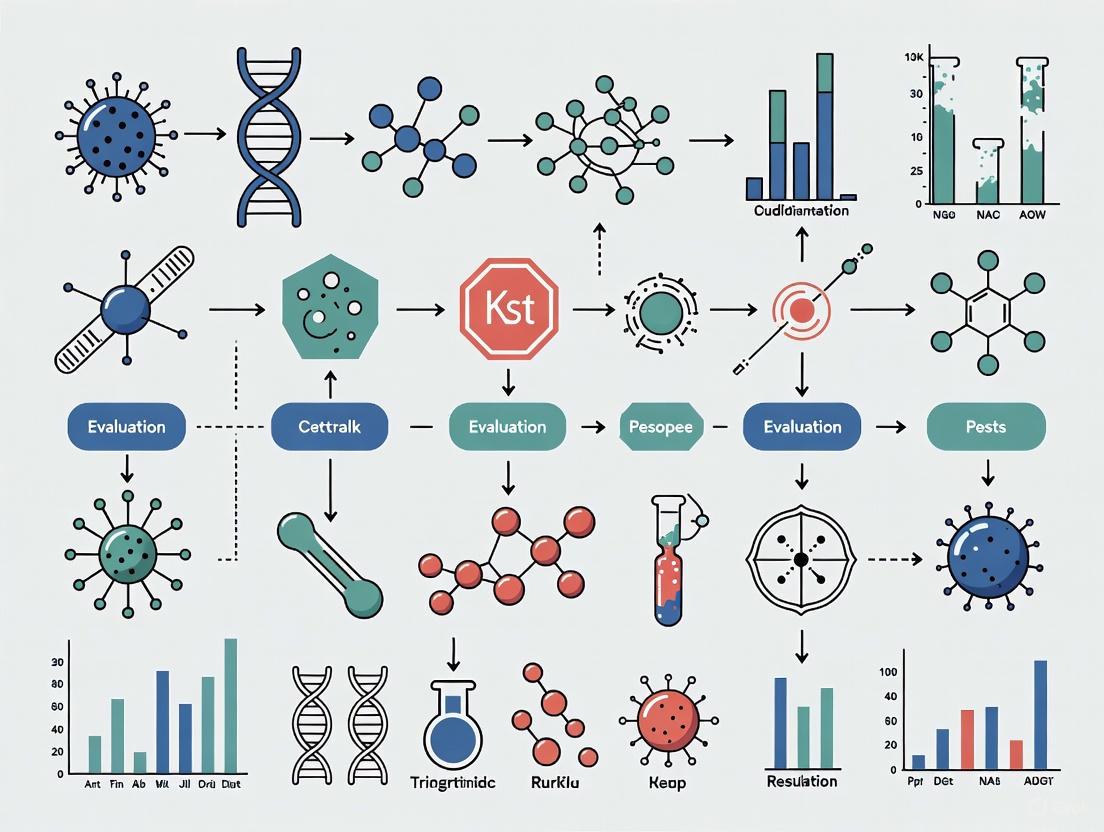
This article provides a comprehensive guide for researchers and drug development professionals on evaluating the reliability of non-culture microbiological tests.
Beyond the Culture Plate: A Modern Framework for Evaluating Non-Culture Microbiological Test Reliability
Abstract
This article provides a comprehensive guide for researchers and drug development professionals on evaluating the reliability of non-culture microbiological tests. It covers the foundational principles of these rapid methods, explores their diverse applications in pharmaceutical and clinical settings, details advanced troubleshooting and optimization strategies for challenging samples, and outlines rigorous validation and comparative analysis frameworks based on current standards like ASTM E1326. The content synthesizes the latest technological advancements and regulatory considerations to empower scientists in implementing these powerful tools for ensuring product safety and public health.
The New Frontier in Microbial Detection: Understanding Non-Culture Method Fundamentals
Non-culture-based microbiological tests represent a paradigm shift in clinical diagnostics, moving from traditional growth-dependent methods toward rapid molecular and immunoassay techniques. This guide objectively compares the performance of these tests against culture-based standards and each other, supported by experimental data and detailed protocols. The evaluation is framed within the critical context of test reliability research, addressing the needs of researchers, scientists, and drug development professionals who require robust, standardized methodologies for diagnostic implementation. Data from systematic reviews and clinical validation studies demonstrate that while non-culture methods offer significant advantages in speed and sensitivity for specific pathogens, their performance varies considerably across platforms and specimen types, necessitating careful application-specific selection and validation.
The definitive diagnosis of microbial infections has traditionally relied on culture-based methods, which involve propagating pathogens in or on specialized media—a process requiring significant time (24-48 hours for initial results, and up to weeks for fastidious organisms) and introducing potential safety concerns with highly pathogenic organisms [1]. Non-culture diagnostic techniques encompass a diverse array of methodologies that detect microorganisms without requiring prior growth in culture. These methods have fundamentally transformed clinical microbiology by offering drastically reduced turnaround times—often providing results within hours—and generally demonstrating superior sensitivity compared to traditional culture, particularly for pathogens that are difficult or impossible to cultivate [1] [2].
The revolution driven by these technologies stems from their ability to detect microbial components directly from clinical specimens. The main categories include immunoassays, which detect either pathogen-specific antigens or host-produced antibodies; nucleic acid amplification tests (NAATs), such as PCR, which identify microbial RNA or DNA; and novel biomarker detection methods that identify specific microbial molecules [1]. Their relative ease of use has increased testing accessibility and volume, enabling more precise and timely therapeutic interventions. However, a significant limitation remains that for many infections, culture must still be combined with non-culture methods to determine antibiotic susceptibility profiles, an area where molecular prediction is rapidly advancing but not yet universally comprehensive [1] [2].
For researchers evaluating reliability, understanding the fundamental principles and performance boundaries of each technology is paramount. This guide provides a structured comparison of these methods, supported by experimental data and analytical protocols, to inform their appropriate application in both clinical and research settings.
Methodological Framework & Comparative Performance
Core Non-Culture Technologies
Non-culture methods can be broadly classified into three technological pillars, each with distinct mechanisms, advantages, and limitations. The following table provides a comparative overview of these foundational approaches.
Table 1: Core Technological Platforms for Non-Culture Diagnostics
| Technology | Principle | Common Formats | Time-to-Result | Key Advantages | Key Limitations |
|---|---|---|---|---|---|
| Immunoassays | Detects microbial antigens or host antibodies using antibody-antigen binding | ELISA, Lateral Flow Devices (LFD), Latex Agglutination | 15 mins - 4 hours | Rapid, easy to use, cost-effective for high-volume testing | Often lower sensitivity/specificity vs. NAATs; serology may not distinguish active from past infection [1] |
| Nucleic Acid Amplification Tests (NAAT) | Amplifies and detects microbial DNA or RNA sequences | PCR, Multiplex PCR, Real-time PCR, Broad-range PCR | 1 - 8 hours | High sensitivity & specificity, detects uncultivable organisms, quantifiable | Requires technical expertise; higher cost; detects DNA not necessarily viable organism [1] [3] |
| Biomarker Detection | Detects specific microbial cell components | Galactomannan (GM), (1→3)-β-D-glucan (BDG) assays | 2 - 6 hours | Can indicate fungal burden; useful for monitoring treatment response | Can be non-specific; false positives possible (e.g., BDG from contaminants) [4] |
Quantitative Performance Data from Meta-Analyses
Systematic reviews and meta-analyses provide the highest level of evidence for comparing diagnostic test accuracy. The following table synthesizes pooled performance data for various non-culture methods in diagnosing specific infections, as reported in recent literature.
Table 2: Diagnostic Accuracy of Non-Culture Methods for Specific Pathogens (Meta-Analysis Data)
| Target Infection | Test Method | Sample Type | Pooled Sensitivity (95% CI) | Pooled Specificity (95% CI) | Number of Studies | Reference |
|---|---|---|---|---|---|---|
| Melioidosis | Indirect IgG ELISA | Serum | 0.86 (0.80–0.90) | 0.85 (0.80–0.89) | 36 (21,289 tests) | [5] |
| Melioidosis | IHA (titer ≥1:160) | Serum | 0.60 (0.46–0.72) | 0.70 (0.58–0.79) | 36 (21,289 tests) | [5] |
| Melioidosis | LFI (CPS target) | Various | 0.52 (0.33–0.70) | 0.96 (0.93–0.98) | 36 (21,289 tests) | [5] |
| Melioidosis | IFA (polyclonal) | Various | 0.60 (0.44–0.75) | 0.99 (0.97–1.00) | 36 (21,289 tests) | [5] |
| Melioidosis | RT-PCR (T3SS target) | Various | 0.72 (0.41–0.91) | 1.00 (0.97–0.99) | 36 (21,289 tests) | [5] |
| Invasive Pulmonary Aspergillosis | Galactomannan EIA | BAL | 0.82 - 0.89 (varies) | 0.81 - 0.93 (varies) | Multiple | [4] |
| Invasive Pulmonary Aspergillosis | BDG (Fungitell) | Serum | 0.52 - 0.89 (varies) | 0.31 - 0.58 (varies) | Multiple | [4] |
Experimental Workflows and Standardization
Standardized evaluation of non-culture tests is critical for assessing their reliability. Organizations like ASTM International provide guidelines (e.g., ASTM E1326-20) for determining the accuracy, selectivity, specificity, and precision of these tests [6]. The following diagram illustrates a generalized validation workflow for a non-culture diagnostic test against a reference standard.
A key component of this workflow is the calculation of the Diagnostic Odds Ratio (DOR), a single indicator of test performance that combines sensitivity and specificity. The DOR is calculated as follows [5]:
The DOR ranges from 0 to ∞, with higher values indicating better discriminatory test performance. In the context of the melioidosis meta-analysis, tests with higher DOR values (e.g., IFA with polyclonal antibody and RT-PCR) demonstrated superior overall diagnostic accuracy compared to methods like IHA [5].
Application in Clinical and Research Settings
Syndrome-Based Test Selection
The performance and utility of non-culture tests vary significantly across clinical syndromes. The choice of test depends on the suspected pathogen, specimen type, and clinical context. The following table outlines recommended testing strategies for commonly encountered infections, adapted from clinical guidelines [1].
Table 3: Syndrome-Based Application of Non-Culture Methods
| Syndrome | Potential Pathogen | Culture | Non-Culture Methods of Choice | Notes on Application |
|---|---|---|---|---|
| Pharyngitis | Group A Streptococci | Routine | Antigen testing (Routine), NAAT (Special circumstances) | Antigen testing is rapid but NAAT is more sensitive [1] |
| Sexually Transmitted Infection | Chlamydia trachomatis | Not routine | NAAT (Routine) | NAAT is the primary diagnostic method; more sensitive than culture [1] |
| Lower Respiratory Tract Infection | Legionella species | Routine | Urinary Antigen (Routine), NAAT (Special circumstances) | Urinary antigen only detects L. pneumophila serogroup 1 [1] |
| Invasive Fungal Disease | Aspergillus species | Routine | Galactomannan, BDG, Aspergillus PCR | Combined biomarker approach increases diagnostic yield in ICU patients [4] |
| Systemic Infection/Sepsis | Bloodstream pathogens | Gold standard | Multiplex PCR (e.g., SeptiFast), Broad-range PCR | Molecular methods show higher detection in antibiotic-pretreated patients but culture remains for susceptibility [3] |
Key Research Reagent Solutions
The implementation and development of non-culture tests rely on specific research reagents and commercial kits. The following table details essential materials and their functions in non-culture diagnostic workflows.
Table 4: Essential Research Reagents for Non-Culture Diagnostic Development
| Reagent/Kits | Function | Example Applications | Key Considerations |
|---|---|---|---|
| Platelia Aspergillus Ag EIA | Detects circulating galactomannan in serum/BAL | Diagnosis of invasive aspergillosis | Cut-off values differ for BAL (0.5-0.8) vs serum (0.5); false positives with certain antibiotics [4] |
| Fungitell BDG Assay | Detects (1→3)-β-D-glucan in serum | Screening for invasive fungal infections | Not specific for Aspergillus; false positives with albumin/immunoglobulin administration [4] |
| LightCycler SeptiFast | Multiplex PCR for 25 common bloodstream pathogens | Rapid sepsis diagnosis | Higher detection rate in immunocompromised vs. immunocompetent hosts [3] |
| Commercial NAAT Kits | Target-specific DNA/RNA amplification | STI diagnosis (e.g., C. trachomatis, N. gonorrhoeae) | Higher sensitivity than culture; requires confirmation in low-prevalence populations [1] |
| Recombinant Antigens | Targets for serological assays (e.g., ELISA) | Melioidosis serology (e.g., CPS) | Specificity varies by antigen; combination antigens improve sensitivity [5] |
Technological Integration and Diagnostic Pathways
The true diagnostic revolution emerges from the integration of multiple non-culture methods into cohesive testing pathways, rather than using them as isolated tools. This integrated approach is particularly valuable in complex clinical scenarios such as diagnosing invasive fungal infections in critically ill patients, where no single test provides perfect accuracy. The following diagram illustrates how non-culture methods can be combined in a diagnostic algorithm for Invasive Pulmonary Aspergillosis (IPA) in high-risk patients.
This integrated approach demonstrates how combining culture with multiple non-culture methods (antigen detection, PCR) increases diagnostic certainty. For ICU patients, specific criteria have been developed (e.g., by Blot et al. and Bassetti et al.) that define putative IPA using mycological evidence from non-culture tests, even in the absence of classical host factors [4]. This reflects the evolving role of these tests from mere adjuncts to essential diagnostic components that can drive pre-emptive therapy and improve outcomes.
For bacterial infections, the integration of rapid phenotypic susceptibility testing with molecular methods is advancing rapidly. Novel approaches like microcalorimetry can detect reduced susceptibility to vancomycin in S. aureus in under 8 hours, while colorimetric tests like the Rapid Carb Blue Kit enable rapid carbapenemase detection [2]. These technologies bridge the critical gap between pure molecular detection and the practical need for antimicrobial guidance, representing the next frontier in the non-culture diagnostic revolution.
Traditional culture methods have long been the cornerstone of microbiological analysis, yet significant limitations in speed, sensitivity, and comprehensive detection are driving a paradigm shift toward innovative technologies. This review systematically evaluates the constraints of conventional techniques including prolonged incubation requirements, inability to detect viable but non-culturable (VBNC) microorganisms, and limited effectiveness in antimicrobial resistance (AMR) surveillance. We present experimental data comparing traditional approaches with emerging molecular, mass spectrometry, and nanotechnology-based methods, demonstrating superior performance characteristics of these advanced platforms. Within the context of evaluating non-culture microbiological test reliability, this analysis synthesizes evidence supporting the integration of rapid methodologies to address critical gaps in clinical diagnostics, pharmaceutical manufacturing, and public health surveillance. The comprehensive comparison provided establishes a framework for researchers and drug development professionals to objectively assess methodological alternatives based on operational parameters and performance metrics.
For over a century, traditional culture-based methods have served as the fundamental approach for microbial detection and identification across clinical, pharmaceutical, and research settings. These techniques rely on the growth of microorganisms on specialized media under controlled conditions, followed by morphological assessment and biochemical testing for characterization [7]. Despite their established position in microbiological practice, these methods present significant constraints in contemporary applications where rapid results, comprehensive pathogen detection, and precise identification are paramount. The limitations of conventional approaches have become increasingly problematic in an era of emerging antimicrobial resistance and complex infectious disease presentations, necessitating a critical evaluation of technological alternatives [8].
This analysis examines the specific technical and operational limitations of traditional culture methods that are driving the adoption of innovative microbiological testing platforms. We frame this examination within the broader context of reliability research for non-culture-based testing methodologies, addressing the needs of researchers, scientists, and drug development professionals who require robust evidence for technological transition. By presenting comparative experimental data and detailed methodological protocols, we provide a substantive foundation for evaluating the performance characteristics of emerging platforms relative to conventional gold standards. The integration of advanced technologies into microbiological practice represents not merely a supplemental enhancement but a necessary evolution to address critical diagnostic and surveillance challenges in modern healthcare and biomanufacturing [9].
Fundamental Limitations of Traditional Culture Methods
Technical and Operational Constraints
Traditional culture methods face substantial technical challenges that limit their effectiveness in contemporary microbiology applications. These constraints manifest across multiple dimensions of laboratory practice, from basic detection capabilities to comprehensive pathogen characterization.
Time-Intensive Processes: Conventional culture-based techniques require extended incubation periods ranging from 18-24 hours for most bacterial pathogens to several weeks for slow-growing organisms such as mycobacteria [7]. This fundamental temporal limitation creates critical delays in clinical decision-making and therapeutic intervention, particularly in sepsis management where mortality increases significantly with each hour of delayed appropriate antibiotic administration [10]. The prolonged turnaround time extends beyond initial isolation to include subsequent identification and antimicrobial susceptibility testing, creating a multi-day workflow that impedes rapid response to infectious threats.
Limited Sensitivity and Detectable Spectrum: Culture methods demonstrate constrained sensitivity, with active air samplers detecting approximately 50% of captured particles and contact plates recovering a maximum of 70% of present organisms [9]. This inherent limitation stems from the inability to cultivate many microorganisms using standard laboratory media and conditions. Notably, traditional approaches fail to detect viable but non-culturable (VBNC) pathogens that retain metabolic activity despite entering a dormant state that prevents replication on conventional media [7]. This diagnostic gap is particularly problematic in environmental monitoring and quality control applications where VBNC organisms may represent a reservoir of potential contamination.
Inability to Differentiate Microbial Viability: Conventional approaches cannot distinguish between viable cells and non-viable genetic material, potentially leading to false-positive results in contamination screening [7]. This limitation becomes especially relevant in pharmaceutical manufacturing environments where processes may kill microorganisms but leave detectable genetic material. Similarly, culture-based methods struggle with polymicrobial infections where fast-growing organisms may obscure slower-growing or more fastidious pathogens, creating diagnostic blind spots that impact patient management and treatment outcomes [7].
Challenges in Antimicrobial Resistance Detection
The global antimicrobial resistance crisis has exposed critical vulnerabilities in traditional approaches to resistance detection and characterization. Conventional antimicrobial susceptibility testing (AST) methods, including agar disk diffusion and broth microdilution, typically require 18-24 hours or longer beyond initial isolation [7]. This extended timeframe delays appropriate therapy and contributes to empirical antibiotic overuse, a key driver of resistance selection.
Traditional phenotypic methods provide limited mechanistic information, detecting resistance expression but failing to identify the specific genetic determinants responsible [7]. This information gap hinders effective epidemiological tracking and containment of resistance transmission. Culture-based techniques can only detect resistance in cultivable bacteria, missing resistance genes in non-cultivable organisms that may serve as reservoirs for horizontal gene transfer [7]. Additionally, samples containing inhibitory substances may interfere with conventional detection, while standard methods cannot differentiate between resistance genes present in viable versus non-viable cells, complicating the interpretation of true resistance profiles [8].
Table 1: Comparative Analysis of Microbial Detection Method Performance Characteristics
| Performance Parameter | Traditional Culture Methods | Rapid Microbial Methods |
|---|---|---|
| Detection Timeline | 2-14 days [11] | Same day to 24 hours [12] |
| Sensitivity Range | Limited by culturable fraction [7] | High (e.g., PCR can detect single copies) [7] |
| VBNC Detection | No [7] | Yes (molecular methods) [7] |
| Automation Potential | Low [11] | High [12] |
| Labor Requirements | High (labor-intensive) [11] | Low (automated systems) [12] |
| Resistance Mechanism Identification | Limited to phenotypic expression [7] | Specific genetic determinants [7] |
Statistical and Sampling Limitations
Microbiological sampling faces fundamental statistical challenges that impact the reliability of traditional methods. Microorganisms do not follow normal distribution patterns but instead conform to Poisson distribution models, which describe the distribution of rare events in large populations [9]. This statistical reality means that even with perfect detection within a sample, the sample itself may not accurately represent the contamination state of the broader environment or batch.
The limitations of microbial distribution become more pronounced with low contamination levels, such as during pharmaceutical product release testing. As the number of defective units per batch decreases, the probability of detection correspondingly declines [9]. This statistical blind spot creates quality assurance vulnerabilities that cannot be fully resolved through increased sampling due to practical and economic constraints. Additionally, the colony-forming unit (CFU) quantification used in traditional methods does not accurately represent the actual number of cells in a sample, as single cells may form colonies while clusters may produce single colonies, introducing quantification inaccuracies [9].
Experimental Comparisons: Traditional vs. Advanced Methods
Blood Culture Detection Studies
A comprehensive comparative study of 272 hospitalized patients provides quantitative evidence of performance differences between conventional and automated blood culture systems [10]. The research implemented parallel testing with both conventional and BACTEC automated systems, enabling direct comparison of detection capabilities across identical patient samples.
Methodology: Blood samples from inpatients with suspected bloodstream infections were simultaneously inoculated into both conventional blood culture bottles and BACTEC automated system bottles. The conventional method involved visual inspection of turbidity and subculturing over 14 days, while the BACTEC system continuously monitored microbial growth through sensor detection of CO₂ production. Positive samples in either system underwent standard microbial identification and confirmation procedures.
Results: The BACTEC system demonstrated significantly enhanced detection capability with 100% positivity rate compared to 59.09% with conventional methods [10]. This substantial difference in detection sensitivity highlights the limitations of visual growth assessment in conventional approaches. The BACTEC method achieved 84.6% sensitivity and 94.1% specificity, with a negative predictive value of 98.8%, providing greater confidence in negative results [10]. The time to detection was substantially reduced with the automated system, enabling earlier intervention and therapy adjustment.
Table 2: Blood Culture Method Comparison: BACTEC vs. Conventional [10]
| Performance Metric | Conventional Method | BACTEC Method |
|---|---|---|
| Positive Detection Rate | 59.09% | 100% |
| Sensitivity | Not reported | 84.6% |
| Specificity | Not reported | 94.1% |
| Negative Predictive Value | Not reported | 98.8% |
| Time to Detection | Up to 14 days | Significantly reduced |
Molecular Method Replacement in Clinical Diagnostics
Clinical laboratories have systematically evaluated and implemented molecular methods to address critical limitations of traditional culture approaches. Extensive validation studies have demonstrated superior performance characteristics across multiple testing domains, leading to targeted replacement of conventional techniques with molecular alternatives.
Methodology: Comparative studies typically involve parallel testing of clinical specimens using both traditional culture methods and molecular platforms. For bloodstream infections, this includes inoculating blood culture bottles while simultaneously performing direct molecular detection from blood samples. For specific pathogens, traditional culture on selective media is compared with PCR-based detection targeting species-specific genetic markers. Validation includes comprehensive sensitivity/specificity analysis, limit of detection determination, and clinical impact assessment.
Applications and Performance: Molecular methods have largely replaced traditional culture for MRSA surveillance, with PCR-based nasal swab testing reducing result time from 48-72 hours to 2-4 hours [13]. Gastrointestinal pathogen panels have transitioned from culture and microscopy to multiplex PCR systems capable of detecting 15-20 pathogens simultaneously within 2 hours compared to 3-5 days for traditional methods [13]. Similarly, group A Streptococcus detection now commonly utilizes rapid molecular tests with sensitivity exceeding 95% compared to 60-70% for rapid antigen tests and 24-48-hour turnaround for culture [13]. These transitions demonstrate how molecular methods address both speed and sensitivity limitations of traditional approaches.
Diagram 1: Workflow Comparison: Traditional vs. Molecular Methods
Emerging Paradigms in Microbial Detection
Molecular-Based Technologies
Molecular techniques represent the most significant advancement in microbial detection, addressing multiple limitations of traditional culture methods through targeted genetic detection and amplification.
Polymerase Chain Reaction (PCR): PCR technology revolutionized microbial detection by enabling exponential amplification of specific DNA sequences, providing exceptional sensitivity and specificity [7]. The process involves repeated cycles of DNA denaturation, primer annealing, and enzymatic extension, generating millions of copies of target sequences for detection. Real-time PCR platforms further enhanced this capability by enabling quantitative assessment and continuous monitoring of amplification, reducing contamination risk through closed-tube systems. Digital PCR provides absolute quantification without standard curves, partitioning samples into thousands of individual reactions for precise target molecule counting [7]. These advancements deliver detection limits approaching single copies of target DNA, far surpassing the sensitivity threshold of culture methods which typically requires >10⁴ CFU/mL for reliable detection.
Next-Generation Sequencing (NGS): NGS technologies transform microbial characterization by enabling comprehensive genomic analysis without prior cultivation [7]. The methodology involves DNA fragmentation, library preparation, massive parallel sequencing, and bioinformatic analysis to identify microorganisms and their genetic determinants, including antimicrobial resistance genes and virulence factors [7]. Unlike targeted approaches, NGS provides hypothesis-free detection capable of identifying unexpected or novel pathogens. In clinical applications, metagenomic NGS of cerebrospinal fluid has demonstrated superior sensitivity compared to culture for meningitis and encephalitis diagnosis, particularly for fastidious organisms and prior antibiotic-exposed cases [7]. For antimicrobial resistance surveillance, NGS provides complete resistance genotyping, enabling prediction of resistance phenotypes and detection of novel resistance mechanisms.
Microarray Technology: Microarrays enable parallel detection of numerous pathogens through hybridization of sample nucleic acids to immobilized probes on solid surfaces [7]. This technology provides intermediate throughput between single-target PCR and comprehensive NGS, making it suitable for syndromic testing panels targeting common pathogens associated with specific clinical presentations. While largely supplanted by NGS for discovery applications, microarrays remain valuable for high-volume targeted testing in clinical and public health laboratories [7].
Mass Spectrometry and Nanotechnology Platforms
Matrix-Assisted Laser Desorption/Ionization Time-of-Flight (MALDI-TOF): MALDI-TOF mass spectrometry has revolutionized microbial identification in clinical laboratories by analyzing protein profiles to generate species-specific spectral fingerprints [7]. The technique involves mixing microbial colonies with a chemical matrix, applying laser energy to create ionized molecules, and measuring their mass-to-charge ratios through time-of-flight analysis [7]. Compared to traditional biochemical identification requiring 24-48 hours after isolation, MALDI-TOF delivers identification within minutes directly from colonies, dramatically accelerating diagnostic workflows. The method demonstrates excellent accuracy for common bacterial and yeast pathogens, though database limitations affect performance for uncommon organisms [7].
Nanotechnology Applications: Nanoscale platforms enable novel detection mechanisms through enhanced sensitivity and miniaturization. Nanoparticle-based assays utilize gold nanoparticles, quantum dots, and magnetic nanoparticles to enhance signal detection for specific microbial targets [7]. These approaches can reduce detection limits by several orders of magnitude compared to conventional methods. Nanopore sequencing technology represents another nanotechnology application, enabling real-time DNA/RNA sequencing through measurement of electrical current changes as nucleic acids pass through nanoscale pores [7]. This platform provides long-read capabilities valuable for resolving complex genomic regions and detecting structural variations, with continuous improvements increasing accuracy and throughput while reducing cost.
Table 3: Advanced Microbial Detection Technologies and Applications
| Technology Platform | Principle of Detection | Time to Result | Key Advantages |
|---|---|---|---|
| Real-time PCR | Target amplification with fluorescent detection | 1-4 hours | Quantification, closed-tube system |
| Next-Generation Sequencing | Massive parallel sequencing | 6-48 hours | Comprehensive detection, no prior knowledge needed |
| MALDI-TOF Mass Spectrometry | Protein profile analysis | Minutes | Rapid identification, low consumable cost |
| Nanopore Sequencing | Electrical signal changes through nanopores | 1-48 hours | Real-time analysis, long reads, portability |
The Scientist's Toolkit: Essential Research Reagents and Materials
The transition from traditional to advanced microbiological testing requires specialized reagents and materials that enable precise, sensitive detection and characterization. This toolkit provides the fundamental components supporting modern microbial analysis across research, clinical, and industrial settings.
Table 4: Essential Research Reagents for Modern Microbiological Testing
| Reagent/Material | Function | Application Examples |
|---|---|---|
| Nucleic Acid Extraction Kits | Isolation and purification of DNA/RNA from samples | PCR, NGS, microarray analysis |
| PCR Master Mixes | Enzymes, buffers, nucleotides for amplification | Target amplification for detection and quantification |
| Specific Primers/Probes | Hybridization to unique microbial sequences | Pathogen identification, resistance gene detection |
| Selective Culture Media | Supports growth of specific microorganisms | Traditional culture, reference method validation |
| Reference Microbial Strains | Quality control, method validation | ASTM/ISO method verification, proficiency testing |
| Mass Spectrometry Matrix Solutions | Energy absorption for sample ionization | MALDI-TOF microbial identification |
| Microarray Chips | Solid support with immobilized probes | Multiplex pathogen detection |
| Nanopore Flow Cells | Platform for nucleic acid sequencing | Real-time genomic analysis |
Diagram 2: Methodological Pathways and Reagent Integration
The limitations of traditional culture methods present compelling drivers for change across microbiological testing landscapes. Fundamental constraints in detection speed, sensitivity, and comprehensive pathogen characterization impact clinical outcomes, public health responses, and product safety. Evidence from comparative studies demonstrates that emerging technologies consistently outperform conventional approaches across critical parameters, including time-to-detection, analytical sensitivity, and operational efficiency.
The integration of molecular, mass spectrometry, and nanotechnology platforms addresses specific limitations of traditional methods while introducing new capabilities for microbial characterization. These advanced approaches provide solutions for VBNC detection, resistance mechanism identification, and complex sample analysis that remain beyond the scope of culture-based techniques. The ongoing evolution of microbiological testing reflects a necessary paradigm shift toward integrated methodologies that leverage the complementary strengths of traditional and advanced platforms.
For researchers and drug development professionals evaluating non-culture method reliability, this analysis provides a framework for assessing technological alternatives based on performance characteristics and application requirements. The continued advancement and validation of innovative detection platforms will be essential for addressing emerging microbial threats and meeting the evolving demands of clinical, industrial, and public health microbiology.
The shift from traditional culture-based methods to molecular and non-culture techniques represents a paradigm shift in microbiological testing. These advanced technologies offer unprecedented speed, sensitivity, and specificity, fundamentally enhancing our ability to diagnose infections, ensure food safety, and conduct public health surveillance. This guide provides a detailed, objective comparison of four cornerstone technologies—Polymerase Chain Reaction (PCR), Next-Generation Sequencing (NGS), Mass Spectrometry, and Biosensors. Framed within the context of evaluating non-culture microbiological test reliability, this analysis is intended for researchers, scientists, and drug development professionals seeking to understand the operational principles, capabilities, and limitations of these critical tools.
Technology Comparison at a Glance
The following table provides a high-level overview of the four technologies, comparing their core principles, key applications, and primary performance metrics to offer an immediate understanding of their distinct profiles.
Table 1: Core Characteristics and Performance Metrics of Non-Culture Microbiological Tests
| Technology | Core Principle | Primary Application in Microbiology | Throughput | Time to Result | Limit of Detection |
|---|---|---|---|---|---|
| PCR | Enzymatic amplification of specific DNA/RNA sequences | Targeted pathogen detection, gene expression analysis, virulence gene identification | Low to Medium (per target) | 1 - 4 hours | ~100 fg DNA [14] |
| NGS | Massive parallel sequencing of DNA fragments | Whole genome sequencing, metagenomics, outbreak investigation, NGS panels for multi-pathogen detection [14] | Very High | 6 hours - several days | Varies; ~10⁵ CFU in panel tests [14] |
| Mass Spectrometry | Ionization and mass-to-charge ratio analysis of molecules | Microbial identification (MALDI-TOF), biomarker detection, metabolomics [15] | High | Minutes to hours | Varies by analyte |
| Biosensors | Biorecognition event converted to measurable signal | Pathogen detection, biomarker monitoring, real-time environmental sensing [16] [17] | Low to Medium | Minutes to hours | As low as 3 pg/mL for proteins [17] |
Detailed Experimental Protocols
To assess the reliability of any non-culture method, understanding its experimental workflow is crucial. Below are detailed protocols for key applications of each technology, highlighting the steps where variability or error can influence results.
PCR-based Detection of Foodborne Pathogens
Objective: To detect and identify specific foodborne pathogens, such as Bacillus cereus or Staphylococcus aureus, by targeting their unique virulence factor genes via polymerase chain reaction [14].
Table 2: Key Research Reagents for PCR-based Pathogen Detection
| Reagent/Material | Function | Example Specification |
|---|---|---|
| Pathogen-Specific Primers | DNA sequences designed to bind and amplify unique virulence or marker genes from the target pathogen. | Custom-designed, ~20-30 nucleotides [14] |
| DNA Polymerase | Enzyme that synthesizes new DNA strands complementary to the target sequence. | Thermostable (e.g., Taq polymerase) |
| dNTP Mix | Nucleotides (dATP, dCTP, dGTP, dTTP) that are the building blocks for new DNA strands. | Deoxynucleotide triphosphates |
| PCR Buffer | Provides optimal chemical conditions (pH, ions) for polymerase activity. | Often supplied with MgCl₂ |
| Template DNA | The genetic material extracted from the sample (e.g., food, wastewater) containing the target pathogen DNA. | Purified genomic DNA [14] |
Protocol:
- Sample Preparation & DNA Extraction: The sample (e.g., 1 mL of agricultural wastewater) is processed to concentrate microbial biomass. Total genomic DNA is then extracted using a commercial kit, following the manufacturer's instructions, and the DNA concentration is quantified [14].
- PCR Reaction Setup: A reaction mixture is prepared containing:
- 1X PCR Buffer
- 1.5-2.5 mM MgCl₂ (concentration may be optimized)
- 200 μM of each dNTP
- 0.2-1.0 μM of each forward and reverse primer
- 0.5-1.0 U of DNA Polymerase
- 1-100 ng of template DNA
- Nuclease-free water to volume.
- Amplification (Thermocycling): The PCR tube is placed in a thermal cycler and subjected to the following program:
- Initial Denaturation: 95°C for 5 minutes.
- Amplification (35-40 cycles):
- Denature: 95°C for 30 seconds.
- Anneal: 55-65°C (primer-specific) for 30 seconds.
- Extend: 72°C for 1 minute per kb of amplicon.
- Final Extension: 72°C for 5-10 minutes.
- Hold: 4-10°C indefinitely.
- Analysis: The PCR products are analyzed using agarose gel electrophoresis. A DNA ladder is used to confirm the expected amplicon size, and the presence of a band indicates a positive detection [14].
NGS Panel for Multiple Pathogen Identification
Objective: To simultaneously screen for and identify multiple foodborne pathogens and their virulence factors in a single reaction using a targeted Next-Generation Sequencing approach [14].
Protocol:
- Primer Panel Design: Bioinformatic analysis is used to design multiple primer sets that target 18 specific virulence factor genes from six target pathogens (e.g., Bacillus cereus, Yersinia enterocolitica, Staphylococcus aureus) [14].
- Library Preparation (Multiplex PCR): The extracted DNA from a sample is amplified using a multiplex PCR reaction containing the entire panel of primer sets. This creates a library of amplicons specific to the pathogens present [14].
- NGS Sequencing: The pooled amplicons are sequenced on a high-throughput platform, such as an Illumina MiSeq sequencer, which generates massive quantities of short sequence reads [14].
- Bioinformatic Analysis: The generated sequence reads are processed and analyzed:
- Demultiplexing: Reads are assigned to their sample of origin.
- Quality Filtering: Low-quality reads are removed.
- Alignment/Mapping: Reads are aligned to a database of the target virulence factor genes.
- Identification & Quantification: Pathogens are identified based on the detected virulence genes. The read counts for each target gene can show a positive association with the initial concentration of the pathogen, providing semi-quantitative data [14].
Plasmonic Coffee-Ring Biosensor for Protein Detection
Objective: To achieve ultra-sensitive detection of disease-relevant proteins (e.g., sepsis biomarker Procalcitonin) using a coffee-ring effect and asymmetric nanoplasmonic patterns, with results readable by smartphone [17].
Table 3: Key Research Reagents for Plasmonic Coffee-Ring Biosensor
| Reagent/Material | Function | Example Specification |
|---|---|---|
| Nanofibrous Membrane | Substrate for droplet evaporation; enables pre-concentration of biomarkers via the coffee-ring effect. | Thermally treated, thin membrane [17] |
| Functionalized Gold Nanoshells (GNShs) | Plasmonic nanoparticles that interact with pre-concentrated proteins to form a visible pattern. | Gold nanoshells, surface-functionalized with antibodies [17] |
| Sample Droplet | Liquid sample containing the target protein biomarker (e.g., in saliva). | 5 μL volume [17] |
| Plasmonic Droplet | Suspension of GNShs used to visualize the captured proteins. | 2 μL volume [17] |
Protocol:
- Sample Deposition and Pre-concentration: A 5 μL sample droplet is placed on one side of a specially treated nanofibrous membrane. The droplet is allowed to dry completely (~12 minutes total). During evaporation, the "coffee-ring effect" drives and pre-concentrates the biomarkers at the edge of the original droplet location [17].
- Plasmonic Signal Generation: A 2 μL droplet containing functionalized gold nanoshells is deposited on the membrane so that it overlaps with the pre-concentrated coffee-ring from the first droplet. As this second droplet dries, the gold nanoshells interact with the concentrated proteins, forming a dispersed 2D plasmonic pattern. In areas without the target protein, the nanoshells form large 3D aggregates, creating an asymmetric visual pattern [17].
- Signal Acquisition and Analysis:
- Qualitative: A simple "yes-or-no" result can be identified by the naked eye based on the presence of the asymmetric pattern [17].
- Quantitative: A smartphone image of the pattern is captured. A deep neural network model (integrating generative and convolutional networks) then analyzes the image to enable quantitative diagnosis of the biomarker concentration, achieving a limit of detection as low as 3 pg/mL [17].
Comparative Analysis of Supporting Data
Reliability is measured not only by sensitivity and speed but also by consistency and correlation with established methods. The following table summarizes experimental data from the cited research, providing a basis for objective comparison.
Table 4: Experimental Performance Data from Literature
| Technology | Specific Method | Target Analyte | Reported Performance & Reliability Data | Comparative Note |
|---|---|---|---|---|
| NGS Panel | Multi-primer NGS panel [14] | 6 foodborne pathogens via 18 virulence genes | Detected pathogens at 10⁵-10⁸ CFU; read counts correlated with pathogen concentration. Showed occasional false positives at 10⁵ CFU. | Results showed high similarity to qPCR analysis (negative association between NGS read counts and qPCR Ct values) [14]. |
| Biosensor | Plasmonic Coffee-Ring [17] | Procalcitonin (Sepsis), SARS-CoV-2 N protein | LOD: 3 pg/mL (PSA example); working range over 5 orders of magnitude. Results in <12 min. | Sensitivity surpassed equivalent lateral flow immunoassays by over two orders of magnitude in human saliva [17]. |
| Biosensor | ATP Bioluminescence [16] | Microbial contamination (via ATP) | Used for HACCP monitoring; provides rapid, real-time information on cleaning efficacy. | Superior speed compared to traditional microbiological approaches, but represents a different class of detection (presence/absence of viable cells vs. specific ID) [16]. |
| PCR | Conventional & qPCR [14] | Specific pathogen genes | High sensitivity down to femtogram DNA levels; qPCR allows quantification without electrophoresis. | Considered a reliable standard for DNA-based detection against which newer methods like NGS panels are often validated [14]. |
The choice of a non-culture microbiological test is a trade-off between speed, specificity, breadth of detection, and cost. PCR remains the gold standard for sensitive, targeted detection. NGS offers unparalleled breadth and discovery power but at a higher cost and complexity. Biosensors are pioneering rapid, decentralized, and ultra-sensitive detection, particularly for proteins and in resource-limited settings. Mass Spectrometry excels in high-throughput, accurate microbial identification. Understanding the core principles, experimental nuances, and performance characteristics of these technologies, as detailed in this guide, is fundamental for researchers to critically evaluate their reliability and select the optimal tool for a given application in diagnostics, food safety, or drug development.
The reliable detection and identification of microorganisms is a cornerstone of microbiological research, clinical diagnostics, and drug development. For decades, culture-based methods served as the gold standard, but the emergence of non-culture techniques has revolutionized the field by offering unprecedented speed and insight. These advancements necessitate rigorous evaluation based on key performance metrics: accuracy, specificity, sensitivity, and reproducibility. These metrics provide the fundamental framework for assessing the reliability of any microbiological testing platform, determining its suitability for research, its potential for clinical translation, and its ultimate impact on patient outcomes.
This guide provides an objective comparison of contemporary non-culture microbiological testing platforms, focusing on their operational principles and quantitative performance. The evaluation is situated within the broader thesis that a multidimensional assessment of these core metrics is essential for selecting the appropriate technological platform for specific applications, from basic research to clinical diagnostics and antimicrobial stewardship.
Platform Comparison: Methodologies and Performance Data
Comparative Performance of miRNA Quantification Platforms
A rigorous comparative study of four miRNA quantification platforms provides a clear illustration of how performance metrics can vary significantly across different technological approaches. The study evaluated small RNA sequencing (RNA-seq), HTG Molecular EdgeSeq, Abcam FirePlex, and NanoString nCounter using a common set of samples, including a pool of synthetic miRNAs and plasma from pregnant and non-pregnant women [18] [19].
Table 1: Performance Comparison of miRNA Quantification Platforms
| Performance Metric | Small RNA-seq | HTG EdgeSeq | NanoString nCounter | Abcam FirePlex |
|---|---|---|---|---|
| Reproducibility (CV for technical replicates) | 8.2% | 6.9% | Not Reported | 22.4% |
| Accuracy (AUC for distinguishing present/absent miRNAs) | 0.99 | 0.97 | 0.94 | 0.81 |
| Ability to Detect Biological Differences (Placenta-associated miRNAs) | Yes | Yes | No | No |
Abbreviations: CV, Coefficient of Variation; AUC, Area Under the Curve.
The experimental protocol involved processing a defined pool of synthetic miRNAs and human plasma samples across all four platforms according to manufacturers' instructions [18]. Technical replicates were analyzed to measure reproducibility, expressed as the coefficient of variation (CV). Accuracy in distinguishing present versus absent miRNAs was evaluated using Receiver Operating Characteristic (ROC) analysis, with the Area Under the Curve (AUC) serving as the summary metric [18] [20]. Finally, the biological relevance of the results was assessed by testing whether each platform could detect expected differences in the expression of placenta-associated miRNAs in plasma from pregnant versus non-pregnant women [19].
Culture-Based vs. PCR-Based MRSA Detection
The comparison between traditional and molecular methods is further exemplified in the diagnosis of Methicillin-Resistant Staphylococcus aureus (MRSA). A meta-analysis of 29 publications directly compared the diagnostic accuracy of culture-based methods (using both chromogenic and non-chromogenic media) and PCR-based tests [21].
Table 2: Performance of MRSA Detection Methods by Type and Incubation
| Method Category | Specific Test Example | Sensitivity (%) (95% CI) | Specificity (%) (95% CI) | Notes |
|---|---|---|---|---|
| PCR-Based | Genotype MRSA Direct, IDI-MRSA | 92.5 (87.4 - 95.9) | 97.0 (94.5 - 98.4) | Pooled estimate |
| Chromogenic Media (18-24h) | MRSA Select | 78.3 (71.0 - 84.1) | 99.4 (98.6 - 99.7) | Higher specificity, lower sensitivity |
| Chromogenic Media (48h) | MRSA Select | 93.2 (83.5 - 97.0) | 94.7 (91.6 - 96.8) | Higher sensitivity, lower specificity |
| Chromogenic Media (18-24h) | Chromogenic MRSA Medium | 89.3 (72.8 - 96.3) | Not Reported | Highest sensitivity at shorter incubation |
The protocols for these tests are well-standardized. For PCR-based tests, samples are processed to extract nucleic acids, which are then amplified using primers specific to MRSA markers, such as the mecA gene [21]. For culture-based methods, samples are inoculated onto selective agar plates. Chromogenic media contain substrates that produce a color change when metabolized by specific enzymes unique to MRSA, allowing for visual identification [21]. The meta-analysis highlighted a critical trade-off: extending the incubation of chromogenic media from 18-24 hours to 48 hours significantly increases sensitivity but at the cost of reduced specificity, as longer incubation can allow slower-growing contaminating organisms to become visible [21].
Workflow and Logical Assessment Pathway
The following diagram illustrates the general logical pathway for evaluating the reliability of a non-culture microbiological test, from initial sample processing to the final assessment of key performance metrics.
The Scientist's Toolkit: Essential Research Reagent Solutions
The execution of the experiments cited in this guide, and in the broader field of non-culture microbiology, relies on a suite of essential reagents and tools. The following table details key components of the research toolkit.
Table 3: Essential Research Reagent Solutions for Non-Culture Microbiological Testing
| Tool/Reagent | Function | Example Use Case |
|---|---|---|
| Selective Chromogenic Media | Contains substrates that produce a color change when metabolized by target organisms, allowing for visual identification. | MRSA Select agar used for culture-based MRSA detection; differentiates target bacteria based on colony color [21]. |
| Antibiotic-Binding Resin Media | Broth media containing resins to neutralize common antibiotics that may be present in a sample, improving microbial recovery. | Used in blood culture bottles to increase the yield of both pathogens and contaminants, particularly Staphylococci [22]. |
| Target-Specific MolecuLures | Surface-bound molecules (e.g., probes, antibodies) designed to capture specific nucleic acid sequences or antigens from a complex sample. | Used in the MyCrobe hypothetical system and platforms like FirePlex to isolate specific targets from a lysate for downstream detection [23]. |
| Nucleic Acid Extraction Kits | Reagents for lysing cells and purifying DNA and/or RNA from clinical specimens (e.g., blood, tissue, swabs). | Essential first step for all PCR-based tests and sequencing platforms (e.g., RNA-seq) to obtain high-quality template material [23] [21]. |
| Specimen Collection Buffer | A sterile buffer mixture containing detergents and enzymes to lyse cells and stabilize nucleic acids at the point of collection. | Used with collection devices for systems like the fictional MyCrobe to begin sample processing immediately upon collection [23]. |
The quantitative data presented in this guide underscore a central theme in modern microbiology: the choice of testing platform involves critical trade-offs. No single method excels universally across all performance metrics. PCR-based and sequencing technologies often provide superior speed and sensitivity [21] [18], while optimized culture-based methods can offer exceptional specificity [21]. Furthermore, factors like reproducibility, as measured by coefficients of variation, can vary dramatically between technologically advanced platforms [18]. The decision for a specific application must therefore be guided by a balanced consideration of these key performance metrics within the specific context of its intended use, whether for rapid diagnostics, comprehensive biomarker discovery, or robust antimicrobial resistance surveillance.
In the pharmaceutical and medical device industries, adherence to standardized testing methods and specifications is not merely a best practice but a critical regulatory requirement to ensure global product safety, efficacy, and consistency. United States Pharmacopeia (USP), European Pharmacopoeia (EP), and ASTM International represent the three primary organizations developing the consensus standards that underpin drug development, manufacturing, and quality control. These standards provide the foundational framework for evaluating materials, processes, and final products, creating a common language for industry and regulators alike. Within the specific context of evaluating non-culture microbiological test reliability—a field rapidly evolving with molecular and antigen-based methods—these standards offer the validated protocols and acceptance criteria necessary to assess new technologies against traditional culture-based gold standards.
The integration of USP, EP, and ASTM standards into laboratory practices and regulatory submissions is essential for market approval. In the U.S., USP standards are enforceable by the Food and Drug Administration (FDA) under federal law, while EP standards are legally binding in the European Union under the European Medicines Agency (EMA) [24]. ASTM standards, though often voluntary, are widely adopted for material and performance testing and are frequently referenced in regulatory guidance. For researchers developing non-culture diagnostic methods, understanding the scope, application, and specific requirements of each standards organization is crucial for designing compliant validation studies and generating data acceptable to global health authorities.
Scope and Governance of Standards Organizations
United States Pharmacopeia (USP)
The United States Pharmacopeia (USP) is an independent, non-profit scientific organization founded in 1820 [25]. It develops and publishes compendial standards for medicines, dietary supplements, and food ingredients. The primary publication, the United States Pharmacopeia–National Formulary (USP–NF), contains monographs that define requirements for the identity, strength, quality, and purity of substances and products, along with validated analytical methods to demonstrate compliance [25]. USP also provides Reference Standards—highly purified and characterized materials—which are essential for performing tests described in monographs, particularly for drug identification, impurity analysis, and quality control [25]. The standards are updated regularly through a public review process and are legally enforceable in the United States by the FDA [24].
European Pharmacopoeia (EP)
The European Pharmacopoeia (EP) is Europe's authoritative reference for pharmaceutical quality testing, published by the European Directorate for the Quality of Medicines & HealthCare (EDQM) [25]. Similar to USP, EP establishes mandatory quality standards for active substances, excipients, and finished products marketed in its member states. EP standards include requirements for qualitative and quantitative composition, analytical testing methods, and raw materials [25]. A key component is the EP Impurity Standards, which play a critical role in assessing drug purity and identifying potentially harmful substances during development and regulatory review [25]. Compliance with EP standards is a legal requirement for drug approval and marketing within the European Union [24].
ASTM International
ASTM International, originally known as the American Society for Testing and Materials, is a globally recognized leader in the development of voluntary consensus standards for a wide range of materials, products, systems, and services [26]. Unlike USP and EP, which focus specifically on pharmaceuticals, ASTM's scope is much broader, covering industries from construction and plastics to medical devices and nanotechnology. Its pharmaceutical application standards cover process control, design, and performance, as well as quality acceptance and assurance tests for the pharmaceutical manufacturing industry [27]. These standards are valuable to manufacturers of pharmaceuticals and pharmaceutical equipment, federal agencies, design professionals, and academia [27].
Comparative Analysis of Standards: Focus, Application, and Legal Status
The following table provides a structured comparison of USP, EP, and ASTM standards, highlighting their distinct focuses, applications, and roles in the regulatory landscape.
Table 1: Comparative Overview of USP, EP, and ASTM Standards
| Feature | USP (United States Pharmacopeia) | EP (European Pharmacopoeia) | ASTM International |
|---|---|---|---|
| Primary Focus & Scope | Pharmaceutical ingredients, dosage forms, dietary supplements, and analytical methods [25]. | Pharmaceutical substances, excipients, and finished products for the European market [25]. | Broad range of materials, products, systems, and services across multiple industries [27]. |
| Legal Status | Enforceable by the FDA under U.S. federal law [24]. | Legally binding within the European Union [24]. | Voluntary consensus standards, often referenced in regulations and industry practices [26]. |
| Core Publications | United States Pharmacopeia-National Formulary (USP-NF) [25]. | European Pharmacopoeia (EP) [25]. | Annual Book of ASTM Standards [27]. |
| Key Outputs | Monographs, General Chapters (e.g., <711> Dissolution), Reference Standards [28] [25]. | Monographs, General Chapters, Impurity Standards [25]. | Standard Test Methods, Specifications, Practices, and Guides (e.g., E3482 for RNA in LNPs) [29]. |
| Typical Applications in Pharma | Quality control testing, method validation, impurity profiling, packaging system evaluation (e.g., <1207> Container Closure Integrity) [30] [25]. | Quality control testing, stability studies, impurity identification and quantification [25]. | Material characterization, product performance testing, packaging evaluation, and process validation [31] [26]. |
Standards in Action: Experimental Protocols for Compliance and Validation
USP Performance Verification Test (PVT) for Dissolution
The USP Performance Verification Test (PVT) is an integral part of General Chapter <711> Dissolution and serves to assess the proper performance of the dissolution apparatus itself [28]. This holistic test uses USP Prednisone Tablets Reference Standards to allow laboratories worldwide to compare their instrument's performance.
- Objective: To verify the trueness and precision of a dissolution apparatus (Apparatus 1 and 2) by demonstrating that results for reference standard tablets fall within established acceptance criteria for geometric mean (GM) and coefficient of variation (%CV) [28].
- Methodology:
- Mechanical Calibration: Prior to PVT, the dissolution apparatus must undergo mechanical calibration per USP guidelines to verify critical parameters such as basket or paddle wobble, rotational speed, temperature, and vessel dimensions [28].
- PVT Execution: The test is performed using a lot of USP Prednisone Tablets RS. The test is run under the conditions specified in the certificate for that specific lot.
- Data Analysis: The percentage dissolved for each vessel is calculated. The geometric mean and %CV of the results are calculated using an unrounded data set [28].
- Acceptance Criteria: The calculated GM and %CV are compared against the acceptance ranges provided in the certificate for the specific lot of reference standard. A pass/fail determination is made [28].
Functional & Physical Performance Testing of Packaging Systems
Functional testing, guided by USP standards, evaluates the ability of a pharmaceutical container closure system to perform its intended purpose [30]. This is critical for demonstrating package suitability as per FDA guidance.
- Objective: To demonstrate that a package or component (e.g., vial, syringe, stopper) provides adequate protection and functionality, such as protection from light or moisture, or maintaining a sterile barrier [30].
- Key Methodologies:
- Container Closure Integrity (CCI): Tested according to USP <1207> to detect leaks in sterile product packaging, ensuring the product remains sterile and is protected from microbial ingress [30].
- Light Transmission: Tested according to USP <671> to ensure containers provide adequate protection from light, which can degrade light-sensitive drugs [30].
- Moisture Permeation: Tested according to USP <671> to measure the rate at which water vapor transmits through a package, critical for products sensitive to hydrolysis [30].
- Elastomer Functionality: Tested according to USP <382> to evaluate critical functional properties of elastomeric components, such as resealability after needle piercing [30].
ASTM Characterization of Advanced Therapeutics
ASTM standards provide industry-vetted methods for characterizing novel therapeutics, such as RNA-based lipid nanoparticle (LNP) formulations.
- Objective: To characterize the encapsulation, extraction, and analysis of RNA in LNP formulations, ensuring product consistency and quality [29].
- Methodology (as per ASTM E3482):
- RNA Extraction: The standard guide describes methods for extracting RNA from the LNP formulation without degrading the sensitive RNA molecule.
- Analysis of Encapsulation Efficiency: Techniques are provided to distinguish between encapsulated (therapeutically active) and unencapsulated RNA, a critical quality attribute.
- RNA Quantification and Integrity Assessment: The guide describes suitable methods (e.g., chromatographic, spectroscopic) for determining RNA concentration and assessing its integrity after extraction from the LNPs [29].
The Scientist's Toolkit: Essential Research Reagents and Materials
The successful execution of compendial tests and research protocols relies on the use of specific, high-quality reagents and materials. The following table details key items essential for work in this field.
Table 2: Essential Research Reagents and Materials for Standards Compliance
| Item | Function & Application |
|---|---|
| USP Reference Standards | Highly purified and characterized substances used to perform tests and assays in the USP-NF. They are essential for instrument calibration, method validation, and determining identity, strength, quality, and purity of pharmaceuticals [25]. |
| EP Reference Standards | Official standards provided by the EDQM for testing substances according to the monographs of the European Pharmacopoeia. They are crucial for qualitative and quantitative analysis, including impurity testing [25]. |
| EP Impurity Standards | Specifically used to identify and quantify impurities in drug substances and products, supporting the demonstration of product purity and safety as required by EP monographs [25]. |
| PVT Tablets (e.g., USP Prednisone Tablets RS) | Disintegrating tablets with defined dissolution performance used for the Performance Verification Test of dissolution apparatuses (Apparatus 1 and 2) to ensure instrument compliance with USP <711> [28]. |
| Ashdown Agar | A selective culture medium used as the gold standard for the isolation and identification of Burkholderia pseudomallei from clinical specimens in the diagnosis of melioidosis [5]. |
| Validated Assay Kits (e.g., LCSF) | Commercial test kits, such as the LightCycler SeptiFast, which use molecular techniques (PCR) to detect microbial DNA from a panel of common pathogens in whole blood, providing an alternative non-culture method for diagnosing bloodstream infections [3]. |
Workflow for Implementing and Adhering to Pharmacopeial Standards
The following diagram illustrates the critical steps a laboratory must follow to successfully implement and maintain compliance with USP and EP analytical standards.
USP, EP, and ASTM International collectively form the backbone of the global regulatory landscape for pharmaceuticals and medical products. While USP and EP provide the legally-mandated, product-specific quality benchmarks for their respective regions, ASTM supplies vital, cross-cutting standards for materials, performance, and processes. For researchers focused on non-culture microbiological methods, these standards are not mere administrative hurdles but essential tools that provide validated protocols, define acceptance criteria, and create a level of reproducibility necessary for generating reliable and regulatory-acceptable data. A deep understanding of their respective scopes, requirements, and practical applications is indispensable for navigating the complex path from research and development to successful global market approval.
From Lab to Line: Practical Applications of Non-Culture Tests in Biopharma
Sterility Testing and Bioburden Monitoring in Biologics Manufacturing
In the manufacturing of biologics, which includes advanced therapies like monoclonal antibodies, vaccines, and cell and gene therapies, controlling microbial contamination is not merely a regulatory checkbox but a fundamental patient safety imperative. Sterility testing and bioburden monitoring form the cornerstone of a robust Contamination Control Strategy (CCS), a concept strongly emphasized in regulatory guidelines such as the revised EU GMP Annex 1 [32]. These processes are designed to ensure that biologic products, often administered via injection or infusion, are free from viable microorganisms that could cause severe infections or compromise treatment efficacy.
The complex and often delicate nature of biologic products makes them incompatible with terminal sterilization methods. Consequently, production relies heavily on aseptic processing, where the sterility of the final product is dependent on rigorous environmental control, in-process monitoring, and final product testing. This article objectively compares the performance of traditional growth-based methods with emerging rapid microbiological methods (RMMs), framing the analysis within the broader context of research into the reliability of non-culture-based testing.
Market Context and Testing Segments
The global sterility testing market, valued at USD 1.18 billion in 2024, is projected to grow to USD 2.23 billion by 2032, exhibiting a compound annual growth rate (CAGR) of 8.3% [33]. This growth is primarily fueled by the expanding production of complex biologics and the subsequent need for stringent sterility assurance. Market analysis reveals key segments driving this expansion:
- By Test Type: The sterility testing segment dominated the market in 2024, holding a 38.5% revenue share, while container closure integrity testing (CCIT) is expected to grow at the fastest rate [34]. This underscores the criticality of both final product testing and package integrity in ensuring sterility.
- By Site: Outsourced testing accounted for the largest market share (55.9% in 2025), with a growth rate (CAGR of 7.6%) slightly trailing in-house testing. This trend is driven by the high cost of maintaining advanced testing facilities and a shortage of skilled personnel [33].
- By End-User: Pharmaceutical and biotechnology manufacturers are the primary end-users, a segment characterized by high production volumes and substantial investments in quality control [33].
Comparative Analysis of Testing Methods
The following tables provide a structured comparison of the primary testing methodologies, highlighting their key performance indicators and operational characteristics to inform selection and application.
Table 1: Comparison of Compendial vs. Rapid Sterility Testing Methods
| Feature | Compendial Growth-Based Methods (e.g., Membrane Filtration, Direct Inoculation) | Rapid Microbiological Methods (RMMs) |
|---|---|---|
| Time-to-Result | 14 days for sterility test incubation [35] | As little as 2 hours to 2-3 days [36] [33] |
| Key Principle | Detection of microbial growth in culture media through turbidity or visual inspection [35] | Technologies include ATP bioluminescence, flow cytometry, PCR, and deep learning-based imaging [33] [36] [35] |
| Sensitivity | Can detect low levels of microorganisms, but requires prolonged incubation for visible growth [35] | High sensitivity; capable of detecting microbes at clinically relevant concentrations (e.g., as low as 1-10 CFU/mL for sepsis pathogens) [36] |
| Throughput | Lower, manual processes often limit scalability | Higher, amenable to automation and high-throughput screening [33] [34] |
| Data Integrity | Prone to human error in interpretation; manual data recording | Enhanced through automated data capture and integration with digital systems [33] |
| Viability Detection | Detects only viable, culturable microorganisms [35] | Can be configured to differentiate between viable and non-viable cells [35] |
| Primary Limitation | Time-consuming, inability to detect non-culturable organisms, risk of false positives/negatives [35] | High initial investment, complex validation requirements, and regulatory adoption hurdles [35] |
Table 2: Performance of Selected Non-Culture Diagnostic Methods from Clinical Meta-Analysis
This data, derived from diagnostic research, illustrates the potential accuracy of non-culture methods, although performance can vary when applied to pharmaceutical testing. [37]
| Method (Target) | Pooled Sensitivity | Pooled Specificity | Key Application Context |
|---|---|---|---|
| Indirect ELISA | 0.86 | 0.85 | Recommended for late acute or chronic cases [37] |
| IHA (Threshold 1:160) | 0.60 | 0.70 | Demonstrates lower diagnostic advantage [37] |
| Lateral Flow Immunoassay (CPS) | 0.52 | 0.96 | Useful for high-specificity needs [37] |
| IFA (Polyclonal Antibody) | 0.60 | 0.99 | Showed best overall advantage in meta-analysis [37] |
| RT-PCR (T3SS) | 0.72 | 1.00 | Recommended as an adjunct diagnostic in high-resource settings [37] |
Experimental Protocols for Key Methods
Protocol: Culture-Free Bacterial Detection from Blood for Rapid Sepsis Diagnosis
This protocol details an advanced, non-culture method for rapidly isolating and detecting bacteria from whole blood, representing a significant shift from traditional blood cultures. While designed for clinical sepsis diagnosis, its principles are highly relevant for evaluating rapid sterility testing technologies in pharmaceutical contexts [36].
- 1. Sample Preparation: Spiked samples of healthy human donor blood are prepared with clinically relevant concentrations of target bacteria (e.g., E. coli, K. pneumoniae) during their exponential growth phase to mimic a clinical scenario [36].
- 2. Smart Centrifugation: A 3 mL sample of blood, diluted with 25% blood culture medium, is layered on top of 1 mL of a high-density medium (a 2:1 volumetric mixture of Lymphoprep and blood culture medium). This is centrifuged for 5 minutes at 600 x g in a hanging bucket centrifuge. This optimized step removes 99.82% of red blood cells (RBCs) and recovers a high percentage of bacteria (e.g., 95% of K. pneumoniae) in the supernatant [36].
- 3. Selective Blood Cell Lysis: The supernatant from the previous step is mixed with a selective lysing solution (sodium cholate hydrate and saponin) and incubated at 37°C for 10 minutes with shaking. This step completely lyses any remaining RBCs, white blood cells, and platelets without significantly affecting bacterial viability [36].
- 4. Volume Reduction: The sample undergoes a second centrifugation step to enrich the bacterial concentration and remove the excess lysing buffer [36].
- 5. Microfluidic Trapping and Imaging: The concentrated sample is passed through a microfluidic chip designed to trap bacterial cells. The trapped cells are then subjected to high-resolution microscopy imaging [36].
- 6. Deep-Learning Based Detection: A custom deep learning algorithm analyzes the microscopy images to identify and classify bacterial cells. This entire workflow, from sample to result, is completed in less than 2 hours [36].
Protocol: Traditional Bioburden Testing by Membrane Filtration
This method remains the pharmacopeial "gold standard" for bioburden testing of pharmaceutical products and is widely used for in-process testing of solutions prior to final sterilization or filtration [38] [32].
- 1. Sample Collection: Samples are collected using strict aseptic technique. For surface sampling, contact plates or swabs are used. For liquid products or water, a representative volume is taken with sterile tools and containers [38].
- 2. Sample Preparation & Filtration: The sample is transferred aseptically to a sterile membrane filtration unit. The liquid is drawn through a cellulose ester membrane, typically with a pore size of 0.45µm, which retains any viable microorganisms present in the sample. If the product has inherent antimicrobial properties, the membrane is rinsed with a suitable sterile rinsing fluid (e.g., Fluid D) to remove residual product and neutralize antimicrobial activity [33] [38].
- 3. Culturing: The membrane is carefully transferred onto the surface of a nutrient-rich culture medium. Typically, two types of media are used: Soybean Casein Digest Agar (SCDA) for the Total Aerobic Microbial Count (TAMC) and Sabouraud Dextrose Agar (SDA) for the Total Yeast and Mold Count (TYMC) [38] [32].
- 4. Incubation & Counting: The agar plates are incubated for a specified period (e.g., 3-5 days for TAMC at 30-35°C and 5-7 days for TYMC at 20-25°C). After incubation, the developed colonies are counted manually or with automated systems, and the result is expressed as Colony Forming Units (CFUs) per unit (e.g., per gram, milliliter, or container) [38] [32].
The Scientist's Toolkit: Key Research Reagent Solutions
Table 3: Essential Materials and Reagents for Sterility and Bioburden Testing
| Item | Function & Application | Key Considerations |
|---|---|---|
| Culture Media (e.g., TSB, SCDA, SDA) | Supports the growth and detection of viable microorganisms for compendial tests [38] [32]. | Must meet growth promotion tests as per USP/EP; ready-to-use media enhance efficiency [32]. |
| Bioluminescence Reagents (ATP Detection) | Detects microbial presence by measuring adenosine triphosphate (ATP), a marker of cellular metabolism. Used in rapid microbial methods [33] [39]. | Provides results in hours; sensitivity can be affected by sample matrix and non-microbial ATP. |
| PCR Master Mixes & Primers | Enables DNA-based detection and identification of specific microbial species or contaminants via Polymerase Chain Reaction [37] [35]. | High specificity and sensitivity; requires DNA extraction and is unable to distinguish between viable and dead cells without additional steps. |
| Selective Lysis Solutions (e.g., Saponin-based) | Selectively lyses human/host cells (e.g., blood cells) without damaging bacterial cells in sample preparation [36]. | Critical for analyzing biological samples; efficiency and impact on bacterial viability must be validated. |
| Biological Indicators (Spore Strips) | Used for sterilization process validation (e.g., steam, ethylene oxide). Contains a known population of bacterial spores (e.g., G. stearothermophilus) [40]. | Provides a direct measure of sterilization efficacy; mail-return services are commonly used for monitoring [40]. |
| Microfluidic Chips & Devices | Provides a miniaturized platform for automating sample preparation, separation, and analysis of microorganisms [36]. | Enables high-throughput and rapid testing; design is application-specific (e.g., sepsis diagnosis, bioburden). |
The comparative data and protocols presented reveal a clear trade-off between the established reliability and regulatory acceptance of traditional growth-based methods and the speed, sensitivity, and automation potential of RMMs. Growth-based methods like membrane filtration remain the undisputed compendial standard, but their prolonged incubation times (up to 14 days) and inability to detect viable-but-non-culturable organisms are significant limitations in the fast-paced and high-stakes world of biologics manufacturing [35].
RMMs, while facing barriers related to cost, validation complexity, and regulatory alignment, offer a paradigm shift. The experimental protocol for culture-free sepsis diagnosis demonstrates that results can be achieved in under two hours with high recovery rates for specific pathogens [36]. The adoption of these technologies is further encouraged by regulatory trends emphasizing a risk-based contamination control strategy over reliance on end-product testing alone [32].
For researchers and drug development professionals, the path forward involves a strategic, phased integration of RMMs. Initially, these methods can be powerfully deployed for in-process monitoring and sterilization process validation, where rapid data can guide manufacturing decisions more effectively. As validation data accumulates and regulatory pathways become more defined, the role of RMMs will expand, ultimately enhancing sterility assurance for life-saving biologic therapies.
The safety of biological products, including vaccines and cell-culture-derived therapeutics, depends heavily on demonstrating the absence of adventitious agents such as mycoplasma and viruses. Mycoplasma contamination represents a particularly insidious challenge in cell culture systems, with studies estimating that 15-35% of cell lines worldwide are contaminated, with extreme incidences reaching 65-80% [41]. These cell wall-deficient bacteria can profoundly affect cell physiology and metabolism without visible signs of infection, potentially compromising research data and product safety [41] [42]. Similarly, adventitious virus contamination poses significant risks to both product quality and patient safety.
Traditional detection methods, including culture-based techniques and indicator cell cultures, require extended timeframes—up to 28 days for mycoplasma culture methods and several weeks for comprehensive virus testing [43] [42]. This creates critical bottlenecks in biopharmaceutical manufacturing and research. This guide objectively compares the performance of emerging molecular detection technologies against conventional methods, providing experimental data and protocols to inform selection decisions within the broader context of evaluating non-culture microbiological test reliability.
Methodological Comparison: Performance Characteristics of Detection Platforms
Technology Performance Metrics
Table 1: Comparative Analysis of Mycoplasma Detection Method Performance Characteristics
| Method Type | Detection Principle | Time to Result | Sensitivity (Limit of Detection) | Key Limitations |
|---|---|---|---|---|
| Culture-Based | Growth in specialized media and colony observation | 28 days [42] | Viable organisms only | Lengthy process; cannot detect non-cultivable species |
| DNA Staining | Fluorescent DNA dyes (e.g., Hoechst) binding to mycoplasma DNA | 3-5 days [42] | ~10^6 CFU/mL [44] | False positives from host cell DNA; subjective interpretation |
| PCR-Based | Amplification of 16S rRNA gene regions | 2.5-5 hours [42] | <5 genomes/μL [45] | Primer cross-reactivity; false positives from dead organisms |
| NGS-Based | Sequencing of microbial DNA without prior amplification | 2-5 days [43] | 100-fold improvement over PCR for some species [43] | High cost; complex bioinformatics; specialized expertise needed |
Table 2: Adventitious Virus Detection Method Performance Comparison
| Method Type | Detection Principle | Breadth of Detection | Sensitivity (Reported LOD) | Regulatory Status |
|---|---|---|---|---|
| In Vivo Assays | Observation of disease in animals | Limited to known pathogenic viruses | Variable; species-dependent | Required for lot release in some regions [46] |
| In Vitro Assays | Cytopathic effect in indicator cell lines | Primarily cytopathic viruses | Variable; depends on cell line | Pharmacopedia requirements [47] |
| PCR-Based | Target-specific amplification | Limited to pre-selected targets | 10^2-10^4 copies/mL [47] | Accepted for specific viruses |
| HTS/NGS | Unbiased sequencing of all nucleic acids | Known and novel viruses | 10^2-10^4 GC/mL for multiple viruses [47] | ICH Q5A(R2) recognition as alternative [46] |
Key Experimental Findings
Recent studies directly comparing these methodologies provide compelling performance data. In mycoplasma detection, a 2025 study evaluating next-generation sequencing (NGS) for veterinary vaccines demonstrated "detection limits of NGS-based methods were substantially lower than those of PCR, demonstrating improvements of up to 100-fold depending on the species" [43]. The reference-mapping method with two-step alignment effectively reconstructed Mycoplasma-derived contigs while filtering non-specific reads, overcoming critical PCR limitations.
For adventitious virus detection, a multi-laboratory study published in 2025 evaluated short-read high-throughput sequencing (HTS) using five reference viruses spiked into high-titer adenovirus background. The collaborative findings revealed that "all laboratories detected 10^4 GC/mL of the five viruses by both targeted and non-targeted bioinformatic analyses," with some laboratories achieving detection as low as ≤10^2 GC/mL for all five viruses [47]. This demonstrates HTS's capability for broad virus detection in complex biological matrices.
Experimental Protocols: Detailed Methodologies for Key Approaches
Enhanced DNA Staining with Colocalization Protocol
A refined DNA staining method addresses key limitations of conventional fluorescent staining by incorporating membrane colocalization to distinguish true mycoplasma contamination from host cell DNA artifacts [44].
Workflow Steps:
- Culture cells on sterile coverslips in appropriate growth medium for 24-48 hours
- Prepare staining solution containing Hoechst DNA dye (e.g., 1 μg/mL) and wheat germ agglutinin (WGA) conjugated to a fluorescent marker (e.g., 5 μg/mL WGA-Alexa Fluor 488)
- Remove culture medium and gently wash cells with phosphate-buffered saline (PBS)
- Fix cells with 4% paraformaldehyde for 15 minutes at room temperature
- Permeabilize cells with 0.1% Triton X-100 for 5 minutes (optional)
- Apply staining solution and incubate for 30 minutes in the dark
- Wash three times with PBS to remove unbound dye
- Mount coverslips and visualize using fluorescence microscopy with appropriate filter sets
Key Experimental Insight: This colocalization approach "minimized interference from cytoplasmic DNA components and greatly improved the accuracy of using DNA staining alone for mycoplasma detection" by specifically identifying mycoplasma through its characteristic localization on the host cell membrane [44].
NGS-Based Mycoplasma Detection with Reference Mapping
A 2025 study established a robust NGS protocol specifically designed to overcome PCR cross-reactivity issues in complex biological samples like combination vaccines [43] [48].
Sample Preparation and Sequencing:
- Extract DNA using automated magnetic bead-based platforms (e.g., TANBead Nucleic Acid Extraction Kit)
- Prepare sequencing libraries using compatible library preparation kits
- Sequence on appropriate NGS platforms (Illumina recommended for short-read applications)
Bioinformatics Analysis - Two-Step Reference Mapping:
- Initial Mapping: Align sequencing reads to the host genome (or dominant background organism like E. rhusiopathiae in vaccines) to filter non-specific reads
- Secondary Mapping: Map unaligned reads to comprehensive mycoplasma databases
- De Novo Assembly: Reconstruct mycoplasma-derived contigs from unaligned reads
- Taxonomic Classification: Assign taxonomy using curated reference databases
Critical Validation Note: The study emphasized that "omission of the initial mapping step resulted in excessive non-specific contig formation, highlighting the importance of the dual-step reference-mapping strategy" [43].
Diagram Title: NGS Mycoplasma Detection Workflow
HTS for Adventitious Virus Detection in Biologics
The multi-laboratory study established a standardized framework for HTS-based virus detection in biological products with high virus and low cellular backgrounds [47].
Virus Spiking and Sample Processing:
- Prepare samples containing 1-5 × 10^9 genome copies per mL (GC/mL) of purified adenovirus 5 as background
- Spike with reference virus panel (EBV, FeLV, RSV, Reo1, PCV1) at concentrations ranging from 10^1 to 10^6 GC/mL
- Extract total nucleic acids using validated methods
- Prepare sequencing libraries using protocols optimized for viral nucleic acid recovery
- Sequence on Illumina platforms (or other HTS platforms)
Bioinformatics Analysis Strategies:
- Targeted Analysis: Map reads specifically to reference genomes of expected viruses
- Non-targeted Analysis: Align reads to comprehensive viral databases (e.g., Reference Viral Database - RVDB)
- Apply laboratory-specific detection criteria based on read depth and genome coverage
Key Quality Consideration: Recent refinements to RVDB "include the transition of RVDB production scripts from the original Python 2 to Python 3 codebase, updating the semantic pipeline to remove misannotated non-viral sequences and irrelevant viral sequences," significantly improving detection accuracy [49].
The Scientist's Toolkit: Essential Research Reagent Solutions
Table 3: Key Research Reagents and Materials for Advanced Detection Methods
| Reagent/Kit | Primary Application | Key Features | Representative Examples |
|---|---|---|---|
| Universal Mycoplasma PCR Kits | Rapid screening of cell cultures | Targets 16S rRNA region; detects 60+ species; 2.5-5 hour protocols | MycoScope (AMSBIO) [45], ATCC Universal Mycoplasma Detection Kit [50] |
| Validated Reference Materials | Assay development and validation | Quantitative DNA controls; certified reference materials | ATCC quantitative mycoplasma DNA controls [50] |
| NGS Library Preparation Kits | HTS-based pathogen detection | Optimized for microbial DNA; compatible with multiple platforms | Various commercial kits for Illumina, Nanopore |
| Bioinformatics Databases | HTS data analysis | Curated pathogen sequences; regular updates | Reference Viral Database (RVDB) [49] |
| Cell Membrane Staining Reagents | Enhanced microscopic detection | Fluorescent conjugates for colocalization studies | WGA conjugates, Hoechst dyes [44] |
Diagram Title: Detection Method Selection Guide
The evolving landscape of mycoplasma and adventitious virus detection technologies offers researchers and manufacturers multiple pathways to ensure product safety. While traditional methods remain valuable for specific applications, molecular approaches provide unprecedented speed, sensitivity, and breadth of detection. The experimental data presented demonstrates that NGS-based methods can outperform PCR by up to 100-fold in sensitivity for mycoplasma detection [43], while HTS platforms reliably detect multiple viruses down to 10^2-10^4 GC/mL in complex biological backgrounds [47].
Strategic method selection should consider the specific application context, regulatory requirements, and available resources. For routine screening and rapid detection, validated PCR methods offer an optimal balance of speed and sensitivity. For comprehensive safety assessment of biological products, particularly in cases where novel or unexpected contaminants are suspected, HTS/NGS technologies provide unparalleled detection capabilities. As these technologies continue to mature and receive regulatory recognition through frameworks like ICH Q5A(R2) [46], their integration into quality control systems represents a significant advancement in ensuring the safety of biologics manufacturing and research.
Microbial Risk Assessment (MRA) in Complex Supply Chains
Microbial Risk Assessment (MRA) is a scientific methodology designed to systematically identify, analyze, and evaluate potential hazards related to microbial contamination throughout supply chains [51]. With the advancement of globalization and increasing complexity of food supply chains, the risks associated with microbial contamination continue to rise, posing significant threats to consumer health and product safety [51]. Traditional MRA methods, which often rely on culture-based techniques, struggle with dynamic supply chains and diverse microbial populations, creating critical bottlenecks in risk management [51].
The emergence of rapid, non-culture-based detection technologies has revolutionized MRA by providing significant improvements in detection efficiency, sensitivity, specificity, and cost-effectiveness compared to traditional approaches [51]. This guide provides a comprehensive comparison of these advanced methodologies, their performance characteristics, experimental protocols, and implementation frameworks to enhance microbial safety in complex supply chain environments.
Non-Culture-Based Detection Technologies: Performance Comparison
Non-culture-based techniques have emerged as valuable tools for early pathogen detection across various supply chain segments, from clinical specimens to food products [52] [53]. These methods enable faster, more sensitive detection across diverse sample types, significantly improving diagnostic efficiency and facilitating timely risk mitigation [52].
Table 1: Performance Comparison of Major Non-Culture Microbial Detection Technologies
| Technology | Mechanism | Sensitivity Examples | Specificity Examples | Time to Result | Best Use Cases in Supply Chains |
|---|---|---|---|---|---|
| PCR/qPCR | Amplification of specific DNA fragments | 10 CFU/g for Listeria in dairy products [51] | 100% for target genes [51] | 2-4 hours [51] | Confirming pathogen presence in processed foods [51] |
| MALDI-TOF MS | Protein fingerprint matching | Species-level identification | >95% classification accuracy [51] | Minutes to hours | Rapid identification of E. coli O157:H7 in meat products [51] |
| Next-Generation Sequencing | Large-scale DNA sequencing | Pathogen traceability at SNP resolution [51] | Detects unknown pathogens [51] | 24-72 hours [51] | Outbreak tracing and strain linking in contaminated products [51] |
| Electrochemical Sensors | Electrochemical detection of microbial markers | Portable, real-time detection [51] | Limited multiplexing capability [51] | Minutes | On-site monitoring of Vibrio in seafood during transportation [51] |
| Galactomannan EIA | Detection of fungal antigen | Varies by specimen type | Varies by specimen type | Several hours | Diagnosing invasive pulmonary aspergillosis in clinical supply chains [53] |
| (1→3)-β-D-Glucan | Detection of fungal cell wall component | 89% in BAL samples [53] | 31% in BAL samples [53] | Several hours | Screening for invasive fungal diseases [53] |
Table 2: Diagnostic Accuracy of Non-Culture Methods for Specific Pathogens
| Pathogen | Detection Method | Pooled Sensitivity | Pooled Specificity | Recommended Application Context | |
|---|---|---|---|---|---|
| Melioidosis | Indirect ELISA | 0.86 [95% CI (0.80-0.90)] [37] | 0.85 [95% CI (0.80-0.89)] [37] | Late acute or chronic cases in resource-limited settings [37] | |
| Melioidosis | IHA (threshold 1:160) | 0.60 [95% CI (0.46-0.72)] [37] | 0.70 [95% CI (0.58-0.79)] [37] | Limited utility due to moderate accuracy [37] | |
| Melioidosis | LFI targeting CPS | 0.52 [95% CI (0.33-0.70)] [37] | 0.96 [95% CI (0.93-0.98)] [37] | Acute/early-stage melioidosis [37] | |
| Melioidosis | RT-PCR targeting T3SS | 0.72 [95% CI (0.41-0.91)] [37] | 1.00 [95% CI (0.97-0.99)] [37] | High-resource settings as adjunct diagnostic [37] | |
| Talaromyces marneffei | Non-culture techniques | Varies by method and specimen | Varies by method and specimen | Hours vs. days for culture | HIV-endemic regions with limited culture facilities [52] |
Experimental Protocols for Key Detection Methodologies
Culture-Free Bacterial Detection from Blood for Sepsis Diagnosis
The following protocol demonstrates a rapid, culture-free approach for bacterial detection from blood, applicable to supply chain monitoring where timely contamination detection is critical [36].
Workflow Overview:
Detailed Protocol Steps:
Smart Centrifugation
- Layer 3 ml of blood culture medium-diluted spiked blood on top of 1 ml density medium (2:1 volumetric mixture of Lymphoprep and blood culture medium)
- Centrifuge for 5 minutes at 600 × g in a hanging bucket centrifuge
- Remove ~2.5 ml of clear supernatant containing most bacteria
- Performance Metrics: Removes 99.82% ± 0.04% of RBCs, recovers 65% ± 16% of E. coli, 95% ± 17% of K. pneumoniae, 64% ± 24% of E. faecalis [36]
Selective Blood Cell Lysis
- Mix 2.5 ml supernatant with 1 ml selective lysing solution (sodium cholate hydrate and saponin mixture)
- Incubate in shaking incubator at 37°C for 10 minutes
- Completely lyses remaining RBCs, WBCs, and platelets with limited effect on bacterial viability [36]
Volume Reduction
- Enrich sample and remove excess lysing buffer in second centrifugation step
- Concentrate bacterial cells for downstream processing
Microfluidic Trapping and Microscopy Imaging
- Load processed sample into microfluidic chip
- Trap bacteria in microfluidic device for optical analysis
- Capture microscopy images for bacterial identification
Deep Learning-Based Detection
- Apply deep learning algorithm to microscopy images
- Automatically identify and classify bacterial cells
- Overall Assay Performance: Detects E. coli, K. pneumoniae, or E. faecalis within 2 hours at clinically relevant concentrations as low as 9, 7, and 32 CFU/ml of blood, respectively [36]
Non-Culture-Based Diagnosis of Talaromyces marneffei
The diagnosis of Talaromyces marneffei infections demonstrates the application of non-culture methods for fungal pathogen detection, particularly relevant for supply chains involving immunocompromised populations [52].
Specimen-Specific Method Selection:
Methodological Considerations:
- Blood Samples: Most versatile specimens allowing utilization of multiple diagnostic methods including molecular and immunological techniques [52]
- Urine Samples: Primarily rely on immunological methods detecting abundantly secreted antigens during infection [52]
- Invasive Samples: Bronchoalveolar lavage fluid (BALF) or cerebrospinal fluid (CSF) benefit from metagenomic next-generation sequencing (mNGS) for early diagnosis due to high sensitivity and specificity, though not yet standardized [52]
- Tissue Samples: Histopathology for light microscopy analysis remains well-established but relies on experienced personnel and may show overlapping histological features with other fungi [52]
Advanced Risk Assessment Frameworks and Modeling Approaches
Bayesian Networks in Microbial Risk Assessment
Bayesian networks (BN) have emerged as powerful tools for addressing uncertainties and complexities in MRA, enabling more accurate risk predictions through multi-source data integration [51].
Application Example:
- Listeria Risk Assessment: A Bayesian network model developed for risk assessment of Listeria in bulk cooked meats in China incorporated production, retail, and consumption stages, using Markov chain Monte Carlo (MCMC) simulation to integrate literature data, expert opinions, and monitoring data [51].
- Contaminated Water Irrigation: BN combined with Bootstrap and Monte Carlo simulations assessed risks associated with microbial contamination of leafy greens irrigated with reclaimed water [51].
Comparative Analysis with Deterministic Approaches: A study comparing deterministic and probabilistic risk assessment approaches for combined sewer overflows (CSOs) affecting drinking water intakes found that the deterministic approach often overestimated risk levels for CSO outfalls close to water intakes because it emphasized distance while neglecting other crucial overflow characteristics like duration and frequency [54]. The Bayesian network model proved more effective in addressing data gaps and prioritizing problematic structures despite limited input data [54].
The MiRCA Tool for Microbiological Risk Classification
The Microbiological Risk Classification and Assessment tool (MiRCA), developed by the European Directorate for the Quality of Medicines & HealthCare (EDQM), provides a structured framework for evaluating microbiological risks associated with the procurement, processing, testing, storage, and distribution of substances of human origin (SoHO) [55].
Implementation Results:
- Solid Tissues: Femoral heads showed the lowest risk value (14.4 of 695 possible) during procurement and processing [55]
- Cell Collections: Higher risk values observed (total risk values ranging from 150 to 161 of 695 possible) [55]
- Breast Milk Processing: Greatest risk of microbial contamination (172.5 of 695 possible) with post-processing microbiological findings of 11.6% [55]
The Scientist's Toolkit: Essential Research Reagent Solutions
Table 3: Essential Research Reagents for Non-Culture-Based Microbial Detection
| Reagent Category | Specific Examples | Function/Application | Implementation Context |
|---|---|---|---|
| Selective Lysis Reagents | Sodium cholate hydrate, Saponin mixture [36] | Selective lysis of blood cells while preserving bacterial viability | Culture-free bacterial detection from blood samples |
| Density Gradient Media | Lymphoprep [36] | Density-based separation of blood components from microorganisms | Smart centrifugation protocols for pathogen enrichment |
| Viability Markers | Propidium monoazide (PMA), Ethidium monoazide (EMA) [56] | Differentiation between viable and non-viable cells in molecular assays | Viability PCR for accurate assessment of contamination loads |
| Microfluidic Components | PDMS chips, trapping arrays [36] | Physical separation and concentration of microbial cells | Point-of-care detection devices |
| Antigen Detection Reagents | Galactomannan EIA, (1→3)-β-D-glucan assays [53] | Detection of fungal biomarkers in clinical specimens | Invasive fungal infection diagnosis |
| DNA Amplification Master Mixes | qPCR reagents for specific targets (ldh, tlh, tdh, trh for V. parahaemolyticus; vvh for V. vulnificus) [56] | Target-specific amplification of microbial DNA | Pathogen identification in food and clinical samples |
| Bioinformatic Tools | Scoary, Pyseer, treeWAS, SEER [51] | Analysis of pan-genomic features and genotype-phenotype associations | Bacterial genome-wide association studies (BGWAS) |
Non-culture-based methods represent a paradigm shift in microbial risk assessment for complex supply chains, offering significant advantages in speed, sensitivity, and applicability across diverse sample types. The integration of these technologies with advanced modeling approaches like Bayesian networks and standardized assessment tools like MiRCA provides a robust framework for proactive risk management. Future developments in artificial intelligence, microfluidics, and multi-omics integration will further enhance our ability to ensure product safety across increasingly globalized and complex supply networks.
Integration with Automation, AI, and Data Analytics for Enhanced Throughput
The evaluation of non-culture microbiological test reliability represents a critical frontier in diagnostic medicine, demanding sophisticated approaches to data management and analysis. Modern non-culture methods, including molecular diagnostics and biomarker detection, generate complex, high-volume datasets that require advanced computational strategies for meaningful interpretation. Automation, AI, and data analytics have emerged as transformative technologies capable of enhancing throughput, accuracy, and reliability in diagnostic research. These technologies enable researchers to process vast amounts of experimental data, identify subtle patterns beyond human perception, and generate reproducible results at unprecedented scales.
Within this context, data integration platforms serve as the foundational infrastructure that connects disparate data sources—from laboratory instruments to patient records—into unified analytical frameworks. The emergence of AI-ready data integration platforms specifically addresses the unique requirements of diagnostic research, including real-time processing, stringent quality control, and compliance with regulatory standards. This guide objectively compares leading technological platforms and their application within non-culture microbiological test evaluation, providing researchers with evidence-based framework selections for their specific experimental needs.
Essential Research Reagent Solutions for Non-Culture Diagnostics
The transition from culture-based to non-culture microbiological diagnostics relies on specialized reagents and platforms that enable precise detection and identification of pathogens without requiring growth in culture media. The following table details key research reagent solutions essential for conducting reliable non-culture-based diagnostic experiments and evaluations.
Table 1: Key Research Reagent Solutions for Non-Culture Microbiological Testing
| Reagent/Method | Primary Function | Common Applications in Research |
|---|---|---|
| Galactomannan (GM) Assays [53] | Detects aspergillus galactomannan antigen in serum and BAL samples | Diagnosis of Invasive Pulmonary Aspergillosis (IPA) in ICU patients |
| (1→3)-β-D-Glucan (BDG) Assay [53] | Detects fungal cell wall component in blood and tissues; nonspecific for various fungi | Screening for invasive fungal infections excluding cryptococcosis and zygomycosis |
| Broad-Range PCR [3] | Amplifies conserved 16S (bacterial) or 18S (fungal) rRNA genes for universal pathogen detection | Identification of bacterial and fungal DNA in whole blood samples |
| Pathogen-Specific PCR Panels (e.g., SeptiFast) [3] | Multiplex PCR for simultaneous detection of ~25 common bloodstream infection pathogens | Rapid identification of pathogens in suspected sepsis, reducing time-to-result compared to culture |
| Enzyme Immunoassay (EIA) [53] | Qualitative or quantitative detection of specific microbial antigens | Detection of pathogens like Clostridium difficile, rotavirus, and respiratory syncytial virus |
| Latex Agglutination Tests [57] | Rapid detection of bacterial antigens through antibody-coated latex beads | Point-of-care detection of pathogens like Streptococcus pneumoniae and Haemophilus influenzae type b |
Comparative Analysis of Data Integration Platforms for AI-Enhanced Diagnostic Research
For research laboratories evaluating non-culture diagnostic tests, selecting appropriate data integration platforms is crucial for managing the complex, multi-modal data generated throughout experimental workflows. The following comparison examines leading platforms based on critical performance metrics relevant to diagnostic research environments.
Table 2: Platform Comparison for AI-Ready Data Integration in Diagnostic Research
| Platform | Best For | AI/Automation Capabilities | Real-Time Processing | Key Research Applications |
|---|---|---|---|---|
| Airbyte [58] [59] | Cost-conscious, technical teams needing extensive connectors | AI-powered schema inference; 600+ connectors; open-source flexibility | Yes (Change Data Capture) | Integrating diverse lab instrument data sources; building custom research data pipelines |
| Apache Kafka/Confluent [59] [60] | Time-sensitive AI tasks & event-driven data flows | High-throughput event streaming for real-time analytics | Yes (Low-latency streaming) | Processing high-volume real-time data from diagnostic instruments like PCR platforms |
| Informatica [58] [59] | Large enterprises with complex data governance needs | Generative AI for data cleansing, transformation & integration | Yes (Batch and real-time) | Managing regulated diagnostic data with strict compliance and audit requirements |
| Talend [58] [59] | Flexible, scalable data integration with strong governance | AI-driven data quality and governance tools; 1000+ connectors | Yes | Ensuring data quality and consistency across multi-center diagnostic research studies |
| Fivetran [58] | Teams needing fast, reliable cloud data warehouse syncing | Automated ETL with AI-driven schema evolution | Yes | Replicating and synchronizing research databases to centralized analytical environments |
| Estuary Flow [58] | Real-time streaming applications with low latency | AI-driven schema evolution and data replay | Yes (Sub-100ms latency) | Capturing and analyzing high-frequency data from continuous monitoring diagnostics |
Performance Metrics and Experimental Data
Independent evaluations of these platforms reveal significant performance variations that directly impact research throughput. In controlled testing environments, Airbyte has demonstrated the capacity to handle real-time synchronization across numerous data sources simultaneously, with its autoscaling capabilities maintaining performance despite data volume surges—a critical feature when processing batch results from high-throughput diagnostic platforms [59]. Apache Kafka consistently achieves throughput exceeding 100,000 messages per second with sub-10ms latency, enabling real-time analysis of data streams from continuous monitoring systems [60].
For data quality—a paramount concern in diagnostic research—Informatica's AI-driven cleansing algorithms have demonstrated a capacity to automatically detect and correct data inconsistencies, reducing manual data cleaning efforts by up to 70% according to enterprise implementations [58]. Similarly, Talend's data governance features provide automated profiling and quality assessment, ensuring that analytical results derive from verified, reliable datasets [59].
Experimental Protocols for Platform Evaluation
To ensure reliable comparison of data integration platforms for diagnostic research applications, standardized experimental protocols must be implemented. These methodologies enable objective assessment of platform capabilities using quantifiable metrics relevant to non-culture microbiological test evaluation.
Protocol for Measuring Data Throughput and Latency
Objective: Quantify the data processing capacity and speed of each platform under controlled conditions simulating diagnostic laboratory data streams.
Materials: Test platform deployment (cloud or on-premise), standardized server hardware, sample datasets from non-culture diagnostic platforms (e.g., PCR cycle data, GM EIA values, flow cytometry streams), network monitoring tools, time-stamping application programming interfaces (APIs).
Methodology:
- Data Stream Simulation: Deploy at least three parallel data streams representing common diagnostic data types: (1) structured numerical results (e.g., biomarker indices), (2) semi-structured instrument outputs, and (3) unstructured data (e.g., instrument logs).
- Load Testing: Gradually increase data volume from 1,000 to 1,000,000 records per hour, measuring processing latency at each increment.
- Metrics Collection: Record (a) end-to-end latency (source to destination), (b) records processed per second, (c) system resource utilization (CPU, memory), and (d) error rates.
- Failure Recovery: Simulate network interruption and measure time to full data pipeline recovery.
Validation: Repeat tests three times for each platform configuration; compare results using ANOVA with post-hoc Tukey testing; report mean values with 95% confidence intervals.
Protocol for Assessing Data Quality and Integration Accuracy
Objective: Evaluate platform performance in maintaining data integrity throughout the integration process, with specific attention to diagnostic data requiring high precision.
Materials: Ground truth datasets with known values, platform-specific transformation tools, data quality assessment frameworks (e.g., Great Expectations), statistical analysis software.
Methodology:
- Data Integrity Testing: Introduce structured datasets containing known values, intentional duplicates, missing data points, and outliers into each platform.
- Transformation Accuracy: Implement standardized data transformations (normalization, unit conversion, calculated field generation) and measure deviation from expected results.
- Schema Evolution Handling: Modify source data schema during operation and measure platform adaptation capability and downtime.
- Complexity Scoring: Rate each platform's implementation complexity based on time-to-deployment and specialized expertise required.
Analysis: Calculate percentage data accuracy, transformation precision, and implementation efficiency scores for cross-platform comparison.
Visualization of Automated Data Workflows for Diagnostic Research
The integration of automation, AI, and data analytics within diagnostic research follows a structured workflow that ensures data integrity from acquisition through analytical insight generation. The following diagram illustrates this multi-stage process, highlighting critical decision points and feedback mechanisms.
Diagram 1: Automated Data Workflow for Diagnostic Research. This workflow illustrates the integrated pipeline from multi-source data acquisition through AI-enhanced analytical processing, highlighting critical quality control feedback mechanisms.
Implementation Framework for Enhanced Research Throughput
Successfully implementing an integrated automation, AI, and data analytics strategy requires addressing both technological and methodological considerations specific to diagnostic research environments. The selection of appropriate platforms must align with experimental objectives, data characteristics, and analytical requirements.
Platform Selection Criteria for Diagnostic Research
Research teams should evaluate potential platforms against these critical dimensions:
- Compatibility with Analytical Frameworks: Seamless integration with statistical packages (R, Python), machine learning libraries (TensorFlow, PyTorch), and specialized diagnostic analytical tools is essential for maintaining analytical continuity [59].
- Multi-Modal Data Support: Effective platforms must handle diverse data types generated in non-culture diagnostics, including numerical results (GM indices, BDG levels), categorical data (pathogen identification), temporal data (instrument timelines), and unstructured data (instrument logs) [59].
- Regulatory Compliance Capabilities: For diagnostic research intended for regulatory submission, platforms must support compliance with relevant frameworks (GDPR, HIPAA, FDA/EMA requirements) through comprehensive audit trails, access controls, and data provenance tracking [59].
Implementation Methodology
A phased implementation approach minimizes disruption while maximizing research value:
- Needs Assessment Phase: Map current data workflows, identify bottlenecks, and establish quantifiable throughput metrics for success measurement.
- Pilot Deployment Phase: Implement selected platform for a discrete research project with well-defined endpoints; measure performance against established baseline metrics.
- Expansion Phase: Scale successful pilot implementations across additional research programs while continuously monitoring performance indicators.
- Optimization Phase: Leverage platform analytics to identify further efficiency opportunities and refine implementation based on researcher feedback.
The integration of automation, AI, and data analytics represents a paradigm shift in non-culture microbiological test evaluation, enabling unprecedented throughput, accuracy, and insight generation. As demonstrated through comparative analysis, modern data integration platforms provide specialized capabilities that directly address the unique requirements of diagnostic research, from real-time processing of instrument data to sophisticated quality control mechanisms. The experimental protocols and implementation frameworks presented herein offer researchers structured approaches for evaluating and deploying these technologies within their specific experimental contexts.
Looking forward, the convergence of these technologies with diagnostic science promises to accelerate the development and validation of novel non-culture methods, ultimately enhancing patient care through more rapid and reliable diagnostic pathways. Researchers who strategically adopt and implement these integrated data strategies will position themselves at the forefront of diagnostic innovation, with the capability to generate robust, reproducible evidence for next-generation microbiological assays.
Cell and gene therapies (CGTs) represent a groundbreaking shift in medical treatment, offering potential cures for previously untreatable conditions. However, these living medicines present unique safety challenges, particularly due to their extremely short viability windows—often as brief as 24-72 hours for fresh products [61]. This temporal constraint eliminates the possibility of using traditional, culture-based sterility testing, which typically requires 14 days, creating a critical gap between product release and patient administration. Consequently, the field has increasingly turned to rapid microbiological methods (RMMs) that provide same-day or next-day results, enabling safer patient treatment while complying with regulatory standards for product release.
This case study objectively evaluates the reliability and performance of non-culture microbiological testing platforms specifically for short-shelf-life therapies. We analyze experimental data across multiple technology platforms, provide detailed methodologies for implementation, and present a practical toolkit for researchers and drug development professionals navigating this complex landscape. The findings presented herein contribute to a broader thesis on evaluating non-culture microbiological test reliability, offering evidence-based guidance for ensuring patient safety without compromising therapeutic accessibility.
Comparative Analysis of Rapid Microbial Testing Platforms
The transition from traditional compendial methods to RMMs requires rigorous comparison of available technologies. The table below summarizes key performance characteristics of major RMM platforms based on published application data and manufacturer specifications.
Table 1: Performance Comparison of Rapid Microbiological Methods for Cell and Gene Therapies
| Method Category | Specific Technology/Platform | Time-to-Result | Key Advantages | Detection Capabilities | Considerations for Implementation |
|---|---|---|---|---|---|
| Solid-Phase Cytometry | Microsart ATMP PCR kits | ≤1 day | Validated on various cell types (HeLa, Jurkat, CAR-T) [62] | Bacteria and fungi detection | Requires validation against compendial methods |
| Real-Time Biofluorescent Particle Counting | BioAerosol Monitoring System (BAMS) | Real-time alerts | Differentiates biological particles from inert matter; portable format [62] | Continuous environmental monitoring | Primarily for air/equipment monitoring, not product |
| Rapid Sterility Testing | Milliflex Rapid System 2.0 | Significantly faster than 14-day compendial | Faster sterility and bioburden results [62] | Microbial contamination | System requires validation |
| PCR-Based Mycoplasma Detection | BIOFIRE Mycoplasma PCR | ~1 hour | Rapid results compared to culture methods [62] | Mycoplasma species | Specificity and sensitivity must be demonstrated |
| Endotoxin Testing | ENDOLISA | ~1 hour | Recombinant Factor C (rFC) based; avoids LAL limitations [62] | Endotoxin | Suitable for complex biologics |
The experimental data reveals that RMMs collectively offer a significant reduction in time-to-results—from weeks to hours or days—while maintaining or even enhancing detection capabilities for critical contaminants. This acceleration is paramount for products whose shelf lives are measured in hours rather than weeks, effectively reconciling the conflict between microbial safety verification and therapeutic viability [62].
Methodologies for Validating Rapid Microbial Methods
Protocol for Implementing Rapid Sterility Testing
Implementing rapid sterility testing requires a carefully structured approach to ensure reliability and regulatory compliance. The following step-by-step protocol outlines the key procedures for validating these methods:
Technology Selection and Feasibility Assessment: Initially, evaluate RMMs based on product compatibility, required sensitivity, and operational constraints. For example, Redberry's Solid-Phase Cytometry has been validated on various cell types including CAR-T and stem cells, demonstrating broad applicability [62].
Comparative Validation Against Compendial Methods: Conduct parallel testing of the rapid method alongside the compendial sterility test (according to Ph. Eur. 2.6.27 or USP <71>). This involves:
- Inoculating identical product samples with a panel of representative microorganisms (e.g., Staphylococcus aureus, Pseudomonas aeruginosa, Bacillus subtilis, Candida albicans, and Aspergillus brasiliensis).
- Establishing equivalence criteria for detection capabilities between methods.
- For PCR-based methods like Sartorius' Microsart ATMP kits, this comparison demonstrates equivalent or superior detection of bacteria and fungi compared to the 14-day culture method [62].
Limit of Detection (LOD) and Limit of Quantitation (LOQ) Determination: For quantitative methods like flow cytometry-based assays, determine LOD and LOQ using serial dilutions of target analytes. HyParComp beads can be employed to measure assay linearity from 0–100% and establish the reliable quantitative range with minimal variability [63].
Robustness and Precision Testing: Assess method performance under varied but controlled conditions (e.g., different operators, instruments, days). Utilize tools like lyophilized PBMCs with certificates of analysis to control for biological variability, or TruCytes cell mimics for standardizing antibody titrations in flow cytometry, thereby reducing lot-to-lot variability [63].
Implementation and Continuous Monitoring: Deploy the validated method for routine testing while maintaining records of performance metrics. Systems like the BioAerosol Monitoring System provide real-time contamination alerts, enabling proactive intervention and continuous process verification [62].
Experimental Workflow for Comprehensive Safety Assurance
The following diagram illustrates the integrated experimental workflow for implementing rapid microbial safety testing:
This workflow highlights how different rapid methods integrate throughout the manufacturing process to create a comprehensive safety net, with particular emphasis on final product testing where results are needed before the product's viability expires.
The Impact of Matrix Complexity on Testing Reliability
Cell and gene therapies present complex matrices that can interfere with microbial detection methods. These matrices may include cryoprotectants (e.g., DMSO), cell culture media, supplementary cytokines, and various cellular debris [61]. The presence of these components necessitates rigorous testing to ensure they do not inhibit microbial detection or cause false positives.
Experimental approaches to address matrix effects include:
Inhibition/Enhancement Testing: Spike known quantities of representative microorganisms into product samples and compare recovery rates to positive controls in appropriate diluents. For example, when validating ENDOLISA for endotoxin testing in complex biologics, demonstrating equivalent recovery in product matrices versus controls is essential [62].
Sample Preparation Optimization: Develop tailored sample preparation protocols to minimize matrix interference while maintaining microbial viability and detectability. For cell therapy products, this may include dilution, filtration, or selective lysis steps to remove interfering components while retaining target microorganisms.
Alternative Analytical Platforms: When one technology demonstrates matrix susceptibility, orthogonal methods can provide verification. For instance, combining rapid sterility testing with rapid bioburden assessment on the same platform increases manufacturer confidence in product safety [62].
Essential Research Reagent Solutions for Microbial Safety Testing
Implementing reliable rapid microbial safety testing requires specialized reagents and materials. The following table details key solutions for researchers developing and validating these critical assays:
Table 2: Essential Research Reagent Solutions for Microbial Safety Testing
| Reagent/Material | Function/Application | Implementation Example |
|---|---|---|
| Lyophilized PBMCs | Provide consistent, standardized cellular material for assay development and control | Lot-to-lot variability assessment in flow cytometry; consistency across assay runs when using the same lot [63] |
| Rainbow Beads | Instrument calibration and compensation controls in flow cytometry | Standardization of instrument performance across multiple testing sessions; quality control for analytical flow cytometry [63] |
| TruCytes CD8 Cell Mimics | Polymer-based particles with surface protein markers for antibody titration | Determination of optimal antibody concentration for flow cytometry; standardization of new antibody lots [63] |
| HyParComp Beads | Cell mimics designed for compensation and quantification assessment | Measurement of assay linearity from 0-100%; determination of limits of detection and quantitation [63] |
| DNA-free Collection Devices | Sample collection without introducing contaminating DNA | Accurate DNA sampling for PCR-based microbial detection methods; prevents false positives [62] |
| GMP-Compliant Cryopreservation Media | Maintain cell viability and function during frozen storage | Enhanced cell recovery post-thaw; mitigation of variability in cellular products [61] |
These tools collectively address fundamental challenges in rapid method implementation, including standardization, reproducibility, and matrix effects, thereby enhancing the reliability of safety testing for short-shelf-life therapies.
Regulatory and Implementation Considerations
The adoption of RMMs requires careful navigation of regulatory expectations. While compendial methods remain the gold standard, regulatory agencies recognize the necessity of alternative approaches for short-shelf-life products. Key considerations include:
Comprehensive Validation: Demonstrating that alternative methods provide equivalent or superior detection compared to compendial methods through rigorous comparative studies [62].
Equipment and Process Qualification: Ensuring instruments are properly installed, operational, and performance-qualified in the specific testing environment.
Data Integrity: Implementing systems that ensure data traceability and integrity, which is particularly challenging with rapid method instrumentation but essential for regulatory compliance [62].
Successful implementation often involves a phased approach, beginning with supplemental testing alongside traditional methods and progressing to full replacement as validation data accumulates and regulatory comfort increases.
Rapid microbiological methods have evolved from emerging technologies to essential tools for ensuring the safety of cell and gene therapies with short shelf-lives. The experimental data and methodologies presented in this case study demonstrate that modern RMM platforms can effectively address the temporal constraints of these advanced therapies while maintaining rigorous safety standards.
The ongoing development of sophisticated reagent systems—including cell mimics, standardized biological materials, and specialized detection chemistries—continues to enhance the reliability, reproducibility, and accessibility of these critical safety assessments. As the field of advanced therapies expands, further refinement and standardization of these approaches will be essential for scaling production while prioritizing patient safety.
For researchers and drug development professionals, the strategic implementation of these tools, coupled with robust validation protocols and thoughtful regulatory engagement, provides a pathway to successfully navigate the unique challenges presented by these transformative but fragile therapeutic modalities.
Solving the Unsolvable: Advanced Troubleshooting for Challenging Samples
Microbiological quality control (QC) of non-sterile pharmaceutical products is essential for ensuring patient safety, as microbial contaminants can multiply during storage or use, resulting in potential health risks. A fundamental challenge in this process is antimicrobial interference, where the intrinsic properties of a product—whether from active pharmaceutical ingredients (APIs) with antimicrobial properties, added preservatives, or other excipients—can inhibit microbial growth during testing. This interference must be neutralized to obtain reliable QC results that accurately reflect the product's microbial quality [64].
Method suitability testing, as mandated by pharmacopeial standards such as the United States Pharmacopeia (USP), evaluates and validates testing conditions to overcome this antimicrobial activity. The core principle is to establish a testing method for each product that effectively neutralizes any antimicrobial properties, thereby allowing the recovery of low levels of deliberately introduced microorganisms. When antimicrobial activity cannot be neutralized, compendial standards assume that the inhibited microorganisms are not present in the product. This assumption poses a significant risk, as it could lead to undetected contaminants in the marketed product, potentially compromising patient safety [64] [65].
This guide provides a systematic comparison of neutralization strategies, supported by experimental data, to help researchers and drug development professionals select the most effective methodologies for their finished products. The content is framed within the broader context of ensuring the reliability of microbiological test methods, a critical aspect of pharmaceutical quality systems.
Comparative Analysis of Neutralization Strategies
Neutralization of antimicrobial activity in finished products is typically achieved through a combination of dilution, chemical inhibition, and physical removal. The optimal strategy depends on the product's formulation, dosage form, and the source of its antimicrobial activity. The following sections and tables provide a comparative analysis of these core strategies and their experimental performance.
Table 1: Core Neutralization Strategies and Their Applications
| Strategy | Mechanism of Action | Typical Applications | Key Advantages | Major Limitations |
|---|---|---|---|---|
| Dilution | Reduces concentration of antimicrobial substances below an effective level. | First-line approach for products with mild to moderate activity; used in conjunction with other methods [64]. | Simple to execute; requires no specialized reagents; cost-effective. | May reduce contaminant concentration below detection limits; ineffective for potent antimicrobials. |
| Chemical Neutralization | Inactivates antimicrobial agents via direct chemical interaction (e.g., surfactants, binding agents). | Products containing preservatives (e.g., benzalkonium chloride) or certain APIs [64]. | Highly effective against specific inhibitors; can be integrated into dilution media. | Risk of toxicity from neutralizers themselves; may require concentration optimization. |
| Membrane Filtration | Physically separates microorganisms from the antimicrobial product via a filter, followed by rinsing to remove residual product. | Aqueous products with potent antimicrobial activity, such ofloxacin eye drops [64]. | Highly effective for potent antimicrobials; allows testing of large sample volumes. | Not suitable for viscous or particulate-laden samples; requires specialized equipment. |
Table 2: Experimental Efficacy of Neutralization Methods for Challenging Products
Data derived from a study of 133 pharmaceutical finished products, 40 of which required multi-step optimization [64] [65].
| Product Category | Number of Products | Optimal Neutralization Method | Microbial Recovery Rate |
|---|---|---|---|
| Products neutralized via dilution & warming | 18 | 1:10 dilution with diluent warming | ≥ 84% |
| Products with non-antimicrobial APIs | 8 | Dilution + 1-5% Polysorbate 80 (Tween 80) | ≥ 84% |
| Potent antimicrobial drugs (e.g., ofloxacin) | 13 | High dilution (up to 1:200) + Filtration with multiple rinsing steps | ≥ 84% |
The data in Table 2 demonstrates that a systematic, multi-faceted approach can successfully neutralize even challenging products, with recovery rates for standard strains meeting acceptability criteria [64].
Detailed Experimental Protocols for Method Suitability Testing
A robust method suitability test verifies that the chosen neutralization strategy allows for the detection of microorganisms in the presence of the product. The following protocols are adapted from compendial methods and recent research.
Standardized Inoculum Preparation
The accuracy of method suitability testing hinges on the use of a well-characterized microbial inoculum.
- Standard Strains: The test should include a panel of standard strains as specified by pharmacopeias, such as Staphylococcus aureus (ATCC 6538), Pseudomonas aeruginosa (ATCC 9027), Candida albicans (ATCC 10231), Aspergillus brasiliensis (ATCC 16404), and Escherichia coli (ATCC 8739). Including specific pathogens like Burkholderia cepacia (ATCC 25416) for aqueous formulations is also critical [64].
- Inoculum Standardization: Inoculum is typically prepared using the McFarland standard method, adjusting the suspension to a turbidity equivalent to a 0.5 McFarland standard using a spectrophotometer (e.g., transmittance at 580 nm) [64].
- Viable Count Verification: The standardized suspension is serially diluted and plated to perform an accurate colony count. This count is used to calculate the volume of suspension needed to inoculate the test sample with a low, controlled number of organisms (typically < 100 CFU) [64].
Neutralization Strategy Workflow and Optimization
The optimization process is sequential, beginning with the simplest approach and progressing to more complex strategies until acceptable microbial recovery is achieved. The workflow for determining the Total Aerobic Microbial Count (TAMC) is outlined in the diagram below.
Table 3: The Scientist's Toolkit: Essential Reagents for Neutralization
| Reagent / Material | Function in Neutralization | Typical Working Concentration | Key Considerations |
|---|---|---|---|
| Polysorbate 80 (Tween 80) | Surfactant that neutralizes preservatives like parabens and phenol derivatives by micelle formation [64]. | 1% - 5% v/v | Concentration must be optimized; high levels can themselves be toxic to microbes. |
| Lecithin | Phospholipid that neutralizes quaternary ammonium compounds and parabens by binding and inactivation [64]. | 0.7% w/v | Often used in combination with Polysorbate 80 for broad-spectrum neutralization. |
| Membrane Filters | Physical separation of microbes from the antimicrobial product for aqueous solutions [64]. | Pore size 0.45 µm | Material (e.g., cellulose nitrate, mixed cellulose ester) can affect microbial recovery and must be selected appropriately. |
| Buffered Sodium Chloride Peptone Solution | Standard diluent for sample preparation and serial dilutions, maintains osmotic balance [64]. | pH 7.0 ± 0.2 | Used for pH adjustment and as a base for preparing neutralizing agent solutions. |
Data Analysis and Acceptance Criteria
After incubation, the number of recovered microorganisms from the test preparation (product + neutralization method + inoculum) is compared to the control (inoculum alone). Acceptance criteria, as per USP, require the test preparation to show a microbial recovery of 50% to 200% compared to the control [64]. This demonstrates that the method neutralizes the product's antimicrobial activity without being inherently toxic to the microorganisms.
Advanced Considerations and Future Directions
The Critical Role of Non-Culture Methods in Validation
While culture-based methods are the mainstay for microbial limit testing, the principles of method suitability and neutralizing interference are highly relevant to the broader field of non-culture microbiological test reliability. Standards like ASTM E1326 provide a guide for evaluating non-culture tests, emphasizing the need to determine their accuracy, selectivity, and precision compared to reference methods [6]. A key consideration is that any antimicrobial property of a product that interferes with culture-based methods could also potentially interfere with non-culture methods, for example, by inhibiting enzymatic reactions or causing false negatives in viability-based assays. Therefore, demonstrating that a sample processing method effectively neutralizes antimicrobial activity is a foundational step in validating any rapid microbiological method [6].
The Broader Context of Antimicrobial Resistance and Interference
The challenge of antimicrobial interference in QC is a specific manifestation of the global Antimicrobial Resistance (AMR) crisis. The relentless selection pressure from antimicrobials, including their widespread use in non-sterile products, contributes to the emergence of multidrug-resistant pathogens [66]. Furthermore, research reveals that even non-antibiotic drugs can disrupt the gut microbiome and reduce its colonization resistance against pathogens, highlighting the complex and far-reaching effects of bioactive molecules on microbial ecosystems [67]. This underscores the importance of rigorous quality control to ensure that products do not harbor microbial contaminants that could pose a risk to consumers, particularly in an era of increasing AMR.
Overcoming antimicrobial interference is not a one-size-fits-all endeavor but requires a systematic, product-specific approach. The experimental data confirms that a sequential strategy—beginning with simple dilution, progressing to the addition of chemical neutralizers, and culminating with membrane filtration—can successfully neutralize even the most challenging finished products, achieving microbial recovery rates of 84% or higher [64].
For researchers and QC professionals, the key to success lies in a thorough understanding of the product's formulation and a rigorous, documented method development process. The workflow and toolkit provided in this guide serve as a foundation for developing, optimizing, and validating robust microbial testing methods that ensure the safety, quality, and efficacy of non-sterile pharmaceutical products.
In non-culture microbiological quality control (QC) of pharmaceuticals, the reliability of test results is paramount. Method suitability testing ensures that the inherent antimicrobial activity of a product does not lead to false negatives, which could allow contaminated products to reach the market, posing potential health risks [64]. This guide objectively compares the performance of three primary neutralization strategies—dilution, chemical inhibition, and filtration—based on experimental data from method suitability testing of 133 finished pharmaceutical products. The protocols and data presented herein are framed within the broader thesis of evaluating and ensuring the reliability of non-culture microbiological tests, providing researchers and drug development professionals with a clear comparison of available optimization techniques.
Comparative Performance of Neutralization Strategies
Experimental data from a large-scale screening study reveals the relative application and effectiveness of different neutralization methods for challenging pharmaceutical products. The following table summarizes the quantitative outcomes from the optimization of 133 finished products.
Table 1: Efficacy of Neutralization Strategies in Method Suitability Testing
| Neutralization Strategy | Key Protocol Parameters | Number of Products Successfully Neutralized (out of 133) | Microbial Recovery Range | Key Advantages |
|---|---|---|---|---|
| Dilution | 1:10 dilution with diluent warming [64] | 18 | At least 84% [64] | Simplicity, cost-effectiveness, minimal chemical additives [64] |
| Chemical Inhibition | Addition of 1-5% Tween 80 and/or 0.7% lecithin [64] | 8 | At least 84% [64] | Effective for products with preservatives or specific excipients [64] |
| Filtration | Use of different membrane filter types with multiple rinsing steps [64] | 13 (primarily antimicrobial drugs) | At least 84% [64] | Physically removes inhibitors; ideal for highly antimicrobial products [64] |
| Combined Methods | Variations of dilution factors + filtration [64] | Included in the 13 filtration-based successes | At least 84% [64] | Versatile; can address complex or multi-faceted antimicrobial activity [64] |
The data demonstrates that all three primary strategies, when appropriately selected, can achieve microbial recoveries within the acceptable pharmacopeial range, validating their reliability. A significant portion of products (40 out of 133) required multiple optimization steps, underscoring that the choice of protocol is highly product-specific [64].
Detailed Experimental Protocols
The following section outlines the standard workflows and methodologies employed for validating dilution, chemical inhibition, and filtration techniques in microbiological QC.
Workflow for Total Aerobic Microbial Count (TAMC) Neutralization
The optimization of neutralization methods for microbial enumeration tests follows a sequential decision-making process to ensure efficient method development.
Protocol for Inoculum Preparation
A critical prerequisite for all method suitability testing is the accurate preparation of the microbial inoculum. The following steps were used to ensure precision:
- Standardization of Suspension: Microbial suspensions were adjusted to a turbidity equivalent to the 0.5 McFarland Standard [64].
- Verification of Count: The accuracy of the McFarland standard was verified via plate count. Serial ten-fold dilutions of the suspension were prepared and plated to calculate the initial colony-forming unit (CFU) count [64].
- Inoculum Volume: A volume of microbial suspension containing less than 100 CFU was added to the product prepared with the neutralization method. The inoculum volume did not exceed 1% of the volume of the diluted product [64].
Key Research Reagent Solutions
The following table details essential materials and reagents used in the featured experiments, along with their specific functions in the neutralization process.
Table 2: Essential Reagents for Neutralization Protocol Optimization
| Reagent / Material | Function in Neutralization | Example Usage in Protocol |
|---|---|---|
| Tween 80 (Polysorbate 80) | Surfactant that neutralizes preservatives and disrupts microbial cell membrane interaction with the product [64]. | Added in 1% increments up to a final concentration of 4% to the dilution medium [64]. |
| Lecithin | Phospholipid used to neutralize quaternary ammonium compounds and other disinfectants by binding to them [64]. | Added to the dilution medium at a concentration of 0.7%, often in combination with Tween 80 [64]. |
| Membrane Filters | Physically separate microorganisms from the antimicrobial product solution; the microbes are retained on the membrane for subsequent culture [64]. | Different membrane filter types were tested with multiple rinsing steps to remove residual product [64]. |
| Buffered Sodium Chloride Peptone Solution | A diluent that maintains osmotic balance and pH, providing a stable environment for microorganisms during testing [64]. | Used for serial dilutions and as a base for preparing microbial suspensions [64]. |
| Soybean-Casein Digest Agar (SCDA/TSA) | General-purpose growth medium for the enumeration of total aerobic microbial count (TAMC) [64]. | Used for plating and incubating samples to determine viable microbial counts after neutralization [64]. |
| Sabouraud Dextrose Agar (SDA) | Selective growth medium for the enumeration of fungi (total yeast and mold count - TYMC) [64]. | Used for plating and incubating samples to determine viable fungal counts after neutralization [64]. |
Impact of Precision on Protocol Reliability
The success of dilution-based protocols is highly dependent on the accuracy and reproducibility of liquid handling. Manual serial dilution is notoriously prone to human error, which can cause inaccuracies to accumulate and compromise data reliability [68] [69]. In drug discovery, for example, inaccurate compound dilutions can lead to false positives/negatives in high-throughput screening and misleading dose-response curves, wasting resources and delaying development [69].
Automated liquid handling systems address this by standardizing pipetting protocols, thereby enhancing accuracy, reproducibility, and throughput [68] [69]. Technologies such as non-contact dispensing minimize cross-contamination risks, which is crucial for generating reliable data in method suitability studies and ensuring the integrity of the neutralization protocol [69].
Addressing Sample Toxicity and Matrix Effects in Complex Formulations
The reliability of non-culture microbiological tests is crucial in pharmaceutical development, yet their accuracy is frequently compromised by sample toxicity and matrix effects. Matrix effects refer to the phenomenon where components of a sample formulation, other than the analyte of interest, interfere with the detection and quantification methods [70]. In complex pharmaceutical formulations, excipients, preservatives, and the active pharmaceutical ingredients themselves can significantly alter test results by either suppressing or enhancing the analytical signal [71]. The evaluation and mitigation of these effects form an essential component of method validation, particularly for non-culture techniques which are increasingly employed for their speed and sensitivity compared to traditional culture-based methods [6] [72].
The challenge is particularly pronounced in diagnostic applications where clinical samples like serum, plasma, urine, and respiratory specimens contain inherent interfering substances [73]. For instance, cell-free biosensors—promising tools for medical diagnostics—demonstrate significantly inhibited reporter production when exposed to unprocessed clinical samples, with serum and plasma causing greater than 98% inhibition in some systems [73]. Understanding these matrix effects is therefore fundamental to developing robust testing protocols that generate reliable results across diverse sample types and formulations, ultimately ensuring product safety and efficacy.
Experimental Protocols for Evaluating Matrix Effects
Post-Extraction Addition Method
The post-extraction addition method is a widely accepted protocol for quantifying matrix effects in analytical methods [70]. This approach involves comparing the analytical response of a target analyte in a clean solvent versus the same analyte spiked into a sample extract after the extraction process has been completed.
Detailed Protocol:
- Step 1: Preparation of Samples - Prepare a set of samples by extracting the complex formulation matrix according to the standard procedure without adding the target analytes.
- Step 2: Spiking - Spike a known concentration of the analyte of interest into the extracted matrix (post-extraction) and into a pure solvent at the same concentration.
- Step 3: Analysis - Analyze all samples under identical chromatographic or detection conditions.
- Step 4: Calculation - Calculate the Matrix Effect (ME) factor using the formula:
ME (%) = [(B - A) / A] × 100
where A is the peak response of the analyte in the solvent standard, and B is the peak response of the analyte in the matrix-matched standard [70].
- Step 5: Interpretation - A negative ME value indicates signal suppression, while a positive value indicates signal enhancement. Best practice guidelines recommend implementing compensation methods when effects exceed ±20% [70].
This method effectively isolates the detection step from extraction efficiency variables, providing a clear assessment of how matrix components affect analyte detection.
Post-Column Infusion Analysis
Post-column infusion serves as a powerful qualitative technique for visualizing matrix effects throughout the chromatographic run time [71]. This method helps identify specific retention time windows where matrix interference occurs.
Detailed Protocol:
- Step 1: System Setup - Connect a secondary pump to the HPLC system via a tee-fitting between the column outlet and the mass spectrometer inlet.
- Step 2: Continuous Infusion - Prepare a solution containing the target analytes and continuously infuse it at a constant rate using the secondary pump while running the chromatographic method.
- Step 3: Sample Injection - Inject an extracted blank sample matrix into the HPLC system while maintaining the continuous post-column infusion.
- Step 4: Monitoring - Monitor the detector response throughout the chromatographic run. A stable baseline indicates minimal matrix effects, while signal suppression or enhancement at specific retention times indicates co-elution of interfering matrix components [71].
- Step 5: Method Optimization - Use the resulting matrix effect profile to adjust chromatographic conditions to shift analyte retention away from regions of significant interference.
This technique provides a comprehensive overview of matrix effects across the entire chromatographic separation, guiding method development and optimization.
Comparative Performance Data of Matrix Effect Mitigation Strategies
Table 1: Comparison of Matrix Effect Mitigation Approaches
| Mitigation Strategy | Mechanism of Action | Effectiveness | Limitations | Best For |
|---|---|---|---|---|
| Sample Dilution | Reduces concentration of interfering compounds | Variable; may impair sensitivity | May drop analyte below LOD | Samples with high analyte concentration |
| Solid-Phase Extraction (SPE) | Selective retention of analytes or interferents | High when selective sorbents match analyte properties | Method development intensive; cost | Complex biological matrices |
| Analyte Protectants | Compete for active sites in detection system | Moderate for certain compound classes | May not address all interference mechanisms | GC systems with active sites |
| RNase Inhibitor | Protects RNA targets from degradation | Restores 40-70% signal in cell-free systems [73] | Commercial buffers may contain interfering glycerol | Molecular diagnostics in clinical samples |
| Internal Standards | Normalizes for variability in sample preparation | High when stable isotope-labeled analogs available | Costly for some applications | Quantitative LC-MS/MS methods |
Table 2: Matrix Effects Across Different Sample Types in Cell-Free Biosensors
| Sample Matrix | Reporter System | Inhibition (%) | With RNase Inhibitor | With Protease Inhibitor |
|---|---|---|---|---|
| Serum | sfGFP | >98% | ~20% recovery | No significant improvement |
| Plasma | Luciferase | >98% | ~50% recovery | No significant improvement |
| Urine | sfGFP | >90% | ~70% recovery | No significant improvement |
| Saliva | Luciferase | ~70% | ~50% recovery | No significant improvement |
The data reveals significant variability in matrix effects across different sample types, with blood-derived samples exhibiting the most substantial interference [73]. Notably, RNase inhibitor demonstrated meaningful recovery of signal across multiple matrices, while protease inhibitors showed minimal benefit in these systems.
Signaling Pathways and Mechanisms of Interference
The mechanisms underlying matrix effects involve multiple biochemical pathways that interfere with detection systems. In molecular diagnostics, the primary pathways include enzymatic inhibition, chemical interference, and physical obstruction.
Diagram 1: Matrix effect interference pathways (76 characters)
The diagram illustrates how components in complex formulations interfere with detection through multiple pathways. Enzymatic degradation particularly affects molecular methods, where RNases in clinical samples degrade nucleic acid targets before detection [73]. Chemical interference manifests strongly in mass spectrometry, where co-eluting matrix components suppress or enhance ionization of target analytes [71] [70]. Physical obstruction occurs when matrix components bind to or block access to target molecules or detection surfaces.
The Scientist's Toolkit: Essential Research Reagents
Table 3: Key Research Reagents for Addressing Matrix Effects
| Reagent / Solution | Function | Application Context |
|---|---|---|
| RNase Inhibitor | Protects RNA targets from degradation by RNases present in samples | Molecular diagnostics, cell-free biosensors [73] |
| Stable Isotope-Labeled Internal Standards | Normalizes for matrix effects and extraction efficiency variations | Quantitative LC-MS/MS pharmaceutical analysis [71] |
| SPE Sorbents (C18, HLB, Ion Exchange) | Selective extraction of analytes or removal of interfering matrix components | Sample preparation for complex formulations [70] |
| Analyte Protectants (e.g., Glycerol Alternatives) | Compete for active sites in detection systems without causing interference | GC-MS and LC-MS analysis to reduce matrix enhancement [73] |
| Matrix-Matched Calibration Standards | Compensates for matrix effects by preparing standards in similar matrix | Quantitative methods where elimination of effects is impossible [70] |
The selection of appropriate reagents depends heavily on the specific analytical technique and sample type. For instance, while RNase inhibitors significantly recover signal in molecular assays, their commercial formulations containing glycerol can themselves suppress signal in cell-free systems by up to 50% [73]. This highlights the importance of careful reagent selection and evaluation within the specific analytical context.
Addressing sample toxicity and matrix effects remains a critical challenge in the validation of non-culture microbiological tests for complex formulations. The systematic evaluation of these effects using standardized protocols provides the foundation for developing robust analytical methods. Current evidence demonstrates that effective mitigation requires a multifaceted approach, often combining sample clean-up techniques, chemical additives, and mathematical correction methods tailored to specific sample-detection system combinations.
Future advancements will likely focus on developing more specific inhibitors that lack interfering components, creating novel extraction materials with enhanced selectivity, and implementing computational approaches to predict and correct for matrix effects. Furthermore, the growing adoption of cell-free biosensors for diagnostic applications will drive innovation in stabilizing these systems against diverse matrix effects [73]. As non-culture methods continue to displace traditional approaches in pharmaceutical testing, the comprehensive characterization and management of matrix effects will remain essential for generating reliable, reproducible results that ensure product quality and patient safety.
The landscape of microbiological testing is undergoing a revolutionary shift from traditional culture-based methods toward advanced molecular techniques. Next-generation sequencing (NGS) and artificial intelligence (AI) have emerged as transformative technologies, enabling researchers to move beyond reactive contamination control to proactive, predictive modeling of microbial behavior [8]. This paradigm shift addresses critical limitations of conventional approaches, including lengthy processing times, inability to detect unculturable organisms, and limited insights into microbial function and mechanisms.
The integration of these technologies creates both unprecedented opportunities and significant computational challenges. NGS platforms generate massive, complex datasets that require sophisticated management and analysis pipelines [74]. Simultaneously, AI-driven modeling leverages these datasets to predict antimicrobial resistance, identify novel therapeutic candidates, and unravel complex host-microbe interactions. This comparison guide objectively evaluates the performance of leading technological approaches for managing NGS output and implementing AI-driven predictive models within the context of reliability research for non-culture microbiological tests.
Next-Generation Sequencing Technologies: Performance Comparison
Next-generation sequencing has democratized genomic analysis by making large-scale DNA and RNA sequencing faster, cheaper, and more accessible than traditional Sanger sequencing [74]. The technology works through a fundamentally different, "massively parallel" approach, reading millions of DNA fragments simultaneously rather than one fragment at a time.
NGS Technology Platforms and Performance Metrics
Different NGS platforms offer distinct advantages depending on the research requirements, particularly the trade-off between read length, accuracy, and throughput.
Table 1: Comparison of Major NGS Sequencing Technologies and Performance Characteristics
| Technology Type | Representative Platforms | Read Length | Accuracy | Throughput | Primary Applications | Key Limitations |
|---|---|---|---|---|---|---|
| Short-Read Sequencing | Illumina NovaSeq X, Illumina MiSeq | 50-600 base pairs [74] | >99.9% per base [74] | High to very high | Whole-genome sequencing, variant detection, transcriptomics [74] | Struggles with repetitive regions and structural variants [74] |
| Long-Read Sequencing | Oxford Nanopore, PacBio SMRT | Thousands to millions of base pairs [74] | Lower than short-read (improving) [74] | Moderate to high | De novo genome assembly, resolving complex regions, epigenetic modification detection [74] | Higher cost per base; historically higher error rates [74] |
| Ion Semiconductor | Thermo Fisher Ion Torrent | Up to 400 base pairs | High | High | Targeted sequencing, infectious disease diagnostics [75] | Challenges with homopolymer regions [74] |
NGS Data Analysis Workflow
The journey from raw sequencing data to biological insights involves a multi-step computational pipeline that is critical for ensuring data reliability and analytical validity.
Diagram 1: NGS Data Analysis Pipeline
The workflow begins with raw data generation in FASTQ format, which contains both sequence reads and quality scores [76]. The quality control step utilizes tools like Trimmomatic or FastQC to remove low-quality reads and adapter sequences, ensuring only reliable data progresses through the pipeline [76]. During alignment, tools such as the Burrows-Wheeler Aligner (BWA) map sequenced reads to a reference genome to determine their genomic origin [76]. Variant calling identifies mutations (SNPs, insertions, deletions) relative to the reference, while functional annotation using tools like ANNOVAR or SnpEff classifies variants by genomic location and predicted functional impact [76]. The final biological interpretation integrates these findings to draw conclusions about microbial identity, function, or pathogenicity.
AI-Driven Predictive Modeling: Approaches and Applications
Artificial intelligence, particularly machine learning (ML), has become indispensable for analyzing the complex, high-dimensional data generated by NGS and other omics technologies [77] [78]. These algorithms uncover patterns and relationships that traditional statistical methods often miss.
Machine Learning Approaches in Microbiology
Table 2: Comparison of Machine Learning Approaches for Microbiological Applications
| ML Approach | Primary Function | Microbiology Applications | Key Advantages | Performance Considerations |
|---|---|---|---|---|
| Supervised Learning | Classification, Regression | Species identification, AMR prediction, MIC estimation [77] | High predictive accuracy with quality training data | Requires large, labeled datasets; risk of overfitting [77] |
| Unsupervised Learning | Clustering, Dimensionality Reduction | Patient stratification by microbiome, community structure analysis [77] | Discovers hidden patterns without predefined labels | Results can be difficult to interpret biologically [77] |
| Deep Learning | Complex pattern recognition | Variant calling (e.g., DeepVariant), novel antimicrobial discovery [78] [79] | Automates feature extraction; handles highly complex data | Computationally intensive; requires very large datasets [78] |
| Generative AI | Data synthesis, novel molecule design | Antimicrobial peptide generation (e.g., ProteoGPT) [79] | Creates novel therapeutic candidates; addresses data scarcity | Requires careful validation to ensure biological plausibility [77] |
Experimental Validation of AI Models in Antimicrobial Discovery
Recent research demonstrates the powerful application of AI-driven approaches for discovering novel antimicrobial peptides (AMPs). The following experimental protocol validates the performance of a large language model (LLM) approach for AMP discovery against multidrug-resistant bacteria [79].
Experimental Objective: To discover and validate novel antimicrobial peptides effective against carbapenem-resistant Acinetobacter baumannii (CRAB) and methicillin-resistant Staphylococcus aureus (MRSA) using a generative AI framework [79].
Methodology Details:
- AI Model Development:
- Created ProteoGPT, a protein-specific LLM pre-trained on 609,216 non-redundant protein sequences from the Swiss-Prot database [79].
- Developed specialized sub-models (AMPSorter, BioToxiPept, AMPGenix) through transfer learning for AMP identification, cytotoxicity prediction, and AMP generation, respectively [79].
Peptide Screening & Generation:
In Vitro Validation:
In Vivo Validation:
Key Results: The AI-discovered AMPs demonstrated [79]:
- Potent activity against CRAB and MRSA (MIC values comparable to clinical antibiotics)
- Reduced susceptibility to resistance development compared to conventional antibiotics
- Comparable or superior efficacy to clinical antibiotics in murine infection models
- Minimal cytotoxicity and no significant disruption of gut microbiota
Integrated Implementation: From Data to Clinical Insights
The true power of NGS and AI emerges when these technologies are integrated into a seamless workflow from data generation to clinical decision-making.
Implementation Workflow for Reliable Non-Culture Testing
Diagram 2: Integrated NGS & AI Implementation Workflow
Case Study: Clinical Translation of NGS and AI for Precision Oncology
The clinical impact of integrating NGS with AI-driven analysis is exemplified in oncology diagnostics and treatment selection [76]:
Clinical Presentation: A 65-year-old patient with metastatic lung adenocarcinoma progresses after first-line chemotherapy [76].
NGS Analysis:
- Comprehensive genomic profiling of tumor tissue using a 500-gene NGS panel [76].
- Identification of a rare BRAF V600E mutation with low allele frequency (5%) [76].
AI-Powered Interpretation:
- ML algorithms prioritize the BRAF mutation as a driver alteration despite low allele frequency [76].
- Natural language processing scans clinical literature and guidelines for relevant targeted therapy options [76].
- Predictive model suggests potential resistance mechanisms to inform subsequent treatment choices [76].
Therapeutic Decision: Initiation of combination BRAF/MEK inhibitor therapy (dabrafenib/trametinib) based on AI-analyzed NGS results, leading to significant tumor regression [76].
Validation: Clinical response confirmed by follow-up imaging and reduction in circulating tumor DNA, validating the NGS/AI-derived treatment decision [76].
Essential Research Reagents and Computational Tools
Successful implementation of NGS and AI-driven modeling requires specific research reagents and computational resources to ensure reliable, reproducible results.
Table 3: Essential Research Reagents and Computational Tools for NGS and AI Implementation
| Category | Specific Product/Tool | Function/Application | Considerations for Use |
|---|---|---|---|
| Wet Lab Reagents | Tryptic Soy Broth (TSB) [80] | Culture media for sterility testing and growth promotion | Quality and performance must be verified for each batch [80] |
| Thioglycollate Fluid Medium (TFM) [80] | Culture media for anaerobic microorganisms | Suitable for oxygen-sensitive organisms [80] | |
| DNA/RNA Extraction Kits | Nucleic acid isolation from diverse sample types | Potential for contamination; requires validation with negative controls [8] | |
| Bioinformatics Tools | Burrows-Wheeler Aligner (BWA) [76] | Alignment of short sequencing reads to reference genomes | Balances speed and accuracy; widely used in clinical pipelines [76] |
| Trimmomatic [76] | Quality control and adapter trimming of raw NGS data | Critical pre-processing step to ensure downstream analysis quality [76] | |
| ANNOVAR [76] | Functional annotation of genetic variants | Integrates multiple databases for comprehensive variant interpretation [76] | |
| AI/ML Frameworks | DeepVariant [78] | Deep learning-based variant caller from NGS data | Higher accuracy than traditional methods, especially for indels [78] |
| ProteoGPT/AMPSorter [79] | Protein language model for antimicrobial peptide discovery | Specialized framework requiring domain-specific fine-tuning [79] | |
| Computational Infrastructure | Cloud Computing Platforms (AWS, Google Cloud) [78] | Scalable storage and analysis of large NGS datasets | Essential for handling multi-terabyte datasets; enables collaboration [78] |
The integration of next-generation sequencing with AI-driven predictive modeling represents a fundamental advancement in non-culture microbiological testing. While NGS platforms generate comprehensive genomic data at unprecedented scale, AI and ML methods provide the computational power to extract meaningful biological insights from this complexity. Performance comparisons demonstrate that technology selection must be guided by specific research questions, with short-read platforms excelling in high-throughput variant detection and long-read technologies solving complex genomic regions.
The experimental validation of AI-discovered antimicrobial peptides confirms the translational potential of these integrated approaches for addressing pressing public health threats like antimicrobial resistance. As these technologies continue to evolve, focusing on standardized workflows, rigorous validation protocols, and interpretable AI models will be essential for establishing reliability in non-culture microbiological testing and ultimately improving patient outcomes through precision medicine approaches.
Ensuring Sample Integrity from Collection to Analysis
In the evolving landscape of clinical microbiology, non-culture-based diagnostic techniques have emerged as powerful tools for the rapid detection and identification of pathogens. Unlike traditional culture methods, which can require days to yield results, molecular and immunoassay techniques can provide critical diagnostic information within hours [3]. However, the performance and reliability of these advanced diagnostics are fundamentally dependent on a single, critical factor: sample integrity from the moment of collection through final analysis.
For researchers, scientists, and drug development professionals, understanding and controlling the pre-analytical phase is paramount. Compromised sample integrity can lead to false negatives, false positives, or skewed quantitative results, ultimately affecting diagnostic accuracy, therapeutic decisions, and patient outcomes [81] [36]. This guide examines the key challenges in maintaining sample integrity and objectively compares monitoring approaches and technological solutions within the broader context of evaluating non-culture microbiological test reliability.
Pre-Analytical Variables and Their Impact on Sample Quality
The journey of a specimen from collection to analysis is fraught with potential pitfalls. Each step introduces variables that can alter the sample's composition and affect the reliability of subsequent testing.
Key Vulnerability Points in the Sample Journey
The pre-analytical phase contains several critical points where sample integrity can be compromised:
Collection Technique: The method of collection significantly influences sample quality. Inadequate antiseptic preparation during blood collection can introduce skin contaminants, while improper technique in collecting bronchoalveolar lavage fluid (BALF) can result in excessive oral flora contamination, complicating the distinction between pathogens and commensals [81].
Transport Conditions: Temperature fluctuations during transport can profoundly affect microbial viability and nucleic acid stability. While some pathogens are robust, others, like Talaromyces marneffei, require strict temperature control to maintain viability for culture or to preserve antigen and nucleic acid targets for non-culture tests [52].
Anticoagulant Selection: The choice of anticoagulant in collection tubes must be validated for the intended test. For molecular methods, heparin can inhibit PCR reactions, while for antigen tests, certain anticoagulants may interfere with antibody binding in immunoassays [36].
Time-to-Processing Delays: Extended processing times can lead to overgrowth of contaminants, degradation of target analytes, or proliferation of background microbiota. For blood samples, the density of microorganisms can be as low as 1-10 colony-forming units (CFU) per milliliter, making timely processing essential to prevent false negatives [3] [36].
Impact of Sample Quality on Diagnostic Performance
The integrity of a sample directly correlates with the reliability of diagnostic results. Studies on metagenomic next-generation sequencing (mNGS) have demonstrated that sample quality significantly affects pathogen detection sensitivity. For instance, severely hemolyzed blood samples show markedly reduced pathogen detection sensitivity due to inhibition of molecular reactions and background interference [81]. Similarly, improper handling of tissue samples can lead to degradation of fungal elements, reducing the sensitivity of both histopathological examination and molecular tests for pathogens like T. marneffei [52].
Table 1: Impact of Pre-Analytical Variables on Different Sample Types
| Sample Type | Critical Integrity Parameters | Potential Compromises | Impact on Non-Culture Tests |
|---|---|---|---|
| Whole Blood | Minimal hemolysis, correct anticoagulant, proper volume | Hemolysis, clotting, improper storage | Reduced nucleic acid yield, inhibited PCR, false negatives in antigen tests |
| BALF | Minimal oral contamination, rapid processing | Contamination with oral flora, excessive mucus | Background contamination in mNGS, reduced specificity |
| Tissue | Rapid preservation, adequate sampling | Autolysis, desiccation, fixation artifacts | Degraded nucleic acids, false negatives in PCR |
| CSF | Aseptic collection, rapid transport | Contamination, temperature abuse | False positives in mNGS, degraded pathogens |
Comparative Analysis of Sample Integrity Monitoring Methods
Ensuring sample integrity requires robust monitoring throughout the pre-analytical phase. Various methods exist, each with distinct advantages, limitations, and applications in the research and clinical development workflow.
Traditional vs. Technological Monitoring Approaches
Traditional monitoring methods often rely on visual inspection and manual documentation, while emerging technologies offer automated, quantitative assessment of sample quality.
Table 2: Comparison of Sample Integrity Monitoring Methods
| Monitoring Method | Key Measured Parameters | Applications | Advantages | Limitations |
|---|---|---|---|---|
| Visual Inspection | Hemolysis, icterus, lipemia, clotting | All sample types | Rapid, no additional equipment | Subjective, limited to gross abnormalities |
| Automated Sample Quality Analyers | Hemolysis index, icterus index, lipemia index | Blood samples | Quantitative, standardized, high-throughput | Specialized equipment, primarily for blood |
| qPCR for Host mRNA Markers | Stability genes (e.g., GAPDH, β-actin) | Blood, tissue samples | Highly sensitive, specific | Destructive testing, requires additional processing |
| Microbial Viability Probes | Membrane integrity, enzymatic activity | Liquid samples | Direct assessment of microbial viability | May not detect viable-but-non-culturable organisms |
| Digital Temperature Loggers | Time-temperature profile | All sample types | Continuous monitoring, verifiable data | Does not assess intrinsic sample quality |
Performance Metrics of Integrity Monitoring Methods
When evaluated based on key performance metrics, technological monitoring methods generally outperform traditional approaches. Quantitative methods like automated analyzers provide objective data with high reproducibility, whereas visual inspection shows significant inter-observer variability [72]. The sensitivity to detect compromised samples also varies substantially, with molecular methods like qPCR detecting degradation at earlier stages than visual methods.
In the context of non-culture test reliability research, implementing robust sample integrity monitoring is not merely a quality control measure but a fundamental requirement for validating new diagnostic platforms. Without verifiable sample quality metrics, performance characteristics of new tests cannot be accurately determined, potentially leading to invalid conclusions about clinical utility.
Experimental Protocols for Sample Integrity Assessment
Standardized experimental protocols are essential for systematic assessment of sample integrity in diagnostic development. The following section details key methodologies cited in recent literature.
Protocol for Assessing Blood Sample Integrity in Sepsis Diagnostics
Recent research on culture-free sepsis detection outlines a comprehensive protocol for evaluating blood sample quality during processing [36]:
Objective: To determine the efficiency of bacterial recovery from whole blood while maintaining sample integrity for downstream analysis.
Materials and Reagents:
- EDTA-treated whole blood from healthy donors
- Bacterial strains (e.g., E. coli, K. pneumoniae, E. faecalis)
- Blood culture medium (BCM)
- Density gradient medium (e.g., Lymphoprep)
- Selective lysing solution (sodium cholate hydrate and saponin mixture)
Methodology:
- Spike whole blood with bacteria at clinically relevant concentrations (4-4000 CFU/ml)
- Dilute blood with 25% BCM to adjust density
- Layer 3 ml diluted blood over 1 ml density gradient medium
- Centrifuge at 600 × g for 5 minutes in a swinging bucket rotor
- Carefully collect ~2.5 ml supernatant containing bacteria
- Add 1 ml selective lysing solution to supernatant and incubate at 37°C for 10 minutes
- Perform second centrifugation step for volume reduction and buffer exchange
Quality Assessment Metrics:
- Blood cell removal efficiency: ≥99.8% RBCs, ≥95% WBCs
- Bacterial recovery rate: Species-dependent (65-95% for most gram-negative organisms)
- Sample purity: Absence of visible hemolysis, minimal host DNA background
This protocol demonstrates that optimized sample processing can significantly improve downstream detection sensitivity, enabling identification of pathogens at clinically relevant concentrations as low as 1-10 CFU/ml [36].
Protocol for Respiratory Sample Integrity in mNGS Applications
For BALF samples intended for mNGS analysis, the following integrity assessment protocol has been validated [81]:
Objective: To qualify BALF samples for mNGS testing by evaluating indicators of oropharyngeal contamination and cellular integrity.
Materials and Reagents:
- Freshly collected BALF samples
- Sterile saline for dilutions
- Gram stain reagents
- Cytocentrifuge
- Microscope slides and coverslips
- DNA extraction kits with internal controls
Methodology:
- Perform Gram staining on unconcentrated BALF
- Assess squamous epithelial cells per low-power field (LPF)
- Concentrate sample by cytocentrifugation
- Evaluate presence of intracellular organisms in phagocytes
- Extract DNA and measure human DNA percentage
- Quantitate amplification of internal controls
Sample Quality Criteria:
- Acceptable: <10 squamous epithelial cells/LPF
- Optimal: Presence of intracellular organisms in phagocytes
- Suitable for mNGS: Human DNA content <90% of total DNA
- Unsuitable: Excessive oral flora contamination or inhibited amplification
This protocol highlights the critical importance of sample quality in complex molecular diagnostics like mNGS, where host contamination can significantly reduce pathogen detection sensitivity [81].
Technological Solutions for Sample Integrity Management
Emerging technologies offer innovative approaches to maintain and verify sample integrity throughout the diagnostic workflow. These solutions address specific vulnerabilities in the pre-analytical phase.
Automated Systems for Standardized Sample Processing
Automated sample processing systems minimize operator-dependent variability and improve reproducibility. Systems like the Milli-Q IX water purification system ensure consistent water quality for reagent preparation, a critical factor in maintaining assay performance [82]. Similarly, integrated platforms that combine sample preparation with downstream analysis reduce handling errors and contamination risks.
For blood culture, automated systems continuously monitor microbial growth, eliminating the need for manual inspection and reducing the time to detection. These systems standardize incubation conditions and use algorithms to identify positive cultures based on growth kinetics, providing more consistent results than manual methods [3].
Advanced Materials for Sample Preservation
Novel preservatives and collection devices extend sample stability, particularly for molecular targets. Nucleic acid preservatives prevent degradation of DNA and RNA during transport and storage, while specialized swabs with optimized tip materials and transport media maintain organism viability and molecular integrity.
The implementation of quality control materials, including authenticated microbial cultures and standardized reference materials, is essential for validating sample integrity protocols. Organizations like ATCC provide reference strains that enable laboratories to verify their sample processing and detection methods [8].
Integration of Quality Indicators in Sample Collection Devices
Modern sample collection devices increasingly incorporate quality indicators. These include:
- Time-temperature indicators that visually signal exposure to adverse conditions
- Integrated sensors for measuring sample volume in vacuum tubes
- Chemical indicators for verifying adequate sample mixing with preservatives
- Fill-level detection systems to ensure correct blood-to-additive ratios
These integrated indicators provide immediate, visible feedback on sample integrity before processing, allowing for rejection of compromised samples before they enter the testing workflow.
Research Reagent Solutions for Sample Integrity
Table 3: Essential Research Reagents for Sample Integrity Assessment
| Reagent/Category | Function | Application Context | Performance Considerations |
|---|---|---|---|
| Density Gradient Media (e.g., Lymphoprep) | Separates blood components based on density | Isolation of bacteria from whole blood | Critical for removing >99.8% RBCs prior to molecular testing [36] |
| Selective Lysing Solutions | Lyses human cells while preserving microbial integrity | Sample preparation for bacterial detection | Sodium cholate/saponin mixture preserves bacterial viability [36] |
| Nucleic Acid Preservatives | Stabilizes DNA/RNA against degradation | Molecular testing from various sample types | Must be validated for specific sample matrices and storage conditions |
| Authenticated Microbial Cultures | Reference materials for process validation | Quality control across entire testing workflow | Essential for verifying recovery efficiency; ATCC provides certified strains [8] |
| PCR Inhibition Relievers | Counteracts inhibitors in complex samples | Molecular diagnostics from challenging matrices | Critical for maintaining test sensitivity with blood or tissue samples |
| Internal Control Targets | Monitors extraction and amplification efficiency | Quality assurance in molecular assays | Distinguishes true negatives from failed reactions due to sample integrity issues |
Workflow Diagrams for Sample Integrity Management
Integrated Sample Integrity Management Pathway
Blood Sample Processing for Culture-Free Detection
The reliability of non-culture microbiological tests is fundamentally linked to sample integrity throughout the testing pathway. As diagnostic technologies evolve toward greater sensitivity and rapidity, the importance of robust sample management practices only increases. For researchers and drug development professionals, implementing comprehensive sample integrity protocols is not merely a quality assurance measure but a critical component of diagnostic validation.
Future directions in sample integrity management will likely include greater automation of pre-analytical processes, development of more sophisticated real-time quality sensors, and integration of artificial intelligence for predictive quality assessment. By addressing sample integrity as a systematic challenge rather than a series of isolated issues, the diagnostic community can unlock the full potential of non-culture methods to improve patient care and advance public health.
Proving Performance: Validation Frameworks and Comparative Analysis of Methods
The ASTM E1326 Standard Guide for Evaluating Non-culture Microbiological Tests provides a critical framework for assessing alternative microbiological testing methods that do not rely on traditional culture-based techniques. This guide establishes systematic approaches for determining the accuracy, selectivity, specificity, and precision of non-culture tests, which measure different parameters than conventional methods to provide the same or complementary information about microbial populations [83]. The standard recognizes that while conventional procedures like the Heterotrophic Plate Count (HPC), Most Probable Number (MPN) method, and Spread Plate Count are widely accepted for microbial enumeration, they possess significant limitations including extended performance time and inability to recover all microorganisms present in a sample [83] [84].
The evolution of this standard reflects the growing importance of alternative testing methodologies. The guide was previously titled "Standard Guide for Evaluating Nonconventional Microbiological Tests Used for Enumerating Bacteria" [84] [85], with the terminology shifting from "nonconventional" to "non-culture" in more recent versions, indicating broader acceptance of these methods beyond conventional culture-based approaches.
The Evaluation Framework: Core Principles and Metrics
Key Performance Metrics
ASTM E1326 outlines several essential performance characteristics that must be evaluated when assessing non-culture microbiological tests:
- Accuracy: The degree to which a measurement or test result agrees with the true or accepted value [72].
- Precision: The degree to which repeated measurements under specified conditions show similar results, encompassing both repeatability and reproducibility [72].
- Selectivity and Specificity: The ability of a test to detect target microorganisms while minimizing false positives or cross-reactivity with non-target organisms [83] [84].
A fundamental challenge in microbiological test evaluation is the absence of a true reference standard method. As noted in the guide, culture-based methods like HPC do not recover all microorganisms present in a product or system [83] [84]. This limitation necessitates careful consideration when establishing correlation between non-culture methods and conventional approaches.
Statistical Considerations
The standard emphasizes that because non-culture tests are based on entirely different chemical and microbiological principles than conventional methods, it is impossible to establish a single universal design or specific statistical analysis protocol [83] [84]. Instead, the guide presents general approaches that should be followed during experimental design, with a strong recommendation to involve a statistician in the study [83].
The evaluation framework differentiates between two primary categories of microbiological test methods [84]:
- Methods for quantifying specific microbes: These typically can be evaluated for precision using established statistical practices and may be assessed for bias relative to other methods targeting the same microbe.
- Methods for quantifying total microbial populations: These present greater challenges for precision and bias testing due to the heterogeneous nature of microbial contamination and the lack of reference standards.
Table 1: Key Performance Metrics for Evaluating Non-Culture Microbiological Tests
| Metric | Definition | Evaluation Approach | Challenge |
|---|---|---|---|
| Accuracy | Agreement with true or accepted value | Comparison to reference methods when available | No perfect reference standard exists |
| Precision | Agreement between repeated measurements | Statistical analysis of replicate samples | Microbial distribution is inherently heterogeneous |
| Selectivity | Ability to detect target microorganisms | Testing against pure cultures of target and non-target organisms | Potential for cross-reactivity |
| Specificity | Ability to minimize false positives | Comprehensive testing across relevant microbial taxa | Unknown microbial diversity in samples |
Experimental Design and Protocol Considerations
Study Design Requirements
ASTM E1326 provides guidance on designing robust evaluation studies for non-culture microbiological tests, though it deliberately avoids prescribing specific protocols due to the vast diversity of potential test methods [83] [84]. The experimental design must account for several critical factors:
- Sample Types: Evaluations should include the various sample types for which the test is intended, as performance may vary significantly across different matrices [83].
- Population Density Range: Testing should cover the expected range of microbial contamination levels, as method performance may differ at low versus high population densities [72].
- Comparison Methods: The guide recommends comparing results against present methods used in the target application environment [84].
For precision assessment, the standard distinguishes between:
- Repeatability: Variability when the same analyst tests replicate specimens from a single sample using the same apparatus and reagents [72].
- Reproducibility: Variability among different analysts testing specimens from the same sample using different apparatus and reagents [72].
In practical applications, microbial contamination is neither homogeneous nor stable, which complicates reproducibility testing. ASTM Standard Guide D7847 was developed to adapt general precision evaluation practices to microbiological methods, often recommending that reproducibility testing be performed by multiple analysts at different workstations within a single facility rather than at different locations [86].
Implementation Workflow
The following diagram illustrates the key stages in evaluating a non-culture microbiological test method according to the principles outlined in ASTM E1326:
Comparative Experimental Data and Case Studies
Performance Comparison Across Methodologies
Substantial research has been conducted comparing non-culture methods to conventional culture-based approaches across various applications. The data consistently demonstrate that method performance varies significantly depending on the sample type, microbial population density, and specific microorganisms present.
In clinical microbiology, studies comparing molecular techniques like the LightCycler SeptiFast test to conventional blood cultures for bloodstream infection detection have shown variable agreement. One study of 558 paired samples from 359 patients found that of 174 clinically relevant microorganisms identified with LCSF, only 50 (29%) were also detected by blood cultures [3]. However, more than half of the remaining microorganisms identified solely by LCSF were confirmed in cultures from other relevant patient samples, demonstrating the complementary value of non-culture methods.
In industrial applications, non-culture methods such as adenosine triphosphate (ATP) testing have demonstrated practical advantages for monitoring microbial contamination. One interlaboratory study comparing ATP-based methods found a reproducibility standard deviation (sR) of 0.39, which was greater than the repeatability standard deviation (sr), as expected for microbiological methods [72].
Table 2: Comparison of Microbiological Testing Method Performance Characteristics
| Method Type | Time to Results | Detection Range | Applications | Key Limitations |
|---|---|---|---|---|
| Culture Methods (e.g., HPC, MPN) | 2-7 days | Viable, culturable organisms only | Broad microbial enumeration | Fails to detect viable but non-culturable organisms |
| Molecular Methods (e.g., PCR-based) | 6-24 hours | Organisms with available genetic targets | Specific pathogen detection | Requires known target sequences |
| ATP Bioburden Testing | <1 hour | Metabolically active cells | Industrial bioburden monitoring | Does not differentiate microbial types |
| Lateral Flow Immunoassay | <30 minutes | Specific antigen presence | Rapid screening | Limited to targeted antigens |
Experimental Protocol: ATP-Based Bioburden Testing
ASTM E2694 provides a standardized protocol for determining cellular adenosine triphosphate (ATP) content in microorganisms in fuel and fuel-associated water [86]. The experimental methodology includes these key steps:
Sample Collection: Aseptically collect fuel and fuel-associated water samples using standardized sampling practices to maintain representative microbial populations.
Sample Concentration: Filter a measured volume of sample through a membrane filter with pore size sufficient to retain microorganisms while allowing the liquid phase to pass through.
ATP Extraction: Apply a specialized reagent to lyse microbial cells and release intracellular ATP. The extraction chemistry must effectively lyse all microbial types potentially present while neutralizing extracellular ATP.
ATP Measurement: Combine the ATP extract with luciferin-luciferase enzyme reagent and measure the resulting bioluminescence using a luminometer. The light output is directly proportional to the ATP concentration in the extract.
Data Calculation: Convert relative light unit (RLU) measurements to ATP concentration using a calibration curve, then calculate microbial concentration based on established ATP-per-cell ratios.
The precision of this method was established through an interlaboratory study where ten laboratories performed replicate analyses on diesel, jet fuel, marine fuel oil, and petrol samples. The study found that repeatability standard deviation ranged from 9.3% to 16.3% of the mean cellular ATP measurement across different fuel types [86].
Essential Research Reagent Solutions
Implementing the evaluation framework outlined in ASTM E1326 requires specific research reagents and materials tailored to the non-culture method being assessed. The following table details key solutions and their functions in method validation:
Table 3: Essential Research Reagent Solutions for Method Evaluation
| Reagent/Material | Function in Evaluation | Application Examples |
|---|---|---|
| Reference Strains | Provide known positive controls for specificity and selectivity assessment | ATCC strains for target microorganisms |
| Inhibition/Interference Substances | Evaluate matrix effects on test performance | Humic acids, fuels, industrial chemicals |
| Nucleic Acid Extraction Kits | Isolate genetic material for molecular-based methods | PCR, broad-range 16S rRNA gene amplification |
| ATP Extraction Reagents | Lyse cells and release intracellular ATP for bioluminescence detection | CBE reagent for fuel microbiology testing |
| Luciferin-Luciferase Enzyme | Generate bioluminescent signal proportional to ATP concentration | Luminometer-based ATP bioburden assays |
| Culture Media Components | Maintain reference cultures and conduct comparative culture methods | Tryptic soy agar, R2A agar, specific selective media |
Advantages and Limitations of Non-Culture Methods
Operational Benefits
The implementation of properly validated non-culture methods according to ASTM E1326 guidelines offers several significant advantages over traditional culture-based approaches:
Reduced Time-to-Result: Non-culture methods can substantially decrease the time required to determine microbiological status – from days to hours or even minutes [83] [3]. This accelerated detection enables more timely interventions and corrective actions.
Detection of Non-Culturable Organisms: By operating on different principles than culturability, these methods can detect viable but non-culturable microorganisms and those with specific metabolic activities that conventional methods might miss [83].
Improved Operational Efficiency: The combination of faster results and broader detection capabilities contributes to enhanced overall efficiency in microbial contamination monitoring and diagnostic efforts [83] [84].
In clinical settings, molecular methods like the SeptiFast test can provide results in less than 6 hours compared to 24-72 hours for conventional blood cultures, potentially enabling earlier appropriate antimicrobial therapy [3]. In industrial contexts, rapid ATP-based monitoring allows for nearly real-time assessment of bioburden levels and antimicrobial treatment efficacy.
Methodological Limitations and Challenges
Despite their advantages, non-culture methods present several important limitations that must be considered during evaluation:
Lack of Reference Standards: The absence of a perfect reference method for comparison complicates accuracy determination, as conventional culture methods themselves recover only a portion of viable microbes [83] [72].
Inability to Isolate Organisms: Most non-culture methods do not provide isolated organisms for subsequent phenotypic characterization or antimicrobial susceptibility testing [3].
Specialized Equipment Requirements: Many non-culture methods require specific instrumentation and technical expertise that may not be readily available in all laboratories [3].
Potential for False Positives/Negatives: Molecular methods may detect DNA from non-viable organisms, while biochemical methods might miss dormant cells with low metabolic activity [3].
The standard emphasizes that reliance on an inaccurate non-culture test could lead to unnecessary antimicrobial treatments, product losses, and problems associated with improper dosing of antimicrobial agents [83] [84].
The ASTM E1326 Standard Guide provides an essential framework for the systematic evaluation of non-culture microbiological tests, enabling researchers and practitioners to objectively assess method performance relative to conventional approaches and intended applications. Through its structured approach to evaluating accuracy, precision, selectivity, and specificity, the guide facilitates the validation of methods that offer significant advantages in speed and detection capability while acknowledging their inherent limitations.
The continued evolution of microbiological testing methodologies necessitates this standardized evaluation approach to ensure reliable implementation across diverse fields including clinical diagnostics, pharmaceutical manufacturing, and industrial microbiology. Proper application of the ASTM E1326 guide enables informed decision-making regarding method selection and implementation, ultimately contributing to improved microbial contamination control through scientifically sound evaluation practices.
The reliability of non-culture microbiological tests is paramount in modern clinical practice, influencing critical decisions in diagnosis, treatment, and antimicrobial stewardship. Unlike traditional culture-based methods, which remain the gold standard for pathogen identification but are limited by turnaround times of 24-48 hours or more, non-culture techniques offer rapid results, sometimes within hours [87]. However, the accelerated diagnostic pathway necessitates rigorous validation to ensure these tests provide accurate, reliable, and clinically actionable data. This guide frames the validation of non-culture tests within the broader context of microbiological test reliability research, providing a structured approach for researchers and drug development professionals to design robust validation studies. The "fit-for-purpose" philosophy, endorsed by regulatory agencies, dictates that the validation scope should be driven by the test's specific intended use and the context in which it will be deployed [88].
Core Statistical Considerations for Test Validation
A validation study's foundation lies in its statistical plan, which must be finalized before data collection begins to prevent bias and ensure clarity of objectives [89]. The choice of statistical metrics and analyses should be directly aligned with the test's intended application, whether for disease screening, diagnosis, or prognosis.
Defining Key Performance Metrics
The performance of a diagnostic test is quantified using a standard set of metrics, each providing insight into a different aspect of reliability [90].
Table 1: Key Performance Metrics for Diagnostic Test Validation
| Metric | Description | Interpretation |
|---|---|---|
| Sensitivity | The proportion of true positive cases that test positive [90] | A high sensitivity means the test is good at ruling out disease when negative (low false negatives). |
| Specificity | The proportion of true negative cases that test negative [90] | A high specificity means the test is good at ruling in disease when positive (low false positives). |
| Positive Predictive Value (PPV) | The proportion of test-positive patients who truly have the disease [90] | Highly dependent on disease prevalence; lower prevalence leads to lower PPV. |
| Negative Predictive Value (NPV) | The proportion of test-negative patients who truly do not have the disease [90] | Highly dependent on disease prevalence; higher prevalence leads to lower NPV. |
| Area Under the Curve (AUC) | A measure of the test's ability to discriminate between cases and controls, derived from the Receiver Operating Characteristic (ROC) curve [90] | Ranges from 0.5 (no better than chance) to 1.0 (perfect discrimination). |
| Overall Accuracy | The proportion of all tests that yield a correct result (true positives + true negatives) [91] | A simple summary measure of performance. |
Study Power and Sample Size
A critical step in study design is determining the sample size, which is based on a power calculation. This ensures the study has a high probability of detecting a statistically significant effect if one truly exists, thereby minimizing the risk of false-negative results. An a priori power calculation ensures a sufficient number of samples and events to provide adequate statistical power for assessment [90]. The sample size depends on the expected values of sensitivity and specificity, the desired precision of the confidence intervals, and the prevalence of the condition in the study population.
Handling Multiple Comparisons and Biomarker Panels
When validating a test that detects multiple pathogens simultaneously or evaluating a panel of biomarkers, the risk of false discoveries increases due to multiple comparisons. Statistical methods to control for this, such as measuring the false discovery rate (FDR), are essential, particularly when using high-dimensional data from genomics or other omics technologies [90]. Furthermore, for panels, the optimal strategy for combining multiple biomarkers should be pre-specified, often using statistical models that incorporate variable selection or shrinkage to minimize overfitting and maximize clinical utility [90].
Validation Study Protocol Development
A well-structured protocol is the blueprint for a successful validation study. It ensures scientific rigor, operational feasibility, and regulatory compliance.
Core Protocol Components
The clinical trial protocol is a comprehensive document that outlines the entire plan for the study [92]. For a test validation study, key components include:
- Study Objectives and Hypotheses: Objectives should be SMART (Specific, Measurable, Achievable, Relevant, Time-bound). Hypotheses must be biologically plausible and logically align with the objectives [92]. For example, a primary hypothesis could be: "The new molecular test will have a sensitivity of ≥95% and specificity of ≥90% compared to culture."
- Participant Selection and Eligibility: Clear inclusion and exclusion criteria are necessary to define the target population, minimize confounding variables, enhance reproducibility, and protect participant safety [92]. These criteria should reflect the intended-use population for the test.
- Study Design: The design must suit the study's objectives. A common approach for diagnostic validation is a cross-sectional study where the index test (the new non-culture test) and the reference standard (e.g., culture) are performed on all specimens within a defined cohort. For predictive biomarkers, identification requires data from a randomized clinical trial, analyzing the interaction between treatment and biomarker status [90].
- Detailed Methodology: This section must provide a step-by-step description of all procedures, from sample collection and handling to the execution of the test and the reference method.
- Statistical Analysis Plan (SAP): The SAP is a detailed, stand-alone document that specifies the statistical methods and procedures for data analysis [89]. It should be finalized before data collection or database lock to prevent bias [89].
The Fit-for-Purpose Validation Framework
The extent of analytical validation required depends on the test's "Context of Use" (COU). The fit-for-purpose approach is widely accepted, meaning the assay should be validated as appropriate for the intended use of the data [88]. Key parameters to address during validation include precision, accuracy, parallelism, stability, and specificity [88]. A test used for early exploratory research may require less extensive validation than one intended for use as a companion diagnostic to guide treatment decisions.
Experimental Protocols for Key Methodologies
Providing detailed methodologies is crucial for the reproducibility of validation studies. Below are generalized protocols for common non-culture techniques.
Protocol for Molecular Detection Using Loop-Mediated Isothermal Amplification (LAMP)
This protocol is based on the Lodestar DX platform for detecting uropathogens [91].
Objective: To detect the presence of specific bacterial DNA (e.g., E. coli, K. pneumoniae) in urine samples using LAMP technology. Materials:
- Lodestar DX instrument and LSL-HUTI panel cassette [91]
- Fresh urine sample
- K2EDTA blood collection tubes (for blood-based tests) [87]
- Pipettes and sterile tips Procedure:
- Sample Collection: Collect a urine sample in a sterile container.
- Sample Preparation: Mix 10 µL of the urine sample with the provided diluent [91].
- Loading: Add 5 µL of the mixture to each of the first seven reaction wells of the cassette. The eighth well is used as a negative control [91].
- Sealing and Inversion: Seal the cassette lids and gently invert the cassette to mix [91].
- Amplification and Detection: Place the cassette into the Lodestar DX device and close the lid. The device automatically runs the LAMP reaction at isothermal conditions (60-65°C). Results are typically available within 35 minutes [91].
- Result Interpretation: A channel is considered positive if a red light is illuminated and negative if a green light is illuminated upon completion of the test run [91].
Protocol for Antigen Detection (Galactomannan EIA)
This protocol is used for diagnosing invasive aspergillosis from bronchoalveolar lavage (BAL) fluid [53].
Objective: To detect the galactomannan antigen, a marker of Aspergillus infection, in BAL fluid using an enzyme immunoassay (EIA). Materials:
- Platelia Galactomannan EIA kit (Bio-Rad Laboratories)
- BAL fluid sample
- Microplate reader
- Heating block
- Pipettes and sterile tips Procedure:
- Sample Pretreatment: Centrifuge the BAL fluid if mucoid. Heat 300 µL of the supernatant with 100 µL of a pretreatment solution at 100°C for 10-15 minutes to release antigens [53].
- Microplate Setup: Add the pretreated samples and controls to the antibody-coated microplate wells.
- Incubation and Washing: Incubate the plate to allow antigen-antibody binding, then wash the wells to remove unbound material.
- Detection: Add a detector antibody (anti-galactomannan conjugated to peroxidase) and incubate.
- Substrate Reaction: Add a substrate solution that produces a color change in the presence of the enzyme.
- Result Interpretation: Measure the optical density (OD) with a microplate reader. The result is reported as an index value relative to the OD of the provided control. An index of >0.5 (for serum) or >0.8 (for BAL) is often considered positive, depending on the clinical context and institutional protocol [53].
Figure 1: Validation Study Workflow. This diagram outlines the key stages in designing and executing a test validation study, highlighting the importance of pre-planning objectives and statistical analysis.
Comparative Performance Data of Non-Culture Methods
To objectively evaluate a new test, its performance must be compared against existing alternatives, including the reference standard and other rapid methods.
Table 2: Comparative Performance of Selected Non-Culture Diagnostic Methods
| Test Name / Platform | Technology | Target / Panel | Turnaround Time | Sensitivity (%) | Specificity (%) | Notes |
|---|---|---|---|---|---|---|
| Lodestar DX [91] | LAMP | E. coli, K. pneumoniae, P. mirabilis, P. aeruginosa, S. saprophyticus, Enterococcus/S. aureus | ~35 min | 85.6 (Overall) | 92.0 (Overall) | Performance varies by organism; lower for S. aureus (27.3%). |
| T2Bacteria [87] | T2 Magnetic Resonance (PCR + NMR) | E. coli, S. aureus, K. pneumoniae, P. aeruginosa, E. faecium, A. baumannii | ~21 hours (median) | N/A | N/A | In a retrospective study, 45.5% of positive episodes were T2+/BC-, suggesting high sensitivity. |
| Blood Culture (BC) [87] | Culture (Gold Standard) | Broad-range | ~35.5 hours (median) | N/A | N/A | Specificity is high but sensitivity can be low (~60-70% in sepsis). |
| Galactomannan (BAL) [53] | Antigen Detection (EIA) | Aspergillus galactomannan | Several hours | ~82% | ~81% (varies) | Performance is specimen-dependent; serum GM has different cut-offs. |
Essential Research Reagent Solutions
The reliability of a validation study hinges on the quality and consistency of the materials used.
Table 3: Research Reagent Solutions for Validation Studies
| Item | Function in Validation | Example / Specification |
|---|---|---|
| Characterized Biobank Samples | Serve as well-defined positive and negative controls for assay validation. | Archived clinical specimens with confirmed pathogen status by reference methods [90]. |
| Molecular Grade Water | Used as a negative control and for reconstituting reagents; must be nuclease-free to prevent degradation of nucleic acids. | USP Purified Water or equivalent. |
| Reference Standard Material | Used to calibrate assays and generate standard curves. | Recombinant proteins or synthetic nucleic acids; endogenous quality controls are preferred for stability testing [88]. |
| Quality Control Panels | Used to monitor assay performance over time for precision and reproducibility. | Commercial panels comprising multiple pathogens at defined concentrations. |
| Specimen Collection Kits | Standardize the pre-analytical phase, which is critical for result reproducibility [88]. | Kits containing appropriate tubes (e.g., K2EDTA for T2Bacteria [87]), swabs, and transport media. |
Figure 2: Test Validation Lifecycle. This diagram shows the three key phases of a validation study and critical factors within each that influence the final assessment of a test's reliability.
The validation of non-culture microbiological tests is a multifaceted process that demands rigorous statistical planning and meticulous protocol development. A "fit-for-purpose" approach, guided by a clearly defined Context of Use, ensures that the validation effort is both efficient and sufficient for the test's intended role in clinical or research settings. By adhering to structured protocols for methodology, employing robust statistical practices finalized prior to data analysis, and transparently reporting performance against key metrics, researchers can generate the high-quality evidence necessary to demonstrate reliability. This, in turn, builds trust in these rapid diagnostic tools and facilitates their appropriate integration into clinical pathways, ultimately improving patient care and supporting antimicrobial stewardship.
The timely and accurate identification of pathogens is a cornerstone of effective clinical management of infectious diseases. For decades, culture-based methods have served as the gold standard for microbiological diagnosis. However, the landscape of diagnostic microbiology is undergoing a revolutionary transformation with the advent of non-culture-based techniques including polymerase chain reaction (PCR), metagenomic next-generation sequencing (mNGS), and mass spectrometry. These advanced methodologies offer the potential for rapid, sensitive, and comprehensive pathogen detection. This guide provides an objective comparison of these diagnostic modalities, framing the analysis within a broader thesis on evaluating the reliability of non-culture microbiological tests. It synthesizes current experimental data to delineate the performance characteristics, applications, and limitations of each method for researchers, scientists, and drug development professionals.
Core Principles and Workflows
Culture: This traditional method relies on growing microorganisms from clinical samples on artificial media in a laboratory setting. Following incubation, isolated colonies are identified based on morphological characteristics, biochemical tests, and, increasingly, subsequent analysis by other methods like mass spectrometry. Its main limitation is the prolonged turnaround time, typically requiring 2 to 7 days, and its inability to detect unculturable or fastidious pathogens [93] [5].
Polymerase Chain Reaction (PCR): This is a targeted molecular technique that amplifies specific DNA sequences of pathogens. Quantitative real-time PCR (qPCR) provides not only qualitative detection but also semi-quantitative data through quantification cycle (Cq) values, which can be correlated with microbial load [94]. It is a mainstay of nucleic acid amplification testing (NAAT).
Metagenomic Next-Generation Sequencing (mNGS): mNGS is a culture-independent, high-throughput sequencing technique that allows for the comprehensive detection of all microbial nucleic acids (bacterial, viral, fungal, and parasitic) in a clinical sample without prior knowledge of the pathogen. The workflow consists of a "wet lab" component (sample collection, nucleic acid extraction, library construction, and sequencing) and a "dry lab" component (bioinformatic analysis, including quality control, removal of human host sequences, and alignment to microbial databases) [95].
Mass Spectrometry: Matrix-Assisted Laser Desorption/Ionization Time-of-Flight (MALDI-TOF) mass spectrometry has revolutionized microbial identification in clinical laboratories. It involves analyzing the unique protein spectrum, primarily ribosomal proteins, of a microorganism from a cultured isolate and comparing it to a reference library for rapid identification [36] [5].
Comparative Performance Data
Experimental studies and meta-analyses have directly compared the diagnostic accuracy of these methods across various clinical syndromes. The following table summarizes key performance metrics from recent research.
Table 1: Diagnostic Performance of Culture, PCR, and NGS for Various Infections
| Infection Type | Method | Sensitivity (%) | Specificity (%) | Key Findings | Source |
|---|---|---|---|---|---|
| Urinary Tract Infection (UTI) | PCR | 99 | 94 | Superior sensitivity/specificity profile for UTI detection. | [93] |
| NGS | 90 | 86 | High performance, but slightly lower than PCR in this meta-analysis. | [93] | |
| Pulmonary Aspergillosis | Culture | 35.3 | 100 | High specificity but critically low sensitivity. | [96] |
| PCR | 82.4 | 98.3 | Significantly superior performance to culture. | [96] | |
| mNGS | 82.4 | 98.3 | Equal performance to PCR for this specific infection. | [96] | |
| PCR + mNGS | 94.1 | 96.7 | Combination testing yielded the highest sensitivity. | [96] | |
| Lower Respiratory Tract Infection | mNGS | 95.35 | Data not fully reported | Demonstrated broader pathogen coverage compared to culture. | [97] |
| Culture | 81.08 | Data not fully reported | Lower detection rate than mNGS. | [97] | |
| Melioidosis | RT-PCR (T3SS target) | 72 | 100 | Recommended as an adjunct diagnostic in high-resource settings. | [5] |
| Indirect ELISA | 86 | 85 | Useful for late acute or chronic cases. | [5] |
For sepsis diagnosis, where speed is critical, a novel culture-free method combining smart centrifugation, microfluidic trapping, and deep learning-based microscopy was able to detect E. coli and K. pneumoniae at concentrations as low as 9 and 7 CFU/mL, respectively, from whole blood within 2 hours [36]. This highlights the potential for rapid, culture-independent diagnostics for bloodstream infections.
The quantitative correlation between PCR and culture has been systematically investigated. One study established that qPCR Cq values strongly correlate with standard urine culture CFU/mL counts, allowing for semi-quantitative interpretation of molecular results [94]. The established thresholds for clinical significance are summarized below.
Table 2: Correlation between qPCR Cq Values and Culture CFU/mL for UTI Pathogens
| Organism Category | Cq Value | Corresponding Culture Result | Clinical Interpretation |
|---|---|---|---|
| Gram-Negative Bacteria | < 23 | ≥ 10⁵ CFU/mL | Clinically significant |
| 23 - 28 | < 10⁵ CFU/mL | Potentially significant | |
| > 28 | Negative | Not significant | |
| Gram-Positive Bacteria | < 26 | ≥ 10⁵ CFU/mL | Clinically significant |
| 26 - 30 | < 10⁵ CFU/mL | Potentially significant | |
| > 30 | Negative | Not significant |
Detailed Experimental Protocols
Metagenomic Next-Generation Sequencing (mNGS) Workflow
The application of mNGS involves a standardized pipeline, as utilized in studies of lower respiratory tract infections [98] [97].
- Sample Collection and Quality Control: Bronchoalveolar lavage fluid (BALF) or sputum samples are collected aseptically. Sputum samples are assessed for quality using the Bartlett grading system, and only samples with a score of ≤1 (indicating minimal oropharyngeal contamination) are processed.
- Nucleic Acid Extraction: Total nucleic acid (DNA and/or RNA) is extracted from the clinical sample. The choice to test DNA, RNA, or both depends on the suspected pathogens.
- Library Construction: The extracted nucleic acids are fragmented, undergo end-repair and adapter ligation, and are amplified using primers with tag sequences to create a sequencing library.
- High-Throughput Sequencing: The library is quantified, quality-controlled, and sequenced on a platform such as the Illumina series, Thermo Fisher Ion Torrent, or BGISEQ-500 [95].
- Bioinformatic Analysis: The generated sequencing data undergoes a multi-step analysis:
- Quality Control and Host Depletion: Low-quality sequences and reads aligning to the human genome are filtered out.
- Microbial Identification: The remaining sequences are aligned against comprehensive microbial genome databases.
- Result Interpretation: Pathogens are identified based on metrics such as Reads Per Million (RPM). For example, an RPM threshold of ≥0.1 is used for Mycoplasma pneumoniae and Aspergillus fumigatus, while ≥1 is used for most other bacteria [98].
The following diagram illustrates the core mNGS workflow.
Culture-Free Bacterial Detection for Sepsis
A novel, rapid protocol for sepsis diagnosis bypasses blood culture entirely [36].
- Smart Centrifugation: A diluted blood sample is layered on top of a high-density medium (e.g., a 2:1 mix of Lymphoprep and blood culture medium) and centrifuged. This optimizes the separation of bacteria (which remain in the supernatant) from blood cells, removing >99.8% of red blood cells and recovering >65% of E. coli and K. pneumoniae.
- Selective Blood Cell Lysis: The supernatant is treated with a mixture of sodium cholate hydrate and saponin to lyse any remaining white blood cells and platelets.
- Volume Reduction and Trapping: A second centrifugation step enriches the bacteria, which are then trapped in a microfluidic chip.
- Deep Learning-Based Detection: Trapped bacteria are imaged via microscopy, and a deep learning algorithm automatically identifies bacterial cells, enabling detection at clinically relevant concentrations (as low as single-digit CFU/mL) in less than 2 hours.
Essential Research Reagent Solutions
The following table details key reagents and their functions essential for conducting the experiments described in this comparative analysis.
Table 3: Key Research Reagents and Their Applications
| Reagent / Kit | Primary Function | Application Context |
|---|---|---|
| Selective Culture Media (e.g., Ashdown Agar, Chromogenic Agar) | Selective isolation and presumptive identification of specific pathogens based on colonial morphology and color. | Culture; essential for isolating fastidious organisms like B. pseudomallei [52] [5]. |
| Nucleic Acid Extraction Kits | Purification of DNA and/or RNA from complex clinical matrices, removing PCR inhibitors. | PCR and NGS; critical first step for all molecular assays [98] [94]. |
| PrimeStore MTM / Similar Molecular Transport Medium | Stabilizes nucleic acids in clinical samples for transport and storage, preventing degradation. | PCR and NGS; ensures sample integrity prior to testing [94]. |
| Multiplex qPCR Panels (e.g., OpenArray UTI Panel) | Simultaneous detection and semi-quantification of multiple pathogen targets in a single reaction. | PCR; used for syndromic testing (e.g., UTI, LRTI) [94]. |
| Library Preparation Kits | Prepares extracted nucleic acids for sequencing by fragmentation, adapter ligation, and amplification. | NGS; a core step in the mNGS workflow [95] [98]. |
| Selective Lysing Solution (Saponin/Sodium Cholate) | selectively lyses human blood cells while preserving bacterial integrity. | Culture-free methods; used in rapid sepsis protocols to remove host background [36]. |
Discussion and Concluding Synthesis
The experimental data clearly demonstrates that no single diagnostic method is superior in all aspects. Instead, culture, PCR, NGS, and mass spectrometry offer complementary strengths and are best deployed in a synergistic diagnostic strategy.
- Culture remains the gold standard for its specificity and its provision of viable isolates, which are essential for comprehensive antibiotic susceptibility testing (AST). However, its slow turnaround time and poor sensitivity for many pathogens are major limitations [93] [5].
- PCR offers an excellent balance of speed, sensitivity, and cost-effectiveness for syndromic testing where a defined panel of pathogens is suspected. The development of quantitative thresholds enhances its clinical utility by helping to distinguish infection from colonization [93] [96] [94].
- mNGS is the most powerful tool for hypothesis-free testing, especially in cases of rare, novel, mixed, or unculturable pathogens. Its ability to detect virtually all known pathogens from a single sample is unparalleled [95] [98] [97]. However, challenges related to cost, bioinformatics complexity, and the differentiation of clinical significance from background microbial noise remain [98] [97].
- Mass Spectrometry (MALDI-TOF) has become indispensable for the rapid identification of cultured isolates, dramatically reducing turnaround time compared to biochemical methods. Its limitation is the requirement for a pure, cultured colony [36] [5].
In conclusion, the choice of diagnostic method depends on the clinical question, required speed, available resources, and need for a isolate for AST. For routine targeted diagnosis, PCR and mass spectrometry have solidified their roles. For complex, critical, or culture-negative infections, mNGS represents a transformative technology. The ongoing development of rapid, culture-free phenotypic methods promises to further reshape the diagnostic paradigm, particularly for time-sensitive conditions like sepsis. The future of microbiological diagnosis lies in the intelligent integration of these technologies to leverage their respective strengths.
Using Certified Reference Materials and Standard Strains for Assay Qualification
In the evaluation of non-culture microbiological test reliability, reference materials serve as the foundational tools for establishing method accuracy, precision, and traceability. These materials provide known and stable benchmarks that enable researchers to distinguish between variations in the test system and true analytical signals. Within regulated environments such as pharmaceutical development and food safety monitoring, the selection of appropriate reference materials directly impacts the validity of assay qualification data and subsequent regulatory decisions. Certified Reference Materials (CRMs) and Reference Materials (RMs) represent two distinct tiers in the hierarchy of quality assurance, each with specific certification levels, traceability pathways, and optimal application contexts [99].
Biological reference standards present unique challenges compared to chemical standards due to the inherent variability of living organisms. Microbial standards must demonstrate confirmed identity, well-defined characteristics, and genetic stability to function as reliable benchmarks [100]. The production of these materials under accredited processes such as ISO 17034 and ISO/IEC 17025 ensures they possess the necessary quality attributes for critical method validation studies, regulatory submissions, and production lot release testing [100]. This comparison guide examines the performance characteristics of CRMs versus RMs through experimental data and established protocols to inform selection criteria for assay qualification.
Understanding CRMs vs. RMs: Key Definitions and Differences
Comparative Analysis of Certified vs. Regular Reference Materials
| Aspect | Certified Reference Materials (CRMs) | Reference Materials (RMs) |
|---|---|---|
| Definition | Materials with certified property values, documented measurement uncertainty, and metrological traceability [99] | Materials with well-characterized properties but without formal certification [99] |
| Certification | Produced under ISO 17034 guidelines with detailed certification [99] | Not formally certified; quality depends on producer [99] |
| Documentation | Comprehensive certificate specifying uncertainty and traceability [99] [101] | Typically lacks detailed documentation or traceability [99] |
| Traceability | Traceable to SI units or internationally recognized standards [99] [101] | Traceability not always guaranteed [99] |
| Uncertainty | Includes measurement uncertainty evaluated through rigorous testing [99] | May not specify measurement uncertainty [99] |
| Accuracy | Highest level of accuracy [101] | Moderate level of accuracy [101] |
| Cost | Higher due to rigorous certification [101] | More cost-effective [101] |
| Ideal Applications | Regulatory compliance, high-precision quantification, method validation [99] [101] | Routine testing, method development, cost-sensitive applications [99] [101] |
Production and Quality Assurance Processes
The production methodology differs substantially between CRMs and RMs, directly impacting their reliability and appropriate applications. CRM production involves a rigorously controlled process including homogeneity testing to ensure consistency across all samples, stability studies to guarantee material properties remain consistent throughout the shelf life, and comprehensive measurement uncertainty evaluation through often multiple independent analytical methods [99] [101]. Each CRM batch is accompanied by a Certificate of Analysis (CoA) that details certified values, uncertainty budgets, testing methods, traceability information, and validity periods [101].
In contrast, RMs undergo less stringent characterization processes with variability depending on the manufacturer's quality systems. While reputable producers follow ISO guidelines, the absence of formal accreditation means quality assurance depends largely on the producer's internal protocols [99]. This fundamental difference in production rigor translates to varying levels of confidence in the material's certified values and directly influences their appropriate application in method validation workflows.
Experimental Design for Method Comparison Studies
Protocol for Comparison of Methods Experiment
The comparison of methods experiment represents a critical approach for assessing systematic errors when implementing new microbiological assays [102]. This experimental framework enables researchers to quantify the systematic differences between a test method and a reference method at clinically or analytically relevant decision concentrations.
Sample Size and Selection: A minimum of 40 different patient specimens is recommended, carefully selected to cover the entire working range of the method and represent the spectrum of expected sample matrices [102]. For assessing method specificity with different measurement principles, larger sample sizes of 100-200 specimens are recommended to adequately evaluate potential interferences from individual sample matrices [102].
Experimental Timeline: The comparison study should extend across multiple analytical runs on different days to minimize systematic errors that might occur in a single run [102]. A minimum of 5 days is recommended, though extending the experiment over a longer period (e.g., 20 days) with fewer specimens per day provides more robust error estimation [102].
Measurement Replication: While single measurements by test and comparative methods represent common practice, duplicate measurements provide significant advantages by identifying sample mix-ups, transposition errors, and other mistakes that could disproportionately impact conclusions [102]. Ideally, duplicates should represent different samples analyzed in different runs or at least in different order rather than back-to-back replicates [102].
Specimen Handling: Specimens should generally be analyzed within two hours of each other by test and comparative methods unless known stability data supports different timelines [102]. Proper handling procedures including appropriate preservatives, serum separation, refrigeration, or freezing must be systematically defined prior to study initiation to prevent handling-related differences from being misinterpreted as analytical errors [102].
Data Analysis and Statistical Approaches
Graphical Data Inspection: The initial analysis should include visual inspection of difference plots (test result minus comparative result versus comparative result) or comparison plots (test result versus comparative result) [102]. This graphical approach helps identify discrepant results requiring confirmation, reveals systematic error patterns, and shows the analytical range and linearity of response [102].
Statistical Calculations: For data covering a wide analytical range, linear regression statistics are preferred, providing estimates of systematic error at multiple decision concentrations and revealing constant or proportional error components [102]. The systematic error (SE) at a critical decision concentration (Xc) is calculated from the regression line (Y = a + bX) as follows: Yc = a + bXc, then SE = Yc - Xc [102]. The correlation coefficient (r) primarily indicates whether the data range is sufficient for reliable slope and intercept estimation, with values ≥0.99 indicating adequate range [102].
For narrow analytical ranges, calculating the average difference (bias) between methods using paired t-test statistics is more appropriate [102]. This approach provides the mean difference, standard deviation of differences, and statistical significance testing while assuming constant systematic error across the measured range.
Research Reagent Solutions Toolkit
Essential Materials for Microbiological Assay Qualification
| Reagent Type | Function | Examples & Specifications |
|---|---|---|
| Certified Reference Materials (CRMs) | High-accuracy instrument calibration, regulatory method validation, proficiency testing [99] [100] | ATCC CRMs (ISO 17034/ISO/IEC 17025) [100], Biosisto CRM strains with ISO method alignment [103] |
| Reference Materials (RMs) | Routine calibration, method development, preliminary validation, training [99] [101] | Manufacturer-characterized strains, quality control materials without full certification [99] |
| Multi-Strain CRMs | Comprehensive method validation, inclusivity/exclusivity testing, detecting strain-specific variations [103] | Biosisto CRM-CC (S. aureus, E. coli, B. subtilis) [103], CRM-VPACH (V. parahaemolyticus and V. cholerae) [103] |
| Specialized Matrix CRMs | Evaluating matrix effects, validating sample preparation methods [101] | Custom CRMs with specific matrix compositions [101] |
| Quantification Standards | Establishing standard curves, determining linearity, sensitivity, and quantification limits [100] | CRMs with certified concentrations in specific matrices [100] |
Selection Guidelines for Reference Materials
The choice between CRMs and RMs depends on multiple factors including regulatory requirements, required accuracy level, and application criticality [99] [101]. CRMs are essential for applications requiring demonstrated traceability, such as regulatory submissions, pharmaceutical quality control, and environmental compliance testing [99] [101]. Their higher cost is justified when measurements directly impact product release, clinical decisions, or regulatory compliance [101].
RMs provide a cost-effective alternative for routine quality control, method development, training, and situations where extreme precision is not critical [99] [101]. They are particularly valuable during preliminary assay optimization when multiple iterations requiring reference materials would make CRM usage prohibitively expensive [101]. When using RMs, selection from reputable manufacturers with demonstrated quality systems is essential to ensure adequate performance despite the absence of formal certification [99].
Decision Framework for Material Selection
Figure 1: Material Selection Decision Framework
Comparative Experimental Data
Performance Comparison in Method Validation Studies
Quantitative Comparison of CRM vs. RM Performance Characteristics:
| Performance Metric | Certified Reference Materials | Reference Materials |
|---|---|---|
| Traceability | Directly traceable to SI units through unbroken chain [101] | Variable traceability depending on manufacturer [99] |
| Uncertainty Quantification | Rigorously evaluated and documented [99] | May not be specified [99] |
| Interlaboratory Reproducibility | High consistency across laboratories [99] | Moderate consistency [99] |
| Regulatory Acceptance | Accepted for submissions to FDA, EPA, other agencies [99] | Generally not suitable for regulatory purposes [99] |
| Shelf Life Documentation | Clearly defined expiration dates [100] | Variable documentation [99] |
| Method Validation Applications | Essential for final method validation [101] | Suitable for preliminary validation [101] |
| Cost-Benefit Ratio | Higher initial cost, lower measurement risk [101] | Lower initial cost, potentially higher measurement risk [101] |
Case Study: Environmental Testing Laboratory
An environmental laboratory performing heavy metal contamination analysis in water samples implemented CRMs for their ICP-MS calibration and method validation to meet EPA requirements [99]. The laboratory demonstrated improved measurement certainty through the use of CRMs with certified values for lead, cadmium, and arsenic [99]. The accompanying certificates provided documented uncertainty and traceability, which proved critical during regulatory audits and compliance reporting [99]. This case highlights the indispensable role of CRMs in high-stakes regulatory environments where precision and documentation are paramount [99].
Case Study: Pharmaceutical Method Development
A pharmaceutical company developing a new HPLC method for active pharmaceutical ingredient (API) quantification initially utilized RMs during method optimization [99]. The RMs provided a cost-effective solution for the extensive trial-and-error process required to optimize chromatographic parameters including mobile phase composition, column type, and detector settings [99]. Once the method was optimized, the company transitioned to CRMs for the final validation studies to ensure compliance with regulatory requirements [99]. This two-tiered approach balanced development costs with regulatory needs while ensuring method reliability.
The selection between Certified Reference Materials and Reference Materials represents a critical decision point in assay qualification that directly impacts data reliability and regulatory acceptance. CRMs provide the highest level of metrological traceability, uncertainty quantification, and regulatory compliance necessary for definitive method validation and high-stakes testing environments. RMs offer practical, cost-effective alternatives for method development, routine quality control, and applications where extreme precision is not required. A strategic approach to reference material selection—considering regulatory requirements, application criticality, and methodological needs—ensures both methodological rigor and resource efficiency in non-culture microbiological test evaluation.
In the tightly regulated landscape of pharmaceutical development and microbiological testing, demonstrating that a new or alternative analytical procedure is equivalent to a compendial method is a critical requirement for regulatory compliance and laboratory efficiency. Compendial methods—those published in official pharmacopoeias such as the United States Pharmacopeia (USP), European Pharmacopoeia (Ph. Eur.), and Japanese Pharmacopoeia (JP)—are considered validated standards [104]. However, advances in technology, the need for site-specific verification, and the emergence of rapid non-culture-based diagnostics create situations where manufacturers and researchers must scientifically demonstrate that their alternative methods provide results equivalent to these established standards [105] [52].
The fundamental principle for establishing this equivalence was articulated by the Pharmacopoeial Discussion Group (PDG) and is widely adopted: equivalence is achieved when a material tested by the alternative procedure yields the same results and leads to the same accept/reject decision as the compendial method [105]. This process, often termed "in-house harmonization," requires a rigorous, attribute-by-attribute risk assessment of both the analytical procedures and their associated acceptance criteria [105]. This guide provides a structured approach for researchers and drug development professionals to design and execute these critical equivalence studies, with a specific focus on modern non-culture-based microbiological assays.
Regulatory and Scientific Foundations
The Status of Compendial Methods
Pharmacopoeias explicitly state that the analytical procedures in their monographs are validated. As such, users are not required to re-validate these methods but must verify their suitability under actual conditions of use in their own laboratories [104]. This verification establishes that the official method is reproducible for a company's specific product when tested by their analysts using their equipment [104].
The Rationale for Alternative Methods
Several drivers necessitate the use and validation of alternative methods:
- Technological Advancement: New technologies may offer improved sensitivity, speed, or precision [105] [36].
- Laboratory Efficiency: Companies often seek to reduce redundant testing, especially for products marketed in multiple regions with differing compendial requirements [105].
- Clinical Urgency: In fields like sepsis diagnosis, rapid non-culture methods are vital as delays in treatment dramatically reduce patient survival rates [36].
The Regulatory Bar for Equivalence
Regulatory bodies permit alternative methods but place the burden of demonstrating comparability squarely on the manufacturer. The Ph. Eur. General Notices, for example, require approval from the competent authority prior to using an alternative method for routine testing [105]. Furthermore, all pharmacopoeias include a crucial disclaimer: in the event of doubt or dispute, the result from the compendial method is considered authoritative [105].
Experimental Design for Equivalence Studies
A robust equivalence study is built on a foundation of comparative testing using well-characterized samples. The following workflow outlines the core process from preparation to decision-making.
Pre-Study Preparation
- Define Acceptance Criteria: Prior to testing, establish pre-defined, justified acceptance criteria for method comparison. These criteria should ensure the alternative method will lead to the same accept/reject decision for a product's quality attributes [105].
- Select Sample Panel: The panel should reflect the expected variability in the product, including different lots, strengths, and, if applicable, samples subjected to stress conditions (e.g., forced degradation) to challenge the method's reliability [106].
- Validate/Verify Methods: The alternative method must be fully validated per ICH Q2(R2) guidelines. The compendial method must be verified in the user's laboratory to ensure it is operating as intended [105] [104].
Sample Analysis
- Parallel Testing: A sufficient number of samples from the panel are tested in parallel using both the compendial method and the alternative method.
- Blinding and Randomization: To prevent bias, sample testing should be blinded and the run order randomized where feasible.
- System Suitability: For chromatographic or other instrument-based methods, system suitability tests must be met for both methods before data can be collected [104].
Key Performance Parameters and Data Comparison
The core of the equivalence study is a direct comparison of the results generated by both methods. The data should be evaluated against pre-defined statistical and qualitative criteria.
Table 1: Key Analytical Performance Parameters for Equivalence Studies
| Parameter | Objective | Experimental Approach | Acceptance Criteria Example |
|---|---|---|---|
| Accuracy/Recovery | Measure closeness to true value | Spiking study with known impurities; compare results from both methods on identical samples [106]. | Recovery of 90-110% for spiked impurities; comparable results within pre-set limits. |
| Precision | Assess method reproducibility | Test multiple preparations of the same sample by both methods; calculate relative standard deviation (RSD) [105]. | RSD of alternative method ≤ RSD of compendial method or meets pre-defined limit. |
| Specificity/Selectivity | Ability to measure analyte uniquely | Analyze samples with and without potential interferents (e.g., blood cells in sepsis diagnostics) [36] [53]. | No significant interference; analyte is clearly distinguished. |
| Sensitivity (LOD/LOQ) | Determine lowest detectable amount | Serial dilution of analyte; signal-to-noise ratio or statistical analysis of low-level samples [52]. | Limits of Detection (LOD) and Quantitation (LOQ) suitable for intended use. |
| Linearity & Range | Proportionality of response to concentration | Analyze samples across the claimed validated range [105]. | Correlation coefficient (R²) > 0.98; residuals randomly distributed. |
The ultimate test is whether both methods lead to the same categorical outcome. This is particularly critical for qualitative non-culture methods, such as those for pathogen detection.
Table 2: Comparative Performance of Non-Culture Diagnostic Methods vs. Culture (Gold Standard)
| Pathogen | Diagnostic Method | Pooled Sensitivity (%) | Pooled Specificity (%) | Reference Standard |
|---|---|---|---|---|
| Burkholderia pseudomallei (Melioidosis) | Indirect IgG ELISA | 86 | 85 | Culture [37] |
| IHA (Titer 1:160) | 60 | 70 | Culture [37] | |
| Lateral Flow Immunoassay (CPS) | 52 | 96 | Culture [37] | |
| RT-PCR (T3SS target) | 72 | 100 | Culture [37] | |
| Talaromyces marneffei | PCR / mNGS on BALF | High (varies) | High (varies) | Culture/Histopathology [52] |
| Aspergillus spp. (IPA) | Galactomannan (BAL) | Varies by study | Varies by study | EORTC/MSG Criteria [53] |
| General Sepsis Pathogens | Culture-free microscopy with AI | Varies by organism [36] | Varies by organism [36] | Culture [36] |
The Scientist's Toolkit: Essential Research Reagents and Materials
The following reagents and materials are fundamental for conducting rigorous equivalence studies, especially in the field of non-culture microbiological testing.
Table 3: Key Research Reagent Solutions for Microbiological Method Equivalence
| Reagent/Material | Function in Equivalence Studies | Application Example |
|---|---|---|
| Characterized Clinical Isolates | Serve as positive controls and reference materials to challenge method specificity and accuracy. | Used in spiking studies to compare the detection capability of a new PCR assay versus culture for Talaromyces marneffei [52]. |
| Selective Lysing Solutions | Remove host cells (e.g., RBCs, WBCs) to improve detection of low-abundance pathogens, a key step for sensitivity comparison. | A mixture of sodium cholate hydrate and saponin used to lyse blood cells prior to bacterial isolation for sepsis diagnostics [36]. |
| Density Gradient Media (e.g., Lymphoprep) | Enable "smart centrifugation" to separate microorganisms from host cells based on density, enriching the analyte for downstream comparison. | Used to recover bacteria from whole blood with high efficiency while removing >99% of red blood cells [36]. |
| Monoclonal Antibodies & Antigen Standards | Critical for validating immunoassays (ELISA, LFA) targeting specific fungal or bacterial antigens (e.g., Galactomannan, CPS). | Used to standardize and validate antigen detection assays for Aspergillus diagnosis, ensuring comparable performance to compendial methods [53]. |
| Molecular Assay Controls | Synthetic oligonucleotides, quantified genomic DNA, and negative controls to validate the accuracy and specificity of nucleic acid amplification tests (NAATs). | Essential for demonstrating that a new Aspergillus PCR is equivalent to a published compendial PCR method [53]. |
Statistical Analysis and Data Interpretation
Establishing equivalence is not merely showing that results are "similar," but providing statistical evidence that any differences are not practically significant. The following diagram summarizes the logical pathway for data interpretation.
Modern statistical approaches are recommended over traditional significance testing alone. While a dependent t-test might show a significant difference, the more relevant question is the effect size and its confidence interval [107]. Data-adaptive methods and model comparisons that provide confidence intervals for key parameters, such as effect sizes, offer a more nuanced and informative interpretation than p-values alone [108] [107]. The final decision must be based on whether the alternative procedure leads to the same unequivocal accept/reject decision as the compendial method [105].
Conclusion
The reliable evaluation of non-culture microbiological tests is paramount for advancing pharmaceutical development and clinical diagnostics. By integrating foundational knowledge with robust methodological applications, proactive troubleshooting, and rigorous validation, scientists can fully leverage the speed and precision of these technologies. Future directions point toward greater automation, the deepening integration of AI and machine learning for data analysis and predictive risk modeling, and the ongoing harmonization of global standards. Embracing this comprehensive framework ensures that these innovative tools can be deployed confidently to safeguard product quality and, ultimately, patient health.
References
- 1. Non-culture methods for detecting infection - PMC [https://pmc.ncbi.nlm.nih.gov/articles/PMC5079790/]
- 2. Advances in Rapid Identification and Susceptibility Testing ... [https://pmc.ncbi.nlm.nih.gov/articles/PMC5391540/]
- 3. Non-culture-based methods to diagnose bloodstream ... [https://pmc.ncbi.nlm.nih.gov/articles/PMC3832087/]
- 4. Microbiological Non-Culture-Based Methods for ... [https://pmc.ncbi.nlm.nih.gov/articles/PMC10453445/]
- 5. Diagnostic accuracy of non-culture methods for the diagnosis ... [https://bmcinfectdis.biomedcentral.com/articles/10.1186/s12879-025-11214-9]
- 6. E1326 Standard Guide for Evaluating Non-culture ... [https://www.astm.org/e1326-20.html]
- 7. A Comprehensive Review of Innovative Paradigms in ... [https://pmc.ncbi.nlm.nih.gov/articles/PMC11216122/]
- 8. Comprehensive Microbial Control Strategy [https://www.bioprocessintl.com/qa-qc/beyond-traditional-microbiology-testing-developing-a-comprehensive-strategy-for-microbial-control-and-detection]
- 9. Understanding limits of microbial detection methods is key ... [https://www.europeanpharmaceuticalreview.com/news/159625/understanding-limitations-of-microbial-detection-methods-is-key-says-expert/]
- 10. Comparative Evaluation of Conventional and BACTEC ... [https://pmc.ncbi.nlm.nih.gov/articles/PMC5127613/]
- 11. Comparing Traditional vs. Rapid Microbial Testing [https://puroxi.com/traditional-vs-rapid-microbial-testing/]
- 12. AI driving automated microbiological testing market growth ... [https://www.europeanpharmaceuticalreview.com/news/264463/ai-driving-automated-microbiological-testing-market-growth-to-2033/]
- 13. Comparing and Contrasting Traditional and Molecular ... [https://blog.microbiologics.com/comparing-and-contrasting-traditional-and-molecular-methods-in-clinical-microbiology/]
- 14. Novel next generation sequencing panel method for the ... [https://www.frontiersin.org/journals/microbiology/articles/10.3389/fmicb.2023.1179934/full]
- 15. The value and validation of broad spectrum biosensors for ... [https://pmc.ncbi.nlm.nih.gov/articles/PMC3925709/]
- 16. Application of Biosensors for Detection of Pathogenic Food ... [https://pmc.ncbi.nlm.nih.gov/articles/PMC7344754/]
- 17. Plasmonic coffee-ring biosensing for AI-assisted point-of- ... [https://www.nature.com/articles/s41467-025-59868-y]
- 18. Comparison of Reproducibility, Accuracy, Sensitivity ... - PubMed [https://pubmed.ncbi.nlm.nih.gov/31851944/]
- 19. Comparison of reproducibility, accuracy, sensitivity, and ... [https://www.rna-seqblog.com/comparison-of-reproducibility-accuracy-sensitivity-and-specificity-of-mirna-quantification-platforms/]
- 20. Comparison of Reproducibility, Accuracy, Sensitivity, and ... [https://www.sciencedirect.com/science/article/pii/S2211124719315694]
- 21. Diagnostic accuracy of culture-based and PCR ... [https://pubmed.ncbi.nlm.nih.gov/20219085/]
- 22. Practical Guidance for Clinical Microbiology Laboratories [https://pmc.ncbi.nlm.nih.gov/articles/PMC6822992/]
- 23. Clinical Microbiology in the Year 2025 - PMC - PubMed Central [https://pmc.ncbi.nlm.nih.gov/articles/PMC139721/]
- 24. Understanding the Role of USP and EP Standards in ... [https://www.labmanager.com/understanding-the-role-of-usp-and-ep-standards-in-pharma-qc-ensuring-consistency-and-compliance-34061]
- 25. USP and EP Standards in Drug Development [https://reagents.alfa-chemistry.com/resources/navigating-the-regulatory-landscape-usp-and-ep-standards-in-drug-development.html?srsltid=AfmBOopNEPs7hvm-UpPlZAbleRKd3MrWiE6EhSMeJ3ldhDTkDakMsLdw]
- 26. ASTM Testing Services [https://founderssg.com/astm-testing/]
- 27. Pharmaceutical Application Standards [https://store.astm.org/products-services/standards-and-publications/standards/pharmaceutical-application-standards.html]
- 28. Dissolution Performance Verification Testing (PVT) [https://www.usp.org/reference-standards/dissolution-pvt]
- 29. New Standard to Aid Drug Development [https://www.astm.org/news/new-standard-to-aid-drug-development]
- 30. Functional Performance Testing [https://csanalytical.com/functional-physical-performance-testing/]
- 31. Materials Testing to ASTM, ISO, USP, and EP Standards [https://www.campoly.com/services/analytical-testing/astm-iso-standards/]
- 32. in the Focus of Pharmaceutical Quality - ECA Academy Bioburden [https://www.gmp-compliance.org/gmp-news/bioburden-in-the-focus-of-pharmaceutical-quality]
- 33. Sterility Testing Market Size, Share | Growth Report [2032] [https://www.fortunebusinessinsights.com/sterility-testing-market-114440]
- 34. Sterile Drug Product Testing Market Report 2025–2034 [https://finance.yahoo.com/news/sterile-drug-product-testing-market-150000860.html]
- 35. Challenges of growth-based microbiological methods in ... [https://link.springer.com/article/10.1007/s44395-025-00020-6]
- 36. Culture-free detection of bacteria from blood for rapid ... [https://www.nature.com/articles/s41746-025-01948-w]
- 37. Diagnostic accuracy of non-culture methods for the ... [https://pubmed.ncbi.nlm.nih.gov/40596932/]
- 38. Top 10 Challenges In Bioburden Testing And How To ... [https://prewellabs.com/top-10-challenges-in-bioburden-testing/]
- 39. Biomonitoring And Bioburden Testing in the Real World: 5 Uses You'll... [https://www.linkedin.com/pulse/biomonitoring-bioburden-testing-real-world-5-uses-youll-yrb6e]
- 40. Reliability of biologic indicators in a mail-return sterilization ... [https://pubmed.ncbi.nlm.nih.gov/8596817/]
- 41. Prevention and Detection of Mycoplasma Contamination in ... [https://pmc.ncbi.nlm.nih.gov/articles/PMC3584481/]
- 42. Mycoplasma Detection in Cell Cultures [https://www.rapidmicrobiology.com/test-method/rapid-detection-of-mycoplasmas]
- 43. Application of next-generation sequencing for detecting ... [https://www.frontiersin.org/journals/veterinary-science/articles/10.3389/fvets.2025.1657098/full]
- 44. A new method for detecting mycoplasma in cell cultures ... [https://www.sciencedirect.com/science/article/pii/S2405580825002201]
- 45. Sensitive Detection of Cell Culture Mycoplasma Infection [https://www.rapidmicrobiology.com/news/sensitive-detection-of-cell-culture-mycoplasma-infection]
- 46. Validation of a Next Generation Sequencing Method for ... [https://www.sciencedirect.com/science/article/pii/S1045105625000193]
- 47. Virus detection by short read high throughput sequencing ... [https://www.nature.com/articles/s41541-025-01104-1]
- 48. Application of next-generation sequencing for detecting ... [https://pmc.ncbi.nlm.nih.gov/articles/PMC12549248/]
- 49. Refinement of the Reference Viral Database (RVDB ... - PubMed [https://pubmed.ncbi.nlm.nih.gov/40548747/]
- 50. Mycoplasma Testing for Quality Control [https://www.atcc.org/microbe-products/applications/quality-control/mycoplasma-testing]
- 51. Advancing microbial risk assessment: perspectives from ... [https://www.nature.com/articles/s41538-025-00527-3]
- 52. An overview of rapid non-culture-based techniques in ... [https://www.frontiersin.org/journals/cellular-and-infection-microbiology/articles/10.3389/fcimb.2025.1591429/full]
- 53. Microbiological Non-Culture-Based Methods for ... [https://www.mdpi.com/2075-4418/13/16/2718]
- 54. Comparative study of deterministic and probabilistic ... [https://www.sciencedirect.com/science/article/pii/S2667010023000598]
- 55. Microbiological risk assessment during the procurement ... [https://www.nature.com/articles/s41598-025-24496-5]
- 56. Tracing microbial hazards in the aquatic supply chain [https://www.frontiersin.org/journals/nutrition/articles/10.3389/fnut.2025.1673037/full]
- 57. Nonculture Methods for Detection and Identification of ... [https://www.sciencedirect.com/science/article/pii/S0031395516366184]
- 58. Top 10 AI Tools in Data ... - DevOpsSchool.com Integration 2025 [https://www.devopsschool.com/blog/top-10-ai-data-integration-tools-in-2025-features-pros-cons-comparison/]
- 59. 5 Leading Data Platforms for Integration Applications in AI 2025 [https://airbyte.com/data-engineering-resources/data-integration-platforms-for-ai]
- 60. The Future of Data Engineering in an AI -Driven World | Medium [https://medium.com/@dataeducationholdings/the-future-of-data-engineering-in-an-ai-driven-world-2863133462ab]
- 61. Global Guide to Stability Testing for Cell Therapy Products ... [https://www.atlantisbioscience.com/blog/global-guide-to-stability-testing-for-cell-therapy-products-regulatory-compliance/?srsltid=AfmBOopZ2vCTV04Ay8VtBOChsv8Ap6_lBqS0AugX6bPlruINgMiWulMe]
- 62. RMM for Cell and Gene Therapies [https://www.rapidmicrobiology.com/news/rmm-for-cell-and-gene-therapies-a-rapidmicrobiology-special-focus]
- 63. Navigating the opportunities and challenges in analytical ... [https://www.insights.bio/cell-and-gene-therapy-insights/journal/article/3366/navigating-the-opportunities-and-challenges-in-analytical-development-of-flowcytometry-for-tcell-therapy]
- 64. Optimizing neutralization strategies for microbial testing of non ... [https://bmcmicrobiol.biomedcentral.com/articles/10.1186/s12866-025-04456-9]
- 65. Optimizing neutralization strategies for microbial testing of ... [https://pubmed.ncbi.nlm.nih.gov/41241716/]
- 66. Combating Antimicrobial Resistance: Innovative Strategies ... [https://pmc.ncbi.nlm.nih.gov/articles/PMC12389514/]
- 67. Non-antibiotics disrupt colonization resistance against ... [https://www.nature.com/articles/s41586-025-09217-2]
- 68. Enhance the reproducibility of your serial dilutions | INTEGRA [https://www.integra-biosciences.com/united-states/en/stories/level-reliability-your-serial-dilutions-3-key-applications]
- 69. Why Precision in Compound Dilutions Matters for Drug ... [https://dispendix.com/blog/why-precision-in-compound-dilutions-matters-for-drug-discovery]
- 70. Determining Matrix Effects in Complex Food Samples [https://www.waters.com/blog/understanding-sample-complexity-determining-matrix-effects-in-complex-food-samples/?srsltid=AfmBOoqx8jpDu-6046cXos-LrIr7wPQVmQTaH3kW3rda0-ukvsTqHj5G]
- 71. Evaluation of the matrix effect of different sample matrices ... [https://www.sciencedirect.com/science/article/abs/pii/S157002321530057X]
- 72. COMPARING MICROBIOLOGICAL TEST METHODS – PART 1 [https://biodeterioration-control.com/comparing-microbiological-test-methods-part-1/]
- 73. Evaluating and mitigating clinical samples matrix effects on ... [https://pmc.ncbi.nlm.nih.gov/articles/PMC9374283/]
- 74. Next-generation sequencing: 2025 Revolution [https://lifebit.ai/blog/next-generation-sequencing/]
- 75. Top NGS Sequencers Companies & How to Compare ... [https://www.linkedin.com/pulse/top-ngs-sequencers-companies-how-compare-them-jyaye/]
- 76. Next generation DNA Sequencing data analysis and its ... [https://www.sciencedirect.com/science/article/abs/pii/S034403382500473X]
- 77. Microbial Primer: Artificial intelligence for microbiologists [https://pmc.ncbi.nlm.nih.gov/articles/PMC12614359/]
- 78. 2025 and Beyond: The Future of Genomic Data Analysis ... [https://blog.crownbio.com/2025-and-beyond-the-future-of-genomic-data-analysis-and-innovations-in-genomics-services]
- 79. A generative artificial intelligence approach for the ... [https://www.nature.com/articles/s41564-025-02114-4]
- 80. Reliability in your Microbiological QC [https://www.rapidmicrobiology.com/news/reliability-in-your-microbiological-qc-for-all-biomanufacturing-steps]
- 81. Improving the application of metagenomic next-generation ... [https://pmc.ncbi.nlm.nih.gov/articles/PMC11886672/]
- 82. EN ISO 11133和制备用水和微生物培养基性能测试 [https://www.sigmaaldrich.com/HK/zh/technical-documents/technical-article/food-and-beverage-testing-and-manufacturing/microbiological-analysis-for-food-and-beverage/en-iso-11133-water-for-the-preparation-and-performance-testing?srsltid=AfmBOorRD9eFmltB982TaKB5ucaJiG8Ob-5YnYs3GyPoVHr4KGstZP1i]
- 83. E1326 Standard Guide for Evaluating Non-culture Microbiological Tests [https://store.astm.org/e1326-20.html]
- 84. E1326 Standard Guide for Evaluating Nonconventional Microbiological Tests Used for Enumerating Bacteria [https://store.astm.org/e1326-13.html]
- 85. ASTM E1326-13 - Standard Guide for Evaluating Nonconventional Microbiological Tests Used for Enumerating Bacteria [https://webstore.ansi.org/standards/astm/astme132613]
- 86. Interlaboratory study comparing two fuel microbiology ... [https://www.sciencedirect.com/science/article/abs/pii/S0964830517315573]
- 87. Performance of T2Bacteria in relationship to blood cultures [https://link.springer.com/article/10.1007/s10096-024-04916-6]
- 88. Best practices for the development and fit-for-purpose ... [https://aapsopen.springeropen.com/articles/10.1186/s41120-021-00050-1]
- 89. How to Understand and Create a Statistical Analysis Plan ... [https://www.quanticate.com/blog/how-to-understand-and-create-a-statistical-analysis-plan]
- 90. Biomarker Discovery and Validation: Statistical Considerations [https://pmc.ncbi.nlm.nih.gov/articles/PMC8012218/]
- 91. Evaluation of the Lodestar DX: a comparison with ... [https://pmc.ncbi.nlm.nih.gov/articles/PMC12280326/]
- 92. Comprehensive Guide to Clinical Trial Protocol Design & ... [https://www.clinicalleader.com/topic/clinical-trial-protocol-design-development]
- 93. Comparison of polymerase chain reaction and next- ... [https://pmc.ncbi.nlm.nih.gov/articles/PMC10996999/]
- 94. Clinical Relevance of PCR Versus Culture in Urinary Tract ... [https://www.mdpi.com/2075-4418/15/15/1939]
- 95. Application of metagenomic next-generation sequencing in ... [https://pmc.ncbi.nlm.nih.gov/articles/PMC11604630/]
- 96. The Utility of Real-Time PCR, Metagenomic Next ... [https://www.sciencedirect.com/science/article/pii/S1525157824001521]
- 97. Metagenomic next-generation sequencing reveals ... [https://www.nature.com/articles/s41598-025-21722-y]
- 98. PMC Search Update - PubMed Central [https://pmc.ncbi.nlm.nih.gov/articles/PMC11944894/]
- 99. Comparison Table of Certified Reference Materials (CRMs ... [https://reagents.alfa-chemistry.com/resources/comparison-table-of-certified-reference-materials-crms-and-reference-materials-rms.html?srsltid=AfmBOopxb87WgUXN-8vEaADhB29Bp24PvUI0AQcCWgPrl5U2tPYCdxLH]
- 100. Certified Reference Materials [https://www.atcc.org/microbe-products/collections-and-projects/certified-reference-materials]
- 101. What is the difference between certified reference materials ... [https://www.inorganicventures.com/blog/news/what-is-the-difference-between-certified-reference-materials-and-reference-standards]
- 102. The Comparison of Methods Experiment [https://www.westgard.com/lessons/basic-method-validation/lesson23.html]
- 103. Certified Reference Materials for FOOD laboratories [https://biosistostandard.com/articles/certified-reference-materials-for-food-analyses]
- 104. Verifying Compendial Methods [https://www.biopharminternational.com/view/verifying-compendial-methods]
- 105. Specification Equivalence—A Practical Approach [https://www.pharmtech.com/view/specification-equivalence-a-practical-approach]
- 106. Points to Consider in Quality Control Method Validation ... [https://www.bioprocessintl.com/qa-qc/points-to-consider-in-quality-control-method-validation-and-transfer]
- 107. Comparing experimental conditions using modern statistics [https://link.springer.com/article/10.3758/s13428-020-01471-8]
- 108. A comparison of quasi-experimental methods with data ... [https://pmc.ncbi.nlm.nih.gov/articles/PMC10555819/]