The Uncultured Majority: Navigating the Challenges and Opportunities in Prokaryotic Taxonomy for Drug Discovery
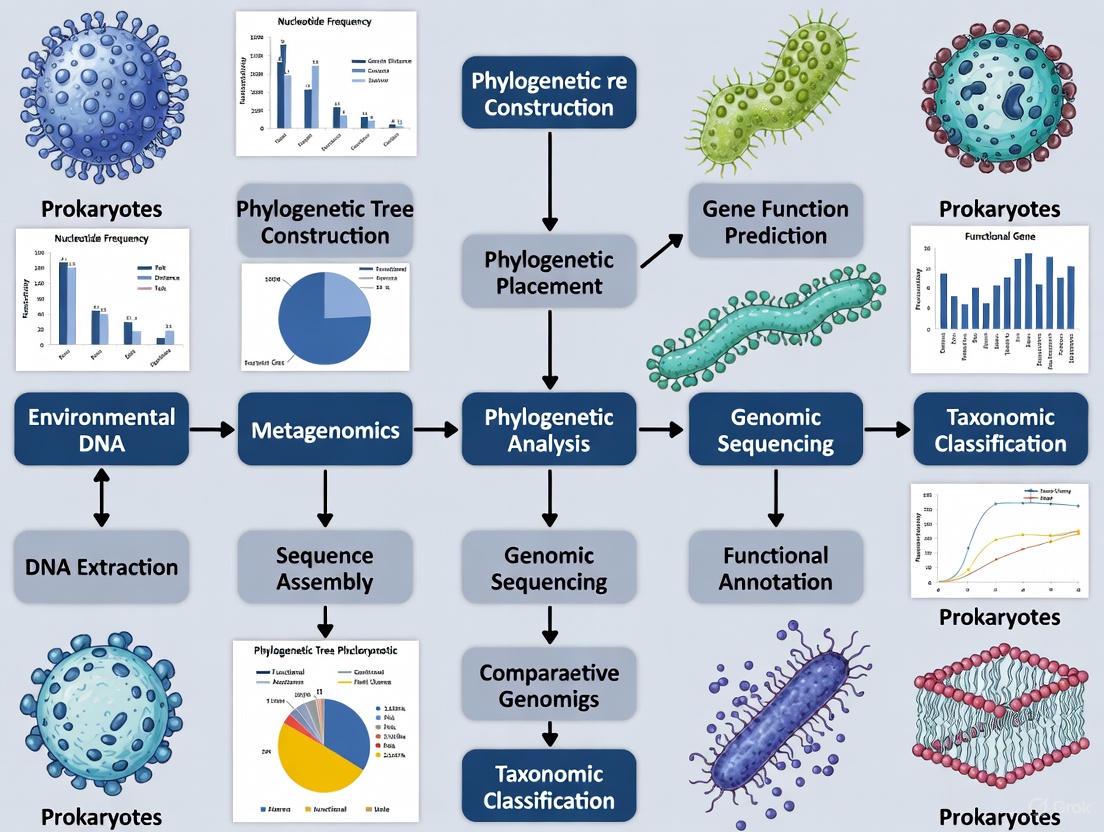
The vast majority of prokaryotes resist cultivation in the laboratory, creating a fundamental challenge for taxonomy and limiting access to a potential treasure trove of novel natural products.
The Uncultured Majority: Navigating the Challenges and Opportunities in Prokaryotic Taxonomy for Drug Discovery
Abstract
The vast majority of prokaryotes resist cultivation in the laboratory, creating a fundamental challenge for taxonomy and limiting access to a potential treasure trove of novel natural products. This article explores the paradigm shift in microbial classification, moving from traditional phenotype-based methods to genome-centric frameworks in the age of big sequence data. We examine the methodological advances in metagenomics and single-cell genomics that are revealing the 'microbial dark matter,' the ongoing debates in nomenclature and classification for these uncultured organisms, and the practical implications for researchers and drug development professionals seeking to harness this uncultured diversity for biomedical applications, including the discovery of new antibiotics.
The Unseen World: Why Uncultured Prokaryotes Challenge Traditional Taxonomy
Frequently Asked Questions (FAQs)
What is the "Great Plate Count Anomaly"? The "Great Plate Count Anomaly" describes the discrepancy, often by orders of magnitude, between the number of microbial cells observed by direct microscopy in an environmental sample and the number of colonies that grow on a petri dish using standard plating techniques [1]. In many environments, like oceans, traditional plating methods recover only 0.01 to 0.1% of bacterial cells, while over 99% remain uncultured [1] [2].
Why is it so difficult to culture most prokaryotes? Most environmental prokaryotes are free-living oligotrophs adapted to low nutrient concentrations, which are drastically exceeded by standard laboratory media [3]. Key challenges include:
- Unknown Growth Requirements: Many require specific, uncharacterized nutrients, signaling molecules, or co-factors [2].
- Microbial Interdependencies: They may depend on other microbes for essential nutrients or detoxification of harmful metabolites (syntrophy) [3] [2].
- Slow Growth: They are often outcompeted by fast-growing "copiotrophs" (fast-growing bacteria that thrive in nutrient-rich conditions) under standard lab conditions [3] [2].
- Dormancy: Cells may be in a dormant state and unable to immediately adjust to lab conditions [1].
How does the cultivation gap affect prokaryotic taxonomy and drug discovery? The cultivation gap creates a massive bias in our understanding of microbial life, leaving a vast reservoir of genetic and metabolic diversity unexplored [4] [5].
- Taxonomy: Current taxonomy is based on a tiny, non-representative fraction of microbial diversity. This skews the tree of life, as over 85% of microbial phyla have no cultured representatives [4] [5].
- Drug Discovery: Uncultured microbes represent an untapped source of novel biosynthetic gene clusters and enzymes with potential for developing new antibiotics and therapeutics [6].
What modern methods are used to study uncultured microbes?
- Culture-Independent Genomics:
- High-Throughput Cultivation (HTC): Using dilution-to-extinction in low-nutrient media to mimic natural conditions and isolate slow-growing oligotrophs [1] [3].
Troubleshooting Common Cultivation Experiments
Issue 1: Low Colony Yield on Agar Plates
This is the direct manifestation of the Great Plate Count Anomaly.
| Possible Cause | Recommended Solution |
|---|---|
| Nutrient-rich media inhibits oligotrophs. | Use low-nutrient media (e.g., 1/10 R2A, sterilized natural water, or defined oligotrophic media) [1] [3]. |
| Fast-growing copiotrophs outcompete target cells. | Apply high-throughput dilution-to-extinction cultivation to physically separate cells and prevent competition [1] [3]. |
| Agar is toxic to some cells. | Reduce agar concentration or use gelling agents like gellan gum (Gelrite) [2]. |
| Incorrect incubation time. | Extend incubation time from days to weeks to allow slow-growing colonies to appear [1]. |
Detailed Protocol: High-Throughput Dilution-to-Extinction Cultivation
- Principle: To isolate cells by extreme dilution into low-nutrient media, minimizing competition and mimicking in situ substrate levels [1] [3].
- Procedure:
- Prepare Media: Use a defined, low-carbon medium or filter-sterilized water from the sample environment. Carbon concentrations should be in the µM range (e.g., 1-2 mg Dissolved Organic Carbon per liter) [3].
- Dilute Inoculum: Dilute a fresh environmental sample in the prepared medium to a final concentration of approximately 1 to 5 cells per well [1] [3].
- Distribute Aliquots: Dispense 1-ml aliquots into the wells of 48- or 96-well microtiter plates [1] [3].
- Incubate: Incubate plates in the dark at a temperature relevant to the sample's environment (e.g., 16°C for lakes) for 6 to 8 weeks [3].
- Screen for Growth: Monitor for growth using sensitive methods like fluorescence microscopy after DAPI staining or by measuring turbidity [1].
Diagram 1: High-throughput dilution-to-extinction workflow.
Issue 2: Different Counts Between Technical Replicates
Microbiological plate counting is an inherently imprecise technique, especially at low colony numbers, as colony-forming units (CFUs) follow a Poisson distribution [8].
| Number of Colonies Counted (on a plate) | Approximate 95% Confidence Interval | Error as % of Mean |
|---|---|---|
| 10 | 4 to 16 | ±60% |
| 100 | 80 to 120 | ±20% |
| 500 | 455 to 545 | ±9% |
Guidance for Accurate Counting and Reporting:
- Countable Range: For a standard 90mm agar plate, the statistically reliable countable range is 25 to 250 colonies [9] [8]. Counts outside this range should be reported as estimates.
- Use Replicates: Perform tests in replicates (at least duplicates) to improve precision [8].
- Calculate CFU:
Issue 3: Cultivating Strict Anaerobes
Obligate anaerobes are poisoned by oxygen, requiring its complete exclusion [2].
Detailed Protocol: Anaerobic Cultivation Using the Hungate Method
- Principle: To create and maintain a strict oxygen-free environment using pre-reduced media and an inert gas atmosphere [2].
- Procedure:
- Media Preparation: Boil the medium to drive off dissolved oxygen. Continuously sparge with an oxygen-free gas (e.g., Nâ‚‚ or COâ‚‚) during cooling and dispensing.
- Add Reducing Agent: Add a reducing agent like cysteine sulfide or sodium sulfide to the medium to lower the redox potential.
- Dispense Anaerobically: Dispense media into tubes or bottles under a constant stream of inert gas.
- Seal: Seal tubes with butyl rubber stoppers that are impermeable to oxygen.
- Autoclave: Autoclave the sealed tubes.
- Inoculate: Use syringes to inoculate through the rubber stopper, avoiding the introduction of air [2].
The Scientist's Toolkit: Key Research Reagents & Materials
| Item | Function / Explanation |
|---|---|
| Defined Oligotrophic Media | Mimics natural substrate concentrations (µM range) to avoid inhibiting oligotrophs adapted to low nutrients [3]. |
| Marine R2A Agar (and dilutions) | A low-nutrient medium; a 1/10 dilution (1/10R2A) is often more effective for isolating environmental bacteria than full-strength media [1]. |
| Microtiter Plates (48- or 96-well) | Enables high-throughput dilution-to-extinction culturing, allowing thousands of cultures to be processed simultaneously [1] [3]. |
| Butyl Rubber Stoppers & Serum Bottles | Creates an airtight seal for cultivating anaerobic microorganisms, preventing oxygen ingress [2]. |
| Gelling Agents (Gelrite/Gellan Gum) | A potential alternative to agar, as some bacteria are sensitive to agar impurities [2]. |
| Cell Array Manifold | A custom filter manifold that allows efficient screening of dozens of microtiter plate wells for microbial growth via microscopy [1]. |
| CheckM Software | A bioinformatic tool used to assess the quality and completeness of Metagenome-Assembled Genomes (MAGs) and Single-Amplified Genomes (SAGs) based on single-copy marker genes [6]. |
| SeqCode Registry | A registry for formally naming uncultivated prokaryotes based on genome sequences (MAGs/SAGs), bypassing the requirement for a physical culture [5]. |
| Tolprocarb | Tolprocarb, CAS:911499-62-2, MF:C16H21F3N2O3, MW:346.34 g/mol |
| Ibrutinib dimer | Ibrutinib dimer, CAS:2031255-23-7, MF:C50H48N12O4, MW:881.0 g/mol |
Advanced Strategy: Growth-Curve-Guided Isolation
For particularly fastidious organisms, a targeted, data-driven approach can improve success.
Protocol: Growth-Curve-Guided Isolation [2]
- Initial Enrichment: Inoculate the environmental sample into a suitable liquid medium.
- Monitor Growth: Use optical density (OD) or quantitative PCR (qPCR) to track the growth curve of the total community and, if possible, the target microbe specifically.
- Identify Key Phase: Sample the culture during its late exponential or early stationary phase. This is when the target microbe is most active and abundant, before being outcompeted.
- Strategic Dilution: Use this sample for dilution-to-extinction plating or further dilutions. The goal is to transfer cells when their relative fitness is highest.
- Apply Selective Pressure: Establish conditions that provide a relative growth advantage for the target (e.g., using specific carbon sources, antibiotics, or pH) while inhibiting non-target microbes [2].
Diagram 2: Growth-curve-guided isolation strategy.
Historical Background: The Phenotype Era and its Limitations
What was the traditional basis for classifying prokaryotes, and why was it problematic?
For centuries, prokaryotic classification relied almost exclusively on observable phenotypic characteristics. This approach, often termed the "phenotype era," depended on morphological, biochemical, and physiological traits [10]. The first edition of Bergey's Manual of Determinative Bacteriology (1923) categorized bacteria into a nested hierarchical classification using identification keys and tables of distinguishing characteristics [10]. This system relied heavily on:
- Morphology: Cell shape and structural features
- Culturing conditions: Growth requirements and environmental preferences
- Biochemical traits: Metabolic capabilities and reaction patterns
- Pathogenic characteristics: Disease-causing capabilities in hosts
However, phenotypic classification provided little insight into deep evolutionary relationships of microorganisms [10]. Stanier and van Niel famously concluded during the 1940s-1960s that it was "a waste of time for taxonomists to attempt a natural system of classification for bacteria" based solely on phenotype [10]. The limitations became increasingly apparent as scientists recognized that phenotypic similarities often masked fundamental genetic differences, much like the historical misclassification of hippos with pigs based on anatomical similarities rather than their actual evolutionary relationship to whales [10].
What conceptual development helped frame this historical divide?
The genotype-phenotype distinction, first proposed by Wilhelm Johannsen in 1909-1911, provided an important conceptual framework for understanding heredity [11] [12]. Johannsen introduced these terms in his pure-line breeding experiments on barley and beans, defining:
- Genotype: The hereditary constitution of an organism
- Phenotype: The observable characteristics that develop through the interaction of genotype and environment [12]
This distinction emerged as part of Johannsen's campaign against the "transmission conception" of heredity, which suggested that parental traits were directly transmitted to offspring [11]. Instead, Johannsen viewed the genotype as a stable, ahistorical disposition that could produce different phenotypes under varying environmental conditions—a concept he equated with Richard Woltereck's "norm of reaction" (Reaktionsnorm) [11] [12].
The Great Plate Count Anomaly: A Fundamental Technical Challenge
Why can't we culture most microorganisms, and how does this limit phenotypic classification?
The "great plate count anomaly" describes the dramatic discrepancy between the number of microbial cells observed under microscopy and the fraction that can be cultured in the laboratory [13]. Different environments, including seawater, soil, and marine sediments, typically yield only 0.01-1% of observable microorganisms using artificial media [13]. This anomaly represents a fundamental technical challenge for phenotype-based taxonomy because:
- Uncultured majority: The vast majority of microbial diversity remains inaccessible for phenotypic characterization
- Cultural bias: Taxonomic knowledge becomes skewed toward "easy growers" with readily replicated laboratory requirements
- Missing diversity: Environmental functions and ecological contributions of uncultured microbes remain unknown
What factors contribute to the great plate count anomaly?
Multiple interrelated factors limit microbial culturability [13]:
Table: Primary Factors Limiting Microbial Cultivation
| Factor Category | Specific Challenges | Potential Mitigation Strategies |
|---|---|---|
| Nutritional Requirements | Lack of essential nutrients; media too rich or poor | Diffusion chambers; substrate supplementation |
| Biological Interdependencies | Obligate mutualisms; auxotrophy | Co-culture systems; helper strains |
| Environmental Conditions | Inappropriate pH, salinity, temperature | Environmental simulation; gradient cultures |
| Microbial Characteristics | Slow growth; small cell size | Extended incubation; cell encapsulation |
The recognition of this vast uncultured microbial world, often called "microbial dark matter," necessitated a fundamental shift away from phenotype-dependent classification systems [13] [14].
The Molecular Revolution: Genotype Takes Center Stage
What technological advances enabled the shift to genotype-based classification?
The transition from phenotypic to genotypic classification became possible through several key technological developments:
16S rRNA as a Molecular Chronometer Carl Woese's pioneering work with small subunit ribosomal RNA (16S/18S rRNA) provided the first universal molecular framework for microbial classification [10] [15]. The 16S rRNA gene offered ideal properties as a molecular chronometer:
- High conservation: Essential structural and functional roles maintain sequence stability
- Variable regions: Permitted distinction between closely related organisms
- Universal distribution: Present in all prokaryotes, enabling comprehensive phylogenetic comparisons
This molecular approach revealed astonishing microbial diversity previously undetectable by phenotypic methods, most dramatically exemplified by the discovery of Archaea as a completely new domain of life [10].
Shotgun Sequencing and Metagenomics The development of metagenomics—direct sequencing of genetic material from environmental samples—bypassed the need for cultivation entirely [13] [15]. This approach:
- Eliminates cultural bias: Provides access to genetic information from uncultured organisms
- Reveals community structure: Identifies relative abundances of different taxa within samples
- Enables functional profiling: Links metabolic capabilities to specific community members
Key technical improvements, including bacterial artificial chromosomes (BACs) for cloning environmental DNA and advanced bioinformatics for sequence assembly, made metagenomic approaches increasingly powerful [15].
Table: Evolution of Genotypic Classification Methods
| Method | Time Period | Key Advantage | Primary Limitation |
|---|---|---|---|
| DNA-DNA Hybridization [10] | 1960s-1980s | Direct comparison of overall genome similarity | Limited to cultivated strains; no deep phylogeny |
| 16S rRNA Sequencing [10] [15] | 1970s-present | Universal phylogenetic framework | Limited resolution at species level |
| Multilocus Sequence Typing [10] | 1990s-present | Improved strain discrimination | Requires multiple primer sets |
| Metagenomic Shotgun Sequencing [13] [15] | 2000s-present | Culture-independent; functional insights | Assembly challenges; population heterogeneity |
The following diagram illustrates the conceptual and methodological shift from phenotype-based to genotype-based classification:
Modern Workflows: Obtaining Genomes from Uncultured Microorganisms
What methods are currently used to obtain genome sequences from uncultured microbes?
Contemporary approaches for accessing uncultured microbial genomes primarily utilize two complementary strategies:
Metagenome-Assembled Genomes (MAGs) MAGs are reconstructed from mixed environmental sequences through:
- Shotgun sequencing: Random fragmentation and sequencing of all DNA in a sample
- Binng: Grouping sequences based on composition (GC content, k-mer frequency) and abundance
- Quality assessment: Evaluating completeness and contamination using single-copy marker genes [16]
Single-Cell Amplified Genomes (SAGs) SAGs utilize microfluidic isolation and whole-genome amplification:
- Single-cell isolation: Physical separation of individual cells using fluorescence-activated cell sorting or microfluidics
- Whole-genome amplification: Multiple displacement amplification (MDA) with phi29 DNA polymerase
- Computational cleaning: Removing chimeric sequences and coverage biases [14]
How does the ccSAG workflow improve single-cell genome quality?
The Cleaning and Co-assembly of a Single-Cell Amplified Genome (ccSAG) workflow addresses key limitations of single-cell genomics [14]:
Table: ccSAG Workflow Steps and Functions
| Step | Process | Purpose | Outcome |
|---|---|---|---|
| SAG Grouping | 16S rRNA similarity ≥99%; ANI >95% | Identify closely related cells | Groups for co-assembly |
| Cross-reference Mapping | Map reads to raw contigs | Identify chimeric sequences | Classification into clean/chimeric/unmapped |
| Chimera Splitting | Split partially aligned reads | Rescue genetic information | Increased valid sequence recovery |
| Co-assembly | De novo assembly of clean reads | Generate composite genome | High-quality draft genomes |
The ccSAG workflow typically integrates 5-6 SAGs to achieve optimal completeness (>96%) with minimal contamination (<1.25%), producing genomes comparable to those from cultured isolates [14]. The following diagram illustrates this process:
Current Challenges and Future Directions
What major challenges remain in prokaryotic taxonomy of uncultured organisms?
Despite significant advances, several persistent challenges complicate genotype-based classification:
Nomenclature and Classification Standards The International Code of Nomenclature of Prokaryotes (ICNP) currently requires cultivation for valid naming, creating a discrepancy between sequenced and officially recognized taxa [10] [16]. This has led to:
- Unnamed diversity: Numerous genomic sequences without formal taxonomic placement
- Database inconsistencies: Variation in naming conventions across public repositories
- Communication barriers: Difficulty discussing uncultured taxa in scientific literature
The recently developed SeqCode (Code of Nomenclature of Prokaryotes Described from Sequence Data) aims to address these issues by establishing standards for naming uncultivated prokaryotes based on DNA sequence data [16].
Genome Quality and Interpretation The variable quality of MAGs and SAGs presents challenges for comparative genomics:
- Fragmentation: Incomplete genomes hinder comprehensive functional analysis
- Contamination: Mis-binning can introduce foreign sequences
- Metapopulation averaging: MAGs may represent composite populations rather than individual strains
How is the genotype-phenotype relationship being redefined in modern microbiology?
Contemporary research recognizes that the relationship between genotype and phenotype is complex and multidimensional [17]. The "genotype-to-phenotype problem" refers to the challenge of predicting organismal characteristics from genetic information alone [17]. Systems biology approaches are addressing this by:
- Network analysis: Viewing cellular processes as interconnected networks rather than linear pathways
- High-dimensional phenotyping: Integrating morphological, transcriptional, protein, and metabolic data
- Natural variation studies: Leveraging quantitative trait loci (QTL) mapping in diverse populations
This refined understanding acknowledges that while genotype provides the essential blueprint for classification, phenotypic expression remains context-dependent and influenced by environmental factors, regulatory networks, and community interactions [11] [17].
What key resources support modern genotype-based taxonomy?
Table: Essential Research Reagents and Databases for Genotype-Based Taxonomy
| Resource | Type | Primary Function | Access |
|---|---|---|---|
| RDP [10] | Database | 16S/28S rRNA sequence analysis and classification | https://rdp.cme.msu.edu/ |
| SILVA [10] | Database | Comprehensive rRNA database for Bacteria, Archaea, Eukaryotes | https://www.arb-silva.de/ |
| GTDB [10] | Database | Genome-based taxonomy using evolutionary framework | https://gtdb.ecogenomic.org/ |
| Phi29 DNA Polymerase [14] | Reagent | Multiple displacement amplification for SAGs | Commercial suppliers |
| Nextera XT [14] | Reagent | Library preparation for metagenomic sequencing | Illumina |
| SPAdes [14] | Software | Assembly of single-cell genomes despite uneven coverage | https://cab.spbu.ru/software/spades/ |
The transition from phenotype to genotype represents more than just a technical shift in methodology—it constitutes a fundamental transformation in how we conceptualize, categorize, and understand microbial diversity. This paradigm shift has revealed a biological universe far more vast and complex than previously imagined, while simultaneously presenting new challenges in standardization, interpretation, and functional characterization. As genomic technologies continue to evolve and new computational approaches emerge, the principles of prokaryotic taxonomy will likely continue to refine our understanding of life's invisible majority.
The 16S rRNA Revolution and Its Limitations for Deep Phylogeny
Frequently Asked Questions (FAQs)
Q1: Can I reliably identify bacterial species using 16S rRNA gene sequencing?
For species-level identification, 16S rRNA sequencing has significant limitations. While it is excellent for genus-level classification, its resolution at the species level is often insufficient. Genomically distinct species can share nearly identical 16S rRNA sequences (>99.9% identity), blurring the lines between them [18] [19]. For accurate species identification, techniques offering higher genomic resolution, such as whole-genome sequencing for Average Nucleotide Identity (ANI) analysis, are recommended [20].
Q2: Which hypervariable regions of the 16S rRNA gene provide the best taxonomic resolution?
No single region is perfect, and the choice can influence your results. Some studies targeting the V5-V8 regions have reported challenges in distinguishing between closely related Lactobacillus species, which are common in genital tract microbiomes [21]. Full-length 16S rRNA sequencing, enabled by third-generation sequencing, provides greater taxonomic depth than short-read sequencing of individual hypervariable regions [22].
Q3: My sequencing results show high adapter dimer contamination. What went wrong?
A high presence of adapter dimers (sharp peaks around 70-90 bp on an electropherogram) typically indicates issues during library preparation. Common root causes include an suboptimal adapter-to-insert molar ratio (too much adapter) or inefficient purification that failed to remove these small artifacts [23]. Re-optimizing your ligation conditions and ensuring a rigorous clean-up step can resolve this.
Q4: What bioinformatic tools can improve species-level classification from 16S data?
Some classifiers are specifically designed to enhance species-level resolution. For full-length 16S sequences, SINTAX and SPINGO have been shown to provide high classification accuracy when used with the RDP reference database [22]. SPINGO is also noted as a useful tool for addressing the inherent limitations of short-read amplicons at the species level [24].
Troubleshooting Guides
Issue 1: Inability to Distinguish Between Closely Related Species
Problem: Your 16S rRNA sequencing data fails to resolve different species within a genus, even though other methods confirm their presence.
Diagnosis and Solutions:
- Confirm with Genomic Standards: Check if the species in question are known to have highly similar 16S rRNA sequences. Studies have found that bona fide species confirmed by whole-genome analysis can have 16S rRNA identities above the typical species threshold (e.g., >98.7%) [18].
- Use Advanced Classifiers: Implement species-specific classifiers like SPINGO in your bioinformatic pipeline, which can improve resolution [24].
- Shift to Higher-Resolution Methods: If species-level identification is critical for your project, consider moving to:
Issue 2: Low Library Yield or Poor Sequencing Quality
Problem: The final library concentration is unexpectedly low, or the sequencing output is poor.
Diagnosis and Solutions: Follow this diagnostic workflow to identify and correct common preparation errors:
Table: Common Causes and Corrective Actions for Library Prep Failures
| Root Cause | Failure Signals | Corrective Action |
|---|---|---|
| Poor Input DNA Quality | Degraded DNA, inhibitory contaminants | Re-purify sample; check 260/230 and 260/280 ratios [23]. |
| Fragmentation & Ligation Issues | Adapter-dimer peaks (~70-90 bp) | Titrate adapter-to-insert ratio; ensure fresh ligase [23]. |
| Amplification Problems | High duplicate rate, bias, artifacts | Reduce PCR cycle number; use high-fidelity polymerase [23]. |
| Purification & Cleanup Errors | Incomplete removal of dimers, high sample loss | Optimize bead-to-sample ratio; avoid bead over-drying [23]. |
Issue 3: Choosing a Sequencing Platform and Bioinformatics Pipeline
Problem: As a novice researcher, you are unsure which sequencing platform and bioinformatics pipeline to select for your project.
Diagnosis and Solutions: The optimal choice depends on your target taxonomic level and available resources. The following table summarizes findings from benchmarking studies that used a known mock microbial community [24]:
Table: Platform and Pipeline Selection Guide
| Sequencing Platform | Recommended Pipeline (for a novice) | Key Advantages | Limitations at Species Level |
|---|---|---|---|
| Illumina MiSeq (V3-V4 region) | VSEARCH, QIIME 1.9.1 | Lower error rate; competitive cost [24]. | All tested pipelines performed well at family/genus level but had limitations at species level [24]. |
| Ion Torrent PGM | QIIME 1.9.1 (default parameters) | Good for characterizing multiple hypervariable regions [24]. | Not suitable for detecting certain species like Bacteroides without modified pipeline [24]. |
| Third-Generation (Full-length 16S) | SINTAX or SPINGO with RDP database | Highest species-level accuracy [22]. | Higher computational cost; longer sequencing runs. |
The Scientist's Toolkit: Essential Research Reagents & Materials
Table: Key Reagents and Tools for 16S rRNA Sequencing and Validation
| Item | Function/Benefit | Example/Note |
|---|---|---|
| DNA Extraction Kits | Mechanical & chemical lysis to release microbial DNA; includes purification steps to remove inhibitors [25]. | Critical for low-biomass samples; method can impact results [25]. |
| 16S rRNA PCR Primers | Amplify target hypervariable regions (e.g., V3-V4, V5-V8) for library construction [21]. | Primer choice influences which taxa are detected. |
| High-Fidelity Polymerase | Reduces errors during PCR amplification, ensuring sequence accuracy [23]. | Essential for minimizing bias. |
| SILVA/Greengenes/RDP Databases | Curated reference databases for taxonomic classification of sequencing reads [22] [21]. | RDP is often used for species-level classification with SPINGO [22] [24]. |
| QIIME 2 / MOTHUR | User-friendly bioinformatics pipelines for processing raw sequencing data into taxonomic units [25] [22]. | Include extensive tutorials for non-bioinformaticians [25]. |
| SPINGO / SINTAX Classifier | Specialized algorithms for improving species-level classification from 16S data [22] [24]. | Recommended for full-length 16S sequences with RDP [22]. |
| Average Nucleotide Identity (ANI) Tool | Genomic standard for definitive species identification (threshold ~95-96%) [18] [20]. | Used to validate 16S findings; tools include FastANI and Skani [20]. |
| Iclepertin | Iclepertin, CAS:1421936-85-7, MF:C20H18F6N2O5S, MW:512.4 g/mol | Chemical Reagent |
| 3,N-Diphenyl-1H-pyrazole-5-amine | 3,N-Diphenyl-1H-pyrazole-5-amine | 3,N-Diphenyl-1H-pyrazole-5-amine is a chemical building block for antimicrobial and materials science research. This product is for research use only and not for human use. |
Conceptual Framework: The Relationship Between 16S rRNA and Genomic Divergence
The core limitation of 16S rRNA for deep phylogeny is its evolutionary rigidity compared to the rest of the genome. The following diagram illustrates this conceptual problem.
Frequently Asked Questions
FAQ 1: What proportion of microbial diversity is represented by uncultured lineages, and why does it matter? Research indicates that a significant portion of microbial diversity lacks cultured representatives. One comprehensive genomic study found that lineages with no cultured representatives made up a substantial part of the Tree of Life, with the Candidate Phyla Radiation (CPR) alone constituting approximately 50% of the total bacterial diversity on the tree [26]. This matters because without cultures, our understanding of the physiology, metabolism, and ecological roles of these dominant organisms remains incomplete and reliant on predictions from genomic data.
FAQ 2: What cultivation methods are most effective for isolating previously uncultured aquatic bacteria? High-throughput dilution-to-extinction cultivation has proven highly successful. One recent large-scale initiative using this method with defined, low-nutrient media that mimic natural conditions yielded 627 axenic strains from 14 Central European lakes. On average, this approach resulted in 10 axenic strains per sample, with cultures representing up to 72% of the bacterial genera detected in the original environmental samples via metagenomics [3].
FAQ 3: My differential abundance analysis results change drastically with different normalizations. What is the issue and how can I resolve it? This is a common problem rooted in scale uncertainty. Normalization methods like Total Sum Scaling (TSS) implicitly assume that the total microbial load is constant across all samples. When this assumption is false, it can lead to both false positives and false negatives [27]. To resolve this, we recommend using scale models instead of a single normalization. The updated ALDEx2 software package allows for this approach, which incorporates uncertainty about the true biological scale (e.g., microbial load) into the model, dramatically improving the robustness of inferences [27].
FAQ 4: Where can I find authoritative information on prokaryotic nomenclature and taxonomy? The List of Prokaryotic names with Standing in Nomenclature (LPSN) is a comprehensive and freely available resource for this purpose. It provides curated information on the valid naming of prokaryotes according to the International Code of Nomenclature of Prokaryotes (ICNP) [28].
Troubleshooting Common Experimental Challenges
Challenge 1: Low Isolation Success in Cultivation Experiments
- Problem: Researchers are unable to isolate a significant fraction of the microbial community observed through sequencing.
Diagnosis: This is often because standard nutrient-rich media and incubation times favor fast-growing copiotrophs, while many environmental microbes are slow-growing oligotrophs with uncharacterized growth requirements [3] [29].
Solution:
- Imitate the Natural Environment: Use dilution-to-extinction cultivation with defined, low-nutrient media (e.g., containing 1.1-1.3 mg DOC per litre) that chemically mimics the natural habitat of the target microbes [3].
- Prolong Incubation: Allow plates or culture wells to incubate for extended periods (6-8 weeks or more), as many oligotrophs grow very slowly [3] [29].
- Apply Stimuli: Consider adding resuscitation-promoting factors (Rpf) or other signaling molecules from culture supernatants (e.g., from Micrococcus luteus) to stimulate the growth of dormant cells [29].
- Leverage Genomic Insights: Use metabolic information from Metagenome-Assembled Genomes (MAGs) to design specific media that target the predicted requirements of uncultured lineages [29].
Challenge 2: Unreliable Differential Abundance Results Due to Compositional Data
- Problem: Statistical results for differential abundance analysis are highly sensitive to the choice of normalization method.
Diagnosis: Sequencing data is compositional (relative); conclusions about absolute abundance changes require knowledge of the system's scale (microbial load), which is not measured in standard sequencing [27].
Solution:
- Adopt Scale-Aware Models: Replace standard normalizations with a scale model analysis using tools like the updated ALDEx2 Bioconductor package. This treats the system scale as an uncertain variable, reducing false positives and negatives [27].
- Incorporate External Data: If possible, use external measurements of microbial load (e.g., from flow cytometry or qPCR) to inform the scale model and constrain the analysis [27].
- Use a Sensitivity Analysis: Employ Scale Simulation Random Variables (SSRVs) to test how different potential scale values affect your conclusions, making your results more transparent and robust [27].
Challenge 3: Resolving Deep Phylogenetic Relationships of Novel Lineages
- Problem: Placing novel, uncultured lineages on the Tree of Life is difficult, and deep evolutionary relationships lack statistical support.
Diagnosis: Single marker genes (like 16S rRNA) may not contain enough phylogenetic signal, and genome-based trees can show conflicting topologies (e.g., two-domain vs. three-domain of life) [26].
Solution:
- Use Concatenated Protein Markers: Infer phylogenies from a concatenated alignment of multiple, universally conserved ribosomal protein genes for increased resolution [26].
- Explore Public Resources: Use comprehensive tools like the OneZoom tree of life explorer to visualize the placement of your organisms of interest within the context of all sequenced diversity [30].
- Acknowledge Uncertainty: Be transparent about the lack of support for deep branches and avoid over-interpreting these relationships.
Experimental Protocols & Data
Protocol 1: High-Throughput Dilution-to-Extinction Cultivation
This protocol is adapted from a large-scale study that successfully cultivated abundant freshwater oligotrophs [3].
Principle: Greatly diluting an environmental inoculum to the point of statistically distributing single cells into individual wells prevents the overgrowth by fast-growing copiotrophs and allows the growth of slow-growing organisms.
Procedure:
- Sample Collection: Collect water or soil samples from the environment of interest. For water, filter a large volume to concentrate cells.
- Media Preparation: Prepare defined, oligotrophic media. The table below outlines components from a successful study.
- Inoculation and Incubation: In a 96-deep-well plate, inoculate each well with a diluted sample containing approximately one cell per well. Incubate at an environmentally relevant temperature (e.g., 16°C) for 6-8 weeks without disturbance.
- Growth Screening: Monitor growth by measuring optical density or chlorophyll fluorescence over time.
- Purity Checking: Transfer positive cultures to new media and check for purity via Sanger sequencing of 16S rRNA gene amplicons.
- Long-term Maintenance: Maintain axenic cultures in fresh, low-nutrient media.
Research Reagent Solutions:
| Item | Function/Description | Example from Literature |
|---|---|---|
| med2 / med3 media | Defined, low-carbon media mimicking natural freshwater conditions (1.1-1.3 mg DOC/L). Contains carbohydrates, organic acids, catalase, and vitamins [3]. | Used for general isolation of diverse oligotrophs like Planktophila and Fontibacterium [3]. |
| MM-med media | Defined medium with methanol and methylamine as sole carbon sources. Used for isolating methylotrophs [3]. | Enriched for Methylopumilus and Methylotenera [3]. |
| Resuscitation-Promoting Factor (Rpf) | A bacterial cytokine that stimulates the resuscitation of dormant cells from a viable but non-culturable state [29]. | The heat-labile component of Micrococcus luteus culture supernatant increased the diversity of cultured soil bacteria [29]. |
- Quantitative Results from a Recent Cultivation Study [3]:
| Metric | Result | Context |
|---|---|---|
| Total wells inoculated | 6,144 | 64 x 96-deep-well plates |
| Initial positive cultures | 1,201 | After initial incubation |
| Final axenic cultures | 627 | After purity checking and stabilization |
| Average viability | 12.6% | (Axenic cultures / Inoculated wells) * 100 |
| Genera represented | 72 | Including 15 of the 30 most abundant freshwater genera |
| Community coverage | Up to 72% | Genera in cultures vs. original sample (avg. 40%) |
Protocol 2: Scale Model-Based Differential Abundance Analysis with ALDEx2
This protocol addresses the problem of compositional data in sequencing experiments [27].
Principle: Instead of assuming a fixed scale (like TSS does), this method uses a Bayesian model to incorporate uncertainty about the true and unmeasured biological scale (e.g., total microbial load) of each sample, leading to more robust differential abundance estimates.
Workflow:
- Procedure:
- Install ALDEx2: Ensure you have the latest version of ALDEx2 from Bioconductor that supports scale models.
- Define a Scale Model: This model represents your prior belief about how the total microbial load might vary between sample groups. This can be:
- An Uninformed Model: A uniform distribution over a wide range of possible values.
- An Informed Model: Based on external data like flow cytometry or qPCR.
- A Sparsity Model: Assuming that very few taxa are changing in absolute abundance.
- Run the Analysis: Execute the
aldexfunction, specifying your scale model. The underlying algorithm will generate a posterior distribution of absolute abundances consistent with both your observed relative data and the defined scale model. - Interpret Results: The output will provide effect sizes and p-values that are more reliable because they are not contingent on a single, potentially incorrect, scale assumption.
Advanced Statistical & Bioinformatic Considerations
Handling Genome Sequence Uncertainty
Next-generation sequencing has inherent base-calling errors. Treating sequences as known without error can lead to overconfident conclusions in downstream phylogenetic or population genetic analyses [31].
- Solution Framework: The Sequence Uncertainty Propagation (SUP) framework provides a method to incorporate this uncertainty.
- Method: SUP uses a probabilistic matrix representation of sequences that incorporates base quality scores. It uses resampling to propagate this uncertainty through downstream analysis, giving a more realistic variance for estimates like clock rates or lineage assignments [31].
- Impact: One study showed that SARS-CoV-2 lineage designations were much less certain than typically reported when sequence uncertainty was considered [31].
Logical Workflow for Integrating Cultured and Unculturaed Data
The following diagram outlines a strategic workflow for combining cultivation-dependent and independent approaches to refine the Tree of Life and prokaryotic taxonomy.
Frequently Asked Questions (FAQs)
Q1: What is the core conflict between the ICNP and modern microbial research? The International Code of Nomenclature of Prokaryotes (ICNP) requires that new species be grown in a lab and distributed as pure, viable cultures deposited in at least two international culture collections to be formally named [32] [33]. This conflicts with the microbial reality that an estimated ≥80% of archaeal and bacterial diversity is uncultivated, meaning the vast majority of prokaryotes cannot be formally named under the current ICNP rules [32] [4].
Q2: Why is it so difficult to cultivate most prokaryotes? Many prokaryotes, especially free-living oligotrophs in environments like freshwater and oceans, have oligotrophic lifestyles adapted to low nutrient concentrations. They often possess reduced genomes with multiple auxotrophies, creating dependencies on other microbes for essential nutrients [3]. Their slow growth and tendency to be outcompeted by fast-growing copiotrophs in lab settings make them notoriously difficult to isolate [3].
Q3: What are the practical consequences for research and communication? The inability to formally name most prokaryotes creates significant communication challenges. It leads to the use of unregulated placeholder names in literature, increasing the risk of errors and making it difficult to track microbial diversity, compare data across studies, and communicate findings effectively between scientists, clinicians, and the public [33] [34]. For example, clinically relevant organisms like some Chlamydia-related species cannot be validly named, potentially hindering disease tracking and scientific discourse [33].
Q4: What modern solutions have been developed to address this conflict? The SeqCode (Code of Nomenclature of Prokaryotes Described from Sequence Data) was established in 2022 as a parallel system that uses genome sequence data as the nomenclatural type for both cultivated and uncultivated prokaryotes [32] [33]. Meanwhile, advanced cultivation techniques like high-throughput dilution-to-extinction with defined media that mimic natural conditions are improving the cultivation of previously unculturable oligotrophs [3].
Troubleshooting Guides
Problem: Inability to Name a Novel, Unculturabled Prokaryote
Issue: Your research has identified a novel, phylogenetically distinct prokaryote via metagenomic sequencing, but all cultivation attempts have failed. You cannot formally name it under the ICNP.
Solution Pathway:
Step-by-Step Guide:
- Generate a High-Quality Genome Sequence: Use metagenomic assembly or single-cell genomics to obtain a Metagenome-Assembled Genome (MAG) or Single-Amplified Genome (SAG). The genome should be of high quality, as classified by standards that assess completeness, contamination, and the presence of marker genes [6].
- Evaluate Nomenclatural Options:
- Path A (Formal Nomenclature under SeqCode): Proceed to formally name the organism under the SeqCode. This provides a stable, formal name with priority. Register the name and the required genomic data in the SeqCode registry [33].
- Path B (Provisional ICNP Status): Use the provisional "Candidatus" category as per ICNP guidelines. Note that "Candidatus" has no formal standing in nomenclature and the name does not have priority if the organism is later cultivated [34].
- Publish a Description: For a formal SeqCode name, publish a protologue that includes the etymology of the name, the properties of the taxon inferred from genomic and environmental data, and the accession numbers for the deposited genome sequences [34].
Problem: Cultivation Failure of Abundant Environmental Microbes
Issue: Microbes that are highly abundant in environmental samples (e.g., lakes, soil) based on metagenomic data fail to grow on standard nutrient-rich laboratory media.
Solution Pathway & Experimental Protocol:
Detailed Methodology: High-Throughput Dilution-to-Extinction Cultivation [3]
Media Design:
- Prepare defined artificial media with low nutrient concentrations that mimic the natural environment. For example, use media with ~1.1-1.3 mg Dissolved Organic Carbon (DOC) per liter for freshwater microbes [3].
- Include a mix of carbohydrates, organic acids, vitamins, and other organic compounds in µM concentrations.
- Consider specialized media; for example, using methanol and methylamine (MM-med) as sole carbon sources can help isolate methylotrophs [3].
Cultivation Process:
- Inoculate a large number of sterile media wells (e.g., in 96-deep-well plates) using a dilution-to-extinction approach, aiming for approximately one cell per well. This avoids competition from fast-growing copiotrophs.
- Incubate the plates for an extended period (e.g., 6-8 weeks) at a temperature representative of the source environment (e.g., 16°C for temperate lakes).
- Screen the wells for growth. Identify axenic cultures by sequencing 16S rRNA gene amplicons and ensure purity through several transfers.
Characterization:
- Sequence the genomes of the obtained strains.
- Compare them to Metagenome-Assembled Genomes (MAGs) from the original sample to confirm their environmental relevance and abundance.
Data Presentation
Table 1: Comparison of Nomenclatural Frameworks for Prokaryotes
| Feature | ICNP | SeqCode |
|---|---|---|
| Nomenclatural Type | Viable pure culture, deposited in at least two international culture collections [32] [33] | Genome sequence (from pure culture, single cell, or metagenome) [32] [33] |
| Coverage of Diversity | <0.5% of prokaryotic species [32] | All prokaryotes with a high-quality genome sequence [33] |
| Key Limitation | Excludes the vast uncultivated majority of prokaryotes [32] | Does not require a physical culture for naming [33] |
| Status of Names | Formal, with standing in nomenclature | Formal, with standing under the SeqCode; aims for future unification [33] [34] |
Table 2: Performance of Modern Methods for Accessing Uncultivated Prokaryotes
| Method | Key Output | Key Advantages | Key Limitations & Challenges |
|---|---|---|---|
| Metagenome-Assembled Genomes (MAGs) [6] | Genomic sequences binned from community sequencing | Provides extensive genomic data from complex communities; straightforward experimental procedure | MAGs can be chimeric; often lack 16S rRNA genes; difficult to associate mobile genetic elements with individual species |
| Single-Amplified Genomes (SAGs) [6] | Genomic sequences from physically isolated single cells | Provides strain-resolved genomes; excellent recovery of 16S rRNA genes; can link hosts to mobile elements | Technically challenging; lower genome completeness; potential for chimeric sequences or contamination |
| High-Throughput Dilution-to-Extinction Cultivation [3] | Axenic cultures of previously uncultured taxa | Yields live cultures for physiological studies; allows isolation of slow-growing oligotrophs | Requires careful media design; incubation can take weeks; not all taxa are cultivable |
The Scientist's Toolkit: Key Research Reagent Solutions
Table 3: Essential Materials for Research on Uncultivated Prokaryotes
| Item | Function/Benefit | Application Example |
|---|---|---|
| Defined Low-Nutrient Media (e.g., med2/med3) [3] | Mimics natural substrate concentrations (e.g., 1.1-1.3 mg DOC/L) to cultivate oligotrophs without inhibition. | Isolation of abundant, yet previously uncultured, freshwater bacteria like Planktophila and Methylopumilus [3]. |
| C1 Compound Media (e.g., MM-med) [3] | Uses methanol/methylamine as sole carbon source to selectively enrich for methylotrophic bacteria. | Targeted isolation of methylotrophs such as Methylopumilus and Methylotenera from lake samples [3]. |
| DNA Extraction Kits for Environmental Samples | Efficiently lyses diverse microbial cells and yields high-quality, high-molecular-weight DNA for sequencing. | Initial step for shotgun metagenomics to generate data for MAG assembly [6]. |
| Flow Cytometric Cell Sorter | Precisely isolates individual microbial cells from complex environmental communities for SAG generation. | Production of SAGs from marine bacteria in surface seawater [6]. |
| CheckM Software [6] | Assesses quality of MAGs/SAGs by estimating genome completeness and contamination using single-copy marker genes. | Quality control and binning refinement to select high-quality genomes for taxonomic proposal [6]. |
| Ercc1-xpf-IN-2 | Ercc1-xpf-IN-2, MF:C15H13Cl2NO3, MW:326.2 g/mol | Chemical Reagent |
| Ugt8-IN-1 | Ugt8-IN-1, MF:C20H22F6N4O4S, MW:528.5 g/mol | Chemical Reagent |
Tools for Discovery: Genomic and Cultivation-Based Approaches to Access the Uncultured
The study of prokaryotic diversity has long been constrained by a fundamental limitation: the inability to cultivate the vast majority of microorganisms in laboratory settings. This "microbial dark matter" represents an estimated over 90% of environmental microbes, leaving a substantial gap in our understanding of microbial taxonomy and ecosystem function [35]. Metagenome-Assembled Genomes (MAGs) have emerged as a revolutionary culture-independent approach to address this challenge, enabling researchers to reconstruct individual microbial genomes directly from environmental samples [36].
The field of prokaryotic taxonomy currently faces significant challenges in formally describing uncultured organisms. The established International Code of Nomenclature of Prokaryotes (ICNP) requires physical specimen or culture deposition for valid species description, creating a taxonomic impasse for microorganisms that cannot be cultivated [37]. This has led to the proposal of DNA-based taxonomy approaches, which would permit DNA sequences as type material, potentially unlocking the formal classification of the uncultivated microbial majority [37]. MAGs serve as a crucial bridge in this paradigm shift, providing the genomic foundation needed to characterize these previously inaccessible lineages.
MAGs have dramatically expanded the known tree of life. Recent analyses reveal that while cultivated taxa represent only 9.73% of bacterial and 6.55% of archaeal diversity, MAGs contribute 48.54% and 57.05% respectively, highlighting their indispensable role in uncovering microbial diversity [35]. For researchers working with uncultured organisms, MAGs provide genomic context that enables more accurate phylogenetic placement and functional characterization, advancing the field of microbial taxonomy beyond the constraints of traditional culturing methods.
MAG Principles and Workflows
Theoretical Foundations
MAG reconstruction relies on several key biological and computational principles that enable the separation of mixed sequences into discrete genomes:
- Contig Co-abundance: Contigs from the same genome exhibit similar abundance profiles across multiple samples due to their shared genomic copy number [36]
- Sequence Composition: Contigs from the same genome share similar k-mer frequencies, GC content, and other sequence composition features that are phylogenetically conserved [36]
- Single-Copy Marker Genes: Essential, single-copy genes provide metrics for assessing genome completeness and contamination [38]
- Evolutionary Conservation: Taxonomic signals in genes and proteins enable phylogenetic placement of reconstructed genomes [37]
Standard MAG Generation Workflow
The process of generating MAGs follows a multi-stage workflow, with each step employing specialized tools and algorithms.
Workflow Diagram: MAG Generation and Quality Control
Sample Preparation and Sequencing
The initial wet lab phase is critical for MAG success. Sample collection should be tailored to research objectives, using sterile tools and DNA-free containers [35]. Immediate preservation at -80°C or nucleic acid preservation buffers is essential to maintain DNA integrity [35]. DNA extraction methods must be optimized for the specific sample type (soil, water, gut content) to maximize yield and representativeness.
Sequencing technology selection involves important trade-offs:
- Illumina short-reads: Provide high accuracy (Q30 > 94%) [39] and cost-effectiveness but struggle with repetitive regions [36]
- PacBio/Oxford Nanopore long-reads: Enable resolution of repetitive regions but historically had higher error rates [40]
- Hybrid approaches: Combine both technologies to leverage accuracy and contiguity [36]
Bioinformatics Processing
Quality Control employs tools like fastp to remove adapters, trim low-quality bases (typically Q20 threshold), and filter short reads [41]. For host-associated samples, Bowtie2 is used with reference genomes (e.g., hg38) to remove host contamination [41] [39].
Metagenome Assembly faces unique challenges compared to single-genome assembly, including uneven organism abundance and strain variation [40]. Common assemblers include:
- MEGAHIT: Optimized for large datasets with lower memory requirements [36]
- metaSPAdes: Provides robust error correction and iterative graph construction [36]
- Flye/Canu: Specialized for long-read assembly, resolving repetitive regions [36]
Genome Binning groups contigs into putative genomes using:
- Composition-based methods (MetaBAT, CONCOCT): Utilize tetranucleotide frequencies and GC content [36]
- Coverage-based methods (MaxBin): Leverage differential abundance across samples [36]
- Hybrid approaches: Combine multiple binning strategies for improved results [36]
Quality Standards and Assessment
MIMAG Standards and Quality Metrics
The Minimum Information about a Metagenome-Assembled Genome (MIMAG) standards provide a framework for quality assessment and reporting [38]. Quality evaluation focuses on three core metrics:
Table 1: MAG Quality Classification Standards Based on MIMAG
| Quality Tier | Completeness | Contamination | tRNA Genes | rRNA Genes | Suitable Applications |
|---|---|---|---|---|---|
| High-Quality Draft | >90% | <5% | ≥18 | ≥1 (5S, 16S, 23S) | Publication, database deposition, detailed functional analysis |
| Medium-Quality Draft | ≥50% | <10% | Not required | Not required | Comparative genomics, metabolic potential assessment |
| Low-Quality Draft | <50% | <10% | Not required | Not required | Presence/absence analysis, limited functional insights |
These standards are implemented in tools like CheckM, which uses single-copy marker genes to estimate completeness and contamination [38], and Bakta, which annotates features including rRNA and tRNA genes [38].
Automated Quality Assessment Pipelines
For high-throughput MAG analysis, automated pipelines like MAGqual provide standardized quality assessment [38]. Built in Snakemake, MAGqual integrates CheckM and Bakta to assign MIMAG-compliant quality categories and generate comprehensive reports [38]. This approach promotes reproducibility and standardization across studies.
Table 2: Essential Research Reagents and Computational Tools for MAG Research
| Category | Item/Software | Function/Purpose | Key Features/Considerations |
|---|---|---|---|
| Wet Lab Materials | Nucleic Acid Preservation Buffers (RNAlater, OMNIgene.GUT) | Stabilize DNA/RNA during sample storage/transport | Critical when immediate freezing to -80°C isn't possible [35] |
| DNA Extraction Kits | Extract microbial DNA from complex matrices | Must be optimized for sample type (soil, gut, water) to ensure representative lysis [35] | |
| Sequencing Library Preparation Kits | Prepare sequencing libraries for Illumina, PacBio, or Nanopore platforms | Choice affects insert size, complexity, and sequencing efficiency [40] | |
| Computational Tools | CheckM | Assess MAG quality (completeness/contamination) | Uses single-copy marker genes; essential for MIMAG compliance [38] [36] |
| Bakta | Annotate MAG features (rRNA, tRNA genes) | Determines assembly quality per MIMAG standards [38] | |
| metaWRAP, Anvi'o | MAG refinement and visualization | Bin refinement, contamination removal, interactive exploration [36] | |
| GTDB-Tk | Taxonomic classification of MAGs | Standardized taxonomy based on Genome Taxonomy Database [42] | |
| Reference Databases | CheckM Database | Single-copy marker gene database | Required for quality assessment [38] |
| GTDB (Genome Taxonomy Database) | Reference taxonomy for prokaryotes | Genome-based taxonomy including MAGs [42] | |
| MAGdb | Repository of high-quality MAGs | Contains 99,672 HMAGs across clinical, environmental categories [42] |
Troubleshooting Guides and FAQs
Pre-sequencing and Experimental Design
Q1: How can I optimize sampling strategies for MAG recovery from low-biomass environments?
- Solution: Increase filtration volumes for aquatic samples, use composite sampling for heterogeneous environments like soil, and employ biomass concentration techniques. Metadata collection (pH, temperature, nutrients) is crucial for contextual interpretation [35].
Q2: What sequencing depth is required for adequate MAG recovery?
- Solution: Requirements vary by community complexity:
- Low complexity communities (e.g., bioreactors): 5-10 Gb per sample
- Medium complexity (e.g., human gut): 20-30 Gb per sample
- High complexity (e.g., soil): 50+ Gb per sample [42]
- Correlations show MAG yield increases with sequencing depth, though completeness plateaus in complex samples [42].
Bioinformatics Processing Issues
Q3: My assembly is highly fragmented with low N50 values. How can I improve contiguity?
- Problem: Likely caused by low sequencing depth, high community complexity, or technology limitations.
- Solutions:
- Implement hybrid assembly combining Illumina short reads with PacBio or Nanopore long reads [36]
- Increase sequencing depth to cover low-abundance organisms
- Try multiple assemblers (metaSPAdes, MEGAHIT, Flye) and compare results [36]
- Use metaWRAP's reassembly module to target specific bins with optimized parameters [36]
Q4: How can I distinguish closely related strains during binning?
- Problem: Standard binning tools often collapse strains into single bins due to similar composition and coverage.
- Solutions:
Quality Assessment and Taxonomy
Q5: My MAG has high completeness (>95%) but also high contamination (>10%). Can it be salvaged?
- Problem: Likely represents a mixed bin of closely related organisms.
- Solutions:
- Use refinement tools like metaWRAP's bin_refinement module to separate contaminants [36]
- Apply taxonomic classifiers (GTDB-Tk) to identify inconsistent contigs [42]
- Manual inspection in Anvi'o to identify and remove divergent contigs based on multiple metrics [36]
- Consider the trade-off: Sometimes slightly lower completeness with significantly reduced contamination produces a more reliable MAG [38]
Q6: How should I handle MAGs that represent novel taxa with no close cultivated relatives?
- Problem: Common in environmental samples, creating taxonomic classification challenges.
- Solutions:
- Use genome-based taxonomy (GTDB-Tk) which incorporates MAGs [42]
- Calculate Average Amino Acid Identity (AAI) against known taxa to confirm novelty [37]
- Identify conserved marker genes for phylogenetic placement [37]
- Consider Candidatus status for highly novel, high-quality MAGs meeting ICNP requirements for uncultivated taxa [37]
Q7: My MAGs lack rRNA genes, making them non-compliant with high-quality MIMAG standards. What are my options?
- Problem: rRNA genes are often missing from MAGs due to assembly difficulties in repetitive regions.
- Solutions:
- Targeted reassembly of rRNA regions using specialized tools
- Hybrid assembly with long reads that better capture repetitive regions [36]
- Note limitations in publications and use "near-complete" category when appropriate [38]
- Extract rRNA reads from raw data and map to related taxa for phylogenetic placement [41]
Data Management and Publication
Q8: What are the minimum requirements for publishing MAGs in scientific journals?
- Solution:
- Adhere to MIMAG standards for quality reporting [38]
- Deposit in public repositories (NCBI, ENA) with complete metadata
- Provide taxonomic classifications using standard frameworks (GTDB) [42]
- Report completeness/contamination metrics from standardized tools (CheckM) [38]
- Contextualize novelty by comparing to existing databases (MAGdb contains 99,672 HMAGs) [42]
The field of MAG research continues to evolve rapidly, with several emerging trends shaping its future. Long-read sequencing technologies are improving in accuracy and affordability, enabling more complete genome reconstructions, particularly for repetitive regions like rRNA operons [36]. Integration of multi-omics data (metatranscriptomics, metaproteomics) with MAGs is providing insights into actual microbial activities beyond genetic potential [35]. Machine learning approaches are being developed to enhance binning accuracy and functional prediction [36].
From a taxonomic perspective, the ongoing development of DNA-based taxonomy frameworks promises to facilitate the formal description of uncultivated prokaryotes based on MAG data [37]. International databases like MAGdb are curating and standardizing MAG collections, creating valuable resources for comparative studies [42]. These advances will further establish MAGs as fundamental tools for exploring microbial dark matter and expanding our understanding of prokaryotic taxonomy.
For researchers navigating the challenges of uncultured organism taxonomy, MAGs provide a powerful approach to bridge the gap between molecular detection and formal classification. By adhering to established quality standards, employing appropriate troubleshooting strategies, and leveraging growing reference resources, scientists can reliably generate high-quality MAGs that advance our knowledge of microbial diversity and function across diverse ecosystems.
Prokaryotic taxonomy has long been constrained by reliance on cultured organisms, leaving the "uncultivated majority" of microbial diversity largely unexplored [44]. Single-Amplified Genomes (SAGs) represent a transformative approach that enables researchers to access genomic information from individual uncultured microbial cells, providing strain-resolved insights into complex ecosystems [45]. This technical support center addresses the key experimental challenges and provides troubleshooting guidance for implementing SAG methodologies to advance research on uncultured organisms.
Technical Guide: Core SAG Methodology
The following diagram illustrates the complete SAG generation workflow, from sample preparation to genome analysis:
Research Reagent Solutions
Table 1: Essential Research Reagents for SAG Generation
| Reagent/Equipment | Function | Technical Specifications |
|---|---|---|
| Fluorescence-Activated Cell Sorter (FACS) | Single-cell isolation based on optical characteristics | BD influx Mariner; detection of SYTO-9 stain or autofluorescence [46] |
| SYTO-9 Green Fluorescent Stain | Nucleic acid staining for cell detection | Thermo Fisher Scientific; enables cell discrimination during sorting [46] |
| WGA-X / WGA-Y Kits | Whole genome amplification from single cells | Improved genome recovery, especially for high G+C content organisms [46] |
| RedoxSensor Green Probe | Measurement of cellular respiration rates | Thermo Fisher Scientific; requires customer pre-labeling before analysis [46] |
| Phi29 DNA Polymerase | Multiple Displacement Amplification (MDA) | Core enzyme for WGA; provides high processivity and fidelity [44] [14] |
| GlyTE Cryoprotectant | Sample preservation during storage/shipment | Maintains cell integrity; $100/10mL [46] |
Troubleshooting Common Experimental Challenges
Low Genome Completeness
Problem: SAGs show less than 50% completeness, limiting downstream analysis.
Solutions:
- Utilize Improved WGA Protocols: Implement WGA-X or WGA-Y methods that significantly enhance average genome recovery from single cells, particularly for challenging templates with high G+C content [46].
- Apply Cleaning and Co-assembly (ccSAG): Integrate multiple closely related SAGs (ANI >95%) through cross-reference mapping and de novo co-assembly. Research demonstrates this achieves >96.6% completeness with <1.25% contamination [14].
- Optimize Cell Lysis: Employ controlled freeze-thaw cycles (2 cycles) followed by KOH treatment to ensure complete lysis while preserving DNA integrity [46].
Contamination Issues
Problem: Non-target sequences contaminate SAG assemblies, compromising data quality.
Solutions:
- Implement SAG-QC Pipeline: Use this specialized tool to exclude contaminant sequences by comparing k-mer compositions with "no template control" sequences run alongside experimental samples [47].
- Establish Cleanroom Procedures: Perform cell sorting and DNA amplification in cleanroom environments with decontaminated consumables to minimize exogenous DNA introduction [46] [44].
- Include Comprehensive Controls: Reserve multiple wells on each 384-well plate as negative controls during cell sorting to detect potential contamination sources [46].
Chimeric Sequence Artifacts
Problem: MDA amplification generates chimeric molecules linking non-contiguous genomic regions.
Solutions:
- Apply Cross-Reference Mapping: Identify potentially chimeric reads by mapping each SAG read to multiple raw contigs from the same phylogenetic group, then split and reclassify these fragments [14].
- Use Specialized Assemblers: Employ single-cell-specific assembly tools like SPAdes that account for uneven coverage depth and can handle chimeric artifacts [46] [44].
- Validate with Benchmark Cultures: Establish expected error rates using mock communities of known strains; benchmark studies show approximately 1 misassembly per Mb following proper cleanup [44].
Frequently Asked Questions (FAQs)
Q1: What are the key advantages of SAGs over metagenome-assembled genomes (MAGs) for strain-level analysis?
SAGs provide cellular-level resolution that captures individual genomic content, including mobile genetic elements (MGEs) and strain-specific variations that are often obscured in MAGs, which represent population consensus genomes [45]. SAGs also recover nearly complete rRNA genes (94.8% of fecal SAGs contain 16S rRNA) whereas MAGs largely lack these phylogenetically critical markers (only 0.0069% contain rRNA genes) [45].
Q2: What sample preservation methods are critical for SAG success?
Immediate cryopreservation using specialized cryoprotectants like glyTE is essential. Studies indicate that Gram-negative bacteria are particularly susceptible to aerobic sample processing, solvent-induced lysis during preservation, and freezing-induced stress, which significantly impacts SAG recovery rates [45] [46].
Q3: How many SAGs are typically needed for robust genome reconstruction?
Empirical results indicate that co-assembly of 5-6 SAGs optimizes genome completeness while minimizing chimeric accumulation. Integration of fewer than 5 SAGs may leave genomic gaps, while exceeding 6 SAGs can degrade assembly quality through accumulation of incorrect sequences [14].
Q4: What quality standards should be applied to SAG assemblies?
The Genomic Standards Consortium recommends using the MISAG (Minimum Information about a Single Amplified Genome) standard. For medium-quality drafts, aim for ≥50% completeness and <10% contamination; high-quality drafts should exceed >90% completeness with <5% contamination [44].
Q5: How can we validate host range findings for mobile genetic elements discovered in SAGs?
SAGs enable precise linking of MGEs to their microbial hosts at the cellular level. For example, research using 17,202 human oral and gut SAGs identified broad-host-range plasmids and phages carrying antibiotic resistance genes that were not detected in MAGs from the same samples [45]. Experimental validation can include PCR amplification across MGE-host junctions or functional assays.
Advanced Applications in Microbial Ecology
Resolving Strain Variation and Mobile Genetic Elements
The application of SAG technology enables unprecedented resolution of microbial strain variation and mobile genetic element dynamics:
Quantitative Performance Comparison
Table 2: Performance Metrics: SAGs vs. MAGs
| Parameter | Single-Amplified Genomes (SAGs) | Metagenome-Assembled Genomes (MAGs) |
|---|---|---|
| Strain Resolution | Individual cell genomic content [45] | Population consensus, obscures strain variation [45] |
| rRNA Gene Recovery | 94.8% contain 16S rRNA genes [45] | Nearly complete lack (0.0069%) of rRNA genes [45] |
| Mobile Genetic Elements | Directly linked to host genomes [45] | Limited detection (1-29% for plasmids) [45] |
| Completeness Range | Variable (often 50-90% for medium-high quality) [44] | Generally higher completeness [48] |
| Contamination Control | Critical issue requiring specialized tools [47] | Less susceptible to single-cell contaminants |
| Experimental Requirements | FACS, cleanrooms, specialized amplification [46] | Extensive sequencing, computational resources [48] |
Single-Amplified Genome technology provides an indispensable toolkit for advancing prokaryotic taxonomy beyond the limitations of cultured organisms. By implementing the troubleshooting guidelines, quality control measures, and experimental protocols outlined in this technical support center, researchers can reliably generate high-quality SAGs to explore previously inaccessible dimensions of microbial diversity, function, and evolution. The strain-level resolution offered by SAGs enables precise mapping of mobile genetic elements, antibiotic resistance genes, and functional adaptation across complex ecosystems.
FAQs: Addressing Common Challenges in Cultivation
Q1: Why should I use an ichip instead of standard petri dishes for isolating environmental microbes?
Standard petri dishes often fail to cultivate the majority of environmental microbes because they cannot replicate the natural chemical environment and growth factors present in a microbe's original habitat. The ichip addresses this by serving as a high-throughput platform of miniature diffusion chambers. When incubated in situ, it allows natural nutrients and signaling molecules to diffuse through semi-permeable membranes, creating a more natural growth environment. Research shows that ichips can achieve microbial recovery rates of 40-50% from seawater and soil samples, a significant increase over the approximately 5% recovery rate typical of standard petri dishes [49] [50]. Furthermore, species grown in ichips demonstrate significantly higher phylogenetic novelty compared to those from petri dishes [49].
Q2: My dilution-to-extinction cultures are not growing. What could be the issue?
Dilution-to-extinction cultivation is highly effective for isolating slow-growing oligotrophs by reducing competition from fast-growing species. Failure often stems from improper media composition or cell density. Key considerations include:
- Media Composition: Use diluted, defined media that mimic the natural environmental conditions, particularly low nutrient concentrations (e.g., 1.1-1.3 mg DOC per litre). For freshwater microbes, supplementing with catalase, vitamins, and a mix of carbohydrates or specific carbon sources like methanol can be crucial [3].
- Inoculation Density: The goal is to inoculate at approximately one cell per well [3]. Confirming your initial cell count and dilution factor is essential to ensure wells receive a cell while minimizing co-culture.
- Incubation Time: These cultures often require extended incubation (6-8 weeks or more) as many target oligotrophs grow very slowly [3] [51]. Patience is key.
Q3: How can I improve the success of cultivating microorganisms from extreme environments, like hot springs?
Cultivating thermo-tolerant or other extremophilic organisms often requires customizing techniques to maintain in situ conditions.
- Device Modification: When using an ichip in a hot spring, one study successfully replaced agar with the more heat-stable gellan gum as a gelling agent [52].
- Temperature Control: Ensure your in situ incubation or laboratory setup accurately maintains the environmental temperature. For example, a study of Tengchong hot spring incubated modified ichips at 85°C [52].
- Multiple Methods: No single method captures all diversity. A study on High Arctic lake sediment found that using a suite of methods—including diffusion chambers, traps, and dilution-to-extinction—was necessary to access the broadest spectrum of microbial taxa [51].
Q4: After successful cultivation in a diffusion chamber, how do I domesticate the organism for lab growth?
Domestication, or transitioning a microbe from an in situ device to a laboratory plate, can be challenging. A common strategy is sequential sub-culturing. After initial growth in the device, extract the microcolony and streak it onto a rich laboratory medium (e.g., R2A Agar). If this fails, one effective approach is to repeat the process: perform a second round of in situ cultivation within the diffusion chamber or ichip. Research indicates that this repeated in situ passaging can significantly improve domestication success, with one study reporting that 40% of colonies domesticated after a second round [50].
Troubleshooting Guides
Table 1: Common Problems and Solutions in Advanced Cultivation
| Problem | Potential Cause | Solution |
|---|---|---|
| No growth in diffusion chambers/ichips | Membranes are clogged, preventing nutrient diffusion. | Use membranes with an appropriate pore size (e.g., 0.03 μm) and ensure devices are not buried in sediment that could block diffusion [49] [52]. |
| The in situ environment does not match the original sample habitat. | Incubate the device as close as possible to the exact location and conditions (e.g., temperature, oxygen levels) where the sample was collected [52] [51]. | |
| Contaminated cultures | The device was improperly sealed, allowing environmental cells to enter. | Verify the seal integrity of the device. Tests have shown that well-sealed chambers prevent external microbial invasion [49]. |
| Reagents or labware are contaminated. | Use sterile, DNA-grade water and autoclave all components. Include a non-inoculated control device to check for contamination [49] [52]. | |
| Only fast-growing species are isolated | Competition from fast-growers is outcompeting slow-growers. | Employ dilution-to-extinction to physically separate cells and reduce competition [3]. Use nutrient-poor media to selectively favor oligotrophs [3]. |
| Incomplete or chimeric genome assemblies from SAGs | Whole-genome amplification (WGA) bias and contamination. | Use multiple displacement amplification (MDA) methods with caution. Co-assembly of multiple SAGs and chimera sequence cleaning can help overcome these issues [6] [48]. |
Table 2: Comparison of Microbial Recovery and Novelty Across Techniques
| Technique | Typical Microbial Recovery Rate | Key Advantages | Key Limitations |
|---|---|---|---|
| Standard Petri Dish | ~5% [49] [50] | Simple, low-cost, and high-throughput. | Heavy bias toward fast-growing copiotrophs; misses the vast majority of microbial diversity. |
| Diffusion Chamber/Ichip | 40-50% (soil/seawater) [49] | Accesses novel and abundant microbial taxa; provides a more natural chemical environment. | Technically challenging; requires domestication for lab growth; device assembly can be laborious. |
| Dilution-to-Extinction | Varies; one study reported an average of 12.6% viability for freshwater lakes [3] | Excellent for isolating slow-growing oligotrophs and reducing competition. | Requires careful media design; extended incubation times (weeks to months). |
| Single-Cell Genomics (SAGs) | N/A (genome completeness is the metric) | Provides strain-resolved genomes; excellent recovery of 16S rRNA and mobile genetic elements [6]. | Technically demanding; genome completeness is often low; requires specialized equipment [6] [48]. |
| Metagenome-Assembled Genomes (MAGs) | N/A (genome completeness/contamination are metrics) | Can generate multiple genomes from a community without cultivation; straightforward experimental process [6]. | Can produce chimeric genomes; often misses 16S rRNA genes and plasmids; struggles in highly diverse ecosystems [6]. |
Detailed Experimental Protocols
Protocol 1: Cultivation Using the Ichip
This protocol is adapted from methods used to cultivate soil and seawater bacteria, as well as thermo-tolerant microbes from hot springs [49] [52].
Key Research Reagent Solutions:
- Polyoxymethylene (Delrin) plates: Hydrophobic plastic used to fabricate the central, top, and bottom plates of the ichip.
- Semi-permeable membranes (0.03 μm pore size): Allow diffusion of nutrients and growth factors while containing the target cells.
- Gelling agent (Agar or Gellan Gum): For immobilizing individual cells. Gellan gum is preferred for high-temperature applications [52].
- R2A Agar: A low-nutrient medium used for domesticating and sub-culturing environmental isolates after ichip incubation [52].
Procedure:
- Preparation: Autoclave all ichip components and gelling agent. Prepare a dilute nutrient medium (e.g., 0.1% LB agar) and keep it warm (45°C) to prevent solidification.
- Cell Suspension: Dislodge cells from the environmental sample (e.g., via sonication for soil) and suspend them in a sterile buffer. Enumerate cells using a stain like DAPI [49].
- Inoculation: Dilute the cell suspension to a target density (e.g., 10³ cells/ml) and mix with the warm, liquid gelling medium. Dip the central plate of the ichip into the cell-gelling agent mixture, allowing each through-hole to be filled [49].
- Assembly: Once the gel solidifies, seal both sides of the central plate with the semi-permeable membranes. Secure the assembly using the top and bottom plates and screws [49]. For high-temperature environments, membranes may be adhered directly with high-temperature-resistant glue [52].
- In Situ Incubation: Return the assembled ichip to the original sample environment (e.g., bury in soil, suspend in seawater, or place in a hot spring water bath). Incubate for a designated period (e.g., 2 weeks for soil/seawater; 8 weeks for hot springs) [49] [52].
- Harvesting: Retrieve the ichip, clean the exterior, and disassemble in a sterile laminar flow hood. Examine each chamber for microcolonies under a microscope.
- Domestication: Extract microcolonies from the chambers and streak onto a suitable laboratory medium (e.g., R2A Agar). Some strains may require multiple rounds of in situ cultivation before they can be domesticated [50].
Diagram: Ichip Experimental and Troubleshooting Workflow
Protocol 2: High-Throughput Dilution-to-Extinction Cultivation
This protocol is based on a large-scale initiative that cultivated hundreds of abundant freshwater bacteria, including many previously uncultured lineages [3].
Key Research Reagent Solutions:
- Defined Artificial Media (e.g., med2, med3, MM-med): Mimic natural conditions with low carbon content (e.g., 1.1-1.3 mg DOC/L), vitamins, and different carbon sources (carbohydrates, organic acids, or C1 compounds like methanol) [3].
- 96-deep-well plates: Enable high-throughput processing of many parallel cultures.
- Sterile lake/sea water: Can be used as a base for media, but defined artificial media are preferred for reproducibility [3].
Procedure:
- Media Preparation: Prepare defined, low-nutrient media based on the target environment. Filter-sterilize (0.22 μm) to avoid heat-degrading components like vitamins [3].
- Sample Preparation and Dilution: Suspend the environmental sample in a sterile buffer. Serially dilute the sample to a concentration targeting an average of one cell per well [3].
- Inoculation: Dispense the diluted cell suspension into the wells of 96-deep-well plates.
- Incubation: Incubate the plates at a temperature reflecting the in situ environment (e.g., 16°C for temperate lakes) for an extended period (6-8 weeks) without agitation [3].
- Screening for Growth: Screen wells for turbidity or increased cell density using optical density measurements.
- Purity Checking: To ensure cultures are axenic (pure), perform Sanger sequencing of 16S rRNA gene amplicons from each positive well. Discard any wells showing evidence of mixed sequences [3].
- Maintenance: Maintain axenic cultures by periodic transfer to fresh media of the same composition.
The Scientist's Toolkit: Essential Materials
Table 3: Key Research Reagent Solutions
| Item | Function | Application Notes |
|---|---|---|
| Semi-permeable Membrane (0.03-0.4 μm) | Allows diffusion of nutrients/growth factors while containing target cells; critical for in situ cultivation. | Pore size can be selected based on application (e.g., smaller pores for cell isolation, larger for microbial traps) [49] [51]. |
| Gellan Gum | A heat-stable gelling agent. | Preferred over agar for high-temperature applications, such as cultivating thermo-tolerant microbes from hot springs [52]. |
| Defined Low-Nutrient Media | Mimics natural oligotrophic conditions to cultivate slow-growing microbes. | Contains μM concentrations of carbon sources, vitamins, and other organics. Crucial for dilution-to-extinction success [3]. |
| R2A Agar | A low-nutrient culture medium. | Often used for the domestication and sub-culturing of environmental isolates after in situ methods [52]. |
| DAPI Stain (4',6-diamidino-2-phenylindole) | A fluorescent dye that binds to DNA. | Used for the enumeration of total environmental cells in a sample prior to cultivation attempts [49]. |
| Microfluidic Devices (e.g., iPore) | Uses microbe-sized constrictions to physically separate single cells for isolation. | A modern tool for high-throughput single-cell isolation; constrictions block additional cells after one enters [51]. |
| FXIa-IN-7 | FXIa-IN-7|Potent Factor XIa Inhibitor|RUO | FXIa-IN-7 is a potent, selective FXIa inhibitor for anticoagulation research. It helps uncouple antithrombotic efficacy from bleeding risk. For Research Use Only. Not for human use. |
| Chitin synthase inhibitor 1 | Chitin synthase inhibitor 1, MF:C22H20ClN3O3, MW:409.9 g/mol | Chemical Reagent |
Function-based metagenomics is a culture-independent approach that involves extracting DNA directly from environmental samples (environmental DNA, or eDNA), cloning it into a suitable host, and screening the resulting clones for desired biological functions or activities [53]. This method allows researchers to access the vast biosynthetic potential of the 85% or more of environmental bacteria that cannot be cultured in the laboratory [4] [3]. A primary application is the discovery of biosynthetic gene clusters (BGCs) which encode pathways for producing secondary metabolites like antibiotics, anticancer agents, siderophores (iron chelators), and other bioactive compounds [53] [54] [55]. These metabolites are crucial for microbial adaptation and interactions, and many have important therapeutic applications [53] [56].
This field, however, operates within a significant challenge in prokaryotic taxonomy: the majority of microbial diversity is represented by uncultured organisms without formal names or reference strains [4] [3]. This means that for most microbes, there is no "wild type" counterpart, complicating the classification and study of the BGCs we discover. Furthermore, microbial genomes are dynamic, with constant genetic flux and horizontal gene transfer (HGT) being a dominant mechanism of genetic innovation [4]. A BGC identified in a metagenomic clone may therefore be a natural part of the accessory genome of a particular lineage, challenging regulatory concepts that are sometimes based on the origin of genetic material [4].
Frequently Asked Questions (FAQs)
1. What is the main advantage of function-based metagenomics over sequence-based approaches for BGC discovery? Function-based metagenomics can reveal entirely novel classes of natural products and BGCs without requiring prior sequence knowledge. Since it relies on the expression of a function or trait in a host, it can identify genes and pathways that would not be found by homology-based searches against existing databases [53].
2. Why is the choice of a heterologous host so critical? Most environmental bacteria are unculturable, so their DNA must be studied in a surrogate host. An ideal host must be efficient at cloning large DNA fragments, genetically tractable, and possess the cellular machinery to successfully express a wide variety of exogenous genes from diverse organisms. Poor expression of cloned genes in an incompatible host is a major bottleneck [53] [3].
3. How does prokaryotic taxonomy impact the reporting of BGC discoveries? When you identify a BGC from an uncultured organism, you are often working with a metagenome-assembled genome (MAG) that may not have a definitive taxonomic classification down to the species level, or it may represent a novel genus or family [4] [3]. Current taxonomic practices are evolving with the genomic era, and there is no consensus on how to name uncultured species. Your research may involve proposing classifications for novel taxa based on genomic data [4] [56].
4. What are common reasons for a failed screen or no detected activity? Failures can occur at multiple steps: the BGC might not be captured intact on a single DNA fragment; the heterologous host may lack necessary regulatory elements, precursors, or post-translational modification enzymes (like PPTases) for the pathway; the growth conditions may not induce expression; or the assay may not be sensitive enough to detect the produced metabolite [53].
5. Can I compare BGC abundance across different metagenomic studies? Direct quantitative comparisons are challenging because metagenomic sequencing is biased. Measurements of taxon or gene abundance are systematically distorted due to variations in DNA extraction, genome size, GC content, and other factors. These biases are protocol-dependent, making measurements from different studies quantitatively incomparable without corrective models [57].
Troubleshooting Guides
Table 1: Common Experimental Issues and Solutions
| Problem Area | Specific Issue | Possible Causes | Troubleshooting Steps |
|---|---|---|---|
| Library Construction | Low yield of large-insert clones. | DNA shearing during extraction; inefficient ligation or packaging. | - Optimize gentle DNA extraction protocols.- Verify size-fractionation steps.- Use high-efficiency cloning kits. |
| Host Performance | Cloned eDNA is toxic to host. | Expression of toxic genes; restriction systems. | - Use a heterologous host with a deleted restriction system.- Try inducible promoter systems. |
| No production of target metabolite. | Lack of essential precursors or cofactors; improper folding/post-translational modification. | - Co-express broad-spectrum activator genes (e.g., PPTases) [53].- Supplement media with potential precursors. | |
| Screening & Detection | High false-positive rate in reporter assays. | Non-specific signal; background activity in host. | - Include control strains without the reporter system.- Optimize assay thresholds and confirmation steps (e.g., HPLC). |
| Activity is lost upon sub-culturing. | Genetic instability of the cloned insert; plasmid loss. | - Maintain constant selective pressure.- Archive original clone libraries properly. | |
| Taxonomy & Analysis | Cannot assign a BGC to a taxonomic group. | The source organism is novel and poorly represented in databases; the MAG is incomplete. | - Use multiple phylogenetic markers (e.g., rpoB) in addition to 16S rRNA [55].- Perform analysis with updated databases (e.g., GTDB). |
Table 2: Addressing Bioinformatic and Taxonomic Challenges
| Challenge | Impact on Research | Recommended Strategies |
|---|---|---|
| Uncultured Source Organism | The BGC cannot be linked to a known, cultured species for validation. | - Report the classification based on the best available MAG and phylogenetic analysis [3] [56].- Clearly state the classification confidence (e.g., "a novel genus within the Micrococcaceae"). |
| Horizontal Gene Transfer (HGT) | The evolutionary history of the BGC is complex and may not align with the core genome taxonomy. | - Analyze the genomic context of the BGC (e.g., flanking genes, GC content) for signs of HGT [4].- Use tools like BiG-SCAPE to cluster BGCs into Gene Cluster Families (GCFs) based on sequence similarity, which can be more informative than taxonomy alone [55]. |
| Metagenomic Sequencing Bias | The estimated abundance of BGCs in an environment is inaccurate [57]. | - For comparative studies within a project, use the exact same protocols for all samples.- If available, use calibration controls or mathematical models to correct for bias [57]. |
Key Experimental Protocols
Construction of a Reporter Strain for PPTase-Dependent BGC Detection
Background: Phosphopantetheinyl transferases (PPTases) are essential for activating non-ribosomal peptide synthetase (NRPS) and polyketide synthase (PKS) systems. This protocol creates a Streptomyces albus strain that produces a blue pigment only when a functional PPTase from a cloned BGC is present [53].
Methodology:
- Reporter System Integration: The indigoidine biosynthesis gene (bpsA) is cloned into a Streptomyces-E. coli shuttle vector and introduced into S. albus J1074 via conjugation to create S. albus::bpsA [53].
- Deletion of Native PPTase: A CRISPR/Cas9 system is used to knockout the native Sfp-type PPTase gene (xnr_5716) in S. albus::bpsA. This creates the final reporter strain, S. albus::bpsA ΔPPTase, which cannot produce the blue pigment indigoidine on its own [53].
- Screening: An eDNA cosmid library is conjugated into the reporter strain. Clones containing BGCs with a functional PPTase will activate the bpsA pathway, turning blue and allowing for easy visual identification [53].
High-Throughput Dilution-to-Extinction Cultivation for Oligotrophs
Background: Traditional cultivation methods favor fast-growing (copiotrophic) bacteria, missing the majority of environmental microbes that are slow-growing oligotrophs. This method isolates these elusive organisms [3].
Methodology:
- Sample Preparation: Water samples are collected from the environment of interest (e.g., freshwater epilimnion and hypolimnion).
- Media Preparation: Defined artificial media with low nutrient concentrations (e.g., 1.1-1.3 mg DOC per litre) are prepared to mimic natural conditions and avoid inhibiting oligotrophs.
- Inoculation and Incubation: Samples are highly diluted and dispensed into 96-deep-well plates, aiming for approximately one cell per well. Plates are incubated at in situ temperatures (e.g., 16°C) for 6-8 weeks to allow for slow growth.
- Identification and Purity: Growth is screened, and axenic cultures are established. Strains are identified via 16S rRNA gene sequencing and can be whole-genome sequenced to compare with MAGs from the same environment [3].
Genome Mining for BGC Identification and Analysis
Background: This bioinformatic protocol identifies and characterizes BGCs in sequenced bacterial genomes or MAGs [54] [55].
Methodology:
- BGC Prediction: The genome sequence is analyzed using the antiSMASH (antibiotics & Secondary Metabolite Analysis Shell) tool. This identifies genomic regions encoding known classes of BGCs (e.g., NRPS, PKS, RiPPs, terpenes) [54] [55].
- Taxonomic Annotation: The genome is classified using tools like the Type Strain Genome Server (TYGS) or GTDB-Tk to determine its phylogenetic placement, which is particularly important for novel isolates [54].
- Comparative Analysis: Identified BGCs can be compared to databases (e.g., MIBiG) for novelty. Tools like BiG-SCAPE are used to cluster BGCs into Gene Cluster Families (GCFs) based on sequence similarity, which helps understand BGC diversity and evolution beyond strict taxonomic boundaries [55].
Table 3: Research Reagent Solutions for Key Experiments
| Reagent / Tool | Function / Application | Key Characteristics |
|---|---|---|
| Reporter StrainS. albus::bpsA ΔPPTase [53] | Identifies clones expressing PPTase genes, often found in NRPS/PKS BGCs. | - Requires no exogenous substrates for visual detection (blue pigment).- Deleted native PPTase prevents background activity. |
| Heterologous HostStreptomyces albus J1074 [53] | Expression host for eDNA libraries, known for promiscuous expression of exogenous BGCs. | - Efficient conjugation from E. coli.- Well-developed genetic tools. |
| Cloning VectorpIJ10257 [53] | Shuttle vector for moving DNA between E. coli and Streptomyces. | - Contains a hygromycin resistance marker for selection.- Allows for stable maintenance of inserted DNA. |
| AntiSMASH Software [54] [55] | In silico identification and analysis of BGCs in genomic sequences. | - Detects a wide range of known BGC types.- Integrates with comparative analysis tools like ClusterBlast. |
| Defined Oligotrophic Media [3] | Cultivation of slow-growing, nutrient-sensitive (oligotrophic) microbes from environmental samples. | - Low nutrient concentration mimics natural habitats.- Defined composition allows for reproducibility. |
| BiG-SCAPE Software [55] | Groups BGCs into Gene Cluster Families (GCFs) based on sequence similarity. | - Helps understand BGC diversity and evolution.- Works independently of the source organism's taxonomy. |
Technical Support Center
Frequently Asked Questions (FAQs)
FAQ 1: What is the main challenge in cultivating freshwater prokaryotes for taxonomic studies? The primary challenge is that most abundant aquatic prokaryotes are free-living oligotrophs with slow growth rates, reduced genomes, and uncharacterized growth requirements. They are notoriously outcompeted by fast-growing copiotrophs in traditional nutrient-rich media. Furthermore, many have dependencies on co-occurring microbes for essential nutrients, making axenic (pure) culture difficult [3].
FAQ 2: My dehydrated culture media is clumping. What should I do? Clumping is typically caused by moisture exposure or improper storage. To address this:
- Discard any clumps or agglomerated media to ensure reliable results.
- Store Dehydrated Culture Media in a cool, dry place, following the manufacturer's guidelines.
- Always use fresh media for the best outcomes [58].
FAQ 3: I suspect contamination in my ready-to-use media plates. What are the causes? Contamination on the media surface is often due to improper storage, handling, or a breach in aseptic technique. To resolve this:
- Store plates in a sterile environment.
- Follow proper aseptic techniques during handling, avoiding any contact with the media surface.
- Regularly inspect plates and promptly discard any that show signs of contamination, such as unusual coloration or growth [58].
FAQ 4: How do I validate that my cultivation method is specific for my target microbes? Specificity is the parameter that assesses a method's capability to resolve the target microorganisms. For a growth-based method, this is typically validated by challenging the medium with a low number (<100 CFU) of the target microorganism and confirming its recovery, potentially with supporting identification if colony morphology is atypical [59].
Troubleshooting Guides
Table 1: Common Cultivation Media Issues and Solutions
| Issue | Possible Cause | Recommended Solution |
|---|---|---|
| Media not dissolving properly | Inadequate mixing or incorrect water temperature [58] | Follow preparation instructions; mix thoroughly with a sterile magnetic stirrer; use water at the recommended temperature [58]. |
| Media pH deviation | Contamination, exposure to air, or improper storage [58] | Ensure bottles are properly sealed; store under recommended conditions; check expiration date; test pH before use and discard deviating bottles [58]. |
| Low cell yields (Oligotrophs) | Inappropriately high nutrient concentration | Use defined, dilute media that mimic natural freshwater conditions (e.g., 1.1-1.3 mg DOC per litre) to support slow-growing oligotrophs [3]. |
| Growth inhibition | Contaminated components, incorrect ratios, or expired materials [58] | Ensure all components are sterile; double-check component ratios for accuracy; do not use expired materials [58]. |
Table 2: Method Validation Parameters for Cultivation Experiments
| Parameter | Description | Application in Cultivation |
|---|---|---|
| Accuracy | Closeness of agreement between measured and "true" value [59]. | Determine by recovery of known quantities of a target microorganism added to a sample. Recovery levels of 50-200% are often acceptable [59]. |
| Precision | The variation in a series of repeated test results [59]. | Assess via repeatability (same technician, short time) and intermediate precision (different technicians, reagents, days) [59]. |
| Robustness | Reliability of a method to withstand small, deliberate variations [59]. | Test the method's performance with slight changes in incubation times, temperatures, or reagent batches [59]. |
| Limit of Detection | The lowest number of microorganisms that can be detected [59]. | Determined by testing serial dilutions of a microbial challenge. A common pharmacopeial challenge is <100 CFU [59]. |
Experimental Protocols & Data
Detailed Methodology: High-Throughput Dilution-to-Extinction Cultivation
This protocol is adapted from the successful cultivation of 627 axenic strains from 14 Central European lakes [3].
- Sample Collection: Collect water samples from the desired aquatic environment (e.g., epilimnion and hypolimnion of lakes). In the featured study, samples were collected in spring, summer, and autumn [3].
- Medium Preparation: Prepare defined, artificial media that mimic natural freshwater conditions. The featured study used three media:
- Inoculation: Perform dilution-to-extinction cultivation by inoculating 6,144 wells of 96-deep-well plates with approximately one cell per well [3].
- Incubation: Incubate plates at a low temperature (16°C in the featured study) for an extended period (6-8 weeks) to accommodate slow-growing oligotrophs [3].
- Screening & Purification: Screen wells for growth. Transfer positive cultures to fresh medium to confirm purity. Axenic culture can be confirmed by Sanger sequencing of 16S rRNA gene amplicons [3].
- Culture Maintenance: Maintain axenic cultures in the same defined media. Many oligotrophic strains show stable growth for over a year [3].
Experimental Workflow: From Sample to Pure Culture
The diagram below illustrates the key steps in the high-throughput dilution-to-extinction cultivation process.
Quantitative Cultivation Results
The following table summarizes key quantitative data from the featured large-scale cultivation initiative [3].
Table 3: Cultivation Output and Taxonomic Representation
| Metric | Result | Significance |
|---|---|---|
| Total Axenic Strains Isolated | 627 | A substantial collection of previously uncultured organisms [3]. |
| Average Viability | 12.6% | The average rate of successful isolation per sample [3]. |
| Genera Represented | 72 | Includes 15 of the 30 most abundant freshwater bacterial genera identified via metagenomics [3]. |
| Sample Coverage | Up to 72% (Avg. 40%) | The percentage of genera detected in the original metagenomic samples that were brought into culture [3]. |
| Oligotroph Growth Rate | < 1 dâ»Â¹ | Characteristically slow growth rate of genome-streamlined oligotrophs like Planktophila [3]. |
| Oligotroph Cell Yield | < 4 × 10ⷠcells/ml | Lower maximum cell density compared to copiotrophs [3]. |
The Scientist's Toolkit
Research Reagent Solutions
Table 4: Essential Materials for Cultivating Freshwater Oligotrophs
| Item | Function/Description | Reference |
|---|---|---|
| Defined Dilute Media (med2/med3) | Artificial media with carbohydrates, organic acids, and vitamins in µM concentrations to mimic natural freshwater DOC levels (1.1-1.3 mg/L), preventing inhibition of oligotrophs. [3] | [3] |
| C1 Compound Media (MM-med) | Defined medium with methanol and methylamine as sole carbon sources for the selective isolation of methylotrophic bacteria. [3] | [3] |
| 96-Deep-Well Plates | Enable high-throughput dilution-to-extinction cultivation, allowing for the processing of thousands of inoculations simultaneously. [3] | [3] |
| Non-Enzymatic Detachment Agents | For passaging adherent cells without degrading surface proteins (e.g., for flow cytometry). Examples include EDTA and NTA mixtures. [60] | [60] |
| Accutase/Accumax | Milder enzyme mixtures for detaching sensitive adherent cells while preserving cell surface epitopes. [60] | [60] |
| Indoluidin E | Indoluidin E, MF:C28H30N4O2, MW:454.6 g/mol | Chemical Reagent |
| Plasma kallikrein-IN-3 | Plasma Kallikrein-IN-3|Potent PKal Inhibitor |
Connecting to the Broader Thesis: Challenges in Prokaryotic Taxonomy
This case study directly addresses a central challenge in modern prokaryotic taxonomy: the massive gap between the diversity of microbes revealed by genome-resolved metagenomics and those available in pure culture [7]. The Genome Taxonomy Database (GTDB) has identified over 113,000 species clusters, yet only about 24,745 species had been validly described under the International Code of Nomenclature of Prokaryotes (ICNP) as of May 2024 [3]. This is because a vast portion of microbial life, especially free-living oligotrophs in environments like freshwater, is unculturable using standard methods [3] [7].
The success of using defined, low-nutrient media demonstrates that overcoming this "cultivation gap" requires a shift away from traditional, nutrient-rich media that favor fast-growing copiotrophs. By mimicking natural conditions, researchers can isolate dominant yet previously uncultured taxa, providing the reference strains essential for a stable and meaningful taxonomic framework [3] [7]. These axenic cultures allow scientists to move beyond metagenome-assembled genomes (MAGs) and assign formal names, describe phenotypic traits, confirm predicted metabolic pathways, and ultimately integrate these "microbial dark matter" entities into a comprehensive and evolutionarily coherent taxonomy [3] [61].
Navigating the Nomenclatural Maze: Solutions for Classifying and Naming Uncultured Taxa
The classification of prokaryotes (Bacteria and Archaea) faces a fundamental challenge: the vast majority of microbial diversity, discovered through culture-independent molecular techniques, remains uncultivated in the laboratory [62] [63]. This reality directly conflicts with the formal nomenclatural rules of the International Code of Nomenclature of Prokaryotes (ICNP), which requires the deposition of a pure, viable culture in at least two international culture collections for a name to be validly published [64] [62]. To bridge this gap, the provisional status Candidatus (abbreviated as Ca.) was introduced in the 1990s to accommodate the naming of uncultured taxa defined primarily by DNA sequence data [64]. After more than a quarter-century of use, this article provides a technical support framework for researchers, analyzing the strengths, weaknesses, opportunities, and threats (SWOT) associated with the Candidatus category, framed within the ongoing challenges in prokaryotic taxonomy.
Table: Key Quantitative Data on Candidatus Usage (as of 2021)
| Metric | Figure | Source/Note |
|---|---|---|
| Number of Published Candidatus Taxa | Over 1,000 | Cumulative total since the 1990s [64] |
| Number of Published Candidatus Species | Over 700 | Documented in lists from 1995-2019 [64] |
| Cultured Candidatus Species | Over 30 | Successfully brought into culture, allowing for valid publication [64] |
| Journals Using the Term | Over 500 | Indicating widespread adoption [64] |
Core Concepts: FAQs on theCandidatusStatus
This section addresses frequently asked questions to establish a foundational understanding of the Candidatus category.
FAQ 1: What exactly is Candidatus? Candidatus is a provisional category for naming putative prokaryotic taxa that are well-characterized but have not been cultivated as pure cultures, making them ineligible for valid publication under the ICNP. A Candidatus description typically includes a genome sequence, its phylogenetic placement, and, where possible, insights into morphology, metabolism, and ecology, often inferred from genomic data or microscopic techniques like fluorescence in situ hybridization (FISH) [64] [62].
FAQ 2: Why isn't a Candidatus name considered "validly published"? The ICNP grants "standing in nomenclature" (i.e., formal validity) only to names that meet all its rules, chief among them the requirement for a type strain available in a public culture collection [62]. Since Candidatus taxa lack this, their names have no priority under the Code. This means that if a different researcher later isolates and validly publishes a name for the same organism, the earlier Candidatus name may not be retained [62] [65].
FAQ 3: What is the difference between Candidatus and the new SeqCode? The SeqCode (Code of Nomenclature of Prokaryotes Described from Sequence Data) is a separate, parallel nomenclatural system that was established after proposals to amend the ICNP to accept DNA sequences as nomenclatural types were rejected [5]. The core difference is that the SeqCode uses genome sequences themselves as the nomenclatural type, providing a path to formal, validated names for uncultivated prokaryotes without requiring cultivation [5]. Candidatus remains a provisional status within the ICNP framework, while the SeqCode aims to create a unified taxonomy for both cultured and uncultured prokaryotes with standing in its own system [5].
Implementation Guide: Establishing aCandidatusTaxon
Experimental Workflow and Standards
The following diagram outlines the critical decision points and methodological pathways for characterizing and naming an uncultured prokaryote.
Research Reagent Solutions and Essential Materials
Table: Key Reagents and Tools for Characterizing Candidatus Taxa
| Item/Tool | Function/Description | Key Considerations |
|---|---|---|
| Universal PCR Primers | Amplifying 16S rRNA genes from environmental DNA for initial diversity surveys and phylogenetic placement [10]. | Provides a preliminary identity but lacks sufficient resolution for precise classification. |
| Metagenomic Sequencing | Recovering collective genomic DNA from an environment to reconstruct MAGs [63]. | Essential for obtaining genomic blueprints of uncultured organisms. |
| Single-Cell Genomics | Amplifying and sequencing genomic DNA from individual, sorted microbial cells to generate SAGs [62] [5]. | Bypasses the need for cultivation but genomes may be incomplete. |
| Fluorescence In Situ Hybridization (FISH) Probes | Visualizing and confirming the morphology and spatial distribution of the target microbe in its environment using fluorescently-labeled oligonucleotide probes [62]. | Links genetic identity with cellular structure and ecology. |
| CheckM / other quality check tools | Assessing the quality of MAGs/SAGs (completeness, contamination) [5]. | Critical step: High-quality drafts (>90% complete, <5% contaminated) are required for reliable taxonomy and for use as types in the SeqCode [5]. |
| ANI (Average Nucleotide Identity) Calculator | Calculating genome-based relatedness to determine if a new genome represents a novel species (typically <95% ANI) [62] [5]. | The digital replacement for DNA-DNA hybridization. |
| International Nucleotide Sequence Database (INSDC) | Public repository (e.g., GenBank) for depositing raw sequence data, genome assemblies, and associated metadata [5]. | Mandatory for publication and for SeqCode registration. |
Troubleshooting Common Experimental Issues
Problem: Inconsistent or Redundant Naming in Literature Solution: Before naming a new taxon, conduct a thorough genomic comparison against public databases. Calculate the Average Nucleotide Identity (ANI) against known types and Candidatus genomes. An ANI of <95% typically indicates a novel species [5]. Consult resources like the List of Prokaryotic Names with Standing in Nomenclature (LPSN) and the GTDB for existing classifications.
Problem: Genomic Data is Available, but Phenotypic Characterization is Lacking Solution: Leverage bioinformatics for phenotype prediction. Annotate the genome for metabolic pathways, respiration, motility, and other traits to create a meaningful description [62] [66]. This computationally inferred phenotype is increasingly accepted as a core part of describing uncultivated taxa and is superior to relying on alphanumeric codes (e.g., "SAR11") that convey no biological information [62].
Problem: Uncertainty in Choosing Between Candidatus and SeqCode Solution: Evaluate your goals.
- Use Candidatus if: You are working within the traditional ICNP framework, your primary goal is effective communication in a peer-reviewed paper, and you accept the provisional nature of the name.
- Use the SeqCode if: You require a formally validated name with nomenclatural standing that is permanently linked to a genome sequence as its type, and you wish to contribute to a unified system for uncultured prokaryotes [5].
SWOT Analysis: A Quarter-Century Perspective
The following SWOT analysis synthesizes the collective experience of the microbial taxonomy community with the Candidatus status.
Table: Comprehensive SWOT Analysis of the Candidatus Status
| Category | Analysis |
|---|---|
| Strengths | Established and Accepted: In use for over 25 years; recognized by the ICNP (Appendix 11) and adopted by over 500 journals and major databases like the NCBI Taxonomy [64]. Practical Pathway: Provides a clear route to valid publication if the organism is later cultured (remove "Candidatus" and deposit the strain) [64]. De Facto Standing: Many Candidatus names are stable and widely used in the scientific literature, achieving a practical, if not formal, standing [64] [65]. |
| Weaknesses | Ambiguous Scope: The ICNP guidelines are ambiguous, leading to inconsistent application. It is unclear if it applies only to uncultured taxa or also to poorly characterized cultures [64]. No Formal Standing: Candidatus names are not validly published and have no priority, creating nomenclatural instability and discouraging some taxonomists [62] [65]. Linguistic Inconsistencies: A significant proportion of published names contain grammatical or etymological errors, which could impede their future valid publication [62]. |
| Opportunities | Addressing the Diversity Gap: Offers a ready-made solution for naming the thousands of uncultured species discovered annually via metagenomics, preventing a "nomenclatural chaos" [64] [10]. Automation and Scaling: Tools like Protologger can generate descriptions from genome sequences, and GAN can create correctly-formed names, enabling high-throughput taxonomy [65]. Convergence with Genomics: The system is adaptable to a data-rich, genome-based taxonomy, allowing for robust phylogenetic placement and functional prediction [64]. |
| Threats | Fragmentation of Nomenclature: The development of a separate code, the SeqCode, poses a threat of creating two parallel, competing systems for naming prokaryotes, potentially causing confusion [65] [5]. Community Divisions: Philosophical objections to naming uncultured organisms and resistance to changing the ICNP can slow progress and create divisions within the field of microbial systematics [64] [5]. Database Management: The increasing volume of Candidatus proposals and the potential for low-quality or redundant names could overwhelm curation efforts [10]. |
The SeqCode (Code of Nomenclature of Prokaryotes Described from Sequence Data) represents a foundational shift in prokaryotic systematics by enabling the valid publication of names for archaea and bacteria using genome sequences as nomenclatural types [67] [68]. Established with a start date of January 1, 2022, it was developed to address a critical limitation of the long-standing International Code of Nomenclature of Prokaryotes (ICNP), which requires the deposition of viable, axenic cultures in international culture collections as a prerequisite for naming [67] [5]. This requirement has rendered the vast majority of prokaryotic diversity ineligible for formal naming, as it is estimated that over 85% of phylogenetic diversity and more than 99.8% of prokaryotic species have not been cultivated [67] [5] [68]. The SeqCode, administered through its online SeqCode Registry, provides a reproducible framework for naming both cultured and uncultured prokaryotes, thereby facilitating improved communication across microbiology disciplines and supporting the creation of unified taxonomies [67] [68].
Key Concepts and Terminology
To effectively utilize the SeqCode, researchers must understand its core components and how they interact. The following diagram illustrates the primary relationships between these key elements.
Key concepts illustrated include:
- Nomenclatural Type: The element to which a taxonomic name is permanently attached. Under the SeqCode, this is a genome sequence derived from an isolate, Metagenome-Assembled Genome (MAG), or Single-amplified Genome (SAG), rather than a physical culture [67] [5] [68].
- SeqCode Registry: The online portal where names and their nomenclatural types are registered, validated, and linked to metadata. It is central to the naming process [67] [69].
- Candidatus Status: A provisional category under the ICNP for incompletely described prokaryotes. The SeqCode provides a path to validate these names, removing the
Candidatusdesignation [67] [5].
Frequently Asked Questions (FAQs) and Troubleshooting
General SeqCode Questions
Q1: What problem does the SeqCode solve that the ICNP does not? The ICNP requires the deposition of a living, pure culture as a nomenclatural type, making the vast majority of uncultured prokaryotes ineligible for formal naming [67] [5]. The SeqCode solves this by allowing high-quality genome sequences to serve as types, enabling the naming of uncultured organisms studied via metagenomics and single-cell genomics [68]. This is crucial because metagenomic studies have revealed over 160 prokaryotic phyla, of which only about 40 have cultured representatives named under the ICNP [5] [68].
Q2: Can I name a prokaryote with the SeqCode if I have a pure culture? Yes. The SeqCode can be used to name both cultured and uncultured prokaryotes. For fastidious cultures that are difficult to deposit in international collections, or simply as a matter of preference, researchers can choose to use a genome sequence as the type under the SeqCode instead of depositing a strain under the ICNP [67] [70].
Q3: How does the SeqCode handle names already published under the ICNP? The SeqCode recognizes all names validly published under the ICNP before 2022 [68]. After this date, names published under either code compete for priority, meaning a species can have only one valid name, preventing the development of parallel nomenclatures and encouraging a unified taxonomy [67] [68].
Registration and Workflow Questions
Q4: What are the different paths to validate a name with the SeqCode? The SeqCode Registry currently offers two main paths for name validation, each designed for a different stage of the research and publication lifecycle. The following workflow diagram helps to visualize these paths and their key steps.
- Path 1 (Recommended - Pre-publication): Researchers preregister the name and genome in the SeqCode Registry during manuscript preparation [67]. The registry performs automated checks and provides curator input to flag issues like synonymy or poor genome quality before publication. A unique URL provided by the registry is included in the manuscript. Validation is finalized upon entry of the publication's DOI into the registry [67].
- Path 2 (Post-publication): This path is for names already published in the literature, including
Candidatusnames. The name and metadata are entered into the Registry, which performs the same checks. Curator review and acceptance leads to validation, and forCandidatusnames, this validation allows theCandidatusprefix to be dropped [67] [5].
Q5: I am getting a "Return to submitter" status on my register list. What does this mean and how can I resolve it? This status means a SeqCode curator has identified issues that must be fixed before your name(s) can be endorsed or validated [71]. To resolve this:
- Check the "Correspondence with Curators" section on your name's page or the register list's page for specific feedback [71].
- Common issues involve nomenclature (e.g., incorrect Latin formation, gender disagreement between genus and species, or contentious naming) or insufficient genome quality [71].
- Address all documented issues and re-submit your register list. For minor issues, curators might communicate required actions in the notes when returning the list, but these are not part of the permanent record [71].
Technical and Data Quality Questions
Q6: What are the minimum sequence quality standards for a nomenclatural type? The SeqCode provides clear recommendations to ensure that genomic data serving as nomenclatural types are of sufficient quality to unambiguously identify the taxon. Adhering to these standards is critical for a successful registration.
Table 1: Minimum Genomic Data Standards for SeqCode Nomenclatural Types
| Data Type | Completeness | Contamination | Sequence Coverage | Data Availability |
|---|---|---|---|---|
| Metagenome-Assembled Genomes (MAGs) | >90% [5] | <5% [5] | Not Explicitly Specified | Assembly and raw data must be available in an INSDC database (e.g., GenBank, SRA) [5]. |
| Single-amplified Genomes (SAGs) | Often low; recommendation to use multiple genomes for species description applies [67] | <5% | Not Explicitly Specified | Assembly and raw data in an INSDC database. |
| Isolate Genomes | Not Explicitly Specified | Not Explicitly Specified | >10-fold [5] | Assembly and raw data in an INSDC database. |
Q7: My MAG is below the 90% completeness threshold. Can I still request an exception to name it? The SeqCode Registry has a guide on "When and how do I request a genome quality exception" [69]. While the specific procedure is not detailed in the search results, the existence of this guide indicates that the process is built with flexibility. You should consult this guide within the Registry for the formal procedure. Be prepared to provide a strong scientific justification for why the taxon is important to name despite the lower quality genome.
Q8: How do I form a name that complies with SeqCode rules? The SeqCode uses rules for name formation similar to the ICNP [67] [71]. The SeqCode Registry provides extensive guidance and automated checks to help. Key considerations include:
- Genus Name: Should be a singular noun of feminine gender [71]. If derived from a personal name, it must be correctly formed (e.g., adding -ia). Compound names must use appropriate connecting vowels (generally -i-) [71].
- Species Epithet: Can be an adjective (requiring gender agreement with the genus), a noun in apposition, or a noun in the genitive case [71].
- Higher Taxa: Recommendations for standard suffixes: family ( -aceae), order ( -ales), class ( -ia), and phylum ( -ota) [71].
- Etymology: The Registry provides a dedicated guide and table for filling in etymology, which is a required part of the registration [69] [71].
The Scientist's Toolkit: Research Reagent Solutions
Success in modern prokaryotic systematics, especially when working with uncultured organisms, relies on a suite of bioinformatic and genomic "reagents." The following table outlines essential components for a successful SeqCode-based research project.
Table 2: Key Research Reagents and Materials for SeqCode-Related Research
| Item / Solution | Function / Role | Key Considerations |
|---|---|---|
| Metagenomic DNA | The source material for assembling MAGs, enabling genomic access to uncultured communities. | Quality and integrity are critical; extraction method should be suited to the environment (e.g., soil, water, gut). |
| High-Throughput Sequencer | Generates the raw nucleotide sequence data from DNA samples. | Platform choice (e.g., Illumina, PacBio, Oxford Nanopore) affects read length, accuracy, and assembly quality. |
| Assembly & Binning Software | Computes genome sequences from raw data (assembly) and groups sequences into putative genomes (binning). | Software choice (e.g., metaSPAdes, MaxBin2) is key for achieving high-quality, low-contamination MAGs [70]. |
| Genome Quality Assessment Tools | Evaluates completeness and contamination of MAGs/SAGs using sets of single-copy marker genes. | Tools like CheckM are standard for verifying that genomes meet SeqCode quality thresholds [5] [70]. |
| Average Nucleotide Identity (ANI) Calculator | Calculates genome-relatedness to determine if a new genome represents a novel species (typically <95% ANI to existing species). | Essential for justifying the novelty of a proposed species [5] [70]. |
| SeqCode Registry | The official portal for registering, validating, and managing names under the SeqCode. | Researchers should familiarize themselves with its interface and guides before starting the naming process [67] [69]. |
| Genome Taxonomy Database (GTDB) | A standardized genomic taxonomy used to determine the phylogenetic placement of a new genome. | Helpful for identifying related taxa and ensuring consistent classification [67] [68]. |
| International Nucleotide Sequence Database Collaboration (INSDC) | A permanent repository (e.g., GenBank, SRA) for raw sequence data and genome assemblies. | Mandatory for depositing the nomenclatural type sequence and its underlying data [5]. |
Experimental Protocol: A Method for Describing and Naming a Novel Uncultured Prokaryote
This protocol outlines the key steps from sample collection to valid publication of a name for an uncultured archaeon or bacterium under the SeqCode.
1. Sample Collection and Metagenomic Sequencing:
- Collect an environmental sample (e.g., sediment, water, soil) using sterile techniques to minimize contamination.
- Extract high-molecular-weight genomic DNA from the sample using a kit or method appropriate for the sample type.
- Prepare a metagenomic sequencing library and perform high-throughput sequencing on an Illumina, PacBio, or Oxford Nanopore platform to generate sufficient coverage for genome assembly.
2. Genome Assembly, Binning, and Quality Control:
- Process raw sequences: quality-trim reads and remove adapters using tools like Trimmomatic or Cutadapt.
- Perform de novo assembly of the quality-filtered reads using a metagenomic assembler such as metaSPAdes or MEGAHIT to generate contigs.
- Bin the assembled contigs into Metagenome-Assembled Genomes (MAGs) using tools like MaxBin2, MetaBAT2, or CONCOCT, which use sequence composition and/or abundance across samples.
- Assess the quality of each MAG using a tool like CheckM. Select a MAG that meets the SeqCode recommendations of >90% completeness and <5% contamination for further analysis [5].
3. Taxonomic Classification and Novelty Assessment:
- Calculate the Average Nucleotide Identity (ANI) between the candidate MAG and all closely related type genomes obtained from public databases (e.g., using FastANI). A typical threshold for proposing a new species is <95% ANI [5] [70].
- Use the Genome Taxonomy Database Toolkit (GTDB-Tk) to place the MAG within a standardized taxonomic framework and confirm its novel status at the species level and potentially higher ranks [67].
4. Name Formation and Preregistration (Path 1):
- Form a name for the new taxon according to the rules of the SeqCode (e.g., a binomial for a species: Genus species).
- Preregister the name and the MAG as the nomenclatural type in the SeqCode Registry during manuscript preparation [67]. Provide all required metadata, including etymology and links to the INSDC deposition.
- The Registry will perform automated checks and provide curator feedback. Address any issues flagged (e.g., nomenclature, data quality).
- Include the unique SeqCode identifier URL provided after successful preregistration in your manuscript submitted for publication.
5. Publication and Final Validation:
- Upon acceptance and publication of the manuscript (the "effective publication"), enter the article's Digital Object Identifier (DOI) into the SeqCode Registry.
- This action completes the registration process and marks the official date of validation and priority for the name [67]. The name is now validly published under the SeqCode.
The foundational challenge in modern prokaryotic taxonomy stems from a simple but profound limitation: the vast majority of prokaryotes cannot be cultivated using standard laboratory techniques. Traditional microbial taxonomy, governed by the International Code of Nomenclature of Prokaryotes (ICNP), requires deposition of axenic, viable cultures as nomenclatural types, excluding approximately 85% of phylogenetic diversity from formal classification [72]. This "uncultured majority" represents a significant portion of the tree of life, often relegated to ambiguous alphanumeric codes or provisional Candidatus status that lack standing in nomenclature [66].
The advent of culture-independent genomic techniques has transformed this landscape. Metagenome-assembled genomes (MAGs) and single-amplified genomes (SAGs) now provide alternative paths to characterize uncultured prokaryotes, but their integration into formal taxonomy requires robust quality standards and specialized troubleshooting approaches [6]. The SeqCode initiative represents a community-driven response to this challenge, establishing a nomenclature framework where genome sequences serve as nomenclatural types, enabling valid publication of names for prokaryotes based on isolate genomes, MAGs, or SAGs [72]. This technical support center addresses the practical implementation challenges researchers face when working with these genome-based taxonomic standards.
Frequently Asked Questions: Genome Quality Standards
Q1: What are the fundamental differences between MAGs and SAGs, and when should I choose each approach?
MAGs (metagenome-assembled genomes) are reconstructed from sequence data derived from entire microbial communities through computational binning of contigs based on sequence composition and coverage [6]. In contrast, SAGs (single-amplified genomes) originate from physically isolated individual cells whose DNA is amplified and sequenced [73]. The choice between these approaches involves strategic trade-offs:
Choose MAGs when seeking comprehensive population representation, working with high-biomass samples, or prioritizing genome completeness. MAGs generally yield higher completeness (mean ~96.84% for high-quality MAGs) but may aggregate genetic heterogeneity across strains [42].
Choose SAGs when studying rare populations, linking mobile genetic elements to specific hosts, recovering complete rRNA operons, or avoiding chimeric assemblies. SAGs provide strain-resolved genomes and excel at capturing 16S rRNA genes (94.8% of fecal SAGs contain them versus nearly 0% for MAGs) [45].
Q2: What minimum quality thresholds must my genomes meet for nomenclature purposes under SeqCode?
While the SeqCode does not explicitly mandate fixed thresholds, community standards derived from genomic databases and publications provide clear guidance. The Genomic Standards Consortium established quality tiers that have been widely adopted [45]:
Table 1: Genome Quality Standards for Taxonomic Purposes
| Quality Tier | Completeness | Contamination | rRNA Genes | tRNA Genes | Contig Count |
|---|---|---|---|---|---|
| High-quality | >90% | <5% | Present | >18 | <500 |
| Medium-quality | ≥50% | <10% | Not required | Not required | <1000 |
| Low-quality | <50% | <10% | Not required | Not required | No limit |
For nomenclature purposes under SeqCode, high-quality drafts are strongly recommended, though medium-quality genomes may be acceptable for particularly novel or significant lineages [72]. The GTDB employs similar but slightly modified criteria, requiring CheckM completeness >50%, contamination <10%, quality score (completeness - 5×contamination) >50%, and contig count <1000 [74].
Q3: How does genome quality impact taxonomic resolution and nomenclature stability?
Genome quality directly affects taxonomic resolution in several critical ways:
Species boundary delineation relies on average nucleotide identity (ANI) calculations, which require sufficiently complete genomes for accurate comparison. Fragmented genomes with low completeness yield unreliable ANI estimates [75].
Phylogenetic placement depends on conserved single-copy marker genes, which may be missing from incomplete genomes. The GTDB uses 120 bacterial and 53 archaeal markers for reference trees [74].
Contamination can lead to erroneous taxonomic assignments when foreign DNA is misattributed to the target genome. The presence of duplicate single-copy marker genes is a key contamination indicator [75].
Nomenclature stability requires that type genomes maintain their utility as references. High-quality genomes with complete marker sets ensure stable taxonomic placement across future database iterations [74].
Q4: What are the most common sources of contamination in MAGs and SAGs, and how can I detect them?
Table 2: Common Contamination Sources and Detection Methods
| Contamination Type | Common Sources | Detection Tools | Typical Indicators |
|---|---|---|---|
| Cross-sample contamination | Index hopping, carryover between sequencing runs | SourceTracker, Blast | Unexpected taxa in negative controls |
| Host DNA contamination | Eukaryotic host material in samples | Blat, DeconSeq | Eukaryotic genes, high GC content |
| Hybrid MAGs | Incorrect binning of similar genomes | CheckM, GUNC | Elevated single-copy marker duplication |
| SAG amplification artifacts | Foreign DNA in reagents, multiple displacement amplification bias | Blast against contaminant databases | Human, algal, or reagent-derived sequences |
| Intragenomic contamination | Horizontal gene transfer, mobile elements | PPanGGOLiN, ICEberg | Anomalous GC content, codon usage |
Q5: How does the SeqCode Registry process and validate genome-based nomenclature?
The SeqCode Registry provides two primary validation pathways [72]:
Path 1 (Preregistration): Researchers submit names and associated genomes before manuscript publication. The registry performs automated checks for synonymy, correct Latinization, and genome quality standards. Approved names receive SeqCode identifier URLs for inclusion in manuscripts.
Path 2 (Post-publication registration): Already published names, including Candidatus designations, can be registered with curator review. Upon acceptance, names become valid and the Candidatus designation is removed.
The registry validates names based on priority, similarity to existing names, and compliance with SeqCode rules. It maintains official lists of validated names with links to metadata, creating a reproducible framework for prokaryotic nomenclature beyond cultivated organisms [72].
Troubleshooting Guide: Common Experimental Challenges
Low Genome Completeness in MAGs
Problem: Recovered MAGs show insufficient completeness (<50%) for reliable taxonomic assignment.
Solutions:
- Increase sequencing depth: Data shows a direct correlation between read counts and MAG completeness in complex environments. Aim for >10 Gb per sample for high-diversity environments [42].
- Optimize assembly parameters: Test multiple k-mer sizes and assembly tools (SPAdes, MEGAHIT) to maximize contiguity.
- Apply multiple binning tools: Use a combination of MetaBAT 2, MaxBin 2, and CONCOCT, then refine with DAS_Tool to recover more complete genomes [6].
- Leverage co-assembly: Combine multiple related metagenomes to increase coverage of rare populations.
Prevention: Conduct pilot sequencing to estimate community complexity and required sequencing depth. Use mock communities to optimize binning pipelines.
High Contamination in MAGs
Problem: MAGs show elevated contamination (>10%) based on CheckM analysis.
Solutions:
- Apply refinement tools: Use MetaWRAP's bin refinement module to remove contaminant contigs [42].
- Manual curation: Inspect taxonomic composition of bins using VizBin or Anvi'o to identify and remove discordant contigs.
- Adjust binning parameters: Stricter tetranucleotide frequency and coverage thresholds can reduce contamination at the cost of completeness.
- Check for cross-assembly errors: Ensure closely related strains aren't being combined by evaluating single-nucleotide variants across contigs.
Prevention: Implement rigorous quality filtering of contigs before binning. Use coverage-based normalization across samples.
Poor SAG Quality and Amplification Bias
Problem: SAGs exhibit extreme fragmentation, low completeness, or amplification biases.
Solutions:
- Optimize cell lysis: Incomplete lysis leaves DNA inaccessible, while excessive lysis causes fragmentation.
- Test multiple displacement amplification (MDA) conditions: Titrate polymerase and reaction time to balance yield and bias.
- Implement co-assembly of related SAGs: Combine multiple SAGs from the same population while preserving strain heterogeneity information [45].
- Use SAG-gel technologies: Advanced methods like SAG-gel improve amplification efficiency and reduce bias [45].
Prevention: Include amplification controls and optimize single-cell isolation protocols. Use fluorescence-activated cell sorting with viability staining.
Missing rRNA Genes in MAGs
Problem: MAGs lack 16S rRNA genes, preventing connection to amplicon surveys.
Solutions:
- Targeted reassembly: Extract rRNA reads using HMMER with Rfam models and reassemble separately [74].
- Hybrid assembly: Combine short-read and long-read data to overcome repetitive regions in rRNA operons.
- Leverage SAG complements: Use SAGs from similar environments to link 16S sequences to MAGs [45].
- Phylogenetic placement: Use conserved protein markers (e.g., ribosomal proteins) as proxies for taxonomic assignment.
Prevention: Incorporate long-read sequencing technologies to span repetitive rRNA regions.
Taxonomic Disagreement Between MAGs and SAGs
Problem: MAGs and SAGs from the same environment show conflicting taxonomic profiles.
Solutions:
- Understand methodological biases: MAGs favor abundant populations with even coverage; SAGs can capture rare taxa but suffer from extraction biases [45].
- Evaluate extraction efficiency: Compare taxonomic profiles after accounting for known biases (e.g., Gram-positive vs. Gram-negative lysis efficiency).
- Integrate approaches: Use MAGs for comprehensive community profiling and SAGs for strain-resolution and mobile genetic elements [45].
- Validate with complementary methods: Use fluorescence in situ hybridization or qPCR to confirm presence of disputed taxa.
Prevention: Report methodological limitations transparently and use multiple complementary approaches.
Experimental Protocols and Workflows
Integrated MAG/SAG Generation Workflow
Genome Quality Control Protocol
Purpose: Assess genome quality for taxonomic suitability using standardized metrics.
Materials:
- Assembled genome in FASTA format
- High-performance computing environment
- Quality assessment tools (CheckM, CheckV)
Procedure:
Completeness and Contamination Assessment
- Records completeness (≥90% for high-quality)
- Records contamination (≤5% for high-quality)
Taxonomic Marker Verification
- Identifies 120 bacterial or 53 archaeal marker sets
- Verifies phylogenetic consistency
rRNA and tRNA Gene Detection
- Documents presence/absence of rRNA genes
- Counts tRNA genes (≥18 for high-quality)
Contamination Source Identification
- Identifies potential cross-contamination
- Flags integrated prophages or mobile elements
Assembly Statistics Calculation
- Calculates N50, contig counts
- Reports genome size and GC content
Troubleshooting Notes:
- If contamination exceeds thresholds, use tools like GUNC to identify and remove contaminated regions
- If completeness is low, consider co-assembly with related samples
- If marker genes are missing, evaluate assembly parameters or sequencing depth
SeqCode Registration Protocol
Purpose: Validly publish prokaryotic names under SeqCode framework.
Materials:
- High-quality genome meeting standards
- Proposed name following ICNP rules
- Associated metadata
Procedure:
Pre-registration Check
- Verify genome meets quality standards (Table 1)
- Ensure name follows Latin grammar rules
- Check for homonyms in SeqCode Registry
Preregistration Submission
- Create account at https://seqco.de/
- Submit genome, proposed name, and metadata
- Receive automated quality and nomenclature checks
Manuscript Preparation
- Include SeqCode identifier URL in manuscript
- Describe isolation source and methodology
- Provide phylogenetic justification for classification
Post-publication Registration
- For already published names, submit to registry
- Curator review validates compliance
- Candidatus designation removed upon acceptance
Timeline: Preregistration typically requires 2-4 weeks for review and approval.
Research Reagent Solutions
Table 3: Essential Research Reagents and Tools for Genome-Based Taxonomy
| Category | Specific Tool/Reagent | Function | Considerations |
|---|---|---|---|
| DNA Extraction | Phenol-chloroform protocols | High-molecular weight DNA for long-read sequencing | Minimizes bias against Gram-positive cells |
| Single-cell Isolation | Fluorescence-activated cell sorting (FACS) | Individual cell isolation for SAG generation | Requires optimization of gating parameters |
| Whole Genome Amplification | Multiple displacement amplification (MDA) kit | Amplifies femtogram quantities of DNA | Introduces amplification bias; requires controls |
| Assembly Tools | SPAdes, MEGAHIT, metaSPAdes | Constructs contigs from sequencing reads | Varying performance across community types |
| Binning Tools | MetaBAT 2, MaxBin 2, CONCOCT | Groups contigs into putative genomes | Ensemble approaches improve results |
| Quality Assessment | CheckM, CheckV, BUSCO | Evaluates completeness and contamination | Different tools for different genome types |
| Taxonomic Classification | GTDB-Tk, CAT, BAT | Assigns taxonomic labels to genomes | GTDB-Tk provides standardized framework |
| Phylogenetic Analysis | IQ-TREE, FastTree, RAxML | Constructs evolutionary trees | Model selection critical for accuracy |
| Nomenclature Registry | SeqCode Registry | Validates and records prokaryotic names | Requires pre-registration for new names |
The establishment of genome quality standards for MAGs and SAGs represents a transformative development in prokaryotic taxonomy, finally enabling formal classification of the "uncultivated majority." As the field evolves, several challenges remain: improving single-cell amplification efficiency, reducing chimerism in MAGs, and developing international consensus on quality thresholds. The SeqCode framework provides a responsive, community-driven platform for validating names, but its success depends on researchers adhering to rigorous quality standards and transparent reporting.
The integration of MAGs and SAGs—each with complementary strengths and limitations—offers the most promising path toward a comprehensive understanding of microbial diversity. As sequencing technologies advance and analytical methods improve, genome quality thresholds will likely evolve, requiring ongoing community engagement and methodology refinement. Through careful attention to the troubleshooting guidelines and quality standards outlined here, researchers can contribute to building a stable, reproducible nomenclature that reflects the true diversity of the prokaryotic world.
Frequently Asked Questions (FAQs)
Q1: What is the Life Identification Number (LIN) system and what problem does it solve in modern microbiology? The Life Identification Number (LIN) is a genome similarity-based system designed to classify individual prokaryotic organisms based on reciprocal Average Nucleotide Identity (ANI) [76]. It addresses the central challenge in modern taxonomy: the inability of traditional, culture-dependent nomenclature to classify the vast majority of prokaryotes revealed by culture-independent sequencing [77] [78]. LIN provides a neutral, quantitative framework that acts as a "genomic coordinate system" or a "Rosetta Stone," allowing different classification schemes to be explored, compared, and translated into one another without having to choose a single gold standard [78].
Q2: How does the LIN system handle newly sequenced genomes of uncultured prokaryotes? For any newly sequenced genome, a LIN can be automatically assigned, providing an immediate and stable identifier even before the organism is formally classified or named [78]. This is particularly crucial for emerging pathogens, enabling clear communication from the moment the genome is sequenced without waiting for a validly published name [78]. The LIN system is hierarchical, with each position in the code representing an ANI threshold. As the LIN is calculated from left to right, it hierarchically subdivides genome space into uniquely labelled groups, ultimately pinpointing a single genome [76] [78].
Q3: My analysis requires high-resolution strain typing. Can the LIN system help? Yes. The LIN system is designed to provide resolution at and below the species level. It can delineate lineages within a species complex and even identify single clonal lineages [76] [79]. For example, it has been successfully applied to Neisseria gonorrhoeae to create a robust, multi-resolution lineage nomenclature that captures population structure and associates genotypes with phenotypes like antibiotic resistance [79].
Q4: What are the main tools for working with LIN codes? There are two primary, publicly available tools:
- LINbase: A web service and database that allows users to upload genomes, place them into the LIN framework, circumscribe groups of genomes (LINgroups), and provide descriptions and names [76].
- LINflow: A standalone computational workflow for assigning LINs and discovering genomic relatedness [76].
Q5: How does the LIN system relate to formally published prokaryotic names? The LIN system does not replace formal nomenclature. Instead, it complements it by providing a stable backbone. Validly published species names, informal phylotypes, and other taxonomic groupings can all be defined as combinations of specific LINs [78]. This allows a newly sequenced genome to be simultaneously identified as a member of a formal species and an informal, function-based group (e.g., "plant growth promoters") without conflict [78].
Troubleshooting Guide: Common LIN Workflow Issues
Issue 1: Inconsistent or Unstable Group Definitions
- Problem: Traditional single-linkage clustering based on cgMLST can lead to group fusion as more isolates are sequenced, changing the nomenclature and causing confusion [79].
- Solution: The LIN system provides a stable and fixed barcode for each individual isolate. Because the LIN is a property of the genome itself and not dependent on a changing population dataset, it remains consistent over time. Lineages are defined by shared LIN prefixes, which are inherently stable [79].
Issue 2: Different Classification Schemes Hinder Communication
- Problem: Researchers using different phylogenetic methods or criteria may classify the same set of genomes into different, incompatible taxonomic groups [78].
- Solution: Use the LIN framework as a neutral translation layer. Since any classification scheme can be expressed as a combination of LINs, you can map classifications from one scheme to another. This allows for direct comparison and integration of results from different research groups or methodologies [78].
Issue 3: Classifying Genomes with Extensive Horizontal Gene Transfer (HGT)
- Problem: In highly recombinogenic organisms (e.g., Neisseria gonorrhoeae), HGT can disrupt phylogenetic signals from a small number of genes, making lineage tracking unreliable [79].
- Solution: Implement a LIN system based on a refined core genome MLST (cgMLST) scheme with hundreds of loci. This dilutes the impact of HGT on any single gene, providing a more robust and accurate reflection of the overall population structure and lineage taxonomy [79].
Experimental Protocols & Data Analysis
Protocol: Assigning a LIN to a New Genome Sequence using LINflow
- Input Preparation: Assemble your prokaryotic genome sequence into contigs. Ensure the assembly quality is as high as possible.
- Software Setup: Install LINflow from the public repository (
code.vt.edu/linbaseproject/LINflow) or via the Bioconda package. - Reference Database: Ensure LINflow has access to the necessary reference database for reciprocal ANI calculations.
- Execution: Run the LINflow workflow. The process will:
- Calculate the reciprocal ANI between your input genome and reference genomes.
- Traverse the predefined hierarchical ANI thresholds.
- Assign a unique LIN code based on the similarity at each level.
- Output: The primary output is the LIN code for your genome. The results will place your genome within the existing genomic similarity framework [76].
Workflow Diagram: LIN Assignment Process
Data Presentation: LIN Code Structure
The LIN is a hierarchical code where each position corresponds to a specific level of genomic similarity. The following table generalizes the concept.
| LIN Position | ANI Threshold Range (%) | Taxonomic Resolution Level | Example LIN Code |
|---|---|---|---|
| 1 | 95 - 100 | Phylum/Class level grouping | 1 |
| 2 | 97 - 100 | Order/Family level grouping | 1.2 |
| 3 | 98 - 100 | Genus level grouping | 1.2.5 |
| 4 | 99 - 100 | Species complex level | 1.2.5.11 |
| 5 | >99.5 | Strain / Clonal lineage | 1.2.5.11.4 |
Note: The exact ANI thresholds for each position are predefined within the LIN system. The code can expand to more positions as needed for finer resolution [76] [78].
The Scientist's Toolkit: Research Reagent Solutions
Table: Essential Materials for LIN-Based Genomic Classification
| Item | Function in the LIN Workflow |
|---|---|
| High-Quality Genomic DNA | The starting material for generating a genome sequence. Integrity is crucial for accurate assembly. |
| LINflow Software Package | The standalone Python workflow used to calculate genomic relatedness and assign a LIN code to a new genome [76]. |
| LINbase Database | The public web service and database for storing, querying, and classifying genomes within the LIN framework; allows for circumscription of LINgroups [76]. |
| cgMLST Scheme | A defined set of hundreds of core genes used for high-resolution lineage typing, forming the basis for a stable LIN nomenclature in specific pathogens [79]. |
| CheckM or Similar Tool | Software used to assess the quality of Metagenome-Assembled Genomes (MAGs) or Single Amplified Genomes (SAGs) by estimating completeness and contamination [6]. |
| PubMLST Database | A public repository that, for some organisms like Neisseria gonorrhoeae, has integrated LIN code assignment automatically upon whole-genome sequence upload [79]. |
The ‘Candidatus’ category is a provisional status for naming well-characterized but yet-uncultured prokaryotes, allowing researchers to communicate about microbial "dark matter" without formal validation under the International Code of Nomenclature of Prokaryotes (ICNP) [80] [81]. This classification was established in the mid-1990s to address the growing number of prokaryotes identified through molecular methods that couldn't be cultivated [80]. The ‘Candidatus’ concept enables the recording of properties of putative taxa based on genomic, structural, metabolic, and reproductive features, along with information about their natural environment [80] [81].
Despite its utility, ‘Candidatus’ nomenclature exists in a taxonomic gray area. These names do not have standing in nomenclature and are not validly published [80] [82]. The fundamental challenge stems from Rule 30 of the ICNP, which requires viable cultures of the type strain to be deposited in at least two culture collections in different countries for valid publication – a requirement impossible to meet for uncultivated organisms [82]. This creates a significant gap between the characterization of uncultured microbes and their formal recognition in the taxonomic framework.
Understanding the Nomenclature Frameworks
ICNP Requirements for Valid Publication
The International Code of Nomenclature of Prokaryopes (ICNP) establishes strict requirements for valid publication of prokaryotic names. For a taxon to be validly published, it must meet these key criteria:
- Type strain deposition: A viable culture of the type strain must be deposited in at least two publicly accessible culture collections in different countries [82]
- Effective publication: The name and description must be effectively published in the International Journal of Systematic and Evolutionary Microbiology (IJSEM) or included in its Validation Lists [82]
- Nomenclatural type: Designation of a nomenclatural type must be provided [82]
- Latin grammar: Names must conform to the rules of Latin grammar [80]
- Formation rules: Names must follow specific formation rules (e.g., phylum names use the suffix -ota added to the stem of the type genus) [82]
'Candidatus' Naming Conventions
For ‘Candidatus’ taxa, specific conventions govern naming, though these are not formally part of the ICNP:
- The word ‘Candidatus’ (often abbreviated ‘Ca.’) is italicized, followed by a non-italicized name in double quotation marks (e.g., "Candidatus Phytoplasma allocasuarinae") [81]
- Names typically follow Linnaean binominal nomenclature with a genus and species epithet [80]
- Names should be well-formed according to ICNP rules to facilitate future valid publication [80]
- The category may be used when genomic information determines phylogenetic position, supplemented by structural, morphological, physiological, metabolic, and reproductive features [81]
Alternative Frameworks: The SeqCode
In response to limitations of the ICNP for uncultivated prokaryotes, an alternative framework called the SeqCode (Code of Nomenclature of Prokaryotes Described from Sequence Data) was established in 2022 [81]. Key features include:
- Uses high-quality genome sequences as nomenclatural types instead of cultured type strains [81]
- Recognizes priority of names published under ICNP before 2023 [81]
- Provides a path to formalize ‘Candidatus’ names without requiring cultivation [81]
- Developed by the International Society for Microbial Ecology (ISME) [81]
Table 1: Key Differences Between Nomenclature Frameworks
| Feature | ICNP | SeqCode | 'Candidatus' (ICNP Appendix 11) |
|---|---|---|---|
| Type material | Viable culture | Genome sequence | Genomic & other data |
| Formal standing | Validly published | Validly published under SeqCode | Provisional, no standing |
| Cultivation required | Yes | No | No |
| Priority recognition | Full | For pre-2023 ICNP names | None |
| Governance | ICSP | ISME | ICSP (informal guidance) |
Experimental Pathways from Candidatus to Valid Publication
Cultivation Strategies for Uncultured Taxa
Successfully cultivating a ‘Candidatus’ taxon is the most straightforward pathway to valid publication. The following protocols address common cultivation challenges:
Protocol 1: Overcoming Nutritional Dependencies
Many uncultured prokaryotes depend on metabolic byproducts from other organisms [81]. To address this:
- Identify potential symbionts through metagenomic analysis of natural co-occurrence patterns
- Develop defined co-culture systems using suspected partner organisms
- Supplement media with conditioned medium from environmental samples or known microbial communities
- Use diffusion chambers that allow exchange of metabolites while maintaining physical separation
- Implement nutrient gradient systems to identify optimal growth conditions
Protocol 2: Simulating Natural Environmental Conditions
Uncultured microbes often have specific environmental requirements not met by standard laboratory conditions [83] [81]:
- Characterize native habitat parameters including temperature, pH, pressure, redox conditions, and salinity at microscale levels
- Replicate gaseous atmosphere matching natural environment (e.g., anaerobic chambers for gut microbes)
- Mimic substrate composition using natural materials from the source environment
- Implement dynamic condition systems that simulate natural fluctuations rather than static conditions
Protocol 3: High-Throughput Culturomics
Large-scale cultivation approaches have successfully isolated previously uncultured taxa [84]:
- Employ multiple pretreatment methods including heat, detergents, and antibiotics to select for different microbial groups
- Utilize diverse culture conditions with variations in nutrients, atmospheric conditions, and physical parameters
- Implement rapid identification through full-length 16S rRNA sequencing of colonies
- Apply single-cell isolation techniques including microfluidics and cell sorting
Table 2: Research Reagent Solutions for Cultivation Challenges
| Reagent/Condition | Function | Application Examples |
|---|---|---|
| Gifu Anaerobic Medium | Creates anaerobic environment | Gut microbiota isolation |
| Diffusion chambers | Allows metabolite exchange while maintaining separation | Soil and marine bacteria |
| Cell sorting systems | Enables single-cell isolation | Low-abundance community members |
| Conditioned medium | Provides unknown growth factors | Symbiont-dependent microbes |
| Natural substrate supplements | Replicates native nutrient sources | Environmental isolates |
Genomic Characterization Workflows
When cultivation remains challenging, comprehensive genomic characterization supports robust ‘Candidatus’ descriptions and facilitates future cultivation efforts:
Protocol 4: Metagenome-Assembled Genome (MAG) Development
High-quality MAGs can serve as detailed taxonomic references [7] [85]:
- Perform deep shotgun sequencing of environmental samples
- Assemble contigs using multiple assembly algorithms
- Bin genomes based on sequence composition, abundance, and phylogenetic markers
- Assess quality using checkM or similar tools (target >90% completeness, <5% contamination)
- Annotate metabolic pathways to identify nutritional requirements and growth conditions
Protocol 5: Single-Cell Genomic Sequencing
For low-abundance taxa, single-cell approaches provide an alternative path [66]:
- Apply cell sorting to isolate individual cells from environmental samples
- Perform multiple displacement amplification to amplify genomic DNA
- Sequence amplified genomes using high-coverage approaches
- Assemble and annotate genomes with special consideration for amplification biases
- Validate key metabolic predictions through complementary approaches
Navigating the Publication Process
Protocol 6: Valid Publication Under ICNP
Once cultivation is achieved, follow this pathway to valid publication:
- Deposit type strain in at least two international culture collections in different countries
- Prepare characterization data including phenotypic, genotypic, and chemotaxonomic properties
- Submit manuscript to IJSEM with all required elements for valid publication
- Ensure name conformity with ICNP rules including Latin grammar and formation principles
Protocol 7: Pro-Valid Publication for Candidatus Taxa
A 2024 update to the ICNP enables "pro-valid publication" for Candidatus names [81]:
- Provide preserved specimen, sequenced genome, or single-gene sequence deposited in INSDC as an alternative to viable cultures
- Meet all other ICNP requirements for valid publication
- Publish in IJSEM to establish pro-legitimate status
- Note that pro-legitimate names compete for priority only with other Candidatus names, not with legitimate names
Diagram 1: Pathways from Candidatus to Valid Publication
Troubleshooting Guide: Common Challenges and Solutions
FAQ 1: What are the most common reasons for cultivation failure of 'Candidatus' taxa?
Answer: Cultivation failures typically stem from several key factors:
Nutritional dependencies: Many uncultured prokaryotes depend on specific metabolites or signaling compounds from other species in their native community [81]. Solution: Implement co-culture systems or supplement with conditioned medium from environmental samples.
Unreplicated environmental conditions: Laboratory conditions often fail to replicate microscale environmental parameters [83]. Solution: Precisely characterize and replicate native habitat conditions including temperature, pH, pressure, and gas composition.
Genome reduction: Endosymbiotic bacteria often have drastically reduced genomes missing DNA repair and regulatory genes, making them difficult to cultivate outside their host [81]. Solution: Identify and provide essential host factors or use host-cell mimic systems.
FAQ 2: How can we properly form 'Candidatus' names to facilitate future valid publication?
Answer: Follow these naming conventions:
- Use correct Latin grammar: Ensure specific epithets agree in gender with the generic name (e.g., "Candidatus Liberibacter asiaticus" not "asiaticum") [80]
- Apply proper word roots: Use connecting vowel -o- when preceding word element is Greek, -i- when Latin (e.g., Liberibacter not Liberobacter) [80]
- Follow Linnaean binominal structure: Use both genus and species epithet rather than single-word names [80]
- Avoid existing names: Check List of Prokaryotic Names with Standing in Nomenclature (LPSN) for existing names to prevent synonyms [28]
FAQ 3: What are the minimum data requirements for proposing a 'Candidatus' taxon?
Answer: The ICSP recommends providing:
- Genomic information sufficient to determine phylogenetic position [80] [81]
- Structural and morphological data from microscopy or other imaging techniques [80]
- Metabolic and physiological insights from genomic predictions or environmental context [80]
- Reproductive features when observable [80]
- Natural environment characterization including where the organism can be identified [80]
- Any other relevant information that supports the taxonomic proposal [80]
FAQ 4: How does the 2024 ICNP update affect 'Candidatus' nomenclature?
Answer: The 2024 update introduced significant changes:
- Pro-valid publication: Enables Candidatus names to be "pro-validly published" and become "pro-legitimate" using alternative type materials [81]
- Alternative type materials: Allows preserved specimens, sequenced genomes, or single-gene sequences deposited in INSDC as alternatives to viable cultures [81]
- Limited priority: Pro-legitimate Candidatus names compete for priority only with each other, not with legitimate names [81]
- Path to formalization: Provides a bridge between provisional Candidatus status and formal recognition under ICNP [81]
FAQ 5: What quality thresholds should Metagenome-Assembled Genomes (MAGs) meet to support robust taxonomic characterization?
Answer: High-quality MAGs for taxonomic purposes should meet these standards:
- Completeness >90% based on checkM or similar assessment tools [85]
- Contamination <5% to ensure genome represents a single population [85]
- Presence of essential markers including ribosomal proteins and tRNA genes [85]
- Average Nucleotide Identity (ANI) calculations for species demarcation (typically ~95% for species boundary) [7]
- Phylogenomic consistency with 16S rRNA phylogeny when available [85]
The pathway from ‘Candidatus’ to validly published names represents one of the most dynamic frontiers in prokaryotic taxonomy. As molecular methods continue to reveal unprecedented microbial diversity, the taxonomic framework must adapt to accommodate both cultured and uncultured organisms. Recent developments, including the SeqCode and 2024 ICNP updates providing pro-valid publication, offer promising avenues for formalizing the vast ‘uncultured majority’ of prokaryotes [81].
Successful navigation of this landscape requires leveraging multiple approaches – from advanced cultivation techniques that bridge the culturability gap to robust genomic characterization that supports taxonomic proposals. By understanding the requirements, frameworks, and experimental pathways outlined in this guide, researchers can effectively bridge the gap between provisional characterization and formal taxonomic recognition, bringing microbial dark matter into the light of established nomenclature.
From Sequence to Substance: Validating Taxonomy for Biomedical and Industrial Application
The discovery of antibiotics from previously uncultured bacteria represents one of the most significant advancements in modern antimicrobial research. For decades, the inability to cultivate approximately 99% of microbial species in laboratory settings created a major bottleneck in drug discovery, leaving a vast reservoir of potential therapeutic compounds inaccessible [86]. This technical barrier, framed within the broader challenges of prokaryotic taxonomy, meant that countless bacterial lineages with unique metabolic capabilities remained classified only through genetic markers without functional characterization [66]. The breakthrough development of innovative cultivation technologies has enabled researchers to access this "microbial dark matter," leading to the discovery of novel antibiotics such as teixobactin, which demonstrates potent activity against drug-resistant pathogens while showing no detectable resistance development in initial studies [87] [88].
The iChip Technology: A Revolutionary Cultivation Platform
Experimental Protocol: Isolation and Cultivation of Previously Uncultured Bacteria
The isolation of teixobactin-producing Eleftheria terrae was made possible through the Innovative Chip (iChip) device, which enables the cultivation of previously unculturable bacteria by providing them with their natural environmental conditions [87].
Detailed Methodology:
- Soil Sample Collection: Collect soil samples from diverse environmental sources using sterile corers at depths of 10-20 cm
- Bacterial Cell Suspension Preparation:
- Suspend soil samples in sterile water or saline solution
- Homogenize using gentle vortexing or pipetting
- Allow large particles to settle or filter through coarse filters (5-10 µm) to remove debris while retaining bacterial cells
- iChip Assembly and Loading:
- Prepare the iChip device containing 396 miniature diffusion chambers
- Dilute bacterial suspension to achieve approximately one cell per chamber
- Load chambers via capillary action or micro-pipetting
- Seal both sides with semi-permeable membranes that allow passage of nutrients and signaling molecules while retaining bacterial cells
- In Situ Incubation:
- Return the assembled iChip to the original soil environment or simulate natural conditions in laboratory microcosms
- Incubate for 2-4 weeks at ambient environmental temperatures
- Colony Screening and Recovery:
- Disassemble iChip and examine each chamber for microbial growth
- Transfer growing colonies to traditional culture media for further analysis
- Screen for antimicrobial activity using standard agar diffusion assays against indicator strains
Table 1: Comparison of Cultivation Efficiency: Traditional vs. iChip Methods
| Cultivation Parameter | Traditional Methods | iChip Technology |
|---|---|---|
| Cultivation Rate | ~1% of bacterial species [87] | ~50% of bacterial species [87] |
| Environmental Control | Artificial laboratory conditions | Natural chemical gradients & signaling molecules |
| Nutrient Access | Rich, standardized media | Diffusion of natural substrates |
| Community Interactions | Typically pure cultures | Potential for simplified community interactions |
| Throughput | Limited by plate handling | High-throughput (396 chambers per device) |
Troubleshooting Guide: iChip Implementation
FAQ: Addressing Common Experimental Challenges
Q1: Our iChip chambers show no microbial growth after incubation. What factors should we investigate?
- Inoculum Density: Verify appropriate dilution of bacterial suspension; too dilute may yield empty chambers, too concentrated may inhibit growth due to competition
- Membrane Integrity: Check semi-permeable membranes for damage or improper installation that may allow cell escape
- Environmental Conditions: Ensure iChip is returned to appropriate depth and orientation in native soil; maintain natural moisture and temperature gradients during incubation
- Nutrient Diffusion: Confirm membranes have appropriate molecular weight cut-off (typically 10-30 kDa) to allow passage of nutrients while retaining cells
- Incubation Duration: Extend incubation period (up to 8 weeks) for slow-growing environmental species
Q2: We successfully cultivated novel isolates but detect no antimicrobial activity in screening assays. How can we optimize compound detection?
- Screening Media: Employ multiple media types with varying nutrient composition to activate secondary metabolite pathways
- Indicator Strains: Expand panel of indicator organisms to include Gram-positive and Gram-negative pathogens, fungi, and drug-resistant clinical isolates
- Detection Sensitivity: Concentrate culture supernatants 10-100x prior to screening and utilize overlay assays for better diffusion
- Growth Phase: Screen during multiple growth phases (late-log and stationary) as antibiotic production is often growth-phase dependent
- Co-culture Induction: Implement co-culture with potential competitor organisms to induce defensive compound production
Q3: How can we address the taxonomic challenges of classifying novel uncultured isolates?
- Genomic Sequencing: Perform whole-genome sequencing of promising isolates to enable proper taxonomic placement
- Phylogenetic Analysis: Conduct multilocus sequence analysis (MLSA) using conserved marker genes (16S rRNA, rpoB, gyrB) for precise classification
- Digital Protologue: Create comprehensive descriptions including genomic, phenotypic, and ecological data to support proposed taxonomic assignments [66]
- Candidatus Status: For organisms that cannot be maintained in pure culture, utilize the Candidatus category with genome-based classification as per proposed nomenclature guidelines [66]
Teixobactin: Mechanism and Characterization
Experimental Protocol: Antibiotic Screening and Characterization
The discovery of teixobactin required specialized approaches to identify its unique mechanism of action and resistance profile [87].
Detailed Methodology:
- Primary Screening:
- Culture target pathogens (e.g., MRSA, Mycobacterium tuberculosis) in 96-well plates
- Add fermented broth from iChip isolates and monitor growth inhibition
- Confirm activity with agar diffusion assays
- Compound Isolation:
- Extract active compound using organic solvents (ethyl acetate, butanol)
- Fractionate using preparative HPLC with C18 columns
- Monitor fractions for biological activity and pool active fractions
- Structure Elucidation:
- Perform mass spectrometry (LC-MS/MS) for molecular weight determination
- Conduct nuclear magnetic resonance (NMR) spectroscopy for structural characterization
- Utilize Marfey's analysis for determination of amino acid stereochemistry
- Mechanism Studies:
- Assess macromolecular synthesis inhibition via incorporation of radiolabeled precursors
- Perform binding assays with bacterial cell wall precursors (Lipid II, Lipid III)
- Conduct microscopy for morphological changes
- Resistance Development Assessment:
- Serial passage of susceptible strains in sub-inhibitory concentrations for 20-30 generations
- Compare mutation rates to known antibiotics (e.g., rifampin)
- Screen for resistant mutants through plating on selective media
Diagram 1: Teixobactin's mechanism of action and resistance profile
Table 2: Key Research Reagent Solutions for Antibiotic Discovery from Uncultured Bacteria
| Reagent/Equipment | Function | Technical Specifications |
|---|---|---|
| iChip Device | In situ cultivation of uncultured bacteria | 396 miniature diffusion chambers; semi-permeable membranes (0.03-0.1 µm pore size) |
| Semi-permeable Membranes | Nutrient diffusion while retaining bacterial cells | Polycarbonate or polysulfone membranes with 10-30 kDa molecular weight cut-off |
| Soil Sampling Corers | Aseptic collection of environmental samples | Sterile stainless steel corers (2-5 cm diameter) with depth markings |
| Differential Centrifugation System | Bacterial cell separation from soil particles | Refrigerated centrifuges with swing-bucket rotors for gentle separation (100-500 x g) |
| Matrix-Assisted Laser Desorption/Ionization (MALDI) | Rapid identification of bacterial isolates | MALDI-TOF mass spectrometer with dedicated microbial identification databases |
| 16S rRNA Gene Primers | Taxonomic identification of novel isolates | Universal primers (27F: 5'-AGAGTTTGATCMTGGCTCAG-3', 1492R: 5'-GGTTACCTTGTTACGACTT-3') |
| Antibiotic Indicator Strains | Screening for antimicrobial activity | Panel including S. aureus (ATCC 29213), MRSA (ATCC 43300), E. faecalis (ATCC 29212) |
| Cell Wall Precursors | Mechanism of action studies | Lipid II (≥90% purity), Lipid III (≥85% purity) for binding assays |
Taxonomic Framework for Uncultured Organisms
The classification of novel antibiotic-producing bacteria highlights the evolving challenges in prokaryotic taxonomy. Traditional polyphasic approaches that require phenotypic characterization present significant obstacles for organisms difficult to maintain in pure culture [10]. The proposed genome-based taxonomy system provides an alternative framework:
Diagram 2: Taxonomic classification workflow for uncultured bacteria
Genomic Standards for Classification:
- Minimum Information Standards: Adhere to Minimum Information about a Genome Sequence (MIGS) specifications for metadata reporting [66]
- Quality Metrics: Ensure genome completeness (>90%) and contamination levels (<5%) using tools like CheckM [66]
- Phylogenomic Analysis: Perform genome-based phylogeny using concatenated marker gene sets or whole-genome average nucleotide identity (ANI)
- Functional Annotation: Conduct bioinformatics-based metabolic reconstruction to predict phenotypic properties
- Type Material Designation: Designate the genome sequence as type material, with physical deposition when possible
The successful discovery of teixobactin from previously uncultured bacteria demonstrates that innovative cultivation strategies can unlock novel chemical diversity with significant therapeutic potential. The iChip platform represents merely the beginning of approaches to access the uncultured microbial majority. Future developments in microfluidics, single-cell cultivation, and simulated natural environments will further expand our access to this untapped resource. Simultaneously, evolving taxonomic frameworks that accommodate genome-based classification of uncultivated taxa will ensure proper characterization and communication about these novel organisms. As antibiotic resistance continues to pose grave threats to global health, integration of advanced cultivation techniques with modern genomic approaches offers promising pathways to revitalize the antibiotic discovery pipeline.
The study of prokaryotic taxonomy faces a fundamental challenge: a significant portion of microbial diversity remains uncultured in laboratory settings, making it difficult to classify and understand the function of many organisms using traditional methods [89]. The pangenome concept has emerged as a powerful framework to address this challenge. A pangenome represents the complete set of genes found across all strains of a prokaryotic species, comprising a core genome of genes shared by all individuals and an accessory genome of genes variably present across strains [90]. This concept revolutionizes taxonomy by shifting the focus from single reference genomes to the collective gene pool of a species, thereby providing a more dynamic and functional understanding of prokaryotic diversity, especially for uncultured organisms [89] [90].
Core Concepts: Understanding Pangenome Architecture
Frequently Asked Questions
What exactly constitutes a pangenome? A pangenome is the entire set of genes from all strains within a prokaryotic species or lineage. It is categorized into:
- Core Genes: Essential genes present in all strains, often encoding fundamental cellular processes.
- Accessory Genes: Genes present in some but not all strains, often conferring context-specific adaptations like pathogenicity, antibiotic resistance, or niche specialization [90].
How do "open" and "closed" pangenomes differ? Pangenomes are classified based on their propensity to acquire new genes:
- Open Pangenome: The number of accessory genes continues to increase as more genomes are sequenced, indicating high genomic plasticity and frequent Horizontal Gene Transfer (HGT). Escherichia coli and Pseudomonas aeruginosa are classic examples [90].
- Closed Pangenome: The accessory gene pool becomes saturated after a limited number of genomes are sequenced, suggesting a more stable genome with less HGT. Bacillus anthracis is known for its closed pangenome [90].
Why is the pangenome concept crucial for studying uncultured organisms? For uncultured organisms, which can constitute a substantial fraction of microbial communities, traditional classification is impossible. Metagenome-Assembled Genomes (MAGs) allow researchers to reconstruct genomes directly from environmental samples [89]. Placing these MAGs within a pangenomic context enables their taxonomic classification based on shared core genes and reveals their potential ecological function through their accessory gene content [89] [91].
Quantifying Pangenome Dynamics
Table 1: Pangenome Properties of Representative Prokaryotic Species
| Species | Core Genome Size (approx.) | Accessory Genome Size (approx.) | Pangenome Status | Key Reference |
|---|---|---|---|---|
| Escherichia coli | ~3,000 genes | ~100,000+ genes (in the species) | Open | [90] |
| Pseudomonas aeruginosa | ~3% of total genes | ~97% of total genes | Open | [90] |
| Bacillus anthracis | Saturated after 4 genomes | Very small, saturates quickly | Closed | [90] |
| Human Gut Microbiome (Novel OTUs) | Varies by species | 33% of species richness per individual | Predominantly Open | [89] |
Experimental Protocols: From Metagenomes to Pangenome Insights
Protocol 1: Reconstructing Genomes from Uncultured Microbiomes
This protocol outlines the generation of Metagenome-Assembled Genomes (MAGs) from complex microbial communities, a foundational method for including uncultured organisms in pangenome analyses [89].
Key Research Reagents & Tools:
- High-Quality Metagenomic DNA: Extracted from environmental or host-associated samples.
- Sequencing Platform: Illumina or PacBio for generating short or long reads.
- Computational Resources: High-performance computing cluster.
- Software Tools:
Detailed Workflow:
- Sample Collection & Sequencing: Collect samples and perform DNA extraction. Prepare and sequence metagenomic libraries.
- Quality Control: Use tools like
fastpto remove low-quality reads and sequencing adapters [92]. - De Novo Assembly: Assemble quality-filtered reads into contigs using an assembler like
MEGAHIT[92]. - Binning: Group contigs into putative MAGs based on sequence composition and abundance across samples.
- Quality Assessment: Evaluate MAGs using
CheckM. A common standard is "medium-quality": ≥50% completeness and <10% contamination [91]. - Dereplication: Cluster MAGs at a species-level threshold (e.g., 95% Average Nucleotide Identity) to create a non-redundant genome set [89].
Protocol 2: Constructing and Analyzing a Pangenome
This protocol describes how to build a pangenome from a set of isolate genomes or MAGs and analyze its structure.
Key Research Reagents & Tools:
- Genome Assemblies: A collection of high-quality genome sequences from cultured isolates or MAGs.
- Software Tools:
- PanGraph, Roary: For constructing a pangenome from genome assemblies.
- VRPG, PanGraphViewer: For visualizing complex pangenome graphs [93].
- Phylogenetic Tools: For constructing trees based on core genes.
- Annotation Databases: For functional annotation of core and accessory genes.
Detailed Workflow:
- Dataset Curation: Compile a set of genome assemblies representing the taxonomic group of interest.
- Pangenome Construction: Use a pangenome tool to identify homologous gene clusters across all genomes, defining the core and accessory genome.
- Functional Annotation: Annotate all gene clusters using databases to assign putative functions.
- Visualization: Use visualization frameworks like VRPG to explore the pangenome graph in the context of a linear reference, highlighting presence/absence variation [93].
- Association Analysis: Link accessory gene profiles to phenotypic traits (e.g., virulence, substrate utilization) or ecological metadata.
The Scientist's Toolkit: Essential Research Reagents & Solutions
Table 2: Key Reagents and Computational Tools for Pangenome Analysis
| Item/Tool Name | Category | Primary Function | Application Context |
|---|---|---|---|
| CheckM | Software | Assesses quality (completeness/contamination) of MAGs. | Essential for validating genomes from uncultured sources prior to inclusion in pangenome studies [91]. |
| Roary | Software | Rapidly constructs pangenomes from annotated prokaryotic genomes. | Standard tool for large-scale pangenome analysis of isolate genomes. |
| Minigraph-Cactus | Software | Constructs pangenome graphs that represent both small and large genomic variants. | Used for building comprehensive, base-accurate pangenome graphs [93]. |
| VRPG | Software | Web-based framework for interactive visualization of pangenome graphs. | Allows intuitive exploration of pangenome graphs alongside linear reference annotations [93]. |
| PanPA | Software | Builds and aligns sequences to panproteome graphs (protein-level pangenomes). | Enables comparative analysis across larger evolutionary distances where DNA similarity is low [94]. |
| IGGsearch | Software | Tool for taxonomic profiling of metagenomes against a comprehensive genome database. | Quantifies abundance of novel species (including MAGs) in metagenomic samples [89]. |
| High-Quality MAGs | Data | Metagenome-Assembled Genomes serving as reference points for novel taxa. | The fundamental data unit for integrating uncultured organisms into taxonomic and pangenome frameworks [89]. |
Troubleshooting Common Experimental Challenges
FAQ: Addressing Technical Hurdles
We have a set of MAGs, but the pangenome visualization is too complex to interpret. What can we do?
- Problem: High complexity in pangenome graphs, especially from tools like Minigraph-Cactus or PGGB, can obscure meaningful patterns [93].
- Solution: Use visualization tools with built-in simplification options. The VRPG framework, for example, allows you to:
- Apply layout simplifications ("squeezed" or "hierarchical" layouts).
- Filter nodes, for instance, to show only those not present in the primary reference ("nonref nodes").
- Adjust the "min bubble size" parameter to collapse small variations [93].
Our DNA-level pangenome analysis fails to find homology for many accessory genes from distantly related taxa. What alternative approach exists?
- Problem: High DNA sequence diversity can prevent meaningful alignment over longer evolutionary distances [94].
- Solution: Switch to protein-level analysis. Use a tool like PanPA, which constructs panproteome graphs. Because amino acid sequences are more conserved than DNA due to the genetic code and functional constraints, this approach can reveal homologies that DNA-based methods miss, aligning significantly more sequences [94].
How can we reliably link accessory genes to specific phenotypic traits?
- Problem: Associating gene presence/absence with a phenotype is non-trivial.
- Solution: Perform Presence/Absence Variation-Genome Wide Association Studies (PAV-GWAS). This method treats the presence or absence of each accessory gene as a genetic variant and tests its statistical association with a measured phenotypic trait across a population, effectively identifying candidate genes responsible for specific functions [92].
FAQs: Core Concepts and Applications
Q1: What are the fundamental differences between MAGs, SAGs, and axenic cultures in metabolic studies?
- MAGs (Metagenome-Assembled Genomes) are reconstructed from sequence data assembled from environmental DNA. They provide genomic information from uncultured organisms but may represent composite genomes from multiple closely related strains [48] [95].
- SAGs (Single-Amplified Genomes) are obtained from individual cells sorted from environmental samples, with subsequent whole-genome amplification and sequencing. They capture genetic information from single organisms but often suffer from incomplete genome recovery due to amplification biases [96] [48].
- Axenic cultures represent pure populations of microorganisms grown in isolation under laboratory conditions. They remain the "gold standard" for directly linking genotype to phenotype through experimental validation [3] [63].
Q2: When should researchers prefer genome-resolved metagenomics over cultivation approaches for metabolic inference?
Genome-resolved metagenomics is preferable when studying microbial dark matter – abundant environmental prokaryotes that remain uncultured [3] [63]. This approach has successfully captured widespread freshwater bacteria representing up to 72% of genera detected in original samples [3]. However, axenic cultures are essential for validating metabolic functions, measuring growth characteristics, and investigating microbial interactions that are difficult to infer from genomic data alone [63].
Q3: What are the major limitations in inferring metabolic capabilities from MAGs/SAGs compared to axenic cultures?
MAGs and SAGs often provide incomplete metabolic pictures due to genome fragmentation, missing genes, and the inability to confirm which metabolic pathways are actively used under specific conditions [48] [63]. Axenic cultures enable experimental validation of metabolic functions, measurement of substrate utilization rates, and discovery of novel biochemical pathways not apparent from genome analyses [3] [63]. For example, axenic cultures revealed that proteolytic activity in Entamoeba histolytica correlated more with culture conditions than genotype [97].
Troubleshooting Guides: Addressing Experimental Challenges
Q4: How can we improve the recovery of axenic cultures for uncultured taxa identified through MAGs/SAGs?
- Strategy 1: Mimic natural conditions – Use defined media with low nutrient concentrations (e.g., 1.1-1.3 mg DOC per liter) that reflect oligotrophic environments [3]. High-throughput dilution-to-extinction cultivation with such media successfully isolated 627 axenic strains from freshwater ecosystems [3].
- Strategy 2: Apply metabolic insights from genomes – Design tailored media based on predicted metabolic capabilities from MAGs/SAGs. For Frankia strains, this includes simple carbon sources, aerobic conditions, and alkaline pH [98] [99].
- Strategy 3: Extended incubation – Account for slow growth rates of oligotrophs (predicted doubling times of 3.26-21.98 days for some uncultured Frankia) [98] [99].
Q5: Our MAGs show high completeness but metabolic predictions don't align with culture-based assays. What could explain this discrepancy?
This common issue arises from several sources:
- Genome contamination – Check for contamination (even 1-5% can introduce misleading metabolic genes) using tools like CheckM [98] [48].
- Unannotated auxotrophies – Genomes may lack annotations for essential nutrients. Fontibacterium and other genome-streamlined oligotrophs often have multiple auxotrophies [3].
- Regulatory mechanisms – Gene presence doesn't guarantee expression. Axenic cultures of Entamoeba histolytica showed significantly different proteolytic activity under different culture conditions despite identical genotypes [97].
- Context-dependent metabolism – Some pathways are only activated in specific environments or microbial consortia [63].
Table 1: Success Rates and Characteristics of Different Genomic Approaches
| Parameter | MAGs | SAGs | Axenic Cultures |
|---|---|---|---|
| Average completeness | 82.45-97.39% [98] | 31.8% (average) [96] | 100% (by definition) |
| Contamination concerns | 0.25-5.2% common [98] | ~4.3% have >5% contamination [96] | None when pure |
| Strain resolution | Population-level [48] | Single-organism [48] | Single strain |
| Metabolic validation | Computational prediction | Computational prediction | Experimental confirmation |
| Typical assembly size | 0.59-2.98 Mbp [48] | 0.14-2.15 Mbp [48] | Species-dependent |
Research Reagent Solutions
Table 2: Essential Materials for MAG/SAG and Cultivation Studies
| Reagent/Resource | Application | Function/Notes |
|---|---|---|
| Artificial media (med2/med3) | Cultivation of oligotrophs | Mimics natural freshwater conditions with low carbon content (1.1-1.3 mg DOC/L) [3] |
| MM-med medium | Methylotroph isolation | Contains methanol/methylamine as sole carbon sources [3] |
| DEMETER pipeline | Metabolic reconstruction | Data-drivEn METabolic nEtwork Refinement for AGORA2 resource [100] |
| AGORA2 resource | Metabolic modeling | 7,302 genome-scale metabolic reconstructions of human microorganisms [100] |
| CheckM | Genome quality assessment | Evaluates completeness and contamination of MAGs [98] |
| Panaroo | Pangenome analysis | Identifies core/accessory genes across strains [99] |
Workflow Integration: Connecting Genomics to Cultivation
Taxonomic Implications in Prokaryotic Systematics
Q6: How does the reliance on MAGs/SAGs impact prokaryotic taxonomy and nomenclature?
Current taxonomic codes require axenic cultures for formal species description, creating significant disparity between genomic data and formal taxonomy [10] [63]. While the Genome Taxonomy Database (GTDB) now encompasses 113,104 species clusters spanning 194 phyla, only 24,745 species from 53 phyla have been validly described under the International Code of Nomenclature of Prokaryotes [3]. This highlights the growing gap between sequenced diversity and formally recognized taxa.
Proposals to reconcile this include:
- Developing a nomenclatural code for uncultivated prokaryotes [63]
- Using DNA sequences as type material [10]
- Establishing candidate species (e.g., Candidatus Protofrankia datiscae) for uncultured taxa [98] [99]
Q7: What quality thresholds should be implemented for MAG-based metabolic studies?
Table 3: Quality Standards for Genomic Data in Metabolic Inference
| Quality Metric | Minimum Threshold | Recommended Threshold |
|---|---|---|
| MAG completeness | >50% [48] | >90% [98] |
| MAG contamination | <10% [48] | <5% [98] |
| SAG completeness | N/A (typically low) [96] | Use multiple SAGs per population |
| CheckM quality | Implement standard marker sets [98] | Frankia-specific marker sets for specialized taxa [98] |
| Functional annotation | Multiple database sources | Manual curation with experimental validation [100] |
For metabolic modeling, the AGORA2 resource demonstrates the importance of extensive curation, with reconstructions requiring addition/removal of ~686 reactions on average during refinement [100].
Frequently Asked Questions (FAQs)
Q1: What are the main types of genome contamination I should be concerned about in prokaryotic research?
Genome contamination generally falls into two main categories, a distinction crucial for selecting the correct detection tool. Redundant contamination occurs when surplus genomic fragments from a related source (e.g., the same or a similar lineage) are added to the genome. This often manifests as multiple copies of single-copy genes. In contrast, non-redundant contamination involves adding foreign fragments from a distantly related source, which replaces or extends part of the source genome with unrelated material, leading to chimeric genomes. Intuitively, redundant contamination adds "more of the same," while non-redundant contamination adds "something new" [101] [102].
Q2: My single-copy gene analysis (e.g., with CheckM) shows low contamination. Does this mean my genome is clean?
Not necessarily. While tools like CheckM are highly sensitive for detecting redundant contamination, they can be less sensitive to non-redundant contamination. This is because they primarily rely on inventories of expected single-copy genes (SCGs). For a genome that is a chimera of distantly related lineages, the phylogenetic placement can be overly conservative, leading to quality estimates based on a small set of universal genes. Consequently, small levels of contaminant material may be overlooked, or the contamination may not be fully represented by the SCG set [101] [102]. Using complementary tools that analyze the full gene complement is recommended for a more robust assessment.
Q3: What are the most common sources of contamination in genomic datasets?
Contamination can be introduced at multiple stages:
- Wet-lab procedures: Contamination can occur from reagents, culture media, or the experimenter during DNA extraction and library preparation [101] [103]. Common contaminants include bacteria like Mycoplasma, Bradyrhizobium, and Pseudomonas, as well as viral agents like Epstein-Barr virus (EBV) in immortalized cell lines or the phiX phage used for sequencing calibration [103].
- In silico processing: This is a major source in metagenomics. Mis-binning (erroneously assigning contigs from different organisms to the same genome bin) is a more common cause of chimeric genomes than misassembly (wrongly joining fragments from multiple sources into a single contig) [101].
- Reference databases: Perhaps most alarmingly, public databases like GenBank themselves contain contaminated sequences, which can perpetuate errors when used for annotation or analysis [104] [103].
Q4: How can I visually identify potential chimeric contigs in my assembly?
Visualization tools can be invaluable for identifying chimeric sequences. Tools like Alvis can generate alignment diagrams that show how a contig or read maps to a reference genome or set of genes. A chimeric sequence will typically show discontinuities, mapping to two or distinct genomic regions or taxa. Alvis can automatically highlight such potentially chimeric sequences, facilitating manual inspection and validation [105].
Troubleshooting Guides
Guide 1: Diagnosing and Resolving a Chimeric MAG
Problem: A Metagenome-Assembled Genome (MAG) passes completeness thresholds according to CheckM but produces conflicting phylogenetic signals or an unusually broad functional profile.
Diagnosis Steps:
- Run a chimerism detection tool: Use a tool like GUNC (Genome UNClutterer) which is designed to detect chimerism by assessing the lineage homogeneity of individual contigs using the genome's full set of genes [101]. A high Clade Separation Score (CSS) and significant reported contamination indicate a chimeric genome.
- Corroborate with a second tool: Use a complementary tool like FCS-GX (NCBI's Foreign Contamination Screen) or ContScout to identify specific contaminant sequences. FCS-GX uses a modified k-mer approach to rapidly screen against a diverse reference database [104], while ContScout performs a sensitive protein-based classification [106].
- Visualize the bin: Load your assembly into a tool like BlobTools or Anvi'o. These tools visualize contigs based on metrics like GC-content, coverage, and taxonomy. Contigs from a contaminant organism will often form distinct clusters separate from the main genome [102].
Solutions:
- Decontaminate the genome: Based on the reports from GUNC and FCS-GX, remove the contigs or scaffolds flagged as contamination.
- Re-bin with adjusted parameters: If the contamination stems from mis-binning, use the diagnostic information (e.g., coverage, composition) to adjust your binning parameters and re-run the binning process, excluding the identified contaminants.
- Re-assess genome quality: Re-run quality assessment tools (CheckM, BUSCO) on the decontaminated genome to obtain accurate completeness and contamination estimates.
Guide 2: Addressing High Contamination Levels in a Public Genome
Problem: You downloaded a genome from a public database (e.g., GenBank) and suspect it is contaminated, which is skewing your comparative genomics analysis.
Diagnosis Steps:
- Screen the assembly: Run FCS-GX or ContScout on the downloaded genome. These tools are optimized for large-scale screening and can identify contaminant sequences even in finished genomes [104] [106]. A 2024 screen of GenBank using FCS-GX identified 36.8 Gbp of contamination [104].
- Check for single-copy gene inconsistencies: Use CheckM for prokaryotes or BUSCO/EukCC for eukaryotes. The presence of multiple copies of highly conserved single-copy genes is a clear red flag for redundant contamination [102].
Solutions:
- Remove and proceed: Use the output from the screening tool to create a clean version of the genome for your analysis. Most tools provide a list of sequences to exclude.
- Report the issue: Consider notifying the original submitter or the database curators about the contamination to help improve the resource for everyone.
Guide 3: Handling Incomplete Genomes and Missing Data
Problem: Your genome assembly is highly fragmented or has a high proportion of missing genotypes from SNP calling, limiting downstream population genetic or phylogenetic analyses.
Diagnosis Steps:
- Assess assembly fragmentation: Use assembly metrics (N50, L50, number of contigs) from tools like QUAST.
- Quantify missing data: For SNP data, calculate the proportion of missing genotypes per sample and per locus from your VCF file.
Solutions:
- Genotype imputation: For missing SNP data, use imputation methods. For non-model organisms without a reference haplotype panel, unsupervised machine learning methods like the SOM (Self-Organizing Maps) algorithm implemented in
gtimputationcan be effective [107]. For well-studied organisms, statistical methods like Beagle5.4 or Impute5 that use reference panels are the standard [108]. - Improve assembly: If the genome is too incomplete, consider using long-read sequencing technologies (e.g., PacBio, Oxford Nanopore) to span repetitive regions and resolve complex areas, thereby reducing fragmentation.
The Scientist's Toolkit: Key Software for Quality Control
The following table summarizes essential tools for addressing chimerism, contamination, and incompleteness in genomic research.
Table 1: Software Tools for Genome Quality Assessment and Decontamination
| Tool Name | Primary Function | Methodology | Best For | Citation |
|---|---|---|---|---|
| GUNC | Detects genome chimerism | Gene-based lineage homogeneity & Clade Separation Score (CSS) | Identifying mis-binned MAGs; non-redundant contamination | [101] |
| FCS-GX | Identifies sequence contamination | Hashed k-mer (h-mer) alignment to a curated reference database | Fast, large-scale screening of new assemblies | [104] |
| ContScout | Removes contamination from annotated genomes | Protein-sequence similarity & gene position data | Sensitive, protein-level decontamination of eukaryotes | [106] |
| CheckM | Estimates completeness & contamination | Single-copy marker gene analysis | Profiling redundant contamination in prokaryotes | [101] [102] |
| BlobTools/Anvi'o | Visualizes sequence bins | GC-content, coverage, and taxonomy visualization | Interactive exploration and identification of contaminant contigs | [102] |
| Alvis | Visualizes alignments | Alignment diagrams for contigs/reads | Detecting and inspecting chimeric reads/contigs | [105] |
| gtimputation | Imputes missing genotypes | Self-Organizing Maps (SOM) neural network | Imputing missing SNPs in non-model organisms | [107] |
Standard Experimental Protocol: Genome Decontamination Workflow
This protocol outlines a standard workflow for detecting and removing contamination from a draft genome assembly, incorporating both single-copy gene and genome-wide approaches.
Workflow Overview:
Procedure:
- Initial Quality Assessment:
Genome-Wide Screening for Chimerism and Contamination:
- Run GUNC on your assembly. This tool uses the full gene complement to compute a Clade Separation Score (CSS), which quantifies the degree to which a genome is a chimeric mixture of distinct lineages [101].
- Simultaneously, run a rapid contamination screen with FCS-GX. This tool compares your assembly to a curated database to identify foreign sequences [104].
Visual Inspection and Validation (Optional but Recommended):
- If the above tools signal issues, load your assembly into BlobTools or Anvi'o [102].
- Use the visualizations to confirm the presence of distinct contaminant clusters based on GC-content, coverage, and taxonomic assignment. This helps build confidence in the automated results.
Decontamination:
- Based on the consolidated report from GUNC and FCS-GX, create a list of contigs or scaffolds to remove.
- Use standard command-line tools (e.g.,
seqtk subseqor a custom script) to extract all sequences not on the exclusion list, generating a decontaminated genome FASTA file.
Final Quality Control:
- Re-run the SCG-based quality assessment (Step 1) on the decontaminated genome to obtain final, accurate quality metrics.
- The clean genome is now ready for downstream phylogenetic, comparative, or functional analysis.
Frequently Asked Questions (FAQs)
How does the prevalence of uncultured prokaryotes impact taxonomic classification and product regulation?
The vast majority of prokaryotes have not been cultured or formally classified, creating significant challenges for research and regulation.
- The Scale of Uncultured Diversity: In a typical environment, only a minuscule fraction of microbial diversity is available in culture collections. For instance, a study aiming to cultivate freshwater microbes successfully isolated 627 axenic strains, yet still failed to culture several abundant bacterial and archaeal phyla [3]. In human gut microbiome studies, despite major cultivation efforts, up to 70% of the species identified via sequencing have not been cultured [84].
- Taxonomic Darkness: This leads to a phenomenon known as "taxonomic darkness." Analysis of 120 pit mud samples revealed that of 634 representative metagenome-assembled genomes (MAGs), a staggering 69% could not be matched to known genera, with many representing entirely novel families, orders, or even phyla [91]. This lack of a validated taxonomic framework complicates the definitive identification of microorganisms used in products, which is a cornerstone of many regulatory frameworks.
Are current "Genetically Modified" (GM) definitions scientifically relevant for prokaryotes?
Emerging evidence suggests that traditional GM definitions, developed for plants, are often misaligned with the biological reality of prokaryotes.
- Natural Horizontal Gene Transfer (HGT): In the microbial world, natural genetic innovation occurs primarily through the horizontal exchange of genetic material, even between distantly related taxa [4]. This means that many wild-type microbes can be considered "naturally occurring GM organisms" because their genomes naturally contain genes from various sources [4].
- Regulatory Implications: Current risk assessment paradigms often subject microbes designated as GM to more intensive scrutiny. However, classifying a microbe as GM based solely on the presence of genes from different taxa may not be scientifically relevant, as this is a common natural occurrence. A more effective approach would be to assess the actual functions of a microbe rather than the origin of its genetic material [4].
What are the key regulatory challenges when developing products based on uncultured or novel prokaryotes?
Developers face a regulatory landscape that struggles to accommodate microorganisms that are not fully characterized under traditional taxonomy.
- The Nomenclature Barrier: Valid publication of a new prokaryotic name requires compliance with the International Code of Nomenclature of Prokaryotes (ICNP). Without a validly published name and a type strain deposited in a culture collection, a newly isolated microbe cannot be officially recognized [84]. This creates a barrier for scientific discourse and product registration, even if the microbe's functional properties are well-understood.
- The "Wild Type" Conundrance: For the vast majority of uncultured microbial diversity, there is no reference strain or "conventional" counterpart [4]. This makes it difficult to establish a baseline for risk assessment, as required by many regulatory systems that rely on comparisons to a well-defined wild type.
Troubleshooting Guides
Problem: Difficulty in Isolving Novel and Uncultured Prokaryotes
A major hurdle is that standard laboratory culture conditions fail to support the growth of most environmental microbes, a phenomenon known as the "great plate count anomaly" [109].
Solution: Employ advanced cultivation strategies that mimic natural habitats.
Recommended Protocol: High-Throughput Dilution-to-Extinction Cultivation [3]
- Objective: To isolate slow-growing oligotrophs (organisms that grow best in low-nutrient conditions) by reducing competition from fast-growing copiotrophs.
- Materials:
- Sterile, defined liquid media with low nutrient concentrations (e.g., 1.1-1.3 mg DOC per litre) to mimic natural conditions [3].
- 96-deep-well plates.
- Source material (e.g., water, soil, fecal sample).
- Procedure:
- Prepare Media: Create defined media based on the chemical composition of the natural environment. Using artificial media ensures reproducibility, unlike autoclaved natural water which can have seasonally variable components [3].
- Serially Dilute: Dilute the source material to a theoretical concentration of approximately one microbial cell per well [3].
- Inoculate and Incubate: Dispense the diluted sample into the 96-well plates. Incubate at a temperature representative of the native environment for an extended period (e.g., 6-8 weeks) to accommodate slow-growing organisms [3].
- Screen for Growth: Monitor the wells for turbidity or use molecular probes to detect growth.
- Verify Purity: Transfer positive cultures to fresh media and verify their axenic (pure) status via 16S rRNA gene sequencing [3].
Alternative Protocol: Using Spent Culture Media (SCM) [109]
- Principle: Many uncultured microbes require growth factors provided by other organisms. SCM incorporates metabolites from a helper strain into the growth medium.
- Procedure: Filter the supernatant from a cultured "helper" microbe (e.g., Ca. Bathyarchaeia) and add it (e.g., 10% v/v) to a standard growth medium. This method has been shown to recover novel taxa from groups like Planctomycetota and Deinococcota that are rarely captured by traditional techniques [109].
Data Presentation: Success Rates of Advanced Cultivation Methods
The table below summarizes quantitative data from recent studies employing these techniques.
| Study Focus | Cultivation Method | Key Outcome | Novel Taxa Discovered |
|---|---|---|---|
| Freshwater Microbiomes [3] | High-throughput dilution-to-extinction with defined low-nutrient media. | 627 axenic strains isolated; represented up to 72% of genera detected in original samples. | Several novel families, genera, and species of genome-streamlined oligotrophs. |
| Human Gut Microbiome [84] | Multi-condition cultivation (67 conditions) with sample pre-treatment. | 1,170 strains deposited in a biobank, representing 400 species. | 102 new species, 28 new genera, and 3 new families characterized. |
| Deep-Sea Sediments [109] | Spent Culture Media (SCM) from Ca. Bathyarchaeia enrichments. | Significantly higher recovery of previously uncultured bacteria compared to traditional techniques. | Novel ratio of ~35% among isolated strains; recovery of Planctomycetota, Deinococcota. |
Problem: Navigating Regulatory Uncertainty for Novel and GM Prokaryotes
The combination of incomplete taxonomy and outdated GM definitions can create a complex regulatory pathway.
Solution: Adopt a proactive, science-based strategy for regulatory engagement.
- Actionable Workflow:
- Detailed Steps:
- Conduct Comprehensive Genomic Analysis: Sequence the entire genome of your product strain. Use tools like Average Nucleotide Identity (ANI) to clarify its taxonomic position relative to existing databases, even if a formal name is lacking [4].
- Establish a Functional Profile: Move beyond taxonomy by thoroughly characterizing the strain's metabolic capabilities, potential for toxin production, and absence of known virulence factors. This functional data is often more relevant for risk assessment than taxonomic name alone [4].
- Benchmark Against Natural Pangenomes: If your strain is considered GM, compare its genetic makeup to the natural pangenome of its lineage. The pangenome concept shows that even within a single species, the accessory genome (variable genes) can be vast and is often acquired via natural HGT [4]. Demonstrating that genetic changes are consistent in scale and type with natural variation can support a safety case.
- Prepare an Evidence-Based Dossier: Compile all genomic, functional, and comparative data into a clear dossier for regulatory authorities. This demonstrates a deep understanding of the organism's biology and its context within the microbial world.
The Scientist's Toolkit: Research Reagent Solutions
The following table lists key materials and their applications for researching uncultured prokaryotes and navigating associated classifications.
| Research Reagent / Material | Function / Application |
|---|---|
| Defined Low-Nutrient Media [3] | Mimics natural oligotrophic conditions (e.g., 1-2 mg DOC/L) to isolate slow-growing, dominant environmental microbes that fail to grow on rich media. |
| Spent Culture Supernatant [109] | Provides unknown growth factors and metabolites from a "helper" microbe to support the growth of dependent, unculturable species. |
| International Depository Authority (IDA) Culture Collections [84] | Provides a repository for long-term preservation and public access of strain samples, which is often a prerequisite for formal taxonomic description and regulatory approval. |
| Genome Taxonomy Database (GTDB) [4] [3] | A standardized genomic database used for phylogenetically consistent classification of bacteria and archaea, including uncultured lineages represented by MAGs. |
| Metagenome-Assembled Genomes (MAGs) [91] [3] | Allows for the genomic study of uncultured organisms directly from environmental samples, providing insights into metabolism and potential for reverse genomics-guided cultivation. |
| CRISPR-Cas9 Systems [110] | Enables precise genetic editing for functional studies to characterize gene function in novel isolates, providing critical data for safety and regulatory dossiers. |
Conclusion
The field of prokaryotic taxonomy is undergoing a profound transformation, driven by the recognition that the uncultured majority represents both a formidable challenge and an immense opportunity. The convergence of genomic sequencing, innovative cultivation methods, and new nomenclatural frameworks like the SeqCode is systematically bringing this microbial dark matter into the light. For researchers and drug development professionals, this expanded and more precise taxonomic landscape is not merely an academic exercise; it is the key to unlocking a vast reservoir of novel biochemical pathways and natural products. The successful discovery of groundbreaking antibiotics from once-unculturable organisms underscores the tangible biomedical payoff. The future lies in integrating these diverse approaches—continuously improving genome databases, refining cultivation techniques, and adopting flexible, stable naming systems—to build a unified and actionable understanding of the microbial world, ultimately accelerating the translation of taxonomic discovery into clinical and industrial innovation.
References
- 1. High-Throughput Methods for Culturing Microorganisms in ... [https://pmc.ncbi.nlm.nih.gov/articles/PMC124033/]
- 2. Culturing the uncultured anaerobes from the perspective of ... [https://www.sciencedirect.com/science/article/abs/pii/S0966842X25001829]
- 3. Bringing the uncultivated microbial majority of freshwater ... [https://www.nature.com/articles/s41467-025-63266-9]
- 4. the current state of microbial taxonomy, genome ... [https://pmc.ncbi.nlm.nih.gov/articles/PMC12230012/]
- 5. SeqCode Provides a Path to Name Uncultivated Prokaryotes [https://asm.org/articles/2023/july/seqcode-provides-a-path-to-name-uncultivated-proka]
- 6. Uncultured prokaryotic genomes in the spotlight [https://pmc.ncbi.nlm.nih.gov/articles/PMC10523443/]
- 7. Prokaryotic taxonomy and nomenclature in the age of big ... [https://www.nature.com/articles/s41396-021-00941-x]
- 8. Means, ranges and replicates: Improving microbial plate ... [https://www.linkedin.com/pulse/means-ranges-replicates-improving-microbial-plate-tim-kbxke]
- 9. 1.15: Determination of Bacterial Numbers [https://bio.libretexts.org/Bookshelves/Microbiology/Microbiology_Laboratory_Manual_(Hartline)/01%3A_Labs/1.15%3A_Determination_of_Bacterial_Numbers]
- 10. Prokaryotic taxonomy and nomenclature in the age of big ... [https://pmc.ncbi.nlm.nih.gov/articles/PMC8245423/]
- 11. The Genotype/Phenotype Distinction (Stanford Encyclopedia ... [https://plato.stanford.edu/archives/win2020/entries/genotype-phenotype/]
- 12. Wilhelm Johannsen's Genotype-Phenotype Distinction [https://embryo.asu.edu/pages/wilhelm-johannsens-genotype-phenotype-distinction]
- 13. From cultured to uncultured genome sequences [https://pmc.ncbi.nlm.nih.gov/articles/PMC4611022/]
- 14. Obtaining high-quality draft genomes from uncultured ... [https://www.nature.com/articles/s41598-018-20384-3]
- 15. 7.16A: Detecting Uncultured Microorganisms [https://bio.libretexts.org/Bookshelves/Microbiology/Microbiology_(Boundless)/07%3A_Microbial_Genetics/7.16%3A_Environmental_Genomics/7.16A%3A_Detecting_Uncultured_Microorganisms]
- 16. A practical guide on environmental genomics for ... [https://www.sciencedirect.com/science/article/pii/S0723202025000657]
- 17. From Genotype to Phenotype: Systems Biology Meets Natural ... [https://pmc.ncbi.nlm.nih.gov/articles/PMC2727942/]
- 18. The Use and Limitations of the 16S rRNA Sequence for ... [https://pmc.ncbi.nlm.nih.gov/articles/PMC8949108/]
- 19. The overlooked evolutionary dynamics of 16S rRNA ... [https://www.nature.com/articles/s41598-024-59667-3]
- 20. DFAST_QC: quality assessment and taxonomic identification ... [https://bmcbioinformatics.biomedcentral.com/articles/10.1186/s12859-024-06030-y]
- 21. Limitations of 16S rRNA Gene Sequencing to Characterize ... [https://www.frontiersin.org/journals/cell-and-developmental-biology/articles/10.3389/fcell.2021.641921/full]
- 22. To compare the performance of prokaryotic taxonomy ... [https://www.sciencedirect.com/science/article/pii/S0010482522002086]
- 23. How to Troubleshoot Sequencing Preparation Errors (NGS ... [https://www.cd-genomics.com/resource-sequencing-preparation-troubleshooting.html]
- 24. Bioinformatic strategies to address limitations of 16rRNA ... [https://www.sciencedirect.com/science/article/abs/pii/S0167701219307845]
- 25. 16S rRNA Sequencing Guide [https://blog.microbiomeinsights.com/16s-rrna-sequencing-guide]
- 26. Seeing the Tree in a forest of microbial diversity | Research ... [https://microbiologycommunity.nature.com/posts/5962-seeing-the-tree-in-a-forest-of-microbial-diversity]
- 27. Incorporating scale uncertainty in microbiome and gene ... [https://genomebiology.biomedcentral.com/articles/10.1186/s13059-025-03609-3]
- 28. LPSN - List of Prokaryotic names with Standing in Nomenclature [https://lpsn.dsmz.de/]
- 29. The Uncultured Microorganisms: Novel Technologies and ... [https://pmc.ncbi.nlm.nih.gov/articles/PMC8652222/]
- 30. OneZoom Tree of Life Explorer [https://www.onezoom.org/]
- 31. a probabilistic framework to propagate genome sequence ... [https://pubmed.ncbi.nlm.nih.gov/37101658/]
- 32. It is time for a new type of type to facilitate naming ... [https://pmc.ncbi.nlm.nih.gov/articles/PMC9253472/]
- 33. Scientists Unveil New System for Naming Majority ... [https://www.dri.edu/scientists-unveil-new-system-for-naming-majority-of-the-worlds-microorganisms/]
- 34. Roadmap for naming uncultivated Archaea and Bacteria [https://www.nature.com/articles/s41564-020-0733-x]
- 35. Metagenome-Assembled Genomes (MAGs): Advances, ... [https://www.mdpi.com/2076-2607/13/5/985]
- 36. A Comprehensive Guide of Metagenome-Assembled ... [https://www.cd-genomics.com/resource-comprehensive-guide-metagenome-assembled-genomes.html]
- 37. Opinion Toward DNA-based taxonomy of prokaryotes and ... [https://www.sciencedirect.com/science/article/abs/pii/S0168952525001933]
- 38. MAGqual: a stand-alone pipeline to assess the quality of ... [https://pmc.ncbi.nlm.nih.gov/articles/PMC11533350/]
- 39. 微科盟å®åŸºå› 组数æ®åˆ†æžç»“题报告 [https://bioincloud.tech/cloudir/reports/denovo_metagenome/Category1/index.html]
- 40. Metagenomic Assembly: Overview, Challenges and Applications [https://pmc.ncbi.nlm.nih.gov/articles/PMC5045144/]
- 41. Metagenomic workflow å®åŸºå› 组分æžæµç¨‹åŽŸåˆ› [https://blog.csdn.net/Asa12138/article/details/130540908]
- 42. MAGdb: a comprehensive high quality MAGs repository for ... [https://genomebiology.biomedcentral.com/articles/10.1186/s13059-025-03711-6]
- 43. A review of computational tools for generating ... [https://www.sciencedirect.com/science/article/pii/S2001037021004931]
- 44. Minimum information about a single amplified genome ... [https://pmc.ncbi.nlm.nih.gov/articles/PMC6436528/]
- 45. A single amplified genome catalog reveals the ... - Microbiome [https://microbiomejournal.biomedcentral.com/articles/10.1186/s40168-024-01903-z]
- 46. SCGC Service Description - Single Cell Genomics Center [https://scgc.bigelow.org/capabilities/service-description/]
- 47. SAG-QC: quality control of single amplified genome ... [https://pmc.ncbi.nlm.nih.gov/articles/PMC5336615/]
- 48. Genomes from uncultivated prokaryotes: a comparison of ... [https://microbiomejournal.biomedcentral.com/articles/10.1186/s40168-018-0550-0]
- 49. Use of Ichip for High-Throughput In Situ Cultivation of “Uncultivableâ€... [https://pmc.ncbi.nlm.nih.gov/articles/PMC2849220/]
- 50. Teixobactin and iChip | PPTX [https://www.slideshare.net/slideshow/teixobactin-and-ichip/54020083]
- 51. Diverse cultivation strategies are necessary to capture ... [https://www.frontiersin.org/journals/microbiomes/articles/10.3389/frmbi.2025.1619859/full]
- 52. Use of modified ichip for the cultivation of thermo-tolerant... [https://bmcmicrobiol.biomedcentral.com/articles/10.1186/s12866-023-02803-2]
- 53. Identification of biosynthetic gene clusters from ... [https://pmc.ncbi.nlm.nih.gov/articles/PMC5827622/]
- 54. Biosynthetic gene clusters with biotechnological ... [https://pmc.ncbi.nlm.nih.gov/articles/PMC11078813/]
- 55. Genomic insights into biosynthetic gene cluster diversity ... [https://www.nature.com/articles/s41598-025-21523-3]
- 56. Metagenomics reveals the habitat specificity of biosynthetic ... [https://microbiomejournal.biomedcentral.com/articles/10.1186/s40168-023-01536-8]
- 57. Consistent and correctable bias in metagenomic sequencing ... [https://pmc.ncbi.nlm.nih.gov/articles/PMC6739870/]
- 58. Troubleshooting Guide: Ensuring Optimal Performance [https://www.tmmedia.in/troubleshooting-guide-ensuring-optimal-performance/]
- 59. 10 Critical Validation Parameters For Microbiological ... [https://www.outsourcedpharma.com/doc/critical-validation-parameters-for-microbiological-experiments-0001]
- 60. A Beginner's Guide to Cell Culture: Practical Advice for ... [https://pmc.ncbi.nlm.nih.gov/articles/PMC10000895/]
- 61. Earth's most needed uncultivated aquatic prokaryotes [https://www.sciencedirect.com/science/article/pii/S0043135424018281]
- 62. Uncultivated microbes in need of their own taxonomy - PMC [https://pmc.ncbi.nlm.nih.gov/articles/PMC5649169/]
- 63. Opportunities and challenges of using metagenomic data to ... [https://microbiomejournal.biomedcentral.com/articles/10.1186/s40168-022-01272-5]
- 64. The status Candidatus for uncultured taxa of Bacteria and ... [https://pmc.ncbi.nlm.nih.gov/articles/PMC8549269/]
- 65. Nomenclature of prokaryotic 'Candidatus' taxa: establishing ... [https://www.sciencedirect.com/science/article/pii/S2052297521000962]
- 66. Uncultivated microbes in need of their own taxonomy [https://www.nature.com/articles/ismej2017113]
- 67. SeqCode: a nomenclatural code for prokaryotes described ... [https://www.nature.com/articles/s41564-022-01214-9]
- 68. Why and how to use the SeqCode - PMC - PubMed Central [https://pmc.ncbi.nlm.nih.gov/articles/PMC11139209/]
- 69. Help Central [https://registry.seqco.de/help]
- 70. Development of the SeqCode: a proposed nomenclatural ... [https://pmc.ncbi.nlm.nih.gov/articles/PMC9489671/]
- 71. Guide: How are names internally curated? [https://registry.seqco.de/help/curation]
- 72. SeqCode: a nomenclatural code for prokaryotes described ... [https://pmc.ncbi.nlm.nih.gov/articles/PMC9519449/]
- 73. Single amplified genome [https://www.ddbj.nig.ac.jp/ddbj/single-amplified-genome-e.html]
- 74. Methods - GTDB [https://gtdb.ecogenomic.org/methods]
- 75. Metagenome-assembled genomes: concepts, analogies ... [https://pmc.ncbi.nlm.nih.gov/articles/PMC8724365/]
- 76. Reza Mazloom's Protfolio - People - Virginia Tech [https://people.cs.vt.edu/~rmazloom/lin.html]
- 77. and nomenclature in the age of big sequence... Prokaryotic taxonomy [https://www.nature.com/articles/s41396-021-00941-x?error=cookies_not_supported&code=58d8b878-56ce-4bc8-80b2-3903f87d4768]
- 78. Could a Focus on the “Why†of Taxonomy Help Taxonomy Better... [https://pmc.ncbi.nlm.nih.gov/articles/PMC9160990/]
- 79. Neisseria gonorrhoeae LIN codes: a Robust, Multi- ... [https://elifesciences.org/reviewed-preprints/107758]
- 80. Nomenclature of prokaryotic 'Candidatus' taxa - PMC - NIH [https://pmc.ncbi.nlm.nih.gov/articles/PMC8487987/]
- 81. Candidatus [https://en.wikipedia.org/wiki/Candidatus]
- 82. On validly published names, correct names, and changes ... [https://www.nature.com/articles/s41522-024-00494-9]
- 83. Challenges and Approaches of Culturing the Unculturable ... [https://pmc.ncbi.nlm.nih.gov/articles/PMC10740628/]
- 84. Enlightening the taxonomy darkness of human gut ... [https://microbiomejournal.biomedcentral.com/articles/10.1186/s40168-021-01064-3]
- 85. Species-Level Taxonomic Characterization of Uncultured ... [https://pmc.ncbi.nlm.nih.gov/articles/PMC10269723/]
- 86. Challenges of unculturable bacteria: environmental ... [https://link.springer.com/article/10.1007/s11157-020-09522-4]
- 87. Antibiotic discovery goes underground [https://pmc.ncbi.nlm.nih.gov/articles/PMC4428035/]
- 88. Promising antibiotic discovered in microbial 'dark matter' [https://www.nature.com/articles/nature.2015.16675]
- 89. New insights from uncultivated genomes of the global human ... [https://pmc.ncbi.nlm.nih.gov/articles/PMC6784871/]
- 90. Pangenomes and Selection: The Public Goods Hypothesis [https://www.ncbi.nlm.nih.gov/books/NBK558831/]
- 91. Prokaryotic evolution shapes specialized communities in ... [https://www.nature.com/articles/s41522-025-00805-8]
- 92. Pangenome analysis of Liriodendron reveals presence ... [https://pmc.ncbi.nlm.nih.gov/articles/PMC12333063/]
- 93. Interactive visualization and interpretation of pangenome ... [https://pmc.ncbi.nlm.nih.gov/articles/PMC11874961/]
- 94. PanPA: generation and alignment of panproteome graphs [https://pmc.ncbi.nlm.nih.gov/articles/PMC10748787/]
- 95. Genome-resolved metagenomics: a game changer for ... [https://www.nature.com/articles/s12276-024-01262-7]
- 96. Single-cell genomics of uncultured bacteria reveals dietary ... [https://pmc.ncbi.nlm.nih.gov/articles/PMC6977353/]
- 97. The effect of axenic xenic versus conditions on the total and... culture [https://pubmed.ncbi.nlm.nih.gov/1340330/]
- 98. MAGs-centric crack: how long will, spore-positive Frankia ... [https://pmc.ncbi.nlm.nih.gov/articles/PMC11323853/]
- 99. MAGs-centric crack: how long will, spore-positive Frankia ... [https://www.frontiersin.org/journals/microbiology/articles/10.3389/fmicb.2024.1367490/full]
- 100. Genome-scale metabolic reconstruction of 7302 human ... [https://www.nature.com/articles/s41587-022-01628-0]
- 101. GUNC: detection of chimerism and contamination in ... [https://pmc.ncbi.nlm.nih.gov/articles/PMC8201837/]
- 102. Contamination detection in genomic data: more is not enough [https://genomebiology.biomedcentral.com/articles/10.1186/s13059-022-02619-9]
- 103. bacterial, viral, and computational contamination in whole ... [https://www.nature.com/articles/s41598-022-13269-z]
- 104. Rapid and sensitive detection of genome contamination at ... [https://genomebiology.biomedcentral.com/articles/10.1186/s13059-024-03198-7]
- 105. Alvis: a tool for contig and read ALignment VISualisation and ... [https://bmcbioinformatics.biomedcentral.com/articles/10.1186/s12859-021-04056-0]
- 106. ContScout: sensitive detection and removal of ... [https://www.nature.com/articles/s41467-024-45024-5]
- 107. Missing genotype imputation in nonâ€model species using ... [https://pmc.ncbi.nlm.nih.gov/articles/PMC11887599/]
- 108. Genotype imputation methods for whole and complex ... [https://www.nature.com/articles/s10038-023-01213-6]
- 109. A Comprehensive Mini-Review on Culturable and Non ... [https://link.springer.com/article/10.1007/s00248-025-02527-y]
- 110. Genetically Modified Crops Market Size & Forecast, 2025- ... [https://www.coherentmarketinsights.com/market-insight/genetically-modified-crops-market-3495]