The Silent Scourge in Our Hospitals
A City's Fight Against a Superbug
How Doctors in Dhaka Are Decoding a Dangerous Bacteria's Resistance to Antibiotics
Introduction: The Unseen Adversary
Imagine a germ so resilient it can survive on a bar of soap, so opportunistic it preys on the most vulnerable, and so adaptable it can learn to defy our most powerful medicines. This isn't the plot of a sci-fi movie; it's the reality of Pseudomonas aeruginosa, a bacterium that has become a formidable foe in hospitals worldwide, including right here in Dhaka.
For patients with weakened immune systems, severe burns, or those relying on ventilators or catheters, a P. aeruginosa infection can turn a recovery into a crisis. What makes this pathogen particularly alarming is its incredible ability to develop antibiotic resistance, earning it the dreaded "superbug" status.
This article delves into the crucial detective work undertaken by scientists in a Dhaka tertiary care hospital to understand this enemy and identify which weapons—our antibiotics—are still effective in the fight.
What is Pseudomonas aeruginosa?
Pseudomonas aeruginosa is a common bacterium found in soil and water. To most healthy people, it's harmless. But inside a hospital, it's a different story.
The Ultimate Survivor
It thrives in moist environments—think sinks, respirators, and even disinfectant solutions. It can form a slimy, protective layer called a biofilm on surfaces and medical equipment, making it incredibly hard to eradicate.
The Opportunist
It rarely causes disease in healthy individuals. Instead, it targets those whose defenses are down, leading to severe infections like pneumonia, bloodstream infections, urinary tract infections, and surgical site infections.
The Arsenal
It possesses a natural resistance to many common antibiotics and can acquire new resistance mechanisms with frightening speed.
The Dhaka Study: A Mission to Map Resistance
To combat this threat, a local tertiary care hospital conducted a vital study. Their mission was straightforward but critical: to identify which antibiotics could still reliably defeat the P. aeruginosa strains circulating in their facility.
The Detective's Playbook: How the Experiment Worked
The researchers followed a meticulous, step-by-step process, much like forensic detectives analyzing evidence.
Sample Collection
Over several months, samples were collected from hospitalized patients showing signs of infection. These came from diverse sources like pus, urine, blood, and respiratory secretions.
The Hunt in the Lab
Each sample was smeared onto special nutrient plates in Petri dishes and placed in an incubator. If P. aeruginosa was present, it would grow into visible, often pigmented colonies.
Confirming the Suspect
The grown bacteria underwent a series of biochemical tests—like a bacterial fingerprint—to confirm they were indeed P. aeruginosa and not a look-alike.
Antibiotic Sensitivity Testing
Using the Kirby-Bauer disk diffusion method, researchers tested bacterial susceptibility to various antibiotics by measuring zones of inhibition around antibiotic-impregnated disks.
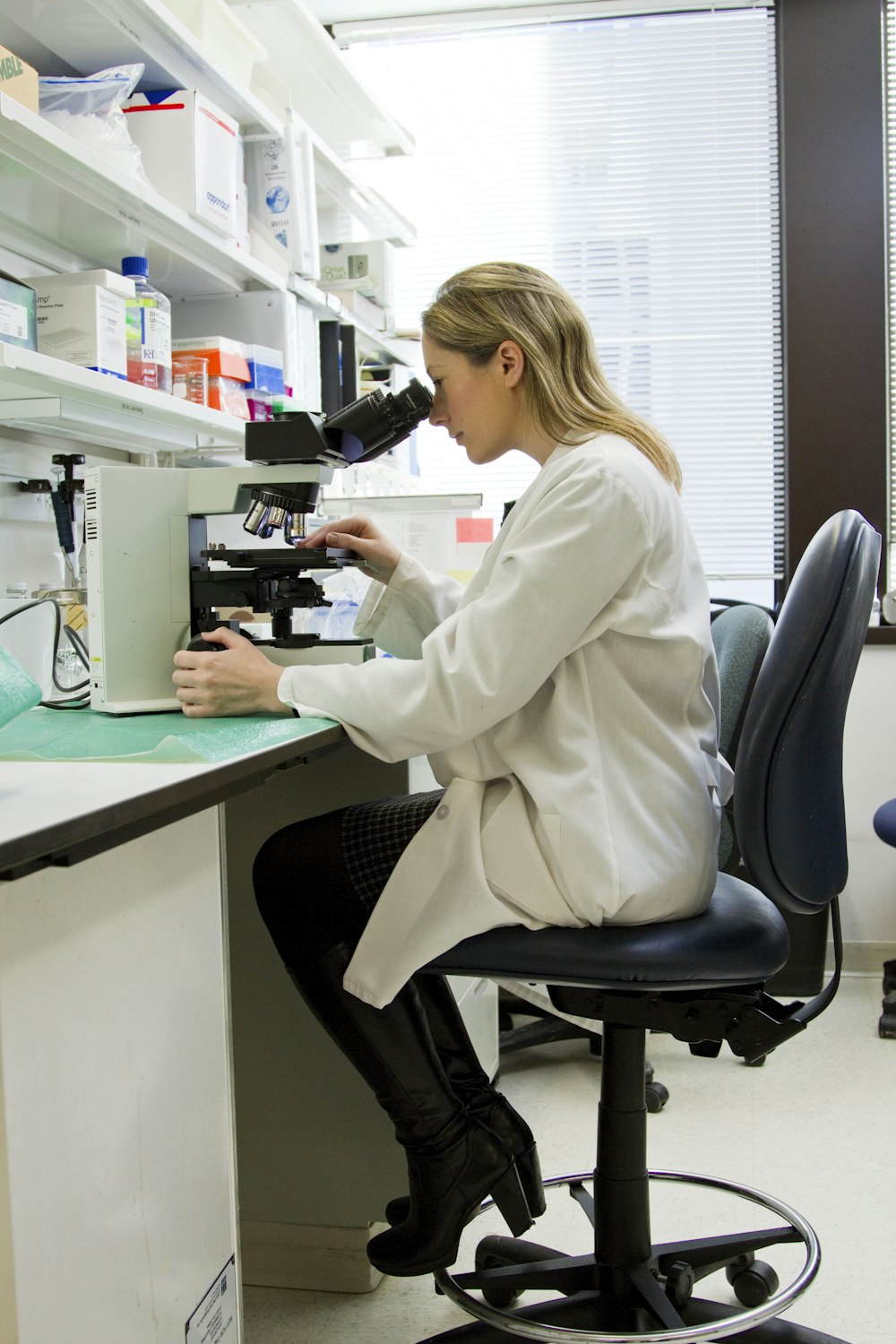
Laboratory testing is crucial for identifying antibiotic resistance patterns
The Revealing Results: A Sobering Picture
The findings from this experiment paint a clear and concerning picture of the treatment landscape.
Antibiotic Resistance Landscape
| Antibiotic Class | Antibiotic Name | Resistance Rate (%) | Status |
|---|---|---|---|
| Penicillins | Piperacillin-Tazobactam | 45% | Moderate Resistance |
| Cephalosporins | Ceftazidime | 58% | High Resistance |
| Carbapenems | Imipenem | 52% | High Resistance |
| Carbapenems | Meropenem | 49% | Moderate Resistance |
| Monobactams | Aztreonam | 55% | High Resistance |
| Aminoglycosides | Amikacin | 23% | Mostly Sensitive |
| Aminoglycosides | Gentamicin | 41% | Moderate Resistance |
| Fluoroquinolones | Ciprofloxacin | 54% | High Resistance |
| Polymyxins | Colistin | 4% | Highly Sensitive |
Where Infections Were Found
Multi-Drug Resistance Threat
Analysis: The data reveals a stark hierarchy of effectiveness. Last-line drugs like Colistin remain highly effective, with a resistance rate of only 4%. Amikacin also performs relatively well. However, resistance to commonly used classes like cephalosporins (Ceftazidime), carbapenems (Imipenem, Meropenem), and fluoroquinolones (Ciprofloxacin) is alarmingly high, hovering around 50-60%. This means there's a coin-flip chance that these standard antibiotics will fail.
The Scientist's Toolkit: Weapons in the War on Bugs
To understand how this research is done, here's a look at the essential "reagent solutions" and tools used in the featured experiment.
MacConkey Agar
A special jelly-like growth medium that helps select for bacteria like Pseudomonas and inhibit others, making them easier to find.
Mueller-Hinton Agar
The standard, perfectly balanced growth medium used for antibiotic sensitivity testing to ensure fair and comparable results.
Antibiotic Impregnated Disks
Small paper disks containing a pre-measured dose of an antibiotic. These are the "bullets" used to test the bacteria's susceptibility.
Saline Solution (0.85%)
A sterile salt solution used to dilute bacterial colonies to a standard concentration, which is crucial for getting accurate, reproducible results.
Automated ID/AST System
(Optional but common) Advanced machines that can rapidly identify the bacteria and test its resistance against a panel of antibiotics simultaneously.

Advanced laboratory equipment helps identify antibiotic resistance patterns
Conclusion: A Call for Vigilance and Stewardship
The message from the lab is clear: Pseudomonas aeruginosa is a significant and resilient pathogen in Dhaka's healthcare setting, with high levels of resistance to many first- and second-line antibiotics.
Antibiotic Stewardship
The practice of using antibiotics responsibly to preserve their effectiveness for future generations.
The good news is that studies like this provide a powerful roadmap for clinicians. By knowing local resistance patterns, doctors can make smarter, more informed decisions, choosing effective drugs like Colistin or Amikacin from the start, rather than wasting precious time on drugs that are likely to fail.
This research is more than just a snapshot of a problem; it's a critical tool for Antibiotic Stewardship—the practice of using antibiotics responsibly to preserve their effectiveness. The fight against superbugs is an arms race, and through continuous surveillance, stringent hospital hygiene, and the prudent use of our remaining antibiotic arsenal, we can hope to stay one step ahead of this silent scourge.