Advanced Synthetic Biology Approaches for Prokaryotic Gene Cluster Engineering: From Discovery to Biomedical Applications
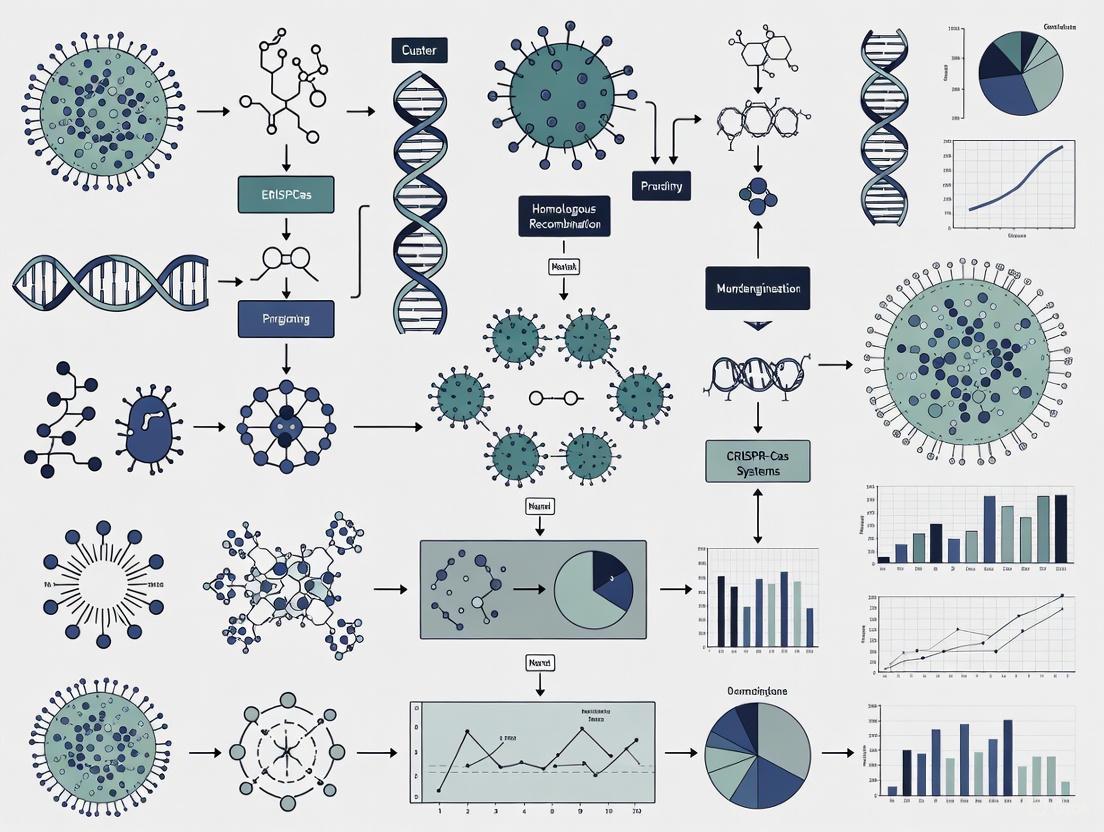
This article provides a comprehensive overview of contemporary synthetic biology strategies for engineering prokaryotic gene clusters, with a focus on addressing the critical need for novel bioactive compounds, particularly antibiotics.
Advanced Synthetic Biology Approaches for Prokaryotic Gene Cluster Engineering: From Discovery to Biomedical Applications
Abstract
This article provides a comprehensive overview of contemporary synthetic biology strategies for engineering prokaryotic gene clusters, with a focus on addressing the critical need for novel bioactive compounds, particularly antibiotics. It explores foundational concepts, from biosynthetic gene cluster (BGC) mining to the refactoring of silent clusters. The article details high-throughput methodological workflows, including the Design-Build-Test-Learn (DBTL) cycle employed in biofoundries and advanced gene editing tools like CRISPR. It further addresses common troubleshooting and optimization challenges, such as host-circuit interactions and metabolic burden, and examines validation frameworks and comparative analyses across diverse microbial chassis. Aimed at researchers, scientists, and drug development professionals, this review synthesizes cutting-edge developments that are revitalizing antibiotic discovery and the production of valuable natural products.
Unlocking Prokaryotic Potential: Foundations of Gene Cluster Discovery and Analysis
The Urgent Need for Novel Antibiotics and the Role of Synthetic Biology
The rising tide of antimicrobial resistance (AMR) represents one of the most severe threats to modern global healthcare. According to the World Health Organization (WHO), one in six laboratory-confirmed bacterial infections in 2023 were resistant to standard antibiotic treatments [1]. Between 2018 and 2023, antibiotic resistance increased in over 40% of the pathogen-antibiotic combinations monitored, with an average annual rise of 5–15% [1] [2]. This silent pandemic is already directly responsible for approximately 1.27 million deaths annually and contributes to nearly five million more [2].
The crisis is particularly acute for Gram-negative bacteria such as Escherichia coli and Klebsiella pneumoniae, which are leading causes of severe bloodstream infections [1]. Globally, over 40% of E. coli and more than 55% of K. pneumoniae isolates are resistant to third-generation cephalosporins, the first-line treatment for these infections [1]. In some regions, including parts of the African Region, resistance rates exceed 70% [1] [2]. This alarming trend underscores the critical need for innovative approaches to antibiotic discovery and development.
Table 1: Global Antibiotic Resistance Patterns for Key Pathogens
| Bacterial Pathogen | First-Line Antibiotic | Global Resistance Rate | Regional Resistance Hotspots |
|---|---|---|---|
| Escherichia coli | Third-generation cephalosporins | >40% | African Region (>70%) |
| Klebsiella pneumoniae | Third-generation cephalosporins | >55% | African Region (>70%) |
| Multiple Gram-negative species | Carbapenems | Increasing | Worldwide |
| Multiple Gram-negative species | Fluoroquinolones | Increasing | Worldwide |
Synthetic Biology Approaches for Antibiotic Discovery
Biosynthetic Gene Cluster Refactoring and Heterologous Expression
Microbial natural products have served as a primary source of antibiotics, with the majority originating from soil-dwelling bacteria of the order Actinomycetales [3]. Genomic sequencing has revealed that these organisms contain far more biosynthetic gene clusters (BGCs) than are expressed under standard laboratory conditions [4]. It is estimated that approximately 90% of native BGCs are transcriptionally silent or "cryptic" under conventional cultivation conditions [4] [5]. Synthetic biology approaches enable activation of these silent BGCs through refactoring and heterologous expression.
BGC refactoring involves replacing native regulatory elements with well-characterized constitutive or inducible promoters to disrupt native transcriptional regulation [4]. This strategy allows researchers to bypass the complex regulatory networks that normally suppress expression. A key advancement in this field is the development of orthogonal transcriptional regulatory modules that function across diverse bacterial hosts [4]. For instance, Ji et al. developed a system in Streptomyces albus J1074 where both promoter and ribosomal binding site (RBS) regions were completely randomized, creating highly orthogonal regulatory cassettes [4]. When applied to refactor the silent actinorhodin BGC, this approach successfully activated production in a heterologous host [4].
Table 2: BGC Refactoring Tools and Applications
| Refactoring Tool/Method | Mechanism | Application Example |
|---|---|---|
| mCRISTAR/miCRISTAR | Multiplexed CRISPR-based Transformation-Assisted Recombination for promoter replacement | Simultaneous replacement of up to eight native promoters with synthetic counterparts [4] |
| Completely Randomized Regulatory Cassettes | Randomization of both promoter and RBS regions while partially fixing -10/-35 regions and Shine-Dalgarno sequence | Activation of silent actinorhodin BGC in Streptomyces albus J1074 [4] |
| Metagenomically-Mined Promoters | Mining diverse microbial genomes for natural 5' regulatory elements with broad host range | Identification of promoters functional across Actinobacteria, Proteobacteria, and other phylogenetic groups [4] |
| iFFL-Stabilized Promoters | TALE-based incoherent feedforward loop for constant expression regardless of copy number | Stable expression of BGCs when transferred from plasmids to chromosomal integration sites [4] |
Engineering Biosynthetic Pathways
Synthetic biology enables rational engineering of antibiotic biosynthetic pathways to generate novel analogs with improved properties. The modular architecture of polyketide synthases (PKS) and non-ribosomal peptide synthetases (NRPS) makes them particularly amenable to engineering [3]. These mega-enzymes assemble complex natural products in an assembly-line fashion, with each module responsible for incorporating and modifying specific building blocks.
The erythromycin PKS represents a paradigmatic example of this approach. The three mega-enzymes (DEBS-1, DEBS-2, and DEBS-3) that synthesize the erythromycin precursor 6-deoxyerythronolide B (6-DEB) contain 7 modules and 28 enzymatic domains [3]. Researchers have successfully engineered this system by swapping loading modules to alter starter units, exchanging acyltransferase domains to incorporate non-native extender units, and modifying tailoring enzymes to create novel glycosylation patterns [3]. In a landmark study, Menzella et al. demonstrated the combinatorial assembly of synthetic PKS building blocks to generate "unnatural" natural products [3].
Artificial Intelligence-Driven Antibiotic Discovery
Deep Learning for Novel Compound Design
Artificial intelligence has emerged as a transformative tool for antibiotic discovery, enabling the exploration of chemical spaces orders of magnitude larger than previously possible. The Collins laboratory at MIT pioneered this approach using directed-message passing neural networks (D-MPNN) to predict antibacterial activity from chemical structures [6]. Their models led to the discovery of halicin, a structurally unique compound with broad-spectrum activity against multidrug-resistant pathogens, including Pseudomonas aeruginosa and Acinetobacter baumannii [6].
More recently, MIT researchers have employed generative AI to design novel antibiotics against drug-resistant Neisseria gonorrhoeae and methicillin-resistant Staphylococcus aureus (MRSA) [7]. Using two different generative algorithms – chemically reasonable mutations (CReM) and fragment-based variational autoencoder (F-VAE) – the team generated over 36 million theoretical compounds computationally screened for antimicrobial properties [7]. From these, they identified promising candidates (NG1 for gonorrhea and DN1 for MRSA) that are structurally distinct from existing antibiotics and appear to work through novel mechanisms, primarily disrupting bacterial cell membranes [7].
Molecular De-Extinction and Paleoproteome Mining
An innovative approach termed "molecular de-extinction" leverages deep learning to mine the proteomes of extinct organisms for novel antimicrobial peptides [8]. Researchers developed the APEX (antibiotic peptide de-extinction) platform, which uses ensembles of deep-learning models consisting of peptide-sequence encoders coupled with neural networks to predict antimicrobial activity [8]. This system analyzed 10,311,899 peptides from extinct organisms and identified 37,176 sequences with predicted broad-spectrum activity, 11,035 of which were not found in extant organisms [8].
Experimental validation confirmed the activity of 69 synthesized peptides, with lead compounds including mammuthusin-2 (from the woolly mammoth), elephasin-2 (from the straight-tusked elephant), and hydrodamin-1 (from the ancient sea cow) showing efficacy in mouse models of skin abscess and thigh infections [8]. Most of these peptides killed bacteria by depolarizing the cytoplasmic membrane, a mechanism distinct from most known antimicrobial peptides that target outer membranes [8].
Experimental Protocols
Protocol: BGC Refactoring and Heterologous Expression
Objective: Activate and express a silent biosynthetic gene cluster in a heterologous host.
Materials:
- Bacterial strains harboring target BGC
- Heterologous expression host (e.g., Streptomyces albus J1074, Myxococcus xanthus DK1622)
- Synthetic promoter libraries
- CRISPR-TAR assembly components
Procedure:
BGC Identification and Analysis
- Identify target BGC using antiSMASH or PRISM software [4]
- Analyze cluster architecture and predicted regulatory elements
BGC Refactoring
Heterologous Expression
- Introduce refactored BGC into optimized heterologous host via conjugation or transformation
- Culture under appropriate conditions for antibiotic production
- Monitor expression using HPLC-MS or bioactivity assays
Compound Characterization
- Isolate and purify compounds from culture extracts
- Determine structure using NMR and mass spectrometry
- Evaluate antimicrobial activity against target pathogens
Protocol: AI-Guided Antibiotic Discovery
Objective: Identify novel antibiotic candidates using deep learning models.
Materials:
- Curated datasets of antimicrobial compounds and their activities
- Computational resources for deep learning (GPU clusters)
- Chemical libraries for virtual screening
- Bacterial strains for validation
Procedure:
Model Training
- Collect and curate training data from public databases (e.g., DBAASP) and in-house sources [8]
- Preprocess chemical structures (SMILES strings or graph representations)
- Train ensemble deep learning models (e.g., D-MPNN) using multitask learning architecture [8]
- Validate model performance using cross-validation and independent test sets
Virtual Screening
Experimental Validation
The Scientist's Toolkit: Essential Research Reagents
Table 3: Key Research Reagents for Synthetic Biology-Driven Antibiotic Discovery
| Reagent/Tool | Function | Example/Source |
|---|---|---|
| Synthetic Promoter Libraries | Replace native regulatory elements to activate silent BGCs | Randomized regulatory cassettes for Streptomyces albus [4] |
| CRISPR-TAR Systems | Multiplexed genome editing for BGC refactoring | mCRISTAR, miCRISTAR, mpCRISTAR platforms [4] |
| Heterologous Expression Hosts | Provide optimized genetic background for BGC expression | Streptomyces albus J1074, Myxococcus xanthus DK1622 [4] |
| Deep Learning Models | Predict antibacterial activity and design novel compounds | D-MPNN, graph convolutional networks, ensemble APEX [6] [8] |
| Chemical Fragment Libraries | Provide building blocks for generative AI design | Enamine REAL space, 45+ million fragment combinations [7] |
| BGC Databases | In silico identification and analysis of biosynthetic pathways | MIBiG, IMG-ABC, antiSMASH [4] |
| DACN(Tos,Suc-NHS) | DACN(Tos,Suc-NHS), CAS:2411082-26-1, MF:C22H25N3O7S, MW:475.5 g/mol | Chemical Reagent |
| Dabigatran etexilate | Dabigatran Etexilate | Dabigatran etexilate is an oral prodrug and direct thrombin inhibitor for research. This product is For Research Use Only (RUO) and not for human consumption. |
Synthetic biology provides a powerful suite of technologies for addressing the escalating crisis of antimicrobial resistance. By enabling the activation of silent biosynthetic gene clusters, engineering of novel antibiotic analogs, and leveraging artificial intelligence for compound design, these approaches are expanding the accessible chemical space for antibiotic discovery. As resistance continues to outpace conventional drug development, the integration of these innovative methodologies offers renewed hope in the ongoing battle against multidrug-resistant pathogens. The urgent need for novel antibiotics demands continued investment in and application of these synthetic biology platforms to ensure a robust pipeline of effective treatments for bacterial infections.
Microbial genomes harbor a vast, largely untapped reservoir of biosynthetic potential encoded within Biosynthetic Gene Clusters (BGCs). These clustered sets of genes function as coordinated genetic units responsible for producing specialized metabolites with diverse biological activities, including antibiotics, anticancer agents, immunosuppressants, and siderophores [9] [10]. The ecological and pharmaceutical significance of these compounds cannot be overstated—they mediate critical microbial interactions, serve as virulence factors, and form the foundation of numerous therapeutic agents [11] [10].
Advances in genome sequencing have revealed a startling disparity between the number of predicted BGCs and characterized natural products. Typical microbial genomes contain numerous cryptic or silent BGCs that are not expressed under standard laboratory conditions [12]. For instance, well-studied Streptomyces avermitilis strains contain 40 predicted BGCs, with 23 remaining cryptic, while the filamentous fungus Aspergillus nidulans harbors 56 putative pathways [12]. This hidden biosynthetic potential represents a frontier for novel compound discovery, particularly through synthetic biology approaches that enable activation, optimization, and transfer of these gene clusters across organisms.
BGC Diversity and Evolutionary Dynamics
Distribution and Classification of BGCs
BGCs demonstrate remarkable structural and functional diversity across microbial taxa. Major BGC classes include:
- Non-Ribosomal Peptide Synthetases (NRPS): Large, modular enzymes that function as assembly lines to synthesize diverse peptide natural products, many with medicinal properties [11]
- Polyketide Synthases (PKS): Generate complex polyketide compounds through sequential condensation of carboxylic acid precursors
- Ribosomally synthesized and Post-translationally Modified Peptides (RiPPs): Derived from ribosomal peptides that undergo extensive enzymatic modifications
- NRPS-Independent Siderophores (NIS): Biosynthesize iron-chelating siderophores through alternative enzymatic pathways not involving NRPS machinery [11]
Comparative genomic analyses reveal striking patterns in BGC distribution across bacterial taxa. A comprehensive study of 45 Xenorhabdus and Photorhabdus (XP) strains identified 1,000 BGCs belonging to 176 families, with NRPS clusters being most abundant (59% of total BGCs) [13]. In marine bacterial genomes, researchers identified 29 distinct BGC types, with NRPS, betalactone, and NI-siderophores being predominant [11]. Notably, pathogenic species exhibit distinctive BGC signatures; Pseudomonas aeruginosa clinical isolates predominantly harbor NRPS-type BGCs, Klebsiella pneumoniae strains frequently contain RiPP-like BGCs, while Acinetobacter baumannii isolates commonly feature siderophore BGCs [10].
Table 1: BGC Distribution Across Bacterial Taxa
| Bacterial Group | Predominant BGC Types | Average BGCs per Genome | Notable Features |
|---|---|---|---|
| Xenorhabdus & Photorhabdus (XP) | NRPS (59%), PKS/NRPS hybrids | 22 | Two- to tenfold higher than other Enterobacteria |
| Marine Bacteria | NRPS, betalactone, NI-siderophore | Varies by species | 29 BGC types identified across 199 strains |
| ESKAPE Pathogens | Species-specific signatures | Varies by species | P. aeruginosa (NRPS), K. pneumoniae (RiPP-like), A. baumannii (siderophore) |
Evolutionary Mechanisms and Sub-Cluster Modularity
BGCs evolve through dynamic processes including horizontal gene transfer, gene duplication, deletion, and rearrangement [14]. Quantitative analyses demonstrate that BGCs experience significantly higher rates of these evolutionary events compared to primary metabolic genes [14]. This rapid evolution facilitates chemical innovation and adaptation to ecological niches.
A fundamental principle in BGC evolution is their modular organization into sub-clusters—co-evolving gene groups that encode specific chemical moieties or functional units [14]. These sub-clusters act as evolutionary building blocks that can be shared, transferred, and recombined between otherwise unrelated BGCs. For example, analysis of 35 BGCs with known connections to specific chemical moieties revealed that >60% of the coding capacity of some BGCs (e.g., those encoding vancomycin and rubradirin) is composed of individually conserved sub-clusters [14]. This "bricks and mortar" model of BGC evolution, where modular "bricks" (sub-clusters) encode key building blocks while individual "mortar" genes provide tailoring, regulation, and transport functions, enables nature to efficiently generate chemical diversity through combinatorial assembly.
This evolutionary modularity provides valuable insights for synthetic biology approaches to BGC engineering. Sub-clusters with known functions represent natural, pre-optimized units that can be harnessed for pathway engineering, potentially offering more predictable outcomes compared to individual part-based strategies [14].
Computational Identification and Analysis of BGCs
Bioinformatics Tools for BGC Prediction
The exponential growth of genomic data has driven development of sophisticated computational tools for BGC identification and analysis. antiSMASH (Antibiotics & Secondary Metabolite Analysis SHell) represents the gold standard for broad-spectrum BGC detection, utilizing profile hidden Markov models (pHMMs) and expert-defined rules to identify known BGC classes across bacterial and fungal genomes [11] [15] [16]. The recently released antiSMASH 7.0 incorporates improved detection algorithms, chemical structure prediction, and enhanced visualization capabilities [11].
While antiSMASH excels at identifying known BGC types, its reliance on predefined rules can limit detection of novel or highly divergent clusters [15] [16]. This limitation has prompted development of machine learning-based approaches that can identify BGCs based on higher-order sequence patterns rather than strict similarity thresholds. DeepBGC employs bidirectional long short-term memory (Bi-LSTM) networks to model sequence context, improving generalization for novel BGC detection [15]. Similarly, RFBGCpred utilizes a random forest classifier with Word2Vec feature extraction to achieve 98.02% accuracy in classifying five major BGC classes (PKS, NRPS, RiPPs, terpenes, and PKS-NRPS hybrids) [15].
Table 2: Computational Tools for BGC Analysis
| Tool | Methodology | Strengths | Limitations |
|---|---|---|---|
| antiSMASH | pHMMs, rule-based detection | Comprehensive coverage (100+ BGC classes), gold standard | May miss atypical/divergent clusters |
| DeepBGC | Bi-LSTM deep learning | Detects novel BGCs beyond known families | Potential false positives on diverse genomes |
| RFBGCpred | Random Forest + Word2Vec | High accuracy (98.02%) for major classes | Focused on 5 major BGC classes |
| BiG-SCAPE | Sequence similarity networks | Groups BGCs into Gene Cluster Families (GCFs) | Requires pre-identified BGCs |
| PRISM | Rule-based + structural prediction | Predicts chemical structures of NRPs/PKs | Limited to specific BGC classes |
Protocol: Computational BGC Mining Workflow
Objective: Identify and characterize biosynthetic gene clusters from microbial genome sequences.
Input Requirements:
- Microbial genome sequence in FASTA or GenBank format
- 8GB RAM minimum, 16GB recommended for larger genomes
- Linux/macOS/Windows with Python 3.7+
Procedure:
Data Retrieval and Quality Control
- Obtain genome sequence from NCBI or other repositories
- Assess assembly quality using QUAST or similar tools
- For metagenome-assembled genomes (MAGs), estimate completeness with CheckM
BGC Identification with antiSMASH
- Install antiSMASH 7.0:
pip install antismash - Run analysis:
antismash --genefinding-tool prodigal -c 8 --clusterhmmer --asf --pfam2go --cc-mibig --cb-knownclusters --cb-subclusters input.gbk - Parameters: Enable KnownClusterBlast, ClusterBlast, SubClusterBlast, and Pfam domain annotation [11]
- Install antiSMASH 7.0:
BGC Classification with RFBGCpred (optional)
- For focused analysis of major BGC classes, run RFBGCpred:
python RFBGCpred.py -i input.fasta -o output_directory - Supports FASTA, GenBank, and CSV input formats [15]
- For focused analysis of major BGC classes, run RFBGCpred:
Comparative Analysis with BiG-SCAPE
- Prepare GenBank files of identified BGCs
- Run BiG-SCAPE:
python bigscape.py -c 8 --cutoffs 0.3 0.1 --clans-off -i input_dir -o output_dir - Interpret results at 10% and 30% similarity cutoffs to identify Gene Cluster Families (GCFs) [11]
Network Visualization with Cytoscape
- Import BiG-SCAPE network files into Cytoscape 3.10.3
- Annotate nodes with BGC class, taxonomic origin, and chemical products
- Identify conserved/core BGCs versus unique/singleton clusters [11]
Output Interpretation:
- Core BGCs: Identified across multiple strains/species, likely encoding essential functions
- Accessory BGCs: Present in subset of strains, potentially contributing to niche adaptation
- Singleton BGCs: Unique to individual strains, representing recent evolutionary acquisitions
Synthetic Biology Approaches for BGC Activation and Engineering
Heterologous Expression Strategies
Many BGCs remain silent under laboratory conditions due to complex regulatory constraints or lack of appropriate environmental triggers. Heterologous expression provides a powerful strategy to activate these cryptic pathways by transferring them into genetically tractable host organisms [17] [12]. Successful heterologous expression requires several key steps:
BGC Capture and Assembly
- Large BGCs (>50 kb) can be captured using Transformation-Associated Recombination (TAR) in Saccharomyces cerevisiae, which leverages the highly efficient homologous recombination system of yeast [17] [12]
- For refactored pathways, Modular Cloning (MoClo) systems based on Type IIs restriction enzymes enable seamless assembly of multiple DNA fragments in defined linear order [17]
Host Selection and Engineering
Regulatory Override
- Replace native promoters with well-characterized inducible or constitutive systems
- Express pathway-specific activators or delete repressors
- Implement synthetic ribosome binding sites (RBS) to optimize translation efficiency [12]
Protocol: BGC Refactoring and Heterologous Expression
Objective: Activate a cryptic BGC through refactoring and heterologous expression.
Materials:
- Bacterial strains: E. coli GB05-dir, Bacillus subtilis 1A976, Streptomyces coelicolor M1152/M1154
- Vectors: pCAP01 (capture vector), pCRISPomyces-2 (CRISPR/Cas9), pIJ10257 (conjugative transfer)
- Enzymes: Gibson Assembly master mix, restriction enzymes (BsaI, BsmBI), Phusion polymerase
- Growth media: R5, R5A, SFM, LB for Streptomyces; LB, 2xYT for E. coli
Procedure:
BGC Capture and Assembly
- For TAR cloning: Design 60-bp homology arms flanking target BGC, amplify using PCR
- Co-transform with linearized TAR vector into yeast spheroplasts for in vivo assembly [17]
- For MoClo assembly: Digest vector and inserts with Type IIs enzymes (BsaI), ligate in single reaction [17]
- Validate assembly by PCR and restriction digest
Pathway Refactoring
- Identify all coding sequences within BGC using antiSMASH annotation
- Replace native promoters with synthetic counterparts (e.g., PermE, kasOp, SP44)
- Optimize RBS sequences using computational tools (RBS Calculator)
- Assemble refactored pathway using Golden Gate or Gibson Assembly [12]
Conjugative Transfer to Heterologous Host
- For Streptomyces hosts: Introduce vector into methylation-deficient E. coli ET12567/pUZ8002
- Prepare spores or mycelium of Streptomyces recipient, wash with 2xYT
- Mix donor and recipient cells, plate on SFM agar, incubate at 30°C
- After conjugation, overlay with appropriate antibiotics and selection agents [12]
Screening and Metabolite Analysis
- Culture recombinant strains in production media (e.g., R5A, SFM)
- Extract metabolites with ethyl acetate or butanol
- Analyze extracts using LC-MS/MS with positive and negative ionization
- Compare metabolic profiles to control strains using computational tools (GNPS, SIRIUS) [13]
Troubleshooting:
- No metabolite production: Check promoter compatibility, codon usage, precursor availability
- Low titers: Optimize cultivation conditions, media composition, feeding strategies
- Unstable constructs: Implement integrative vectors or chromosomal insertion
The Scientist's Toolkit: Essential Research Reagents and Solutions
Table 3: Essential Research Reagents for BGC Studies
| Reagent Category | Specific Examples | Application Purpose | Key Considerations |
|---|---|---|---|
| BGC Identification Tools | antiSMASH 7.0, DeepBGC, PRISM | Computational BGC prediction | antiSMASH: broad detection; ML tools: novel BGC discovery |
| DNA Assembly Systems | Gibson Assembly, MoClo, Yeast TAR | Pathway construction & refactoring | TAR: large fragments (>100 kb); MoClo: modular assembly |
| Specialized Vectors | pCAP01, pCRISPomyces-2, pIJ10257 | BGC capture, editing, transfer | Host-specific replicons, conjugation functions |
| Heterologous Hosts | S. coelicolor M1152, P. putida KT2440, B. subtilis 1A976 | Cryptic BGC expression | M1152: minimized background metabolism |
| Culture Media | R5, R5A, SFM, ISP2 | Secondary metabolite production | Media composition dramatically affects BGC expression |
| Analytical Platforms | LC-MS/MS, GNPS, SIRIUS | Metabolite detection & characterization | MS/MS essential for structural elucidation of novel compounds |
| Mca-SEVNLDAEFK(Dnp) | Mca-SEVNLDAEFK(Dnp)-NH2 Fluorescent Substrate | Mca-SEVNLDAEFK(Dnp)-NH2 is a fluorescent peptide substrate for research use only (RUO). Not for human consumption. | Bench Chemicals |
| DNA polymerase-IN-3 | DNA polymerase-IN-3, CAS:381689-75-4, MF:C13H12O4, MW:232.23 g/mol | Chemical Reagent | Bench Chemicals |
The systematic exploration of biosynthetic gene clusters represents a paradigm shift in natural product discovery. By integrating computational prediction with synthetic biology approaches, researchers can now access the vast "hidden" metabolome encoded within microbial genomes. The modular nature of BGC evolution provides a blueprint for engineering strategies that mimic natural evolutionary processes, while advanced DNA assembly and host engineering techniques enable realization of this potential in practical applications.
Future directions in BGC research will likely focus on several key areas: (1) development of more sophisticated machine learning algorithms capable of predicting chemical structures from sequence data alone; (2) expansion of heterologous host platforms to accommodate increasingly complex BGCs from diverse microbial lineages; and (3) integration of metabolic modeling and flux analysis to optimize production of valuable compounds. As these technologies mature, the systematic mining and engineering of BGCs will continue to drive innovation in drug discovery, agricultural science, and industrial biotechnology, unlocking the immense treasure trove of microbial natural products for applications that benefit human health and society.
In the field of synthetic biology and prokaryotic gene cluster engineering, the discovery and characterization of biosynthetic gene clusters (BGCs) represents a crucial first step in accessing nature's chemical diversity for drug development. Computational mining tools have become indispensable for researchers aiming to rapidly identify and prioritize potential natural product producers from genomic data. Among these, antiSMASH (antibiotics & Secondary Metabolite Analysis Shell) and PRISM (PRediction Informatics for Secondary Metabolomes) have emerged as cornerstone technologies that enable genome-driven discovery of bioactive compounds [18] [19]. These tools have transformed natural product discovery from a traditionally activity-guided process to a targeted, sequence-based approach, allowing researchers to navigate the vast landscape of microbial genomes with unprecedented precision.
The integration of these computational tools with synthetic biology frameworks has created powerful synergies for prokaryotic gene cluster engineering. By combining accurate in silico predictions with advanced genetic manipulation techniques, researchers can now accelerate the discovery and production of novel bioactive molecules, including antibiotics, anticancer agents, and immunosuppressants [20] [21]. This article provides detailed application notes and experimental protocols for leveraging antiSMASH and PRISM within synthetic biology workflows, with a specific focus on prokaryotic systems.
antiSMASH and PRISM represent complementary approaches to BGC analysis, each with distinct strengths and specialized capabilities. Understanding their core functionalities and differences is essential for selecting the appropriate tool for specific research objectives.
antiSMASH operates primarily as a detection and annotation platform that identifies genomic regions encoding secondary metabolite biosynthesis. Since its initial release in 2011, antiSMASH has evolved into the most widely used tool for BGC detection in both bacterial and fungal genomes [18]. The recently released version 8.0 has expanded its detection capabilities to 101 different BGC types, incorporating improvements in terpenoid analysis, tailoring enzyme annotation, and modular polyketide synthase (PKS) and nonribosomal peptide synthetase (NRPS) analysis [18]. antiSMASH functions by using manually curated rules that define what biosynthetic functions must exist in a genomic region to be classified as a BGC. These identifications are made using profile hidden Markov models (pHMMs) and dynamic profiles sourced from public datasets and antiSMASH-specific resources [18].
In contrast, PRISM 4 specializes in chemical structure prediction and biological activity assessment of the metabolites encoded by identified BGCs. Rather than simply detecting cluster boundaries, PRISM connects biosynthetic genes to the enzymatic reactions they catalyze, enabling in silico reconstruction of complete biosynthetic pathways and their final products [19]. This approach incorporates 1,772 hidden Markov models (HMMs) and implements 618 in silico tailoring reactions to predict chemical structures across 16 different classes of secondary metabolites [19]. A key advancement in PRISM 4 is its ability to predict the likely biological activity of encoded molecules using machine learning approaches, providing valuable prioritization criteria for experimental follow-up.
Table 1: Comparative Analysis of antiSMASH and PRISM Features
| Feature | antiSMASH | PRISM |
|---|---|---|
| Primary Function | BGC detection and annotation | Chemical structure prediction |
| BGC Types Detected | 101 cluster types in version 8.0 [18] | 16 classes of secondary metabolites [19] |
| Core Methodology | Profile HMMs and curated rules [18] | HMMs + enzymatic reaction rules [19] |
| Structure Prediction | Limited to specific domains (e.g., NRPS, PKS) | Comprehensive for all supported classes |
| Activity Prediction | Not available | Machine learning-based activity prediction |
| Output Similarity Comparison | KnownClusterBlast, ClusterCompare [18] | Tanimoto coefficient to known compounds [19] |
| Tailoring Enzyme Analysis | Dedicated tailoring tab with MITE database links [18] | 618 in silico tailoring reactions [19] |
Table 2: Performance Metrics for antiSMASH and PRISM
| Metric | antiSMASH | PRISM |
|---|---|---|
| Detection Rate | 96% of reference BGCs (1230/1281) [19] | 96% of reference BGCs (1230/1281) [19] |
| Structure Prediction Rate | 61% of detected BGCs (753/1230) [19] | 94% of detected BGCs (1157/1230) [19] |
| Prediction Accuracy | Lower Tc similarity to true products [19] | Significantly higher Tc similarity to true products [19] |
| Chemical Diversity | Lower molecular complexity metrics [19] | Higher molecular weight, complexity, and NP-likeness [19] |
The complementary nature of these tools is evident in their applications. While antiSMASH excels at comprehensive BGC identification and boundary definition, PRISM provides more accurate and chemically detailed structure predictions. Performance evaluations demonstrate that PRISM 4 generates predicted structures with significantly greater similarity to true cluster products (as measured by Tanimoto coefficients) and produces molecules with higher natural product-like characteristics compared to antiSMASH and other tools [19].
Application Notes for antiSMASH
BGC Detection and Annotation Protocol
Principle: antiSMASH identifies BGCs in genomic data using curated rules based on the presence of specific biosynthetic functions detected via profile HMMs [18].
Procedure:
- Input Preparation: Prepare genomic data in FASTA or GenBank format. For novel isolates, ensure proper genome assembly and annotation using tools like RAST or Prokka.
- Analysis Execution:
- Access the antiSMASH web server at https://antismash.secondarymetabolites.org/ or install the standalone version for large-scale analyses.
- Upload the genome file or provide accession numbers for public genomes.
- Select appropriate analysis parameters based on target BGC types (default settings are suitable for most applications).
- Output Interpretation:
- Review the identified BGC regions with color-coded annotations.
- Examine the "Tailoring" tab for detailed information on post-assembly modification enzymes organized by Enzyme Commission categories [18].
- Utilize KnownClusterBlast results to assess similarity to characterized BGCs in the MIBiG database.
- Experimental Validation:
- For Streptomyces strains, implement genetic manipulation systems including conjugal transfer from E. coli ET12567/pUZ8002 to Streptomyces spores [22].
- Perform gene knockouts or promoter engineering to activate cryptic BGCs.
- Analyze metabolic profiles using LC-MS/MS after fermentation under appropriate conditions.
Technical Notes:
- antiSMASH version 8.0 includes improved handling of BGCs spanning the origin of replication in circular genomes [18].
- The new "EXTENDS" condition in cluster rules ensures proper detection of all core genes, even when spatially separated [18].
- For terpene BGCs, the updated analysis module provides predictions of terpenoid class, chain length, and potential cyclization patterns [18].
NRPS/PKS Analysis Protocol
Principle: antiSMASH provides detailed analysis of modular enzymes including domain composition, substrate specificity predictions, and identification of inactive domains [18].
Procedure:
- Domain Analysis: Identify core biosynthetic domains (e.g., ketosynthase [KS], acyltransferase [AT], acyl carrier protein [ACP] for PKS; condensation [C], adenylation [A], thiolation [T] for NRPS).
- Substrate Prediction: Review adenylation domain substrate specificity predictions for NRPS clusters.
- Validation Checks: Examine active sites of condensation and epimerization domains for catalytic residues; missing residues are flagged as potentially inactive [18].
- Module Organization: Confirm the colinearity between module organization and predicted biochemical steps.
Technical Notes:
- antiSMASH now includes detection of siderophore-associated β-hydroxylases, interface domains, and α/β-hydrolases [18].
- CoA-ligase (CAL) domains are now recognized as potential starting modules in lipopeptide BGCs [18].
- For additional substrate specificity analysis, use the external PARAS predictor linked from antiSMASH results [18].
Application Notes for PRISM
Chemical Structure Prediction Protocol
Principle: PRISM predicts complete chemical structures by connecting biosynthetic genes to enzymatic reactions, considering all possible sites for tailoring modifications [19].
Procedure:
- Input Preparation: Provide genome sequence in FASTA format or BGC regions extracted from antiSMASH analysis.
- Analysis Execution:
- Access the PRISM web application at http://prism.adapsyn.com or use the command-line version for high-throughput analyses.
- Submit genomic data with default parameters for comprehensive analysis.
- Output Interpretation:
- Review predicted chemical structures with attention to combinatorial alternatives.
- Assess Tanimoto coefficients to known natural products for novelty evaluation.
- Examine functional group content and complexity metrics (e.g., Bertz topological index).
- Experimental Validation:
- Correlate predicted structures with LC-MS/MS data from fermentation extracts.
- Use molecular networking approaches (e.g., GNPS) to identify related compounds.
- Isructure-guided isolation of predicted compounds using HPLC and NMR characterization.
Technical Notes:
- PRISM considers all possible sites for tailoring reactions (e.g., halogenation, glycosylation) when generating combinatorial structural predictions [19].
- The maximum Tanimoto coefficient between predicted and true structures is typically higher than the median, reflecting structural uncertainty at specific modification sites [19].
- PRISM predictions show greater structural complexity and natural product-likeness compared to other tools, making them valuable for novelty assessment [19].
Bioactivity Prediction Protocol
Principle: PRISM employs machine learning models trained on chemical structures with known activities to predict likely biological targets of genomically encoded molecules [19].
Procedure:
- Structure Collection: Generate structural predictions for BGCs of interest using PRISM.
- Activity Scoring: Review predicted activity scores against various target classes (e.g., antibacterial, anticancer).
- Priority Ranking: Rank BGCs based on predicted activity profiles and novelty metrics.
- Experimental Validation:
- Test fermentation extracts against target pathogen panels.
- Perform dose-response assays for promising hits.
- Use mode-of-action studies for compounds with predicted specific targets.
Integrated Synthetic Biology Workflow
The true power of computational mining emerges when these tools are integrated with synthetic biology approaches for BGC activation and engineering. The following workflow represents a comprehensive pipeline for genome-driven natural product discovery:
BGC Cloning and Refactoring Protocol
Principle: Silent or poorly expressed BGCs identified through computational mining can be activated via cloning and refactoring in heterologous hosts [21].
Procedure:
- BGC Selection: Identify target BGCs through antiSMASH and PRISM analysis based on novelty, predicted activity, and genetic tractability.
- Vector Design: Design assembly vectors with appropriate antibiotic resistance markers and replication origins for the target host.
- Golden Gate Assembly:
- Domesticate BGC fragments by removing internal restriction sites (BsaI, PaqCI) through silent mutagenesis [21].
- Perform hierarchical assembly: first assemble 2-3 fragments into intermediate vectors, then combine intermediate constructs into the final expression vector [21].
- Use a single Golden Gate reaction with BsaI-HFv2 and T4 ligase for primary assembly, followed by PaqCI and T4 ligase for final assembly [21].
- Heterologous Expression:
- Introduce assembled constructs into optimized heterologous hosts (e.g., Streptomyces coelicolor M1152) via intergeneric conjugation [21].
- Cultivate recombinant strains under various fermentation conditions to activate BGC expression.
- Monitor metabolite production using analytical methods (HPLC, LC-MS).
Technical Notes:
- Hierarchical Golden Gate Assembly achieves nearly 100% efficiency for constructs up to six fragments and significantly higher transformation efficiency compared to one-pot assembly [21].
- For the 23 kb actinorhodin BGC, this approach enabled construction of 23 mutant derivatives with 100% efficiency in a single experiment [21].
- Refactoring through promoter engineering and the use of synthetic interfaces (cognate docking domains, SpyTag/SpyCatcher) can enhance compatibility between heterologous modules [23].
Design-Build-Test-Learn (DBTL) Cycle Implementation
Principle: The DBTL framework enables iterative optimization of modular biosynthetic systems through computational design, assembly, testing, and machine learning [23].
Procedure:
- Design Phase: Deconstruct target natural product structures into biosynthetic units and identify compatible PKS/NRPS modules using predictive tools.
- Build Phase: Combinatorially assemble modular gene fragments using automated Golden Gate Assembly with standardized synthetic interfaces [23].
- Test Phase: Express engineered constructs in heterologous hosts and quantify metabolite production using analytical chemistry approaches.
- Learn Phase: Employ AI-assisted optimization (graph neural networks) to improve module compatibility and predict functional outcomes for subsequent cycles [23].
Technical Notes:
- Synthetic interfaces (cognate docking domains, synthetic coiled-coils, SpyTag/SpyCatcher, split inteins) function as orthogonal connectors to facilitate post-translational complex formation [23].
- The DBTL cycle enables systematic exploration of chemical space through module swapping and pathway derivatization [23].
- Integration of computational predictions with experimental validation creates a knowledge feedback loop for continuous improvement of predictive algorithms.
Research Reagent Solutions
Table 3: Essential Research Reagents for BGC Engineering
| Reagent/Category | Function/Application | Examples/Specifications |
|---|---|---|
| Assembly Systems | BGC cloning and refactoring | Golden Gate Assembly (BsaI, PaqCI); Gibson Assembly; TAR cloning [21] |
| Heterologous Hosts | BGC expression | Streptomyces coelicolor M1152 (BGC-free); E. coli expression strains [21] |
| Conjugal Transfer System | DNA delivery to actinomycetes | E. coli ET12567/pUZ8002 (methylation-deficient) [22] |
| Synthetic Interfaces | Module compatibility engineering | Cognate docking domains; SpyTag/SpyCatcher; synthetic coiled-coils; split inteins [23] |
| Analytical Tools | Metabolite characterization | LC-MS/MS; HPLC; GNPS molecular networking [21] [24] |
| Bioinformatics Databases | BGC comparison and annotation | MIBiG; BiG-FAM; antiSMASH database [18] |
The integration of computational mining tools like antiSMASH and PRISM with synthetic biology approaches has created a powerful paradigm for prokaryotic gene cluster engineering. antiSMASH provides comprehensive BGC detection and annotation capabilities, while PRISM enables accurate chemical structure prediction and bioactivity assessment. When combined with advanced genetic engineering techniques such as Golden Gate Assembly and heterologous expression, these tools form a complete workflow for genome-driven natural product discovery.
The future of this field lies in further tightening the DBTL cycle through improved predictive algorithms, standardized synthetic biology parts, and automated assembly platforms. As these technologies mature, they will dramatically accelerate the discovery and engineering of novel bioactive compounds, addressing the critical need for new therapeutics in an era of increasing antibiotic resistance and complex diseases.
The genomic sequencing of prokaryotes has revealed a vast reservoir of biosynthetic gene clusters (BGCs) with the potential to encode novel bioactive compounds. However, a significant majority of these BGCs are transcriptionally silent under standard laboratory conditions, presenting a major challenge for natural product discovery [25]. Synthetic biology provides a suite of rational engineering strategies to awaken these silent clusters, moving beyond traditional methods like culture condition optimization. This document outlines standardized protocols and reagents for the activation and heterologous expression of prokaryotic BGCs, enabling researchers to systematically convert genomic potential into characterized compounds.
Key Genetic Toolkits and Applications
The transition from random mutagenesis to precision genome engineering has been driven by key technological advances. CRISPR/Cas systems have been particularly transformative, offering editing precision rates of 50–90%, a significant improvement over the 10–40% efficiency of earlier techniques [26]. The table below summarizes the primary genetic tools used for this purpose.
Table 1: Key Genetic Tools for BGC Activation
| Tool Category | Description | Key Application in BGC Activation | Considerations |
|---|---|---|---|
| CRISPR/Cas Systems | RNA-guided nucleases enabling precise genome editing. | Targeted gene knock-ins, knock-outs, and point mutations within silent BGCs; transcriptional activation (CRISPRa) [26]. | High efficiency (50-90%); requires careful gRNA design to minimize off-target effects. |
| Synthetic Transcription Factors (STFs) | Engineered proteins designed to bind and activate specific promoter sequences. | Targeted upregulation of cluster-specific pathway regulators or core biosynthetic genes [25]. | Bypasses the need for understanding native regulatory circuits; highly modular. |
| Promoter Engineering | Replacement of native promoters with strong, inducible alternatives. | Direct activation of BGC genes, decoupling expression from native regulation [25] [27]. | Common replacements include inducible (e.g., Ptet) or constitutive synthetic promoters. |
| Recombineering | Homologous recombination-based genetic engineering. | Markerless gene deletions, insertions, and replacements in a single step [26]. | Highly efficient in model strains; efficiency can vary in non-model organisms. |
| Pyr-Arg-Thr-Lys-Arg-AMC TFA | Pyr-Arg-Thr-Lys-Arg-AMC TFA, MF:C39H58F3N13O11, MW:942.0 g/mol | Chemical Reagent | Bench Chemicals |
| 1,5-Dibromo-3-ethyl-2-iodobenzene | 1,5-Dibromo-3-ethyl-2-iodobenzene, CAS:1160573-80-7, MF:C8H7Br2I, MW:389.85 g/mol | Chemical Reagent | Bench Chemicals |
Experimental Protocols
Protocol 1: Activation via Promoter Refactoring
This protocol describes the replacement of native promoters within a BGC with a synthetic, inducible promoter to achieve controlled expression.
BGC Analysis and Design:
- Identify all genes within the target BGC using bioinformatics tools (e.g., antiSMASH) [27].
- Design a refactored cluster where the native promoter of each essential gene (core biosynthetic enzymes, positive regulators) is replaced with a strong, orthogonal promoter (e.g., Ptet, Plac).
- Design homology arms (≥500 bp) flanking the insertion site for each promoter swap.
Vector Construction:
- Assemble the refactored BGC in a suitable E. coli-streptomyces shuttle vector using Gibson Assembly or Transformation-Associated Recombination (TAR) cloning [27].
- The final construct should contain the entire refactored BGC, the necessary inducible regulator gene (e.g., tetR for Ptet), and appropriate selection markers.
Transformation and Induction:
- Introduce the assembled vector into the host strain (native or heterologous) via conjugation or protoplast transformation.
- Select for positive clones on appropriate antibiotic media.
- For heterologous expression, select a chassis with minimal background metabolism (e.g., Streptomyces coelicolor M1152/M1146) [25].
- Induce expression by adding the relevant inducer (e.g., anhydrotetracycline for Ptet) during mid-log phase growth.
Metabolite Analysis:
- Extract metabolites from the culture supernatant and mycelial pellet with organic solvents (e.g., ethyl acetate).
- Analyze extracts using Liquid Chromatography-Mass Spectrometry (LC-MS) and compare chromatograms to non-induced controls to identify newly produced compounds.
Protocol 2: Heterologous Expression in a Cyanobacterial Chassis
Cyanobacteria are ideal hosts for expressing cyanobacterial BGCs due to their compatible transcriptional and translational machinery [27].
Host and Vector Selection:
- Select a genetically tractable cyanobacterial host (e.g., Anabaena sp. PCC 7120, Synechocystis sp. PCC 6803).
- Choose a suicide or shuttle vector compatible with the host's replication system.
BGC Assembly and Modification:
- Amplify the target BGC from genomic DNA. For large clusters (>20 kb), use TAR cloning in yeast [27].
- Optionally, refactor the cluster by replacing native promoters with strong, host-specific promoters (e.g., PpsbA1).
- Codon-optimize the BGC genes for the heterologous host if necessary.
Conjugation into Cyanobacterium:
- Use a tri-parental mating protocol with an E. coli donor strain carrying the BGC vector, an E. coli helper strain providing conjugation functions, and the recipient cyanobacterium.
- Concentrate cyanobacterial cells to a high density and mix with the E. coli strains on a solid filter.
- Incubate under light for 24-48 hours to allow conjugation.
- Resuspend the cells and plate onto selective medium. Incubate under continuous light.
Screening and Production:
- Screen exconjugants via PCR to confirm BGC integration.
- Inoculate positive clones into liquid medium and grow under standard photobioreactor conditions.
- Harvest cells and media, then extract and analyze metabolites as described in Protocol 1.
Table 2: Example Yields from Heterologously Expressed Cyanobacterial Natural Products
| Natural Product | NP Class | BGC Origin | Heterologous Host | Key Modifications | Maximum Yield |
|---|---|---|---|---|---|
| Lyngbyatoxin A | NRP | Moorena producens | Anabaena sp. PCC 7120 | Native BGC | 2307 ng mgâ»Â¹ DCW [27] |
| Shinorine | NRP | Fischerella sp. PCC 9339 | Synechocystis sp. PCC 6803 | Native and refactored BGC | 2.4 mg gâ»Â¹ DCW [27] |
| Hapalindoles | Alkaloid | F. ambigua UTEX 1903 | Synechococcus 2973 | Fully refactored BGC | 2.0 mg gâ»Â¹ DCW [27] |
| APK (Apratoxin) | PK | M. bouillonii | Anabaena sp. PCC 7120 | Promoter change | 9.7 mg Lâ»Â¹ [27] |
| Cryptomaldamide | PK-NRP | M. producens JHB | Anabaena sp. PCC 7120 | Native BGC | 15.3 mg gâ»Â¹ DCW [27] |
Visualizing the Activation Workflow
The following diagram illustrates the logical workflow and decision process for selecting the appropriate strategy to activate a silent BGC.
The Scientist's Toolkit: Essential Research Reagents
A successful activation project relies on a core set of biological reagents and computational tools.
Table 3: Essential Research Reagents and Tools
| Reagent / Tool Name | Category | Function / Application | Example/Note |
|---|---|---|---|
| antiSMASH | Bioinformatics | In silico identification and annotation of BGCs in genomic data [27]. | Primary tool for initial BGC discovery. |
| MIBiG | Database | Repository of known BGCs for comparative analysis [27]. | Useful for prioritizing novel BGCs. |
| TAR Cloning | Molecular Biology | Direct capture and assembly of large DNA fragments (>50 kb) in yeast [27]. | Essential for large BGCs. |
| Gibson Assembly | Molecular Biology | One-step, isothermal assembly of multiple DNA fragments [27]. | For constructing refactored clusters. |
| Broad-Host-Range Vectors | Vector | Shuttle vectors that replicate in diverse bacterial hosts (e.g., E. coli-Streptomyces). | pRMS, pKC1139-based vectors. |
| Inducible Promoters | Genetic Part | Engineered promoters for controlled gene expression (e.g., Tet-On, Lac). | Ptet, PtipA for streptomycetes. |
| CRISPR/Cas9 System | Genetic Tool | Plasmid-based system for targeted genome editing and transcriptional activation. | pCRISPR-Cas9 or derivatives. |
| Mca-Ala-Pro-Lys(Dnp)-OH | Mca-Ala-Pro-Lys(Dnp)-OH, MF:C32H36N6O12, MW:696.7 g/mol | Chemical Reagent | Bench Chemicals |
| Mca-SEVNLDAEFK(Dnp)-NH2 | BACE-1 Fluorogenic Substrate Mca-SEVNLDAEFK(Dnp)-NH2 | Mca-SEVNLDAEFK(Dnp)-NH2 is a fluorescent peptide substrate for measuring BACE-1 activity. For Research Use Only. Not for human use. | Bench Chemicals |
Building Cell Factories: Methodologies for Cluster Engineering and Heterologous Expression
Biofoundries represent a transformative shift in biotechnology, functioning as integrated facilities that automate the process of biological engineering. These centers leverage advanced robotics, synthetic biology, and computational tools to accelerate the Design-Build-Test-Learn (DBTL) cycle for developing engineered biological systems [28]. The core principle of a biofoundry is the systematic automation of this iterative cycle, which consists of: using computational tools to design genetic circuits or metabolic pathways (Design); constructing these designs using automated synthesis and assembly techniques (Build); evaluating the performance of the engineered systems through high-throughput screening (Test); and analyzing the data to refine designs and improve subsequent iterations (Learn) [28]. This integrated approach drastically reduces the time and cost associated with traditional biotechnological research, enabling rapid innovation in synthetic biology, metabolic engineering, and therapeutic development [28]. By automating complex biological workflows, biofoundries enhance reproducibility, scalability, and standardization, making ambitious biological engineering projects more feasible and efficient [28].
The Automated DBTL Cycle: A Detailed Workflow
The power of a biofoundry lies in the seamless integration and automation of the DBTL cycle. This creates a closed-loop system where data from each experiment directly informs and optimizes the next design iteration.
Design Phase
The Design phase transitions biological engineering from a manual art to a predictive science. This stage utilizes a suite of in silico tools for pathway design and component selection. For any given target compound, tools like RetroPath and Selenzyme enable automated metabolic pathway discovery and enzyme selection [29]. Following this, reusable DNA parts are designed with the simultaneous optimization of bespoke ribosome-binding sites (RBS) and enzyme coding regions using tools such as PartsGenie [29]. These genetic elements are then combined into large combinatorial libraries of pathway designs. To make these libraries experimentally tractable, statistical methods like Design of Experiments (DoE) are employed to select a smaller, representative set of constructs that efficiently explore the multidimensional design space [29]. This approach alleviates the need for prohibitively high-throughput construction and screening. Custom software then produces assembly recipes and robotics worklists, facilitating a smooth transition from digital design to physical construction [29].
Build Phase
The Build phase is where digital designs become physical DNA constructs. This stage begins with commercial DNA synthesis or the preparation of standardized genetic parts via PCR [29]. Automated platforms, such as liquid handling robots, then execute DNA assembly using robust, high-efficiency methods like ligase cycling reaction (LCR) [29]. The resulting plasmid constructs are transformed into a microbial chassis (e.g., E. coli). Quality control is critical and is performed via high-throughput automated plasmid purification, restriction digest analysis by capillary electrophoresis, and sequence verification [29]. The trend is moving towards increasingly universal and reproducible assembly pipelines, with AI-guided design now playing a key role in dynamically optimizing assembly protocols and diagnosing failures, which is key to closing the DBTL loop [30].
Test Phase
The Test phase involves high-throughput phenotypic characterization of the constructed microbial strains. Engineered constructs are introduced into selected production chassis and cultivated using automated 96-well deepwell plate growth and induction protocols [29]. The detection and quantification of the target product and key intermediates are then performed. This typically involves automated sample extraction followed by quantitative analysis using techniques like fast ultra-performance liquid chromatography coupled to tandem mass spectrometry (UPLC-MS/MS) [29]. The resulting raw data is processed and extracted using custom-developed, open-source scripts (e.g., in R or Python) to generate structured datasets on strain performance [31] [29]. This automated workflow allows for the rapid generation of high-quality, reproducible data essential for the next phase.
Learn Phase
The Learn phase is the cornerstone of the iterative cycle, where data is transformed into knowledge. Here, statistical methods and machine learning (ML) are applied to the performance data to identify the complex relationships between genetic design factors (e.g., promoter strength, gene order) and observed production titers [29]. For instance, statistical analysis can reveal that vector copy number or the promoter strength of a specific enzyme has the most significant impact on product yield [29]. The insights generated in this phase are used to rationally refine the initial design rules, defining the specifications for a new, improved set of constructs to be built and tested in the next DBTL cycle, thus continuously improving the system [32] [29].
The following diagram illustrates the flow of information and materials through this automated, iterative cycle.
Application Notes: Implementing an Automated DBTL Pipeline for Fine Chemical Production
To illustrate the practical application of an automated DBTL pipeline, we detail its implementation for the microbial production of the flavonoid (2S)-pinocembrin in E. coli [29]. This case study demonstrates how rapid DBTL cycling can achieve significant improvements in product titer.
Experimental Objectives and Workflow
The primary objective was to rapidly identify an optimal genetic configuration for the four-enzyme pathway converting L-phenylalanine to (2S)-pinocembrin. The automated DBTL pipeline was deployed as follows:
- First DBTL Cycle (Library Screening): A combinatorial library of 2,592 potential genetic configurations was designed, varying parameters such as vector copy number, promoter strength for each gene, and gene order. Using Design of Experiments (DoE), this was reduced to a tractable set of 16 representative constructs. All constructs were successfully assembled by the automated platform and screened for pinocembrin production [29].
- Second DBTL Cycle (Focused Optimization): Statistical analysis of the first cycle data identified key limiting factors. The second design round focused on a constrained region of the design space, incorporating these learnings—for instance, using a high-copy-number vector and fixing the most critical gene at the start of the operon [29].
The quantitative results from the two iterative cycles are summarized in the table below.
Table 1: Performance outcomes from iterative DBTL cycles for pinocembrin production in E. coli [29].
| DBTL Cycle | Key Design Changes | Number of Constructs Tested | Maximum Pinocembrin Titer (mg/L) | Fold Improvement |
|---|---|---|---|---|
| Cycle 1 | Wide exploration of copy number, promoter strength, and gene order. | 16 | 0.14 | Baseline |
| Cycle 2 | High-copy vector; optimized promoter strengths; fixed gene order based on statistical learning. | Not Specified | 88 | ~500 |
Protocol: High-Throughput Screening of Microbial Cultures for Metabolite Production
This protocol describes the automated Test phase for quantifying fine chemical production from engineered E. coli strains in a 96-well format [29].
- Equipment & Software: Liquid handling robot (e.g., Beckman Coulter Biomek); 96-deepwell plates; UPLC system coupled to a high-resolution mass spectrometer (e.g., Waters Acquity UPLC with Xevo G2-XS QToF); plate centrifuge; plate shaker/incubator; data processing scripts (e.g., in R).
- Reagents: Lysogeny Broth (LB) medium; appropriate antibiotics; induction agent (e.g., IPTG or arabinose); internal standard for quantification; extraction solvent (e.g., ethyl acetate or acetonitrile).
Procedure:
- Inoculation and Growth: Using a liquid handler, inoculate 1 mL of LB medium in a 96-deepwell plate with single colonies of engineered E. coli strains. Seal the plate with a breathable seal and incubate at 37°C with shaking (250 rpm) for a predetermined period (e.g., 16 hours) to grow starter cultures.
- Production Induction: Dilute the starter cultures into fresh, auto-induction medium to an OD600 of ~0.1. Re-seal the plates and incubate at the optimal production temperature (e.g., 30°C) for 24-48 hours with shaking.
- Sample Extraction: Centrifuge the plates at 4,000 x g for 10 minutes to pellet cells. Using the automated system, transfer a precise volume of supernatant (e.g., 800 µL) to a new deepwell plate. Add a known volume of extraction solvent containing an internal standard (e.g., 400 µL ethyl acetate). Seal the plate, vortex vigorously for 10 minutes, and centrifuge to separate phases.
- Analysis Setup: Automatically transfer a portion of the organic (upper) layer to a new plate for UPLC-MS/MS analysis.
- Metabolite Quantification: Analyze samples via UPLC-MS/MS. Use a calibrated standard curve for the target compound (e.g., pinocembrin) and the internal standard for absolute quantification. Data extraction and peak integration should be automated using custom R or Python scripts.
- Data Management: Save raw data, processed results, and sample metadata in a structured, searchable database (e.g., following FAIR principles) for the
Learnphase [31].
Essential Research Reagent Solutions for DBTL Automation
The successful operation of an automated biofoundry relies on a standardized toolkit of reliable reagents and molecular tools. The table below lists key solutions for prokaryotic gene cluster engineering.
Table 2: Key research reagents and tools for automated genetic engineering in a biofoundry.
| Reagent / Tool | Function in DBTL Cycle | Example Application |
|---|---|---|
| Standardized Genetic Parts (Plasmids, Promoters, RBS) | Design/Build | Modular DNA elements for predictable pathway assembly and expression tuning [29] [33]. |
| CRISPR-Cas Systems | Build | Precision genome editing for gene knock-outs, knock-ins, and regulatory control with high efficiency [26] [34]. |
| DNA Assembly Master Mixes (e.g., for LCR or Gibson Assembly) | Build | Automated, high-efficiency assembly of multiple DNA fragments into a single construct [29]. |
| Automated Growth Media & Induction Solutions | Test | High-throughput culturing of engineered bacterial strains under controlled conditions [29]. |
| UPLC-MS/MS with Autosamplers | Test | Automated, quantitative analysis of target metabolites and pathway intermediates from culture samples [29]. |
The biofoundry model, centered on the automated DBTL cycle, represents a paradigm shift in synthetic biology and prokaryotic engineering. By integrating robotics, advanced analytics, and machine learning, it transforms biological design from a slow, labor-intensive process into a rapid, data-driven engineering discipline. As these technologies continue to mature, with AI playing an increasingly central role in design and optimization, biofoundries are poised to dramatically accelerate the development of next-generation bacterial cell factories for sustainable chemistry, therapeutic discovery, and beyond [32] [30].
Clustered Regularly Interspaced Short Palindromic Repeats (CRISPR) and CRISPR-associated (Cas) proteins constitute an adaptive immune system in bacteria and archaea that has been repurposed as a revolutionary tool for precision genome engineering [35]. This RNA-guided system enables researchers to make targeted modifications to prokaryotic genomes with unprecedented ease and accuracy, facilitating advanced studies in synthetic biology and metabolic engineering. The fundamental mechanism involves a Cas nuclease complex that is programmed by a short guide RNA (gRNA) to recognize and cleave specific DNA sequences, creating double-strand breaks (DSBs) that are subsequently repaired by the cell's native repair machinery [36] [35]. Unlike previous protein-based editing tools such as zinc-finger nucleases (ZFNs) and transcription activator-like effector nucleases (TALENs), CRISPR systems rely on simpler RNA-DNA recognition, making them significantly more accessible and versatile for prokaryotic applications [35].
The classification of CRISPR systems into two broad categories—Class 1 (types I, III, and IV) which utilize multi-protein effector complexes, and Class 2 (types II, V, and VI) which employ single-protein effectors—has important implications for prokaryotic engineering [37]. Class 2 systems, particularly type II (Cas9) and type V (Cas12a/Cpf1), have been most widely adopted for routine genome editing due to their simplicity and efficiency [36]. However, emerging technologies such as CRISPR-associated transposase (CAST) systems from the Class 1 category offer new possibilities for large-scale DNA integration without inducing double-strand breaks, expanding the toolbox available for sophisticated prokaryotic genome manipulation [37].
CRISPR-Cas System Mechanisms and Key Components
Molecular Mechanism of CRISPR-Cas Systems
The CRISPR-Cas adaptive immune system operates through three distinct stages: adaptation, expression, and interference. During adaptation, Cas proteins capture fragments of invading foreign DNA and integrate them as new spacers into the CRISPR array within the host genome, creating a molecular memory of past infections [35]. In the expression stage, the CRISPR array is transcribed and processed into short CRISPR RNA (crRNA) molecules that guide the Cas machinery to complementary sequences. Finally, during interference, the Cas protein complex uses the crRNA to identify matching foreign DNA sequences and cleaves them, thereby providing immunity against future invasions [35].
The core components required for implementing CRISPR-Cas genome editing include the Cas nuclease and guide RNA (gRNA). The gRNA is a synthetic fusion of crRNA, which contains the target-specific spacer sequence, and trans-activating crRNA (tracrRNA), which serves as a scaffold for Cas protein binding [36]. This chimeric single-guide RNA (sgRNA) directs the Cas nuclease to a specific genomic locus through complementary base pairing, with target recognition requiring the presence of a short protospacer adjacent motif (PAM) sequence immediately downstream of the target site [35]. The PAM sequence varies depending on the specific Cas protein used, with Streptococcus pyogenes Cas9 (SpCas9) recognizing a 5'-NGG-3' PAM, while Cas12a (Cpf1) recognizes a 5'-TTN-3' PAM [38].
Table 1: Key CRISPR-Cas Systems for Prokaryotic Engineering
| System | Class | Effector | PAM | Cleavage Pattern | Primary Applications |
|---|---|---|---|---|---|
| Cas9 | Class 2, Type II | Single protein | 5'-NGG-3' (SpCas9) | Blunt ends | Gene knockout, gene regulation, base editing |
| Cas12a (Cpf1) | Class 2, Type V | Single protein | 5'-TTN-3' | Staggered ends (5' overhangs) | Gene insertion, multiplexed editing |
| Type I-F CAST | Class 1 | Multi-protein complex | Depends on guide RNA | No cleavage; RNA-guided transposition | Large DNA insertion (up to 15.4 kb) |
| Type V-K CAST | Class 1 | Single protein (Cas12k) | Depends on guide RNA | No cleavage; RNA-guided transposition | Large DNA insertion (up to 30 kb) |
CRISPR-Cas System Workflow
The following diagram illustrates the fundamental workflow for implementing CRISPR-Cas genome editing in prokaryotes, from sgRNA design through to verification of editing outcomes:
Research Reagent Solutions for Prokaryotic CRISPR Editing
Successful implementation of CRISPR-Cas genome editing in prokaryotic systems requires carefully selected molecular tools and reagents. The table below outlines essential components for establishing a robust CRISPR workflow:
Table 2: Essential Research Reagents for Prokaryotic CRISPR-Cas Experiments
| Reagent Category | Specific Examples | Function | Implementation Notes |
|---|---|---|---|
| Cas Expression Vectors | pCas, pCas9, pCpf1 | Expresses Cas nuclease in host cells | Use inducible promoters to control timing; codon-optimize for specific hosts [36] |
| sgRNA Expression Systems | pCRISPR, sgRNA plasmids | Expresses target-specific guide RNA | High-copy plasmids with strong promoters preferred; multiple sgRNAs enable multiplexing [36] |
| Repair Templates | ssODNs, dsDNA with homology arms | Provides template for homology-directed repair | 1-kb homology arms typical for large insertions; shorter for point mutations [36] |
| Delivery Mechanisms | Electroporation, conjugation, transduction | Introduces CRISPR components into cells | Efficiency varies by bacterial species; may require optimization [36] |
| Selection Markers | Antibiotic resistance, fluorescence | Enriches for successfully edited cells | Counter-selection systems useful for markerless editing [36] |
| CAST System Components | TnsB, TnsC, TniQ (for Type I-F) | Enables RNA-guided transposition | Requires specialized vectors; efficient for large DNA integration [37] |
Advanced CRISPR Technologies for Specialized Applications
CRISPR-Assisted Transposase Systems for Large DNA Integration
CRISPR-associated transposase (CAST) systems represent a breakthrough technology for inserting large DNA fragments without relying on homologous recombination or creating double-strand breaks [37]. These systems combine the programmability of CRISPR targeting with the DNA integration capability of transposases, enabling precise insertion of genetic cargo ranging from 5 to 30 kilobases. The Type I-F CAST system from Escherichia coli utilizes a Cascade complex (Cas6, Cas7, Cas8) for target recognition, along with transposase components TnsA, TnsB, TnsC, and TniQ that facilitate the cut-and-paste transposition mechanism [37]. This system has demonstrated remarkable efficiency in prokaryotes, achieving nearly complete insertion of donor sequences up to approximately 15.4 kb in E. coli [37].
The Type V-K CAST system employs the single-effector protein Cas12k along with transposition proteins TnsB, TnsC, and TniQ [37]. Unlike Type I-F systems, Type V-K CAST operates through a replicative pathway that generates cointegrate products, enabling integration of even larger DNA fragments—up to 30 kb has been demonstrated in prokaryotic hosts [37]. The following diagram illustrates the molecular mechanism of CAST systems for programmable DNA integration:
Base Editing and Multiplexed Genome Engineering
Beyond conventional gene knockout and insertion strategies, CRISPR systems have been engineered to enable more sophisticated editing modalities including base editing and multiplexed genome engineering. Base editing utilizes catalytically impaired Cas proteins fused to nucleotide deaminase enzymes to directly convert one DNA base to another without creating double-strand breaks, offering higher efficiency and fewer indel byproducts compared to traditional HDR-based approaches [39]. For multiplexed editing, the ability to program multiple sgRNAs to target several genomic loci simultaneously enables system-level engineering of complex metabolic pathways—a capability particularly valuable for synthetic biology applications in prokaryotes [35].
Experimental Protocols for Prokaryotic CRISPR-Cas Editing
Protocol 1: CRISPR-Cas9 Mediated Gene Knockout in E. coli
Objective: To disrupt a target gene in E. coli using the CRISPR-Cas9 system through error-prone non-homologous end joining (NHEJ) repair.
Materials:
- pCas9 plasmid (contains Cas9 gene with inducible promoter)
- pCRISPR plasmid (contains sgRNA expression cassette)
- Electrocompetent E. coli cells
- LB medium with appropriate antibiotics
- Inducer (e.g., arabinose or anhydrotetracycline)
- Primers for verification
Procedure:
- sgRNA Design: Design a 20-nt sgRNA sequence targeting the gene of interest, ensuring the presence of a 5'-NGG-3' PAM sequence immediately downstream of the target site.
- sgRNA Cloning: Clone the synthesized sgRNA oligonucleotide into the pCRISPR plasmid using Golden Gate assembly or restriction digestion/ligation.
- Transformation: Co-transform pCas9 and the constructed pCRISPR plasmid into electrocompetent E. coli cells.
- Induction: Grow transformed cells to mid-exponential phase (OD600 ≈ 0.5) and induce Cas9 expression with the appropriate inducer for 4-6 hours.
- Screening: Plate cells on selective media and screen individual colonies for gene disruption using PCR and sequencing.
- Verification: Verify successful editing by restriction fragment length polymorphism (RFLP) analysis or Sanger sequencing of the target locus.
Troubleshooting Notes:
- Low editing efficiency may require optimization of sgRNA target site or increased induction time.
- High cell mortality may indicate excessive Cas9 expression—titrate inducer concentration.
- Include controls without sgRNA induction to assess background mutation rates.
Protocol 2: CRISPR-Cas12a Mediated Multiplexed Editing in Prokaryotes
Objective: To simultaneously edit multiple genomic loci using Cas12a (Cpf1), which processes its own crRNA arrays, enabling multiplexing without additional processing enzymes.
Materials:
- pCpf1 plasmid (codon-optimized Cas12a with inducible promoter)
- crRNA array plasmid containing multiple guide sequences
- Donor DNA templates for HDR (if performing knock-in)
- Recovery medium (SOC or similar)
- Selection antibiotics
Procedure:
- crRNA Array Design: Design a crRNA array with direct repeats separating individual spacer sequences targeting multiple genomic loci.
- Plasmid Construction: Clone the crRNA array into the appropriate expression vector.
- Transformation: Introduce pCpf1 and the crRNA array plasmid into the prokaryotic host.
- Induction & Editing: Induce Cas12a expression and allow editing to proceed for 6-8 hours.
- Counter-selection: For markerless editing, implement counter-selection to eliminate the editing machinery.
- Screening: Screen colonies for multiplexed editing using multiplex PCR and sequencing.
Applications: This protocol is particularly useful for metabolic engineering applications requiring simultaneous modification of multiple genes in a biosynthetic pathway.
Protocol 3: CAST System-Mediated Large DNA Integration
Objective: To integrate large DNA fragments (10-30 kb) into a specific genomic locus using CRISPR-associated transposase systems.
Materials:
- CAST expression vectors (containing Cas proteins, Tns proteins, and guide RNA)
- Donor plasmid containing the genetic cargo flanked by transposon ends
- Electrocompetent prokaryotic cells
- Antibiotics for selection
Procedure:
- Target Selection: Identify a genomic target site with appropriate PAM recognition for the CAST system.
- Guide RNA Design: Design guide RNA targeting the selected genomic site.
- Donor Construction: Clone the genetic cargo into a donor plasmid containing the appropriate transposon ends (e.g., left-end and right-end sequences).
- System Delivery: Co-transform the CAST expression vectors and donor plasmid into the host cells.
- Integration: Allow transposition to proceed during cell growth and division.
- Screening: Screen for successful integration using antibiotic selection and junction PCR.
- Curing: Eliminate the CAST plasmids through serial passage without selection.
Notes: CAST systems are particularly valuable for inserting entire biosynthetic gene clusters or complex genetic circuits in prokaryotic hosts [37].
Quantitative Parameters for CRISPR System Optimization
Table 3: Key Quantitative Parameters for Optimizing CRISPR-Cas Systems in Prokaryotes
| Parameter | Optimal Range/Value | Impact on Editing Efficiency | Experimental Considerations |
|---|---|---|---|
| sgRNA Length | 18-22 nt | Shorter sgRNAs may increase off-target effects; longer may reduce on-target efficiency | 20 nt standard; test multiple lengths for novel systems [38] |
| GC Content | 40-60% | Lower GC content may reduce stability; higher may impair unwinding | Aim for balanced distribution; avoid extreme values [38] |
| PAM Selection | System-dependent | Critical for recognition and cleavage | Verify PAM requirements for specific Cas variant [35] |
| Homology Arm Length | 500-1000 bp (HDR) | Longer arms increase recombination efficiency | Can be reduced with enhanced recombinase systems [36] |
| Induction Time | 4-8 hours | Longer induction increases editing but may cause toxicity | Optimize for each bacterial strain [36] |
| Temperature | Host-specific optimal growth temperature | Affects Cas enzyme activity and repair efficiency | Maintain stable temperature throughout induction |
| Donor DNA Concentration | 100-500 ng (for transformation) | Higher concentrations can improve HDR efficiency | Balance with cellular toxicity concerns |
CRISPR-Cas systems have fundamentally transformed prokaryotic genome engineering, providing researchers with an expanding toolkit for precise genetic manipulation. The core Cas9 and Cas12a systems offer efficient solutions for routine gene knockouts and modifications, while emerging technologies like CAST systems enable unprecedented capability for large DNA integration without double-strand breaks [37]. As these technologies continue to evolve, we anticipate further refinement of editing efficiency, expansion of targetable genomic space, and development of more sophisticated control systems for dynamic regulation of engineered functions.
The application of these precision gene editing tools in prokaryotic systems is accelerating advances in synthetic biology, metabolic engineering, and fundamental microbial research. By enabling rapid, precise manipulation of bacterial genomes, CRISPR technologies are facilitating the engineering of microbial cell factories for sustainable production of biofuels, pharmaceuticals, and specialty chemicals [36] [40]. Future developments will likely focus on enhancing editing specificity, expanding the repertoire of targetable sequences, and creating more sophisticated regulatory circuits for dynamic control of gene expression in prokaryotic systems.
Biosynthetic gene clusters (BGCs) represent nature's blueprints for producing a vast array of bioactive natural products (NPs) with pharmaceutical and industrial importance. These clusters are co-localized groups of genes that encode the enzymatic machinery for synthesizing diverse compounds, including non-ribosomal peptides (NRPs), polyketides (PKs), and ribosomally synthesized and post-translationally modified peptides (RiPPs) [27]. Refactoring BGCs—the process of rewriting genetic elements to optimize expression and function—has emerged as a powerful synthetic biology strategy to overcome the primary challenge in natural product discovery: the silent or cryptic nature of most BGCs under laboratory conditions [27] [41]. With over 80% of cyanobacterial BGCs and approximately 90% of actinobacterial BGCs remaining uncharacterized, refactoring provides a systematic approach to activate these silent clusters and achieve high-yield production of valuable compounds in tractable heterologous hosts [27] [42].
The strategic rewriting of BGCs involves replacing native regulatory elements with well-characterized synthetic parts, optimizing codon usage, balancing gene expression levels, and eliminating structural inefficiencies. This process severs the cluster from its native regulatory context, which often relies on specific triggers not present in laboratory or heterologous host environments [41]. Coupled with advanced DNA assembly techniques and host engineering, refactoring has enabled the production of diverse cyanobacterial NPs in model cyanobacterial hosts such as Anabaena sp. PCC 7120 and Synechocystis sp. PCC 6803, as well as in the versatile Streptomyces platform [27] [41]. This Application Note details the key strategies and protocols for effective BGC refactoring to optimize the genetic architecture for high-yield production.
Key Refactoring Strategies and Quantitative Outcomes
Optimization Approaches and Their Impact
Refactoring BGCs employs multiple engineering strategies to enhance product titers. The table below summarizes successful applications across different natural product classes and hosts, demonstrating the effectiveness of various optimization approaches.
Table 1: Successful Refactoring Strategies for Natural Product Production
| NP Name | NP Class | BGC Origin | Heterologous Host | Refactoring Strategy | Maximum Yield | Yield Improvement |
|---|---|---|---|---|---|---|
| Lyngbyatoxin A [27] | NRP | Moorena producens | Anabaena sp. PCC 7120 | Native expression in compatible host | 2307 ng mgâ»Â¹ DCW | Baseline (heterologous) |
| Pendolmycin [27] | NRP | M. producens | Anabaena sp. PCC 7120 | Combinatorial biosynthesis, promoter change | 180 ng mgâ»Â¹ DCW | Significant vs. native regulation |
| Shinorine [27] | NRP | Fischerella sp. PCC 9339 | Synechocystis sp. PCC 6803 | Native and refactored expression | 2.4 mg gâ»Â¹ DCW | Higher than native host |
| Hapalindoles [27] | Alkaloid | F. ambigua UTEX 1903 | Synechococcus elongatus UTEX 2973 | BGC refactoring | 2.0 mg gâ»Â¹ DCW | Activated silent cluster |
| Violaceins [43] | Bis-indole | C. violaceum ATCC 12472 | E. coli BL21(DE3) | Direct RBS engineering | 3269.7 µM | 2.41-fold improvement |
| Actinorhodin [21] | Polyketide | S. coelicolor | S. coelicolor M1152 | Promoter engineering, BGC reassembly | Visual production | Restored in non-producer |
| Pamamycins [42] | Macrodiolide | S. albus | S. albus | Biosensor-driven screening | 30 mg Lâ»Â¹ | Up to 2-fold vs. wild-type |
The Refactoring Toolkit: Essential Research Reagents
Successful refactoring relies on a suite of synthetic biology tools and genetic elements. The following table catalogues key reagents and their functions in BGC engineering workflows.
Table 2: Essential Research Reagent Solutions for BGC Refactoring
| Reagent / Tool Category | Specific Examples | Function in Refactoring |
|---|---|---|
| DNA Assembly Systems | Golden Gate Assembly (GGA), Gibson Assembly, TAR cloning [27] [21] | Modular, high-fidelity construction and reassembly of large BGCs. |
| Promoter Libraries | ermEp, kasOp, tetR*-regulated, cumate-inducible [42] [41] | Provides well-characterated, tunable transcriptional control to replace native promoters. |
| Ribosome Binding Sites (RBS) | Modular RBS libraries [43] [41] | Enables fine-tuning of translational efficiency for each gene in an operon. |
| Terminators | Strong transcriptional terminators [41] | Prevents read-through transcription, ensuring genetic insulation and predictable expression. |
| Genome Editing Tools | CRISPR-Cas9, CRISPRi, Recombineering [42] [21] | Facilitates precise gene knock-outs, integrations, and point mutations in the host genome. |
| Host Chassis Strains | S. coelicolor M1152, Anabaena sp. PCC 7120, E. coli BAP1 [27] [21] [41] | Optimized, genetically tractable hosts with minimal background metabolism. |
| Biosensors | TF-based sensors (e.g., PamR2 for pamamycins) [42] | Enables high-throughput screening of high-producing strains by linking production to a selectable output. |
| 5-Fluoroorotic acid monohydrate | 5-Fluoroorotic acid monohydrate, CAS:207291-81-4, MF:C5H5FN2O5, MW:192.10 g/mol | Chemical Reagent |
| Z-Yvad-fmk | Z-Yvad-fmk, CAS:210344-97-1, MF:C31H39FN4O9, MW:630.7 g/mol | Chemical Reagent |
Experimental Protocols for BGC Refactoring
Protocol 1: Hierarchical Golden Gate Assembly for BGC Refactoring
This protocol describes a robust method for the de novo assembly and refactoring of BGCs using Golden Gate Assembly (GGA), enabling systematic pathway engineering with high accuracy and efficiency [21].
Applications: De novo construction of BGCs, promoter swapping, gene inactivation, and generating mutant libraries.
Materials and Reagents:
- DNA Fragments: Domesticated BGC segments (2-3 kb) in entry vectors (e.g., pKan).
- Vectors: Level 0 entry vector (pKan), intermediate Level 1 vector (pAmp-RFP-BsaI), final destination vector (pPAP-RFP-PaqCI).
- Enzymes: BsaI-HFv2, PaqCI, T4 DNA Ligase.
- Buffers: T4 DNA Ligase Buffer.
- Host Strains: E. coli DH5α (cloning), E. coli ET12567/pUZ8002 (conjugation), heterologous host (e.g., Streptomyces coelicolor M1152).
Procedure:
- BGC Domestication: Identify and remove all internal BsaI and PaqCI restriction sites from the BGC sequence via silent mutagenesis of coding sequences and point mutations in non-coding regions [21].
- Fragment Preparation: Subclone the domesticated BGC into ~2 kb fragments in a Level 0 entry vector. Verify all fragments by Sanger sequencing.
- Primary Assembly (Level 1):
- Set up a Golden Gate reaction mixture containing 50-100 ng of each Level 0 entry plasmid, 1 µL of BsaI-HFv2, 1 µL of T4 DNA Ligase, and 1× T4 Ligase Buffer in a total volume of 20 µL.
- Run the thermocycler program: 25 cycles of (37°C for 2 minutes, 16°C for 5 minutes), followed by 60°C for 10 minutes and 80°C for 10 minutes.
- Transform the reaction product into competent E. coli DH5α and select on ampicillin plates. Verify intermediate plasmids by restriction analysis (e.g., BamHI).
- Secondary Assembly (Level 2 - Final):
- Combine 2-3 verified Level 1 intermediate plasmids (50-100 ng each) with the destination vector pPAP-RFP-PaqCI in a reaction containing PaqCI and T4 DNA Ligase.
- Use the same thermocycler program as in Step 3.
- Transform into E. coli DH5α and select with appropriate antibiotic. The success rate for assembling a 23 kb cluster with this hierarchical method is nearly 100% [21].
- Heterologous Expression:
- Conjugate the final assembled plasmid into the expression host S. coelicolor M1152 [21].
- Plate exconjugants on SFM agar and incubate at 30°C for 5-7 days.
- Screen for restored ACT production by observing blue pigmentation.
Troubleshooting:
- Low Assembly Efficiency: Ensure complete domestication of internal restriction sites and use fresh, high-quality enzymes.
- No Product in Heterologous Host: Verify plasmid transfer by plating on selective media and check host compatibility and cultivation conditions.
Workflow for Hierarchical BGC Assembly
Protocol 2: Direct RBS Engineering for Pathway Balancing
This protocol outlines a method to optimize flux through a biosynthetic pathway by engineering the Ribosome Binding Sites (RBSs) of individual genes within an operon, breaking rate-limiting steps without altering the amino acid sequence [43].
Applications: Optimizing translation efficiency, balancing multi-enzyme pathways, increasing titers in heterologous hosts.
Materials and Reagents:
- Template Plasmid: Vector containing the target biosynthetic operon (e.g., pETduet-1 with vioABCDE).
- Primers: Overlapping primers designed for inverse PCR, containing the mutated RBS sequences.
- Enzymes: High-fidelity DNA polymerase (e.g., PrimeSTAR GXL), DpnI.
- Cloning Kit: ClonExpress Ultra One Step Cloning Kit.
- Host Strain: Expression host (e.g., E. coli BL21(DE3)).
Procedure:
- Identify Target Genes: Based on prior knowledge or in silico prediction, identify enzymes that may be rate-limiting. For violacein, VioB and VioE were identified as critical [43].
- RBS Library Design: Design a small library (2-4 variants) of RBS sequences with varying predicted translation initiation rates (TIR) for each target gene. Online tools like the RBS Calculator can be used.
- Inverse PCR:
- Design phosphorylated, overlapping primers that bind upstream and downstream of the native RBS but replace it with the new RBS sequence.
- Perform PCR on the target plasmid using a high-fidelity polymerase. Use a program with an extension time suitable for the full plasmid length.
- Template Digestion and Circularization:
- Treat the PCR product with DpnI (37°C for 1 hour) to digest the methylated parental template DNA.
- Purify the digested PCR product.
- Use a cloning kit (e.g., ClonExpress Ultra) to circularize the plasmid directly with the new RBS. Incubate at 37°C for 30 minutes.
- Transformation and Screening:
- Transform the circularized product into E. coli DH5α. Select on appropriate antibiotic.
- Screen colonies by colony PCR or sequencing to confirm the RBS mutation.
- Fermentation and Analysis:
- Transform the verified plasmid into the expression host.
- Inoculate cultures in LB medium with antibiotic and inducer (e.g., 0.1-0.5 mM IPTG).
- Ferment at optimal temperature (e.g., 30°C or 37°C for violacein [43]) for 24-48 hours.
- Analyze product titer using HPLC or spectrophotometry.
Troubleshooting:
- No Colonies After Cloning: Verify primer design for inverse PCR and ensure the phosphorylation step for ligation-independent cloning.
- No Titer Improvement: Test a wider range of RBS strengths and check other potential bottlenecks (e.g., precursor supply).
Pathway Optimization and Advanced Strategies
Dynamic Metabolic Regulation
Static constitutive promoters often create metabolic burden or imbalance. Dynamic regulation provides a more sophisticated solution [42].
- Metabolite-Responsive Promoters: Use native promoters that are induced by pathway intermediates or end-products. For example, the actAB promoter in S. coelicolor is induced by actinorhodin intermediates, creating a positive feedback loop for biosynthesis and export [42].
- Biosensor-Mediated Screening: Employ transcription factor-based biosensors to high-grade production strains.
- Clone a reporter gene (e.g., for antibiotic resistance or fluorescence) under the control of a promoter responsive to the target metabolite.
- Subject a library of production strains to selection/sorting. Mutants producing higher levels of the metabolite will exhibit higher resistance or fluorescence.
- This approach enabled the selection of S. albus strains with a 2-fold increase in pamamycin production [42].
Combinatorial Optimization and Library Generation
Combinatorial optimization allows for the multivariate fine-tuning of pathway expression levels without prior knowledge of the optimal configuration [44].
- Toolkit Application: Use modular genetic parts (promoters, RBSs) to create libraries of expression variants for each gene in a pathway.
- Advanced Orthogonal Regulators: Implement inducible systems (e.g., quorum sensing, optogenetics, anti-CRISPR proteins) to temporally control the expression of pathway genes, deferring metabolic burden to a later growth phase [44].
- Screening: Combine these libraries with biosensors or high-throughput analytics (e.g., LC-MS) to identify the optimal combination of expression levels for maximizing yield.
Refactoring BGCs through synthetic biology principles provides a powerful, systematic framework for activating silent genetic potential and achieving high-yield production of valuable natural products. The integration of robust DNA assembly methods like Golden Gate, precise toolkits for transcriptional and translational control, and advanced strategies such as dynamic regulation and combinatorial optimization, enables researchers to overcome the limitations of native BGC expression. The protocols and strategies outlined in this Application Note provide a concrete foundation for engineering the genetic architecture of BGCs, paving the way for accelerated drug discovery and sustainable biomanufacturing.
Heterologous expression serves as a cornerstone strategy in synthetic biology for accessing the vast biosynthetic potential encoded within prokaryotic gene clusters. Actinomycetes, particularly Streptomyces species, have emerged as preeminent chassis organisms due to their innate capacity for producing complex natural products and their physiological compatibility with diverse biosynthetic pathways [41] [45]. These Gram-positive, filamentous bacteria possess several intrinsic advantages that make them ideal for expressing gene clusters from genetically intractable or uncultivable microorganisms.
The genomic landscape of actinomycetes is characterized by a high GC content that matches many valuable biosynthetic gene clusters (BGCs), reducing the need for extensive codon optimization [41]. Furthermore, their sophisticated native metabolism provides essential precursors, cofactors, and energy for biosynthetic pathways, while their complex regulatory networks and stress response systems enable expression of large, multi-gene clusters that often fail in simpler hosts like E. coli [41] [46]. This application note details standardized protocols and experimental frameworks for leveraging actinomycetes as heterologous hosts within synthetic biology workflows for prokaryotic gene cluster engineering.
Actinomycete Chassis Selection and Engineering
Selecting an appropriate actinomycete host constitutes a critical first step in establishing an effective heterologous expression platform. Multiple studies have systematically compared various streptomycete strains for their efficiency in expressing diverse BGCs.
Table 1: Comparative Performance of Common Actinomycete Chassis Strains
| Host Strain | Genotype Features | BGC Types Successfully Expressed | Notable Advantages | Key Limitations |
|---|---|---|---|---|
| S. coelicolor A3(2)-2023 [47] | Deletion of four endogenous BGCs (ACT, RED, CDA, CPK); multiple RMCE sites | Type I and II PKS, NRPS, Hybrid clusters | Clean metabolic background, enables copy number optimization | Requires specialized genetic tools |
| S. albus J1074 [4] | Naturally minimized genome, high transformation efficiency | NRPS, PKS, Ribosomally synthesized peptides | Reduced native metabolite interference, well-characterized | May lack some precursor pathways |
| S. lividans TK24 [45] | Restriction-modification deficient | Large PKS clusters (>100 kb) | High transformation efficiency, relaxed DNA restriction | Produces some native secondary metabolites |
| S. avermitilis SUKA [45] | Large-scale genomic deletions | Macrolides, Aminoglycosides | Extremely clean background, industrial application history | Slow growth compared to other strains |
Recent advances have focused on engineering minimized genome strains through systematic deletion of endogenous BGCs, thereby reducing metabolic competition and background interference while enhancing precursor and energy availability for heterologous pathways [47]. The development of S. coelicolor A3(2)-2023 exemplifies this approach, where deletion of actinorhodin (ACT), undecylprodigiosin (RED), calcium-dependent antibiotic (CDA), and coelimycin PKS (CPK) clusters created a chassis with significantly improved heterologous production titers [47].
Genetic Toolbox for Actinomycete Engineering
DNA Assembly and Cluster Capture Methods
Cloning large, high-GC content BGCs from actinomycetes presents technical challenges that require specialized methodologies.
Table 2: DNA Assembly Methods for Actinomycete BGCs
| Method | Mechanism | Maximum Capacity | Efficiency | Best Applications |
|---|---|---|---|---|
| TAR Cloning [41] [47] | Yeast homologous recombination with linearized vector and genomic DNA | >100 kb | High for GC-rich DNA | Direct capture from genomic DNA |
| iCatch [45] | Homing endonuclease digestion followed by self-ligation | ~50 kb | Moderate | Targeted capture of predefined clusters |
| Direct Pathway Cloning (DiPaC) [45] | PCR amplification and assembly | ~30 kb | Variable; depends on cluster repetitiveness | Rapid cloning of small-medium clusters |
| ExoCET [47] | Exonuclease combined with RecET recombination | >80 kb | High | Cloning from complex genomic mixtures |
| Gibson Assembly (Modified) [45] | Isothermal assembly with optimized GC-content buffers | ~20 kb | High for synthetic fragments | Assembly of refactored/synthetic clusters |
Transformation-Associated Recombination (TAR) has emerged as a particularly powerful technique, leveraging the highly efficient homologous recombination system of Saccharomyces cerevisiae to capture entire BGCs directly from genomic DNA preparations [47]. This method circumvents the difficulties associated with traditional restriction enzyme-based cloning of GC-rich DNA and preserves the native cluster organization.
Regulatory Parts for Pathway Control
Precise control of gene expression within heterologous BGCs requires well-characterized regulatory elements. Advancements in synthetic biology have generated extensive libraries of genetic parts optimized for actinomycetes:
Promoters: Both constitutive (ermEp, kasOp) and inducible (tetracycline-, thiostrepton-responsive) systems enable tunable expression [41] [4]. Recent developments include orthogonal promoter libraries with completely randomized sequences in both promoter and ribosome binding site regions, achieving a wide dynamic range of expression strengths [4].
Ribosome Binding Sites (RBS): Modular RBS libraries allow fine-tuning of translation initiation rates, enabling stoichiometric optimization of multi-enzyme pathways [41] [4].
Integration Systems: Site-specific recombination systems (attBφC31, attBBT1) facilitate stable chromosomal integration, while tyrosine recombinase systems (Cre-loxP, Dre-rox, Vika-vox) enable recombinase-mediated cassette exchange (RMCE) for marker-free, multi-copy integration [47].
The development of metagenomic promoter libraries mined from diverse bacterial phyla further expands the repertoire of regulatory elements with broad host compatibility, facilitating heterologous expression across taxonomic boundaries [4].
Experimental Protocols
Protocol: BGC Refactoring and Multi-Copy Integration via RMCE
This protocol describes a method for refactoring biosynthetic gene clusters and integrating multiple copies into engineered Streptomyces chassis using recombinase-mediated cassette exchange (RMCE), adapted from the Micro-HEP platform [47].
Materials and Reagents
- pSC101-PRha-αβγA-PBAD-ccdA plasmid (temperature-sensitive, rhamnose-inducible Red recombinase system)
- E. coli GB2005 or GB2006 strains (conjugative transfer, Red recombinase proficient)
- S. coelicolor A3(2)-2023 chassis strain (multiple RMCE sites, endogenous BGC deletions)
- RMCE cassettes (Cre-lox, Vika-vox, Dre-rox, phiBT1-attP)
- Luria-Bertani (LB) medium
- Modified Soybean-Mannitol (MS) medium
- Antibiotics: apramycin (50 μg/mL), kanamycin (50 μg/mL), nalidixic acid (25 μg/mL)
Procedure
BGC Capture and Modification in E. coli
- Isolate high-quality genomic DNA from the donor actinomycete strain.
- Capture the target BGC using TAR cloning or alternative method into an E. coli-Streptomyces shuttle vector.
- Transform the BGC-containing plasmid into E. coli GB2005 containing pSC101-PRha-αβγA-PBAD-ccdA.
- Induce Red recombinase expression with 10 mM L-rhamnose and 10 mM L-arabinose.
- Insert the appropriate RMCE cassette (containing oriT, integrase gene, and RTS) into the plasmid backbone via homologous recombination.
- Verify correct recombination by colony PCR and sequencing.
Conjugative Transfer to Streptomyces
- Prepare spores or mycelial fragments of S. coelicolor A3(2)-2023.
- Mix the donor E. coli strain (containing the modified BGC plasmid) with Streptomyces recipient in a 1:1 ratio.
- Pellet cells and resuspend in minimal volume.
- Plate the cell mixture on MS medium and incubate at 30°C for 16-20 hours.
- Overlay with nalidixic acid (to counterselect E. coli) and apramycin (to select for exconjugants).
- Incubate at 30°C for 3-5 days until exconjugant colonies appear.
RMCE-Mediated Integration
- Screen exconjugants for successful integration by colony PCR using junction-specific primers.
- Cultivate positive clones in non-selective medium to allow for loss of the plasmid backbone.
- For multi-copy integration, repeat conjugation with additional RMCE cassettes targeting different chromosomal loci.
- Verify copy number by quantitative PCR and Southern blotting.
Heterologous Expression and Analysis
- Inoculate verified transformants into GYM or M1 production medium.
- Incubate with shaking at 30°C for 5-14 days depending on the target compound.
- Monitor metabolite production by LC-MS/MS or bioassay.
- Optimize production through media engineering and process parameters.
Troubleshooting
- Low conjugation efficiency: Ensure healthy, actively growing Streptomyces recipient; optimize donor:recipient ratio.
- No heterologous production: Verify cluster integrity; test different media conditions; check for potential toxicity.
- Genetic instability: Maintain selective pressure during culture expansion; minimize serial passaging.
Protocol: High-Throughput Part Characterization in Chlamydomonas Chloroplasts
While focusing on actinomycetes, this complementary protocol for chloroplast engineering in Chlamydomonas reinhardtii provides a valuable framework for high-throughput characterization of genetic parts that can inform actinomycete engineering efforts [48].
Materials and Reagents
- C. reinhardtii wild-type strain CC-125
- Modular cloning (MoClo) parts library (>300 genetic elements)
- Spectinomycin (for selection of aadA marker)
- Rotor screening robot for high-throughput handling
- 384-well format plates
Procedure
Automated Workflow Establishment
- Implement automated picking of transformants into standardized 384-format arrays.
- Program robotic restreaking to achieve homoplasmy (typically 3 rounds).
- Organize colonies into 96-array format for high-throughput biomass growth.
Part Characterization
- Assemble regulatory part combinations (promoters, 5'UTRs, 3'UTRs) using MoClo framework.
- Transform C. reinhardtii chloroplast via particle bombardment or glass bead method.
- Screen transformants on spectinomycin-containing plates.
- Analyze reporter gene expression (fluorescence, luminescence) across thousands of strains.
- Measure expression strength variability across different insertion loci.
Data Analysis and Part Selection
- Quantify expression levels across >140 regulatory parts.
- Identify optimal combinations for strong, medium, and weak expression.
- Select orthogonal parts for multi-gene pathway construction.
This high-throughput approach enables rapid prototyping of genetic designs that can be adapted for actinomycete engineering, particularly for optimizing multi-gene pathways requiring balanced expression.
The Scientist's Toolkit: Essential Research Reagents
Table 3: Key Research Reagents for Actinomycete Heterologous Expression
| Reagent/ Tool | Function | Example Applications | Key Features |
|---|---|---|---|
| pSET152 Vector [45] | E. coli-Streptomyces shuttle vector | BGC integration via φC31 attB-attP recombination | Stable integration, apramycin resistance |
| Redαβγ System [47] | Lambda phage recombinases for efficient genetic engineering in E. coli | BGC refactoring, RMCE cassette insertion | Works with short homology arms (50 bp) |
| CRISPR-Cas9 Tools [33] [45] | Targeted genome editing | Host genome minimization, regulatory gene knockout | High efficiency, multiplexed editing capability |
| TAR Cloning System [41] [47] | Direct capture of BGCs in yeast | Capture of 50-150 kb clusters from genomic DNA | Bypasses E. coli cloning limitations |
| RMCE Cassettes [47] | Orthogonal recombination systems for multi-copy integration | Simultaneous integration at multiple chromosomal loci | Cre-lox, Vika-vox, Dre-rox, phiBT1-attP systems |
| SynProm Libraries [4] | Synthetic promoter libraries with randomized sequences | Fine-tuning expression in refactored BGCs | Wide dynamic range, orthogonal sequences |
| Autogramin-2 | Autogramin-2, CAS:2375541-45-8, MF:C21H27N3O4S, MW:417.5 g/mol | Chemical Reagent | Bench Chemicals |
| Allopurinol | Allopurinol|Xanthine Oxidase Inhibitor|For Research | Allopurinol is a xanthine oxidase inhibitor for research into hyperuricemia, gout mechanisms, and chemotherapeutic side effects. For Research Use Only. Not for human consumption. | Bench Chemicals |
Workflow and Pathway Visualization
Heterologous Expression Workflow in Actinomycetes
Genetic Architecture of a Refactored BGC
Actinomycetes represent versatile and powerful chassis for heterologous expression of prokaryotic gene clusters, enabling discovery and production of valuable natural products. The integration of synthetic biology tools - including advanced DNA assembly methods, orthogonal regulatory parts, and CRISPR-based genome editing - has dramatically expanded our capacity to engineer these complex organisms. The protocols and frameworks presented here provide a foundation for implementing these strategies in research and development workflows.
Future directions in the field point toward increasingly sophisticated approaches, including AI-assisted sequence design for optimizing genetic elements [33], biosensor-coupled high-throughput screening for rapid strain improvement, and automated prototyping platforms adapted from plant and algal systems [48]. Furthermore, the expansion of orthogonal genetic systems and dynamic regulation circuits will enable precise temporal and stoichiometric control of pathway expression, maximizing titers of valuable compounds while minimizing metabolic burden.
As synthetic biology tools continue to evolve, actinomycetes will undoubtedly remain at the forefront of heterologous expression platforms, bridging fundamental research and industrial biomanufacturing for sustainable production of pharmaceuticals, agrochemicals, and other high-value natural products.
The field of synthetic biology has traditionally relied on a limited set of model organisms such as Escherichia coli and Saccharomyces cerevisiae. However, the reliance on these conventional hosts restricts access to the vast biochemical diversity found in non-model microbes. Broad-host-range synthetic biology has emerged as a strategic approach to overcome this limitation by developing genetic tools and engineering principles that function across diverse microbial species [49] [50]. This expansion enables researchers to harness unique metabolic capabilities, stress tolerance, and specialized metabolic pathways found in non-model organisms, thereby unlocking new applications in drug discovery, sustainable biomanufacturing, and environmental remediation [20] [51].
The "chassis effect" – where identical genetic circuits exhibit different performances depending on the host organism – represents a fundamental challenge in cross-species synthetic biology [50]. Research has demonstrated that hosts exhibiting more similar metrics of growth and molecular physiology also show more similar performance of genetic devices, indicating that specific bacterial physiology underpins measurable chassis effects [50]. This understanding is crucial for developing predictive frameworks for implementing genetic devices in less-established microbial hosts.
Engineering Strategies for Non-Model Chassis Development
Genome Reduction for chassis Streamlining
Genome reduction represents a valuable top-down approach for developing optimized microbial chassis with improved industrial characteristics. This strategy systematically removes "unnecessary" genes and genomic regions to reduce cellular complexity and improve predictability [49].
Key benefits of genome reduction include:
- Enhanced genomic stability through deletion of mobile genetic elements and error-prone DNA polymerases [49]
- Improved product yields by eliminating competing metabolic pathways [49]
- Higher growth rates and transformation efficiency through reduced metabolic burden [49]
Notable examples include the development of an IS-free E. coli strain that enhanced production of recombinant proteins by 20-25% [49], and Streptomyces albus mutants with 15 native antibiotic gene clusters deleted, resulting in two-fold higher production of heterologously expressed biosynthetic gene clusters [49].
Broad-Host-Range Tool Development
The development of genetic tools that function across taxonomic boundaries is fundamental to broad-host-range synthetic biology. Recent advances have produced modular vector systems that enable gene expression across diverse bacterial phyla [52].
Essential genetic components for cross-species functionality:
- Broad-host-range origins of replication (e.g., RSF1010) that enable plasmid maintenance in diverse hosts [52]
- Constitutive promoters (e.g., PJ23119, Ptrc, Ptac) with consistent activity across different taxonomic groups [52]
- Inducible expression systems (e.g., rhamnose-inducible Prham) that provide regulatory control in multiple chassis [52]
- Standardized genetic parts including ribosome binding sites and terminators validated for cross-species compatibility [52]
Table 1: Quantitative Performance of Constitutive Promoters Across Microbial Chassis (Normalized Fluorescence)
| Promoter | E. coli | B. subtilis | Synechocystis | Anabaena |
|---|---|---|---|---|
| PJ23119 | 100% | 100% | 100% | 100% |
| Ptrc | 76% | 81% | 72% | 78% |
| Ptac | 68% | 74% | 65% | 71% |
Application Notes: Multi-Chassis Expression Platform
Platform Design and Validation
The multi-chassis expression platform employs modular vectors containing the broad-host-range RSF1010 origin of replication, constitutive and inducible promoters, and selection markers functional across diverse bacterial taxa [52]. This system has been validated in four distinct microbial hosts: Gram-negative Escherichia coli, Gram-positive Bacillus subtilis, and the cyanobacterial strains Synechocystis PCC 6803 and Anabaena sp. PCC 7120 [52].
Platform performance was quantified using enhanced yellow fluorescent protein (eYFP) expression, revealing that the constitutive promoter PJ23119 consistently exhibited the strongest activity across all four chassis, generating normalized fluorescence signals 24-32% higher than the second-strongest promoter [52]. The rhamnose-inducible promoter Prham demonstrated functionality across all tested chassis, with induction ratios ranging from 8-fold in B. subtilis to 35-fold in Synechocystis compared to uninduced controls [52].
Protocol: Heterologous BGC Expression Across Multiple Chassis
Method for biosynthetic gene cluster expression in Gram-negative, Gram-positive, and cyanobacterial hosts:
Table 2: Host-Specific Transformation and Cultivation Conditions
| Host Organism | Transformation Method | Selection Antibiotics | Growth Medium | Culture Conditions |
|---|---|---|---|---|
| E. coli BAP1 | Chemical transformation | Chloramphenicol, Streptomycin | LB | 37°C, shaking |
| B. subtilis 168 | Natural competence | Chloramphenicol, Streptomycin | LB | 37°C, shaking |
| Synechocystis | Triparental mating | Chloramphenicol, Streptomycin | BG11 | 30°C, continuous light |
| Anabaena | Triparental mating | Chloramphenicol, Streptomycin | BG11 | 30°C, light-dark cycle |
Procedure:
- Vector construction: Clone target BGC into pMSVC1, pMSVC2, pMSVC3 (constitutive) or pMSVI (inducible) vectors using Golden Gate assembly with BsaI restriction sites [52].
- Host transformation: Transform each host using method-specific protocols as detailed in Table 2.
- Selection and segregation: For cyanobacterial hosts, perform sequential streaking on selective plates until complete segregation is confirmed by PCR [52].
- Heterologous expression: Inoculate positive transformants into appropriate medium and culture under conditions specified in Table 2.
- Product detection: Analyze metabolite production using LC-MS/MS or other appropriate analytical methods.
Troubleshooting:
- For toxic BGCs, use inducible vectors and optimize induction timing [52].
- If expression is unsuccessful in one chassis, test alternative hosts as compatibility varies [52].
- For cyanobacterial hosts lacking essential modifying enzymes (e.g., PPTases), supplement with helper plasmids expressing required functions [52].
Experimental Results and Case Studies
Cross-Phyla Expression of Natural Product BGCs
The utility of broad-host-range synthetic biology approaches was demonstrated through the heterologous expression of the shinorine biosynthetic gene cluster from the marine cyanobacterium Westiella intricata and the violacein BGC from Pseudoalteromonas luteoviolacea in all four microbial chassis [52].
Key findings:
- B. subtilis successfully served as a chassis for cyanobacterial natural product BGC expression, expanding the known host range for such pathways [52].
- Promoter tuning and substrate feeding enhanced natural product production and mitigated host toxicity [52].
- Host-specific optimization was required for maximum production, highlighting the importance of chassis selection based on pathway requirements [52].
Genome-Reduced Strains for Improved Metabolic Engineering
Genome reduction has been successfully applied to numerous prokaryotic strains to improve their characteristics as metabolic engineering chassis [49].
Table 3: Performance Improvements in Genome-Reduced Microbial Strains
| Organism | Genomic Modification | Product | Yield Improvement | Reference |
|---|---|---|---|---|
| E. coli | Deletion of error-prone DNA polymerases | General | 50% reduction in mutation rate | [49] |
| E. coli | IS-element free strain | TRAIL/BMP2 | 20-25% increase | [49] |
| S. albus | Deletion of 15 antibiotic clusters | Heterologous BGCs | 2-fold increase | [49] |
| S. lividans | Deletion of 10 antibiotic clusters | Deoxycinnamycin | 4.5-fold increase | [49] |
The Scientist's Toolkit: Research Reagent Solutions
Table 4: Essential Research Reagents for Broad-Host-Range Synthetic Biology
| Reagent | Function | Example | Application Notes |
|---|---|---|---|
| Broad-host-range vectors | Cross-species gene expression | pMSV series [52] | RSF1010 origin, modular Golden Gate cloning |
| Constitutive promoters | Continuous gene expression | PJ23119, Ptrc, Ptac [52] | Varying strengths for metabolic balancing |
| Inducible systems | Controlled gene expression | Rhamnose-inducible (Prham) [52] | 8-35 fold induction across species |
| Selection markers | Host transformation selection | Chloramphenicol, Streptomycin resistance [52] | Functional across diverse bacteria |
| Genetic parts | Translation and transcription control | BBa_B0034 RBS, TrrnB [52] | Standardized for modular cloning |
Visualization of Workflows and Relationships
Broad-Host-Range Engineering Workflow
Multi-Chassis Expression Platform
Broad-host-range synthetic biology represents a paradigm shift in microbial engineering, moving beyond traditional model organisms to access the vast metabolic diversity of non-model microbes. The development of cross-species genetic tools, optimized chassis through genome reduction, and standardized workflows for heterologous expression enables researchers to harness specialized metabolic capabilities for drug discovery and sustainable biomanufacturing [49] [52].
The future of broad-host-range synthetic biology will be shaped by continued tool development, improved predictive modeling of chassis effects, and integration of automated engineering approaches. As these technologies mature, they will dramatically accelerate the discovery and production of novel natural products, biofuels, and therapeutic compounds from previously inaccessible microbial diversity [20] [51].
Optimizing System Performance: Troubleshooting Host-Construct Interactions and Metabolic Burden
In synthetic biology, the concept of the "chassis effect" describes the phenomenon where identical genetic constructs exhibit different performance characteristics depending on the host organism in which they operate [53] [54]. This host-dependent variability arises from the complex interplay between introduced genetic circuitry and the native cellular environment, including resource allocation, metabolic interactions, and regulatory crosstalk [53]. Historically, synthetic biology has treated host-context dependency as an obstacle to be overcome, but emerging research demonstrates that host selection is actually a crucial design parameter that fundamentally influences the behavior of engineered genetic devices [53].
The chassis effect represents a significant challenge for predictable biodesign, as performance variations can manifest in key parameters such as output signal strength, response time, growth burden, and expression dynamics [53] [54]. Understanding and navigating this effect is particularly critical for prokaryotic gene cluster engineering, where consistent performance across different production hosts directly impacts the success of natural product discovery and development pipelines. This application note examines the physiological basis of the chassis effect and provides detailed protocols for characterizing and mitigating its impact on synthetic biology applications.
Physiological Basis of the Chassis Effect
Mechanisms Underlying Host-Dependent Performance
The chassis effect emerges from fundamental host-construct interactions that occur at multiple cellular levels. Research has identified several key mechanisms that contribute to this phenomenon:
- Resource Competition: Introduced genetic circuits compete with native cellular processes for finite resources, including RNA polymerase, ribosomes, nucleotides, and amino acids [53]. This competition creates a burden that triggers resource reallocation, influencing both circuit function and host metabolism.
- Transcription and Translation Machinery Variation: Differences in transcription factor structure or abundance, promoter–sigma factor interactions, and ribosomal efficiency across bacterial species significantly modulate gene expression profiles [53].
- Metabolic and Regulatory Crosstalk: Direct molecular interactions between native and synthetic components, such as transcription factor crosstalk and metabolite sequestration, create context-dependent behaviors that are difficult to predict from DNA sequence alone [53].
- Biophysical Parameters: Host-specific factors including temperature-dependent RNA folding, intracellular pH, and membrane composition further contribute to performance variations of identical genetic circuits across different chassis [53].
Host Physiology as a Predictive Factor
Recent systematic investigations have revealed that physiological attributes serve as more reliable predictors of genetic circuit performance than phylogenomic relatedness. In a comprehensive study analyzing an inverter circuit across six Gammaproteobacteria species, researchers found that circuit performance correlated strongly with host physiology but not with phylogenetic relationships [54]. The study demonstrated that physiologically similar hosts shared comparable circuit performance characteristics despite varying degrees of genomic relatedness, establishing host physiology as a crucial consideration for chassis selection [54].
The following diagram illustrates the key components and interactions that constitute the chassis effect:
Figure 1: The chassis effect emerges from interactions between genetic circuits and host cellular systems.
Quantitative Analysis of the Chassis Effect
Experimental Evidence and Performance Metrics
Groundbreaking research has quantified the chassis effect by characterizing identical genetic inverter circuits across diverse bacterial hosts. The study employed a standardized genetic inverter circuit (pS4 plasmid) containing two inducible antagonistic expression cassettes with mKate (red fluorescent protein) and sfGFP (green fluorescent protein) reporters, induced by L-arabinose (Ara) and anhydrotetracycline (aTc) respectively [54]. This circuit was introduced into six Gammaproteobacteria species: E. coli, H. aestusnigri, H. oceani, Pseudomonas deceptionensis M1, P. fluorescens, and P. putida [54].
Performance variations were quantified using flow cytometry to measure fluorescence outputs under identical induction conditions, revealing significant differences in circuit behavior across hosts [54]. The table below summarizes the key quantitative findings from this comparative analysis:
Table 1: Quantitative Circuit Performance Variations Across Bacterial Chassis
| Host Organism | Physiological Features | Circuit Performance Characteristics | Key Performance Metrics |
|---|---|---|---|
| Escherichia coli | Well-characterized metabolism, fast growth | Consistent inverter function | Moderate output strength, reliable switching |
| Halomonas aestusnigri | High salinity tolerance | Distinct performance profile | Signal strength variations, altered dynamics |
| Halomonas oceani | Marine environment adaptation | Unique response patterns | Differential induction thresholds |
| Pseudomonas deceptionensis M1 | Psychrotolerant, cold-adapted | Significant performance differences | Varied leakiness, distinct response curves |
| Pseudomonas fluorescens | Versatile metabolism, soil habitat | Host-specific performance | Output magnitude variations, different kinetics |
| Pseudomonas putida | Robust stress response, solvent tolerance | Characteristic circuit behavior | Altered sensitivity, temporal response patterns |
Correlation Analysis: Physiology vs. Phylogenomics
Statistical analysis of the circuit performance data revealed a stronger correlation with host physiological attributes than with phylogenomic relatedness [54]. This finding has profound implications for chassis selection strategies in synthetic biology, suggesting that physiological profiling may provide more predictive power for circuit performance than traditional phylogenetic relationships.
Experimental Protocols for Chassis Effect Characterization
Protocol 1: Standardized Genetic Circuit Performance Assay
This protocol enables systematic quantification of chassis effects across multiple bacterial hosts using a standardized genetic inverter circuit.
Research Reagent Solutions and Materials
Table 2: Essential Research Reagents for Chassis Effect Studies
| Reagent/Material | Specifications | Function/Application |
|---|---|---|
| pS4 Plasmid Vector | BASIC assembly standard, pSEVA231 backbone | Standardized genetic inverter circuit delivery |
| Electrocompetent Cells | OD~600~ 0.5, prepared at room temperature | High-efficiency transformation |
| Selection Antibiotics | Hygromycin B (50-100 µg/mL) | Transformant selection and plasmid maintenance |
| Inducer Compounds | L-arabinose (Ara), anhydrotetracycline (aTc) | Circuit induction and performance characterization |
| Fluorescence Reporters | mKate (red), sfGFP (green) | Circuit output quantification |
| Flow Cytometry Buffers | Phosphate-buffered saline (PBS) | Cell suspension and analysis |
Methodology
Strain Preparation
- Cultivate target bacterial strains under optimal conditions to mid-exponential phase (OD~600~ = 0.5)
- Prepare electrocompetent cells using standardized protocols (10% glycerol solution)
Transformation
- Introduce pS4 plasmid into each host via electroporation (15 kV/cm, 3 pulses)
- Recover transformed cells in appropriate medium for 2-4 hours
- Plate on selective media containing hygromycin B (concentration optimized for each host)
- Incubate at optimal growth temperature for 24-72 hours until colonies appear
Circuit Performance Assay
- Inoculate single colonies into liquid medium with selective antibiotic
- Grow to mid-exponential phase (OD~600~ = 0.4-0.6)
- Induce circuit with standardized concentrations of Ara and aTc
- Incubate for precisely 4-6 hours under controlled conditions
- Analyze fluorescence output via flow cytometry (minimum 10,000 events per sample)
- Quantify fluorescence distributions using appropriate statistical methods
Data Analysis
- Calculate performance metrics: output strength, response time, leakiness, and switching characteristics
- Compare performance profiles across hosts using multivariate statistical methods
- Correlate circuit performance with host physiological parameters
The experimental workflow for characterizing the chassis effect is systematically outlined below:
Figure 2: Experimental workflow for systematic chassis effect characterization.
Protocol 2: Host Physiological Profiling for Predictive Selection
This protocol outlines methods for characterizing key physiological parameters that predict genetic circuit performance.
Methodology
Growth Kinetics Analysis
- Cultivate strains in biological triplicate in appropriate medium
- Measure OD~600~ at regular intervals (every 30-60 minutes)
- Calculate specific growth rates, lag phase duration, and carrying capacity
- Assess growth under standardized conditions relevant to application
Resource Allocation Profiling
- Quantify cellular protein content via Bradford assay
- Measure RNA:DNA ratios using spectrophotometric methods
- Analyze ribosomal content through proteomic approaches or quantitative PCR of rRNA genes
- Determine nucleotide triphosphate pools via HPLC
Transcriptomic Analysis
- Extract RNA from mid-exponential phase cultures
- Perform RNA sequencing or targeted transcriptional profiling
- Quantify expression levels of key cellular machinery: RNA polymerase subunits, ribosomal proteins, transcription factors
- Identify differentially expressed pathways under circuit expression conditions
Metabolic Profiling
- Analyze central carbon metabolism fluxes via metabolomics
- Quantify energy charge (ATP/ADP/AMP ratios)
- Measure redox cofactor ratios (NADH/NAD+)
- Characterize metabolic byproduct secretion patterns
Strategic Framework for Mitigating Chassis Effects
Chassis Selection Guidelines
Based on empirical studies, the following strategic framework provides guidance for selecting appropriate chassis to minimize undesirable chassis effects:
Physiological Compatibility Screening
- Prioritize hosts with physiological attributes compatible with circuit requirements
- Select chassis with native traits that support desired circuit function (e.g., robust metabolism for high-expression circuits)
- Consider growth characteristics and stress tolerance relevant to application environment
Resource Availability Assessment
- Evaluate potential hosts for intrinsic resource capacities matching circuit demands
- Select chassis with appropriate transcriptional and translational capacity
- Consider metabolic flexibility and precursor availability for metabolic engineering applications
Application-Specific Optimization
- Match chassis innate capabilities with application requirements (e.g., thermophiles for high-temperature processes)
- Leverage native host traits as functional modules in design strategy
- Implement multi-chassis screening for identifying optimal performance characteristics
Genetic Tool Optimization Strategies
Context-Aware Part Selection
- Utilize broad-host-range parts with demonstrated cross-species functionality
- Implement host-adapted regulatory elements (promoters, RBS sequences)
- Employ modular vector systems (e.g., SEVA standards) for rapid testing across hosts
Circuit-Host Integration Approaches
- Implement resource-aware circuit design to minimize cellular burden
- Incorporate host-specific tuning elements for performance optimization
- Utilize orthogonal systems to minimize host interference
Application to Natural Product Discovery and Development
The strategic management of chassis effects provides significant advantages for prokaryotic gene cluster engineering in drug development pipelines. By applying the principles and protocols outlined in this application note, researchers can:
Optimize Heterologous Expression
- Systematically select production chassis that enhance expression of target natural products
- Minimize cryptic host-pathway incompatibilities that limit yields
- Accelerate strain engineering cycles through predictive chassis selection
Leverage Specialized Host Capabilities
- Exploit native biosynthetic capabilities of non-model organisms as functional modules
- Utilize hosts with pre-adapted traits (e.g., stress tolerance, precursor supply)
- Access diverse chemical space through expression in multiple chassis with distinct modification capabilities
Enhance Predictive Engineering
- Reduce trial-and-error approaches through physiology-informed design
- Develop chassis-specific design rules for reliable circuit performance
- Create standardized workflows for cross-species comparison and optimization
The integration of chassis effect awareness into natural product discovery pipelines represents a paradigm shift from host-as-vehicle to host-as-design-parameter, enabling more predictable and efficient engineering of microbial production platforms for pharmaceutical applications.
Managing Metabolic Burden and Resource Allocation for Stable Production
In the field of synthetic biology, engineering prokaryotic hosts for the production of valuable compounds—from therapeutics to biofuels—is a primary objective. A significant and recurrent challenge in this endeavor is metabolic burden, a stress condition triggered by the imposition of heterologous gene expression and synthetic pathways on the host's native metabolism [55]. This burden manifests through symptoms such as decreased growth rate, impaired protein synthesis, and genetic instability, which collectively undermine production yields and process economics, particularly in large-scale fermentations [55] [56]. For research and development professionals, moving beyond the simplistic concept of a "black box" of burden and understanding its precise triggers—such as resource competition, part design, and gene expression dynamics—is critical [55]. This Application Note provides a structured overview of the quantitative data, practical protocols, and strategic tools necessary to measure, manage, and mitigate metabolic burden, thereby enabling robust and stable production in prokaryotic systems.
Quantitative Analysis of Metabolic Burden: Triggers and Symptoms
Metabolic burden arises from the reallocation of the host's finite cellular resources away from growth and maintenance towards the expression and operation of synthetic constructs. The following tables summarize the core triggers and observable consequences.
Table 1: Primary Triggers of Metabolic Burden and Their Metabolic Consequences
| Trigger | Direct Consequence | Activated Stress Mechanism |
|---|---|---|
| Depletion of amino acid pools [55] | Reduced capacity for native protein synthesis; competition between native and heterologous production. | Stringent Response [55] |
| Over-use of rare codons [55] | Ribosome stalling; increased translation errors; production of misfolded proteins. | Heat Shock Response [55] |
| High transcription/translation flux [56] | Saturation of gene expression machinery (RNAP, ribosomes); energy (ATP) depletion. | General Stress Response [55] |
| Toxic metabolic intermediates [55] | Damage to cellular components; inhibition of essential enzymes. | Various metabolite-specific stress responses (not covered here) [55] |
Table 2: Experimentally Quantifiable Symptoms of Metabolic Burden
| Symptom Category | Specific Measurable Parameters | Common Measurement Techniques |
|---|---|---|
| Growth Defects | - Growth rate (μ)- Maximum biomass yield (OD₆₀₀) | - Batch culture growth curves |
| Productivity Loss | - Product titer (g/L)- Productivity (g/L/h)- Yield on substrate (g/g) | - HPLC, GC-MS |
| Genetic Instability | - Plasmid loss rate (% per generation)- Mutation frequency | - Plating on selective/non-selective media |
Visualizing Metabolic Burden Triggers and Cellular Response
The following diagram illustrates the cascade of events from heterologous protein expression to the activation of key stress response systems in E. coli, a model prokaryotic host.
Core Experimental Protocols for Mitigating Burden
Protocol: Quantifying Burden with a Capacity Monitor
This protocol uses a genetically integrated fluorescent reporter to measure the host's remaining gene expression capacity [56].
- Strain Construction: Integrate a strong, constitutive promoter driving an easily measurable fluorescent protein (e.g., GFP) into the chromosome of your production host. This serves as the capacity monitor.
- Control Measurement: Measure the fluorescence intensity (FI) and optical density (OD) of the monitor strain harboring an empty vector control. Calculate the Fluorescence/OD ratio (F0) during mid-exponential phase. This represents 100% free capacity.
- Test Measurement: Transform the monitor strain with your plasmid of interest (POI). Under identical conditions, measure the FI and OD of the strain and calculate the new ratio (F1).
- Calculation: Determine the percentage of occupied capacity:
Burden (%) = [1 - (F1 / F0)] * 100A higher percentage indicates a greater metabolic burden imposed by the POI. - Application: Use this system to rapidly screen different genetic constructs (e.g., promoters, RBSs, plasmid backbones) to identify those with a lower footprint on the host [56].
Protocol: In Vitro Prototyping Using Cell-Free Systems
Cell-free protein synthesis (CFPS) systems allow for rapid testing of genetic parts without the complexity of a living cell, decoupling gene expression from cell growth and viability [57] [56].
- System Selection: Prepare or procure a commercial E. coli-based CFPS system [58].
- DNA Template Preparation: Generate linear DNA templates via PCR or use plasmids encoding your heterologous pathway or circuit.
- Reaction Setup: Set up cell-free reactions with your DNA template. Include a control template with a known output (e.g., a different fluorescent protein) for normalization.
- Incubation and Measurement: Incubate reactions at 30-37°C for 4-8 hours. Monitor the synthesis of the target product(s) over time using fluorescence, absorbance, or other assays.
- Data Analysis: Compare the yield and kinetics of your construct against controls. Constructs that perform well in CFPS but fail in vivo are likely imposing a significant metabolic burden, guiding targeted optimization before moving to in vivo experiments [57].
Protocol: Implementing an Orthogonal Ribosome System
Orthogonal ribosomes are engineered to translate only specific mRNAs, creating a dedicated channel for heterologous expression that avoids competition with essential host genes [56].
- Orthogonal 16S rRNA Engineering: Clone a modified 16S rRNA gene with an altered anti-Shine-Dalgarno sequence into a stable genomic locus or a low-copy plasmid.
- mRNA Engineering: Modify the Shine-Dalgarno sequence of your heterologous gene(s) to be perfectly complementary to the orthogonal 16S rRNA.
- System Validation: Co-express the orthogonal ribosome and the matching mRNA in a producer strain. Use a fluorescent reporter to confirm orthogonal function.
- Measure host fitness (growth rate) and product yield.
- Compare against a control strain where the same gene is expressed via the native ribosome system.
- Application: This system is particularly useful for expressing proteins that are toxic or that require precise stoichiometry in multi-gene pathways, as it allocates dedicated resources without disrupting native gene expression [56].
The Scientist's Toolkit: Research Reagent Solutions
Table 3: Essential Tools and Reagents for Managing Metabolic Burden
| Tool/Reagent | Primary Function | Application Note |
|---|---|---|
| Capacity Monitor Plasmids [56] | Quantifies the remaining gene expression capacity of the host. | Use as a diagnostic tool to rank the burden imposed by different genetic constructs prior to full pathway assembly. |
| Cell-Free Protein Synthesis (CFPS) Kits [58] [56] | Provides a transcription-translation system outside of a living cell. | Ideal for rapid prototyping of genetic circuits and pathway enzymes, identifying and debugging burdensome designs in hours instead of days. |
| Orthogonal Ribosome System Kits | Creates a separate translation channel for heterologous genes. | Mitigates competition for native ribosomes, stabilizing expression of complex pathways and toxic proteins. |
| Genome-Reduced Chassis Strains [56] | Provides a host with a simplified genome and reduced native resource demand. | Frees up cellular resources (nucleotides, amino acids, energy) for heterologous production, often leading to higher yields. |
A Strategic Workflow for Burden-Aware Engineering
Integrating the above protocols into a coherent Design-Build-Test-Learn (DBTL) cycle is essential for efficient strain development [59]. The following workflow diagram outlines this iterative process.
Computational and Modeling Approaches
Computational models are indispensable for predicting and managing resource allocation.
- Stoichiometric Genome-Scale Models (SMMs): Tools like Flux Balance Analysis (FBA) are useful for predicting flux distributions but often lack explicit protein cost considerations, leading to overly optimistic yield predictions [60].
- Resource Allocation Models (RAMs): Next-generation models, such as ME-models and RBA, explicitly incorporate proteome constraints, enzyme kinetics, and cellular crowding. These models can more accurately predict trade-offs between growth and product synthesis, helping to design strains that optimally manage their resources [60].
- Genetic Algorithms (GAs): Metaheuristic optimization algorithms like OptGene can efficiently search the vast space of possible genetic interventions (knockouts, knock-ins) to identify strain designs that maximize product yield while minimizing detrimental impacts on fitness [61].
Effectively managing metabolic burden is not a single-step correction but a fundamental consideration throughout the synthetic biology workflow. By employing quantitative diagnostic tools like capacity monitors, leveraging rapid prototyping in cell-free systems, and implementing burden-mitigating strategies such as orthogonal ribosomes, researchers can de-risk the development of production strains. The integration of computational models and an iterative DBTL cycle fosters a holistic, burden-aware approach to engineering. Adopting these detailed protocols and strategic frameworks will significantly enhance the stability and productivity of prokaryotic hosts, accelerating the development of robust microbial systems for therapeutic and industrial applications.
AI and Machine Learning for Pathway Optimization and Predictive Biodesign
The integration of Artificial Intelligence (AI) and Machine Learning (ML) is revolutionizing synthetic biology, transforming the traditional design-build-test-learn (DBTL) cycle from a sequential, time-consuming process into a rapid, predictive, and highly precise engineering discipline [62] [63]. This paradigm shift is particularly impactful in prokaryotic gene cluster engineering, where the complexity of biological systems often defies intuitive design. AI-driven models are now capable of deciphering the intricate relationships between genotype and phenotype, enabling researchers to move beyond trial-and-error approaches and toward rational, computer-aided biological design [62]. This document outlines key applications and provides detailed protocols for leveraging AI and ML to optimize metabolic pathways and achieve predictive biodesign in prokaryotic systems, framing these advancements within the context of advanced genetic engineering research.
AI/ML Applications in Synthetic Biology
The convergence of AI and synthetic biology is accelerating discovery and engineering across multiple domains. Key application areas include:
- Genomic Analysis and Ortholog Identification: Tools like PGAP2 employ fine-grained feature networks and a dual-level regional restriction strategy to rapidly and accurately identify orthologous and paralogous genes in large-scale prokaryotic pan-genomes [64]. This enables a deeper understanding of genetic diversity, ecological adaptability, and evolutionary dynamics across thousands of microbial strains, providing a foundational dataset for informed biodesign.
- Gene Sequence Optimization: AI models such as CodonTransformer use Transformer neural networks to optimize DNA sequences for heterologous expression in prokaryotic hosts [65]. By learning species-specific codon preferences from vast datasets of gene-protein pairs, these tools generate synthetic DNA sequences that maximize protein expression and stability, moving beyond simplistic frequency-based metrics like the Codon Adaptation Index (CAI).
- Metabolic Pathway Engineering: AI-powered platforms are transforming metabolic engineering from a slow, iterative process into a programmable discipline [65] [34]. Companies like TeselaGen and Cradle Bio use generative AI and multi-omics data to design and optimize enzymes, pathways, and microbial strains for industrial bioproduction, leading to more efficient cell factories for biofuel and chemical synthesis [65].
- Predictive Toxicology and Safety Profiling: ML models can screen the potential biological effects of drug candidates or newly synthesized compounds in silico before physical testing [66]. Tools like the DICTrank Predictor for cardiotoxicity and the DILIPredictor for liver injury use chemical structure data to identify features that contribute to toxicity, de-risking the development process for biopharmaceuticals [66].
Table 1: Key AI/ML Tools for Prokaryotic Synthetic Biology
| Tool Name | Primary Function | Key Mechanism | Reported Performance/Impact |
|---|---|---|---|
| PGAP2 [64] | Pan-genome analysis | Fine-grained feature networks & dual-level regional restriction | More precise, robust, and scalable than state-of-the-art tools for large-scale datasets. |
| CodonTransformer [65] | Gene sequence optimization | Transformer neural networks | Context-aware DNA design for optimized protein expression across species. |
| CRISPR-GPT [65] | Experiment planning | Large Language Model (LLM) | Guides researchers in planning and executing complex CRISPR experiments. |
| DICTrank/DILIPredictor [66] | Toxicity prediction | Machine learning on chemical structures | Estimates drug safety profiles (cardiotoxicity, liver injury) from chemical features. |
| mDD-0 (Ginkgo Bioworks) [65] | mRNA sequence design | Discrete diffusion model | Generates complete, optimized mRNA sequences including UTRs, outperforming genetic algorithms in silico. |
Experimental Protocols
Protocol for Pan-Genome Analysis Using PGAP2
Objective: To identify core and accessory genes, as well as orthologous gene clusters, across a collection of prokaryotic genomes to inform target selection for pathway engineering.
Materials:
- Genomic data for all prokaryotic strains under study (in FASTA, GFF3, GBFF, or annotated GFF3 format).
- High-performance computing (HPC) cluster or server.
- PGAP2 software (available at https://github.com/bucongfan/PGAP2).
Method:
- Data Input and Validation: Organize all input genomic files. PGAP2 accepts a mix of different formats and will automatically identify the format based on the file suffix.
- Quality Control and Representative Selection: Execute the quality control module. If a representative genome is not designated, PGAP2 will automatically select one based on gene similarity across strains. It identifies outliers using Average Nucleotide Identity (ANI) and the number of unique genes.
- Homology Inference: Run the core ortholog inference algorithm. PGAP2 constructs a gene identity network and a gene synteny network.
- Regional Refinement and Feature Analysis: The tool applies a dual-level regional restriction strategy, evaluating gene clusters within a predefined identity and synteny range to reduce search complexity.
- Cluster Evaluation: The reliability of orthologous gene clusters is evaluated based on three criteria: gene diversity, gene connectivity, and the bidirectional best hit (BBH) criterion for duplicate genes within the same strain.
- Result Output and Visualization: PGAP2 outputs the properties of orthologous gene clusters and generates interactive HTML and vector plots for visualization, including rarefaction curves and statistics of homologous gene clusters [64].
Protocol for AI-Guided Metabolic Pathway Optimization
Objective: To engineer a prokaryotic host for enhanced production of a target compound by optimizing the expression and activity of a biosynthetic gene cluster.
Materials:
- The engineered prokaryotic host strain.
- AI-driven pathway design platform (e.g., TeselaGen, Cradle Bio).
- Multi-omics data (genomics, transcriptomics, proteomics, metabolomics).
- Facilities for high-throughput sequencing and screening (e.g., a biofoundry).
Method:
- Data Integration: Feed multi-omics data from the initial strain into the AI platform. This data provides a baseline of the host's metabolic state and identifies potential bottlenecks.
- Model Training and In Silico Design: The AI platform, often using generative models or reinforcement learning, designs a set of genetic interventions. These may include:
- Promoter and RBS Engineering: Redesigning regulatory elements to fine-tune the expression levels of pathway genes.
- Codon Optimization: Using tools like CodonTransformer to optimize the coding sequences of heterologous genes for the host [65].
- Gene Knock-outs/Inserts: Proposing deletions of competing pathways or insertions of beneficial heterologous genes.
- Automated DNA Synthesis and Strain Construction: The top-ranked designs from the AI are converted into DNA sequences for synthesis. An automated biofoundry can then assemble the constructs and transform them into the host organism [62] [65].
- High-Throughput Testing: The constructed variant strains are cultured in a high-throughput manner, and their performance (e.g., product titer, growth rate) is measured.
- Machine Learning and Re-Design: The performance data is fed back into the AI model to refine its predictions and generate an improved set of designs for the next DBTL cycle. This iterative process continues until a strain with the desired performance is achieved [62].
Visualization of Workflows
The AI-Augmented DBTL Cycle
The foundational workflow of synthetic biology is the Design-Build-Test-Learn (DBTL) cycle. AI and ML profoundly enhance each stage, creating a more rapid and predictive feedback loop [62] [63].
AI-Driven Pan-Genome Analysis Pipeline
For prokaryotic gene cluster engineering, a critical first step is the analysis of the pan-genome to identify optimal targets. PGAP2 provides a streamlined, AI-enhanced workflow for this purpose [64].
The Scientist's Toolkit: Research Reagent Solutions
Table 2: Essential Research Reagents and Platforms for AI-Driven Biodesign
| Item Name | Function/Application | Key Feature |
|---|---|---|
| PGAP2 Software [64] | Prokaryotic pan-genome analysis | Integrated pipeline for rapid, accurate ortholog identification in thousands of genomes. |
| CodonTransformer [65] | DNA sequence optimization for protein expression | Transformer-based AI model that learns species-specific codon preferences. |
| CRISPR-GPT [65] | Experimental planning for gene editing | LLM-based system that assists researchers in designing CRISPR experiments. |
| Biofoundry Access [62] | High-throughput automated strain construction | Enables rapid "build" and "test" phases of the DBTL cycle, generating big data for ML. |
| AI-Driven Pathway Design Platform (e.g., TeselaGen, Cradle) [65] | Metabolic pathway and strain optimization | Uses generative AI and multi-omics data to design genetic interventions for improved production. |
| Predictive Toxicity Models (e.g., DILIPredictor) [66] | In silico safety profiling | ML models that predict drug-induced liver injury and cardiotoxicity from chemical structures. |
High-Throughput Screening and Automated Prototyping for Rapid Strain Improvement
The field of synthetic biology is undergoing a transformative shift, driven by the integration of high-throughput technologies and automated workflows that are accelerating the pace of strain improvement for prokaryotic gene cluster engineering. Traditional strain development, often reliant on sequential, low-throughput methods, represents a significant bottleneck in the design-build-test-learn (DBTL) cycle for developing microbial cell factories. The optimization space for maximizing microbial conversions is vast, requiring the investigation of a massive parametric space to optimize these biobased processes for a robust bioeconomy [67]. Modern genome engineering has now surpassed the capabilities of these traditional manual workflows, creating a pressing need for scalable solutions [68].
High-throughput screening and automated prototyping have emerged as critical disciplines that enable researchers to access optimization spaces impossible to investigate using the throughput allowed by traditional laboratory work [67]. These approaches are particularly valuable for prokaryotic gene cluster engineering, where the systematic manipulation of metabolic pathways demands the testing of numerous genetic combinations. The implementation of automation, high-throughput technologies, and data management platforms enables the application of Artificial Intelligence and Machine Learning (AI/ML), creating a powerful framework for accelerating the development of novel bio-based solutions [67]. This application note details the methodologies, protocols, and reagent solutions that form the foundation of these advanced strain improvement platforms.
Technological Foundations
Evolution of Genome Engineering Tools
The progression of genomic manipulation tools has been instrumental in enabling high-throughput strain improvement. The field has advanced significantly from early random mutagenesis methods, which were labor-intensive and inefficient, to rational and multiplexed strategies enabled by advances in genomics and synthetic biology [26].
Table 1: Evolution of Key Genome Engineering Technologies
| Era | Technology | Throughput | Precision | Key Applications |
|---|---|---|---|---|
| 1960s-1980s | Random Mutagenesis (UV, chemicals) | Low | Very Low | Production of metabolites, enzymes [26] |
| 1980s-1990s | Recombinant DNA Technology | Low-Medium | Low-Medium | Recombinant protein production (insulin, growth hormone) [26] |
| 1990s-2000s | Rational Metabolic Engineering | Medium | Medium | Pathway optimization, by-product reduction [26] |
| 2000-2010 | Recombineering, MAGE | Medium-High | High | Multiplexed automation, combinatorial library generation [26] [68] |
| 2012-Present | CRISPR/Cas Systems | High | Very High (50-90%) | Precise editing, transcriptional regulation [26] |
| Present-Future | Integrated Automated Platforms | Very High | Very High | Full DBTL cycles with AI/ML integration [67] [68] |
Among these tools, CRISPR/Cas has stood out for its versatility and ability to achieve precision levels ranging from 50% to 90%, compared to the 10-40% obtained with earlier techniques, thereby enabling remarkable improvements in bacterial productivity [26]. The technology has been further adapted for applications such as selective activation or repression of gene transcription, significantly advancing bacterial production capabilities [26].
Automated Workflow Architecture
Automated workflows for strain improvement integrate several interconnected components that function within a continuous cycle. The following diagram illustrates the core architecture and logical flow of an integrated high-throughput strain engineering platform.
Automated Strain Engineering Workflow
This architecture enables continuous cycling through DBTL phases, with each iteration informed by data from previous cycles. The integration of automation at each stage ensures both high throughput and reproducibility, while the "Learn" phase incorporates AI/ML models to progressively enhance design quality [67] [68]. Automated platforms can perform engineering cycles with minimal human intervention, significantly accelerating the overall process [68].
Research Reagent Solutions
The successful implementation of high-throughput screening platforms relies on a comprehensive suite of specialized reagents and molecular tools. The table below details essential research reagent solutions for automated strain engineering campaigns.
Table 2: Essential Research Reagent Solutions for High-Throughput Strain Engineering
| Reagent Category | Specific Examples | Function in Workflow | Implementation Notes |
|---|---|---|---|
| Selection Markers | aadA (spectinomycin resistance), additional novel markers [48] | Selection of successful transformants | Expanded marker repertoires enable multiplexed engineering [48] |
| Reporter Genes | Fluorescent proteins, luciferase systems [48] | Rapid phenotypic screening and quantification | Enable fluorescence-activated cell sorting (FACS) and high-throughput readouts [48] |
| Regulatory Parts | Promoters, 5'UTRs, 3'UTRs, intercistronic expression elements (IEEs) [48] | Fine-tuning gene expression levels | Library of >140 parts enables precise metabolic engineering [48] |
| DNA Assembly Systems | Modular cloning (MoClo), Golden Gate assembly [48] | Standardized construction of genetic designs | Enables combinatorial assembly with standardized syntax [48] |
| Genome Editing Tools | CRISPR/Cas systems, recombinase systems [26] [68] | Targeted genomic modifications | CRISPR achieves 50-90% precision compared to 10-40% with earlier techniques [26] |
| Culture Media | Specialized fermentation broths, induction media | Support for high-density growth and pathway induction | Optimized for automation-compatible formats (96-well, 384-well) [69] |
The development of comprehensive genetic part libraries is particularly crucial for success. Recent work has established foundational sets of >300 genetic parts for plastome manipulation, embedded in standardized Modular Cloning (MoClo) frameworks [48]. These collections include native regulatory elements derived from model organisms as well as synthetic designs, providing researchers with extensive toolkits for pathway engineering.
Experimental Protocols
Protocol 1: High-Throughput Automated Strain Construction
Objective: To implement automated, high-throughput construction of engineered bacterial strains using combinatorial library approaches.
Materials and Equipment:
- Liquid handling robot (e.g., Tecan Veya, SPT Labtech firefly+) [69]
- Modular cloning (MoClo) parts library [48]
- CRISPR/Cas9 genome editing system [26]
- Electroporation system or chemical transformation reagents
- 96-well or 384-well culture plates
- Automated colony picker (e.g., Rotor screening robot) [48]
Procedure:
- Design Phase: Select genetic parts from the MoClo library to assemble combinatorial constructs. Design CRISPR guide RNAs for precise genomic integration, considering multiplexing capabilities [48] [68].
- DNA Assembly: Perform Golden Gate assembly reactions in 96-well format using automated liquid handling. This standardized assembly uses Type IIS restriction enzymes that cut DNA sequences outside their recognition sequence, generating defined four-nucleotide overhangs for efficient modular construction [48].
- Transformation: Distribute assembly reactions into high-efficiency bacterial cells using automated electroporation or chemical transformation in multi-well formats.
- Selection and Picking: Plate transformation reactions on selective media and incubate overnight. Use an automated colony picker to select 16-384 colonies per construct, transferring to fresh multi-well plates for liquid culture [48].
- Validation: Culture picked colonies in deep-well plates and perform automated plasmid isolation and sequencing verification.
Technical Notes:
- For maximum throughput, utilize a contactless liquid-handling robot to enhance capacity for managing increased strain numbers [48].
- Implement robust sample tracking systems throughout the workflow, as metadata traceability is essential for AI/ML applications [69].
- For complex library construction, consider multiplex automated genome engineering (MAGE) techniques for simultaneous modification of multiple genomic locations [26].
Protocol 2: Automated Screening of Engineered Strains
Objective: To establish a high-throughput screening pipeline for rapid phenotypic characterization of engineered strain libraries.
Materials and Equipment:
- Automated liquid handling system
- Multi-mode microplate reader (absorbance, fluorescence, luminescence)
- Automated imaging system
- 3D cell culture automation system (e.g., MO:BOT platform) [69]
- Reporter gene substrates (e.g., luciferin for luciferase assays) [48]
Procedure:
- Culture Normalization: Using automated liquid handling, transfer biomass from arrayed colonies into multi-well plates filled with water. Resuspend cells and measure optical density at 750 nm (OD750) for normalization [48].
- Assay Setup: Perform cell number normalization automatically, then transfer normalized cultures to assay plates containing appropriate substrates for reporter gene detection.
- Phenotypic Measurement:
- For fluorescent reporters: Measure fluorescence intensity using appropriate excitation/emission filters.
- For luminescent reporters: Add substrate (e.g., for luciferase assays) and measure luminescence intensity [48].
- For growth phenotypes: Monitor OD750 at regular intervals to determine growth curves.
- Data Capture: Automatically record all measurements with appropriate metadata tagging for subsequent analysis.
- Hit Selection: Apply predetermined thresholds to identify top-performing strains for further analysis.
Technical Notes:
- Switching to solid-medium-based workflows can be more time- and cost-efficient than individual screening in liquid medium [48].
- For enhanced reproducibility in phenotypic screening, consider automated 3D culture systems that standardize seeding, media exchange, and quality control, rejecting sub-standard cultures before screening [69].
- Ensure sufficient replication (e.g., 16 replicate colonies per construct) to achieve reliable results and drive transformants into homoplasmy [48].
Data Management and AI Integration
The massive datasets generated by high-throughput screening require sophisticated data management and analysis approaches. As noted by experts at ELRIG's Drug Discovery 2025, "If AI is to mean anything, we need to capture more than results. Every condition and state must be recorded, so models have quality data to learn from" [69].
Implementation Guidelines:
- Establish structured data capture systems that record all experimental parameters and conditions.
- Implement AI/ML models trained on the accumulated data to predict optimal genetic designs. Supervised machine learning models using low-dimensional amino acid embeddings have demonstrated accurate prediction of regulatory component impact on transcriptional activity [70].
- Utilize the models to inform subsequent design cycles, creating a continuous improvement loop.
Comparative Analysis of Automation Platforms
The selection of appropriate automation platforms is critical for successful implementation of high-throughput strain engineering. The table below provides a comparative analysis of available systems and their capabilities.
Table 3: Comparison of Automation Platforms for Strain Engineering
| Platform/System | Throughput Capacity | Key Features | Integration Capabilities | Best Suited Applications |
|---|---|---|---|---|
| Benchtop Liquid Handlers (e.g., Tecan Veya) [69] | Medium (96-well focus) | Walk-up automation, user-friendly interface | Limited | Individual labs, focused screening campaigns |
| Multi-Robot Workflows (e.g., FlowPilot-driven systems) [69] | High (full workflow automation) | Schedules complex workflows across multiple instruments | High | Large-scale campaigns, full DBTL cycles |
| Specialized Screening Robots (e.g., Rotor screening robot) [48] | High (384-well format) | Solid-medium cultivation, contactless handling | Medium | Transplastomic strain characterization, colony picking |
| Integrated Biofoundries [68] | Very High (thousands of strains) | Full automation with minimal human intervention | Very High | Large consortium projects, extensive part characterization |
When selecting automation platforms, consider the principle articulated by automation specialists: "There are still tasks best done by hand. If you only run an experiment once every few years, it is probably not worth automating it. Our job is to help customers find that balance – when automation adds real value and when it does not" [69].
The integration of high-throughput screening and automated prototyping represents a paradigm shift in prokaryotic gene cluster engineering and strain improvement. These approaches enable researchers to systematically explore vast genetic design spaces that were previously inaccessible through traditional methods. By implementing the protocols and reagent solutions outlined in this application note, research teams can significantly accelerate their strain engineering pipelines.
The future of this field points toward increasingly autonomous systems, where AI-driven genome editing will guide cell factory designs with minimal human intervention [68]. The convergence of automated laboratory platforms, sophisticated data management systems, and machine learning algorithms promises to unlock new frontiers in synthetic biology and microbial engineering. As these technologies become more accessible and integrated, they will empower researchers to tackle increasingly complex engineering challenges in prokaryotic systems, ultimately accelerating the development of novel bioproduction platforms for pharmaceutical and industrial applications.
Validating Success: Comparative Analysis and Real-World Applications in Biomedicine
The escalating crisis of antimicrobial resistance has necessitated a paradigm shift in antibiotic discovery, moving from traditional soil screening to rational, genomics-driven approaches. This case study details the application of advanced synthetic biology tools for the discovery and heterologous production of cilagicin, a novel antibiotic with a unique dual-targeting mechanism. The process exemplifies a core thesis within modern bioengineering: that silent biosynthetic gene clusters (BGCs)—genetic segments with the potential to encode novel metabolites but which are not expressed under laboratory conditions—can be systematically activated through synthetic biology to access new chemical space. It is estimated that a single Streptomyces genome typically encodes 25-50 BGCs, approximately 90% of which are silent or cryptic under standard laboratory growth conditions [71]. The functional activation of these clusters relies on a synthetic biology toolset that enables the cloning, refactoring, and heterologous expression of complex genetic material in optimized chassis organisms, thereby liberating their biosynthetic potential from native regulatory constraints [4] [71].
Cilagicin BGC Identification and Refactoring Strategy
In Silico Identification and Cluster Cloning
Bioinformatic analysis of bacterial genomes using tools like antiSMASH revealed a silent BGC predicted to synthesize a novel compound, later named cilagicin. The cluster was identified as non-ribosomal peptide synthetase (NRPS)-based. To access this cluster, the Transformation-Associated Recombination (TAR) cloning method was employed in Saccharomyces cerevisiae [71]. This technique uses homologous recombination facilitated by yeast, allowing for the direct and precise capture of large, specific DNA fragments from a genomic DNA preparation into a shuttle vector.
Protocol 1: TAR Cloning of the Cilagicin BGC
- Vector Preparation: A TAR shuttle vector (e.g., pCAP01) linearized with enzymes that create ends with short (e.g., 20-40 bp) overhangs is prepared.
- Homology Arm Design: PCR primers are designed to amplify "hooks" from the genomic DNA of the native producer strain. These hooks are 5' and 3' genomic sequences flanking the target cilagicin BGC. The primers include 5' extensions that are homologous to the ends of the linearized TAR vector.
- Co-transformation: The linearized TAR vector and the purified homology arm PCR products are co-transformed into competent S. cerevisiae cells.
- Selection and Validation: Yeast colonies are selected on appropriate dropout media. Successful clones, in which the BGC has recombined into the vector via the homology arms, are identified by colony PCR and subsequent restriction analysis or sequencing. The recombinant plasmid is then isolated from yeast and transformed into E. coli for propagation.
BGC Refactoring via Multiplex Promoter Engineering
The native promoters of the silent cilagicin BGC were replaced with constitutive synthetic promoters to ensure strong, coordinated expression in the heterologous host. This process, known as refactoring, decouples the cluster from its native regulatory network. For the cilagicin BGC, this was achieved using mpCRISTAR (multiple plasmids-based CRISPR-based TAR), a technique that combines the targeting power of CRISPR/Cas9 with the efficiency of TAR cloning to simultaneously replace multiple promoters [4] [71]. This system can replace up to eight promoters with an efficiency of 32-68% [71]. A library of synthetic regulatory cassettes, developed by completely randomizing sequences in both the promoter and ribosome binding site (RBS) regions, was used to provide a range of transcriptional strengths for fine-tuning the expression of individual genes within the cluster [4].
Protocol 2: Multiplex Promoter Engineering via mpCRISTAR
- gRNA Plasmid Construction: Multiple plasmids are constructed, each harboring one or two unique guide RNA (gRNA) sequences targeting the native promoter regions within the BGC.
- Donor DNA Preparation: Synthetic double-stranded DNA fragments are prepared, containing the new constitutive promoter (e.g., ermEp) flanked by homology arms (40-50 bp) specific to the regions upstream and downstream of the native promoter to be replaced.
- Co-transformation in Yeast: The captured BGC in the TAR vector, the suite of gRNA plasmids, a Cas9 expression plasmid, and the pool of donor DNA fragments are co-transformed into S. cerevisiae.
- Homology-Directed Repair: The Cas9 nuclease, guided by the gRNAs, creates double-strand breaks at the native promoter sites. The yeast's homologous recombination machinery uses the donor DNA fragments to repair these breaks, thereby integrating the new synthetic promoters.
- Screening: Yeast colonies are screened via PCR and sequencing to identify clones with all native promoters successfully replaced.
Table 1: Key Refactoring Components for the Cilagicin BGC
| Component | Type/Name | Function in Cilagicin Production |
|---|---|---|
| Cloning System | TAR (Transformation-Associated Recombination) | Precisely captures the large, silent native BGC from genomic DNA [71]. |
| Refactoring Tool | mpCRISTAR | Enables simultaneous replacement of multiple native promoters with synthetic, constitutive ones [71]. |
| Synthetic Promoter | ermEp | A strong, constitutive promoter commonly used in actinomycetes to drive high-level gene expression [71]. |
| Chassis Strain | Streptomyces albus | A genetically tractable, high-secreting heterologous host with minimized background metabolism [71]. |
Diagram 1: Experimental workflow for the discovery and heterologous production of the novel synthetic antibiotic cilagicin, from bioinformatic identification of a silent biosynthetic gene cluster (BGC) to functional expression in a refactored heterologous host.
Heterologous Expression and Chassis Engineering
Chassis Selection and Transformation
The refactored cilagicin BGC was heterologously expressed in Streptomyces albus, a strain chosen for its genetic tractability, efficient protein secretion, and well-characterized metabolism that minimizes interference with the production of the target compound [71]. The pTGR platform, a modular plasmid system where all genetic components (replication origin, selectable marker, promoter, RBS, gene, terminator) are flanked by unique restriction sites, was utilized for rapid assembly and optimization of the expression construct [72]. This system facilitates the "fine-tuning" of gene expression by allowing the combinatorial assembly of promoter and RBS elements with different strengths [72].
Protocol 3: Heterologous Expression in S. albus
- Vector Assembly: The refactored cilagicin BGC is assembled into the pTGR vector backbone, which contains a replication origin for Streptomyces and a selectable marker (e.g., apramycin resistance).
- Intergeneric Conjugation: The expression vector is transferred from a donor E. coli ET12567/pUZ8002 strain (which provides the conjugation machinery) into S. albus.
- S. albus spores are germinated and mixed with the donor E. coli cells.
- The mixture is plated on suitable agar medium and incubated to allow conjugation.
- Exconjugants are selected using antibiotics that counter-select against the donor E. coli and select for the presence of the vector in S. albus.
- Strain Validation: Successful exconjugants are confirmed by PCR amplification of a region of the refactored BGC and by antibiotic resistance.
Supporting Pathway Engineering
As cilagicin biosynthesis involves large metalloenzymes (NRPSs), whose functional expression relies on essential supporting pathways, the heterologous host was further engineered to enhance the maturation of these complex proteins. This involved the overexpression of iron-sulfur (FeS) cluster maturation systems (such as the suf operon) to ensure proper cofactor incorporation into the NRPS machinery [73]. Additionally, specific electron transfer proteins (e.g., ferredoxins) were co-expressed to support the catalytic cycle of these enzymes, addressing a common bottleneck in pathways reliant on metallocluster enzymes [73].
Table 2: Research Reagent Solutions for Cilagicin R&D
| Research Reagent | Category | Specific Function & Application |
|---|---|---|
| pTGR Plasmid Platform | Vector System | Modular plasmid for combinatorial assembly of genetic circuits; enables promoter/RBS fine-tuning in Corynebacterium and related hosts [72]. |
| Synthetic Regulatory Cassettes | Genetic Parts | Pre-characterized DNA sequences containing randomized promoters and RBSs; used for orthogonal, tunable gene expression in BGC refactoring [4]. |
| FeS Cluster Maturation Kits (e.g., Suf/SufABCDSE) | Protein Maturation | Helper proteins for the in vivo assembly and insertion of iron-sulfur clusters into apo-enzymes (e.g., NRPSs); critical for functional expression [73]. |
| Heterologous Chassis Strains (e.g., S. albus, S. coelicolor M1146) | Host Organism | Genetically minimized and optimized surrogate hosts for BGC expression, reducing metabolic burden and background interference [71]. |
Antibiotic Production, Purification, and Mechanism of Action
Fermentation and Compound Isolation
Transformed S. albus strains were cultivated in production media in a controlled bioreactor. Metabolites were extracted from the culture broth using organic solvents like ethyl acetate or XAD-16 resin. The crude extract was then subjected to a series of chromatographic purification steps, including silica gel chromatography followed by semi-preparative or preparative HPLC, to isolate pure cilagicin for structural elucidation and biological testing.
Protocol 4: Fermentation and Purification of Cilagicin
- Seed Culture Preparation: A single colony of the engineered S. albus is used to inoculate a rich liquid medium (e.g., TSB) and incubated with shaking for 48 hours.
- Production Fermentation: The seed culture is transferred into a defined production medium in a bioreactor. Fermentation proceeds for 5-7 days with controlled temperature, aeration, and pH.
- Metabolite Extraction: The whole broth is mixed with an equal volume of ethyl acetate, shaken vigorously, and the organic layer is separated and concentrated under reduced vacuum to obtain a crude extract.
- Chromatographic Purification:
- Step 1: The crude extract is fractionated using flash chromatography on a silica gel column with a stepwise gradient of chloroform-methanol.
- Step 2: Fractions containing cilagicin (identified by analytical HPLC and bioassay) are pooled and further purified using reversed-phase preparative HPLC (C18 column, water-acetonitrile gradient with 0.1% formic acid).
- Lyophilization: The purified cilagicin fraction is frozen and lyophilized to obtain a pure solid.
Dual-Targeting Mechanism of Action
Cilagicin demonstrated potent antibacterial activity against a broad spectrum of multidrug-resistant Gram-positive pathogens, including methicillin-resistant Staphylococcus aureus (MRSA) and vancomycin-resistant Enterococci (VRE). Mechanistic studies revealed that cilagicin exerts its bactericidal effect through a unique dual-targeting mechanism, simultaneously binding to two distinct, essential cell wall precursors: undecaprenyl phosphate (C55-P) and lipid II. By sequestering these key precursors, cilagicin effectively halts the biosynthesis of the bacterial cell wall, leading to cell lysis and death. This dual mechanism also accounts for the observed low propensity for resistance development, as simultaneous mutations in both target pathways are statistically unlikely [71].
Diagram 2: The dual-targeting mechanism of action of cilagicin. The antibiotic simultaneously binds two essential cell wall precursors, undecaprenyl phosphate and Lipid II, leading to a synergistic inhibition of cell wall biosynthesis and a potent bactericidal effect with a low propensity for resistance development.
Comparative Performance of Engineered Clusters Across Diverse Prokaryotic Chassis
The field of synthetic biology is undergoing a paradigm shift, moving beyond traditional model organisms to embrace a diverse array of prokaryotic hosts for gene cluster expression. This application note systematically evaluates the performance of engineered gene clusters across varied microbial chassis, quantifying the profound "chassis effect" wherein identical genetic constructs exhibit markedly different behaviors depending on their host cellular environment [53]. We present standardized protocols and quantitative frameworks for selecting optimal chassis based on application-specific requirements, supported by experimental data on key performance metrics including yield, growth burden, and functional expression. The findings demonstrate that strategic host selection serves not merely as a platform consideration but as a tunable design parameter that significantly enhances the success of synthetic biology applications in biomanufacturing, therapeutic development, and natural product discovery [53] [20] [74].
The historical reliance of synthetic biology on a limited set of model organisms, primarily Escherichia coli, has constrained the functional capabilities of engineered biological systems. Contemporary research reveals that host selection constitutes a crucial variable influencing genetic device performance through host-specific factors including resource allocation, metabolic interactions, regulatory crosstalk, and transcription-translation machinery [53]. This host-context dependency, termed the "chassis effect," presents both a challenge and an opportunity for optimizing gene cluster expression [53].
Broad-host-range (BHR) synthetic biology has emerged as a subdiscipline focused on expanding biodesign capabilities through the strategic use of non-traditional organisms [53]. This approach reconceptualizes the microbial chassis as an integral design component—either as a "functional module" when leveraging innate host capabilities or a "tuning module" for adjusting circuit performance specifications [53]. The expanding repertoire of domesticated prokaryotic hosts, including metabolically versatile species like Rhodopseudomonas palustris, high-salinity tolerant Halomonas bluephagenesis, and robust Pseudomonas putida, provides a rich design space for optimizing cluster expression [53] [75].
This application note establishes a standardized framework for comparative performance assessment across prokaryotic chassis, providing experimental protocols and quantitative benchmarks to guide rational host selection for synthetic biology applications.
Quantitative Performance Comparison Across Chassis
Systematic comparisons of genetic circuit behavior across multiple bacterial species demonstrate that host selection significantly influences key performance parameters including output signal strength, response time, growth burden, and expression of native metabolic pathways [53]. The tables below provide comparative performance metrics for various chassis and their suitability for different application domains.
Table 1: Performance Metrics of Engineered Clusters Across Prokaryotic Chassis
| Chassis Organism | Theoretical Max Yield Range* | Carbon Efficiency* | Key Performance Characteristics | Documented Limitations |
|---|---|---|---|---|
| Escherichia coli | High (Varies by product) | High | Flexible metabolic network; Rapid growth; High protein yield [75] | Limited PTM capability; Inclusion body formation [76] |
| Bacillus subtilis | Moderate-High | High | Robust protein secretion; GRAS status; High burden tolerance [75] | Lower transformation efficiency in some strains |
| Pseudomonas putida | Moderate | Moderate | Metabolic versatility; Solvent tolerance; Robust in non-sterile environments [53] | More complex genetic manipulation |
| Corynebacterium glutamicum | High for nitrogenous compounds | High | Excellent for amino acids & nitrogen-containing compounds [75] | Narrower substrate range |
| Halomonas bluephagenesis | High for specific products | Moderate-High | High-salinity tolerance; Reduced sterilization needs [53] | Specialized cultivation requirements |
| Rhodopseudomonas palustris | Moderate | Moderate | Metabolic versatility (four modes); Photoheterotrophic capabilities [53] | Slower growth compared to traditional hosts |
Note: Theoretical Maximum Yield and Carbon Efficiency are comparative metrics based on a unified evaluation system of genome-scale metabolic models [75].
Table 2: Chassis Selection Guide for Application Types
| Application Domain | Recommended Chassis | Rationale | Reported Success Cases |
|---|---|---|---|
| Therapeutic Protein Production | E. coli, B. subtilis | Cost-effectiveness, high yield, well-established regulatory approval history [77] | Production of insulin, growth hormones, antibody fragments [76] |
| Natural Product Discovery | Streptomyces spp., P. putida | Native BGC richness, efficient precursor supply, specialized metabolite capability [20] [74] | Heterologous expression of antibiotic BGCs [74] |
| Industrial Enzyme Production | B. subtilis, E. coli | High secretion efficiency, GRAS status, cost-effective fermentation [78] [77] | Amylases, proteases, lipases for detergents and food processing |
| Environmental Bioremediation | P. putida, R. palustris | Solvent/stress tolerance, metabolic versatility, non-sterile operation capability [53] | Degradation of aromatic hydrocarbons, heavy metal sequestration |
| High-Value Chemical Production | C. glutamicum, E. coli | High carbon efficiency, precursor availability, engineered pathways [75] | Amino acids, organic acids, biofuels |
Understanding the Chassis Effect
The "chassis effect" encompasses the phenomenon where identical genetic constructs exhibit different behaviors depending on the host organism, arising from complex host-construct interactions [53]. Key mechanisms driving these differences include:
- Resource Competition: Finite cellular resources (ribosomes, RNA polymerase, nucleotides, amino acids) are shared between native processes and heterologous constructs, creating competition that modulates circuit dynamics [53].
- Transcription-Translation Machinery: Host-specific variations in sigma factor specificity, promoter recognition, ribosomal binding site efficiency, and codon usage bias significantly impact expression levels [53] [33].
- Metabolic Burden: Heterologous expression imposes energetic and biosynthetic costs that can perturb host physiology, trigger stress responses, and reduce growth rates [53].
- Regulatory Crosstalk: Introduced genetic elements may interact unpredictably with native regulatory networks through transcription factor binding or signal molecule interference [53].
- Metabolic Network Differences: Variations in precursor availability, cofactor pools, energy charge, and competing pathways significantly influence pathway flux and product yield [75].
The following diagram illustrates the multifaceted nature of host-construct interactions that constitute the chassis effect:
Chassis Effect Mechanisms: Diagram illustrating key host-construct interactions that cause differential performance of identical genetic circuits across diverse prokaryotic chassis.
Experimental Protocols
Protocol: Cross-Chassis Comparative Analysis of Gene Cluster Performance
Principle: Systematically evaluate identical genetic constructs across multiple prokaryotic hosts to quantify chassis-dependent performance variations and identify optimal host-construct pairings [53].
Materials:
- Bacterial Strains: E. coli DH10B (cloning host), E. coli BL21(DE3) (expression host), B. subtilis 168, P. putida KT2440, C. glutamicum ATCC 13032
- Genetic Construct: Standardized expression vector with target gene cluster and selectable marker
- Culture Media: LB, TB, M9 minimal media, specialized media as required for specific chassis
- Analytical Equipment: Spectrophotometer, plate reader, HPLC/MS for product quantification
Procedure:
Vector Modularization and Adaptation
- Clone target gene cluster into BHR vector system (e.g., SEVA system) with standardized origins of transfer and selection markers [53].
- Adapt regulatory elements (promoters, RBS) using modular cassettes for cross-species functionality [33].
- Verify construct sequence integrity through full plasmid sequencing.
Inter-species Conjugation
- For non-transformable hosts, employ biparental conjugation using E. coli S17-1 as donor strain.
- Prepare donor and recipient cultures to mid-exponential phase (OD600 ≈ 0.5-0.7).
- Mix donor and recipient cells at 1:2 ratio on sterile filters placed on appropriate solid media.
- Incubate 6-8 hours at 30°C to allow conjugation.
- Transfer filters to selective media containing appropriate antibiotics and counter-selection against donor.
Controlled Cultivation for Phenotypic Characterization
- Inoculate triplicate cultures in optimal medium for each chassis.
- Monitor growth kinetics (OD600) and culture fluorescence/absorbance every 30 minutes.
- Sample at mid-exponential, late-exponential, and stationary phases for endpoint analyses.
Multi-scale Performance Analysis
- Growth Parameters: Calculate maximum specific growth rate (μmax), doubling time (td), and final biomass yield.
- Expression Quantification: Measure fluorescence intensity, enzyme activity, or product titer normalized to cell density.
- Burden Assessment: Compare growth parameters between carrying and non-carrying strains.
- Product Analysis: Quantify target compound yield, productivity, and volumetric titer using HPLC/MS.
Data Normalization and Analysis
- Normalize expression data to cell count and growth phase.
- Calculate coefficients of variation for triplicate measurements.
- Perform statistical analysis to identify significant performance differences.
Troubleshooting:
- Low Conjugation Efficiency: Optimize donor:recipient ratio, extend mating time, verify selection marker functionality.
- No Expression: Verify promoter compatibility, check for codon bias issues, test different RBS sequences.
- High Growth Burden: Reduce copy number, use tighter expression control, optimize induction timing.
Protocol: Chassis-Specific Optimization via Dynamic Regulation
Principle: Implement autonomous metabolic control systems that dynamically regulate pathway expression in response to metabolic status, enhancing compatibility between heterologous pathways and host physiology [74].
Materials:
- Metabolite-Responsive Promoters: Native or engineered promoters responsive to key metabolites [74]
- Biosensor Systems: Transcription factor-based biosensors for target pathway intermediates [74]
- Genome Editing Tools: CRISPR-Cas systems, recombinase systems
Procedure:
Identify Metabolic Bottlenecks
- Perform time-course transcriptomics to identify host stress responses.
- Measure key metabolite pools throughout fermentation.
- Use genome-scale models to predict pathway bottlenecks.
Implement Dynamic Control Systems
- Clone metabolite-responsive promoters upstream of bottleneck genes.
- Integrate biosensor systems for real-time monitoring of pathway intermediates.
- Implement feedback loops that downregulate pathway expression during metabolic stress.
Validate System Performance
- Compare dynamically regulated strains against constitutive controls.
- Measure improvement in growth parameters, product yield, and genetic stability.
- Assess long-term performance over multiple generations.
The Scientist's Toolkit: Research Reagent Solutions
Table 3: Essential Research Reagents for Cross-Chassis Engineering
| Reagent / Tool Category | Specific Examples | Function & Application | Key Considerations |
|---|---|---|---|
| Broad-Host-Range Vectors | SEVA system, RSF1010, pBBR1 origin vectors [53] | Enable genetic material transfer & maintenance across diverse hosts | Origin of replication compatibility, copy number, selection markers |
| Modular Genetic Parts | Promoter libraries, RBS variants, orthogonal RNA polymerases [33] | Fine-tune expression levels independent of host context | Part standardization, characterization data, compatibility |
| Genome Editing Systems | CRISPR-Cas9, CRISPR-Cpf1, recombineering systems [74] [33] | Precise genomic modifications across diverse hosts | Host PAM preferences, efficiency, repair mechanisms |
| Biosensors | Transcription factor-based, FRET-based, riboswitches [74] | Real-time monitoring of metabolites & circuit performance | Dynamic range, sensitivity, specificity |
| Analytical Tools | HPLC-MS, flow cytometer, plate readers | Quantify product formation & population heterogeneity | Sensitivity, throughput, compatibility with culture media |
Emerging Technologies and Future Directions
The field of cross-chassis engineering is rapidly advancing through several technological developments:
- AI-Guided Chassis Selection: Machine learning algorithms trained on multi-omics data and genome-scale metabolic models are increasingly able to predict optimal host-construct pairings, significantly reducing experimental trial-and-error [75] [33].
- Automated Strain Engineering: High-throughput robotic systems enable parallel testing of genetic designs across multiple chassis, accelerating the design-build-test-learn cycle [33].
- Synthetic Consortia: Engineering division-of-labor across specialized chassis organisms can overcome limitations of single-strain approaches, particularly for complex metabolic pathways [79].
- Cell-Free Expression Systems: Purified transcription-translation systems bypass cellular constraints entirely, providing a complementary approach for rapid prototyping and toxic product synthesis [80].
The following workflow illustrates an integrated approach for chassis selection and optimization:
Cross-Chassis Engineering Workflow: Integrated approach for systematic selection and optimization of prokaryotic chassis for synthetic biology applications.
The comparative performance analysis of engineered gene clusters across diverse prokaryotic chassis establishes that strategic host selection is a critical determinant of success in synthetic biology applications. The quantitative framework presented enables researchers to move beyond trial-and-error approaches to data-driven chassis selection based on application requirements. By systematically accounting for the chassis effect and implementing optimization strategies such as dynamic regulation and modular part engineering, synthetic biologists can significantly enhance the performance, stability, and predictability of engineered biological systems. The continued development of broad-host-range tools and computational prediction models promises to further accelerate the expansion of synthetic biology into non-traditional hosts, unlocking new capabilities for biomanufacturing, therapeutic development, and environmental applications.
In prokaryotic gene cluster engineering, the ultimate success of a refactored biosynthetic pathway is measured by the yield of the target compound, the genetic stability of the engineered system, and the bioactivity of the resulting natural product. Moving from a successful small-scale experiment to a reliable, characterized process requires robust validation frameworks. These frameworks must not only assess final performance but also predict real-world applicability, particularly for drug discovery, where molecules often need to perform outside the distribution of training data. This application note provides detailed protocols and data presentation standards for the comprehensive validation of engineered prokaryotic systems, with a focus on adapting cutting-edge computational and experimental assessment methods from materials science and synthetic biology.
Quantitative Framework for Performance Assessment
A critical first step in validation is establishing key quantitative metrics that provide a holistic view of performance. The following table summarizes the core metrics for assessing yield, stability, and bioactivity, providing a clear framework for data collection and comparison.
Table 1: Key Quantitative Metrics for Validation
| Metric Category | Specific Metric | Typical Measurement Method | Interpretation & Benchmark |
|---|---|---|---|
| Yield | Volumetric Yield (e.g., mg/L) | HPLC analysis against a standard curve [4] | Higher is better; dependent on compound and system. |
| Fold-Increase vs. Control | Comparative analysis (e.g., engineered vs. wild-type strain) | A 3.2-fold increase in β-carotene yield was reported in engineered E. coli [81]. | |
| Stability | Genetic Instability Rate | Plasmid retention assays or serial passage followed by PCR [4] | Lower is better; indicates long-term viability of the production host. |
| Transcriptional Consistency | RT-qPCR of pathway genes over time and across generations [81] | Stable expression levels indicate robust genetic design and regulation. | |
| Bioactivity | IC50 / pIC50 | Dose-response assays (e.g., for cytotoxicity or target inhibition) | Lower IC50 (higher pIC50) indicates greater potency [82]. |
| Discovery Yield | Model-based prediction of molecules with desirable bioactivity vs. other molecules [82] | Higher values indicate a better model for identifying novel bioactive compounds. | |
| Novelty Error | Assessment of model performance on out-of-distribution data [82] | Lower values indicate better generalizability to new chemical spaces. |
To complement these core metrics, the concept of Discovery Yield and Novelty Error, adapted from materials science, is particularly valuable for bioactivity prediction in drug discovery. Discovery yield measures a model's ability to identify molecules with desirable bioactivity compared to other small molecules, while novelty error assesses its performance on new, unseen data that differs significantly from the training set [82].
Experimental Protocols for Key Validations
Protocol: k-Fold n-Step Forward Cross-Validation for Bioactivity Prediction
This protocol is designed to more accurately estimate the real-world performance of machine learning models in predicting compound bioactivity, especially for novel chemical structures [82].
I. Primary Reagents and Equipment
- Datasets: Curated bioactivity data (e.g., pIC50 values from dose-response assays).
- Software: Python with scikit-learn, RDKit for molecular featurization (e.g., ECFP4 fingerprints).
- Computational Resources: Standard workstation.
II. Detailed Procedure
- Dataset Curation:
- Standardize molecular structures using the RDKit MolStandardize module to desalt, reionize, and generate canonical SMILES [82].
- For replicate molecules, use the median pIC50 value to summarize the central tendency.
- Calculate molecular properties (e.g., logP) using RDKit.
- Data Sorting and Splitting:
- Sort the entire dataset by a key physicochemical property such as logP (a standard measure of hydrophobicity) in descending order. This mimics the real-world drug optimization process where compounds are engineered to become more drug-like [82].
- Divide the sorted dataset into k equal bins (e.g., 10 bins).
- Iterative Training and Testing:
- Iteration 1: Use bin 1 for training and bin 2 for testing.
- Iteration 2: Use bins 1-2 for training and bin 3 for testing.
- Continue this process, expanding the training set by one bin each time and using the subsequent bin for testing, until all bins have been used as a test set.
- Model Training & Evaluation:
- At each iteration, train a predictive model (e.g., Random Forest, Gradient Boosting) on the training set using molecular fingerprints as features.
- Predict the pIC50 values for the test set and calculate performance metrics (e.g., R², Mean Absolute Error).
- Finally, calculate the average performance across all iterations. This method provides a more realistic performance estimate than conventional random splits [82].
Protocol: Heterologous Expression and Metabolite Yield Validation
This protocol outlines the process for refactoring a Biosynthetic Gene Cluster (BGC) and validating the production of the target metabolite in a heterologous host [4].
I. Primary Reagents and Equipment
- Host Organisms: Escherichia coli (e.g., DH5α for cloning, BL21 for expression) or specialized hosts like Streptomyces albus [81] [4].
- Gene Editing Tools: CRISPR-Cas9 system, Gibson Assembly or Golden Gate Assembly reagents [81] [4].
- Culture Media: LB medium supplemented with appropriate antibiotics (e.g., 100 μg/mL ampicillin) [81].
- Induction Agents: IPTG or arabinose for inducible systems [81].
- Analysis Equipment: HPLC system, RT-qPCR machine, fluorescence microscope [81].
II. Detailed Procedure
- BGC Refactoring:
- Clone the target BGC into an appropriate vector. For silent or poorly expressed clusters, replace native promoters with strong, constitutive, or inducible synthetic promoters [4].
- Utilize tools like mCRISTAR for multiplexed promoter engineering, enabling simultaneous replacement of multiple promoters within a BGC in a single step [4].
- Heterologous Expression:
- Transform the refactored BGC construct into the selected heterologous host.
- Grow the culture under optimal conditions (e.g., 37°C for E. coli) to the desired optical density.
- Induce expression of the BGC by adding the relevant inducer (e.g., IPTG).
- Continue incubation for a specified period to allow for metabolite production.
- Validation of Expression and Yield:
- Transcriptional Analysis: Use RT-qPCR to quantify the expression levels of key pathway genes post-induction. A several-fold increase (e.g., 4.5-fold) confirms successful activation of the refactored cluster [81].
- Metabolite Extraction and Quantification:
- Harvest cells and extract metabolites using an appropriate solvent.
- Analyze the extract via HPLC against a purified standard of the target compound.
- Calculate the volumetric yield (mg/L) and the fold-increase compared to a control strain (e.g., host with an empty vector) [81].
Visualization of Workflows and Signaling Pathways
Experimental Validation Workflow
This diagram outlines the core experimental pathway for validating refactored gene clusters, from design to final assessment.
Bioactivity Model Validation Framework
This diagram illustrates the k-fold n-step forward cross-validation process for assessing the predictive power of bioactivity models.
The Scientist's Toolkit: Research Reagent Solutions
A successful validation pipeline relies on a suite of reliable reagents and tools. The following table details essential materials for the protocols described in this document.
Table 2: Essential Research Reagents and Materials
| Reagent/Material | Function/Application | Examples & Specifications |
|---|---|---|
| Synthetic Promoter Libraries | Engineered 5' regulatory sequences for predictable, high-level expression of refactored BGCs. | Fully randomized promoter-RBS cassettes for orthogonality; Metagenomically-mined promoters for broad host range [4]. |
| Heterologous Host Strains | Optimized microbial chassis for heterologous expression of BGCs, offering high yield and genetic stability. | E. coli BL21(DE3) for protein expression; Streptomyces albus J1074 for actinobacterial BGCs [4]. |
| CRISPR-Cas9 Systems | Precision genome editing tool for host engineering and multiplexed BGC refactoring (e.g., mCRISTAR). | Custom guide RNAs for targeted deletions; Cas9 nucleases for generating double-strand breaks [81] [4]. |
| Molecular Featurization Tools | Computational conversion of molecular structures into machine-readable formats for model training. | 2048-bit ECFP4 (Morgan) fingerprints as implemented in RDKit [82]. |
| Analytical Standards | Purified compounds used as references for accurate quantification of yield and purity. | HPLC standards for target natural products (e.g., actinorhodin, β-carotene) [81] [4]. |
The transition of synthetic biology from a laboratory discipline to a clinical application represents a paradigm shift in biomedical research and drug development. This field has evolved from utilizing biology to deploying biology in real-world scenarios, including therapeutic production, diagnostic sensing, and engineered probiotics [83]. For drug development professionals, the core promise of synthetic biology lies in its capacity to reprogram prokaryotic systems—primarily bacterial hosts—as living foundries for producing complex molecular entities. The historical progression of this capability began with early recombinant DNA technology that enabled the production of human insulin in Escherichia coli, revolutionizing industrial microbiology [26]. Today, driven by increasingly precise genome engineering tools like CRISPR/Cas systems, which achieve precision levels of 50% to 90% compared to the 10–40% obtained with earlier techniques, synthetic biology allows for the deliberate design of bacterial cells to achieve high productivity of compounds of interest [26]. This application note details the protocols and analytical frameworks for leveraging these advances to engineer prokaryotic gene clusters for specific, clinically relevant applications, focusing on the core areas of bioproduction and biosensing.
Application Note: Engineering Prokaryotic Systems for Targeted Therapeutic Production
Background and Rationale
The sustainable and decentralized production of biologics and small-molecule therapeutics is a central challenge in modern medicine. Traditional manufacturing relies on large-scale fermentation in resource-accessible settings, which is ill-suited for rapid response in remote, resource-limited, or off-the-grid scenarios [83]. Synthetic biology addresses this by engineering microbial chassis to function as in-situ production platforms. This is particularly valuable for molecules that are difficult to synthesize chemically, are needed on an unpredictable schedule, or require a cold chain for distribution, as engineered systems can be designed for long-term storage stability and activated on demand [83].
Experimental Protocol: Multiplexed Genome Engineering for Metabolic Pathway Optimization
This protocol describes the use of CRISPR/Cas-mediated genome engineering in E. coli to refactor a native gene cluster for the production of a plant-derived therapeutic alkaloid. The goal is to delete competing pathways and integrate heterologous genes from the plant source to create a functional, high-yield biosynthetic pathway.
Key Materials:
- Bacterial Strain: E. coli MG1655.
- Plasmids: pCas9 (expressing Cas9 and λ-Red recombinase system), pTarget (gRNA expression and editing template).
- Oligonucleotides: PCR primers for gRNA template construction and editing template amplification.
- Culture Media: LB broth and agar, supplemented with appropriate antibiotics (e.g., spectinomycin, kanamycin).
- Chemicals: Anhydrous tetracycline (aTc) for induction of λ-Red system, isopropyl β-d-1-thiogalactopyranoside (IPTG) for gRNA induction, L-arabinose for Cas9 induction.
Procedure:
- gRNA Design and Cloning: Design two gRNAs targeting the promoter region of a key competing metabolic pathway (e.g., the pflB gene to reduce acetate formation) and a second gRNA for the integration site of the heterologous gene cluster. Clone these gRNA sequences into the pTarget plasmid.
- Editing Template Construction: Synthesize a linear dsDNA editing template containing the heterologous genes (e.g., genes for tyrosine decarboxylase and a series of P450 enzymes) flanked by ~500 bp homology arms corresponding to the chosen integration locus.
- Transformation and Counter-Selection: Co-transform pCas9 and the constructed pTarget plasmid into electrocompetent E. coli. Recover cells for 1 hour and then plate on selective media containing aTc and IPTG to induce recombination and Cas9 cleavage.
- Screening and Verification: Screen individual colonies for the loss of the pTarget plasmid (via sensitivity to spectinomycin). Verify genomic edits by colony PCR and Sanger sequencing of the modified loci.
- Fermentation and Analysis: Inoculate engineered strains into a defined minimal medium in a bioreactor. Monitor growth and alkaloid production over 48 hours. Quantify product titers using LC-MS/MS.
Troubleshooting:
- Low Editing Efficiency: Ensure high-quality, high-concentration editing template and proper induction of the λ-Red system.
- No Viable Colonies Post-Transformation: Titrate the concentration of IPTG used for induction, as high levels of Cas9 expression can be toxic.
- Low Product Titer: Analyze intermediate metabolites to identify pathway bottlenecks. Consider promoter engineering or codon optimization of heterologous genes.
The following workflow diagram illustrates the key experimental steps for this protocol:
Data Presentation and Analysis
The success of the metabolic engineering protocol is evaluated by comparing product titers and growth characteristics of the engineered strain against the wild-type and intermediate strains. Data should be presented for easy vertical comparison of numeric values [84].
Table 1: Performance Metrics of Engineered E. coli Strains for Alkaloid Production
| Strain Description | Final Product Titer (mg/L) | Peak Biomass (OD₆₀₀) | Yield (mg product/g substrate) | Maximum Specific Productivity (mg/L/h) |
|---|---|---|---|---|
| Wild-type E. coli | 0 ± 0 | 4.2 ± 0.3 | 0 ± 0 | 0 ± 0 |
| Strain with competing pathway deletion | 15 ± 3 | 3.8 ± 0.2 | 1.5 ± 0.3 | 0.8 ± 0.2 |
| Final engineered strain (with heterologous cluster) | *185 ± 12* | 3.5 ± 0.4 | 18.1 ± 1.1 | 12.5 ± 1.5 |
The table uses right-flush alignment for numbers and a consistent level of precision to facilitate rapid comparison of the key metric—final product titer—across the different strains [84]. The data demonstrate a clear progression of improvement, culminating in the final engineered strain.
Application Note: Development of Cell-Free Biosensors for Diagnostic Applications
Background and Rationale
Cell-free biosensing systems (CFBS) represent a powerful diagnostic tool by reconstituting transcription and translation machinery outside of a living cell. This platform is particularly suited for clinical applications because it bypasses the need for viable cells, overcoming challenges with long-term storage stability, toxicity of analytes, and time delays associated with cell growth [83]. CFBS can be freeze-dried for long-term storage and deployed in resource-limited settings to detect biomarkers for infectious diseases or metabolic conditions, providing a rapid, equipment-free diagnostic result.
Experimental Protocol: Designing a CFBS for a Specific Clinical Biomarker
This protocol outlines the creation of a freeze-dried, paper-based cell-free biosensor for the detection of a small molecule biomarker, such as uric acid for monitoring gout.
Key Materials:
- Cell-Free Extract: S30 T7 E. coli extract, commercially available or prepared in-house.
- DNA Template: Plasmid encoding a transcriptional activator (e.g., hucR from Deinococcus radiodurans) under a constitutive promoter, and a reporter gene (e.g., lacZ) under a HucR-regulated promoter.
- Reaction Components: Ribonucleotides (NTPs), deoxyribonucleotides (dNTPs), amino acids, energy system (phosphoenolpyruvate, pyruvate kinase), and the fluorogenic substrate FDG for β-galactosidase.
- Substrate: Chromatography paper for spotting reactions.
- Equipment: Freeze-dryer, fluorescence plate reader.
Procedure:
- Sensor Construction: Clone the genetic circuit into a plasmid. The circuit is designed so that the biomarker (urate) binds to and inactivates the repressor HucR, thereby de-repressing transcription of the lacZ reporter gene.
- Reaction Mixture Assembly: Combine cell-free extract, DNA template, NTPs, dNTPs, amino acids, and the energy regeneration system on ice.
- Spotting and Lyophilization: Spot the reaction mixture onto defined areas of chromatography paper. Lyophilize the spotted papers for 24 hours to create stable, ready-to-use sensors.
- Activation and Detection: To use, add a rehydration buffer containing the clinical sample (e.g., serum or synthetic urine) to the paper sensor. Incubate at 37°C for 60 minutes.
- Signal Quantification: Measure the fluorescence output (ex/em 490/520 nm) using a plate reader. Generate a standard curve with known concentrations of the biomarker to quantify the analyte in unknown samples.
Troubleshooting:
- High Background Signal: Optimize the concentration of the repressor protein or DNA template; consider using a weaker constitutive promoter to drive repressor expression.
- Low Signal-to-Noise Ratio: Ensure the energy system is fresh and functional; check for RNase contamination in the extract.
- Poor Stability after Lyophilization: Include lyoprotectants like trehalose in the reaction mixture before spotting.
The logical design of the genetic circuit for this biosensor is as follows:
Data Presentation and Analysis
The performance of a biosensor is characterized by its sensitivity, dynamic range, and limit of detection. The data should be visualized in a way that makes trends and patterns easily perceptible [85].
Table 2: Analytical Performance of Cell-Free Biosensors for Clinical Biomarkers
| Biomarker Target | Sensor Type | Dynamic Range | Limit of Detection (LOD) | Time to Result (minutes) | Storage Stability (lyophilized) |
|---|---|---|---|---|---|
| Uric Acid | Transcription Factor-based (HucR) | 0.1 - 5.0 mM | 0.05 mM | 60 | > 6 months at 4°C |
| Glucose | Transcription Factor-based (GmrS/R) | 0.05 - 2.0 mM | 0.02 mM | 45 | > 6 months at 4°C |
| SARS-CoV-2 RNA | Toehold Switch-based | 1 nM - 1 µM | 0.5 nM | 90 | > 3 months at RT |
This table allows for a quick comparison of different sensor configurations, highlighting the trade-offs between dynamic range, sensitivity, and speed for different detection strategies.
The Scientist's Toolkit: Essential Research Reagent Solutions
Successful prokaryotic gene cluster engineering relies on a suite of specialized reagents and tools. The following table details key materials and their functions for researchers in this field.
Table 3: Key Research Reagent Solutions for Prokaryotic Gene Cluster Engineering
| Reagent / Tool | Function / Application | Key Considerations |
|---|---|---|
| CRISPR/Cas Systems (e.g., pCas9) | Enables precise, targeted genome edits, from single-base changes to large deletions and integrations. | Versatility and precision of 50-90% efficiency. Requires careful gRNA design to minimize off-target effects [26]. |
| Cell-Free Transcription-Translation (TX-TL) Kits | Provides an open reaction environment for rapid prototyping of genetic circuits and biosensors without the constraints of cell viability. | Bypasses the need for viable cells, allowing for detection of toxic analytes. Ideal for field-deployable diagnostics [83]. |
| Specialized Microbial Chassis (e.g., P. pastoris, B. subtilis) | Engineered hosts for bioproduction with attributes like stress resistance, simple media requirements, and mammalian-like glycosylation. | P. pastoris is favored for outside-the-lab production of complex therapeutics due to its tolerance to freeze-drying [83]. |
| S30 or T7 E. coli Extracts | The core catalytic component of cell-free systems, containing the enzymatic machinery for protein synthesis. | Batch-to-batch variability can be a challenge; commercial sources offer more consistency [83]. |
| Lyoprotectants (e.g., Trehalose) | Stabilizes biological activity in cell-free systems and engineered cells during freeze-drying for long-term storage without refrigeration. | Essential for creating shelf-stable diagnostic sensors and production platforms for off-the-grid deployment [83]. |
Conclusion
Synthetic biology has fundamentally transformed the engineering of prokaryotic gene clusters, moving the field from artisanal tinkering to a predictable, high-throughput engineering discipline. The integration of automated biofoundries, advanced gene editing, and AI-driven design is systematically overcoming longstanding challenges in activating silent BGCs and optimizing production. The strategic move towards broad-host-range engineering further expands the available design space, allowing researchers to match chassis innate capabilities with application goals. These convergent advancements provide a powerful and scalable platform not only for revitalizing the antibiotic pipeline against multidrug-resistant pathogens but also for the sustainable production of a wide array of high-value natural products. Future progress will hinge on deepening our understanding of host-construct interactions, developing more sophisticated predictive models, and establishing robust regulatory frameworks to ensure the safe and effective translation of these technologies into clinical and industrial applications.
References
- 1. WHO warns of widespread resistance to common ... [https://www.who.int/news/item/13-10-2025-who-warns-of-widespread-resistance-to-common-antibiotics-worldwide]
- 2. Antibiotic resistance surges globally, UN health agency warns [https://news.un.org/en/story/2025/10/1166087]
- 3. Synthetic biology of antimicrobial discovery - PMC - NIH [https://pmc.ncbi.nlm.nih.gov/articles/PMC3716841/]
- 4. Refactoring biosynthetic gene clusters for heterologous ... [https://pmc.ncbi.nlm.nih.gov/articles/PMC8238852/]
- 5. Employing synthetic biology to expand antibiotic discovery [https://www.sciencedirect.com/science/article/pii/S2472630324000025]
- 6. Innovative perspectives on the discovery of small molecule ... [https://pmc.ncbi.nlm.nih.gov/articles/PMC11906701/]
- 7. Using generative AI, researchers design compounds that ... [https://news.mit.edu/2025/using-generative-ai-researchers-design-compounds-kill-drug-resistant-bacteria-0814]
- 8. Deep-learning-enabled antibiotic discovery through ... [https://www.nature.com/articles/s41551-024-01201-x]
- 9. Prokaryotic Gene Clusters: A Rich Toolbox for Synthetic Biology [https://pmc.ncbi.nlm.nih.gov/articles/PMC3904232/]
- 10. Biosynthetic gene cluster signature profiles of pathogenic ... [https://pmc.ncbi.nlm.nih.gov/articles/PMC10580877/]
- 11. Genomic insights into biosynthetic gene cluster diversity ... [https://www.nature.com/articles/s41598-025-21523-3]
- 12. Synthetic biology-inspired strategies and tools for ... [https://www.sciencedirect.com/science/article/abs/pii/S0734975021000653]
- 13. Global analysis of biosynthetic gene clusters reveals ... [https://www.nature.com/articles/s41557-022-00923-2]
- 14. A Systematic Computational Analysis of Biosynthetic Gene ... [https://pmc.ncbi.nlm.nih.gov/articles/PMC4256081/]
- 15. RFBGCpred: A random forest based tool for prediction of ... [https://www.sciencedirect.com/science/article/abs/pii/S0304416525001047]
- 16. Computational advances in biosynthetic gene cluster ... [https://www.sciencedirect.com/science/article/abs/pii/S0734975025000187]
- 17. New tools for reconstruction and heterologous expression of ... [https://pmc.ncbi.nlm.nih.gov/articles/PMC4742407/]
- 18. antiSMASH 8.0: extended gene cluster detection ... [https://pmc.ncbi.nlm.nih.gov/articles/PMC12230676/]
- 19. Comprehensive prediction of secondary metabolite ... [https://www.nature.com/articles/s41467-020-19986-1]
- 20. Next-generation synthetic biology approaches for the ... [https://www.sciencedirect.com/science/article/pii/S2667370322000510]
- 21. Construction and Diversification of Natural Product ... [https://pmc.ncbi.nlm.nih.gov/articles/PMC12645565/]
- 22. A guide to genome mining and genetic manipulation ... [https://www.jmicrobiol.or.kr/journal/view.php?number=2974]
- 23. Engineering modular enzyme assembly: synthetic interface ... [https://pubs.rsc.org/en/content/articlehtml/2025/np/d5np00027k]
- 24. Genome mining reveals novel biosynthetic gene clusters in ... [https://www.nature.com/articles/s41598-023-47121-9]
- 25. Transcriptional Activation of Biosynthetic Gene Clusters in ... [https://www.frontiersin.org/journals/bioengineering-and-biotechnology/articles/10.3389/fbioe.2022.901037/full]
- 26. A comprehensive review of genomic-scale genetic ... [https://pmc.ncbi.nlm.nih.gov/articles/PMC12582554/]
- 27. Synthetic biology strategies for cyanobacterial systems to ... [https://pmc.ncbi.nlm.nih.gov/articles/PMC12002140/]
- 28. Biofoundries: a revolution for research and global economy [https://bioconvs.org/biofoundries-a-revolution-for-research-and-global-economy/]
- 29. An automated Design-Build-Test-Learn pipeline for ... [https://www.nature.com/articles/s42003-018-0076-9]
- 30. Recent advances in AI-enabled automation of DNA ... [https://www.sciencedirect.com/science/article/pii/S0958166925001302]
- 31. Practical considerations for data exploration in quantitative ... [https://pmc.ncbi.nlm.nih.gov/articles/PMC12045597/]
- 32. Automating the design-build-test-learn cycle towards next- ... [https://www.sciencedirect.com/science/article/pii/S187167842300002X]
- 33. Engineering Genetic Elements for Microbial Protein ... [https://www.sciencedirect.com/science/article/pii/S2405805X2500170X]
- 34. Synthetic biology and metabolic engineering paving the way ... [https://pubs.rsc.org/en/content/articlehtml/2025/ya/d5ya00118h]
- 35. Exploring CRISPR-Cas: The transformative impact of gene ... [https://pmc.ncbi.nlm.nih.gov/articles/PMC12506487/]
- 36. Recent Advances of CRISPR/Cas9-Based Genetic ... [https://pmc.ncbi.nlm.nih.gov/articles/PMC6997136/]
- 37. Advances in large-scale DNA engineering with the ... [https://www.nature.com/articles/s12276-025-01530-0]
- 38. Data Comparison and Software Design for Easy Selection and ... [https://pmc.ncbi.nlm.nih.gov/articles/PMC9402788/]
- 39. Cornerstones of CRISPR-Cas in drug development and therapy [https://pmc.ncbi.nlm.nih.gov/articles/PMC5459481/]
- 40. Synthetic biology and metabolic engineering strategies in ... [https://www.sciencedirect.com/science/article/pii/S0926669025006065]
- 41. Streptomyces as a versatile host platform for heterologous ... [https://pubs.rsc.org/en/content/articlehtml/2025/np/d5np00036j]
- 42. Recent Advances in Synthetic Biology Approaches to ... [https://www.frontiersin.org/journals/microbiology/articles/10.3389/fmicb.2019.02467/full]
- 43. Direct RBS Engineering of the biosynthetic gene cluster for ... [https://pmc.ncbi.nlm.nih.gov/articles/PMC7869524/]
- 44. Application of combinatorial optimization strategies in ... [https://www.nature.com/articles/s41467-020-16175-y]
- 45. An Update on Molecular Tools for Genetic of... Engineering [https://pmc.ncbi.nlm.nih.gov/articles/PMC7460540/]
- 46. for biosynthesis of macrolactone... Engineering actinomycetes [https://microbialcellfactories.biomedcentral.com/articles/10.1186/s12934-019-1184-z]
- 47. A highly efficient heterologous expression platform to facilitate ... [https://microbialcellfactories.biomedcentral.com/articles/10.1186/s12934-025-02722-z]
- 48. A modular high-throughput approach for advancing ... [https://www.nature.com/articles/s41477-025-02126-2]
- 49. Promising non-model microbial cell factories obtained by ... [https://www.frontiersin.org/journals/bioengineering-and-biotechnology/articles/10.3389/fbioe.2024.1427248/full]
- 50. Revealing the Host-Dependent Nature of an Engineered ... [https://www.sciencedirect.com/science/article/pii/S2693125724000165]
- 51. A blueprint for designing the next-generation of synthetic C1 ... [https://pmc.ncbi.nlm.nih.gov/articles/PMC12494876/]
- 52. Multi-chassis expression of cyanobacterial and other ... [https://pmc.ncbi.nlm.nih.gov/articles/PMC12416320/]
- 53. Broad-Host-Range Synthetic Biology: Rethinking Microbial ... [https://pmc.ncbi.nlm.nih.gov/articles/PMC12538584/]
- 54. Decoding the 'chassis effectâ€: host physiology emerges as ... [https://www.eurekalert.org/news-releases/1011025]
- 55. “Metabolic burden†explained: stress symptoms and its related ... [https://pmc.ncbi.nlm.nih.gov/articles/PMC10981312/]
- 56. Experimental tools to reduce the burden of bacterial ... [https://www.sciencedirect.com/science/article/abs/pii/S2452310021000883]
- 57. Quantitative and synthetic biology approaches to combat ... [https://pmc.ncbi.nlm.nih.gov/articles/PMC6152938/]
- 58. Application Notes [https://www.neb.com/en-us/application-notes?srsltid=AfmBOoqnmnIwwV9-X1ETt0o3Z9WVPYL8UCZVROLVFgTREYS2Q5cuvdvk]
- 59. Data-driven synthetic microbes for sustainable future [https://www.nature.com/articles/s41540-025-00556-4]
- 60. Current State, Challenges, and Opportunities in Genome ... [https://www.mdpi.com/2218-1989/14/7/365]
- 61. Genetic Optimization Algorithm for Metabolic Engineering ... [https://pmc.ncbi.nlm.nih.gov/articles/PMC6027426/]
- 62. Learning the way toward high-precision biological design [https://pmc.ncbi.nlm.nih.gov/articles/PMC10231942/]
- 63. The convergence of AI and synthetic biology: the looming ... [https://www.nature.com/articles/s44385-025-00021-1]
- 64. PGAP2: A comprehensive toolkit for prokaryotic pan ... [https://www.nature.com/articles/s41467-025-64846-5]
- 65. in Synthetic Biology: From AI Editing to Gene Design Pathway [https://www.biopharmatrend.com/artificial-intelligence/from-gene-editing-to-pathway-design-how-ai-is-transforming-synthetic-biology-642/]
- 66. De-risking drug discovery with predictive AI [https://www.broadinstitute.org/news/de-risking-drug-discovery-predictive-ai]
- 67. high-throughput technologies and automated workflows to ... [https://www.sciencedirect.com/science/article/pii/S0958166925000643]
- 68. Molecular methods for high-throughput, multiplexed, and ... [https://www.sciencedirect.com/science/article/pii/S0958166925001259]
- 69. Inside ELRIG's Drug Discovery 2025 [https://www.drugtargetreview.com/article/190237/inside-elrigs-drug-discovery-2025/]
- 70. A high-throughput synthetic biology approach for studying ... [https://www.sciencedirect.com/science/article/pii/S1097276524004489]
- 71. Recent Advances in Silent Gene Cluster Activation ... [https://www.frontiersin.org/journals/bioengineering-and-biotechnology/articles/10.3389/fbioe.2021.632230/full]
- 72. Design and testing of a synthetic biology framework for ... [https://microbialcellfactories.biomedcentral.com/articles/10.1186/1475-2859-11-147]
- 73. Towards a Synthetic Biology Toolset for Metallocluster ... [https://www.mdpi.com/1420-3049/26/22/6930]
- 74. Recent Advances in Synthetic Biology Approaches to ... [https://pmc.ncbi.nlm.nih.gov/articles/PMC6848025/]
- 75. A Blueprint for Biomanufacturing: Systematizing Microbial Cell ... [https://www.ailurus.bio/post/a-blueprint-for-biomanufacturing-systematizing-microbial-cell-factory-design]
- 76. Prokaryotic Expression System 2025-2033 Analysis [https://www.archivemarketresearch.com/reports/prokaryotic-expression-system-52826]
- 77. Prokaryotic Expression System Market Growth Report 2035 [https://www.marketresearchfuture.com/reports/prokaryotic-expression-system-market-39137]
- 78. Prokaryotic Expression System Growth Pathways [https://www.datainsightsmarket.com/reports/prokaryotic-expression-system-1975025]
- 79. Deconstructing synthetic biology across scales [https://www.nature.com/articles/s41467-024-49626-x]
- 80. Protein Expression Technology Market Growth 2025-2035 [https://www.futuremarketinsights.com/reports/protein-expression-technology-market]
- 81. Integrative Approaches in Genetic Engineering and Synthetic ... [https://primepeerpublishing.org/article/integrative-approaches-in-genetic-engineering-and-synthetic-biology-innovations-applications-and-ethical-challenges]
- 82. Step Forward Cross Validation for Bioactivity Prediction [https://pmc.ncbi.nlm.nih.gov/articles/PMC11245006/]
- 83. Applications, challenges, and needs for employing ... [https://www.nature.com/articles/s41467-021-21740-0]
- 84. Design of tables for the presentation and ... [https://pmc.ncbi.nlm.nih.gov/articles/PMC10346464/]
- 85. 1.3: Presenting Data - Graphs and Tables [https://bio.libretexts.org/Bookshelves/Introductory_and_General_Biology/Principles_of_Biology/01%3A_Chapter_1/01%3A_The_Process_of_Science/1.03%3A_Presenting_Data_-_Graphs_and_Tables]